Author: John Sanphillippo

  • Anaheim Transit: Suck It Up

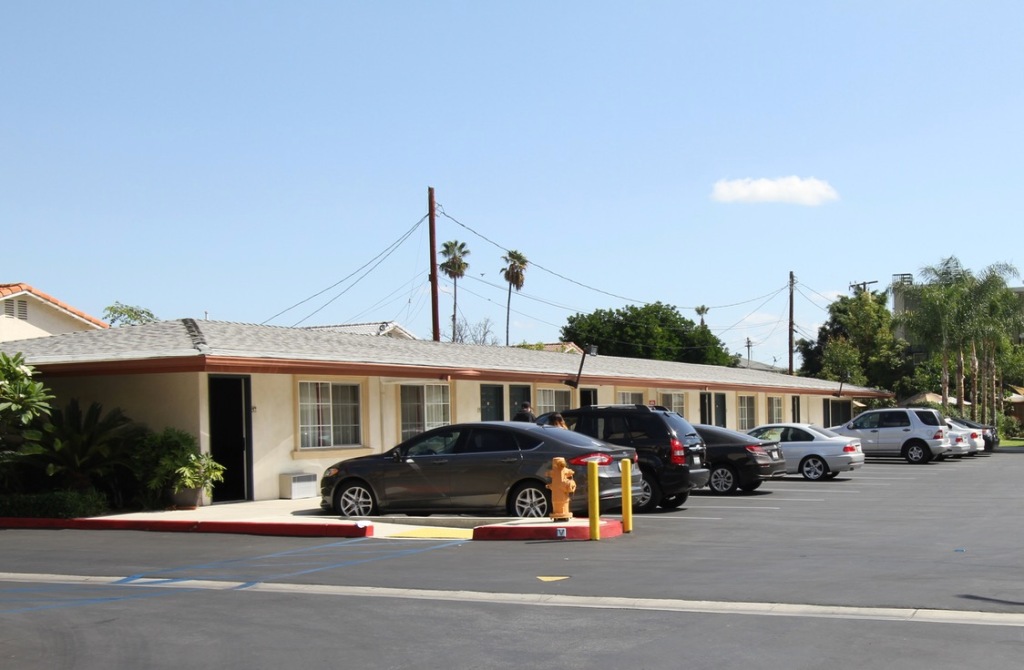
    When I was a kid back in 1971 I lived in Anaheim, California where my mom was a waitress at a local amusement park. Exploring Orange County as an adult recently it all felt more or less the same as I remembered – only more so. The primary adjective has always been beige. The last vestiges of orange groves that still lingered in my youth are long gone, but the tidy neighborhoods of modest tract homes, strip malls, and motels are all still there behind the shiny new stuff.

    I was asked to write about Orange County as part of a land use and transportation conference so I went straight to the new ARTIC intermodal transit center. The boosters for ARTIC use words like “iconic,” “transformative,” “unique,” “prestigious,” and “catalytic” to describe the transit hub. There’s a lot of talk about the cooperation of numerous agencies and private firms that all collaborated to make the $185 million project happen. The structure is about getting people excited about Anaheim. The nuts and bolts of transportation itself are peripheral.

    Cut to the poor bastard out there somewhere on an anonymous street in Orange County waiting (and waiting, and waiting) for a bus to arrive so he can catch his transfer and get from Point A to Point B. The really transformative thing that would get him excited about transit would be more frequent service and a trip that took twenty minutes instead of an hour and a half. ARTIC does nothing for him. But that was never the point. ARTIC isn’t about transit.
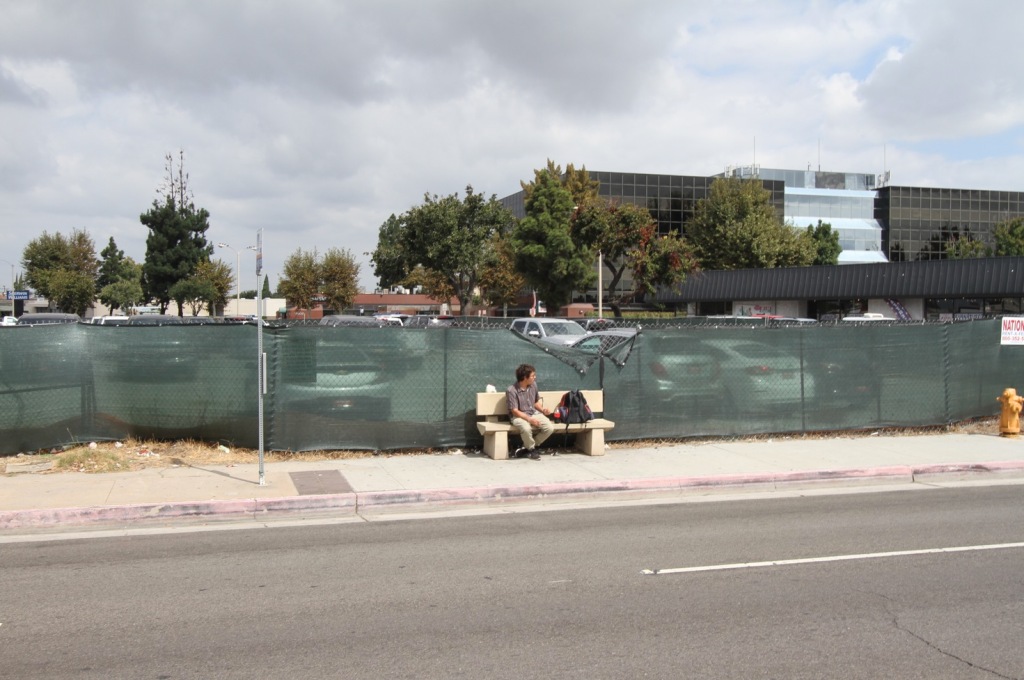
    I was staying in nearby Garden Grove six miles away from ARTIC and I decided to test the process of moving around Orange County by public transit. An internet query described a trip of an hour and five minutes by bus. I sat at a bus stop and waited with my fellow travelers and chatted with them about their daily experience. The bus got them where they needed to go, but it wasn’t great. After thirty minutes the bus appeared. I calculated the wait for the transfer along the way and then the trip back again and realized the bus would suck up three hours of my day. And I was going to be cutting it close for an appointment that afternoon.

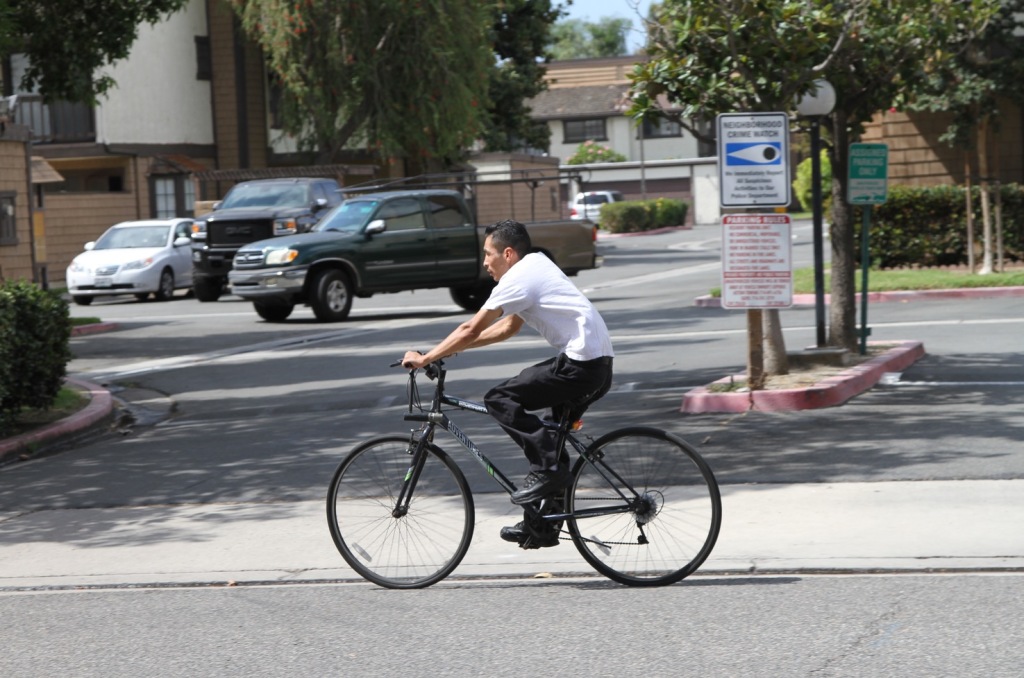
    Traveling by bike was going to take thirty seven minutes and it was all flat. I live in a transit rich neighborhood in San Francisco and I prefer my bike to transit most of the time. But as an out-of-town visitor I didn’t have a bike. I searched for bike rental facilities and there weren’t any near me. And there was the reality that most of the trip would be on the side of high speed eight lane arterials. It would have been doable, but not amazingly fun.

    Driving the six miles to ARTIC would take thirteen minutes so I walked back to my car. Here’s where I got a glimpse in to the prevailing culture of Orange County. I parked on a quiet residential side street and when I reached my car a note had been left on my wind shield. I was parked legally on a public street that had no restrictions. I wasn’t blocking anyone’s access and the street was mostly empty. The house in question had a two car garage and a driveway that could accommodate half a dozen vehicles. The parking problem wasn’t physical. It was emotional. Suburbanites don’t like their psychic space interfered with by interlopers. This goes a long way to explaining the transportation dynamics in the region.


    Google

    Google


    Google


    Google

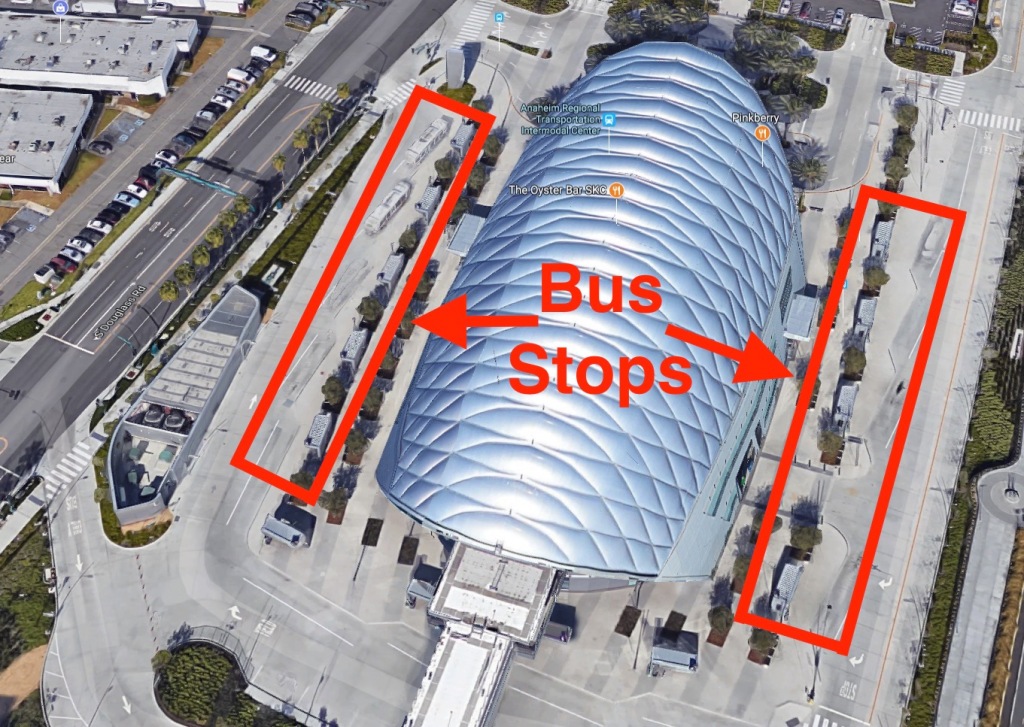
    ARTIC is so big that it’s easier to get a feel for the place on Google rather than on the ground. The train platform is at one end, the bus stops are on either side, there’s a bike path along one edge of the property, and parking is everywhere. You’ll notice that the elegant structure itself has no real function. It’s purely decorative and designed to make a statement on the skyline. It could be replaced by a few porta-potties and a food truck and the transit stuff would be totally unaffected.


    Google

    Notice the transit hub is in the middle of absolutely nothing. The site is bound by the Santa Ana River on one side, a giant freeway on the other, and massive parking lots for Angel’s Stadium and Honda Center. I dare anyone to walk from one of these buildings to another. Even if I had managed to take a bus or train to ARTIC the destination wouldn’t have rewarded the effort.


    Google

    During the boom of the early 2000s plans were drawn up to transform the aging industrial properties in the area to higher value residential, commercial, and professional uses. The authorities in Anaheim built ARTIC as a shiny temple to lever development of the nascent urban center called the Platinum Triangle. Those plans crashed with the 2008 financial crisis and are only now ramping back up.

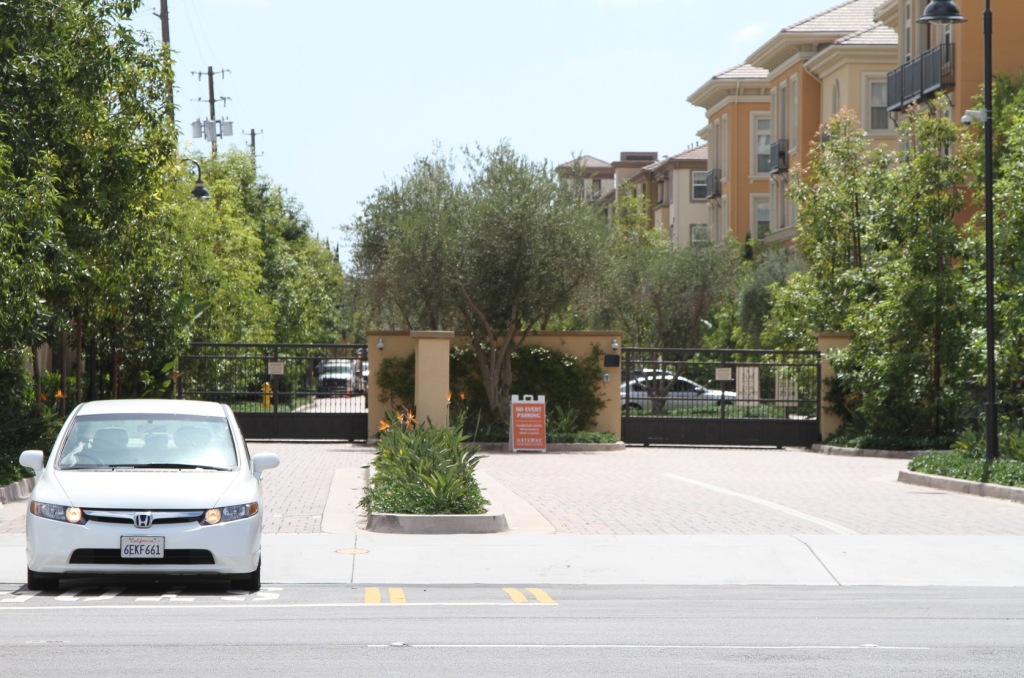
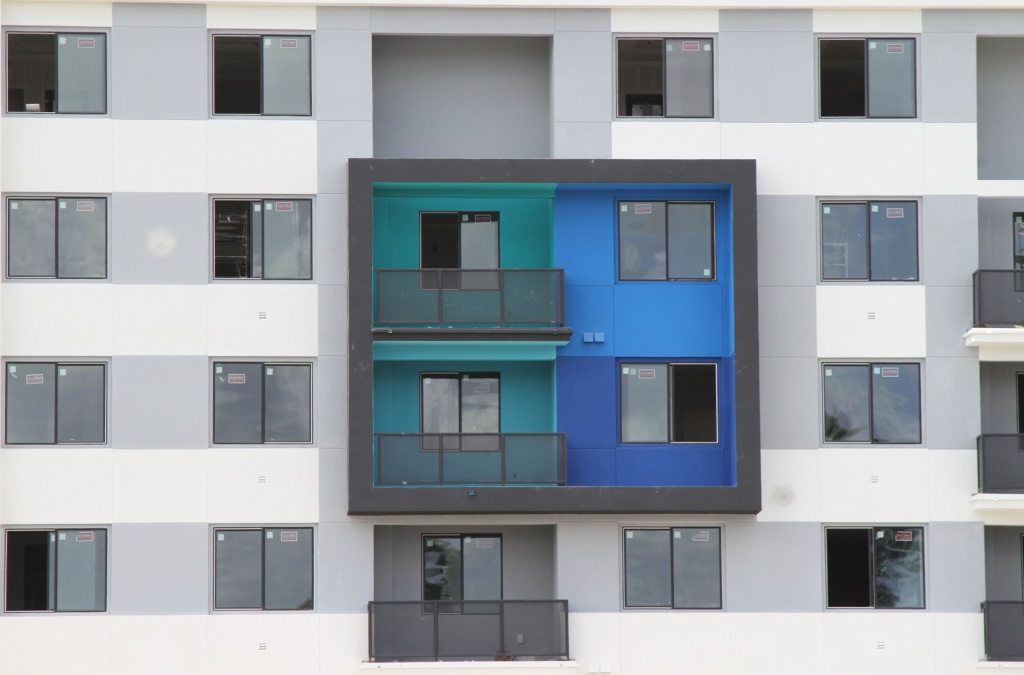
    The predominant design criteria for most of these new buildings involves suburban expectations. The interiors of the apartments as well as the private amenities within these complexes are quite nice and reflect the kinds of things affluent people have come to expect from single family homes in gated communities: greenery, swimming pools, convenient parking, privacy and security protocols. It’s all just been super sized at higher density. But when you’re outside of these buildings you stand between fortified shrubbery and ten lanes of traffic. People drive to the parking deck at the shopping mall or office park which is also hermetically sealed. It ain’t Paris.

    Ridership at ARTIC is considerably lower than anticipated for the simple reason that the physical environment is brutal for anyone who isn’t in a car – and that isn’t likely to change for a very long time. The density is coming. The urbanism isn’t. As I explored these new complexes I discovered that each of the lobbies and sales offices were accessed by the parking garage rather than the street. No one expects future residents to ever arrive on foot. This is Orange County… I talked to many of the low wage workers like the parking attendants. They all live in other more affordable cities at some distance. I asked them if they take transit. Not if they can possibly avoid it.
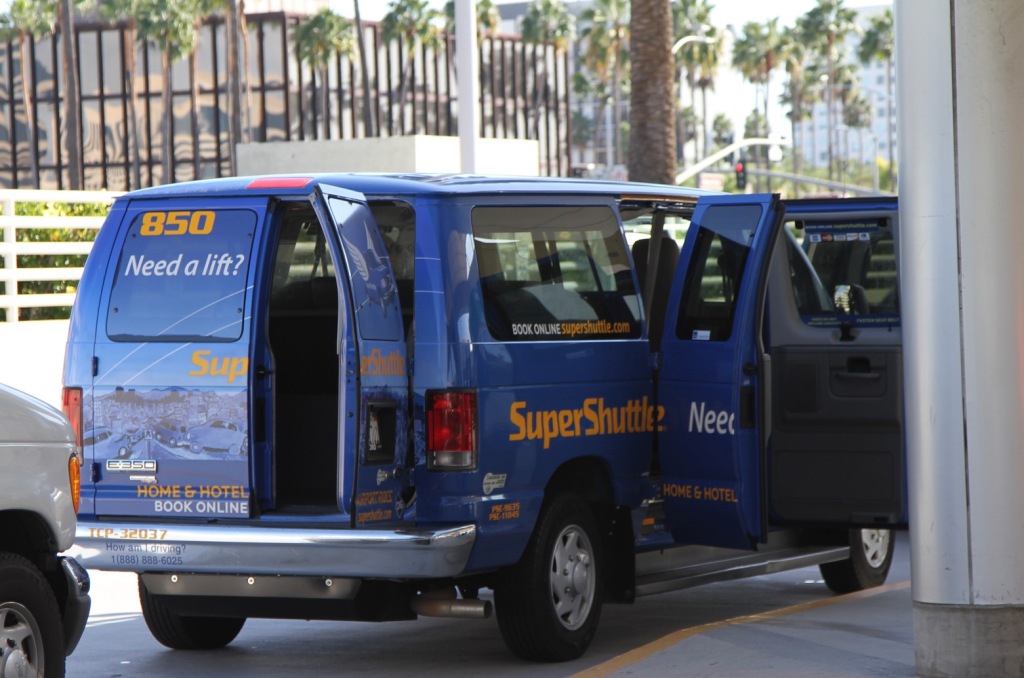
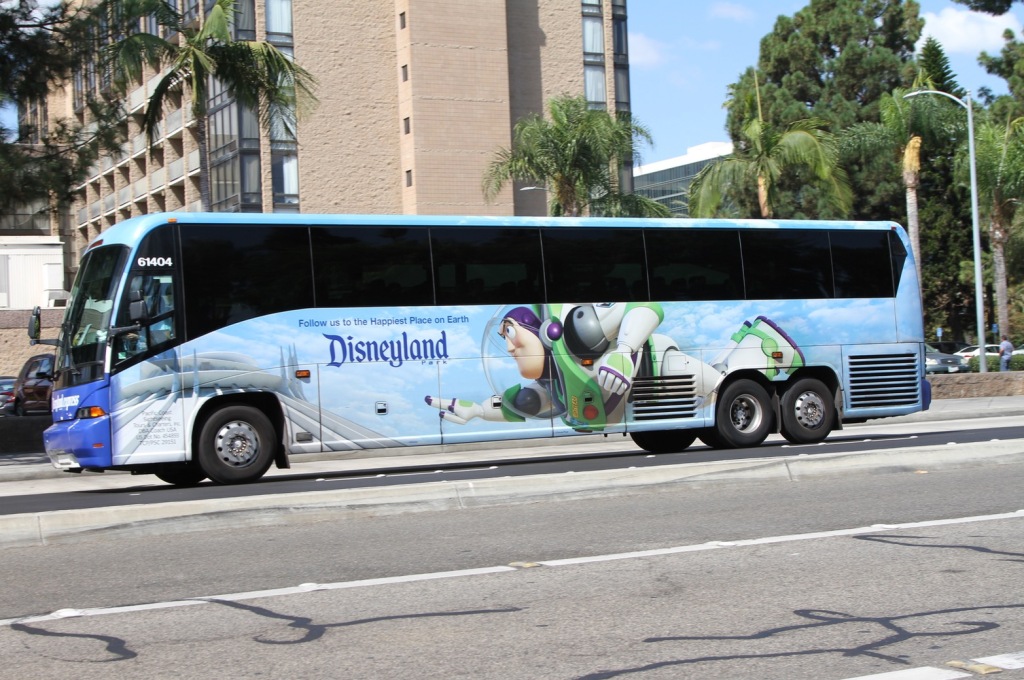
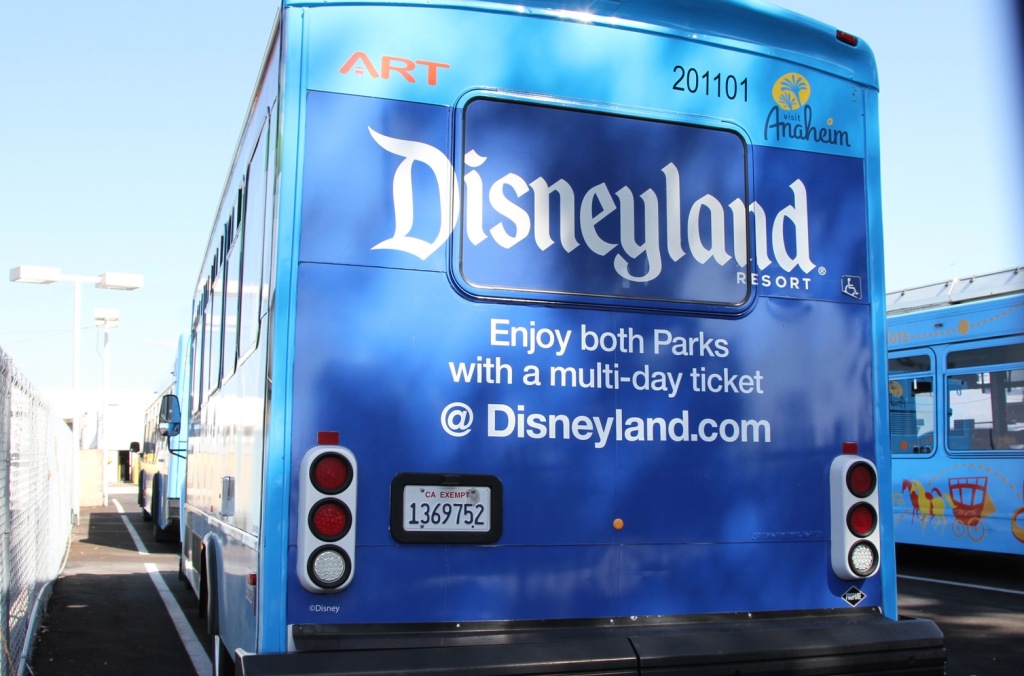
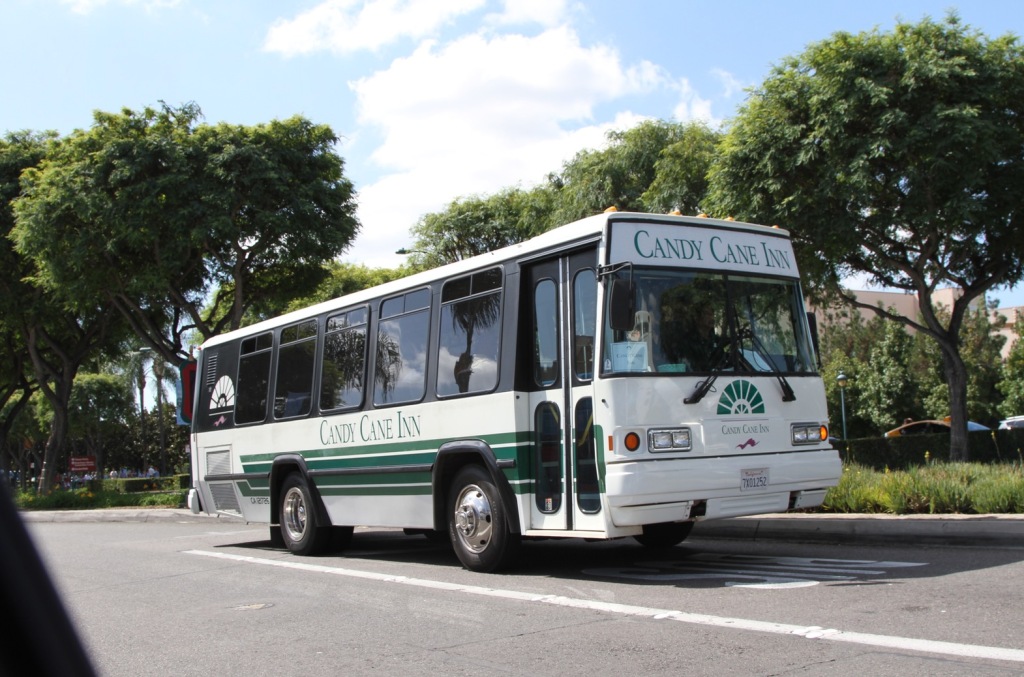
    Here’s how transit really works in Anaheim. Specific vehicle fleets take certain kinds of people to particular sorts of destinations. Both the populations and the destinations are cherry picked. The right kinds of people get to where they need to go quickly and efficiently. Everyone else… Suck it up.

    This piece first appeared on Granola Shotgun.

    John Sanphillippo lives in San Francisco and blogs about urbanism, adaptation, and resilience at granolashotgun.com. He’s a member of the Congress for New Urbanism, films videos for faircompanies.com, and is a regular contributor to Strongtowns.org. He earns his living by buying, renovating, and renting undervalued properties in places that have good long term prospects. He is a graduate of Rutgers University.

  • Garden Grove: The Other Kind of Incremental Urbanism

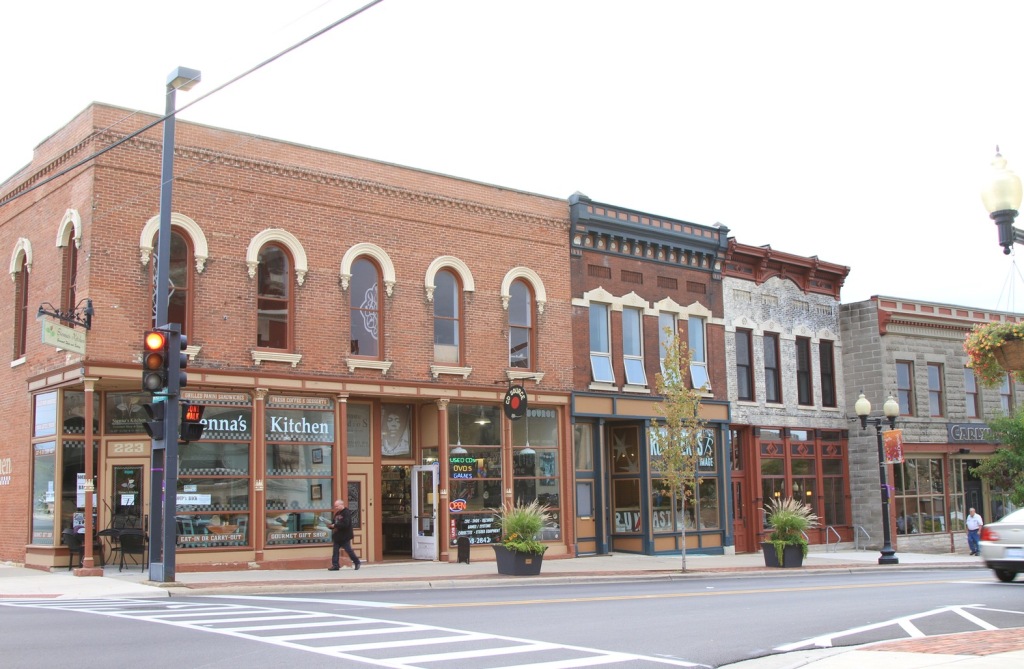
    This is the historic Main Street in Garden Grove, California. Back in 1874 land was platted in small twenty five foot wide lots and sold off with minimal infrastructure. Individuals built modest pragmatic structures with funds pulled largely from the household budget, extended family, and short term debt. This was long before the thirty year mortgage, government loan guaranties, mortgage interest tax deductions, zoning regulations, subsidies, economic development grants, or the codes we have today.

    Many of these simple one story shops were specifically designed to be subdivided in to two smaller shops that were each about twelve feet wide and not terribly deep. These were ideal economic incubators with a low bar to entry for tenants, yet they generated a high yield per square foot for the landlord. Businesses could expand and contract as needs changed. Some things failed. Others succeeded. Time sorted it all out.

    Families often lived above their own shops. In many cases rooms or apartments were rented to tenants. Sometimes the upper floors served as professional offices or hotel rooms. This was an additional layer of flexibility that allowed properties to adapt over time while providing affordable yet profitable accommodations. Everything expanded gradually as money and market demand permitted. This was the process that produced our Main Street towns all across the country.


    Here’s an aerial view of Main Street courtesy of Google. At one time it was the economic and cultural center of a thriving farm community. Notice the amount of private value relative to public infrastructure. Let’s pull out a bit and see what the surroundings look like today.


    Google

    Whatever may have existed around Main Street is now a vast ocean of surface parking lots. Next door and across the street are big box stores along high speed arterial roads. Times change. When transportation switched from shoe leather and horses to cars and trucks the scale of absolutely everything in society ramped up exponentially. The the old Main Street became a relic.

    Garden Grove’s civic leaders obviously thought its historic center was worth preserving, so planners did the best they could to keep it viable. Removing defunct buildings in favor of parking lots made the shops available to suburban motorists.

    Decorative paving, ye olde lamp posts, hanging flower baskets, park benches, lots and lots of American flags, potted shrubbery, and piped in music created a respectable unified atmosphere for retail. The place is clean, safe, and orderly.

    Events are programmed to keep Main Street active and attract customers. An Elvis festival, a vintage car show, the annual celebration of the strawberry… Shops that might otherwise go empty are filled with civic organizations like the Chamber of Commerce and the offices of elected representatives. Garden Grove’s remaining historic center – all one block of it – is well maintained. But it stopped functioning as a town a long time ago. It’s now an embellished strip mall. The current regulatory environment and larger economic context have halted the iterative wealth building process that might have otherwise continued. Now it’s dependent on city planning efforts to keep up appearances with grants for fresh lipstick and rouge. It’s an exercise in sentimentality and kitsch. Nothing else is legal anymore.

    Advocates for a return to the kind of development pattern that existed a century ago are up against hard limits of every kind. Reforming the current system of regulations and cultural attitudes is a waste of time. What they don’t recognize is that the small scale, fine grained, mom and pop process is alive and well in places like Garden Grove. It just doesn’t look like a Norman Rockwell village. That era is gone and isn’t coming back anytime soon. But a new version is already here. The mobile shop is the new version. I see more and more of these all across the county, because this is the new low resistance entry point for small businesses to form.

    This is only the visible stuff. Inside many suburban homes are businesses that you can’t see. These aren’t traditional retail stores. Operating a physical shop makes no sense in most cases. Who can compete with Costco or Amazon? Who wants to try to extract permission from the zoning authorities? But household ventures generate income in ways that aren’t readily apparent from the curb. I can’t publish photos of the best examples because I’d get a lot of good people in to trouble. But trust me. They’re out there in large numbers under the radar.

    When it comes to housing it’s incredibly difficult to build anything simple and cost effective anymore. A combination of endless regulations and outraged neighbors means only production home builders are left in the game. They build whole subdivisions of single family homes, or they build two hundred unit apartment complexes. The middle range of modest accommodations is no longer a reasonable option. Under the circumstance the existing stock of suburban homes are pressed in to service as de facto multi family buildings. On my way out of Orange County I asked a waitress at the airport about her living arrangements. She said she rented shared space in a five bedroom house in Costa Mesa. The overall rent was $4,200 a month. Her share was $1,100. She had three room mates. She also had three kids. That’s why so many front lawns are parking lots.

    There’s a general acceptance of the super sized suburban home. A plain vanilla ranch home can become a much larger house without breaking any rules. The neighbors don’t always love being in the shadow of such upscaled structures, but there’s the countervailing knowledge that surrounding property values go up with this kind of redevelopment. Borderline insolvent municipal authorities understand this sort of activity allows a rare opportunity for property taxes to be adjusted upwards without building more public infrastructure. And it’s difficult to create codes that forbid such additions so long as set back regulations, health and fire safety, and other concerns are addressed. It’s all still a regular house so the suburban imperatives remain inviolate.

    I have a peculiar ability to wander around and get myself invited in to people’s lives. This place in Garden Grove was once a little 1950s tract home. It was added on to in a way that perfectly conformed to all the existing rules and procedures and is still a fully detached single family home. But individual rooms are rented out and the tenants share a common kitchen and baths. It’s a small apartment building by other means. This is what we get when we forbid the Norman Rockwell Main Street model. Some people hate it. I see it as a perfectly natural response to the artificial constraints that have been placed on the old Main Street model. We can’t go back. But we can adapt and move forward under the circumstances.

    This piece first appeared on Granola Shotgun.

    John Sanphillippo lives in San Francisco and blogs about urbanism, adaptation, and resilience at granolashotgun.com. He’s a member of the Congress for New Urbanism, films videos for faircompanies.com, and is a regular contributor to Strongtowns.org. He earns his living by buying, renovating, and renting undervalued properties in places that have good long term prospects. He is a graduate of Rutgers University.

  • The Trouble With The Congress For New Urbanism

    I’ve been asked to submit a proposal for the next Congress for New Urbanism in May of 2018 by one of the organizers in Savannah, Georgia. I declined the first two times I was asked, then reluctantly agreed to offer a tentative outline the third time I was approached. I’m not convinced the committee will have much use for what I have to say.

    CNU has done some amazing things over the years that are worth celebrating. They’ve taken the standard building blocks of suburbia and infused them with some of the elements of earlier forms of traditional architecture and urbanism. Simple things like front porches, interconnected street grids, and garages at the rear along back alleys were subtle, but important refinements to the typical cul-de-sac arrangement. Bringing pocket parks, bike lanes, schools, and churches right in to residential neighborhoods was a huge struggle that challenged prevailing regulatory orthodoxy, but were instantly embraced by homebuyers hungry for this kind of community. And integrating storm water management, wildlife preservation, bike lanes, and urban agriculture into the master plan turned tedious problems into beloved amenities. None of this was easy.

    Urban infill has also been reinvented by CNU in a way that satisfies market demand as well as the endless regulations concerning off street parking requirements, fire codes, the Americans with Disabilities Act, and the parameters set down by institutional investors who fund these projects. These buildings are popular with a certain demographic, boost the local tax base, are profitable for those who build them, and contribute to the revitalization of older neighborhoods.

    My criticism of these New Urbanist activities is that they are fantastically large, complex, and hideously expensive relative to the resources and skills of a simple mom and pop who might want to build something small and incremental in their hometown. CNU has worked with an army of professionals to create noticeably better places. Kudos. But it’s impossible for ordinary people to participate in the process. If anything, it’s substantially more difficult to build or even modify anything at the household level now than it was twenty six years ago when CNU first formed. To be fair, changing the larger society hasn’t been an option. Instead CNU learned to do the things that worked and to scale up to meet the regulatory and political environment as needed.

    So what is it that I might say to the assembled professionals in Savannah next spring – assuming anyone wants to listen? First, CNU is now captive to the same institutional get-big-or-get-out Ponzi dynamics as every other part of society. The twentieth century was about growth of all kinds and our banks, production builders, corporations, and government agencies ramped up to manage that growth. The twenty first century is all about hitting limits, paying old bills that are coming due, maintaining an endless amount of aging infrastructure, and accommodating contraction. Absolutely no one in any position of authority has any idea of how to scale back down.

    Second, the overwhelming majority of communities outside the economic bubbles of places like Seattle, D.C. Miami, Dallas, New York, and San Francisco are visibly in decline with half dead strip malls and abandoned gas stations constituting the tax base and employment center. These places will never be reinvented as tree lined boulevards with streetcars and pedestrian oriented infill development. The money isn’t there. The market demand isn’t there. The political will isn’t there. And the remaining middle class residents of these places will come out with pitchforks and firebrands in opposition to public transit and higher density. These places never had a traditional Main Street to dust off and infuse with new life. They will have no choice but to adapt in place more or less as they are physically.

    Half the country is going to have to find a way to make things work on a shoestring budget in the absence of any new construction, professional planners, bank financing, and official permission. I see evidence of successful sub rosa household adaptation everywhere I go. Unfortunately I can’t write about most of it because it’s illegal. Quietly converting a single family home into a de facto duplex, planting a productive veggie garden on the front lawn, or operating a business out of the garage is treated with the same military style police response as drug trafficking and the sex trade. People are figuring this stuff out on the fly and on the cheap all by themselves and it works – not in spite of the lack of master planning, corporate investment, and government intervention – but because of it. CNU is irrelevant to this process.

    This piece first appeared on Granola Shotgun.

    John Sanphillippo lives in San Francisco and blogs about urbanism, adaptation, and resilience at granolashotgun.com. He’s a member of the Congress for New Urbanism, films videos for faircompanies.com, and is a regular contributor to Strongtowns.org. He earns his living by buying, renovating, and renting undervalued properties in places that have good long term prospects. He is a graduate of Rutgers University.

  • The Precariat Shoppe

    The precariat is a term coined to describe the segment of the population that lives without security or predictability. These days it often refers to the former American middle class that’s currently experiencing reduced circumstances. There’s always been a precariat, but it usually includes a minor subset of the population that no one really likes or cares about. Indentured Irish servants, black slaves, Jewish and Italian sweatshop workers, Mexican field hands, Puerto Rican cleaning ladies… It’s a long list. People are up in arms now because the “wrong people” have fallen in to the precariat that didn’t used to “belong” there. There’s been a sudden realization that sometimes the structure of the economy itself institutionalizes their personal decline. Shocking! I’m not a political animal so I’ll leave those discussions to others to hash out. Instead, I’m interested in how people adapt to the circumstances they find themselves in.

    We’re all familiar with the ice cream man whose truck rolls around with the happy music playing on hot summer days. This one is in Detroit – and it’s an ice cream lady. She bought an old delivery vehicle, did a bit of hand painting, fitted it with chest freezers, and opened for business. It’s a fast, low cost, and flexible way to get a business off the ground even in the most challenging economic environments.

    The ubiquitous food truck fills the gap between the cost, complexity, and risk of opening a brick and mortar restaurant vs. working for someone else. A well constructed food truck isn’t necessarily cheap, but it’s within the reach of many more people than anything in a building. This one is in Los Angeles.

    Here’s a twist on the mobile shop theme that’s a direct result of rising commercial rents. This woman ran a successful second hand clothing boutique for many years and was driven out when her shop rent hit $5,400 a month. You have to sell a lot of schmatta to make that nut. Now she follows various fairs and pubic gatherings with her merchandise in a repurposed school bus. She goes directly to where her customers are most likely to find her. As I’ve heard many times from shopkeepers around the world – it’s not how much money you earn, it’s how much you have left over after all the thieves are paid.

    Here’s a mobile veterinary clinic. Dogs, cats, horses… As the cost of a medical degree, insurance, and real estate have skyrocketed even doctors are taking a long hard look at the whole medical office building situation. The transition from a practice with a full team of professionals to a solo gig in a tricked out custom van can be described as a positive lifestyle change, but it’s almost certainly about money.

    I stumbled on this mobile grocery store complete with fresh produce, real bread, and dairy products. The offerings and prices were substantially better than what can be found at the alternative in this location – a classic food desert where people without access to a car have little choice but to buy low quality industrial food-like products at inflated prices at gas stations.

    Down the street I found a similar grocery truck. I chatted with the family that runs the business. There was a need in the community to bring in groceries as well as an opportunity to make money. The usual chain stores on the main arterial road don’t always work well for either customers or potential shopkeepers. The trucks do. They arrive exactly when and where they’re needed and stock what people want. I noticed health department certificates and Weights and Measures seals. Both trucks were Grade A.

    Here’s a mobile woodworker’s tool shop. These are specialty items not typically found in most hardware stores. This man has a relationship with various brick and mortar lumber yards who find his presence good for business. Social media alerts customers of his schedule. Mobile shops have the ability to specialize and cover a wider territory more economically than a stationary establishment burdened with overhead and a limited static customer base.

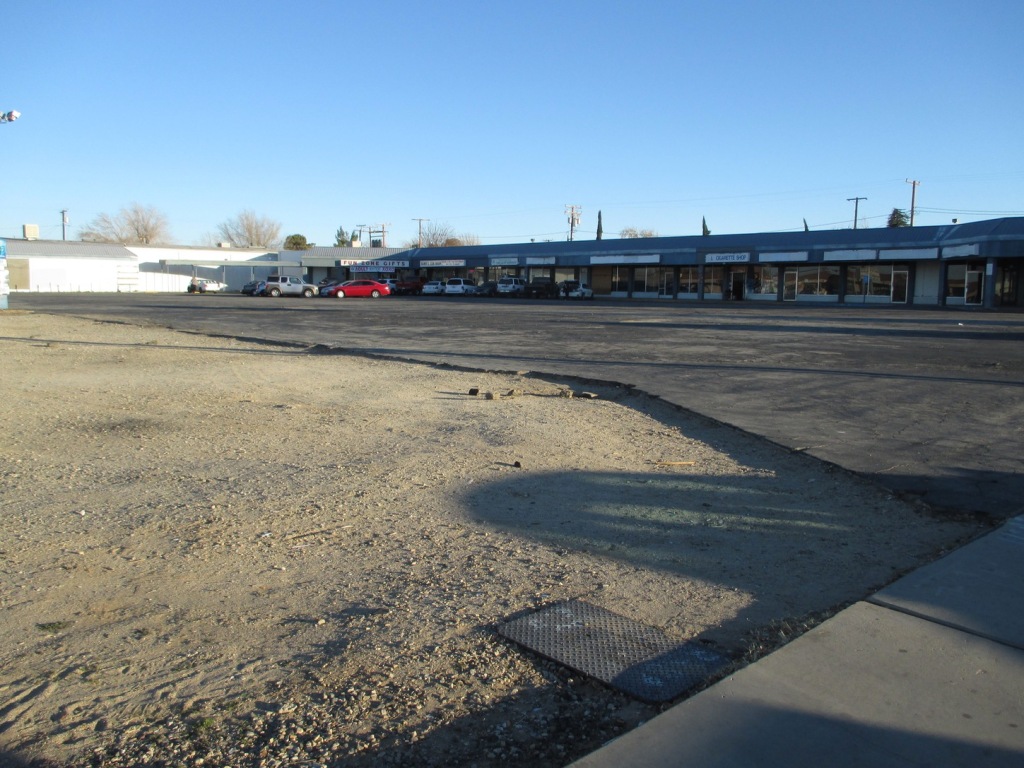
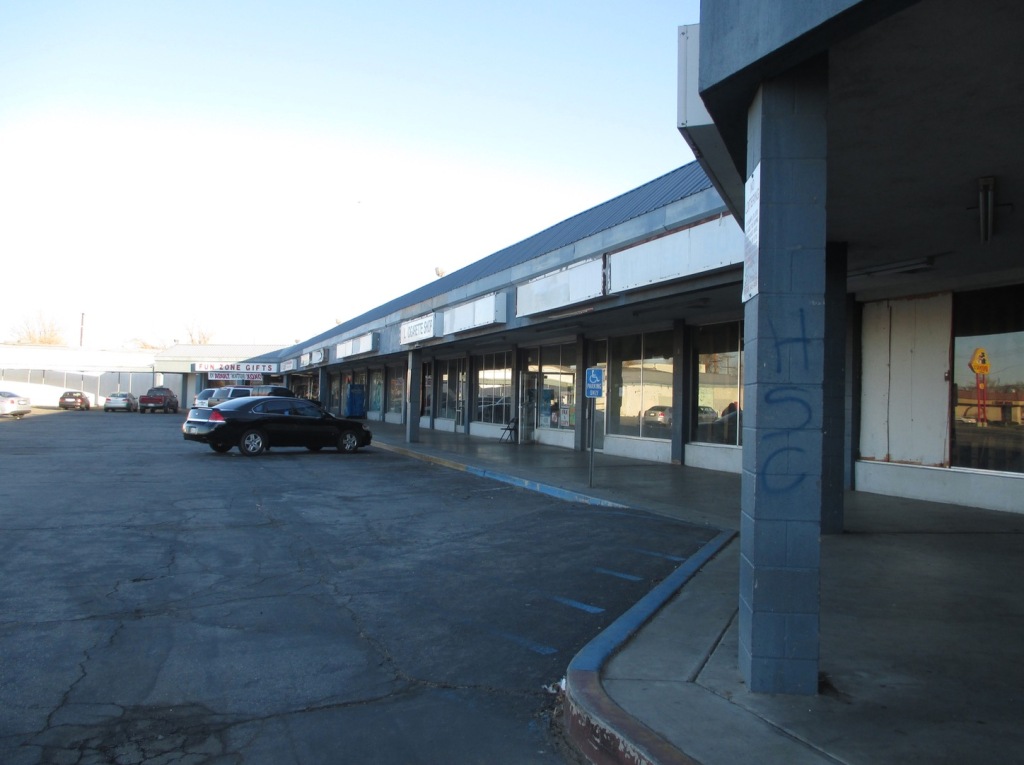
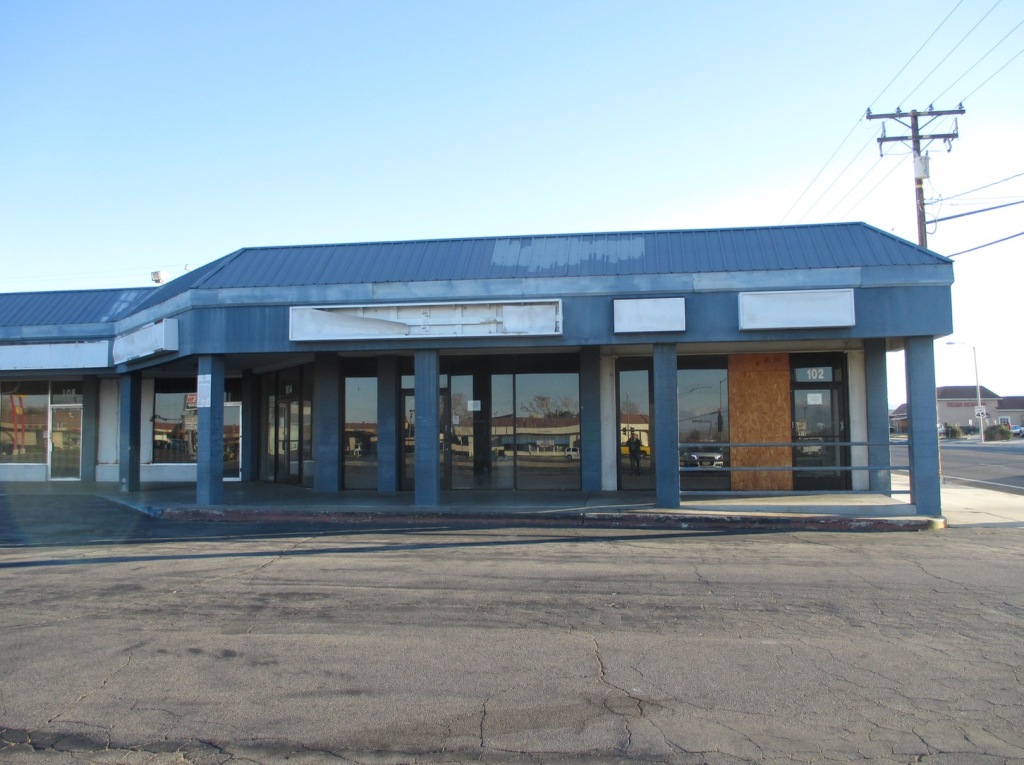
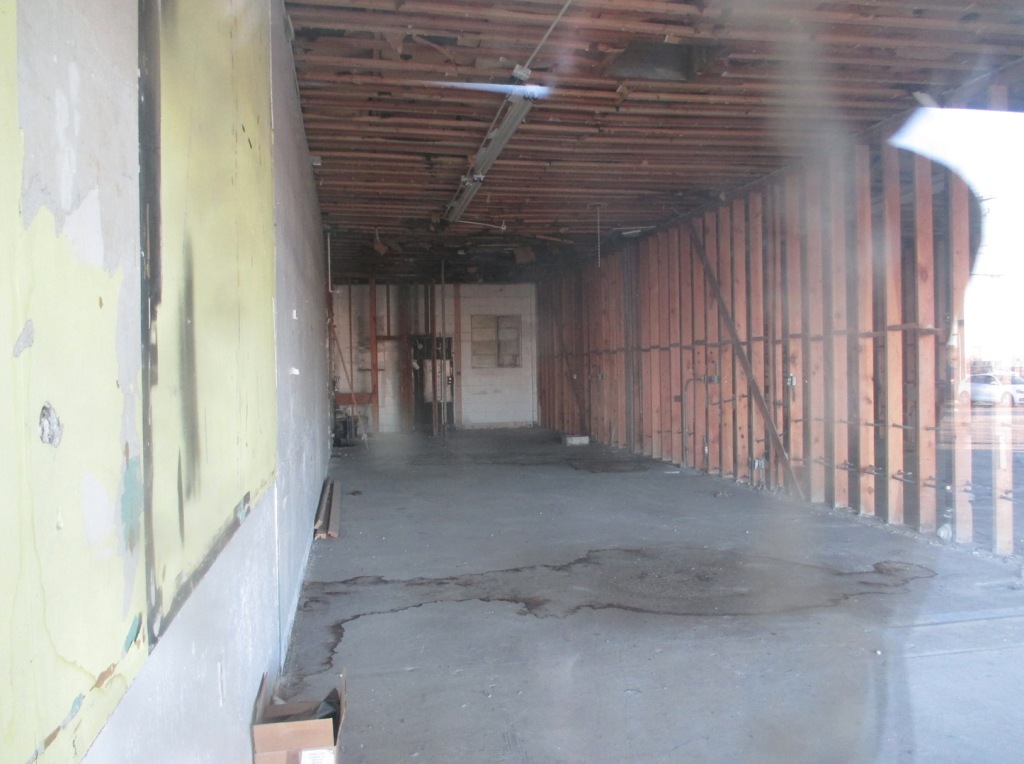
    The irony here is that all around the parking lots that host occasional mobile vendors are empty buildings that once housed chain pharmacies, banks, and such. Sometimes new buildings are constructed to house updated versions of the same stores in the same town. Sometimes there’s simply less need for physical operations as activity migrates to the interwebs. But repurposing the vacated spaces is hard. The size, configuration, and cost of these places is fundamentally at odds with the creation of new small scale mom and pop enterprises. The numbers don’t add up. I’ve had nearly everyone I talked to tell me some version of the same story. The combination of expenses, regulations, and the culture of distant corporate management is all agressively hostile to their efforts. And taking on a single employee is often the difference between making money and failing within the first year.

    Here’s one example of the challenges of opening a brick and mortar shop even if you have a generous budget. A prosperous California winery decided to open a tasting room in town to promote its products. The building had been a family paint store since the 1950s. The 2008 financial crash forced it to close. The new owners gave the old nondescript concrete block building a designer facelift. But it was a bumpy road. The climate controlled warehouse in the back was subject to a design review board that spent months rejecting the proposed color of the structure. White was preferred by the owner since it reflected heat most effectively. Evidently pure white was not in keeping with the character of the community. There was a back and forth with the oversight committee over various shades of off white, beige, and creme anglaise. Each time the committee rejected a color the process had to start all over again which delayed the opening of the shop by several weeks – which all costs money.

    The fire marshal insisted on the installation of this bit of plumbing that cost $65,000. I can’t think of anything more flammable than 1950s era paint – not even wine – yet somehow the building managed not to burn for sixty odd years. But no new business could open in this spot until this valve was installed. And then there was the requirement that each seat and stool in the tasting room have a corresponding parking spot on site while not interfering with the ability of a giant fire truck to completely encircle the entire property.

    Here’s the other end of the spectrum. A mother and daughter sell cold drinks at a busy bus stop from an ice chest. Totally ADA compliant!

    But the award for creative entrepreneurial capitalism goes to this mobile video game kiosk that regularly parks outside a San Francisco bar on weekend evenings. Comfortably liquified patrons settle in to folding chairs and play electronic games on the sidewalk. Free! (But please keep the tips coming.) It’s been in the same spot for so long the bar owners must not mind. This is how you work a side hustle when you’re part of the precariat.

    This piece first appeared on Granola Shotgun.

    John Sanphillippo lives in San Francisco and blogs about urbanism, adaptation, and resilience at granolashotgun.com. He’s a member of the Congress for New Urbanism, films videos for faircompanies.com, and is a regular contributor to Strongtowns.org. He earns his living by buying, renovating, and renting undervalued properties in places that have good long term prospects. He is a graduate of Rutgers University.

  • MREs Are Not For The Weak

    Friends recently visited from Pittsburgh – a city I know well and am quite fond of. We spent time wandering around San Francisco doing the usual tourist things together including some museum stops that featured work by Pittsburgh native son Andy Warhol and a special exhibition of Norwegian painter Edvard Munch which was actually more disturbing and pervy than I expected.


    Over dinner in my kitchen a neighbor stopped by and the conversation turned from art to a gentle teasing over my prepper activities. “Has Johnny given you the tour of the grain he keeps stockpiled under his bed?”  The Pittsburgh wife asked if I had supplies of MREs – Meals Ready to Eat. The question was halfway between earnest curiosity and bemusement over a peculiar hobby. My reply was quick and emphatic. “Prepackaged military rations are for pussies. I make my own” The table broke out in laughter.

    The idea that anyone can prep by buying highly processed store bought goods manufactured at a great distance – and probably paid for with a credit card – is missing the point entirely. Real preparedness doesn’t come in a box. Preparedness is about organizing your ordinary everyday life in a way that makes you less dependent on larger attenuated systems and the cash economy. The two approaches aren’t mutually exclusive, but MREs will only get you so far. Once you eat the last mylar pouch of turkey tetrazzini you have to figure out where to get more money to buy more manufactured rations.

    What I engage in is closer to homesteading – or the modern incarnation given what’s possible within my particular circumstances. I think of it as household scale import replacement that counteracts the vulnerabilities of our highly leveraged modern just-in-time supply chain. If your goal is to have food on hand in a crisis – be it personal or societal – then store bought food in the pantry is an excellent first step. But the next step is to start producing and processing your own food. This isn’t about “self sufficiency” or going “off grid.” It’s about a steady transition toward a household economy that can more easily function outside the larger systems if they should wobble. Having the physical equipment and skills to fend for yourself ahead of the curve will serve you better over the long haul. And the stuff I make myself is a lot better than MREs.

    This piece first appeared on Granola Shotgun.

    John Sanphillippo lives in San Francisco and blogs about urbanism, adaptation, and resilience at granolashotgun.com. He’s a member of the Congress for New Urbanism, films videos for faircompanies.com, and is a regular contributor to Strongtowns.org. He earns his living by buying, renovating, and renting undervalued properties in places that have good long term prospects. He is a graduate of Rutgers University.

  • Postcards From the Zombie Apocalypse

    I’m regularly accused of being a doomer whenever I point out the obvious – that many aspects of how we’ve organized our affairs over the last several decades aren’t meant to last. So they won’t. The end of Jiffy Lube and Lean Cuisine isn’t The End. Civilization will carry on without them, I assure you. But when it’s suggested that our current set of arrangements won’t last forever people immediately imagine Mad Max, as if no other alternative exists. Things are going to change. They always have and they always will. The future will just be different. That’s absolutely not the same as saying the world is coming to an end. Clear eyed individuals who are paying attention can start to get a feel for who the new winners and losers are likely to be and place themselves in the best possible situation ahead of the curve. That’s a pragmatist’s view – not a doomer’s.

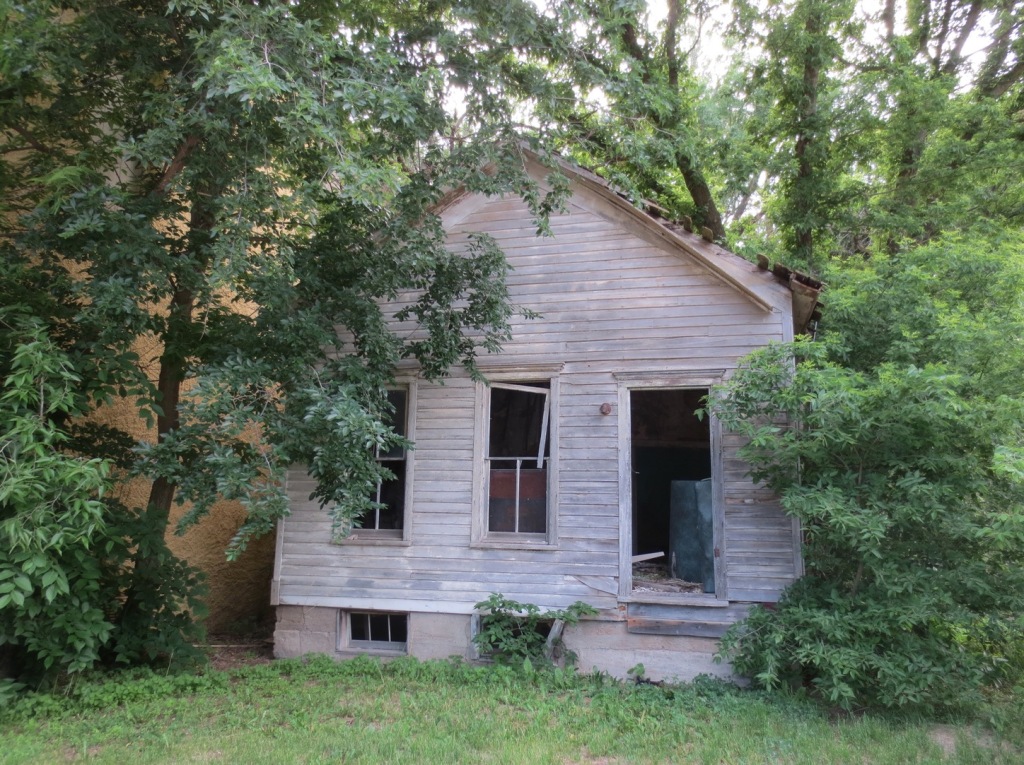
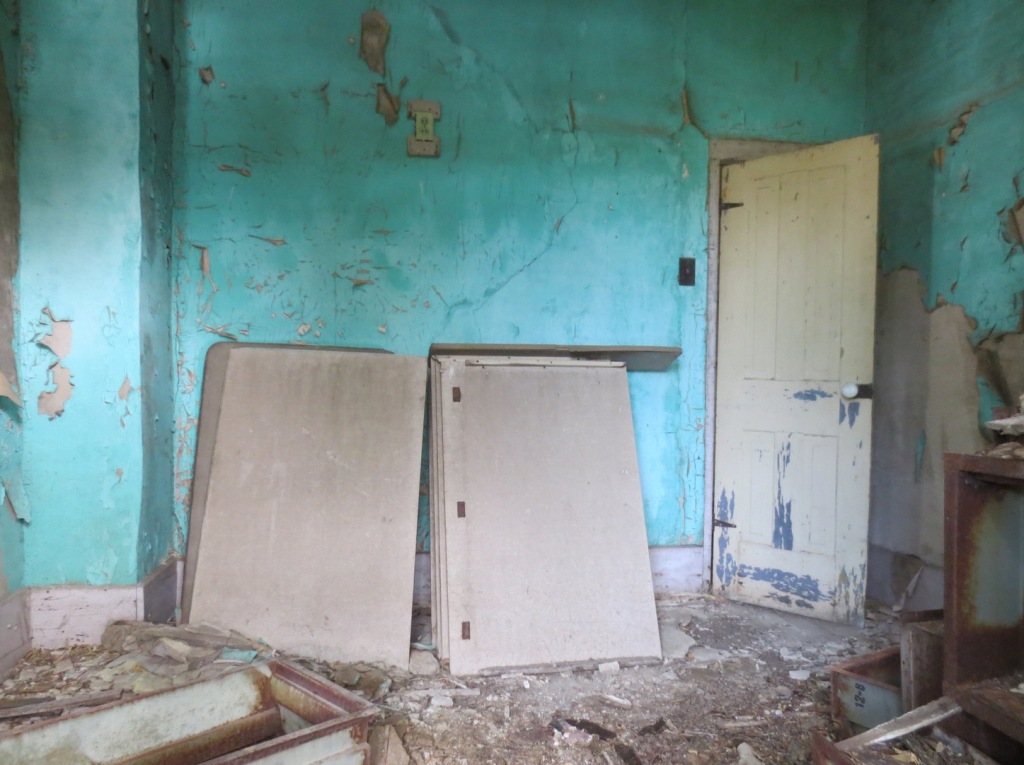
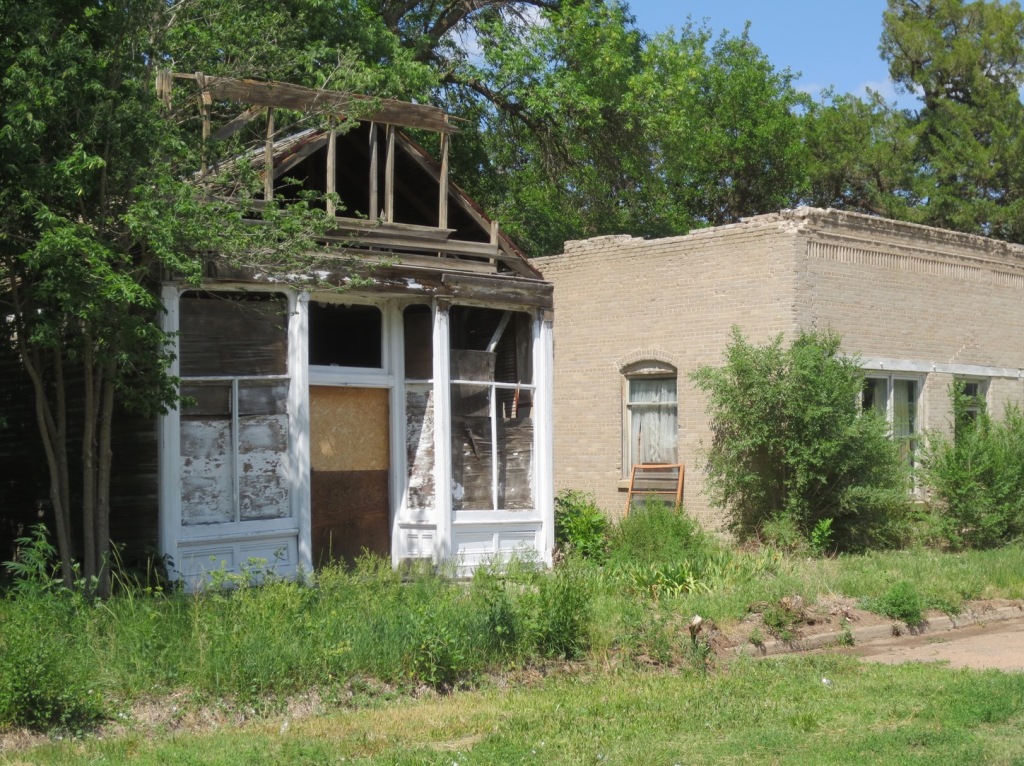
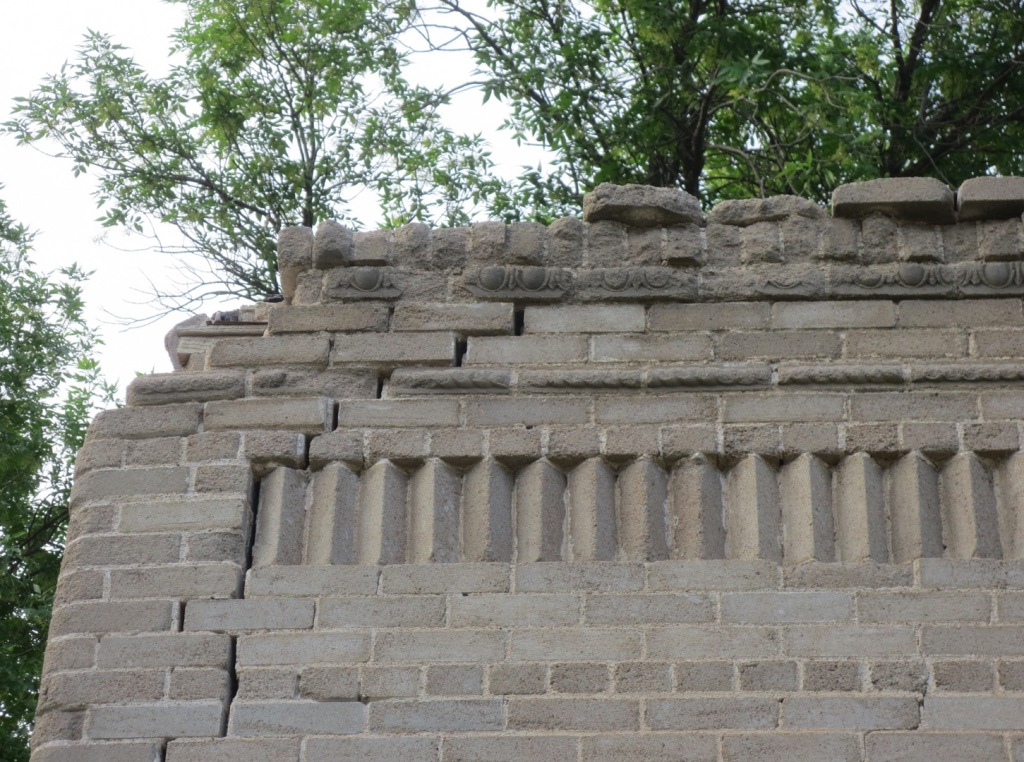
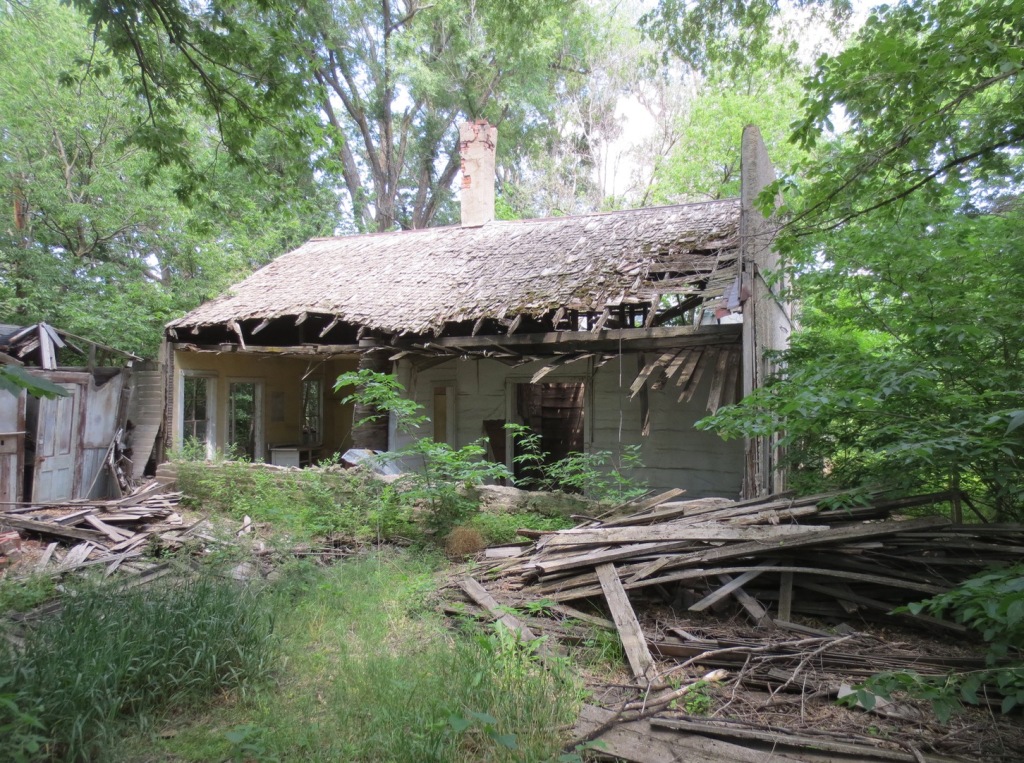
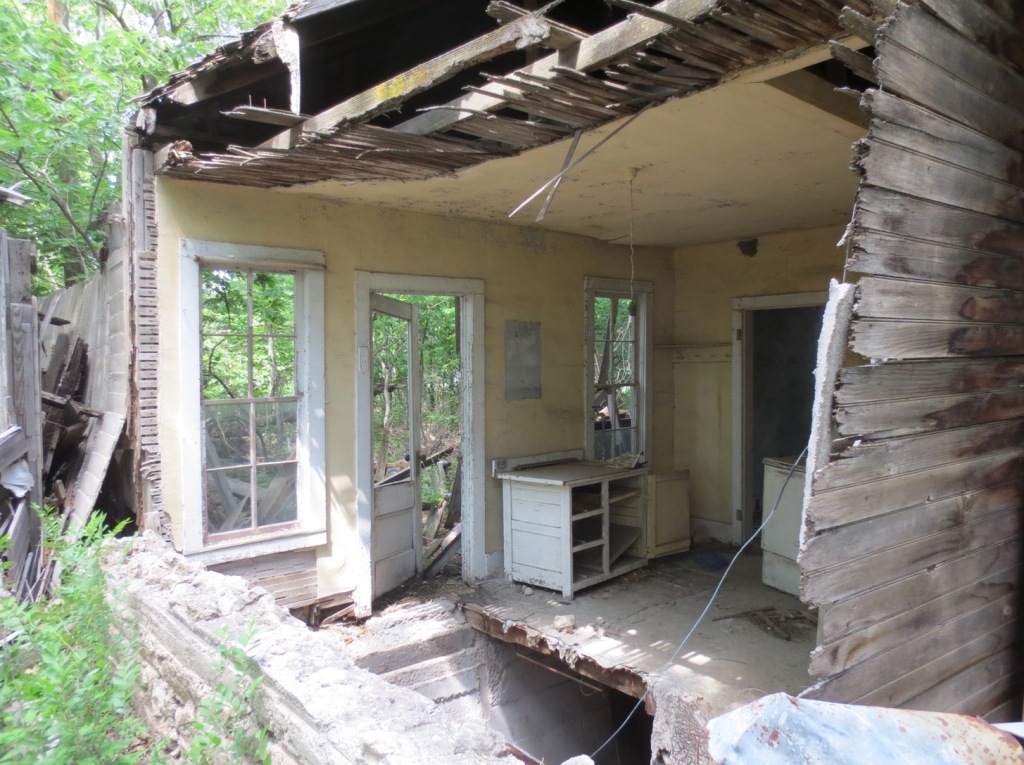
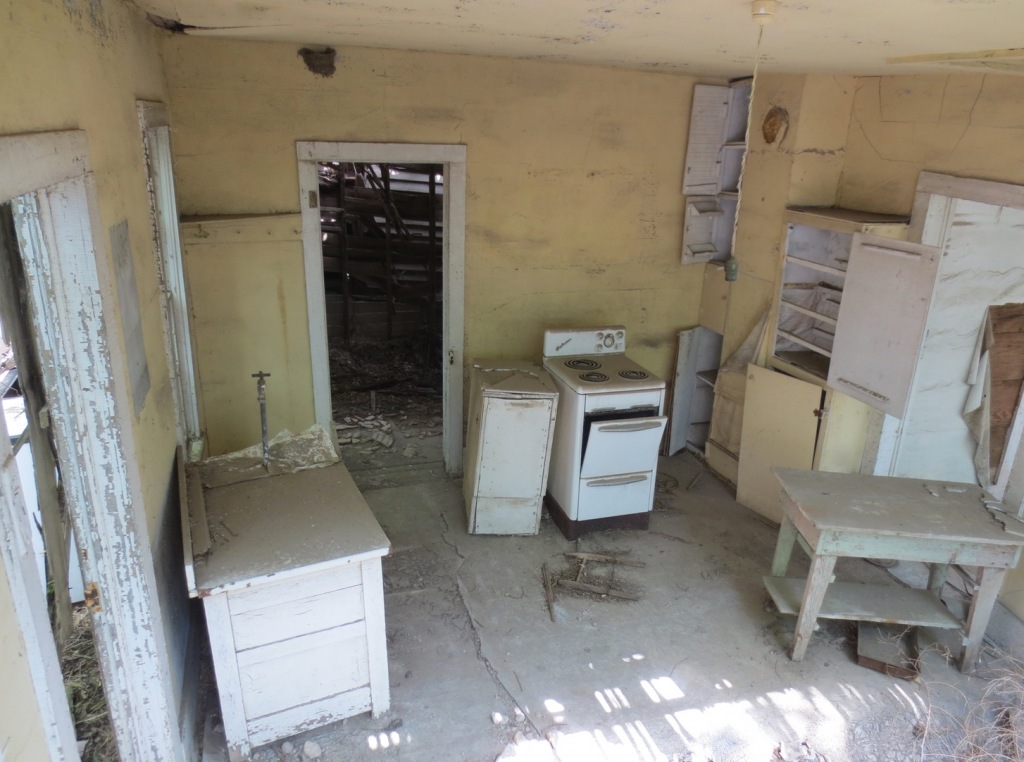
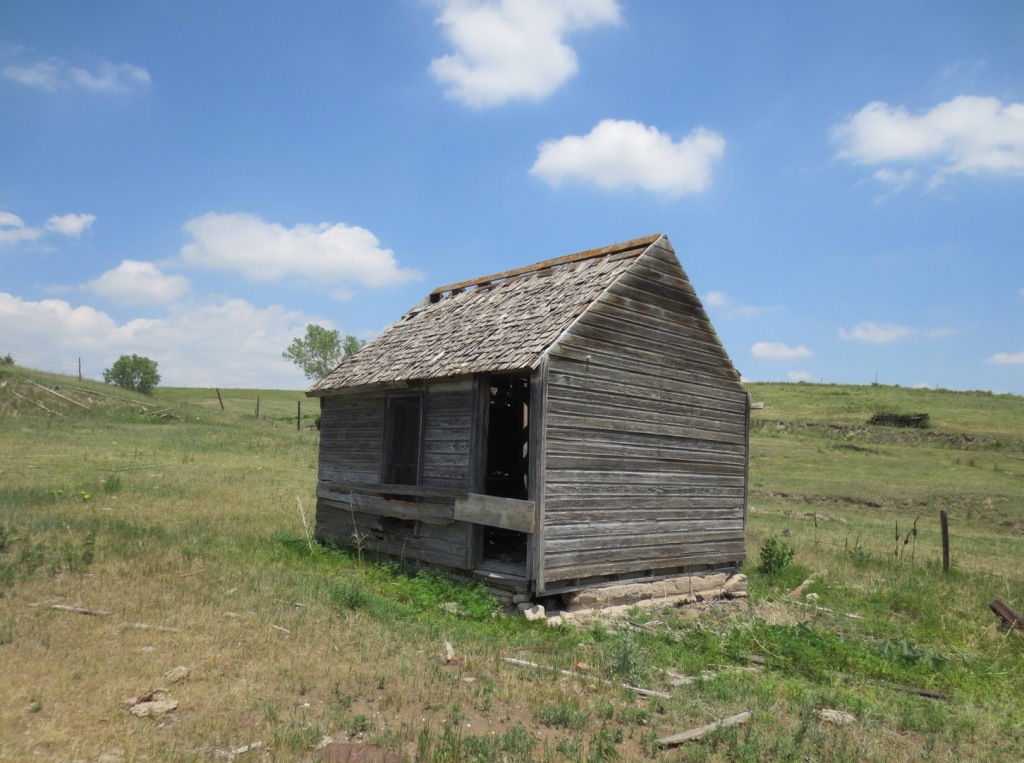
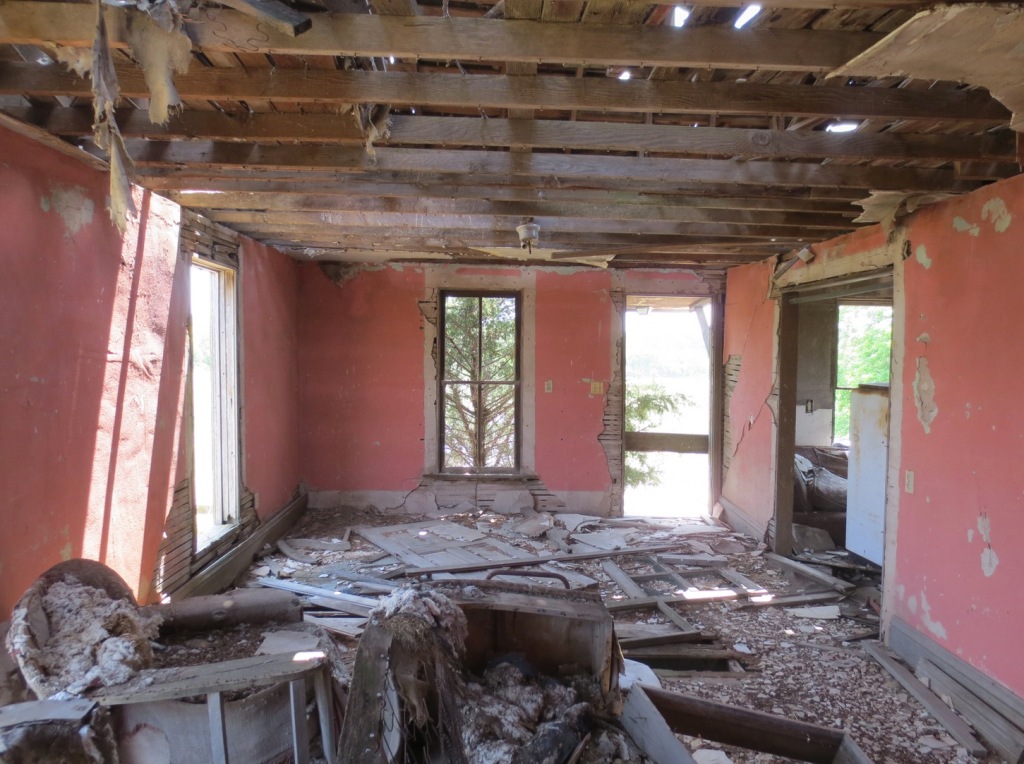
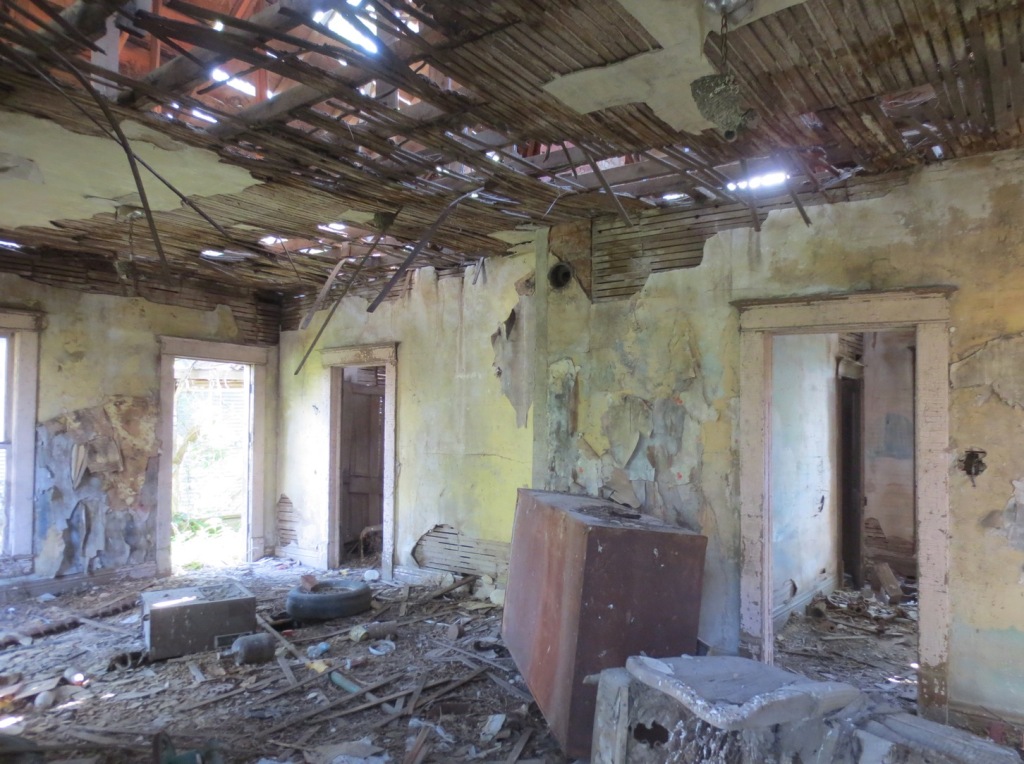
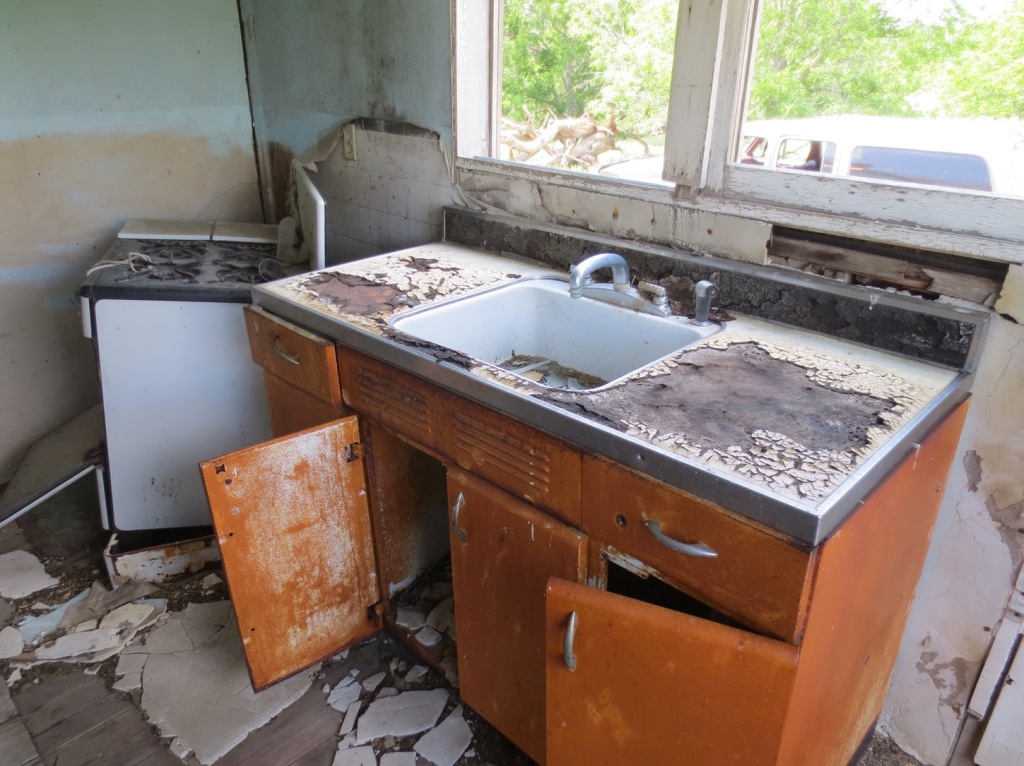
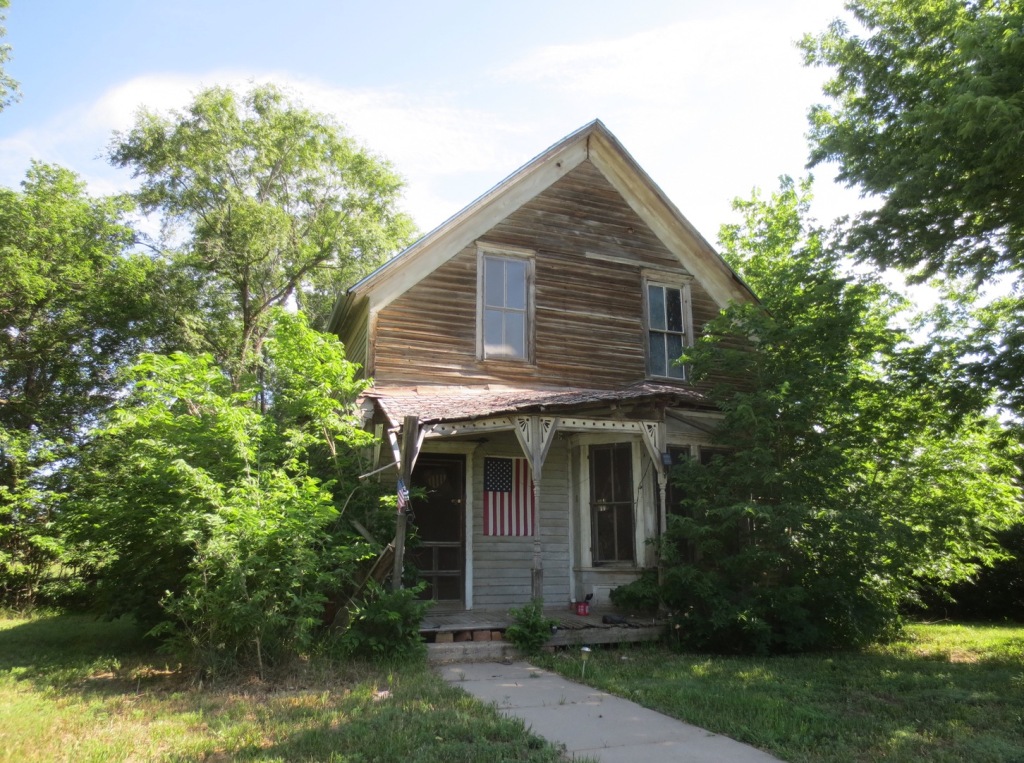
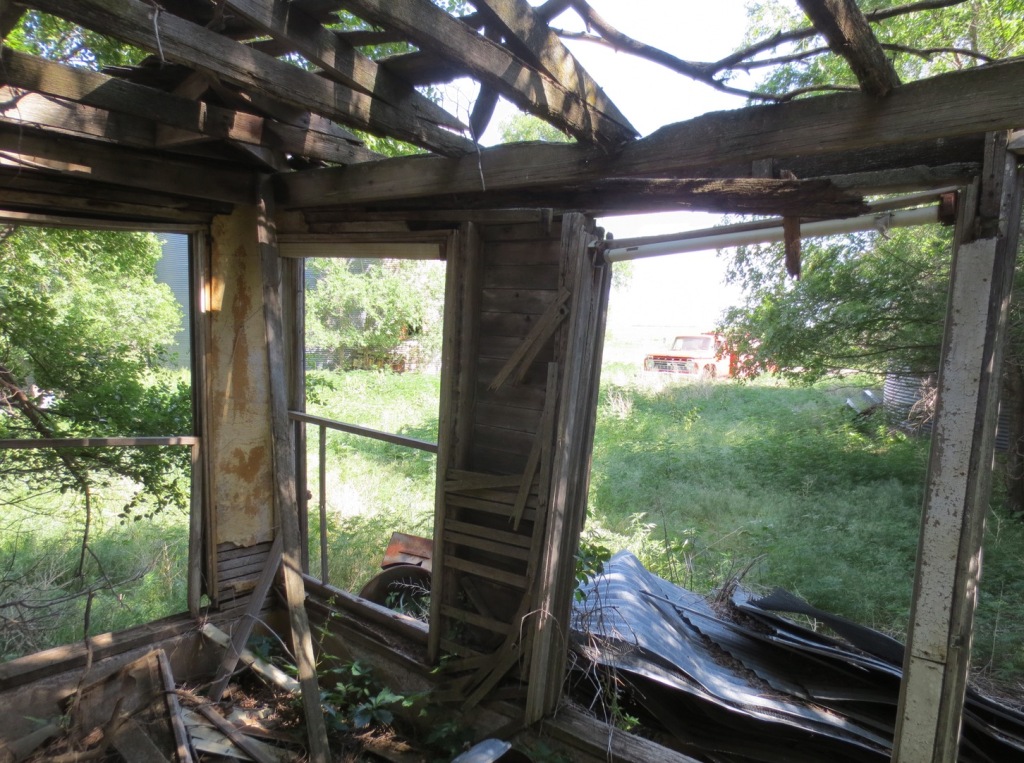
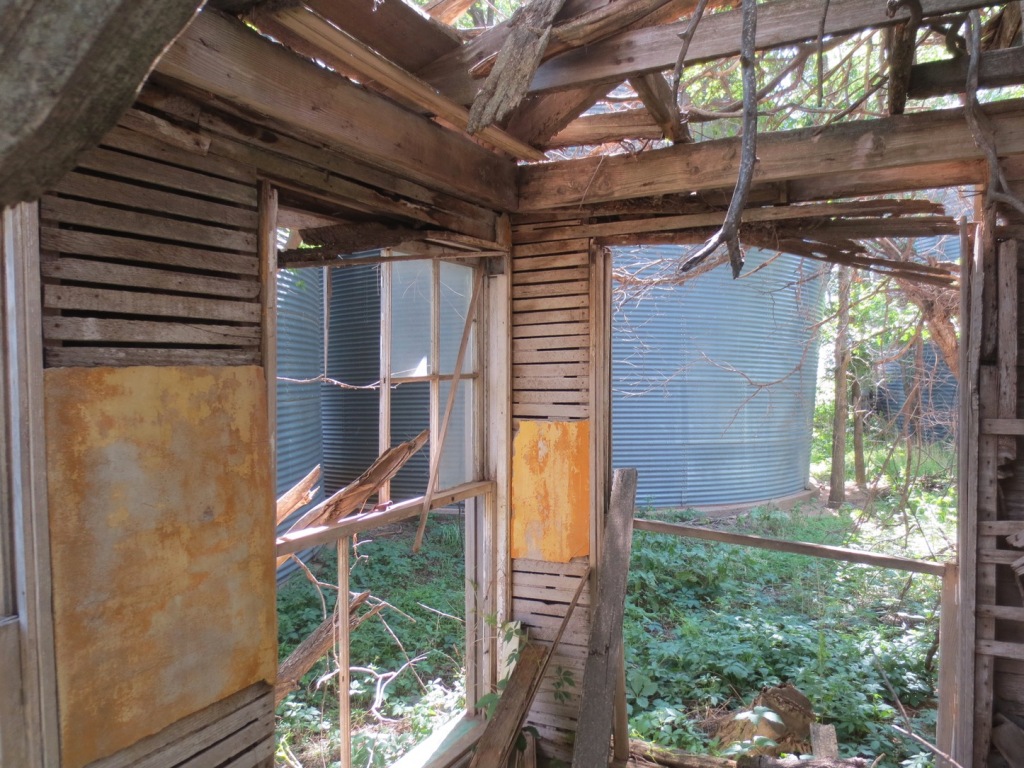
    It helps to explore previous versions of these regularly occurring historical shifts. Think of them as postcards from the last few rounds of the Zombie Apocalypse. Here’s a small farm town in rural Nebraska. Its population peaked in the 1920s. The period between World War I and the Great Depression was an especially prosperous time for such towns as commodity prices were high and technological innovation (the telephone, radio, automobiles, tractors, etc.) created an enormous amount of new wealth and opportunity. The 1920s was also an era of rampant unsustainable practices of all kinds that lead to the ruined soils and draughts of the Dustbowl and the collapse of speculative credit based financial institutions. The population of this town began to decline in the 1930s and is currently down to a few dozen souls.

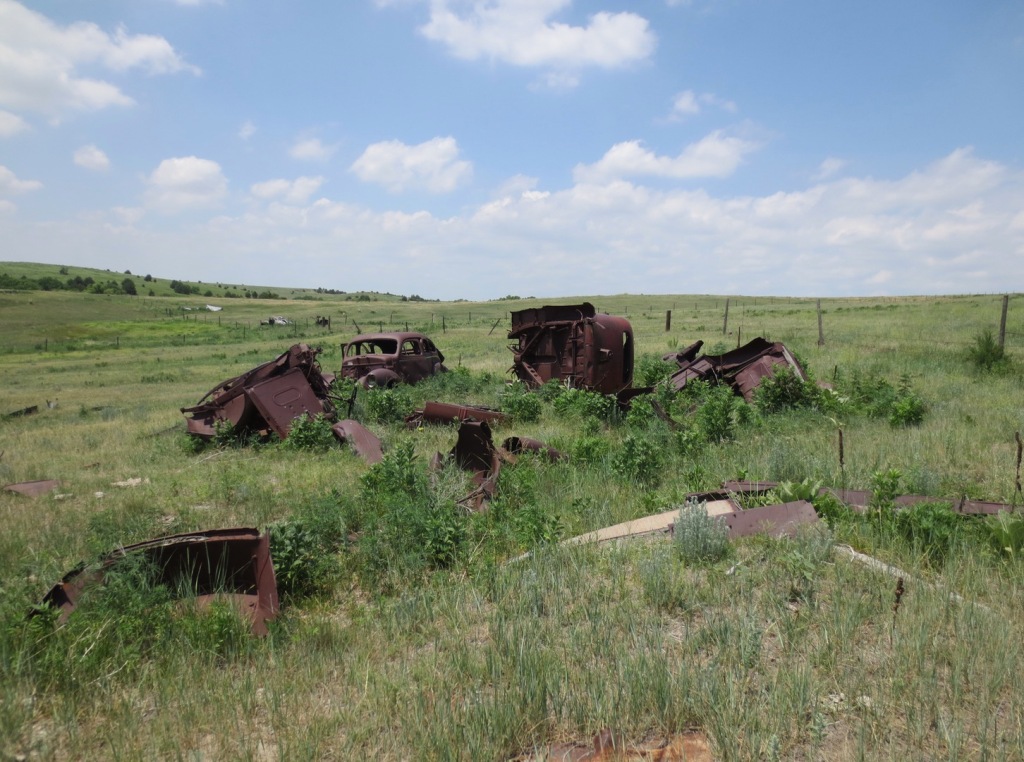
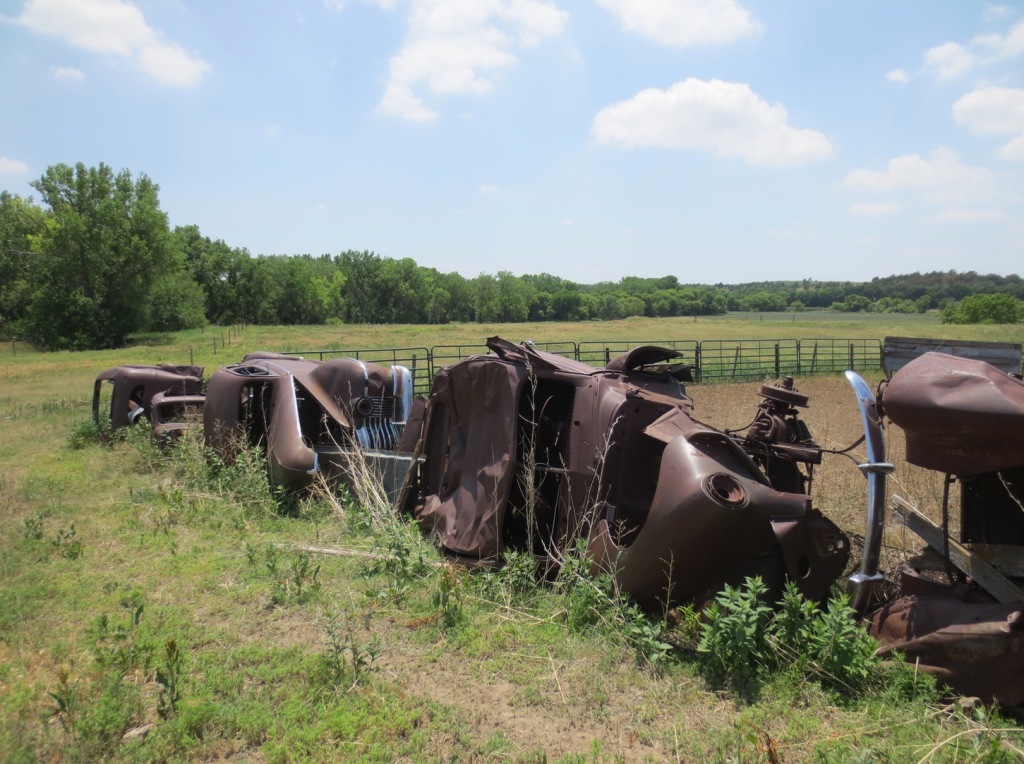
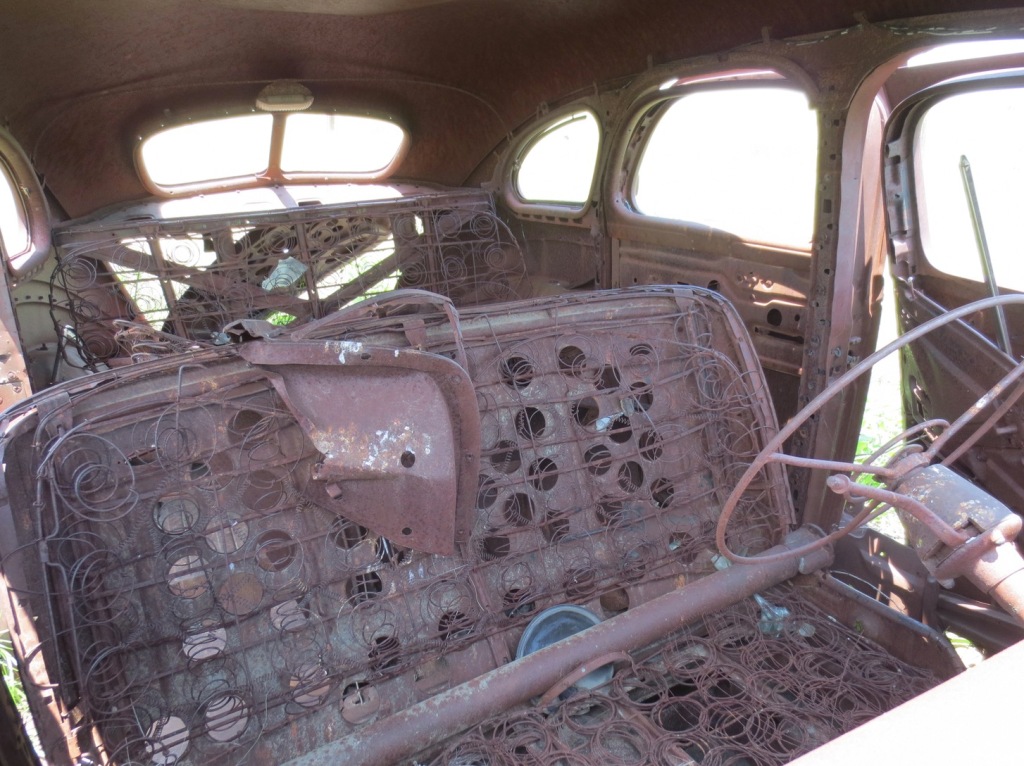
    Remnants of some of that early twentieth century technology still litter pastures on the edge of town. One resourceful farmer organized these old car carcasses into a makeshift corral for his livestock.

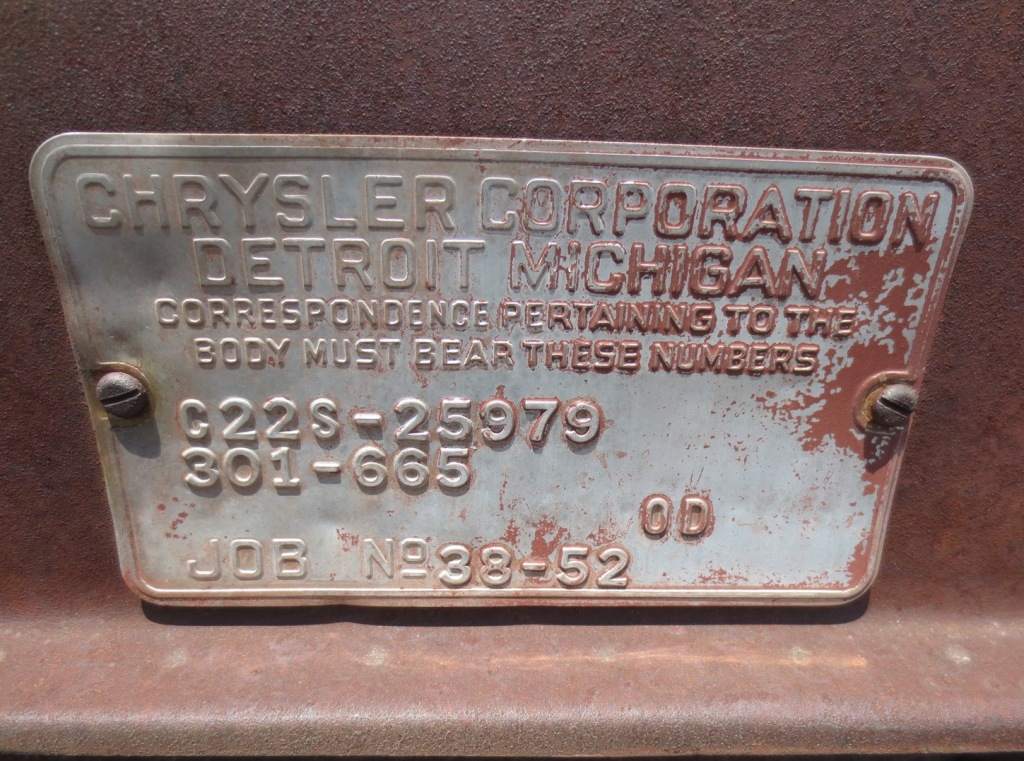
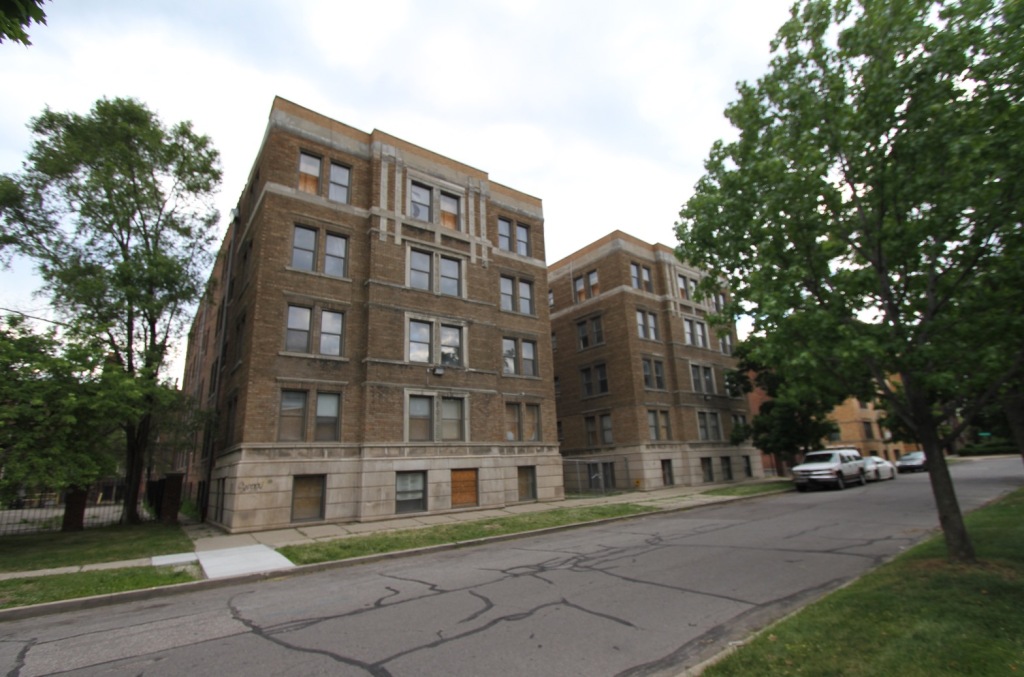
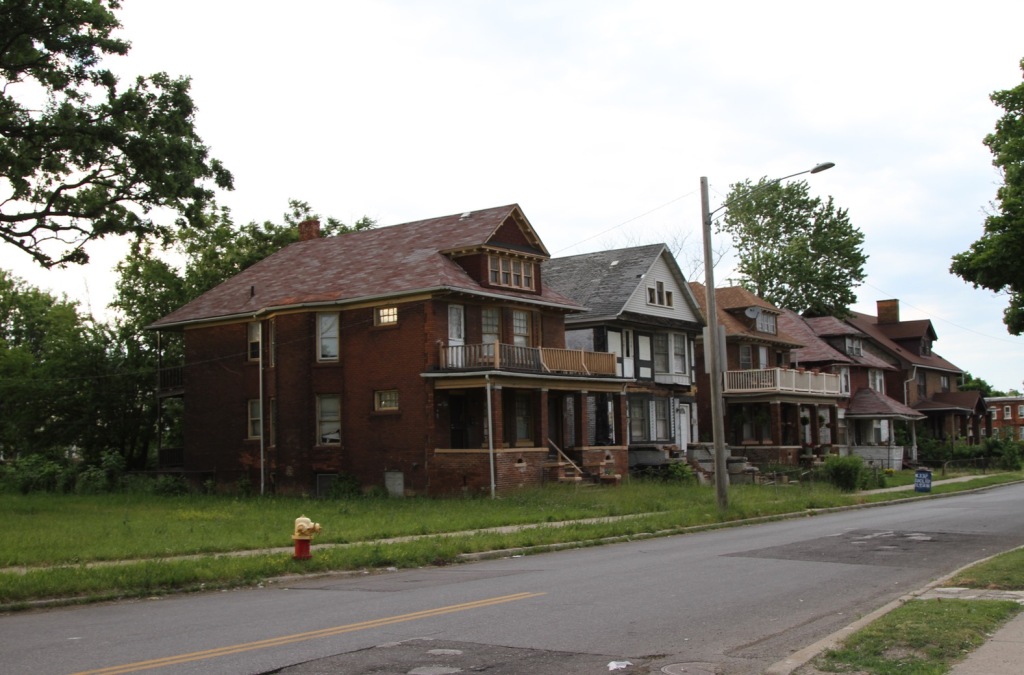
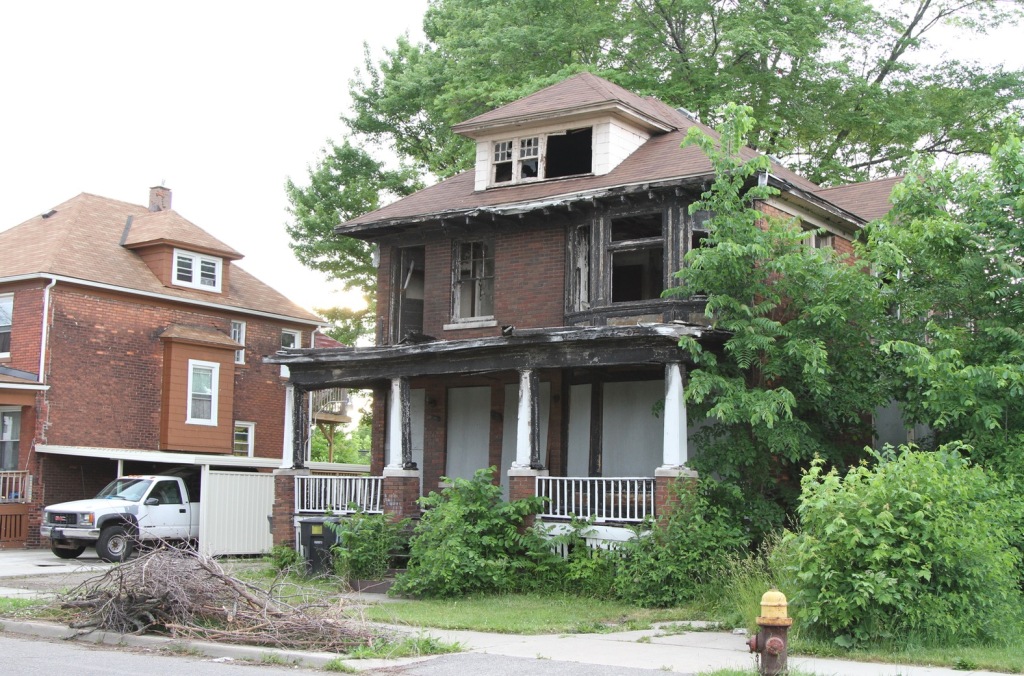
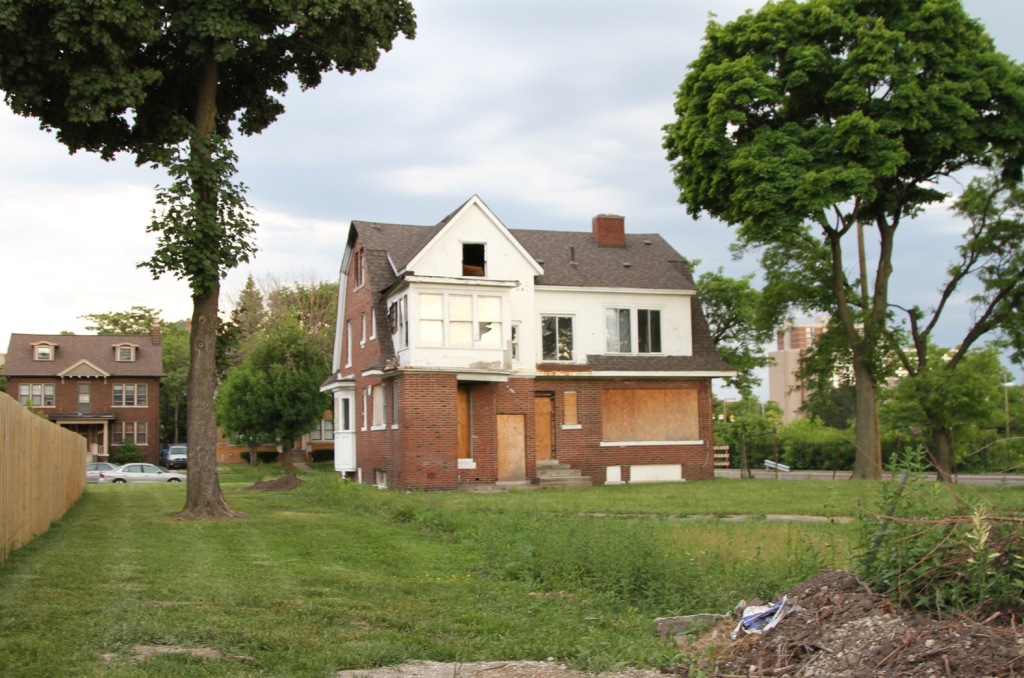
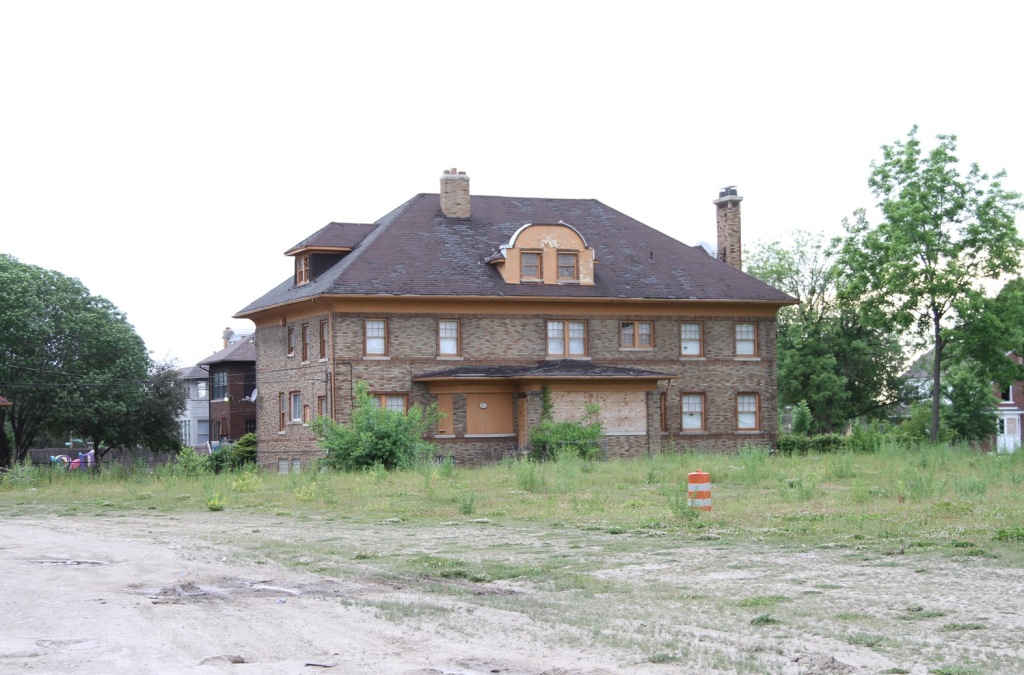
    It’s possible to connect the dots from rural Nebraska to Detroit where those very same vintage vehicles were manufactured all those decades ago. Detroit peaked in population, economic power, and political influence in 1950. Today huge swaths of Motown look remarkably similar to the abandoned farms and small towns of the prairie. Entire city blocks are now cleared of people and buildings. The Zombie Apocalypse arrived there too. If small scale agriculture was made redundant by mechanization and industrial scale production, then industry itself was hammered by other equally powerful forces. Everything has a beginning, middle, and end.

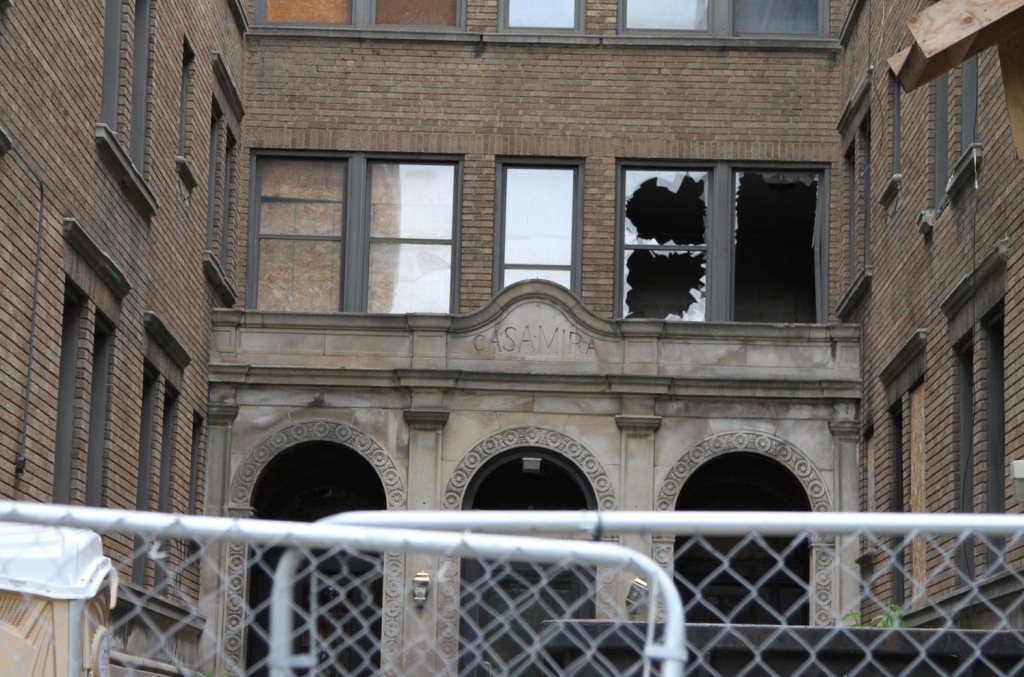
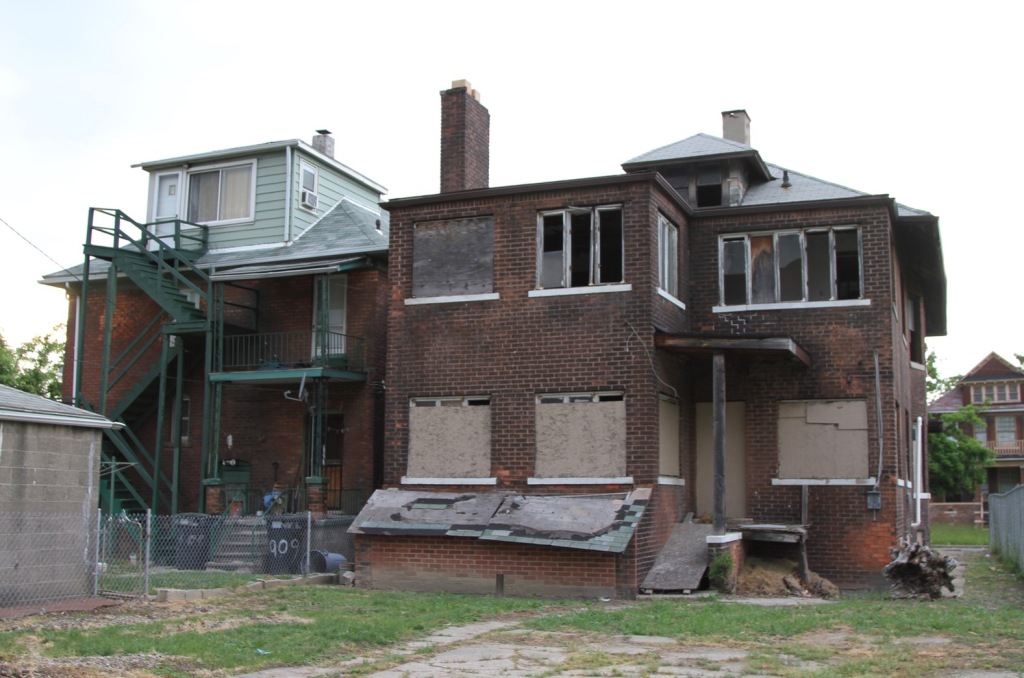
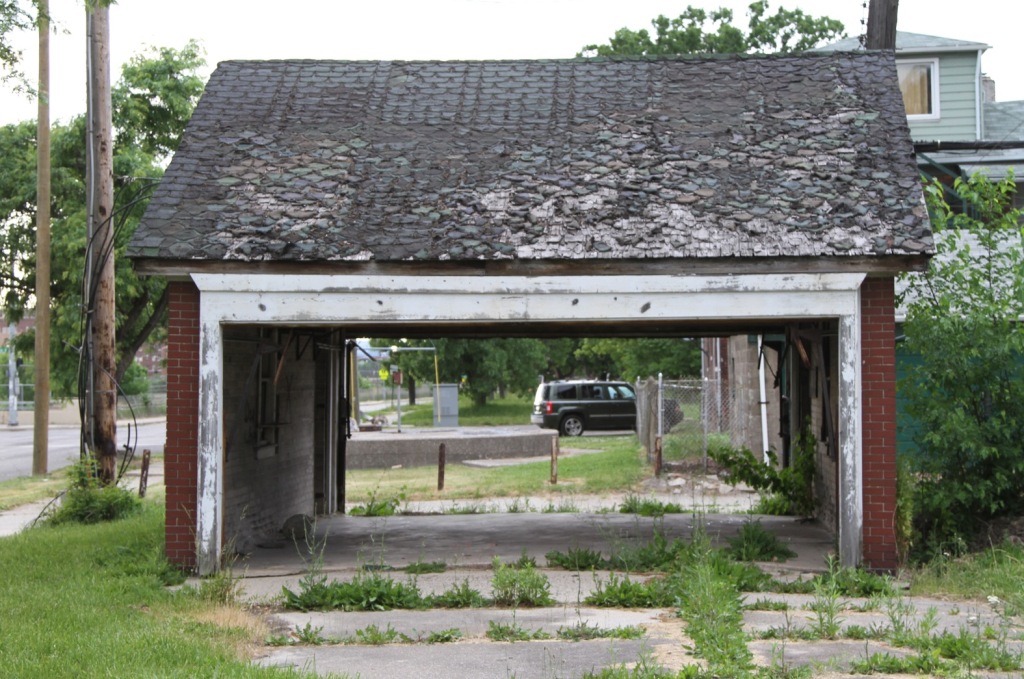
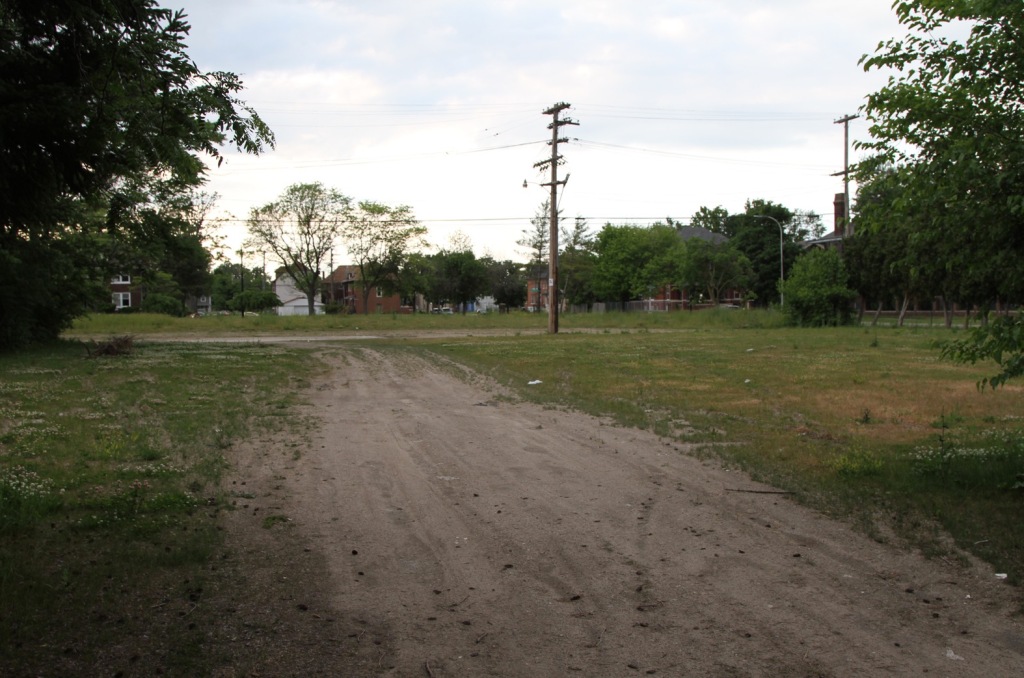
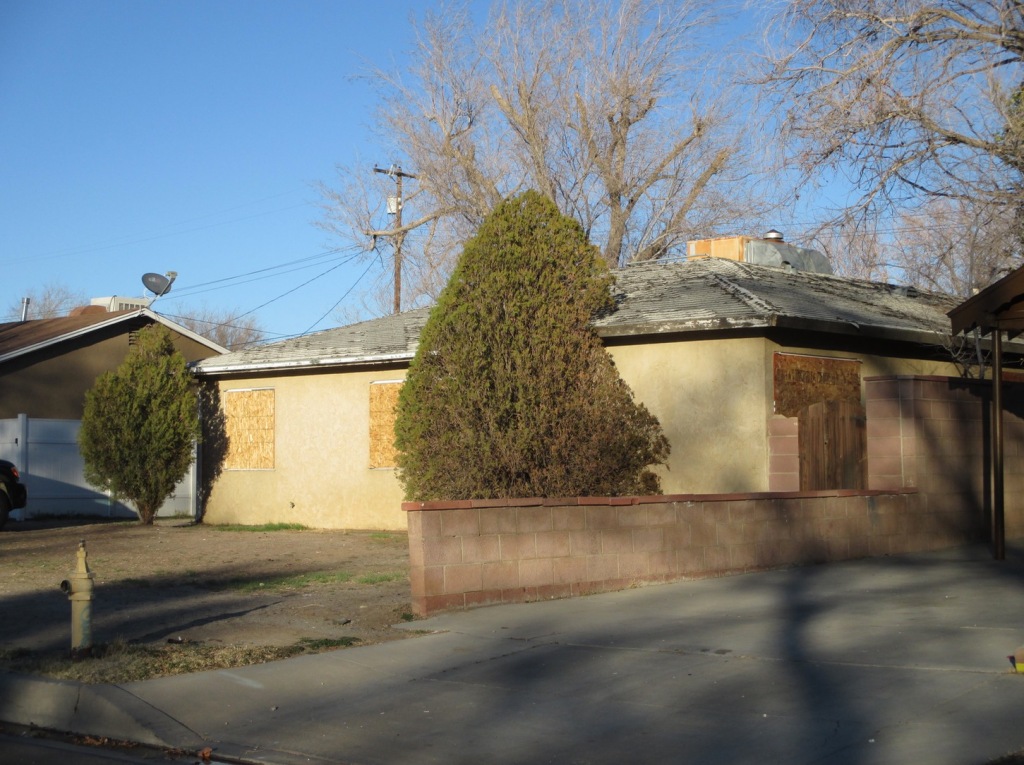
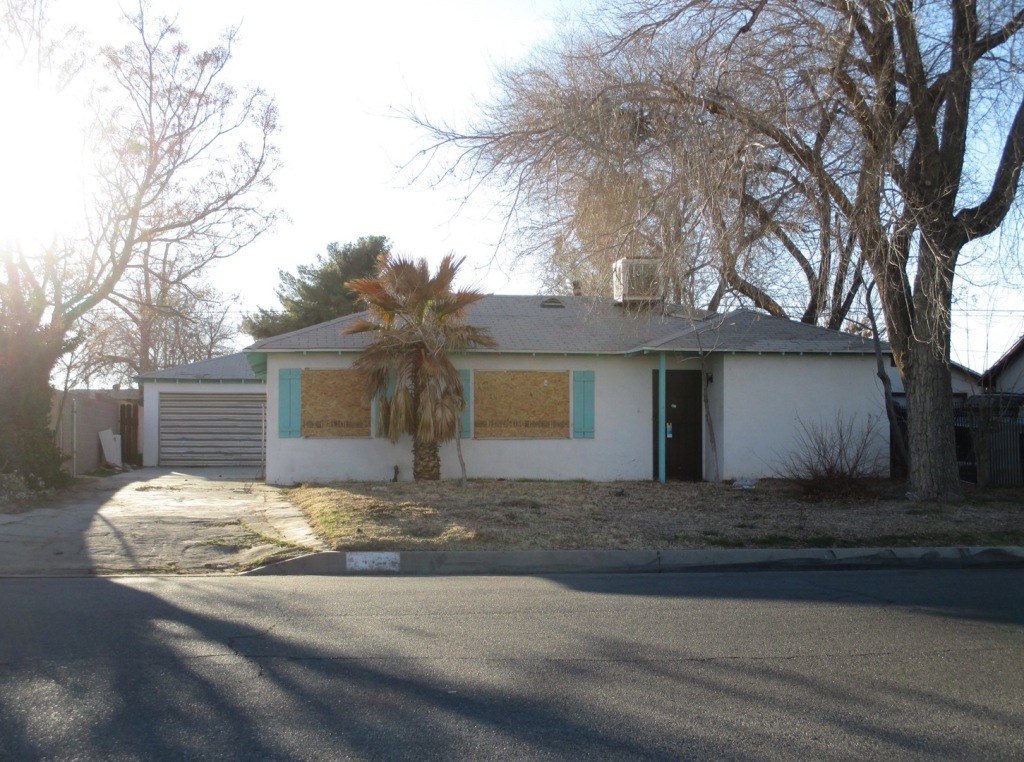
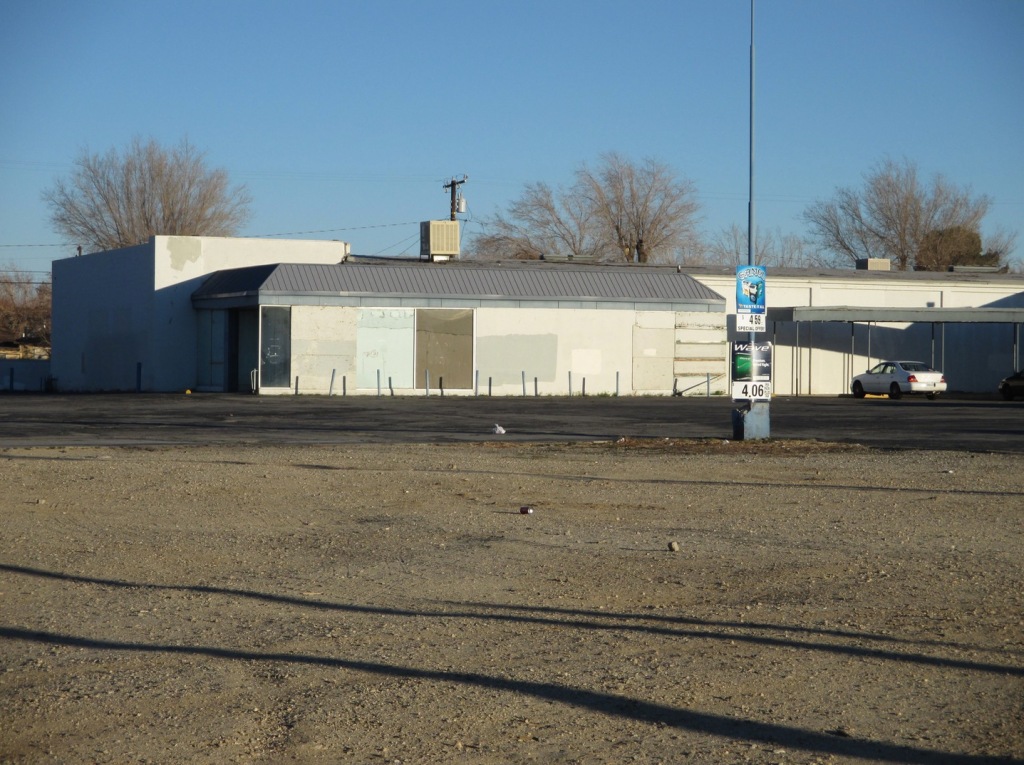
    The most recent iteration of the Zombie Apocalypse has already begun to unfold in some places. Suburbia was exactly the right thing for a particular period of time. But that era is winding down. The modest tract homes and strip malls built after World War II  are not holding up well in an increasing number of marginal landscapes. I have been accused of cherry picking my photo ops, particularly by people who engage in their own cherry picking when discussing the enduring value of prosperous suburbs. But there’s too much decay in far too many places to ignore the larger trend. The best pockets of suburbia will carry on just fine. But the majority of fair-to-middling stuff on the periphery is going down hard.

    The desire to push farther out and build ever more upscale suburban developments in increasingly remote locations is palpable. That’s what a significant proportion of the population desires on some level. But in the same spots – often next to each other – is ample evidence that there’s something profoundly wrong.

    Not all farm towns died. Not all industrial cities collapsed into ruin. Not all suburbs will fail… But the external forces at work are going to favor some places much more than others moving forward. The trick is to understand what those forces are before everyone else does and position yourself to benefit instead of getting whacked by the shifts. Would you have rather sold your house in Detroit in 1958 when things were still pretty good, or wait until 1967 when the panicked herd began to stampede? Would it have been better to buy property in the desert in 1970 and take advantage of a wave of growth for a few decades, or buy now at the top of that cycle and slide down from here on out?

    The future drivers of change will be the same as the previous century – only in reverse. The great industrial cities of the early twentieth century as well as the massive suburban megaplexes that came after them were only possible because of an underlaying high tide of cheap abundant resources, easy financing, complex national infrastructure, and highly organized and cohesive organizational structures. Those are the elements of expansion.

    But once the peak has been reached there’s a relentless contraction. The marginal return on investment goes negative as the cost of maintaining all the aging structures and wildly inefficient attenuated systems becomes overwhelming. The places that do best in a prolonged retreat from complexity are the ones with the greatest underlying local resource base and most cohesive social structures relative to their populations. The most complex places with the most critical dependencies will fail first as the tide recedes.

    The next Zombie Apocalypse will relentlessly dismantle superficial decorative landscapes and highly leveraged economies of scale. Take away the twelve thousand mile just-in-time supply chains, heavy debt loads, and limitless cheap resources and you get a very different world. Over the long haul Main Street has a pretty good chance of coming back along with the family farm. But the shorter term in-between period of adjustment to contraction is going to be rough as existing institutions attempt to maintain themselves at all costs.

    This piece first appeared on Granola Shotgun.

    John Sanphillippo lives in San Francisco and blogs about urbanism, adaptation, and resilience at granolashotgun.com. He’s a member of the Congress for New Urbanism, films videos for faircompanies.com, and is a regular contributor to Strongtowns.org. He earns his living by buying, renovating, and renting undervalued properties in places that have good long term prospects. He is a graduate of Rutgers University.

  • Deep Ellum

    I recently wrote about the need to embrace reality when it comes to land use regulation, culture, politics, and economics. My interpretation can seem a bit… dark. It’s not my intention to discourage people looking to make a positive difference in their communities. I’ve just seen how things tend to play out and the process doesn’t exactly favor mom and pop operations that are juggling day jobs, raising kids, and working on limited budgets. Telling motivated individuals to go out into the world and build great new small scale walkable mixed use urbanism of the kind once found on every Main Street in North America is disingenuous. Yes, it’s “possible.” But it’s also incredibly unlikely in most places. Building from scratch or even modifying existing properties isn’t the answer for these folks. We need to be honest about that.

    I’ll use the Deep Ellum neighborhood in Dallas as an example. A few years ago I was in Dallas to attend a series of overlapping city planning conferences. Deep Ellum was a recurring theme and a number of events were held there as demonstration projects. Back in 1973 city officials bulldozed most of the neighborhood to make way for a massive elevated highway. Urban removal killed two birds with one stone. State and federal money provided commuter infrastructure that supported the ever growing new middle class suburbs on the edge of town while simultaneously wiping away blight near downtown. What’s not to love? (Anyone want to guess who lived in Deep Ellum before it was razed?)

    Dallas locals like Jason Roberts of Build a Better Block as well as fellow participants from out of state like Street Plans Collaborative advocate fast, cheap, temporary, and iterative programming for neglected neighborhoods. Potted plants, inexpensive outdoor furniture, food trucks, street vendors, bicycle accommodations, string lights, outdoor movie nights, and live music can reactivate otherwise dead streets, vacant lots, and disused storefronts. If done sensitively with the active participation of the people who already live in the neighborhood these techniques can be transformative. The goal is to discover what works and build upon those successes incrementally over time. It’s bootstrap urban revival on a shoestring budget.

    These days market demand for urban living is strong and there’s money to be made in redeveloping what’s left of these old neighborhoods. They have “authenticity” and “texture” that can’t be duplicated in new construction. Deep Ellum is well located within walking and biking distance of the central business district as well as Baylor University Medical Center. There’s a spread between what these buildings are now and what they could be with new investment and institutional support.

    While I was in town conference hopping I attended a side presentation organized by a group of prominent business leaders who advocate pulling down the highway that cuts through Deep Ellum. This meeting was held at the behest of the American Conservative and D Magazine populated by a lot of old white guys in suits, not crunchy hippie treehuggers.

    The business argument is simple. The aging highway is at the end of its design life and neither the city of Dallas nor the Texas Department of Transportation has the money to rebuild it since both are functionally insolvent. Dismantling the highway would liberate a huge amount of downtown land that could be redeveloped by the private sector. Construction jobs would be created up front, market demand for urban living would be satisfied, and substantial tax revenue would be generated for the city for many decades into the future. In other words, a cost center would become a profit center.

    And let’s not forget there’s a tremendous amount of money to be made for well placed developers with deep pockets. Hence all the wine and cheese gatherings and thought leaders with their PowerPoints. I hasten to add this isn’t corruption per se. The cost in time, money, and political wrangling is enormous. Only exceptionally well funded organizations can work their way through these endless processes and achieve any kind of worthwhile goal. Why would anyone bother if there wasn’t an equally massive payoff at the end?

    The reality of how land is redeveloped in this context is simple. The cost of buying distressed property, site remediation, upgrading the infrastructure, accommodating all the requirements of multiple bureaucracies from the fire marshal to institutional investors – all while still creating a product the market wants and can actually afford to pay for… leads to this. It’s referred to as the Texas Doughnut. It’s an entire city block of multi-storied parking garages wrapped in a skin of apartments. Sometimes they’re rentals, sometimes they’re condos for sale. If your goal is to recreate the fine grained individually owned mom and pop buildings of a previous century that’s just not going to happen. Again, it’s not impossible. It’s just highly unlikely to pan out for a dozen reasons having to do with the fact that the society that build Main Street no longer exists.

    So let’s go back to the smaller older existing buildings in Deep Ellum. These are at a scale an average family can wrap its mind around. Lots of people dream of owning an independent business and living upstairs. It’s a great arrangement that’s been used successfully for eons all around the world. But there are complications here. The most pragmatic way to purchase and renovate buildings like these is with cash. Some people have it. Most don’t. Private equity (A.K.A. asking your father-in-law or a collection of dentists and chiropractors from the country club for money) works if you have that kind of personal situation and charisma…

    Don’t expect to go to just any random bank and get a thirty year mortgage for one of these places. Almost all banks see such properties as “non-conforming.” They’re used to writing loans for four bedroom two bath homes on cul-de-sacs and then bundling them off at the end of the month to pension funds that require consistency in the product profile. If these were ten thousand square foot strip malls with fifty seven parking spaces on a road with forty thousand cars driving by each weekday there’d be an institutional bundle for that. Same with a two hundred unit garden apartment complex. But a fifteen hundred square foot bakery or barber shop with an apartment upstairs? What kind of freaky platypus is that?

    Some people will sit you down and calmly explain that the guidelines for plain vanilla federally insured mortgages technically include buildings with up to four units and up to 25% commercial space in an otherwise residential building. On paper it’s no different than a single family home. That’s absolutely true. But many older buildings are closer to fifty/fifty residential/commercial. Even if you find a building that does conform you still need to find a banker who will grant that loan in this neighborhood. Again, it’s absolutely possible. But it’s not easy. And if a building is too cheap – generally under $50,000 – no bank will write a mortgage either.

    A commercial loan with a short term – typically eight years – and a significantly higher interest rate might be offered instead of a standard thirty year mortgage. Maybe. As part of the due diligence process the right bank will make you prove that the building is structurally sound, conforms to modern codes, and has a pro forma that can cash flow properly. And then there’s the cost of renovations, complying with the Americans With Disabilities Act, the fire code, and existing zoning regulations… It can be done. But something as basic as installing fire sprinklers or an elevator can easily kill a proposed project. It’s just too expensive in a building with too little value. Sorting out all this stuff takes real skill and experience. I know several seasoned mid-size property developers who lost everything to bankruptcy because their high quality projects came on line just in time for a big market correction and they couldn’t service their debts. And these folks were light years ahead of an ordinary person looking to invest in a modest property.

    The scenario I see all over the country is formulaic. Older buildings in formerly derelict neighborhoods are bought and renovated by well funded and skilled firms who specialize in this kind of development. Shops and apartments are then rented to individuals. These legacy districts become amenity centers that add value to new large scale infill development of the Texas Doughnut variety. There are exceptions, but that’s mostly what I see. It’s neither good nor bad. People sometimes complain about gentrification, but the alternative is for these neighborhoods to continue to decline until they can’t be saved at all. It might be nice if every aspect of society changed to allow other options, but I’m not holding my breath. At the end of the day we live in the world we live in. We have the rules and procedures we have. Shrug. Mom and Pop need to find a new gig.

    This piece first appeared on Granola Shotgun.

    John Sanphillippo lives in San Francisco and blogs about urbanism, adaptation, and resilience at granolashotgun.com. He’s a member of the Congress for New Urbanism, films videos for faircompanies.com, and is a regular contributor to Strongtowns.org. He earns his living by buying, renovating, and renting undervalued properties in places that have good long term prospects. He is a graduate of Rutgers University.

  • Meet Marble

    I’ve lived in this neighborhood for so long that I’ve grown used to tech start ups beta testing their schemes on my doorstep. I remember the first time I saw a car drive by with a huge furry pink mustache strapped to the front grill between the headlights. That was the start of Lyft. I have a clear memory from 2008 when a friend rented her apartment out on a new internet platform. That was Airbnb. Back in the late 1990s during the dot com bubble there was a start up that would deliver everything from milk to condoms via bicycle courier.

    Meet Marble. This little pushcart size machine is launching the next generation of tech based business models. It’s using fine grained real time lidar navigation so autonomous machines can learn to negotiate the city “on foot.”

    The initial concept is for robots to deliver Chinese food to your door. My guess is that Marble’s electronic pizza boy is just the first baby step to much larger and more lucrative contracts. The postal service, private package delivery systems, and utility meter readers will ultimately save billions on labor by switching to such machines. See also city parking enforcement. Meter maids will go the way of buggy whips. Humans and their endless need for salaries, medical insurance, pensions, and workers compensation will melt away.

    New jobs will be created around the production, maintenance, and management of these new systems of course. But there’s the tricky business of getting people who are qualified to deliver pastrami sandwiches or check VIN numbers to craft algorithms – especially when a lot of this work can be done remotely from anywhere on the planet. Don’t expect the people who clean and reload these machines to get paid enough to rent a studio apartment anywhere near the Bay Area. Oh, wait. There’s an automated system that will do that too…

    We don’t have a technology problem. We have a societal distribution problem. These trends are going to make an ever larger proportion of the population redundant. Wealth has not and will not “trickle down.” Instead it will continue to concentrate into specific hands in particular geographic locations. Focusing on the technology itself is a mistake. The challenge is to create a culture and a political framework where everyone has the opportunity to enjoy the benefits of these shifts. History tells us that existing institutions don’t self reform. They fail and are replaced by entirely new systems. From where I’m looking that process has already begun and it ain’t gonna be pretty.

    This piece first appeared on Granola Shotgun.

    John Sanphillippo lives in San Francisco and blogs about urbanism, adaptation, and resilience at granolashotgun.com. He’s a member of the Congress for New Urbanism, films videos for faircompanies.com, and is a regular contributor to Strongtowns.org. He earns his living by buying, renovating, and renting undervalued properties in places that have good long term prospects. He is a graduate of Rutgers University.

  • Guaranteed Minimum What?

    I was on the road a while back and needed to stop to use the facilities. A chain restaurant on the side of the highway seemed like a reasonable spot. As I headed to the men’s room I noticed iPads on all the tables. These are the new electronic menus. They don’t replace wait staff, but they do make the whole process of ordering food more efficient with a likely reduction in the overall number of humans needed to do the same amount of work. And there are all the other benefits that come with data mining and systems optimization. The global supply chain managers must love it.

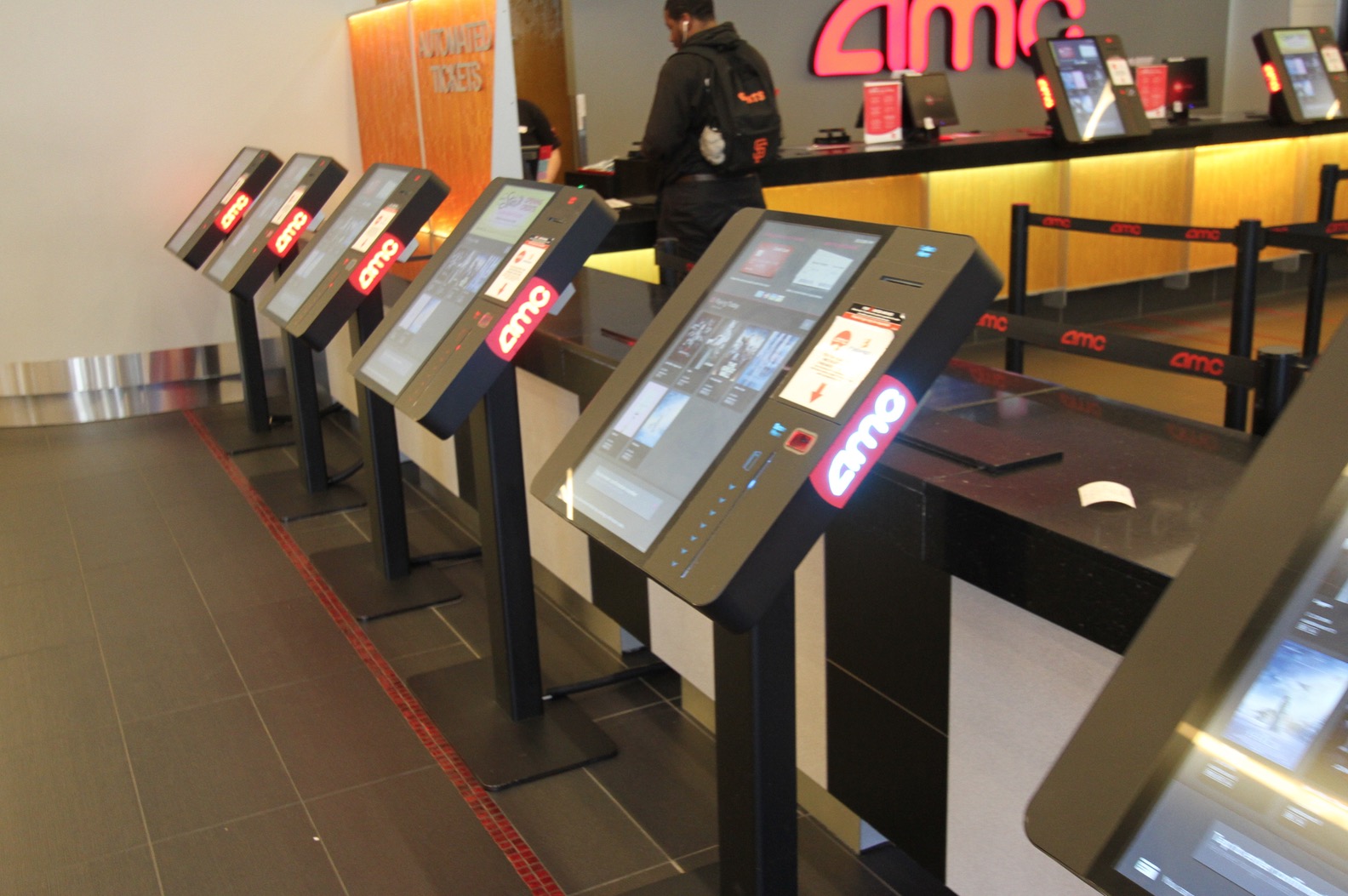
    Here’s a multiplex movie theater with a generous supply of self serve ticketing machines. Swipe your card, touch a few icons on a screen, and presto!

    Here’s the automated check out cluster at the big box store. Six or eight self serve machines are now overseen by a single human attendant.

    CafeX is beta testing a robotic barista. Here’s where high tech and high touch converge on the masses.

    Humans are aggressively being eliminated from as many business models as possible. The early adopters will be the largest companies with the most to gain from improvements in efficiency. Over the next few years we’ll see fewer and fewer people behind the counters. There will always be a need for someone to wipe down the tables, mop the floors, and take out the trash so a few minimum wage level positions will linger on. And there will need to be slightly better trained folks to manage the machines. But the overall level of employment in the service economy will consistently contract.

    At the other end of the spectrum I enjoyed lunch at an upscale restaurant. The entree consisted of delicately prepared seasonal wild foraged mushrooms served with local organic mixed greens and “moss” which the attentive wait staff explained was sponge cake infused with pureed parsley. The dish was called The Forest. It was delicious. $80. Spot the difference?

    Agriculture was mechanized a century ago and the population migrated away from small farm towns to big industrial cities where factory jobs were plentiful.

    Industrial cities crested and then were depopulated as factories were sent elsewhere and people moved on to the suburbs to participate in the post industrial service economy.

    We’re now seeing the next wave of creative destruction transforming society. We don’t yet know how it will end. At the moment it looks like people with the skills to create and manage complex systems or build and maintain computer guided equipment will do pretty well. So what about everyone else?

    This isn’t a technical problem. It’s a cultural and political conundrum. Americans aren’t big fans of taxing the rich and redistributing the money to the folks lower down the food chain. We tend to think of that as social engineering and Godless communism. My best guess is that we’re not going to resolve these challenges in any intentional comprehensive logical manner. At least not at first. Instead circumstances are going to overwhelm us until enough of the population is miserable enough to demand real change. That’s been the historical model and it tends to be messy. Big fun.

    This piece first appeared on Granola Shotgun.

    John Sanphillippo lives in San Francisco and blogs about urbanism, adaptation, and resilience at granolashotgun.com. He’s a member of the Congress for New Urbanism, films videos for faircompanies.com, and is a regular contributor to Strongtowns.org. He earns his living by buying, renovating, and renting undervalued properties in places that have good long term prospects. He is a graduate of Rutgers University.

  • The Springfield Strategy

    I just enjoyed an adventure in Springfield, Massachusetts with Steve Shultis and his wife Liz of Rational Urbanism. Steve does a far better job of describing his town and his philosophy than I ever could, but my interpretation can be summed up with an analogy about an old college room mate.

    At the end of my first year at university I was approached by an engineering student who asked if he could be my room mate next year. We didn’t know each other particularly well and didn’t have much in common, but he seemed harmless enough. I shrugged. Sure. We went our separate ways over the summer and in September he appeared at my door. After a few months of successfully sharing accommodations I asked him why he came to me when most guys in his situation would have gone in a very different direction. He explained.

    The average college freshman tends to have an adolescent understanding of what a good independent life might be like. Young men are motivated by peculiar impulses and the siren song of the frat house calls. Beer. Parties. Girls. Sports cars. The prestige of hanging out with rich kids, athletes, and really popular older guys. He said that was usually a big mistake. The furniture is made of plastic milk crates. The place smells like a locker room. People eat ramen and cold day old pizza out of the box. They wear flip flops in the shower because no one has ever cleaned the bathroom. Ever. And when you bring a girl home there are a dozen bigger richer guys with fancier cars than you hovering around. You sit there trying to get your romance on with posters of naked women taped to the walls next to a collection of empty bottles. And you pay extra for all this… It’s just not a great situation.

    Then he made a sweeping motion with his hand indicating our apartment. A pleasing mixture of antiques and modern pieces. Smells like lemons. When he brings a girl home I’m in the kitchen cooking brisket and home made bread. Soft lighting. Ella Fitzgerald is playing in the background. No competition. And it’s cheaper. For him, doing the unorthodox and socially uncomfortable thing was just… rational.

    Back to Springfield. Steve took a version of the same strategy. He and his family live in a gracious four story French Second Empire mansion. The place is huge and everywhere you look there’s a level of detail and quality you can’t find in any home built today. There’s a legal apartment on the lower level that they use as a guest suite.  I looked up the address on a real estate listing site and he paid less for this house than many people spend on their cars. His family has a quality of life and a degree of financial freedom that none of his suburban piers can comprehend.

    Most people load themselves up with massive amounts of debt in order to live the way they believe they’re supposed to. You wouldn’t want to put your kids in a substandard urban school with the wrong element. You wouldn’t want to buy a house that never appreciated in value. You wouldn’t want to have to explain to your friends, family, and co-workers that you live in a slum with poor black people and Puerto Ricans. And where do you park?! It’s so much “better” to soak yourself in debt to buy your way in to the thing you believe you can’t live without.

    A walk around the block brought us to the family doctor, numerous great places to eat, and one of the best little Italian grocery stores I’ve seen in years.

    A few more blocks and we arrived at the civic center, museum district, and numerous pubic parks. Like most older downtown areas Springfield experienced decades of depopulation and disinvestment with white flight to the suburbs and out migration to the sun belt. As the years passed and the economy shifted once again some downtowns boomed, but it was a winner-take-all scenario in Boston, New York, and San Francisco that hasn’t touched second and third tier towns farther afield. Springfield is half empty, but the full half is amazing and spectacularly affordable.

    If you’re looking for a large fully detached home with a yard Springfield has an abundance. These elegant homes are right on the edge of downtown within bicycle distance. This is an excellent alternative to suburban living for families with children who appreciate urban amenities. Homes like these close to Boston sell for millions. In Springfield they sell for pennies on the dollar.

    I like to poke around the ugly parts of town in search of hidden nuggets. The most interesting people tend to need two things: affordable property and a lightly regulated environment. It helps if absolutely no one with any authority cares about the location.

    Gasoline Alley is the old industrial corridor that supplies Springfield with fuel and associated services. More than a few of the older buildings are no longer viable for their original purposes. Lo and behold, the void is being filled with good music, food and drink.

    As much as I appreciate the “creative class’ and the importance of “third places” at the end of the day towns need to be productive before anything else can be supported. Local indoor food production is a viable business model in Springfield. It costs 56¢ to grow a head of lettuce hydroponically and it sells for $3. At first I questioned the level of electricity and other inputs associated with this kind of cultivation. Isn’t it just cheaper and easier to grow things in the ground with sunlight? Turns out… not so much most of the year in Massachusetts.  The alternative is bringing veggies in from California and Florida in refrigerated trucks. That involves far more energy and creates a critical dependency on systems locals have no control over. This particular entrepreneur can’t keep up with demand for his products.

    That takes me to another point that no one seems to be talking about these days. Towns like Springfield were once the economic engines of their day. They managed to engage in national and international trade while doing so in an intensely local manner. The primary resources used for commerce and industry were readily at hand: hydro power from rivers, wood from abundant forests, and minerals from local quarries. And raw materials and finished products were transported along the canal system using nothing more than a mule pulling a barge. If you’re looking for an environmental, renewable, durable, and resilient economic base you could do a lot worse than re-inhabiting the mothballed facilities in a place like Springfield.

    This piece first appeared on Granola Shotgun.

    John Sanphillippo lives in San Francisco and blogs about urbanism, adaptation, and resilience at granolashotgun.com. He’s a member of the Congress for New Urbanism, films videos for faircompanies.com, and is a regular contributor to Strongtowns.org. He earns his living by buying, renovating, and renting undervalued properties in places that have good long term prospects. He is a graduate of Rutgers University.