Author: John Sanphillippo

  • The Jungle

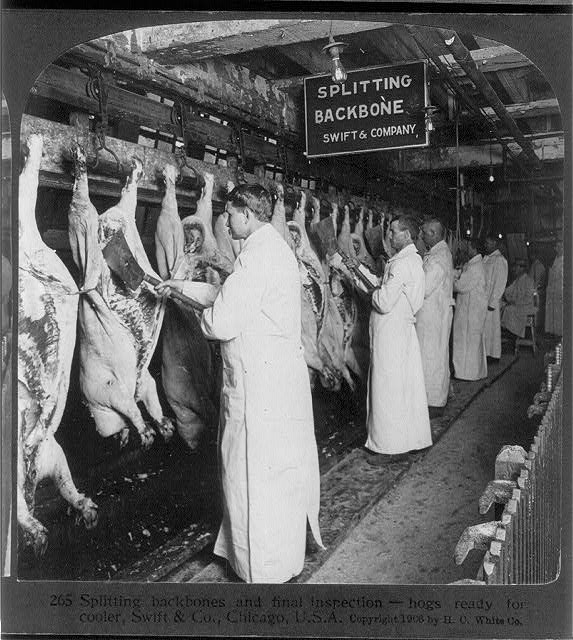
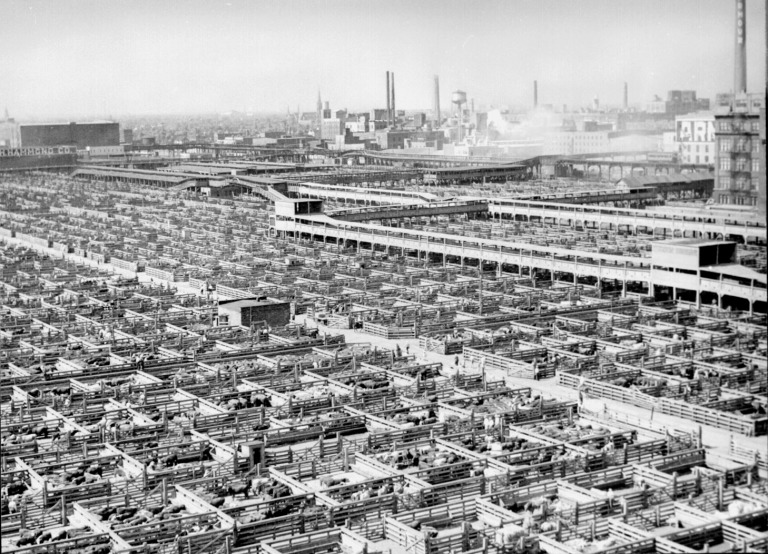
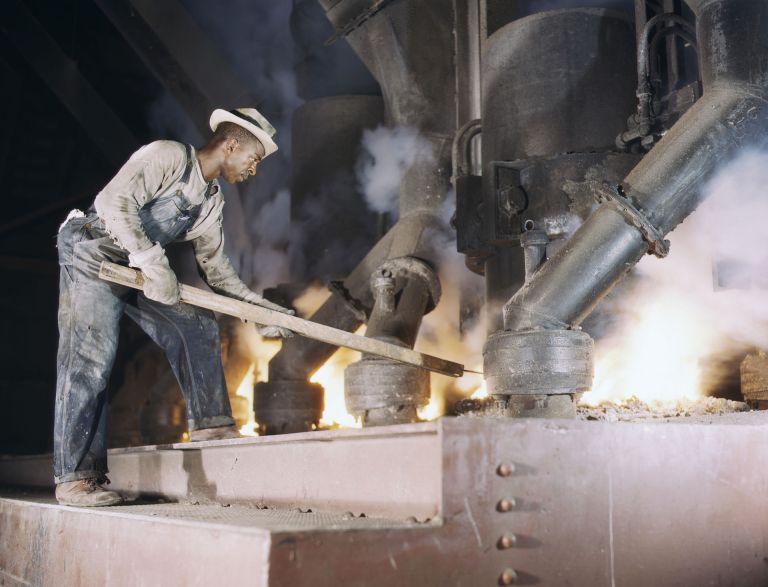
    Upton Sinclair’s 1906 novel The Jungle was intended to inform the larger American public of the miserable working environment and sub survival wages of Chicago’s meat packing employees. The popular response was huge and lead to new government agencies and protections, but not the kind Sinclair had hoped for. By describing the dangerous and unhealthy conditions in slaughterhouses he meant to elicit sympathy for the workers who were denied adequate pay and were routinely maimed or killed on the job with no recourse to improved safety, medical care, or compensation.
    Source

    Source

    What the outraged American public focused on instead was tainted meat from unsanitary facilities. The general population was far less interested in the plight of the Lithuanian immigrant workers Sinclair described than the wholesomeness of the food supply. The Federal Food and Drug Administration was signed in to law by President Theodore Roosevelt in direct response to the uproar over the novel. Making life better for the underclass wasn’t nearly as gripping as making sure fingers weren’t getting ground up into the sausages.
    Source

    Source

    Source

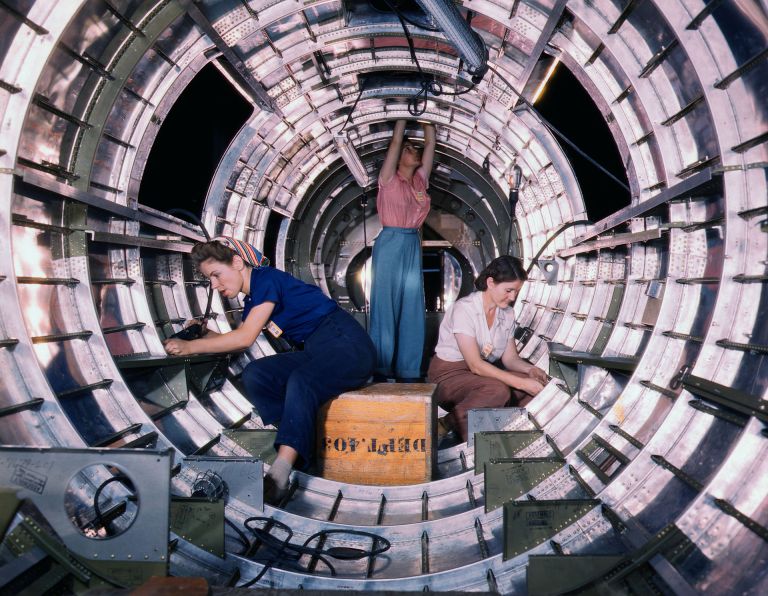
    It wasn’t until the Great Depression of the 1930’s that government – at the insistence of American voters – actually began to create serious labor laws to lift the status of ordinary workers. The pain of being on the wrong end of the stick had migrated from an unloved minority to too many people who thought they were better off – until they weren’t. And it wasn’t until the onset of World War II when labor became scarce relative to the need for wartime production that wages began to rise.

    Americans don’t actually care about the poor and never have. It’s important to keep this in mind. I recently found this comment on an economics website. It sums up the standard response to today’s struggle over increasing inequality.

    “Millions of very decent and good people can’t afford to live in upper middle class cocoon cities like what San Francisco is becoming. We need to allow the responsible members of the shrinking middle class and growing lower classes to isolate themselves from the worst members of the lower classes. People who lack the buying power to move to nice protected towns full of professional workers need ways to separate themselves from social pathology. Our current elites inflict section 8 housing and a growing immigrant lower class on the responsible people who can’t afford bubble city life. This is just so wrong of them. Our elites are our enemies.” Source

    So the problem is that elites are segregating themselves from the declining middle class – and the proposed solution is to provide a separate bubble for the squeezed former middle class to retreat to so they can segregate themselves from people lower down the ladder. Huh? I suppose I have to ask… who decides who is struggling but worthy and who is part of the “social pathology”? And what mechanism might deliver the protection the commentator desires?

    As a society we don’t reach for solutions that might address the underlaying structural flaws that create the underclass or the elites. Instead we look for ways deserving individuals can distance themselves from the effects of those structural defects. We assume a big chunk of the population will be left behind and we don’t mind so long as it’s the undeserving that get screwed. That’s always been our de facto national policy.

    This piece first appeared on Granola Shotgun.

    John Sanphillippo lives in San Francisco and blogs about urbanism, adaptation, and resilience at granolashotgun.com. He’s a member of the Congress for New Urbanism, films videos for faircompanies.com, and is a regular contributor to Strongtowns.org. He earns his living by buying, renovating, and renting undervalued properties in places that have good long term prospects. He is a graduate of Rutgers University.

  • The Ghost of Mamie Eisenhower

    There’s a certain amount of nostalgia these days for 1950’s suburbs when men were men and ladies mopped linoleum floors in white pumps and pearls. I’m not entirely sure that world ever really existed precisely the way it was portrayed on black and white television, but we seem to want it to be true.


    Here are examples of the most common version of 1950’s suburban homes. Soldiers returning from World War II eagerly bought them with heavily subsidized mortgages. They were based on the Levittown model of modest mass produced houses stamped out by the tens of thousands in potato fields all across North America. 875 square feet. Three small bedrooms. One bath. A little eat in kitchen. No garage. No air conditioning. And this kind of home was a spectacular improvement over the accommodations most families had experienced during the Great Depression of the 1930’s and wartime rationing of the 1940’s.

    Screen Shot 2016-07-13 at 1.49.17 PM

    Screen Shot 2016-06-04 at 9.43.05 PM

    But by today’s standards these homes are often considered substandard. In fact, in many communities homes like these are now illegal to build because they’re so cheap and unimpressive that they might attract “the wrong element.” This subdivision has been in decline for years. The manufacturing jobs that once supported these families dried up long ago. The next generation who managed to get university degrees and work their way up the economic food chain moved to more exclusive locations farther away from the old city center. The population of this tract has contracted by 17% since the 2000 census. Today the largest segment of the remaining population in this neighborhood earns $10,000 or less per year. Many are elderly pensioners or people on public assistance. Some of these homes languish on the market and eventually sell for as little as $25,000. Homes in better condition consistently sell for $50,000 to $60,000 – largely because banks won’t write mortgages for less.

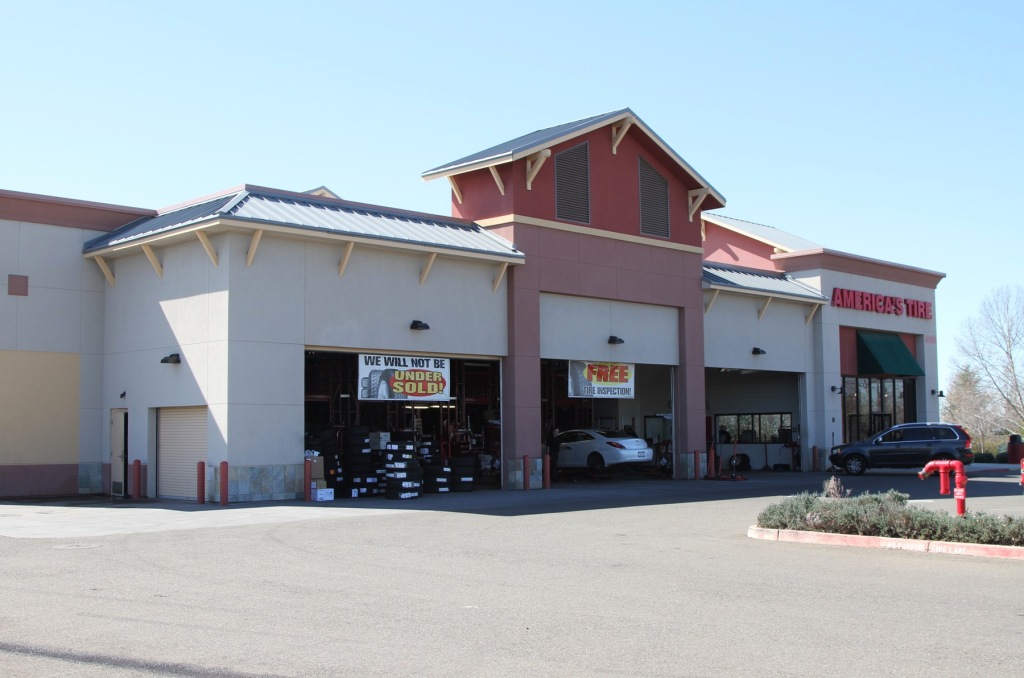
    If you take a ten minute drive out along the aging 1950’s commercial corridors that compliment these residential subdivisions you quickly discover the scope of the problem. The most common criticism of this environment is that it’s soul crushingly ugly. The presumed remedy is to make it “pretty” by planting flowers, mandating more attractive signage, and flying American flags everywhere. There’s a concerted effort to replace the dead drive-thru burger joints and empty muffler shops with shiny new drive-thru burger joints and muffler shops. But ugliness isn’t the problem and newness isn’t any kind of solution.

    Insolvency is the problem. This landscape doesn’t generate enough value to support the required infrastructure that supports it. The majority of the land along this commercial strip is surface parking lots, landscaped berms, and storm water retention ponds. None of that pays taxes, employs people, or adds value to the town. The best discount tire shop in the world can’t spin off enough revenue to carry the public burden of suburban roads, sewers, water systems, schools, police, and so on. Ugly is just the icing on the cake.

    But then I discovered this bit of Dwell Magazine style new construction. The fashionable Mid Century Modern lines are a kind of Walter Gropius meets Mies Van Der Rohe meets Frank Lloyd Wright homage to Mamie Eisenhower’s bygone Atomic Ranch America with all the latest “green” bells and whistles. So why did someone spend so much money on this property in this location? Well…

    It’s a peculiar sweet spot if you’re paying attention. The schmaltzy 1950’s tract homes are built right on the edge of an old 1890’s neighborhood. When the subdivision was new people were eager to escape the cramped apartments and run down housing stock of traditional urbanism and reveled in the privacy, personal space, and greenery of the fresh suburban living arrangement. They drove away from Main Street on the newly widened highways toward a glorious Jiffy Lube and Dairy Queen future. Meanwhile, the old neighborhood suffered institutional neglect and was abandoned to slumlords and marginalized minority populations for decades.

    Today there’s a renewed appreciation for historic districts. The economic and cultural pendulum is swinging back again, particularly among post college Millennials. The center of this traditional neighborhood is a five minute bicycle ride from those cheap 1950’s tract homes. As prices for venerable properties rise and availability tightens the little tract homes may seem a lot more viable. This is especially true as Millennials begin to have children and start looking for affordable property close to civilization, but with a little patch of garden. Zoning regulations and building codes make it almost impossible to alter existing homes in the older neighborhood. But the small homes and large lots of the suburban subdivision are significantly easier to add on to and modify. These homes can turn away from the depressing sprawl along the highway and turn back toward Main Street. Given enough time and incremental investment this could be one of the more desirable places to live in the years to come.

    And there’s one more aspect to these homes that I find particularly appealing. There’s a significant amount of land that lends itself to serious gardening and a conspicuous lack of Home Owners Association rules and regulations. Combined with the close-in location and genuinely affordable price point these homes are ideal for varying degrees of suburban homesteading. This sort of thing may seem peculiar to most people at the moment, but it could be a prominent selling feature in the future. Time will tell.

    John Sanphillippo lives in San Francisco and blogs about urbanism, adaptation, and resilience at granolashotgun.com. He’s a member of the Congress for New Urbanism, films videos for faircompanies.com, and is a regular contributor to Strongtowns.org. He earns his living by buying, renovating, and renting undervalued properties in places that have good long term prospects. He is a graduate of Rutgers University.

    All photos by Johnny Sanphillippo

  • The Shape of Things to Come

    After several years of traveling around the country in the presence of city planners, economic development officials, elected representatives, engineers, production home builders, professional consultants, and groups of concerned citizens I’ve come to my own personal unified theory of America’s land use future. The short version is that we’ve got the built environment that we have and the overwhelming majority of it isn’t ever going to change much. If you want to know what things will look like in thirty or forty years… look around. That’s pretty much it.

    There’s so much of it… tract homes on cul-de-sacs, suburban office parks, strip malls, big box stores, light industrial parks, self storage facilities, garden apartment complexes… even if society wanted to radically transform the landscape (which is absolutely not the case) it would be a sixty or seventy year endeavor. Personally, I won’t live long enough to see that shift. But business-as-usual isn’t an option either regardless of what most people might prefer. What will change is the way the existing landscape will be valued and inhabited.

    Communities are hitting a financial wall. Current tax revenue is entirely insufficient to cover the ongoing maintenance of municipal infrastructure – and by “infrastructure” I mean public services and staffing levels as well as the physical roads, pipes, and civic buildings. There simply isn’t enough productive private economic activity to support the underlaying public chassis that’s been built since World War II. So we’re in for a great deal of deferred maintenance, failed pension obligations, reductions in services, higher taxes (which will be called “user fees” and “code enforcement”) and ultimately default on public debt. That’s already baked in to the cake almost everywhere.

    There are only two options moving forward. We can build more productive stuff on the existing infrastructure, or we can reduce the amount of infrastructure to come in to balance with the available productive capacity. So we’re going to do both – not necessarily on a voluntary basis. And the results will be unevenly distributed.

    Some places will continue to be maintained pretty much as they are largely by skimming revenue from other locations. Other spots will decline, lose value, become politically and culturally disposable, and be allowed to crumble. Still other districts will intensify and gain value and significance through infill development. I say this with a fair amount of confidence because that’s been the historic pattern for a very long time.

    There are people who advocate for small scale incremental infill development that could double or triple the productive capacity of a place gradually over time. A one story building could become a two story building. A two story building could become a three story building. Small cottages could be built in back gardens. A vacant lot could be filled with a small productive structure with a business on the ground floor and an apartment or two upstairs. It could be intimate and charming like the Norman Rockwell Main Street towns of a previous era. But the current regulatory framework doesn’t permit such a process. Neither does the popular culture that sees such infill as a direct assault on the American Dream. The cost and complexity of navigating multiple opaque and unresponsive bureaucracies is generally greater than the ultimate value of such modest projects. So it’s simply not going to happen.

    Infill development needs to be large, complex, and expensive enough to overcome the administrative and cultural friction. A two hundred unit apartment complex with five stories of structured parking works just fine. It may be wildly out of character with the existing neighborhood. It may load up the area with additional traffic congestion. It may be far too expensive to meet the need for working class housing. It may concentrate ownership in to very few hands. It may be built in an otherwise diffuse suburban landscape where walking and transit are unviable. But it can be built while smaller things can’t. Shrug. Whatever.

    New subdivisions with comfortable attractive middle class homes sprout on the side of the freeway like mushrooms after a good rain. These are pleasant places to live. People like them. They’re profitable to build. Municipal officials embrace growth and development. This is how things are supposed to be.

    A few miles away is yesterday’s version of growth and progress. Property values have declined. Businesses have moved away. The schools have lost their appeal. Municipal revenues have crashed. People and money are disappearing. This isn’t an anomaly. It’s the natural consequence of things playing out to their logical conclusions. This is the shape of things to come.

    John Sanphillippo lives in San Francisco and blogs about urbanism, adaptation, and resilience at granolashotgun.com. He’s a member of the Congress for New Urbanism, films videos for faircompanies.com, and is a regular contributor to Strongtowns.org. He earns his living by buying, renovating, and renting undervalued properties in places that have good long term prospects. He is a graduate of Rutgers University.

    All photos by Johnny Sanphillippo

  • Big Box Jesus

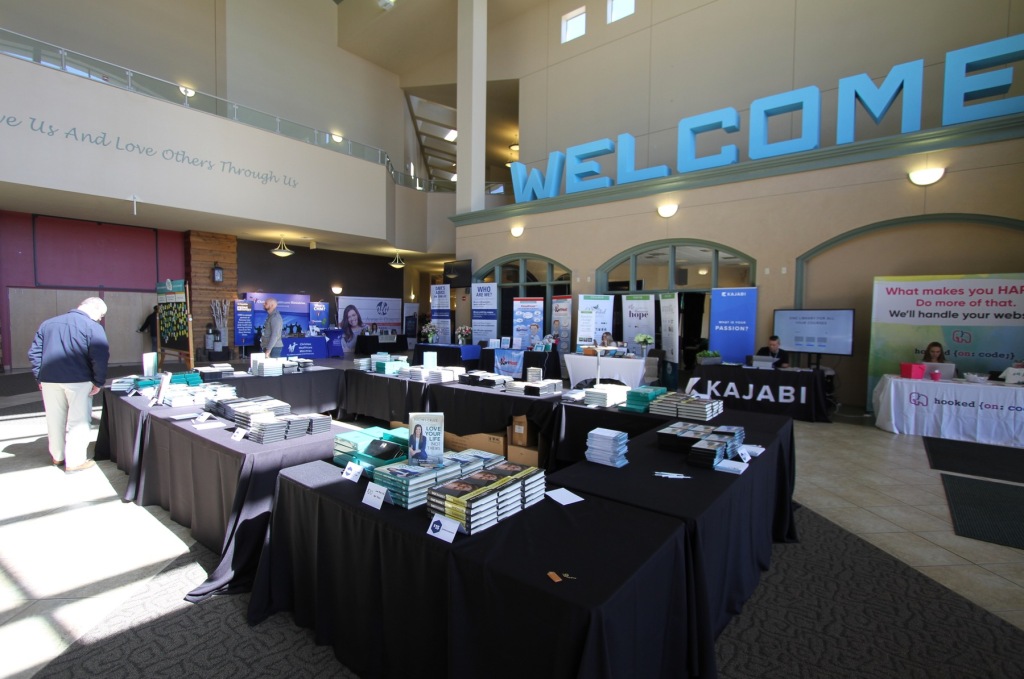
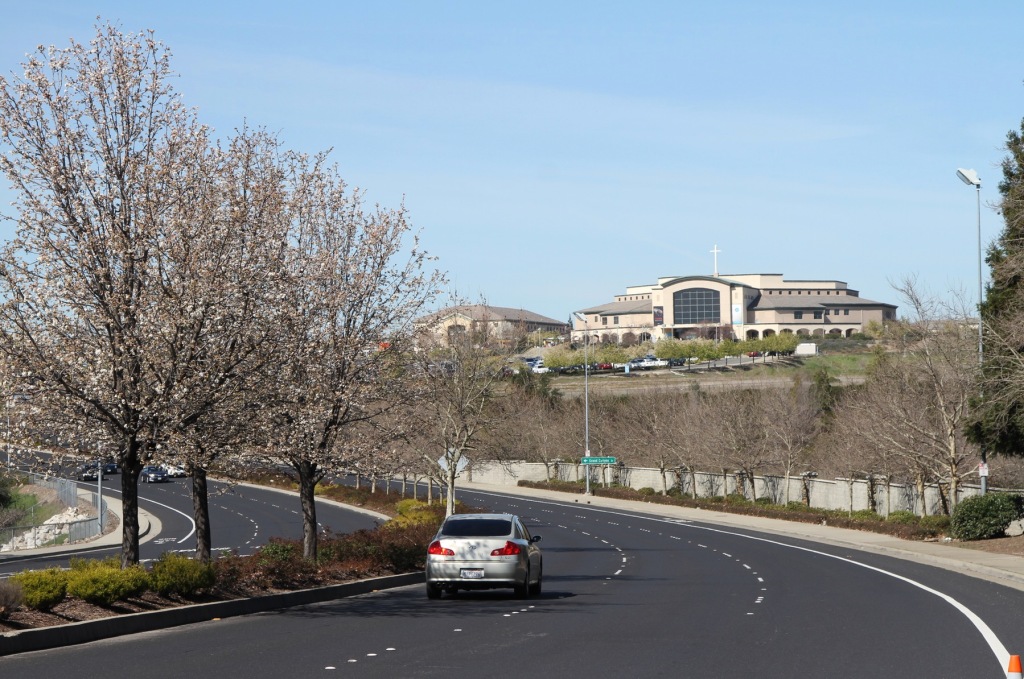
    One of my cousins recently attended an event at a suburban church and I tagged along. I’m amoral and omnivorous. I’ll go to any house of worship on the odd chance I might actually learn something useful – and I often do. And I meet a lot of really nice people along the way. But mostly I like to explore the landscapes other people inhabit. Church provides an intimate glimpse into what people are thinking and feeling in a particular location.

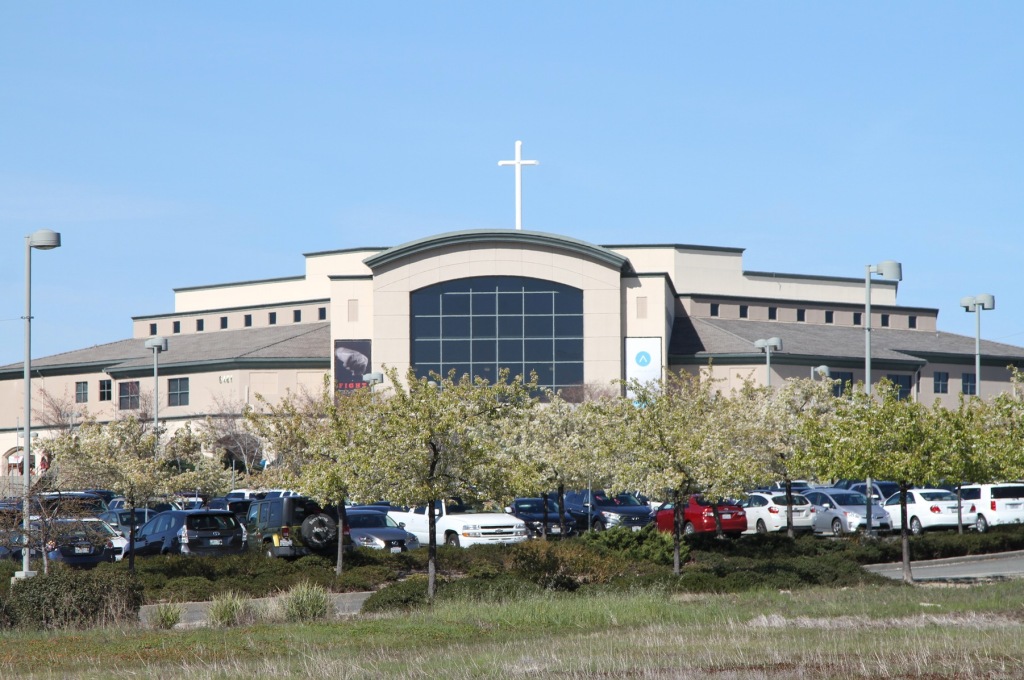
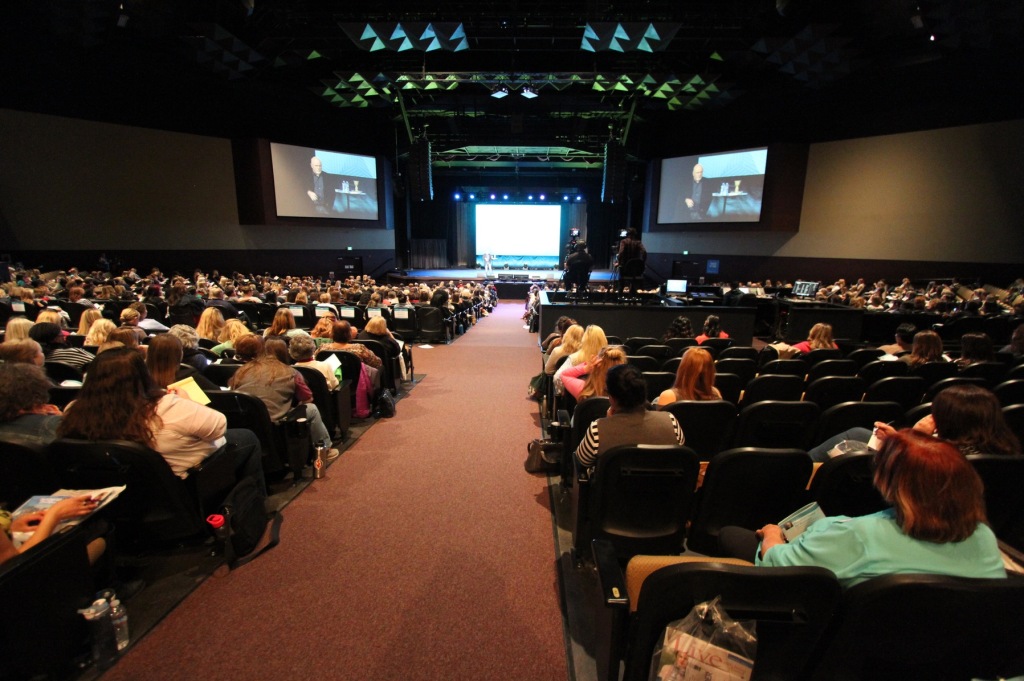
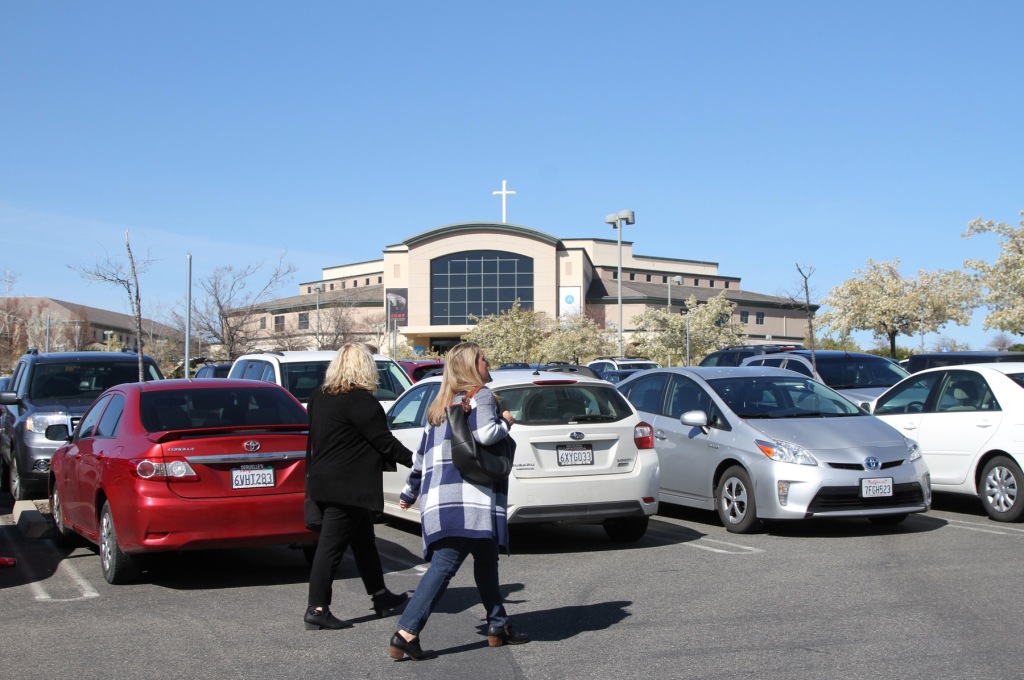
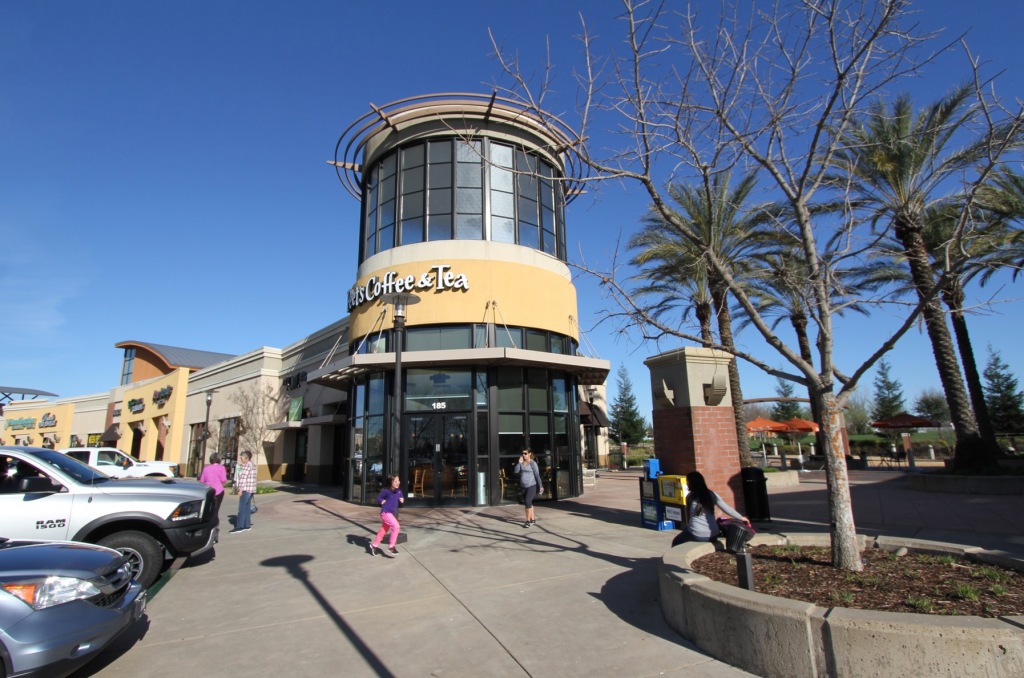
    I was immediately impressed with how much this church looked and functioned like a shopping mall. The size, shape, and general construction of the buildings and surrounding parking lots were indistinguishable from a large retail center. I spent more time than I probably should have trying to figure out which denomination it was. Catholic? Definitely not. Lutheran? Not exactly. Baptist? Meh. Mormon? Nope. It was a generic all inclusive Christian arrangement that celebrated the lack of any specific affiliation. Come and worship. We take all kinds. And enjoy the ample free parking and food court while you’re here. There was a well populated Christian school, a substantial auditorium, and all manner of programs and facilities. It was a highly successful suburban version of Big Box Jesus.

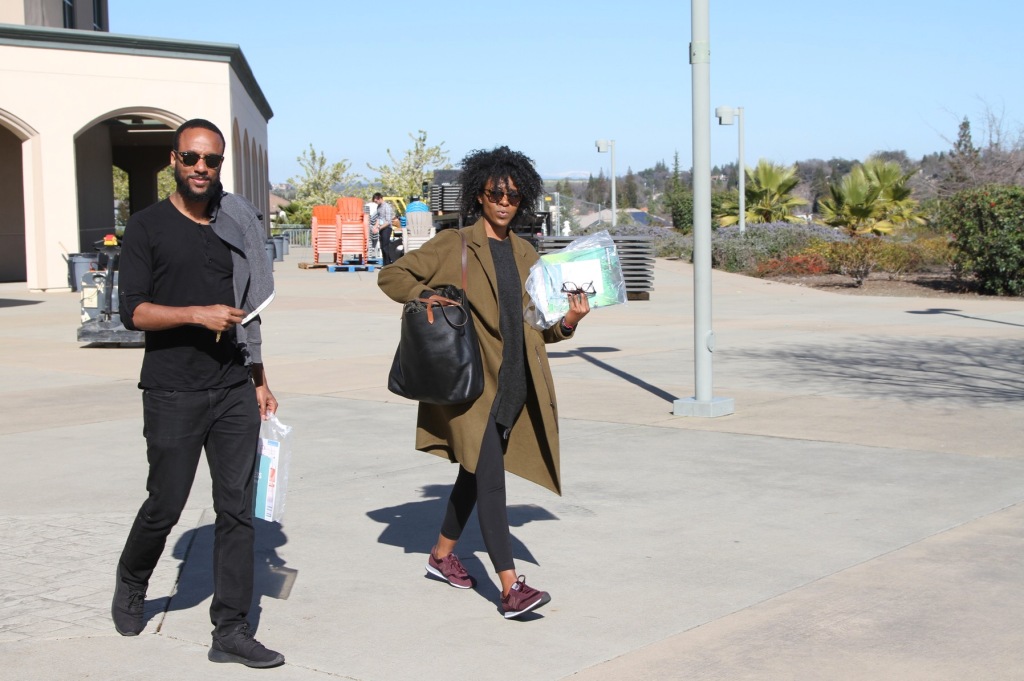
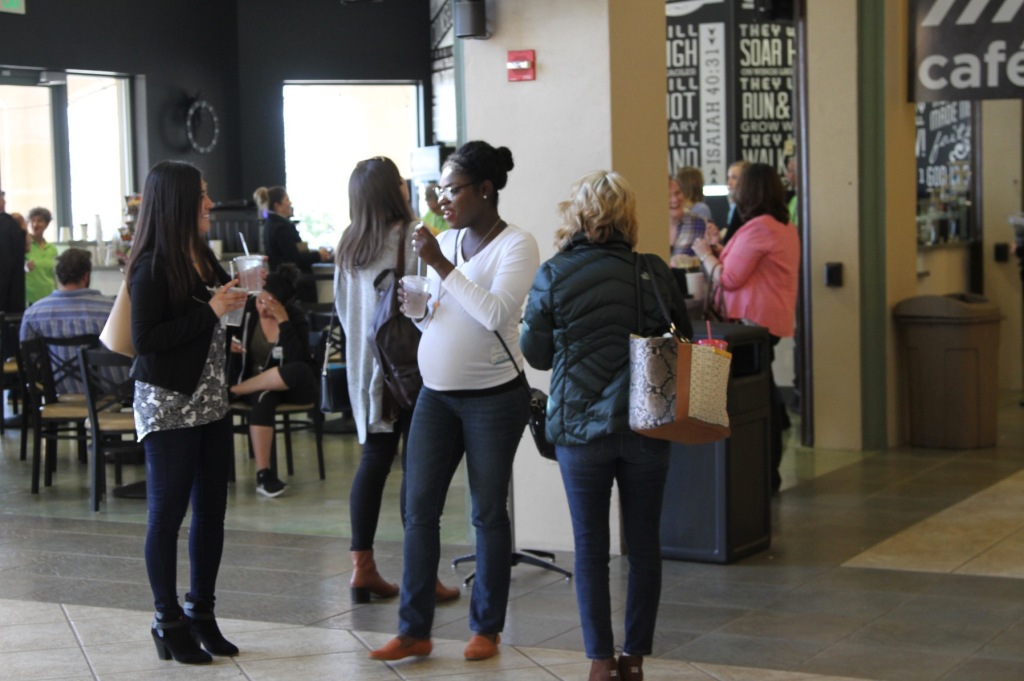
    The event my cousin was attending wasn’t strictly religious in nature. It was more of a collection of speakers who each preached a version of financial independence with a Christian slant. The majority of the attendees were suburban women like my cousin looking to start or improve an independent business venture.

    A borrower is a slave to his master. A thousand heads nodded. Always set aside 25% of everything you earn. The congregants listened intently. Start small and build up incrementally. There were biblical parables about prudence leading to abundance. Knowing smiles of agreement followed. There were some folksy stories about the misguided foolishness good people often stumble into. Laughs ensued from the audience. I liked these people.

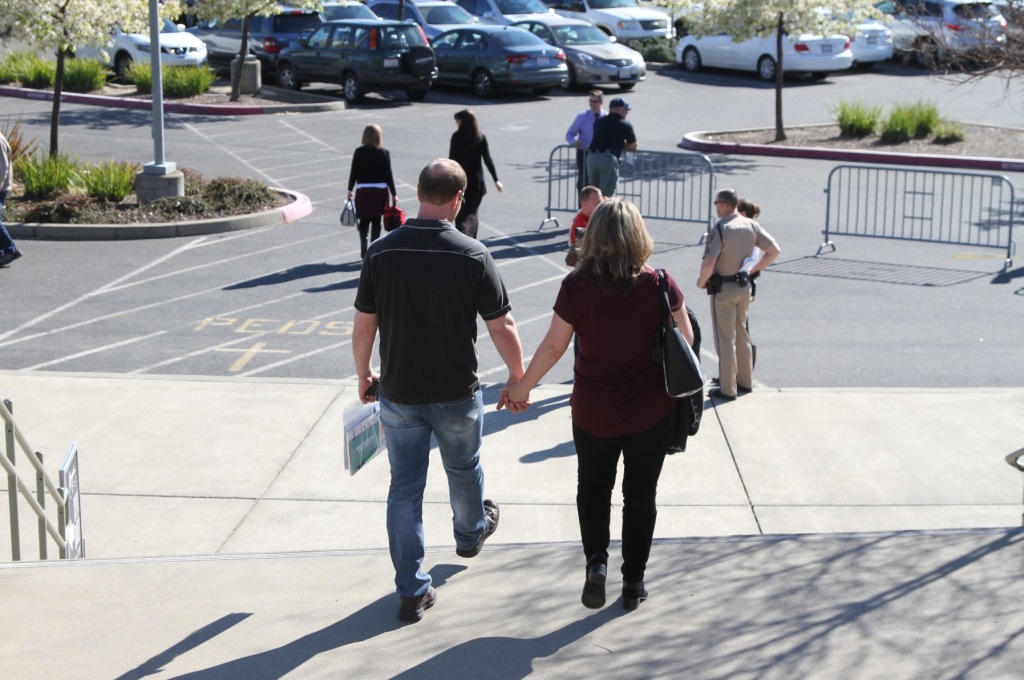
    But then I looked out at the parking lot. How many people paid cash for their cars? I explored the subdivisions all around the church. How many people bought their suburban homes with cash? How many people are capable of setting aside even a sliver of savings on a regular basis ever. How many people bought their clothes and shoes and had their hair done with a credit card that got rolled over into a big ball of vague but gradually mounting debt? How many people are approaching middle age and still paying off student loan debt?

    I understand the dynamics of contemporary accounting. Carrying mortgage debt provides a substantial tax advantage. Using “other people’s money” at a low interest rate to invest in an asset that consistently rises in value is smart and frees up cash to be deployed in other more productive ways. Putting cash into savings is inefficient since it sits in a bank earning near zero interest these days. Stock values keep rising so investing in equities is a no brainer.

    You can’t go around wearing thrift store clothes and sporting a bowl haircut and expect to be taken seriously in a professional business setting. You don’t want to drive around in an old clunker and put your family at risk when you could have the latest safety and reliability features of a newer car bought on credit. If you can buy that car with a home equity loan and get the tax deduction, all the better. Everything about respectable modern life is predicated on people spending a certain amount of money in a very specific way that is nearly impossible to achieve on a cash basis. And that set of arrangements is in direct conflict with the traditional virtues of frugality, saving, and self reliance. Big Box Jesus takes Visa, Mastercard, and American Express.

    This particular suburb is still very much in the aggressive growth phase of development. Everything is shiny and new. Did the developers build this town on a cash basis? No. It’s built on an Everest of commercial debt. How many of the people at the church earn their living selling real estate, or cars, or brokering mortgages, or refinancing people’s obligations, or helping them manage their stock portfolios? How many people are critically dependent on other people buying their products or services on credit? One way or another… almost everyone.

    Is the city paying as it goes for infrastructure with funds set aside for maintaining and replacing all the pipes, pumps, and pavement when they wear out? Are pensions fully funded? Will this development pattern generate enough taxable value as it ages to support and maintain all the critical public infrastructure of schools, police, and fire protection? I’ve spent a lot of time exploring the municipal finances of towns all over the country for years. They’re all functionally insolvent beyond a certain not-too-distant point.

    What all these practices and institutions need – what they can’t function without – is constant growth based on ever more leverage and debt. This can’t go on forever. Sooner or later there’s going to have to be a day of reckoning when the whole house of cards comes down. If I were a religious man I’d start praying right about now. Instead, I actually do what the preachers say. Pay cash, live below your means, save for the future, and opt out of the situations that trap you in a dysfunctional living arrangement with no future.

    John Sanphillippo lives in San Francisco and blogs about urbanism, adaptation, and resilience at granolashotgun.com. He’s a member of the Congress for New Urbanism, films videos for faircompanies.com, and is a regular contributor to Strongtowns.org. He earns his living by buying, renovating, and renting undervalued properties in places that have good long term prospects. He is a graduate of Rutgers University.

    All photos by Johnny Sanphillippo

  • Automation, Artificial Intelligence, and Projectile Wooden Shoes

    Sabotage has its root in the French word sabot, which is a kind of wooden shoe. In the early days of the Industrial Revolution craftsmen would throw their shoes into the gears of factory machines. Skilled labor was being replaced with mechanical production, undermining traditional professions, reducing incomes, and removing the social standing of workers. Wealth flowed up to the people who owned the factories and controlled the levers of political power. Sabotage was a form of negotiation. Industrial production was so incredibly efficient and profitable that the craft guilds had no chance of surviving over the long term. And since the cost of manufactured goods dropped like a stone with industrial processes society wasn’t inclined to turn back the clock. What unfolded over the course of a couple of centuries was a series of social, political, and economic convulsions including revolutions, wars, and mass migrations.

    screen-shot-2017-02-14-at-8-09-03-am

    screen-shot-2017-02-14-at-8-08-49-am

    screen-shot-2017-02-14-at-8-09-20-am

    I passed a construction site recently and saw this mobile surveillance pod. This is the beginning of the end of the night watchman. It’s part of the ever expanding panopticon of electronic monitors connected 24/7 to the cloud – complete with facial recognition software and the ability to cross reference an endless number of databases including everyone’s e-mails and geotagged cell phone records. Rent-a-cops are on the way out.

    screen-shot-2017-02-18-at-8-29-21-pm

    screen-shot-2017-02-18-at-8-30-14-pm

    screen-shot-2017-02-18-at-8-29-42-pm

    screen-shot-2017-02-18-at-8-30-03-pm

    Think this is only a big city thing? Try rural Montana. Same same. The squad car parked on the side of the highway with a radar gun is about to fade away. A far more effective and lucrative series of electronic devices will instill discipline in drivers and generate passive municipal revenue instead. Did I mention aerial drones? First they’re used in Afghanistan. Then along the Mexican border. Then poor high crime neighborhoods. Then your quiet little cul-de-sac in Indiana or South Carolina… The code enforcement people are going to love it.

    Screen Shot 2016-03-27 at 10.41.15 PM

    Screen Shot 2016-03-27 at 10.41.39 PM

    How much longer do you think it will be before long haul trucks are fully automated? Autonomous vehicles are cost cutting devices, not the latest upgrade for consumer convenience. What do you think will happen to all the roadside establishments that serve the needs of human truck drivers? Tick tock.

    screen-shot-2017-02-07-at-6-24-10-pm

    This is Google’s newest gadget. It’s comparable to Amazon’s Alexa and Apple’s Siri. Speak to these machines and they perk up. “Play Bohemian Rhapsody.” Or “Order four AA batteries.” Or “When is my next dentist appointment with Dr. Harris?” These devices search the internet and/or various personal files from your phone or computer and seamlessly give you what you want.

    screen-shot-2017-02-18-at-6-20-32-pm

    screen-shot-2017-02-18-at-6-20-54-pm

    Think you’ll be spared because you’re an educated professional? It’s only a matter of time before more advanced versions of artificial intelligence replace an army of human workers in more skilled positions. Medical centers will swap out administrative staff for a suite of voice activated algorithms. Computer programs will eventually read X-Rays and MRI results and provide preliminary diagnoses. Secure pill dispensing machines are already the norm in many hospital pharmacies. Tech support and customer service jobs will disappear. Accountants and paralegals are on that same list. Think outsourcing overseas was a problem for the former middle class? Think illegal immigrants drove down wages? Wait for what’s coming next.

    screen-shot-2017-02-11-at-5-26-33-am

    screen-shot-2017-02-11-at-5-24-40-am

    screen-shot-2017-02-11-at-5-23-25-am

    screen-shot-2017-02-11-at-5-25-55-am

    screen-shot-2017-02-11-at-5-25-03-am

    Here’s a common sight in Silicon Valley. Colonies of second hand RVs parked between a Burger King and a freeway off ramp are occupied by people who have no better option. The middle class tends to write off such populations as alcoholic schizophrenics. I interact with these folks on a regular basis and most have jobs. Some have two or three. They’re adamant that they did nothing wrong, but the larger society has simply discarded them. The median home price in San Jose is $1,085,000. Median rent for a studio apartment is $2,120. Moving to a “cheaper” place like Oakland is no longer an option. Two bedroom apartments there now rent for $3,500 – assuming you can find a vacancy. The minimum wage in these communities ranges between $10.30 and $15 an hour. The numbers don’t add up. There are an awful lot of these homeless camps everywhere these days. This is what a bifurcated economy looks like.

    A friend asked me to write about a possible Minimum Guaranteed Income. The concept is simple enough. If an individual or household earns less than a certain amount of money the government will fill the gap with a cash payment. I remember my social studies teacher talking about a “negative income tax” back in the 1970’s so this isn’t a new idea.

    My response was short and to the point. Not going to happen. Americans reject wealth transfers and chafe at any hint of “social engineering.” Anti-poverty programs are so deeply unpopular that a Minimum Guaranteed Income is a non-starter. And resistance is strongest from the people who would most benefit – the marginal declining middle class.

    The usual solutions aren’t going to work either. Dramatically raising the minimum wage will only encourage more employers to automate more agressively to squeeze labor out of their business models. Jacking up taxes will drive jobs and people out of the state (a process that is already well under way.) Building subsidized housing won’t scale up and is politically toxic. Rent control keeps some people in artificially affordable housing at the expense of their landlords, but does nothing to create new housing – quite the opposite. Reducing regulations and eliminating onerous bureaucracies is structurally impossible since the agencies that administer existing programs are a lot more powerful than the people they’re meant to serve. Moving to Texas works for people who already have a toehold in the middle class, but for those with less skills and no money life in Houston is merely slightly less miserable. The list goes on…

    screen-shot-2017-02-20-at-3-25-18-am

    screen-shot-2017-02-20-at-3-25-08-am

    screen-shot-2017-02-20-at-3-36-01-am

    Screen Shot 2016-02-04 at 7.58.45 PM

    My best guess is we’ll see the implementation of policies that achieve similar goals to a Minimum Guaranteed Income by other means. But they’ll need to be in keeping with the dominant cultural narrative: The Puritan Work Ethic. If you don’t work, you don’t eat. And they’ll have to be designed to filter out people who are deemed unworthy of inclusion. That’s been the pattern for centuries. The military is the primary model. Cradle to grave socialism is perfectly acceptable – often eagerly embraced – by American society if the wealth transfer is to people who are believed to be deserving. The militarization of domestic affairs is a distinct possibility.

    screen-shot-2016-10-12-at-9-23-39-am

    screen-shot-2016-10-12-at-9-49-12-am

    Massive infrastructure building projects are another viable option for employing large numbers of low skill workers. The cost, productive capacity, or return on investment of such projects is essentially irrelevant. Project funding will be allocated by a political process that prioritizes select populations in particular locations. This preserves the existing vested interests – a combination of corporations and big government. Republican. Democrat. Conservative. Liberal. It doesn’t matter. The goal is to allow business-as-usual to limp along for a while longer while mollifying the displaced population. This will work until the feds can no longer borrow and print money. The alternative is a Soviet Union style collapse.

    John Sanphillippo lives in San Francisco and blogs about urbanism, adaptation, and resilience at granolashotgun.com. He’s a member of the Congress for New Urbanism, films videos for faircompanies.com, and is a regular contributor to Strongtowns.org. He earns his living by buying, renovating, and renting undervalued properties in places that have good long term prospects. He is a graduate of Rutgers University.

    All photos by Johnny Sanphillippo

  • Re-inhabitation of Small Town America

    My friend Kirsten Dirksen at faircompanies.com recently posted a new video about Water Valley, Mississippi. It demonstrates that there are plenty of great compact mixed use walkable neighborhoods out there that can be re-inhabited. Building anything of this kind from scratch is theoretically possible, but it almost never happens due to endless zoning regulations, building codes, and cultural inertia. Water Valley is lucky in the sense that it’s just down the road from a prestigious university. That gives the town an advantage over similar places too far afield from money and culture. But it shows what’s possible under the right circumstances.

    Video by Kirsten Dirksen at faircompanies.com

    John Sanphillippo lives in San Francisco and blogs about urbanism, adaptation, and resilience at granolashotgun.com. He’s a member of the Congress for New Urbanism, films videos for faircompanies.com, and is a regular contributor to Strongtowns.org. He earns his living by buying, renovating, and renting undervalued properties in places that have good long term prospects. He is a graduate of Rutgers University.

  • King Tide

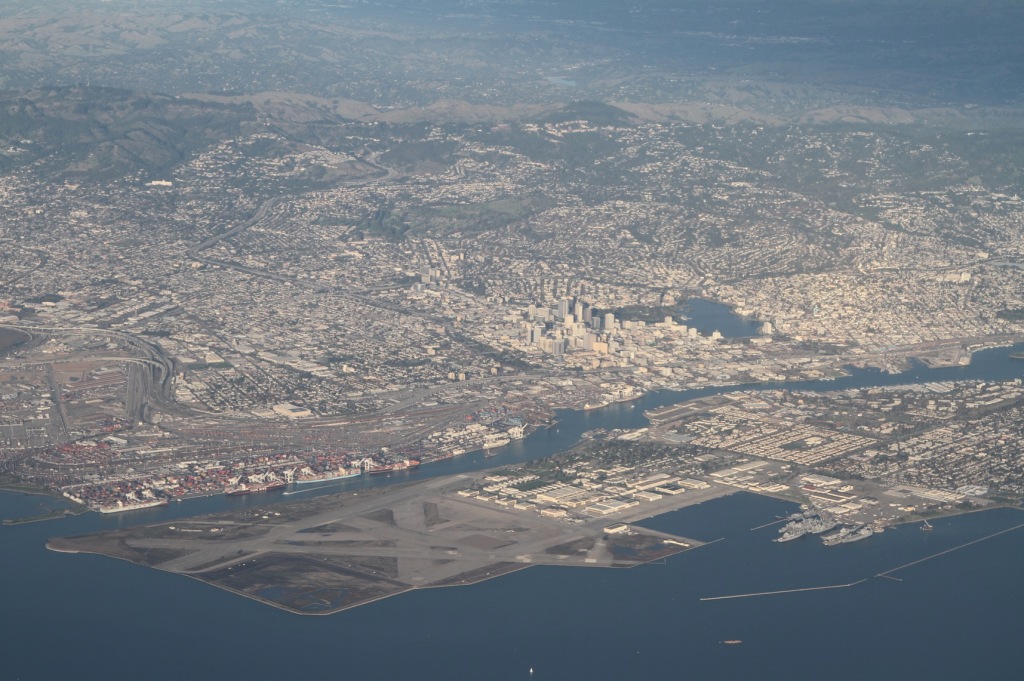
    10,000 years ago San Francisco Bay was a dry grassy valley populated by elephants, zebras, and camels. The planet was significantly cooler and dryer back then. Sea level was lower since glaciers in the north pulled water out of the oceans. The bay isn’t that deep so a relatively small change in sea level pushed the coastline out by twelve miles from its present location. Further back in pre-history when the earth was warmer than today sea level was higher. The hills of San Francisco were small islands off the coast of ancient California.

    screen-shot-2017-01-15-at-5-10-06-am

    screen-shot-2017-01-15-at-5-10-51-am

    These cycles play out on a scale we humans can’t perceive in our daily lives. You can think of this process as a larger version of the tides that play out over thousands of years instead of twice a day. There’s absolutely no need to debate human induced climate change. The climate changes all the time with or without us. The real question is how we will adapt over time.

    screen-shot-2017-01-15-at-9-19-21-pm

    screen-shot-2017-01-15-at-9-20-26-pm

    screen-shot-2017-01-15-at-9-21-47-pm

    screen-shot-2017-01-15-at-9-22-13-pm

    In the last century the majority of what was once low lying wetlands around the bay were filled and built upon. Airports, shipping terminals, oil refineries, housing developments, and industrial parks are sitting on landfill just slightly above water.

    screen-shot-2017-01-15-at-2-27-45-am

    screen-shot-2017-01-15-at-2-26-35-am

    screen-shot-2017-01-15-at-2-26-48-am

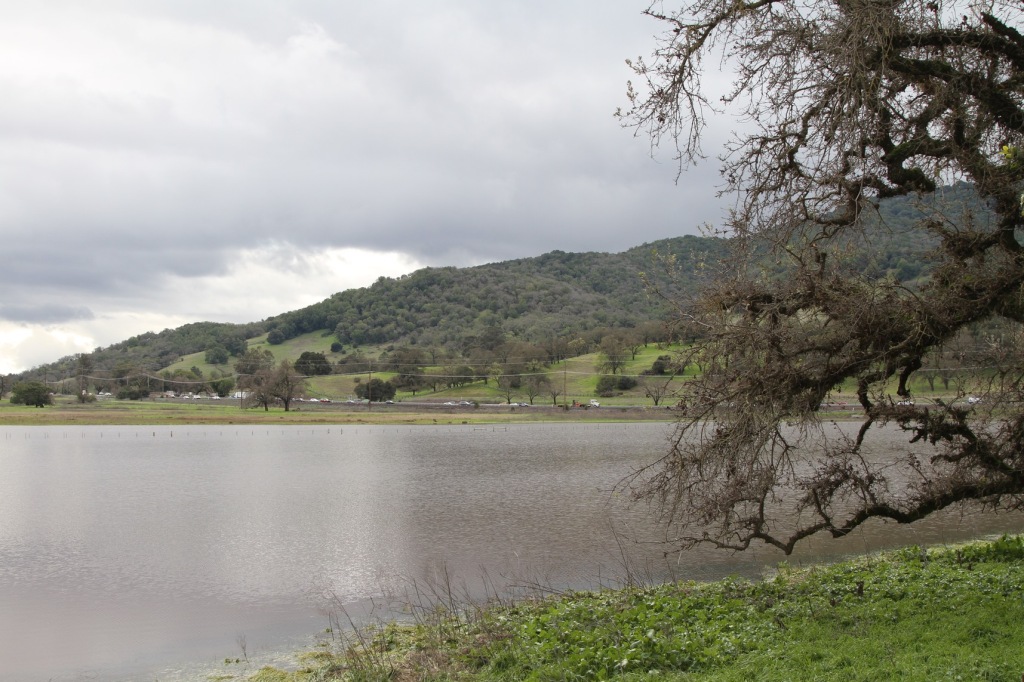
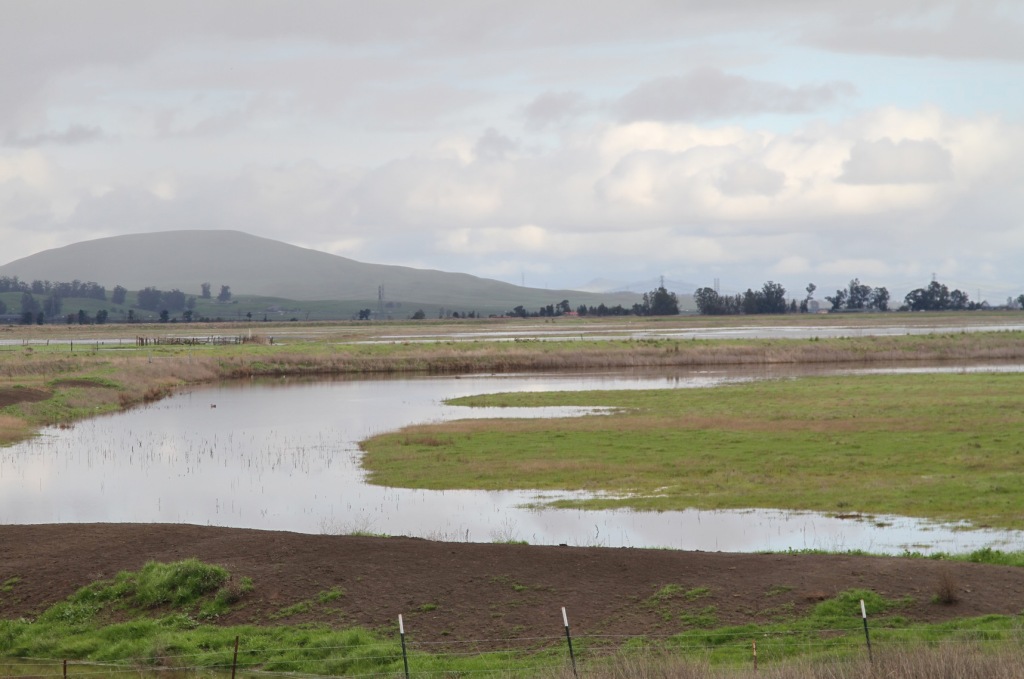
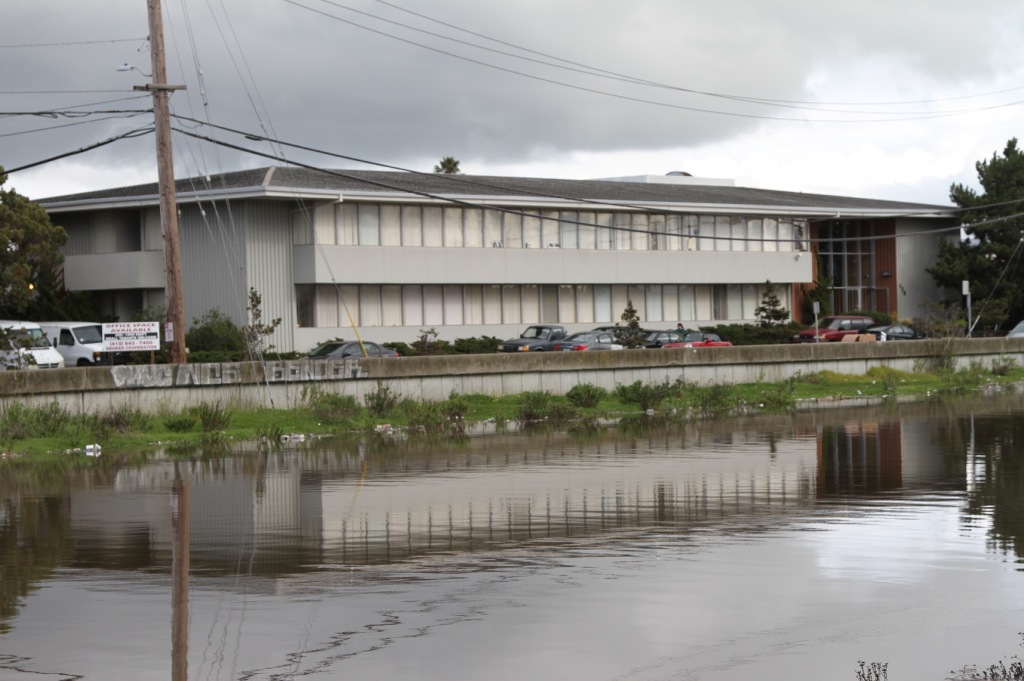
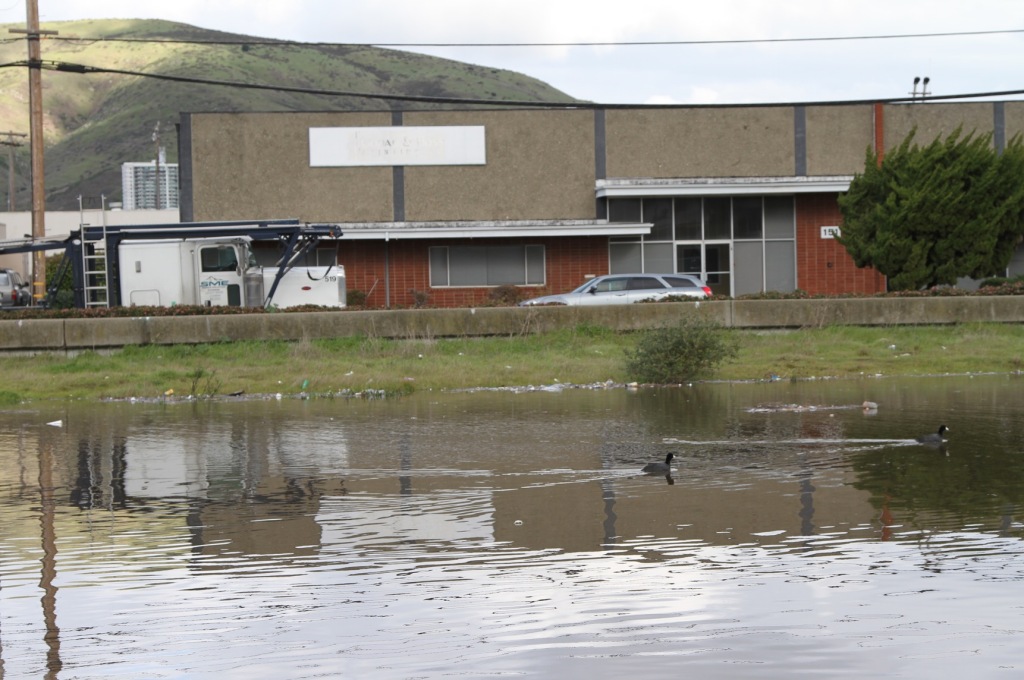
    We just experienced a king tide. This is a naturally occurring cyclical event that happens whenever the earth, moon, and sun line up in a particular way to create a tide that’s about seven feet higher than usual. In this part of the world king tides tend to arrive a few times a year alongside heavy winter rains. The result is a submerged landscape that at a normal high tide in summer is actually dry land.

    screen-shot-2017-01-15-at-3-33-51-am

    screen-shot-2017-01-15-at-3-45-44-am

    A significant amount of territory would be underwater in a king tide if it weren’t for extensive levees, drainage ditches, canals, and pumping stations that actively manage the hydrology of the built environment.

    screen-shot-2017-01-15-at-4-11-10-am

    screen-shot-2017-01-15-at-4-00-17-am

    screen-shot-2017-01-15-at-4-38-15-am

    screen-shot-2017-01-15-at-4-38-33-am

    So far the engineered solutions are working to plan. But this stuff is expensive to build and maintain. If we skimp or take our eyes off the ball there’s a risk of a breach that would do serious damage to the affected areas. This is California’s version of New Orleans with the added feature of seismic activity to complicate matters.

    screen-shot-2017-01-14-at-7-31-19-pm

    screen-shot-2017-01-15-at-1-27-24-am

    screen-shot-2017-01-15-at-1-28-46-am

    screen-shot-2017-01-15-at-1-28-18-am

    screen-shot-2017-01-15-at-1-29-36-am

    Last summer I was exploring the semi industrial neighborhoods around the airport just south of the city and found myself having a conversation with a hotel manager.

    screen-shot-2017-01-14-at-5-56-28-pm

    screen-shot-2017-01-14-at-5-53-58-pm

    screen-shot-2017-01-14-at-5-48-19-pm

    screen-shot-2017-01-14-at-5-55-40-pm

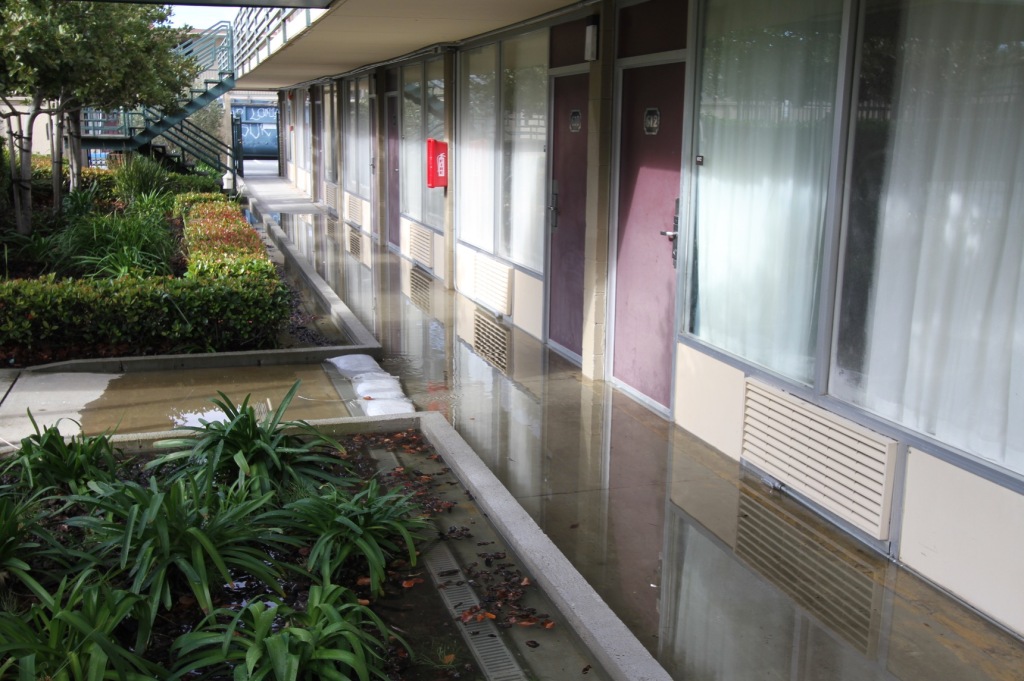
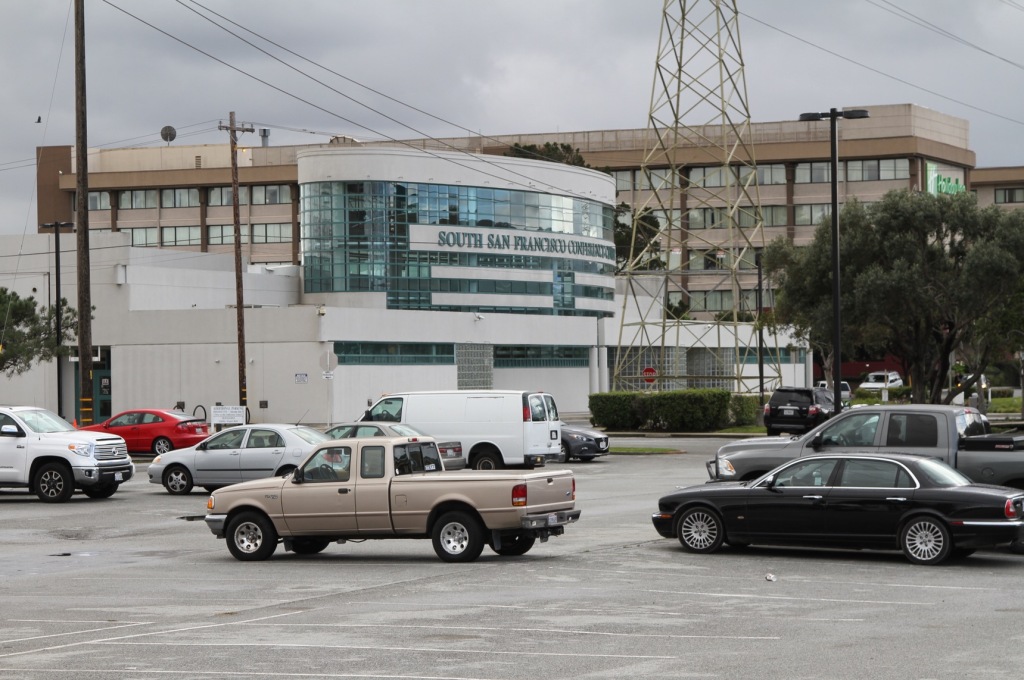
    Even during ordinary high tides the water level of the canal is about the same as the parking lot. So whenever it rains the drainage system that normally pulls water away from the land works in reverse and canal water is pushed up onto the surface.

    screen-shot-2017-01-14-at-6-40-56-pm

    screen-shot-2017-01-14-at-5-53-32-pm

    screen-shot-2017-01-14-at-5-52-55-pm

    screen-shot-2017-01-14-at-5-53-10-pm

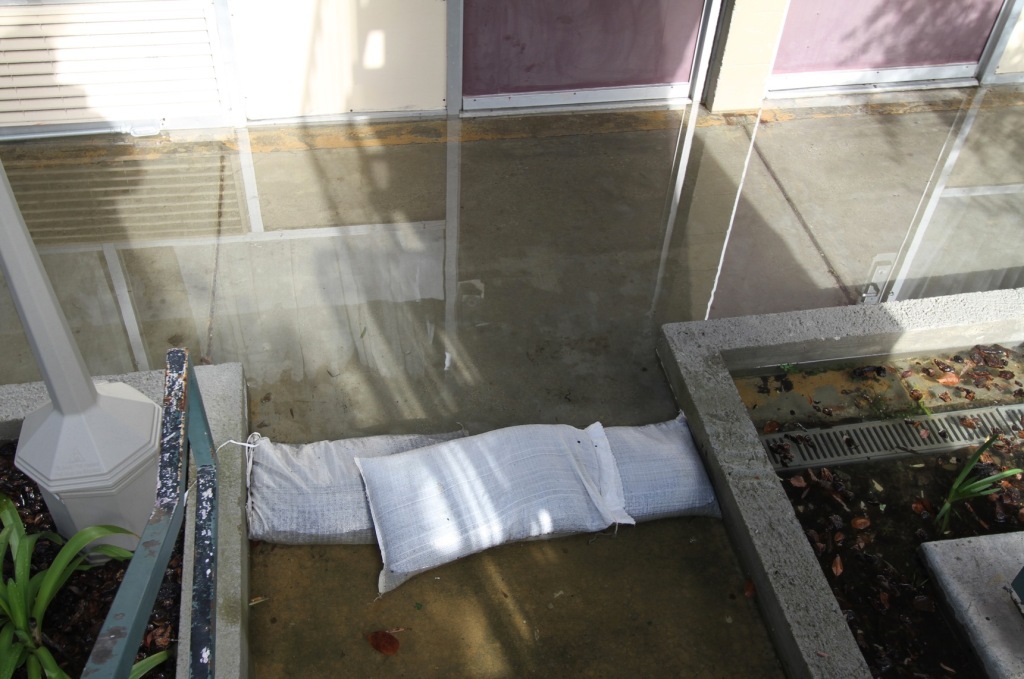
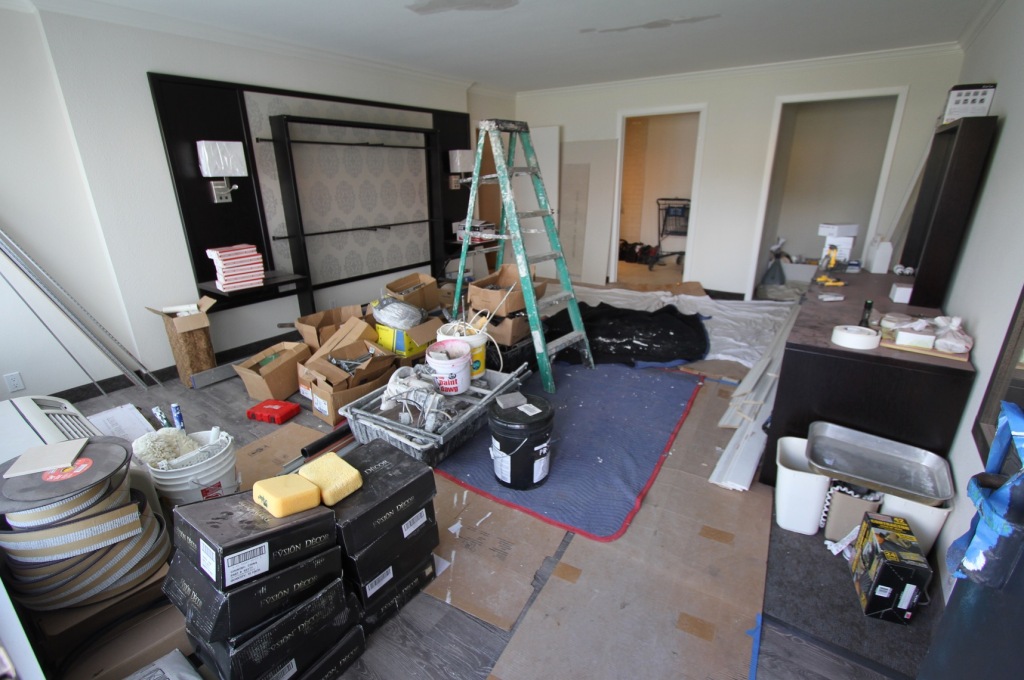
    What’s the difference between a hotel room that remains completely dry vs. a hotel room that has just one inch of standing water on the floor? That’s the difference between $100 a night and $0 per night.

    screen-shot-2017-01-15-at-1-06-27-pm

    screen-shot-2017-01-15-at-1-07-45-pm

    screen-shot-2017-01-15-at-1-07-01-pm

    The management has long responded to the situation by not renting ground floor rooms during the rainy season. That constitutes a seasonal operating loss since any hotel that falls below a 60% occupancy rate loses money. But there isn’t much that can be done. The rooms on the lower level are being renovated so that once the weather clears up the hard surfaces can be thoroughly cleaned and aired out and put back on the market without incident.

    screen-shot-2017-01-15-at-1-36-48-am

    screen-shot-2017-01-15-at-10-37-11-pm

    screen-shot-2017-01-15-at-10-37-39-pm

    Warehouses and industrial sheds in the area have a similar set of challenges. Who exactly wants to store or manufacture things in a facility that gets wet whenever it rains at high tide?

    screen-shot-2017-01-15-at-1-05-37-pm

    screen-shot-2017-01-14-at-7-29-52-pm

    screen-shot-2017-01-14-at-7-29-36-pm

    I was curious why such valuable waterfront land wasn’t redeveloped with new construction that was built with rising tides and earthquakes in mind. Wasn’t the canal a natural feature that could be capitalized upon as a major amenity? Wouldn’t people pay extra to stay at a fancy hotel or live along a landscaped promenade with cafes and shops? It could be really nice, and the real estate market would certainly be able to absorb the required price point. I was told the hotel owner had asked for permission to redevelop the site as a retirement village. Local regulators denied the applications. The city insists that the property remain as it is.

    Over the years I’ve had more than one mayor or city official in different parts of the country explain that each new resident costs the city money in services and infrastructure. What cities desperately need is tax revenue. That’s why we see a proliferation of casinos, premium outlet malls, entertainment complexes, and technology parks. A half assed soggy hotel is better for the city’s bottom line than anything that will burden the municipality with needy residents.

    screen-shot-2017-01-15-at-4-13-00-am

    screen-shot-2017-01-15-at-4-12-28-am

    screen-shot-2017-01-15-at-4-11-57-am

    screen-shot-2017-01-15-at-4-15-58-am

    screen-shot-2017-01-15-at-4-15-23-am

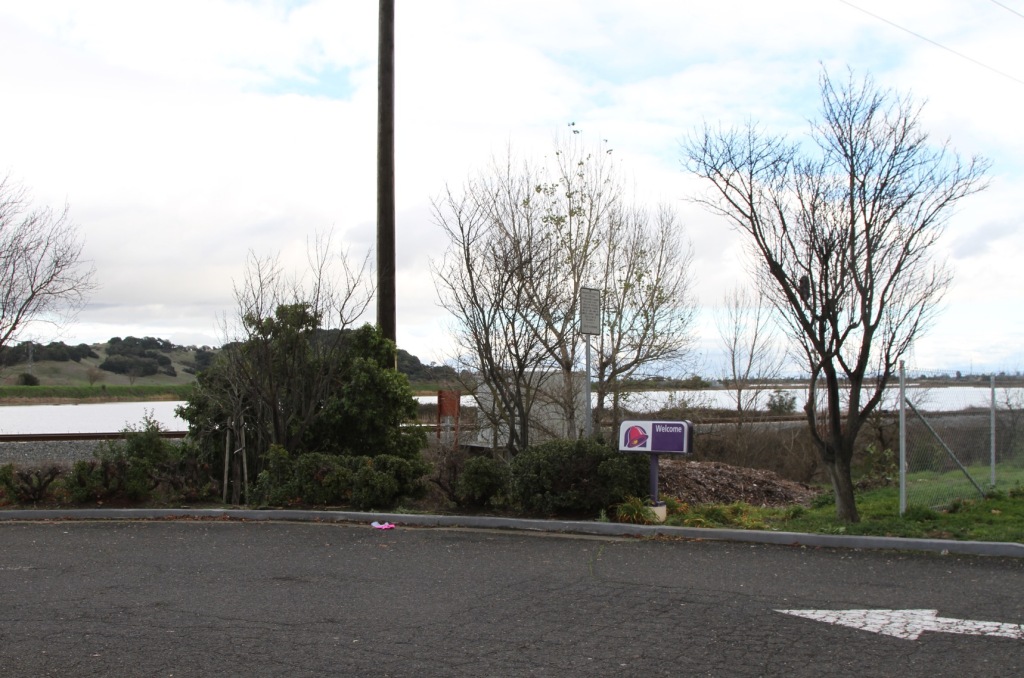
    In the short term there are all manner of temporary quick fixes that can keep this system going. But over the long haul there are only two possible trajectories for these places. One is for huge sums of public money to be spent defending private property. The other is that the structures that currently occupy vulnerable positions will lose value, be abandoned, and gradually slip under the tide. Downtown San Francisco is likely to find the funds to keep back the waves. Will taxpayers really be willing to fortify the old Taco Bell and aging suburban big box store? Toss in an earthquake or two and things could get really interesting very fast. Happenstance is the polite politically neutral term for this kind of triage.

    John Sanphillippo lives in San Francisco and blogs about urbanism, adaptation, and resilience at granolashotgun.com. He’s a member of the Congress for New Urbanism, films videos for faircompanies.com, and is a regular contributor to Strongtowns.org. He earns his living by buying, renovating, and renting undervalued properties in places that have good long term prospects. He is a graduate of Rutgers University.

    All photos by Johnny Sanphillippo

  • Doing What Actually Works

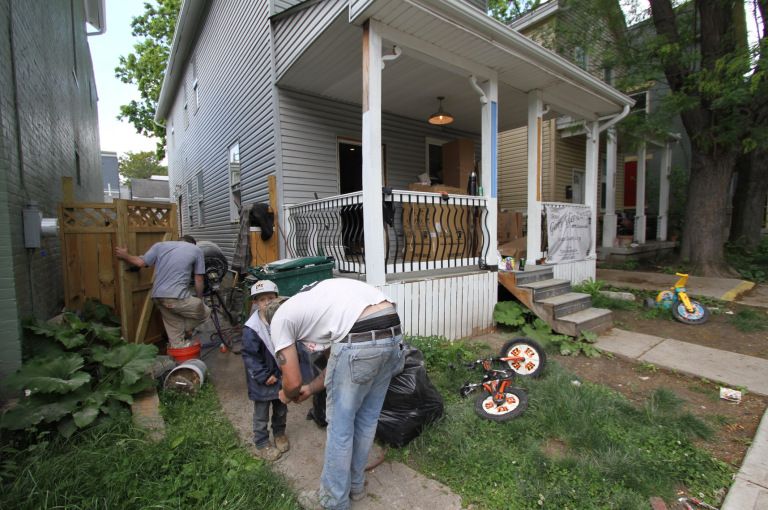
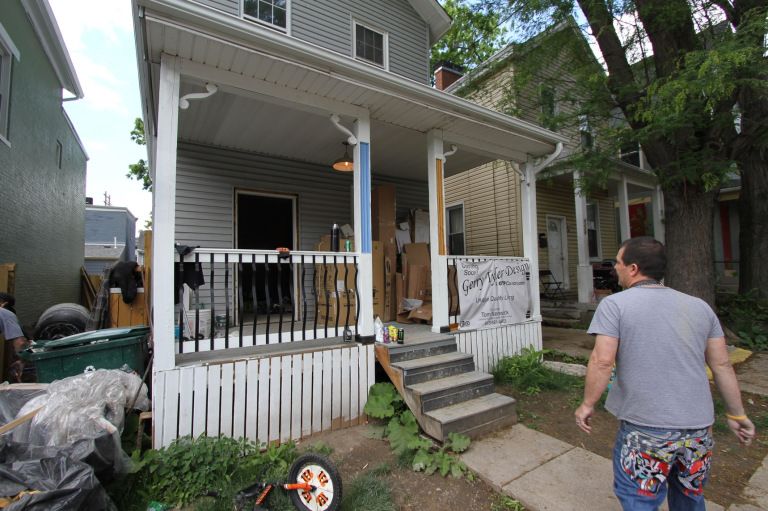
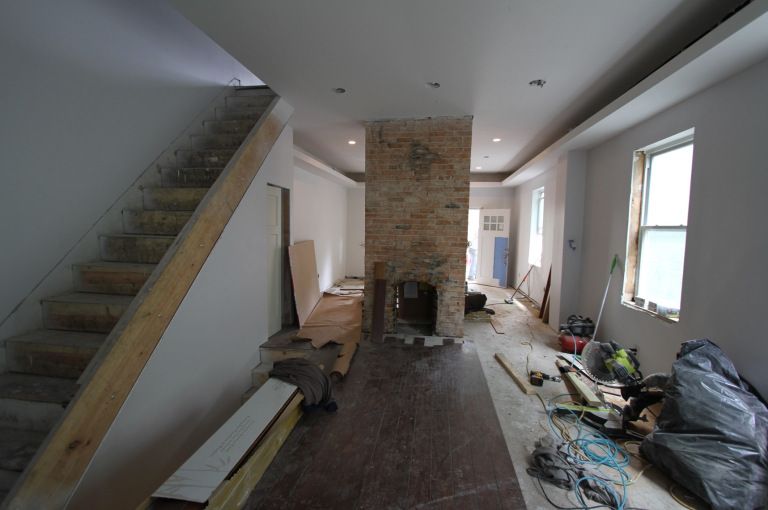
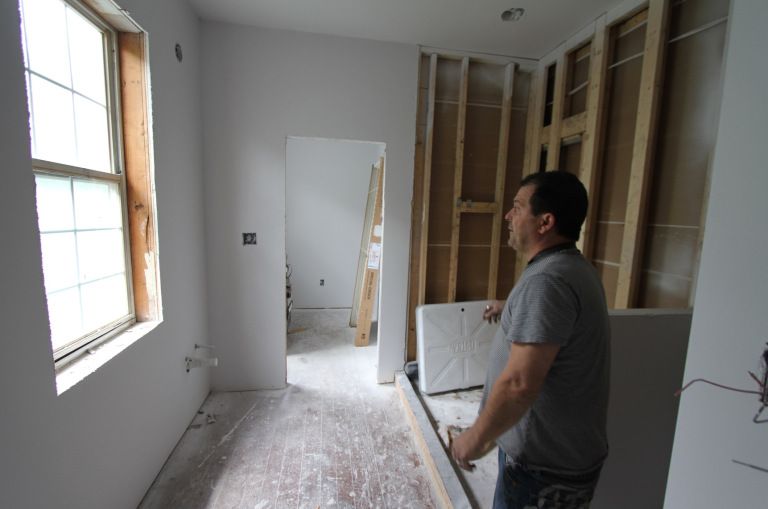
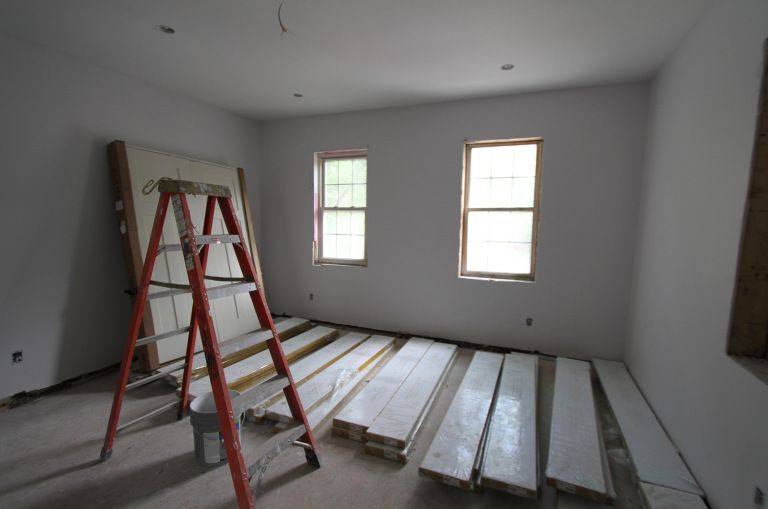
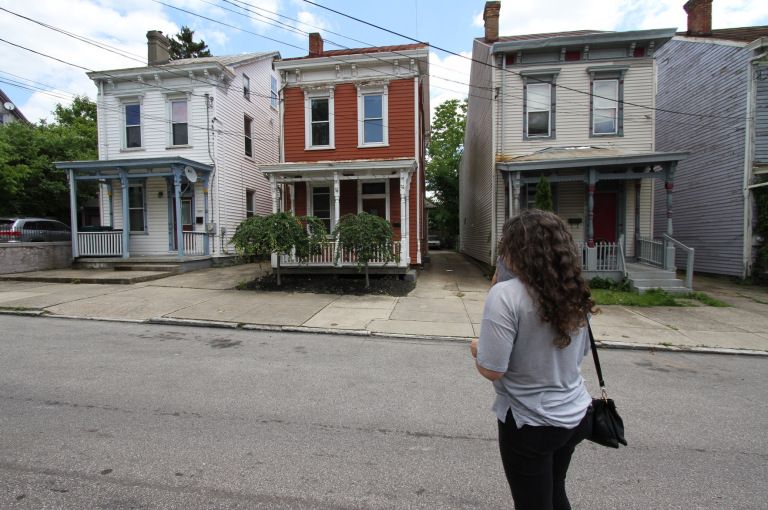
    Last year I engaged in a failed attempt to renovate and expand an old house in an 1890’s era neighborhood in Ohio. It ended badly. So I thought I’d do a follow up on what actually does work given the legal parameters and cultural context.


    I sold the house to a smart young local guy who bought eight similarly run down properties on the same block within a short period of time. He gathered private funds from a group of personal investors to finance the venture. Then he hired a family owned contracting company from across the river in Kentucky to renovate all the homes. He’s selling the properties as they become ready for market and distributing the profits to his investors, keeping a percentage for himself. It’s a really good economic model with a fast lucrative turn around.

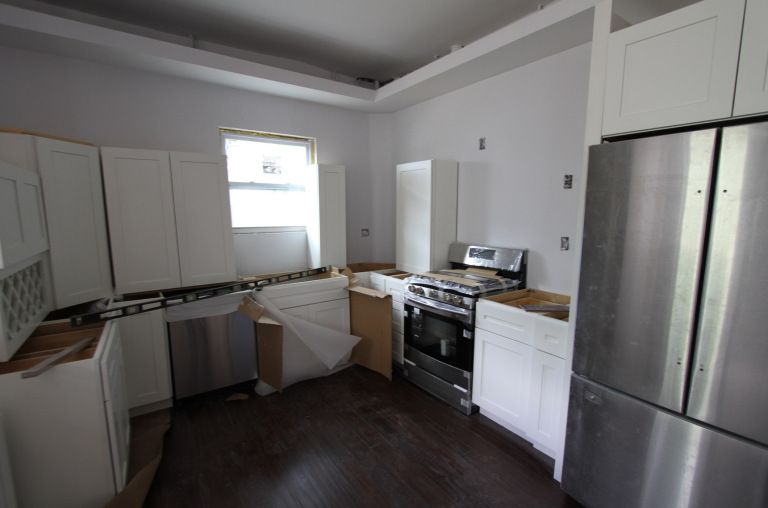
    The new owner and his contractor never dreamed of changing any of these buildings in a way that would have required any kind of special permission or variances from the city authorities. That way lies ruin. This smart team of savvy professionals brought these abused and neglected husks up to respectable middle class standards quickly and efficiently in a way that only marginally involved municipal officials with plain vanilla over-the-counter permits and ho-hum inspections. Once the new kitchen cabinets and fancy appliances go in along with the new windows and flooring these homes have instant market appeal. They’ve been selling very well, particularly because the collective renovations of multiple buildings at the same time in the same concentrated area feeds a palpable sense that the neighborhood is rapidly gaining value.

    It helps that the new owner went to high school in the area. In a provincial town like Cincinnati these things really matter to the locals. And he’s selling single family homes, presumably to future owner/occupants. In contrast, I was reviled in social media as both a carpetbagging gentrifier who was driving out long time working class residents and an absentee slumlord who would dump “the wrong element” on to the neighborhood and degrade property values and the quality of life for nearby homeowners.

    The end result is that the house I paid $15,000 for will ultimate sell for six figures even though it’s still exactly the same size and shape – give or take a nice cosmetic skin job – after it’s flipped at a generous profit. So the folks who worry about gentrification will experience the same resultant condition relative to what I had in mind for the place. And there’s no guarantee that it won’t eventually be purchased by someone who will choose to rent the property rather than live in it themselves. But all that is beside the point. The regulatory environment and cultural perceptions are the defining constraints. The new owner is just a whole lot better at effectively piloting his way around those shoals. I have to respect his business acumen.

    Over the past five years I’ve followed a variety of young talented industrious people in the neighborhood. One couple has been engaged in another business model that works beautifully. They buy a distressed property at a reasonable price point. They move in and occupy the space themselves for about a year while they renovate it. Then they buy their next property, move in, and rent the one they just completed. Instead of flipping properties they’re steadily building a long term portfolio with positive cash flow and equity. They’re currently managing a dozen units and filling them with good quality people from the community.

    The crucial point is that they never buy a property that requires special permission to upgrade or needs extraordinary amounts of structural work to bring it up to code. They buy a solid shell and clean it up. Full stop. If they encounter an otherwise great building that happens to need fire sprinklers, or an elevator, or a zoning variance they steer well clear of it. Let some other poor bastard kill themselves in the meat grinder of endless bureaucracy and public outrage. (That was me…)

    To do absolutely anything else is technically possible, but hideously time consuming, difficult, and untenably expensive – and your neighbors will call you all sorts of terrible names and project all their fears on to you. For folks who believe in building great new places that mirror the charming old compact mixed use walkable neighborhoods of a century ago… Let it go. We have the dregs we inherited from previous generations and they can be shined up. But that’s it.

    John Sanphillippo lives in San Francisco and blogs about urbanism, adaptation, and resilience at granolashotgun.com. He’s a member of the Congress for New Urbanism, films videos for faircompanies.com, and is a regular contributor to Strongtowns.org. He earns his living by buying, renovating, and renting undervalued properties in places that have good long term prospects. He is a graduate of Rutgers University.

    All photos by Johnny Sanphillippo

  • Them that’s got shall have. Them that’s not shall lose.

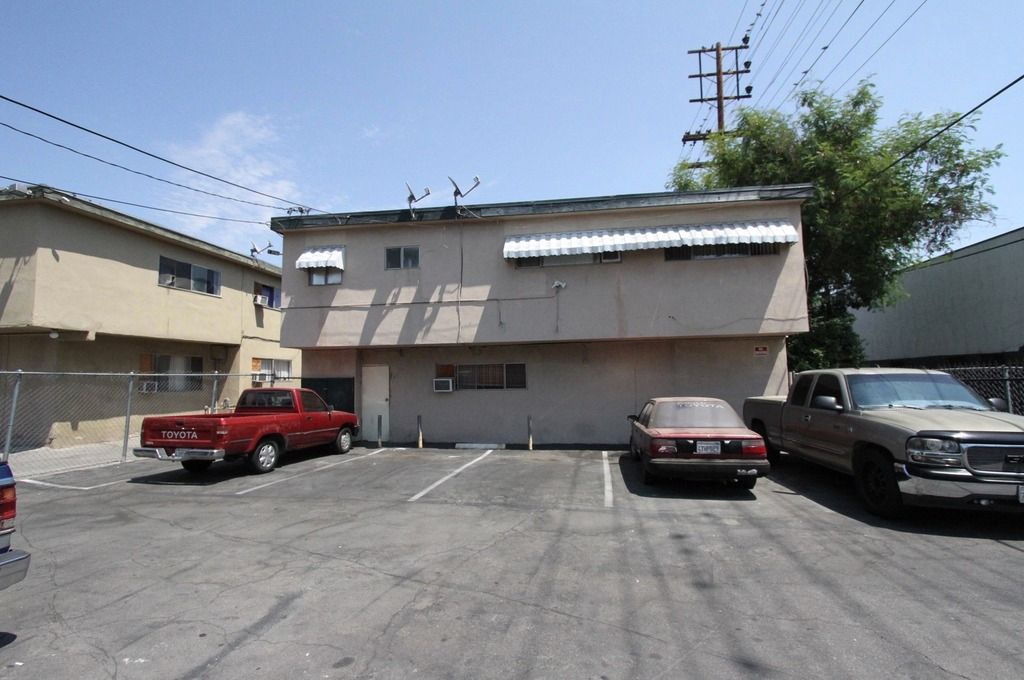
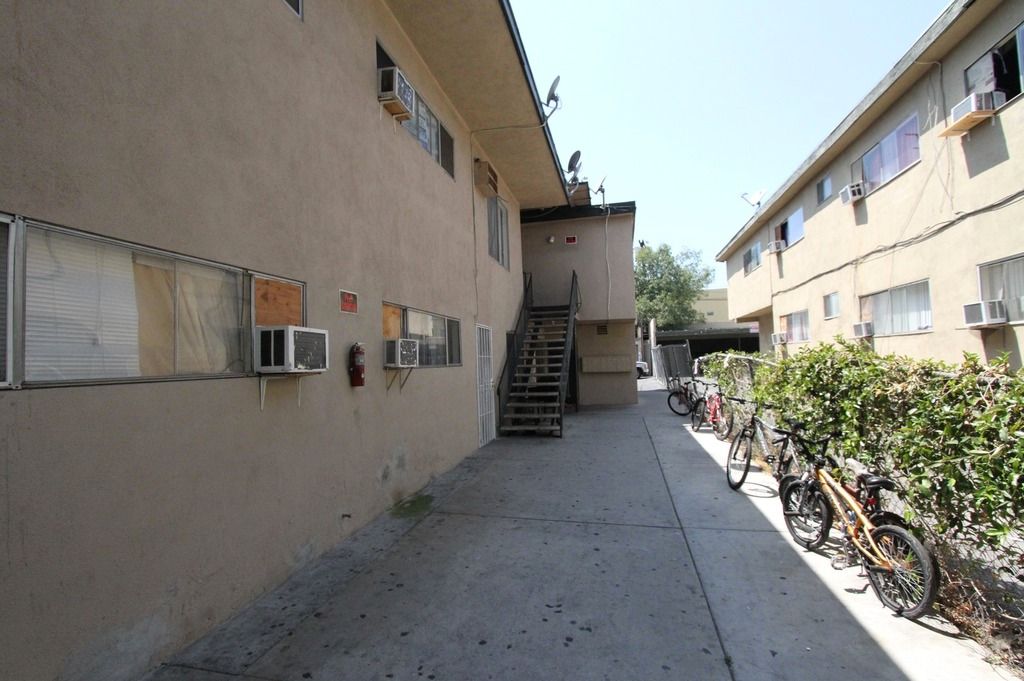
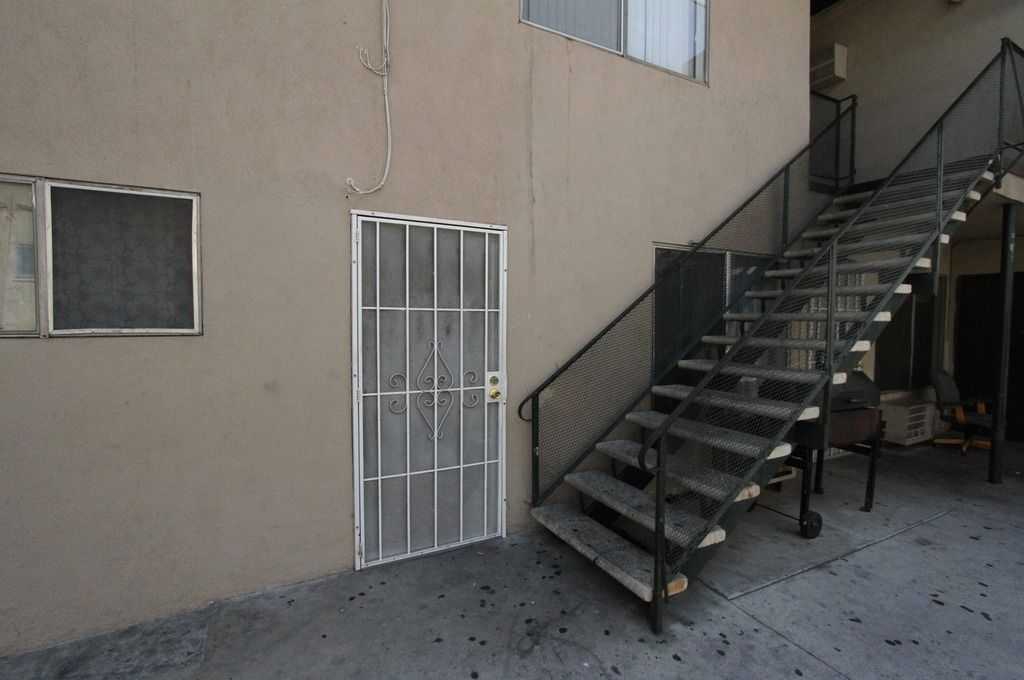
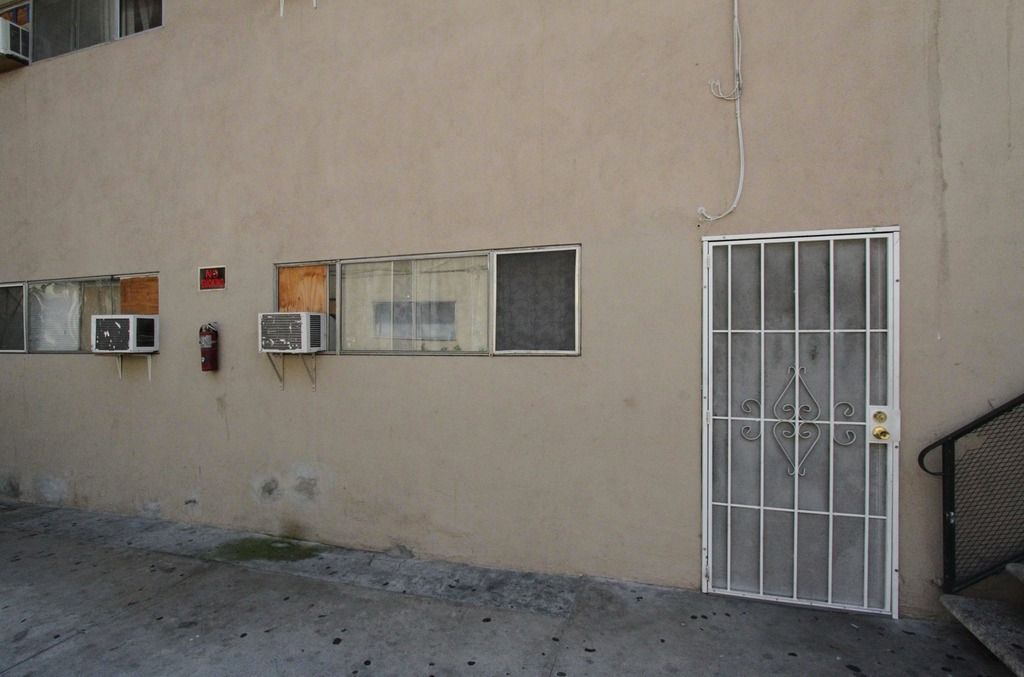
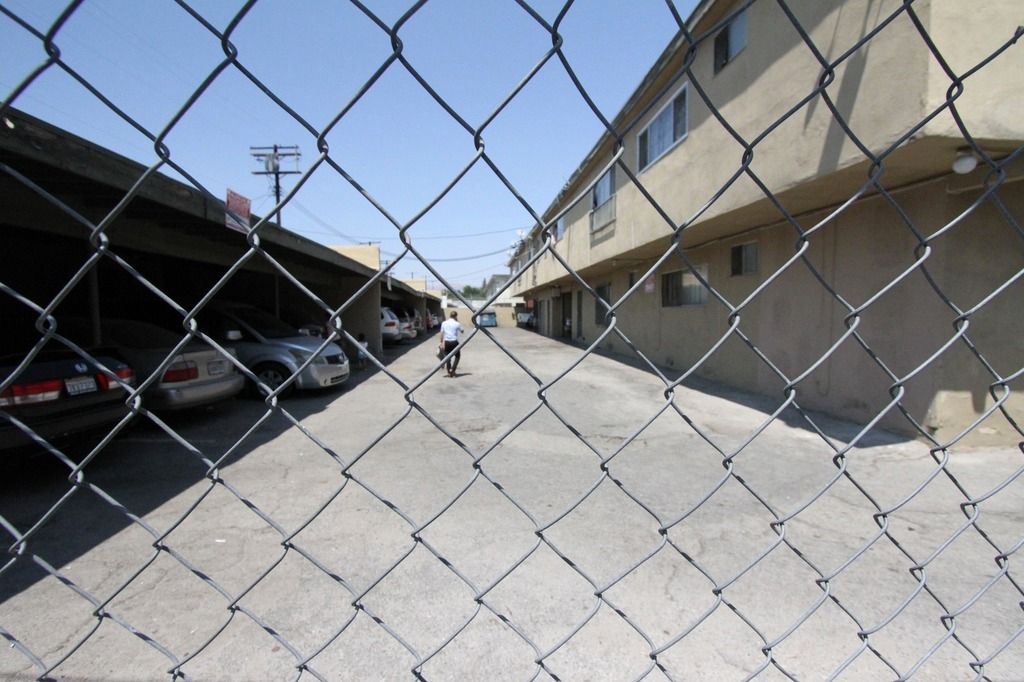
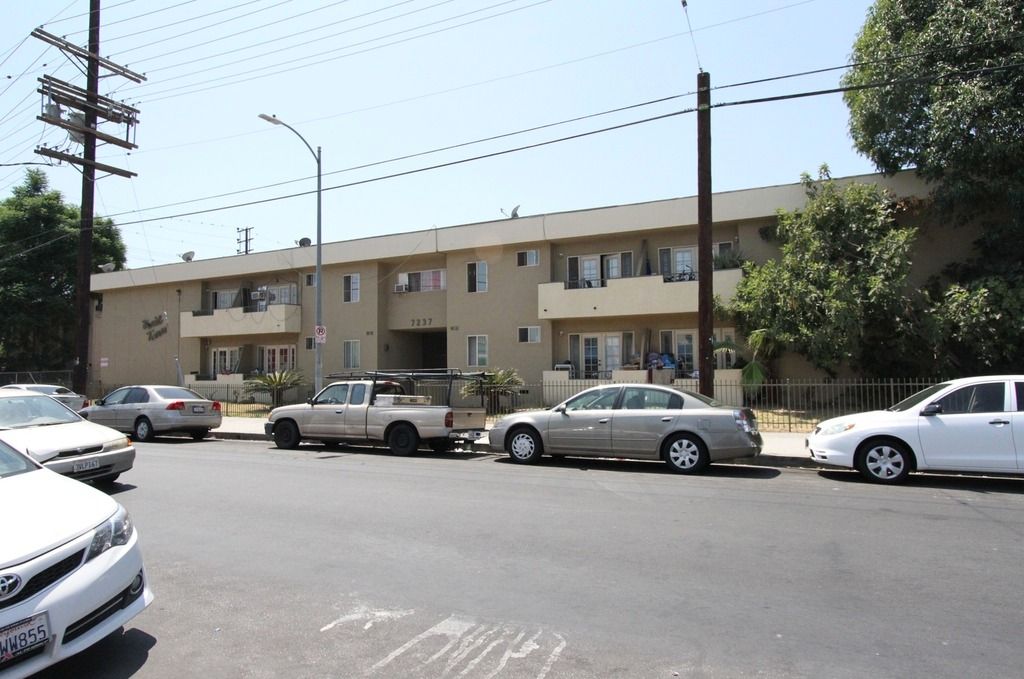
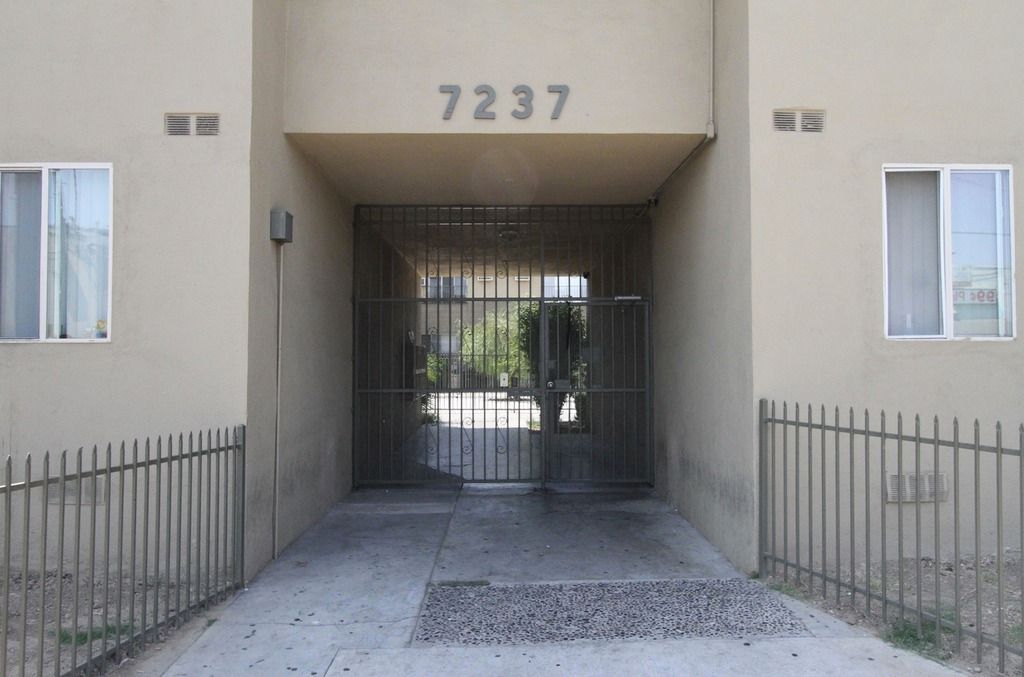
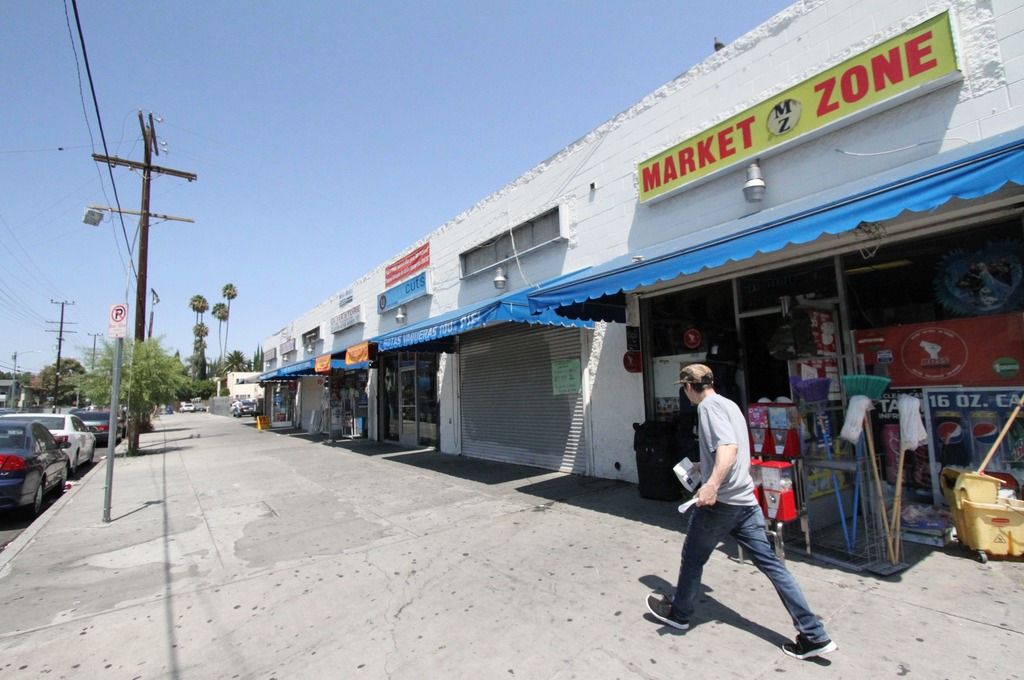
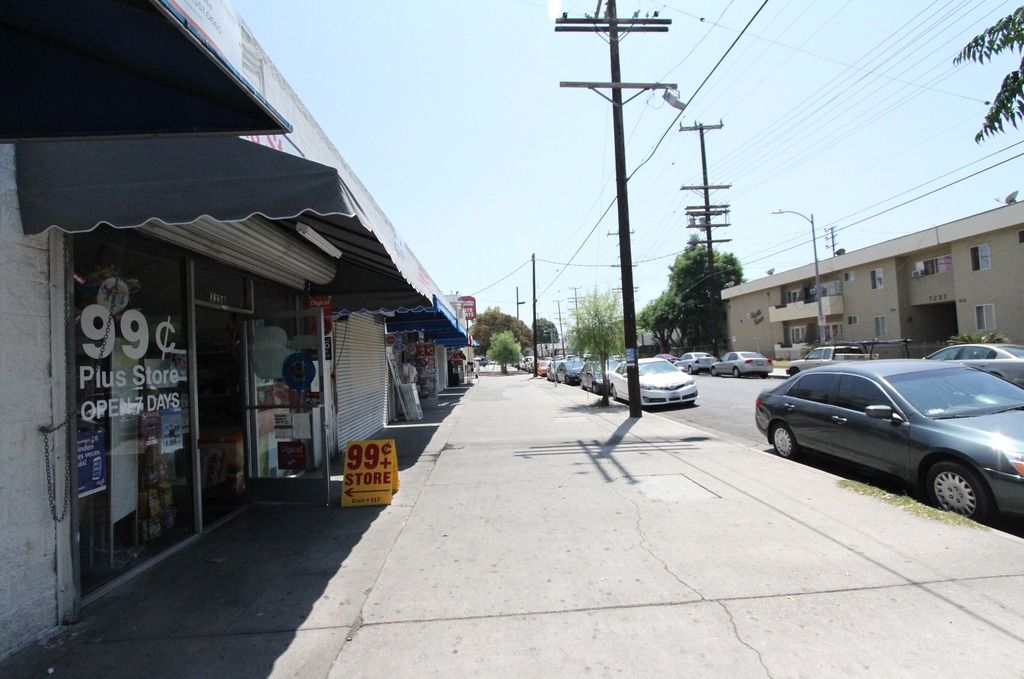
    My family lived in this building when I was a kid in the 1970’s. This was the door to our old apartment. It’s in a nondescript part of the San Fernando Valley in Los Angeles. There are a million places just like this all over the Southland. These beige stucco boxes are the workhorses of semi-affordable market rate housing in California. The place hasn’t changed in forty years other than the on-going deferred maintenance.

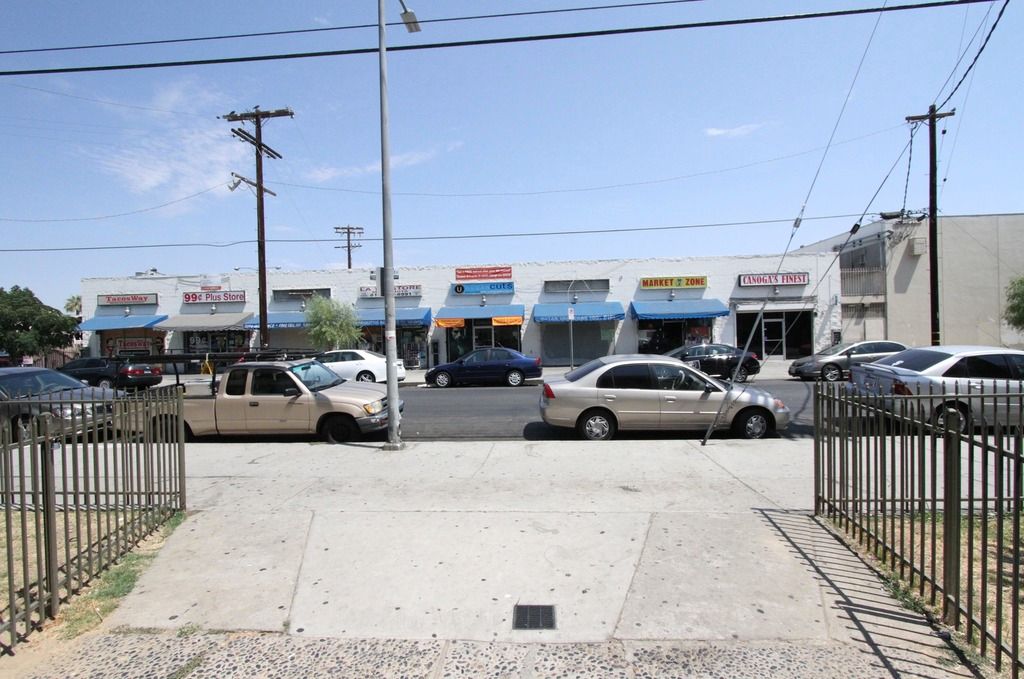
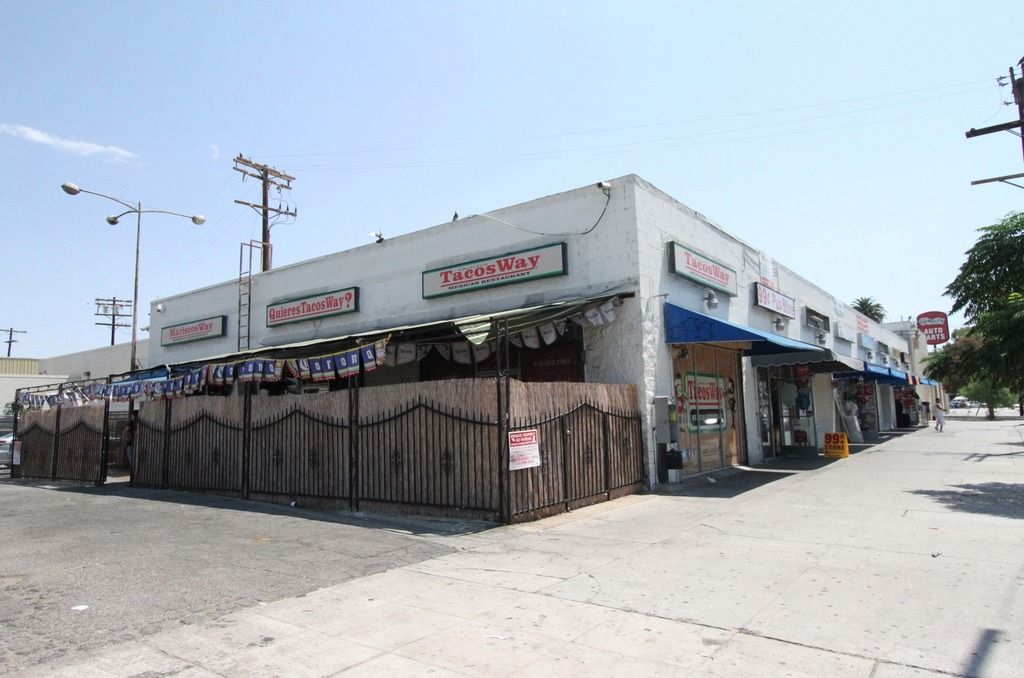
    I walked around the block to see the buildings where my friends used to live and the shops where we bought groceries and such. I can’t say I felt nostalgia. These weren’t happy times. But I was aware of the fact that the people who live here now are the same as my family was then – basically good people who are scraping by with almost no money doing the best they can with what they have. These are the minimum wage workers who do all the invisible dirty work of the city. Real incomes for these folks haven’t changed since I was a kid. But the cost of everything important from owning a home to health care to a proper education has skyrocketed.

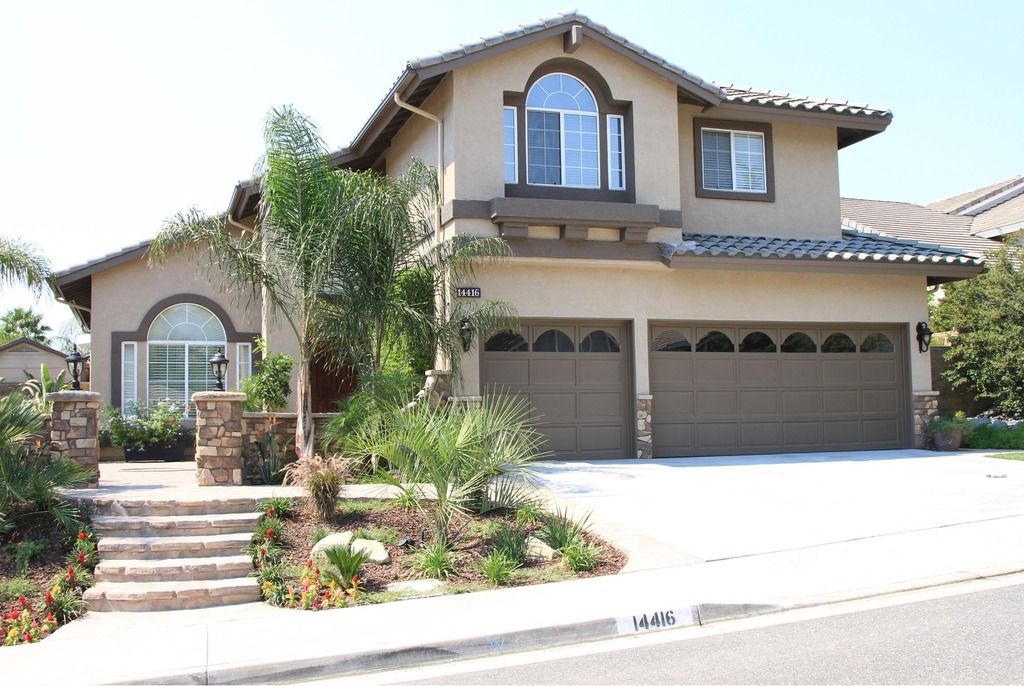
    I want to go back to my last post about the exclusive homes in the fringe suburbs. The people who can afford to live here do so in large part so they can distance themselves from the people in my old neighborhood. Fair enough. I completely understand. I don’t want to live in my old neighborhood again either.

    But there’s that lingering problem of public infrastructure vs. the tax base of various forms of development. The city has spent almost nothing on my old block for decades. Yet those sad buildings keep spinning off revenue year after year. And there are a lot of them. Collectively they generate enough excess cash that the authorities can siphon it off to fund other activities. When it comes time to allocate resources who do you think has the most likely chance of getting what they need? The people who live in my old apartment, or the folks who live in the $700,000 homes up on the hill?

    As a society we want to believe that the poor are draining the public coffers dry. We need to blame the lower end of the working class for whatever we don’t like about the country. We want it to be true that they are undeserving compared to the better people who begrudgingly support them from a distance. Welfare. Food stamps. Section 8. But the reality – if you look at the budget and the actual numbers – is that without the poor packed tightly in their crappy apartments all working for crumbs in underfunded sections of town there could be no exclusive enclaves.

    Billie Holiday said it best. Them that’s got shall have. Them that’s not shall lose.

    John Sanphillippo lives in San Francisco and blogs about urbanism, adaptation, and resilience at granolashotgun.com. He’s a member of the Congress for New Urbanism, films videos for faircompanies.com, and is a regular contributor to Strongtowns.org. He earns his living by buying, renovating, and renting undervalued properties in places that have good long term prospects. He is a graduate of Rutgers University.

    All photos by Johnny Sanphillippo

  • Edward Hopper’s Rockford

    I had dinner in Rockford, Illinois recently with Jennifer and Michael Smith of the City Smiths. You will never find a more charming, kind, and industrious couple. Any town would be lucky to have such passionate and engaged citizens.

    Rockford has good bones: a diversified economy, a well educated population, a bountiful rural hinterland, and ready access to Chicagoland. I’ll blog about that some other time with selected photos I took yesterday afternoon. But it’s breakfast time here in Chicago and I thought I’d do something a little different for the moment. I’m posting photos of the drive away from the restaurant in downtown Rockford as I made my way toward the Interstate after dinner.

    img_3145-1024x683

    img_3319-1024x683

    img_3324-1024x683

    My conversations with people all across the country tend to focus on the quality of the downtown core, the prosperous suburban landscape, the public schools, the dynamics of municipal finance, the palace intrigue of local politics, blah, blah, blah. And then, inevitably, I hop in the car and head out through the reality of what every American town actually is.

    img_3369-1024x683

    img_3323-1024x683

    img_3241-1024x683

    img_3325-1024x683

    img_3401-1024x683

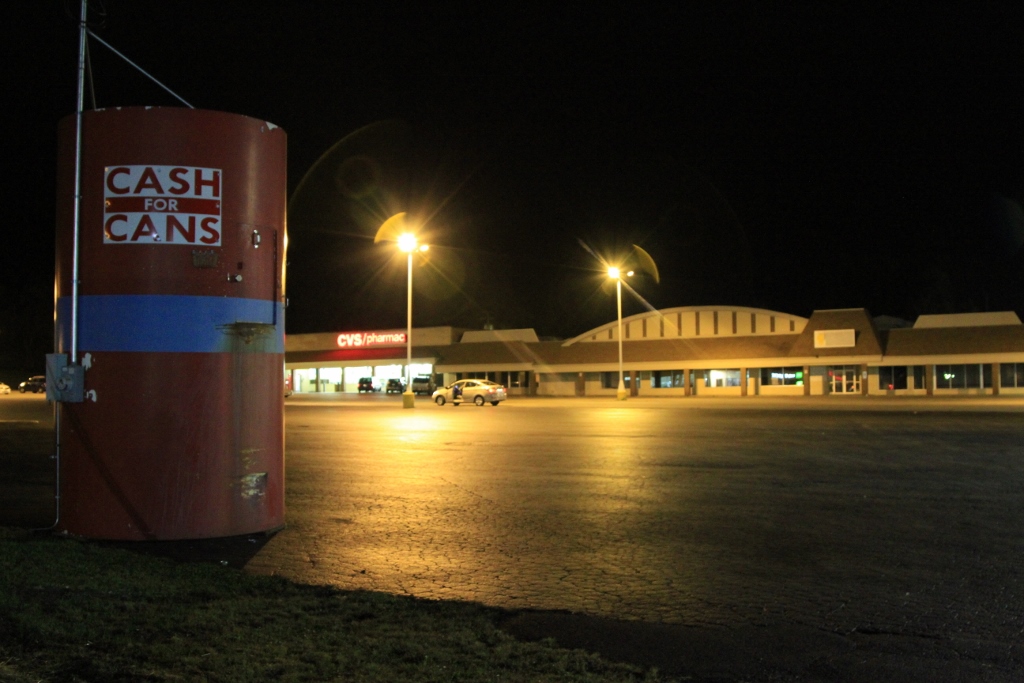
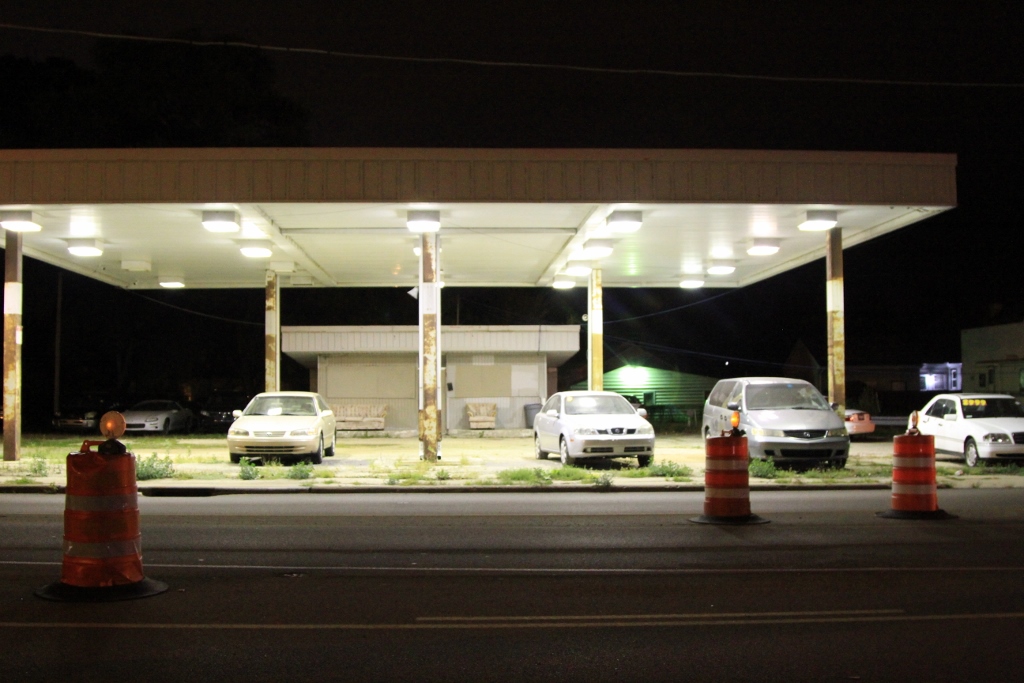
    This drive-thru Edward Hopper dreamscape goes on for miles in every direction. Pound for pound this is what constitutes the bulk of the built environment – or at least what passes for the public realm. This is where we all get our transmissions repaired, take our meals, have our hair done, and buy our groceries. This is where a significant proportion of the population works each day. This is our tax base. This is our infrastructure burden. At the very least this is what we all pass through on our way to other places.

    img_3384-1024x683

    img_3381-1024x683

    img_3391-1024x683

    Forget downtown. It’s a tiny speck on the map compared to the endless buffet of strip malls and parking lots that have engulfed it. Let go of the ideaof comfortable homes set in pristine leafy cul-de-sacs. These muffler shops and fast food outlets are the lion’s share of what we’ve created for ourselves. There’s so much of this stuff everywhere that these establishments will continue to define our communities for the next couple of generations. We’ll need to maintain them, reinvent them, or deal with the consequences of letting them decline. I don’t hear people talk much about that process, most likely because no one’s thinking about it. These places aren’t worthy of consideration.

    img_3353-1024x683

    img_3354-1024x683

    img_3335-1024x683

    img_3332-1024x683

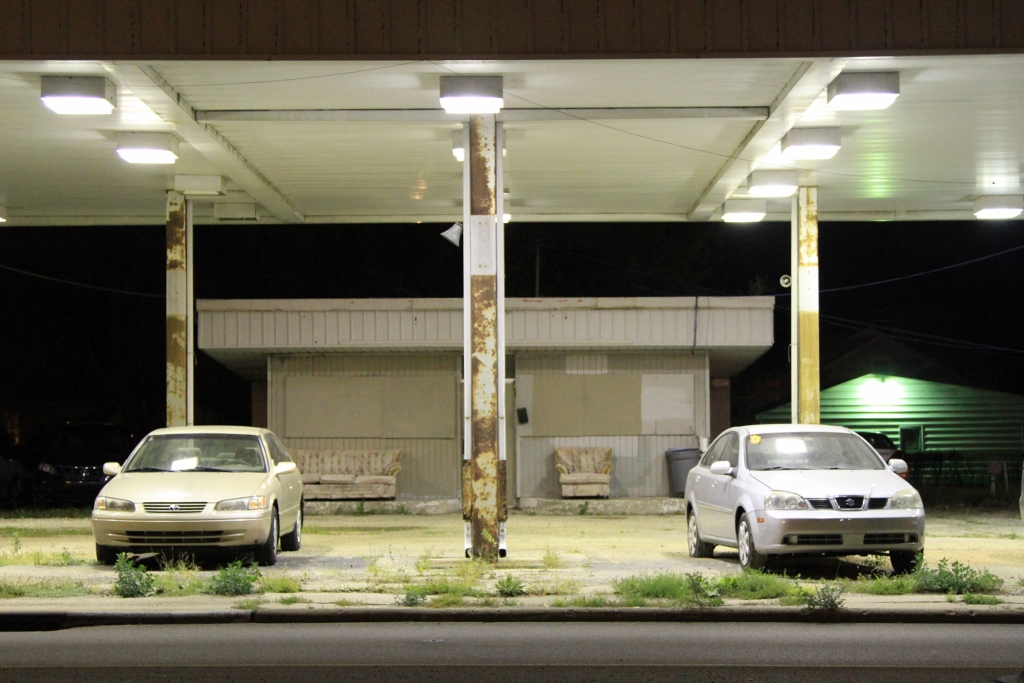
    It’s easy to get excited about restoring a magnificent Beaux-Arts theater and contemplate the economic benefits of a reinvigorated historic downtown. It’s equally tempting to shine up a mid-century residential gem to its original Mad Men condition. But what exactly becomes of a defunct gas station that’s already devolved to a scratch and dent used car lot? How do you polish that turd? Keep in mind, the town just spent a few million bucks improving the road that serves this fine specimen of local commerce. Now multiply this place by thousands of similar properties.

    img_3201-1024x683

    img_3221-1024x683

    A newly resurfaced parking lot, some fresh paint, a green lawn and some flowers… Is that the solution? How much lipstick can you put on a pig?

    img_3368-1024x683

    img_3422-1024x683

    img_3230-1024x683

    img_3359-1024x683

    img_3340-1024x683

    This isn’t the kind of conversation that gets much traction at city council meetings. It’s hard to rally civic spirit around the Family Dollar parking lot. But whether we realize it or not our towns will sink or swim based on how well we manage this banal landscape of disposable schlock.

    John Sanphillippo lives in San Francisco and blogs about urbanism, adaptation, and resilience at granolashotgun.com. He’s a member of the Congress for New Urbanism, films videos for faircompanies.com, and is a regular contributor to Strongtowns.org. He earns his living by buying, renovating, and renting undervalued properties in places that have good long term prospects. He is a graduate of Rutgers University.

    All photos by Johnny Sanphillippo