Author: John Sanphillippo

  • Cat and Mouse in Frogtown

    A friend recently expressed an interest in how some cities are reforming their land use regulations. “I mean, there are places like LA that say they’ve thrown out the code books and are rewriting their zoning.” My short response was… No. The reality is that the city plays an expensive and byzantine game of cat and mouse with each individual neighborhood.

    screen-shot-2016-09-20-at-12-46-43-am


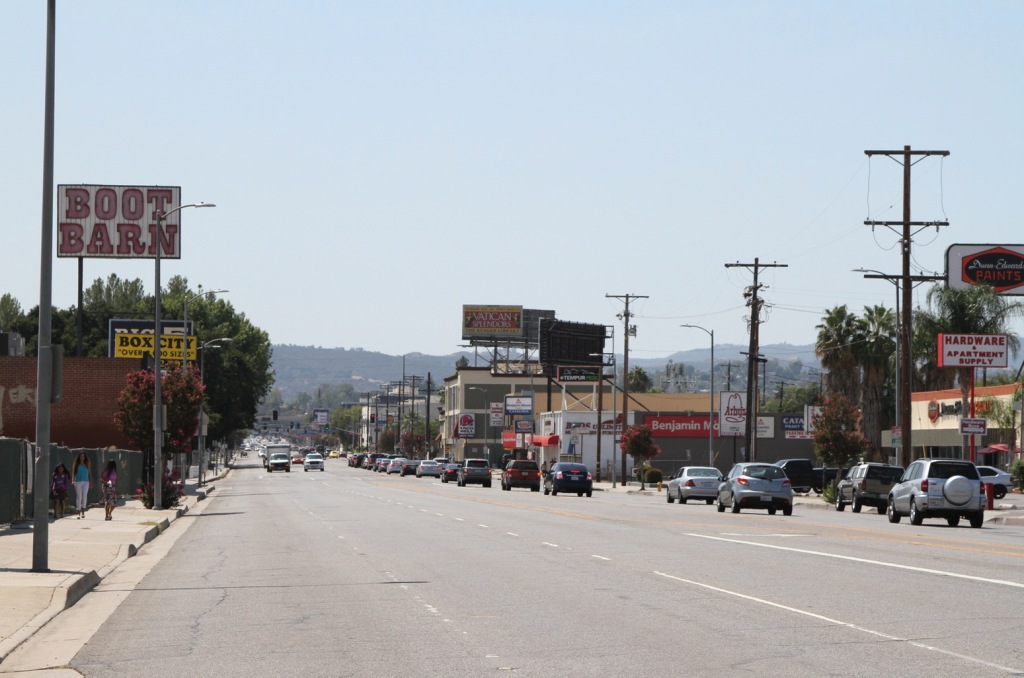
    There’s a little sliver of brassiere shaped land wedged between the Los Angeles River and the Golden State Freeway that sums up a lot of what constitutes the land use regulation process in LA. When poor Mexicans were forcibly removed in order to build Dodger Stadium in the late 1950’s they resettled in this inexpensive semi-industrial zone called the Elysian Valley, which is also commonly known as Frogtown.

    screen-shot-2016-09-24-at-5-53-58-pm

    screen-shot-2016-09-24-at-5-54-44-pm

    screen-shot-2016-09-25-at-5-12-11-pm

    screen-shot-2016-10-01-at-4-30-10-pm

    It’s been a solid working class neighborhood for decades. Families have long managed to own modest homes and live in respectable obscurity among the auto body shops, plumbing supply warehouses, and municipal maintenance facilities.

    screen-shot-2016-10-01-at-8-26-31-pm

    screen-shot-2016-10-02-at-2-15-09-pm

    screen-shot-2016-09-25-at-5-35-22-pm

    screen-shot-2016-09-25-at-5-35-49-pm

    screen-shot-2016-09-25-at-5-49-55-pm

    screen-shot-2016-09-25-at-6-00-20-pm

    In recent years the adjacent neighborhoods of downtown Los Angeles, Echo Park, Silver Lake, Atwater Village, and Glassell Park (all previously ignored and undervalued) have become newly fashionable and prohibitively expensive. Pent up market demand acts like a balloon – if you squeeze the middle the ends bulge. In this case home buyers, renters, and businesses have scoured the area looking for alternatives. Frogtown is a centrally located and relatively affordable compromise.

    screen-shot-2016-10-02-at-9-02-47-pm

    screen-shot-2016-10-02-at-9-20-26-pm

    screen-shot-2016-10-02-at-9-21-04-pm

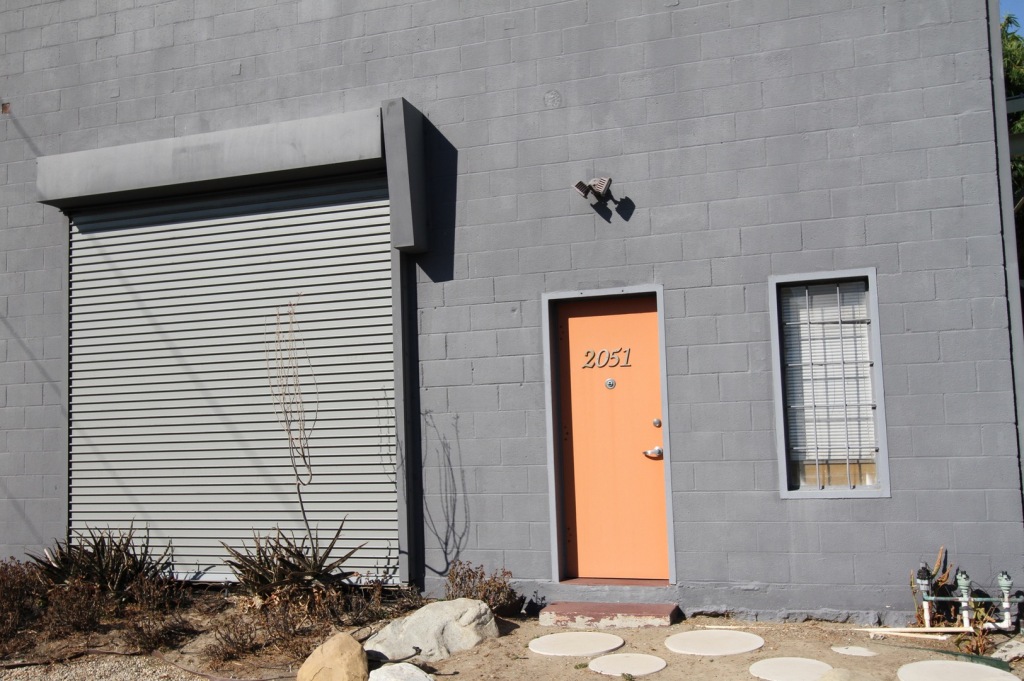
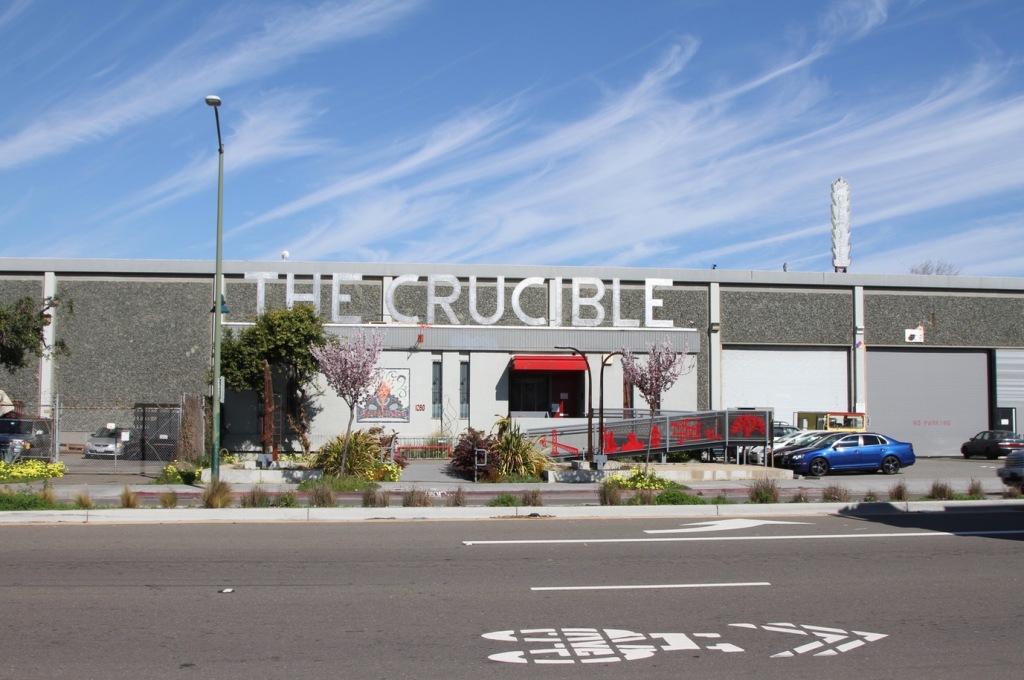
    Design firms, architects, photographers, tech incubators, high end specialty fabricators, and other such enterprises have moved in to the nondescript buildings of Frogtown. If you’re willing to celebrate concrete block walls and corrugated steel as honest industrial materials you can create the trendy Dwell look with paint and landscaping on the cheap. Compare this process with the expense of restoring a more exotic historic property in a tony neighborhood.

    screen-shot-2016-10-02-at-9-13-11-pm

    screen-shot-2016-10-02-at-9-09-21-pm

    screen-shot-2016-10-02-at-9-08-32-pm

    screen-shot-2016-10-02-at-9-07-54-pm

    screen-shot-2016-10-02-at-9-07-03-pm

    screen-shot-2016-10-02-at-9-06-32-pm

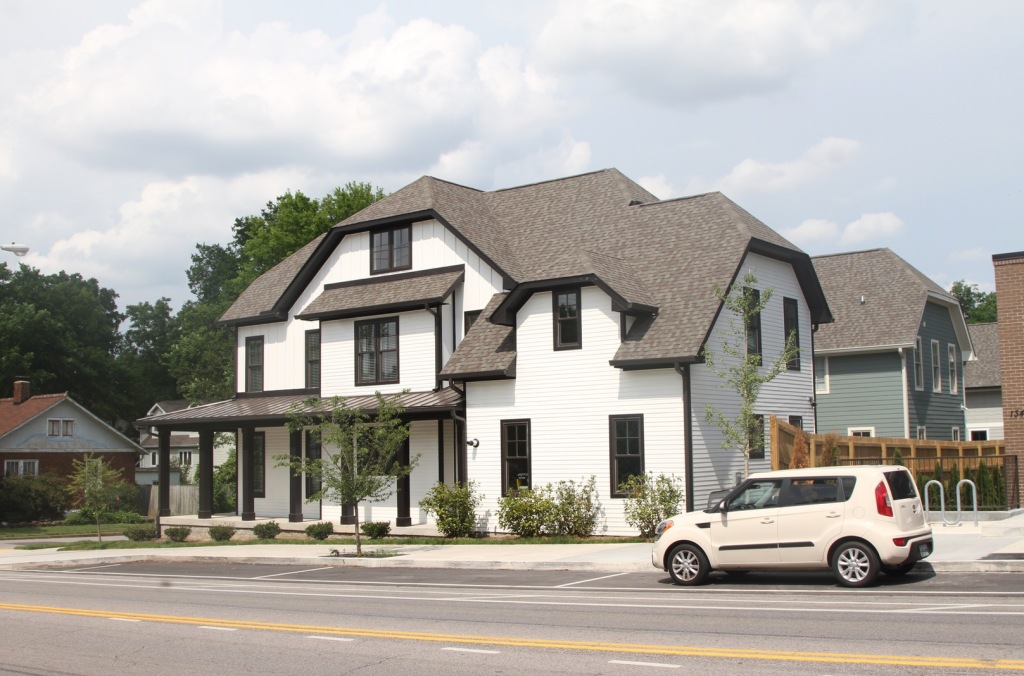
    Art Yanez is a Los Angeles native and the son of immigrants. He’s also the principal of FSY Architects. He purchased three contiguous parcels in Frogtown and created a campus for his firm.

    screen-shot-2016-10-17-at-5-18-27-pm

    screen-shot-2016-10-02-at-9-15-37-pm

    screen-shot-2016-10-02-at-9-15-50-pm

    screen-shot-2016-10-02-at-9-19-49-pm

    screen-shot-2016-10-02-at-9-06-02-pm

    screen-shot-2016-10-02-at-9-05-53-pm

    screen-shot-2016-10-02-at-9-12-49-pm

    screen-shot-2016-10-02-at-9-04-15-pm

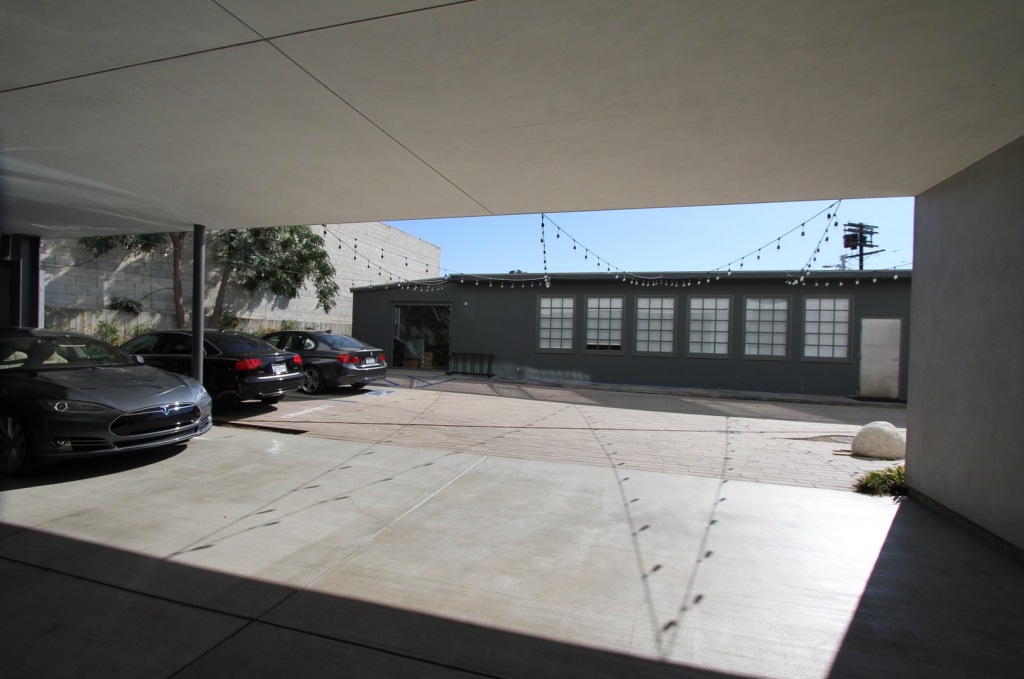
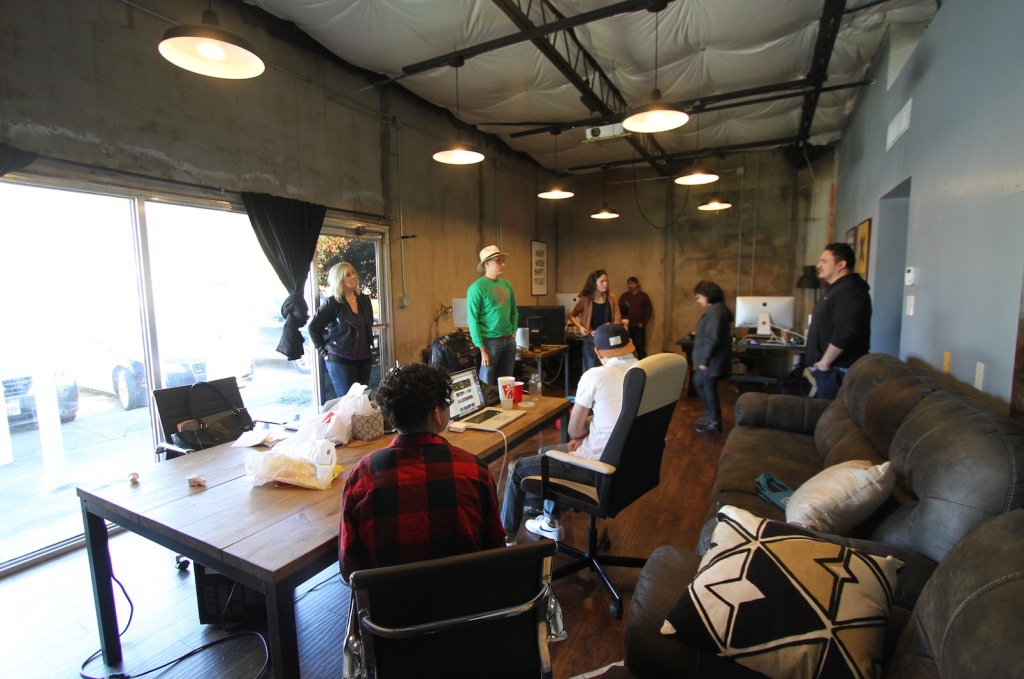
    The space incorporates pre-existing industrial warehouses as well as new construction with shops and offices that are now rented for supplemental income. The architecture firm’s own offices are currently oversized to accommodate anticipated expansion as business continues to ramp up. But construction is a cyclical industry, so the space can be subdivided and rented during future downturns.

    screen-shot-2016-10-02-at-9-12-41-pm

    screen-shot-2016-10-02-at-9-16-58-pm

    screen-shot-2016-10-02-at-9-11-58-pm

    screen-shot-2016-10-02-at-9-12-06-pm

    The new building achieves the legally required off street parking standard as well as the fire marshal’s demand that a full size fire engine be able to drive around the entire structure in an emergency. The parking is convenient (this is Los Angeles after all), but the outdoor space does double duty as a plaza for human activities on occasion. Strings of cafe lights, movable furniture, potted plants, and people transform the place quickly and easily.

    screen-shot-2016-10-02-at-9-21-21-pm

    screen-shot-2016-10-02-at-9-03-00-pm

    screen-shot-2016-10-02-at-9-16-40-pm

    screen-shot-2016-10-02-at-9-14-17-pm

    screen-shot-2016-10-02-at-9-02-32-pm

    screen-shot-2016-10-02-at-8-02-41-pm

    screen-shot-2016-10-02-at-8-02-50-pm

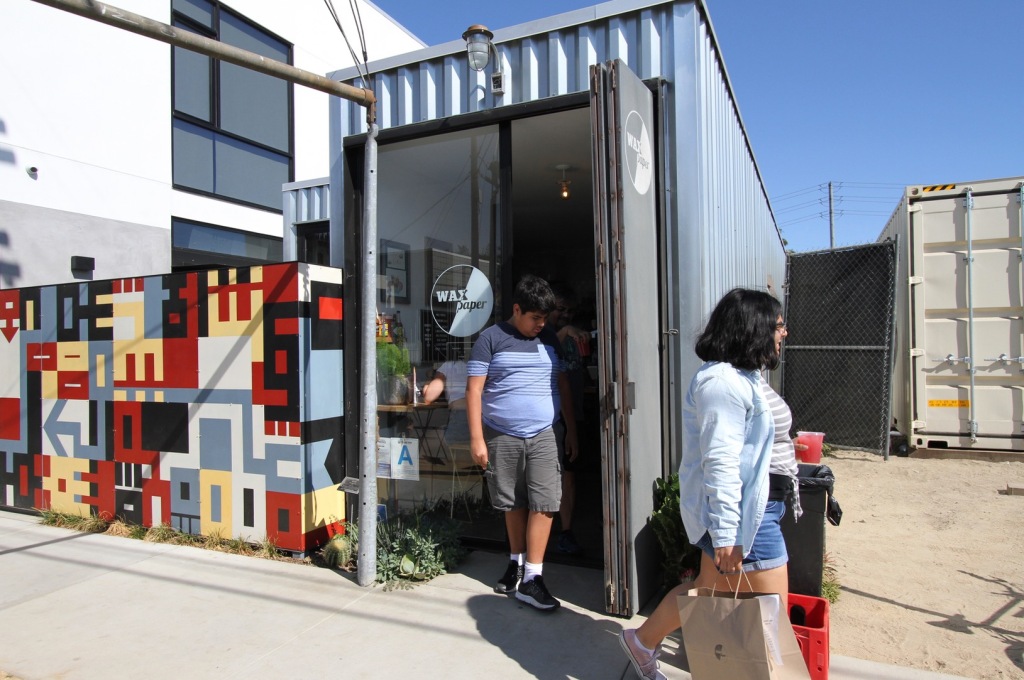
    Part of FSY’s strategy was to create a place that would activate the entire community, not just a building containing offices. The initial concept involved repurposing shipping containers and pressing them into service as small shops. The building code wouldn’t permit that so a stick built version mimics the container look and scale. Actual containers are parked in back and are used for low cost storage. Local artists were invited to install distinctive motifs for the exterior of the corner cafe. All of this was as-of-right construction within the established city code.

    screen-shot-2016-10-01-at-4-30-34-pm

    screen-shot-2016-10-01-at-8-24-41-pm

    screen-shot-2016-10-01-at-4-30-58-pm

    screen-shot-2016-10-01-at-8-27-09-pmscreen-shot-2016-10-01-at-8-25-40-pm

    screen-shot-2016-10-01-at-8-23-39-pm

    For the last century the Los Angeles River has been a concrete industrial drainage canal sealed off by barbed wire fences and cinder block walls. Most people in LA have no particular relationship to the “riverfront.” But that’s changing as city officials have announced a billion dollar program to transform the river into a ribbon of green and blue public amenities lead by none other than starchitect Frank Gehry.

    screen-shot-2016-09-24-at-5-55-16-pm

    screen-shot-2016-09-24-at-5-55-37-pm

    screen-shot-2016-09-24-at-5-55-51-pm

    The success of small infill developments in Frogtown along with the city’s plans to transform the river have attracted large scale production developers. Previously ignored sites began to sprout upscale apartment buildings and condo complexes on dead end streets at the river’s edge.

    This process was viewed with scorn by existing property owners and community organizers who haven’t forgotten how their families were bulldozed to make way for Dodgers Stadium. So they lobbied for new regulations to make it harder to build anything new and to work around the perception that political figures are corrupt and on the take for developer’s money. The new regulations now make projects like Art Yanez’s building non-conforming and subject to special review processes for height, bulk, and so on.

    The result is that now only very small projects can be built as-of-right, and only very large and expensive projects can overcome the newly implemented regulatory hurdles. All the incremental in-between projects that might have been built are now much less viable and far more expensive to push through. This is what land use policy actually looks like on the ground.

    John Sanphillippo lives in San Francisco and blogs about urbanism, adaptation, and resilience at granolashotgun.com. He’s a member of the Congress for New Urbanism, films videos for faircompanies.com, and is a regular contributor to Strongtowns.org. He earns his living by buying, renovating, and renting undervalued properties in places that have good long term prospects. He is a graduate of Rutgers University.

    Top photo: John Sanphillippo

  • Suburban. Comma. Transit.

    I explored the Orange Line Bus Rapid Transit (BRT) system that runs for eighteen miles across the San Fernando Valley in Los Angeles. The Valley is a profoundly suburban city-within-a-city and home to 1.8 million people spread out over 260 square miles. Attempts to upgrade public transit by the central authorities in LA proper have been fought tooth and nail by folks in the Valley and illustrate why transit just doesn’t work when the local culture doesn’t want it. I’m not sure why LA keeps pushing on this particular string.

    Screen Shot 2016-09-04 at 7.29.48 AM

    screen-shot-2016-09-06-at-1-33-01-pm

    screen-shot-2016-09-06-at-1-37-08-pm

    Transit works best when one compact highly productive walkable neighborhood is connected to another compact highly productive walkable neighborhood. Manhattan or Hong Kong isn’t required. A plain vanilla Main Street with two and three story buildings works just fine.

    Suburbia is the exact opposite. Everything is spread out and oriented around private space, leisure, and consumption. Public space is an afterthought and any hint of density is anathema. Transit is believed to attract “the wrong element.” If this is the kind of world these folks want to inhabit… I say walk away and let them all enjoy the Jiffy Lubes and drive-thru burger joints without transit.

    Screen Shot 2016-09-04 at 7.44.46 AM

    Screen Shot 2016-09-04 at 7.45.15 AM

    Screen Shot 2016-09-04 at 7.29.12 AM

    Screen Shot 2016-09-04 at 8.36.14 AM

    This is the standard suburban environment with its sad begrudging crumbs of half assed bus service. It’s a monumental waste of scarce public funds to attempt to operate public transit here. The land use pattern and culture are in direct conflict with efficient cost-effective transit. And it’s punishing for the people who have no choice but to walk or take the bus: the young, the elderly, the infirm, and the poor.

    Screen Shot 2016-09-04 at 8.35.25 AM

    Screen Shot 2016-09-04 at 8.36.39 AM

    Screen Shot 2016-09-04 at 8.37.30 AM

    Screen Shot 2016-09-04 at 8.35.04 AM

    Screen Shot 2016-09-05 at 3.14.34 AM

    Screen Shot 2016-09-05 at 3.13.22 AM

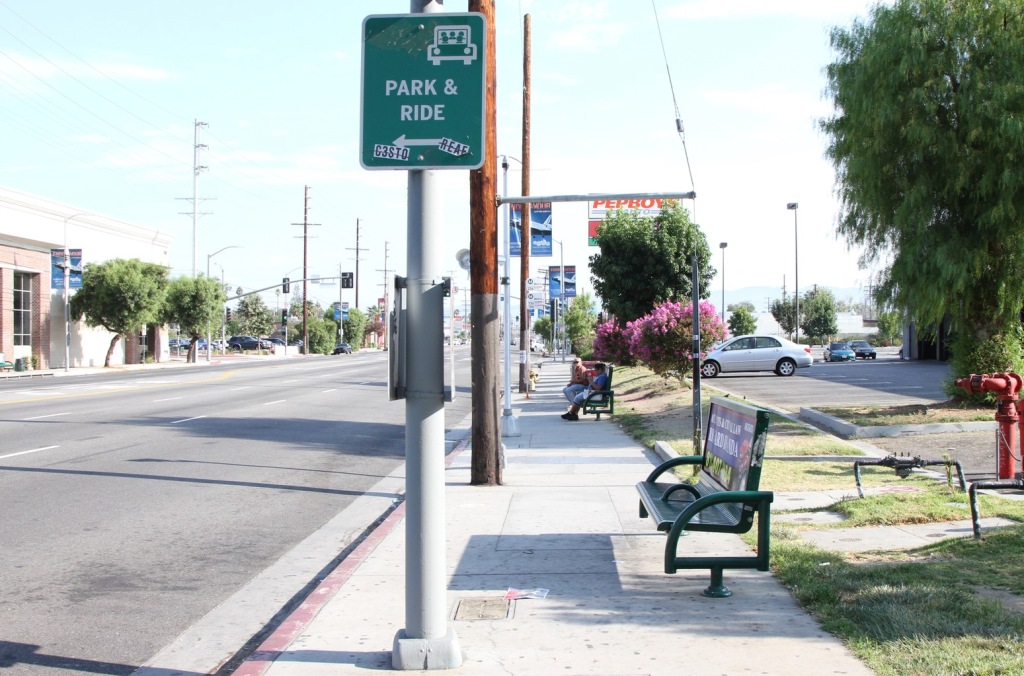
    Here’s how suburban communities typically deal with transit. To the extent that it’s tolerated at all the transit station is hidden away behind a row of self storage facilities and plumbing supply warehouses. The entrance is treated as if it were an office park. There’s an enormous amount of surface parking. The assumption is that people will drive to the bus or train station since transit is a bridge between the comforts of the private automobile and the necessary evil of commuting to a more congested urban destination.

    Screen Shot 2016-09-04 at 8.32.46 AM

    Screen Shot 2016-09-04 at 8.32.12 AM

    Screen Shot 2016-09-05 at 3.14.07 AM

    Screen Shot 2016-09-04 at 8.31.57 AM

    Screen Shot 2016-09-04 at 8.33.55 AM

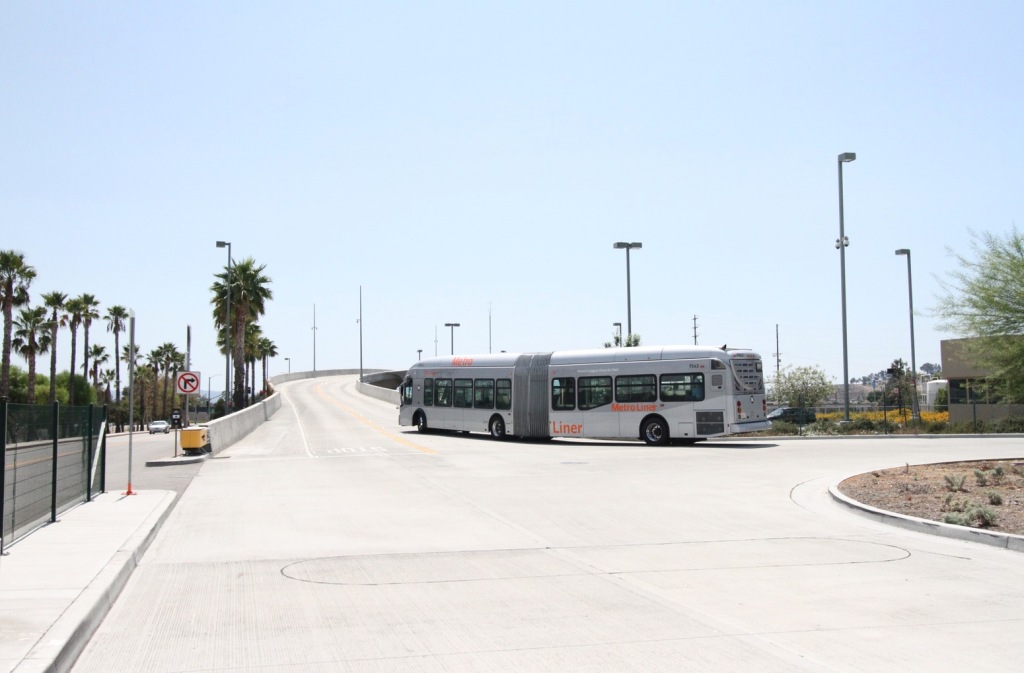
    The Park and Ride model of transit like this Metro stop in Chatsworth (the terminus of the Orange Line) is moderately acceptable to middle class suburbanites so long as the station is properly landscaped. Absolutely nothing can be built anywhere near the station. Loitering must be prevented at all costs. Theoretically it’s possible to walk to and from the station, but the location and design of the place ensure it isn’t a common practice.

    Screen Shot 2016-09-05 at 4.07.31 AM

    Screen Shot 2016-09-05 at 4.06.35 AM

    Screen Shot 2016-09-04 at 9.04.15 AM

    Screen Shot 2016-09-04 at 9.03.57 AM

    Screen Shot 2016-09-04 at 9.04.53 AM

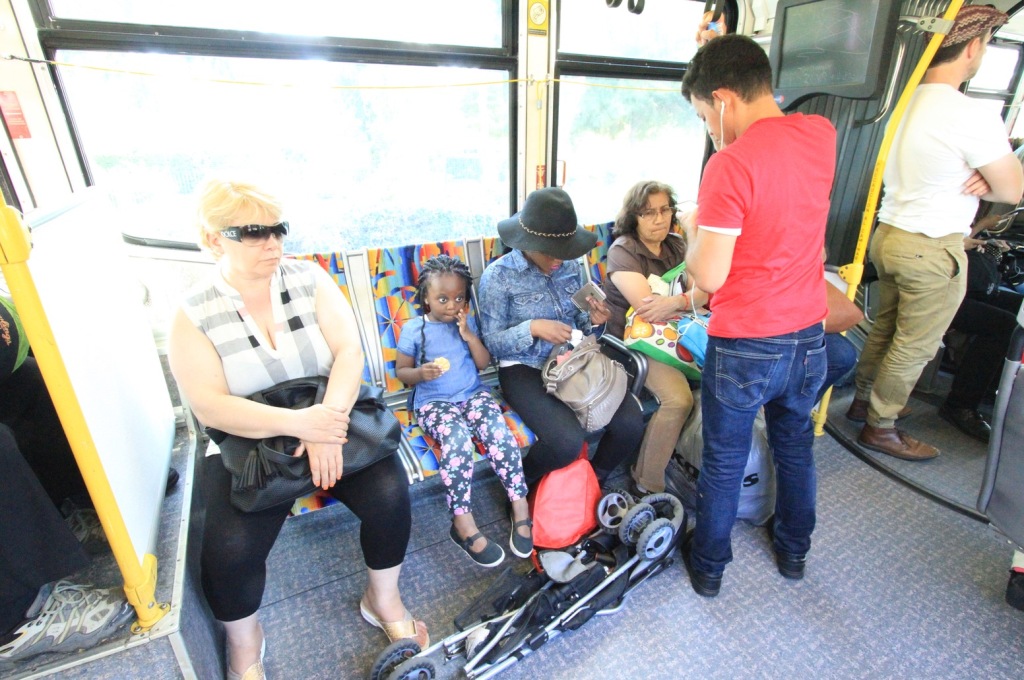
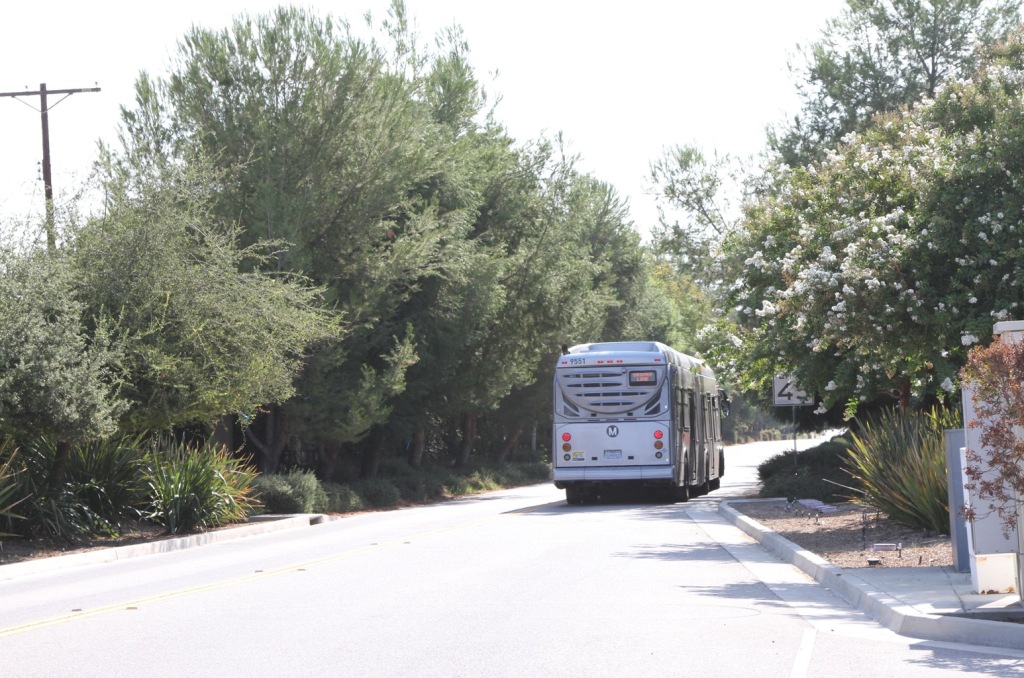
    I followed the entire route of the Orange Line and found the stations themselves are well designed, convenient, and efficient. The fully segregated busway disguised in a tunnel of greenery mean buses are never stuck in the same traffic that afflicts cars and trucks. The buses come frequently and predictably and travel is comfortable and fast. BRT simulates the benefits of a light rail system, but at a tenth the cost.

    Screen Shot 2016-09-04 at 9.06.44 AM

    Screen Shot 2016-09-04 at 11.53.30 PM

    Screen Shot 2016-09-04 at 9.05.59 AM

    Screen Shot 2016-09-04 at 9.06.25 AM

    Screen Shot 2016-09-04 at 9.07.05 AM

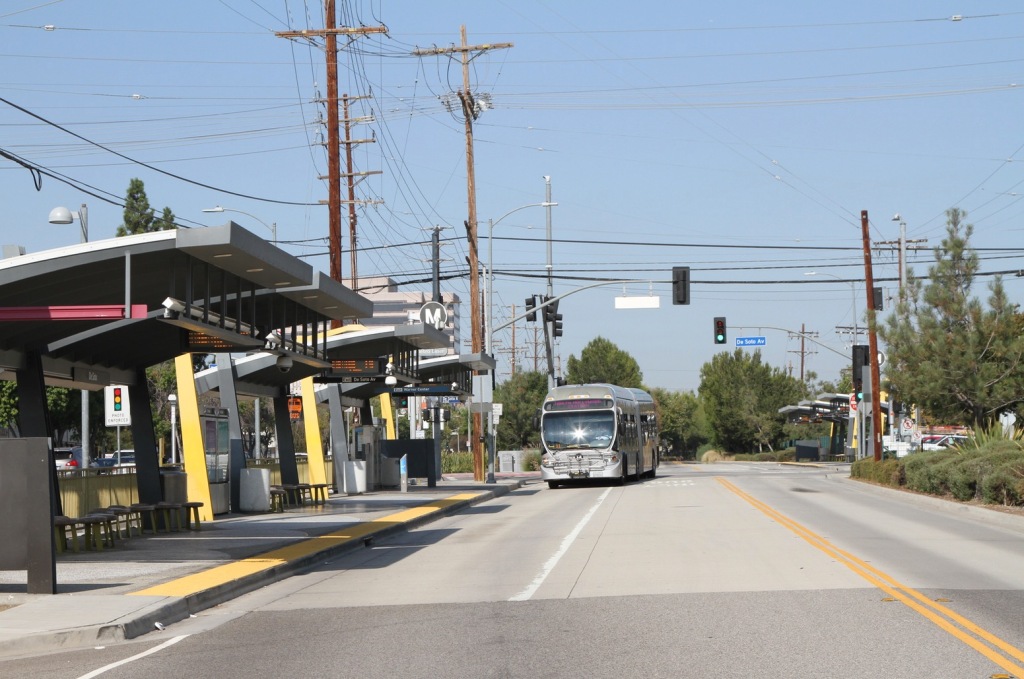
    But each station was built in a spot that makes it unlikely that transit will live up to its full potential. This is the De Soto stop. The buses do a great job of getting passengers from one isolated station to another. This isn’t an accident. It’s the only set of arrangements the locals would tolerate – and the locals have a lot of lawyers. Transit is associated with the lower class and home owners here want no part of it. So they litigated for years until the proposed rail line was beaten back to a bus route and some decorative shrubbery that didn’t go anywhere too offensive.

    Screen Shot 2016-09-05 at 12.37.57 AM

    screen-shot-2016-09-06-at-9-41-43-am

    screen-shot-2016-09-06-at-9-40-09-am

    screen-shot-2016-09-06-at-9-41-24-am

    screen-shot-2016-09-06-at-9-40-35-am

    screen-shot-2016-09-06-at-9-46-41-am

    Here’s the Balboa station. Abundant surface parking, plenty of landscaped strips, and a location that doesn’t infringe on nearby private property lets people drive to the bus. Unfortunately the effectiveness of good transit is negated by the barren surroundings. If you had access to a car and could drive to the bus… you wouldn’t really need the bus.

    Screen Shot 2016-09-04 at 11.57.48 PM

    Screen Shot 2016-09-04 at 11.54.47 PM

    Screen Shot 2016-09-05 at 12.09.34 AM

    Screen Shot 2016-09-04 at 11.51.50 PM

    Screen Shot 2016-09-04 at 11.52.09 PM

    Here’s the Sepulveda station. Notice how the pattern repeats. In the Valley it’s now possible to take a highly effective bus trip from the Costco parking lot in Van Nuys to a strip mall a dozen miles away in Canoga Park. That’s progress of a sort since the BRT is so much better than traditional suburban bus service. But the public investment in infrastructure isn’t being complimented by the required private investment near any of the stations. That’s because the culture rejects the kind of infill development that would make the stations economically meaningful.

    Screen Shot 2016-09-04 at 11.55.42 PM

    Screen Shot 2016-09-04 at 11.50.02 PM

    Screen Shot 2016-09-04 at 7.25.03 AM

    Screen Shot 2016-09-04 at 7.31.10 AM

    Screen Shot 2016-09-04 at 7.23.44 AM

    Screen Shot 2016-09-04 at 7.24.28 AM

    Bicycle and pedestrian paths parallel the BRT busway along many miles of the system. This allows people to get from Point A to Point B in a way that doesn’t rile up the locals quite as much as the proposed light rail did. Fenced in landscaped bike paths follow the suburban “Sunday in the park” model of leisure that’s at least borderline socially acceptable in the Valley. The fact that low income people also use the paths to peddle to work is an unfortunate and much lamented side effect. I noticed more than a few Spandexed guys on $4,000 bikes yelling at slow moving folks to get out of the way.

    screen-shot-2016-09-06-at-10-40-38-am

    The eighteen miles of Bus Rapid Transit in the Valley cost $324 million dollars to construct. That’s $18 million per mile. Compare that to the recent $1.1 billion road improvement project on a ten mile stretch of freeway in the Valley. The freeway was already ten lanes wide so adding slightly better on and off ramps and tweaking the car pool lanes did exactly nothing to relieve traffic congestion. That’s $110 million dollars per mile. The same people who lament the waste of taxpayer money on transit think the city should be spending more to upgrade the roads.

    Over the years community groups and their elected representatives in the Valley have created legislation that forbids the construction of light rail or the use of sales tax revenue to fund a subway. Other local groups created rules that mandated a fully underground subway system because they objected to surface or elevated rail lines in their neighborhoods. And the ubiquitous anti-infill and anti-density brigades continue as always.

    Personally, I don’t see the point of fighting locals who don’t value transit. I say give this part of the city no transit at all. But also require the locals to fund their own road projects from their own immediate tax base as well. Actually, I would love to see things taken a step farther. Cut the Valley loose from the City of Los Angeles altogether as so many folks in the Valley have attempted to do for decades. Let the Valley keep its own tax revenue and pay for its own services and infrastructure as an independent city. And let Los Angeles be free to focus on projects that actually make sense in the coastal communities that actively want transit and more intensive development. If that means the region is less integrated as a result… I don’t see how things could be worse.

    John Sanphillippo lives in San Francisco and blogs about urbanism, adaptation, and resilience at granolashotgun.com. He’s a member of the Congress for New Urbanism, films videos for faircompanies.com, and is a regular contributor to Strongtowns.org. He earns his living by buying, renovating, and renting undervalued properties in places that have good long term prospects. He is a graduate of Rutgers University.

  • A Better Way

    My recent post at Granola Shotgun described how a town in Georgia spent an enormous amount of public money on a new civic center and road expansions, but somehow managed to devalue nearby private property in the process. Here’s an example of a neighborhood in Nashville, Tennessee that took a different approach that cost a lot less and achieved a radically better set of outcomes.


    Screen Shot 2016-08-25 at 6.01.50 PM

    Screen Shot 2016-08-25 at 5.49.18 PM

    The McCabe Park Community Center was designed by a local firm rather than an international starchitect. Municipal funds were recirculated right in town and used to foster native talent and professional employment. And while the facilities are available to everyone in Nashville this center is scaled and programmed primarily to serve the immediate neighborhood.

    Screen Shot 2016-08-25 at 9.25.20 PMGoogle

    Screen Shot 2016-08-25 at 6.41.04 PM

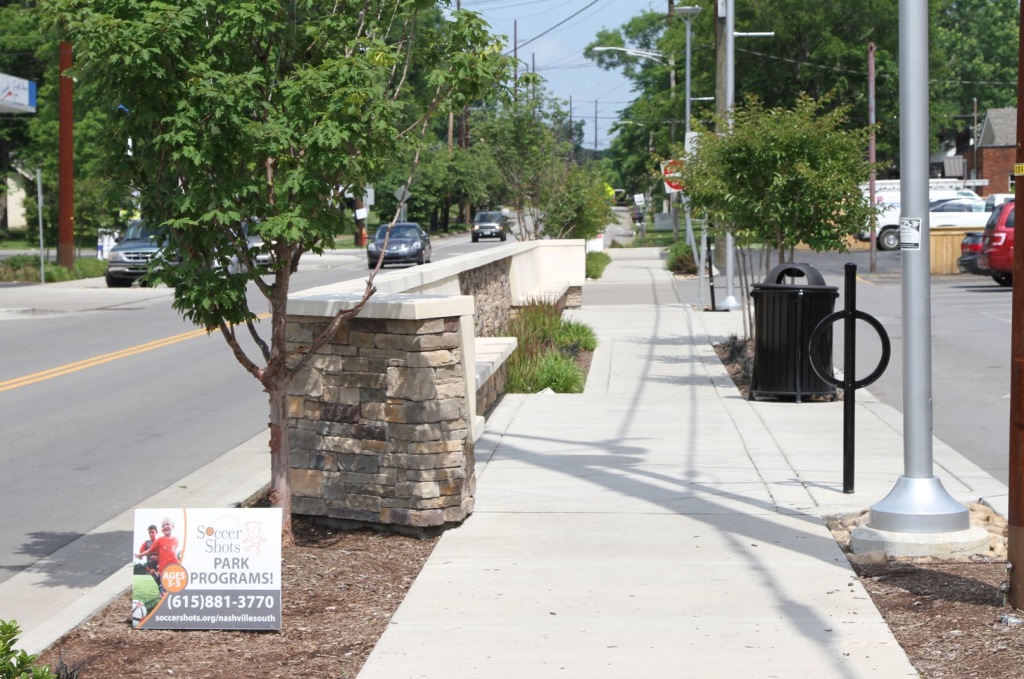
    A conscious decision was made to accommodate pedestrians rather than provide the usual endless automobile infrastructure. There are the required handicap accessible parking spaces close to the entrance at the rear. There are a few dozen off street parking spots along the baseball diamond. But that’s it. It’s absolutely possible to arrive by motor vehicle, but the cars don’t dominate the landscape.

    Screen Shot 2016-08-25 at 11.08.02 PM

    Screen Shot 2016-08-25 at 5.48.42 PM

    Screen Shot 2016-08-25 at 6.01.06 PM

    Bicycle and pedestrian infrastructure make it clear that it’s safe, pleasant, convenient, and dignified to arrive without a car. One of the goals of this community center is to facilitate a more active and healthy lifestyle.

    Screen Shot 2016-08-25 at 11.40.11 PMGoogle from 2009

    Screen Shot 2016-08-26 at 1.07.16 AMGoogle Street View from 2009

    Screen Shot 2016-08-26 at 1.05.07 AMGoogle Street View from 2009

    Screen Shot 2016-08-26 at 1.06.32 AMGoogle Street View form 2009

    Screen Shot 2016-08-26 at 1.48.03 AMGoogle Street View form 2009

    The road out front was a standard suburban affair of wide lanes, fast moving vehicles, no distinction between the road surface and adjacent parking lots, and no sidewalks. This landscape made it very clear that if you weren’t in a car you just weren’t important. It was also brutally ugly and lined with aging low value buildings and struggling businesses.

    Screen Shot 2016-08-26 at 1.29.53 AM


    Screen Shot 2016-08-25 at 5.46.54 PM

    Screen Shot 2016-08-25 at 6.00.19 PM

    Screen Shot 2016-08-25 at 5.49.32 PM

    Screen Shot 2016-08-25 at 5.59.23 PM

    Screen Shot 2016-08-26 at 2.04.37 AM

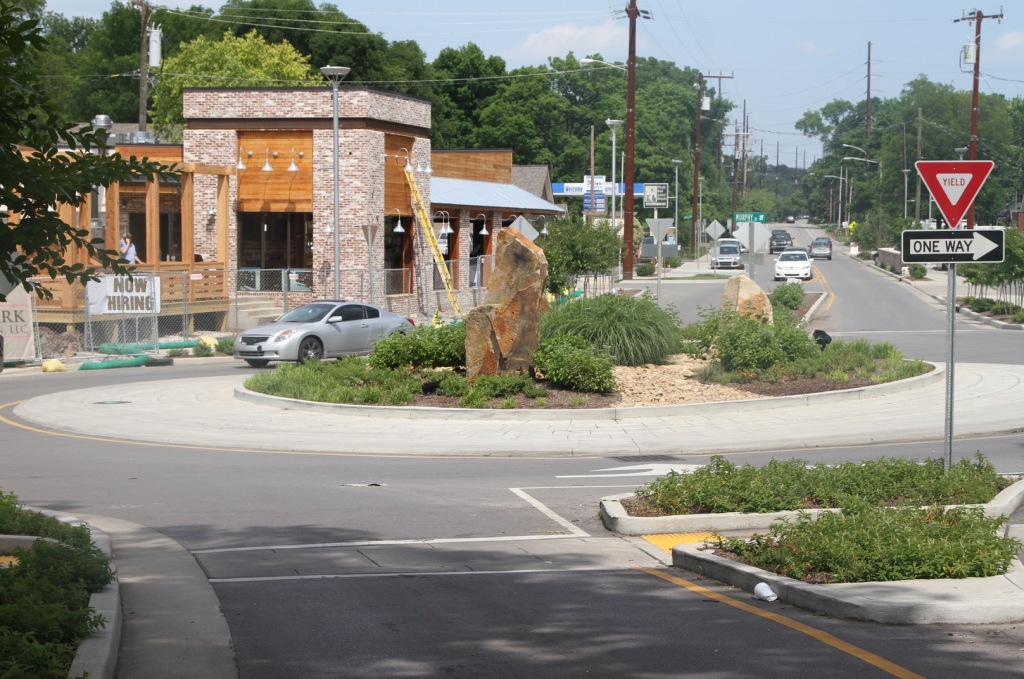
    The new traffic roundabout has transformed the intersection in several crucial ways. First, instead of stopping at a light cars now slow down a bit, but continue on. This means more cars move through the space in less time so traffic congestion has actually been reduced.

    Screen Shot 2016-08-26 at 1.35.08 AM

    Screen Shot 2016-08-26 at 1.35.18 AM

    Screen Shot 2016-08-26 at 1.35.55 AM

    Second, there are significantly fewer accidents because cars are moving at slower speeds and drivers are made to pay more attention to their surroundings as the street narrows. Cars are still welcomed here, but they’ve been disciplined to share the space with humans.

    Screen Shot 2016-08-26 at 1.36.39 AM

    Screen Shot 2016-08-26 at 2.04.12 AM

    Screen Shot 2016-08-26 at 1.39.18 AM

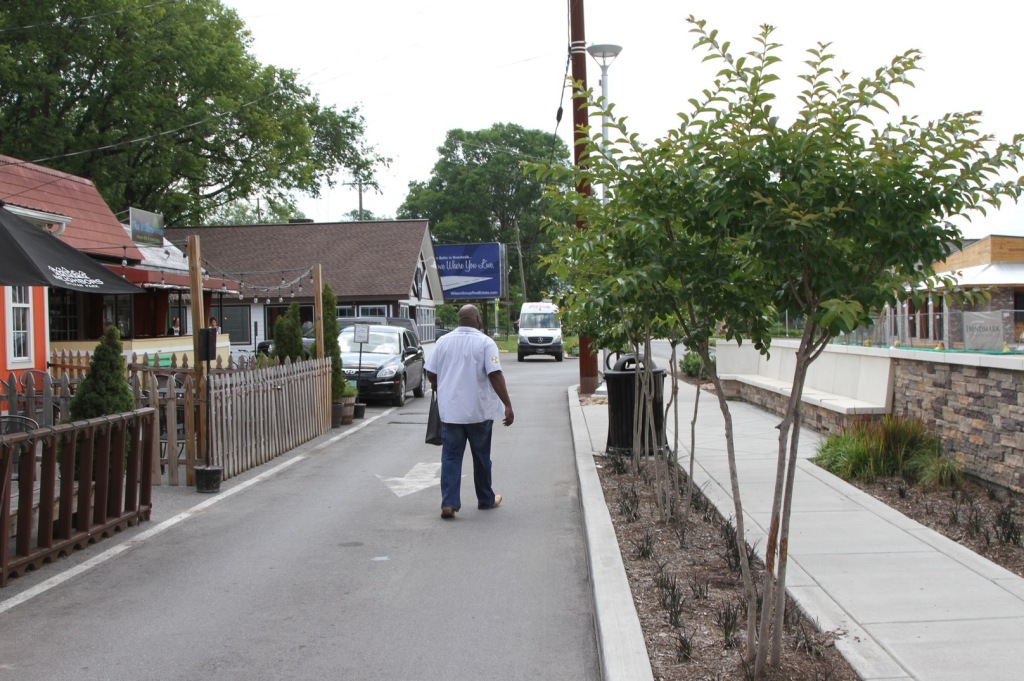
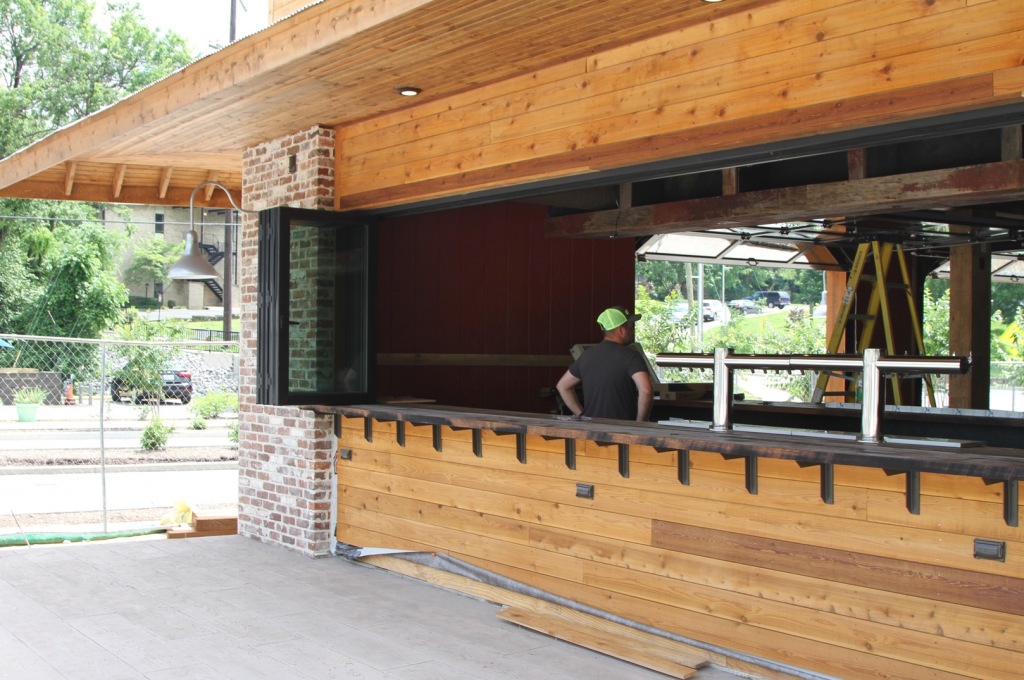
    Third, pedestrians and cyclists can now traverse the area safely so more people are willing to arrive without a car. With more foot traffic shops are able to repurpose some of the asphalt in front for outdoor seating. That translates to more sales, more employment, more profit, and more tax revenue.

    Screen Shot 2016-08-26 at 1.53.49 AM

    Screen Shot 2016-08-26 at 1.52.05 AM

    Screen Shot 2016-08-26 at 2.01.46 AM

    Screen Shot 2016-08-26 at 2.02.54 AM

    Screen Shot 2016-08-26 at 1.52.51 AM

    Screen Shot 2016-08-26 at 1.59.23 AM

    Screen Shot 2016-08-26 at 2.00.44 AM

    Fourth, land values have improved and older buildings are now seeing major improvements that also boost employment and generate new tax revenue. People don’t like paying taxes, but that money is what funds everything people expect the city to provide. The alternative is the slow death of deferred maintenance, budget cuts, and even higher fees and stealth charges on existing low value properties.

    Screen Shot 2016-08-26 at 2.58.33 AM

    Screen Shot 2016-08-25 at 11.07.40 PM

    Parking hasn’t been eliminated as much as redistributed. As sidewalks were installed on-street parking was added. The parked cars create a physical as well as emotional buffer between pedestrians and moving vehicles.

    Screen Shot 2016-08-25 at 5.50.59 PM

    Screen Shot 2016-08-25 at 5.51.14 PM

    Screen Shot 2016-08-25 at 5.52.40 PM

    Screen Shot 2016-08-25 at 5.52.56 PM

    Screen Shot 2016-08-25 at 5.51.36 PM

    The reorganized street supports smaller locally owned shops that keep money circulating in the community. This is the opposite of typical road widening projects that devalue small businesses in older neighborhoods while subsidizing big box corporate chains way out on the edge of town.

    Screen Shot 2016-08-26 at 3.16.43 AM

    Screen Shot 2016-08-26 at 3.17.03 AM

    Screen Shot 2016-08-26 at 3.16.12 AM

    Screen Shot 2016-08-26 at 3.16.26 AM

    Screen Shot 2016-08-26 at 3.15.58 AM

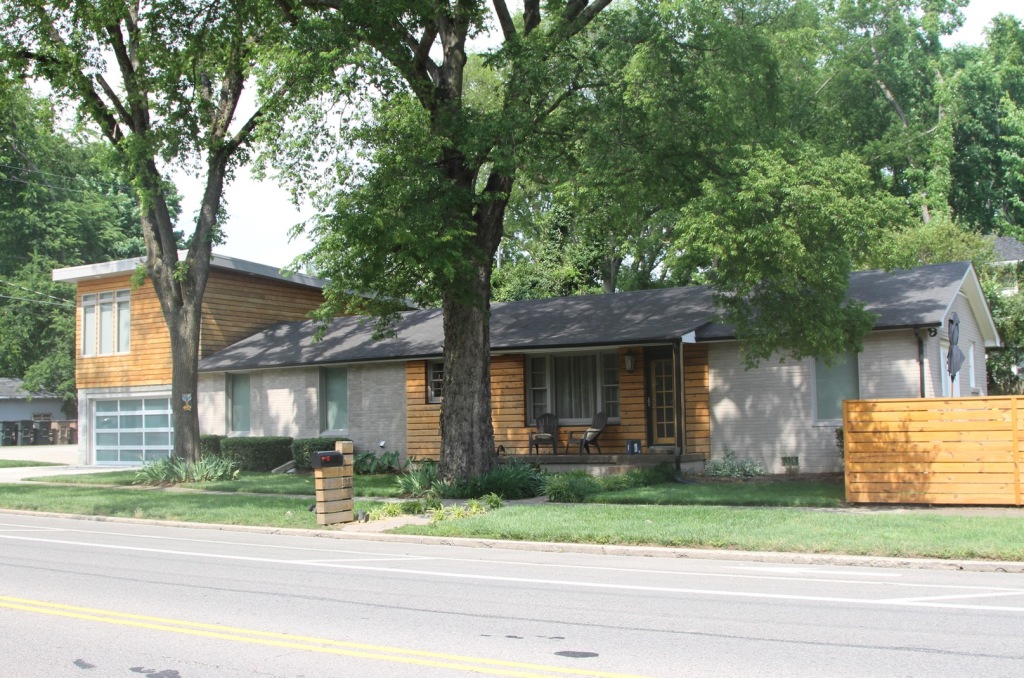
    Here’s something that breaks all the rules of suburban development. It’s supposed to be the kiss of death to have a business situated right next to a fully detached single family home. Yet in this location the shops and the properly designed street actually make these houses more desirable. The usual amenity of residential isolation has been exchanged for the amenity of good walkable urbanism. This kind of arrangement is so incredibly rare in America today that people are willing to pay a premium for such properties.

    Screen Shot 2016-08-25 at 6.02.46 PM

    Screen Shot 2016-08-25 at 6.03.00 PM

    Finally, we have the 1950’s tract homes that could have started the long slide into low rent crappiness as is so often the case when suburban roads are widened in a hopeless attempt to ease traffic congestion. Here, the road diet and nearby improved commercial district  have inspired property owners to invest in substantial renovations and improvements to otherwise outdated homes.

    The future of most suburbs is to change from what they are now to something else. That “something” could be relentless decline or steady incremental rejuvenation. I don’t believe most places understand how to reinvent themselves in a cost effective yet culturally acceptable manner. The politics of inertia, fear, and vested interests are awfully powerful. That means the few places that can successfully pull it off will be miles ahead of the competition. Look around wherever you live. Then think long and hard about how your town will manage in the years ahead.

    John Sanphillippo lives in San Francisco and blogs about urbanism, adaptation, and resilience at granolashotgun.com. He’s a member of the Congress for New Urbanism, films videos for faircompanies.com, and is a regular contributor to Strongtowns.org. He earns his living by buying, renovating, and renting undervalued properties in places that have good long term prospects. He is a graduate of Rutgers University.
  • The Future of Mobility

    I was walking home from downtown San Francisco and passed through the South of Market neighborhood. The area is full of tech company offices like Twitter, Uber, and Airbnb. I saw this minivan advertising, “Low Cost Commuting” and “Ride Share” with the Enterprise Rent-A-Car logo and thought hmmmmm.


    Screen Shot 2016-08-10 at 12.04.43 PM

    Screen Shot 2016-08-10 at 12.03.43 PM

    As I got closer to home in the Mission District I saw this guy signing people up with coupons for free introductory rides. Evidently Enterprise is diversifying its business model. I asked Jim Kumon of the Incremental Development Alliance  about ride share programs and he had this to say.

    “Enterprise has neighborhood locations. Because those locations are not in airports, they don’t get hit with all the extra fees that go with ports, so its dirt cheap. Since they have the room to store extra vehicles and they are geographically dispersed in the right places a shared driver carpool can work. Definitely a major tool to make good-enough-urbanism work for post 1970s neighborhoods or hyper dense places where you can functionally have a pickup game in a car every day.”

    Screen Shot 2016-08-13 at 6.49.32 PMScreen Shot 2016-08-13 at 6.48.12 PM

    Back in June I was in Detroit at a strongtowns.org event where I was asked to debate the impact of autonomous vehicles. I predicted that rather than each driver being chauffeured around in a private computer controlled car this new technology would be pressed into service as a form of hybrid mass transit similar to UberPool. Here’s a more complete explanation from a previous blog post.

    unnamed-17UTA

    I started asking around and was informed by transportation engineer Jon Larsen in Salt Lake City that the Utah Transit Authority has been providing precisely this kind of commuter service for the past fifteen years as part of UTA’s Vanpool program. “[The vans] are owned by UTA, who pays for fuel, maintenance, repairs, etc, and the riders split a per-mile cost. The driver keeps the van at their house. I’ve got a neighbor with a long commute who’s a driver, and he loves it.” There is no central authority that determines the routes or times. The UTA simply provides the equipment and lets riders form their own agendas.
    .

    Salt Lake is a predominantly suburban city where traditional rail and bus transit simply doesn’t work well in many peripheral locations. Self organizing commuter vans achieve all the goals of transit (reduction of highway traffic, cost savings for passengers, minimized fuel consumption, environmental benefits, etc,) in a way that works in a suburban region. The graph above shows that Salt Lake is gradually evolving into a city of resurgent urban neighborhoods that enjoy an excellent light rail system while suburban areas are increasingly accommodated by shared commuter vans. In contrast, city buses are losing market share on both fronts.
    .

    Tech companies may eventually refine this kind of operation with all sorts of bells and whistles, but the folks in Utah demonstrate that nothing more complex than a fleet of existing vehicles, plain vanilla drivers, and a bit of pragmatic self selecting bottom up organization can do all the heavy lifting.

    Over the last sixty years we’ve built so much dispersed horizontal development that we’re going to have to continue inhabiting it for a very long time – come what may. Expensive and unwieldy mass transit systems have never worked outside of well established urban centers and their nearby satellite towns. Decentralized, flexible, low tech, and affordable work-arounds just make more sense even if they aren’t as sexy as an Elon Musk electric autonomous vehicle or a bullet train.

    Screen Shot 2016-08-14 at 3.06.48 AM

    Screen Shot 2016-08-14 at 3.04.56 AM

    Screen Shot 2016-08-14 at 3.07.52 AM

    Screen Shot 2016-08-14 at 3.04.41 AM

    Screen Shot 2016-08-14 at 3.05.15 AM

    Screen Shot 2016-08-14 at 3.09.40 AM

    Screen Shot 2016-08-14 at 3.06.37 AM

    Screen Shot 2016-08-14 at 3.07.24 AM

    One more thing… You will recall that I walked from downtown back home on my journey that uncovered the Enterprise Ride Share plan. My route was just over three miles. In a place like San Francisco it’s actually a pleasure to be on foot and get around with no more advanced technology than shoe leather. We could just build more places like this. Just sayin’.

    John Sanphillippo lives in San Francisco and blogs about urbanism, adaptation, and resilience at granolashotgun.com. He’s a member of the Congress for New Urbanism, films videos for faircompanies.com, and is a regular contributor to Strongtowns.org. He earns his living by buying, renovating, and renting undervalued properties in places that have good long term prospects. He is a graduate of Rutgers University.

  • Commie Skin Jobs

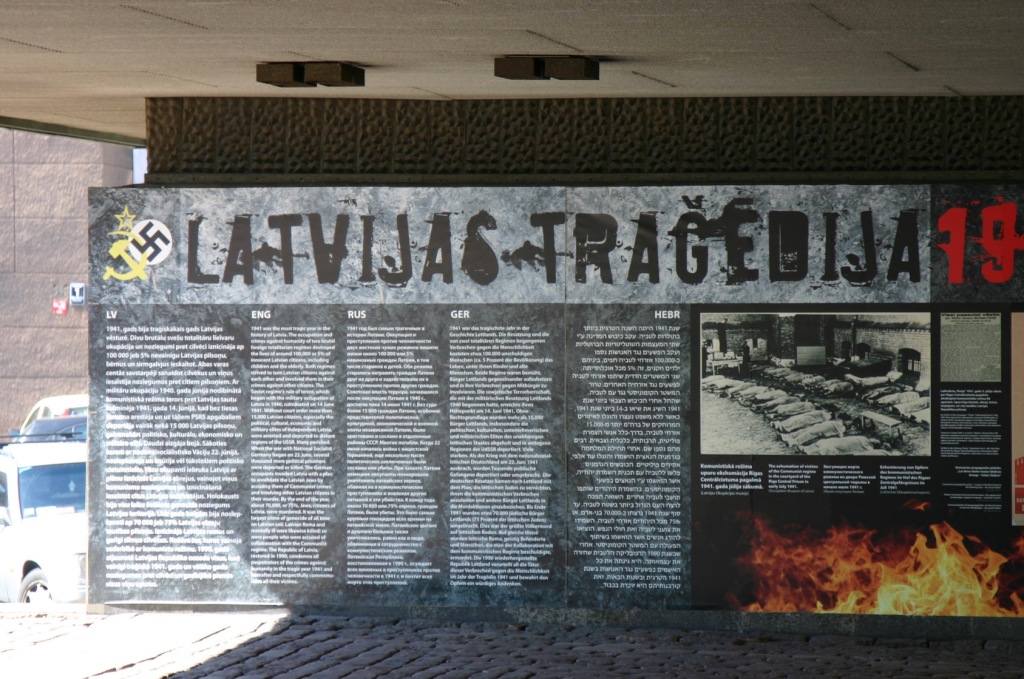
    This is Riga, Latvia. The Baltic Republics had a particularly difficult time during the twentieth century with Nazi Germany invading in 1941 and Soviet Russia occupying them until 1991. What had been a prosperous group of small Scandinavian style countries became relatively impoverished and isolated.


    Screen Shot 2016-04-15 at 1.23.01 PM

    Screen Shot 2016-04-15 at 12.43.07 PM

    Screen Shot 2016-04-15 at 12.38.34 PM

    Screen Shot 2016-07-25 at 12.20.40 PM

    This is Riga, Latvia. The Baltic Republics had a particularly difficult time during the twentieth century with Nazi Germany invading in 1941 and Soviet Russia occupying them until 1991. What had been a prosperous group of small Scandinavian style countries became relatively impoverished and isolated.

    Screen Shot 2016-07-26 at 1.52.14 AM

    Screen Shot 2016-07-26 at 1.45.59 AM

    Screen Shot 2016-07-25 at 8.57.20 PM

    Screen Shot 2016-07-25 at 10.38.32 AM

    Screen Shot 2016-07-25 at 10.37.13 AM

    Screen Shot 2016-07-25 at 8.52.43 PM

    This is nothing new. The Baltic has been repeatedly dominated by larger nations since the 1200’s. Riga is equidistant from both Berlin and Moscow. It’s a rough neighborhood and it seems likely there will be more such impositions in the future. The region is too important to left alone. But the people will adapt as they always have.

    Screen Shot 2016-04-15 at 12.43.47 PM

    Screen Shot 2016-07-25 at 8.57.48 PM

    Screen Shot 2016-07-25 at 8.58.01 PM

    Screen Shot 2016-04-15 at 12.44.00 PM

    Between the various wars and occupations when the country was allowed to flourish on its own Latvia proved to be industrious and highly cultured. The buildings that survived the tumults of history attest to the quality of the people, economy, and place.

    Screen Shot 2016-07-25 at 9.22.34 PM

    Screen Shot 2016-07-25 at 9.23.13 PM

    Screen Shot 2016-07-25 at 9.22.03 PM

    Screen Shot 2016-07-25 at 9.49.04 PM

    Screen Shot 2016-04-15 at 1.26.03 PM

    Screen Shot 2016-04-15 at 1.23.58 PM

    Screen Shot 2016-07-25 at 9.49.21 PM

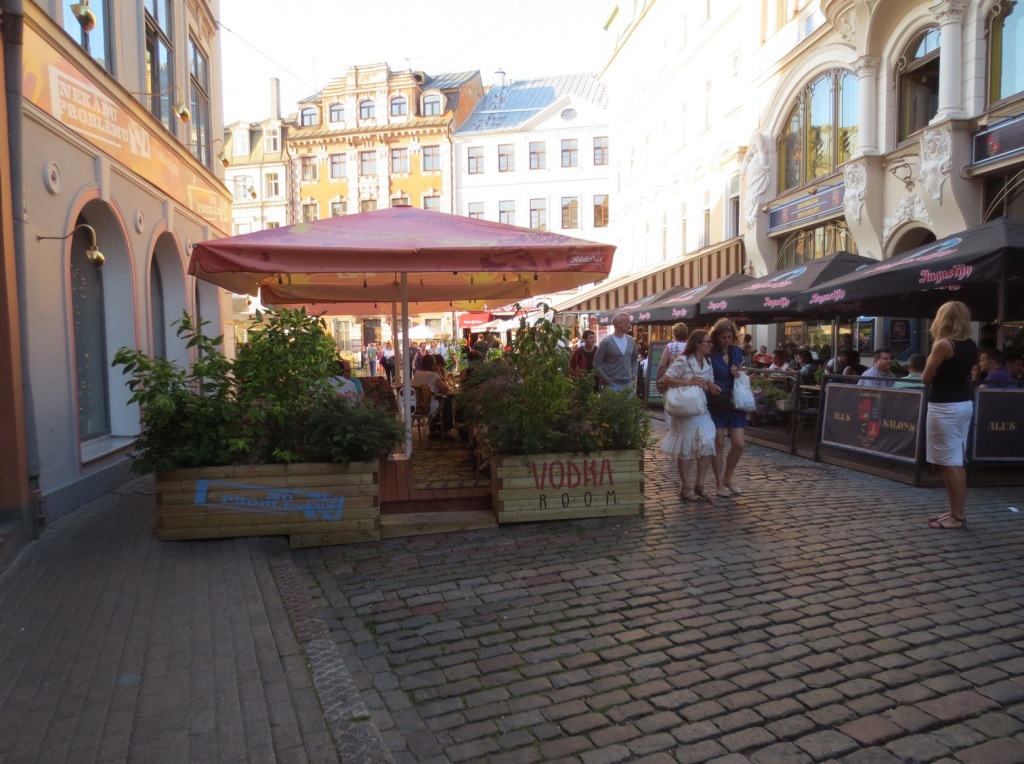
    It was a matter of national pride for the Latvian people to completely restore the historic core of Riga after the Soviets left things in Havana style dishevelment. This is their homeland and the repository of their culture, language, music, and history. It was also an excellent business model. The city is a dynamic and highly profitable venue for foreign investment, trade, and tourism. Every inch of the old city is productive.

    Screen Shot 2016-04-15 at 1.06.58 PM

    Screen Shot 2016-07-25 at 10.33.44 AM

    Screen Shot 2016-07-26 at 12.44.15 AM

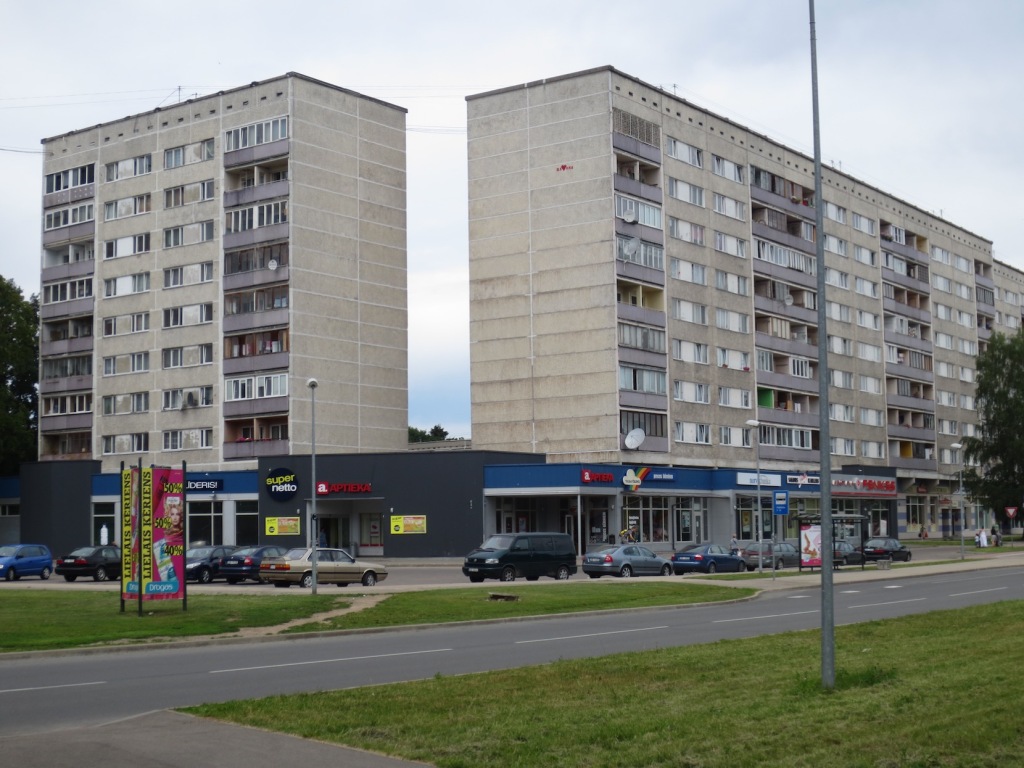
    But then there’s all that left over communist stuff ringing the city. What exactly do you do with it all? Pulling it down and replacing it is too expensive. And many of these buildings are occupied by ethnic Russians not Latvians. (Latvia is a quarter Russian as a result of the Soviet occupation, but the city of Riga is closer to half Russian.)

    Screen Shot 2016-07-26 at 1.38.49 AM

    Screen Shot 2016-07-26 at 1.39.50 AM

    Screen Shot 2016-07-26 at 1.33.09 AM

    Screen Shot 2016-07-26 at 12.44.29 AM

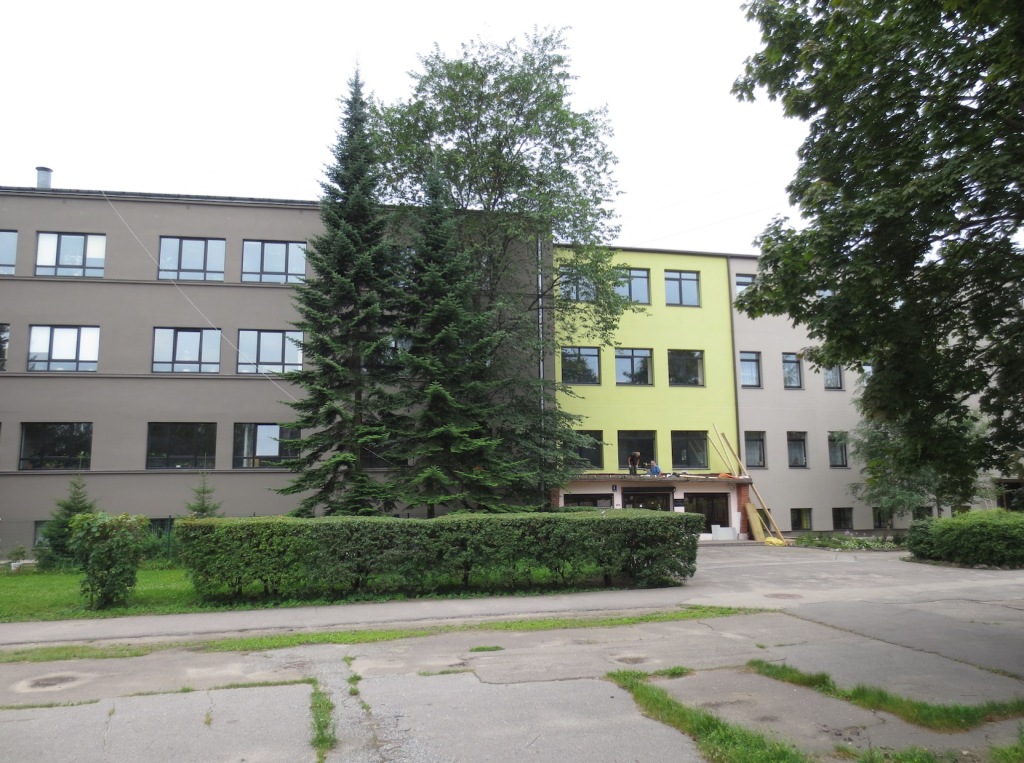
    This was top down bureaucratic central planning at its finest. Residential buildings were isolated from industry and from each other for health and safety. Operating a business of any kind in these apartment buildings was strictly forbidden. Tightly regulated shops were provided at convenient but segregated locations. Highly consolidated schools and isolated office and manufacturing parks were constructed in their own little pods at some distance.

    Screen Shot 2016-07-25 at 9.47.26 PM

    Screen Shot 2016-07-25 at 12.24.22 PM

    The preservation of green open space was a hallmark of Soviet design. Grass and trees were necessary for recreation, health, and social tranquility. There’s also a coincidental side effect of this kind of land use planning that worked in favor of central authority. Where exactly would people organize a protest rally in this environment? There is no prominent central square or iconic rallying point. What exactly would the rebel cry be here? Rise up and storm the shrubbery!

    Screen Shot 2016-07-25 at 12.25.50 PM

    Screen Shot 2016-07-26 at 1.37.09 AM

    Screen Shot 2016-07-26 at 1.42.37 AM

    Honestly it’s not that different from American suburbia. Communists just preferred concrete tower blocks to wood framed tract homes. If you’ve ever been inside an original 1947 Levittown house then you’ve essentially been inside one of these Soviet apartments. I spent a chunk of my childhood in a beige stucco apartment in Los Angeles that was nearly identical on the inside. The kitchens are small, there’s only one bath, the ceilings are low, there’s no craft or workmanship in the architecture. It’s utilitarian. It’s not terrible. People can and do live perfectly comfortable lives in these places. It’s just bland and there’s never anything to do in the neighborhood. It’s the precise opposite of the historic city center. No tourist ever ventures out to this part of town and you’ll never see photos of these neighborhoods in brochures.

    Screen Shot 2016-07-25 at 10.35.31 AM

    Screen Shot 2016-07-25 at 10.34.48 AM

    Screen Shot 2016-07-25 at 10.40.09 AM

    Screen Shot 2016-07-26 at 1.39.07 AM

    Screen Shot 2016-07-26 at 1.35.13 AM

    So here’s what the pragmatic Latvians are doing. First, these inherited communist buildings are given a quick skin job. They’re scrubbed clean, fitted with new cupboards and fixtures, painted, given new windows and doors, and generally made to feel fresh. If you squint these buildings look like the lesser offerings of 1960s Sweden or Germany. There are worse places to live in the world. A tidy apartment in a boring suburb of Riga is what some people genuinely prefer. There’s plenty on offer here for them. And there isn’t much else that can be done with these places.

    John Sanphillippo lives in San Francisco and blogs about urbanism, adaptation, and resilience at granolashotgun.com. He’s a member of the Congress for New Urbanism, films videos for faircompanies.com, and is a regular contributor to Strongtowns.org. He earns his living by buying, renovating, and renting undervalued properties in places that have good long term prospects. He is a graduate of Rutgers University.

  • A Different Approach to Redevelopment

    As part of a thought experiment I examined one specific neighborhood in a typical small city in Georgia. I’m using this town not because it’s unique, but because it’s absolutely normative. I could do the same analysis on the town where my mom, sisters, and brother live in southern New Jersey and it would be nearly identical. This is Everytown, USA.


    Screen Shot 2016-07-11 at 1.25.14 AMGoogle

    This particular neighborhood is halfway between the historic town center and the newer suburbs. It’s been completely skipped over and neglected in recent decades. What might be possible given the prevailing political and economic reality? The goal here is to improve the quality of life for existing residents, attract new residents, increase employment and economic activity, raise property values, and expand the tax base. The trick is to do all these things while keeping public spending and infrastructure to an absolute minimum and not use subsidies or tax abatements. I’ve rejected all the usual suspects that take too long, cost too much, and often make things worse.

    Screen Shot 2016-07-06 at 2.33.05 AMGoogle

    Screen Shot 2016-07-11 at 1.34.55 AMGoogle

    This neighborhood can’t compete with newer suburbs for folks looking for the usual quiet leafy environment. It shouldn’t even try. Instead it could offer the one thing the new suburbs don’t – a walkable human scaled place with some modicum of vitality and street life. There’s pent up market demand for such places and almost no supply. My first suggestion is for this business district to turn its back on the main road. Call it what it is – a sewer for cars. It serves its purpose and keeps things flowing, but no one wants to sit and watch the material drift by. Ignore it.

    Instead, the parallel secondary street should become the focus of attention. That’s the more appropriate Main Street location. Next, sort out local businesses that are “in” or “out.” The national chains won’t be interested. Let them continue doing what they do. Many of the independent merchants and landlords may not be so inclined either. That’s fine. Work with the folks who are. Baby steps.

    Screen Shot 2016-06-24 at 9.06.53 AMGoogle

    Screen Shot 2016-06-24 at 8.17.07 AM

    Screen Shot 2016-07-11 at 11.29.13 AM

    Here’s an interstitial space formed by the back of a generic aging strip mall and an adjacent one story professional building. It’s a parking lot that doesn’t appear to get much use, but it’s an excellent outdoor room with good proportions that faces a quiet side street. If the city regulators and fire marshal could see their way to make it legal this is an ideal spot for a great gathering space.

    Screen Shot 2016-07-06 at 10.11.40 AM

    Screen Shot 2016-07-06 at 10.14.03 AM

    Screen Shot 2016-07-12 at 1.02.23 AM

    Screen Shot 2016-07-06 at 10.14.15 AM

    Plants, inexpensive outdoor furniture, and simple food and drink (most likely served by existing merchants from the rear of their shops) would be a fast cheap method of making the area worth frequenting. Only the locals know exactly what would provide the best draw. Coffee? Beer? Ice cream? Barbecue? Or maybe this is the perfect spot for outdoor movies served with popcorn and lemonade on weekend nights. Total cost to the city? Some paperwork. Total cost to the property owners? Lawn furniture, plants, and Christmas lights. The “product” on offer is spontaneous conviviality. Effective management is more powerful than pouring concrete and laying asphalt.

    Screen Shot 2016-07-11 at 11.29.25 AM

    Screen Shot 2016-06-24 at 8.38.04 AM

    Screen Shot 2016-06-24 at 8.51.49 AM

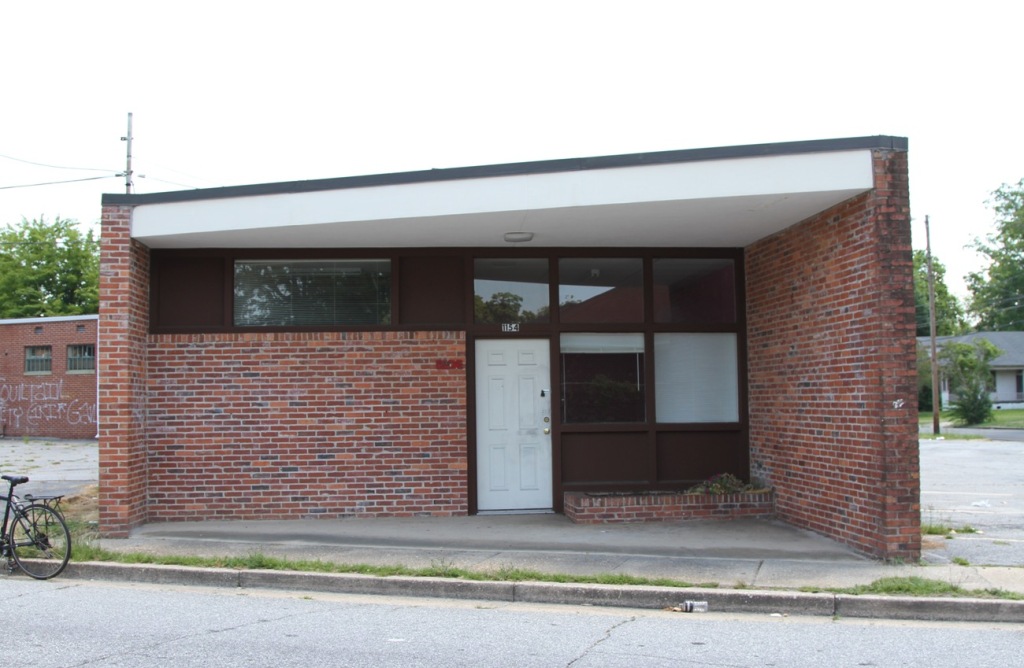
    The professional building appears to be vacant or less productive than it could be. The property owner may be happy with the current arrangement, but if not this could be a fantastic live/work space. There are a lot of people who find this sort of place appealing since it’s a blank slate and extremely flexible. It’s no doubt illegal to live in a commercial space due to zoning regulations. But those rules could be changed or quietly ignored by the authorities. Who’s to say what happens behind those brick walls? Live/work is the perfect in-between use for a building that sits halfway between a busy road and a calm residential street.

    Screen Shot 2016-07-06 at 2.49.45 AMGoogle

    Screen Shot 2016-07-11 at 11.30.17 AM

    Screen Shot 2016-06-25 at 8.19.44 AM

    Screen Shot 2016-06-25 at 8.20.30 AM

    All the ice cream parlors, outdoor cafes, and beer gardens in the world won’t help if there aren’t enough people nearby to fill the seats. This building appears to be some kind of Class C office building. I walked around in the middle of the afternoon on a weekday and didn’t see a soul. I didn’t even hear the hum of an air conditioner. It may be a thriving hub of business activity for all I know, but it looks like a storage facility for old paperwork. I could see someone from a local neighborhood improvement organization brokering a deal between the landlord and the local orchestra, film and video school, or art museum to convert this place into studio space.

    Screen Shot 2016-03-07 at 5.05.26 PM

    Screen Shot 2016-03-07 at 5.03.25 PM

    Screen Shot 2016-03-03 at 3.40.33 PM

    Actually, I’d love to see it as residential space for such people. It’s probably hard to practice the French horn in a garden apartment complex without people complaining. If the building were populated with a self selecting group of folks with an established affinity it might be a value added proposition.

    If you’re horrified by the idea of living in a place like this… Great! You’ve self selected out. Perfect. Now move over and make room for the people who love it. The Mad Men era architecture could be celebrated just as it is. Howard Johnson’s meets Denny’s with a hint of 1960’s car wash. A little turquoise and orange paint and some Malibu lighting would work wonders.

    Screen Shot 2016-07-11 at 1.16.49 AM

    Screen Shot 2016-07-11 at 1.17.18 AM

    Screen Shot 2016-07-11 at 1.13.23 AM

    Screen Shot 2016-06-25 at 8.06.20 AM

    Screen Shot 2016-06-25 at 8.07.23 AM

    Screen Shot 2016-07-11 at 1.18.56 AM

    There’s an abundance of commercial buildings that are simply not performing as intended. There’s no market demand for this kind of space in this location – and it’s been this way for a very long time.

    Screen Shot 2016-01-31 at 2.34.04 AM

    Screen Shot 2016-01-31 at 2.34.57 AM

    Screen Shot 2016-01-31 at 2.34.36 AM

    Why not make these living spaces? Again, I need to belabor the point. This isn’t about attracting suburban families. Instead, these places are perfect for a subset of the population that actually likes cheap ugly spaces. Cheap and ugly are the primary amenities for some people. They value other things and enjoy the freedom that comes with such accommodations.

    Screen Shot 2016-07-08 at 4.27.16 PM

    Screen Shot 2016-07-08 at 5.20.08 PM

    Screen Shot 2016-07-08 at 1.27.57 PM

    This is the secondary street that’s more suited to humans than the primary road full of vehicular traffic. It’s lifeless at the moment, but it could be transformed on the cheap with weekly pop up events organized around food trucks and a farmers market.

    Screen Shot 2016-07-12 at 12.24.08 AM

    Screen Shot 2016-07-12 at 12.24.33 AM

    Screen Shot 2016-07-12 at 12.23.53 AM

    Screen Shot 2016-07-12 at 12.22.40 AM

    Screen Shot 2016-07-12 at 12.27.16 AM

    Screen Shot 2016-07-12 at 12.26.45 AM

    Over time the empty parking lots and food trucks could mature with brick and mortar infill development that make the arrangement permanent. The food trucks are incubators for small scale entrepreneurs on a tight budget. You need a million dollars to open a franchise doughnut shop. A food truck comes at a much lower price point.

    Screen Shot 2016-07-03 at 2.57.15 PMGoogle

    Screen Shot 2016-07-11 at 5.42.57 PMGoogle

    Screen Shot 2016-07-02 at 4.31.19 AM

    Screen Shot 2016-06-25 at 8.14.03 AM

    Screen Shot 2016-07-03 at 5.50.29 PM

    Screen Shot 2016-07-03 at 5.51.16 PM

    Screen Shot 2016-07-03 at 5.51.35 PM

    Here’s a dead strip mall on the other side of the neighborhood that’s facing another busy commuter road. Again, the sweet spot is in the back that faces the residential side streets. Both the shops and the homes have seen better days. What can be done with this space?

    Screen Shot 2016-03-02 at 1.02.53 PM

    Screen Shot 2016-06-28 at 12.41.51 AM

    Screen Shot 2016-06-28 at 12.41.30 AM

    Screen Shot 2016-07-11 at 2.12.00 PM

    Screen Shot 2016-07-11 at 2.11.46 PM

    Screen Shot 2016-03-02 at 1.06.22 PM

    Screen Shot 2016-03-02 at 1.05.07 PM

    Screen Shot 2016-03-02 at 1.04.08 PM

    Screen Shot 2016-03-02 at 1.06.48 PM

    This is an example of a non profit organization that specializes in the often neglected industrial arts. Welding, glass blowing, carpentry, neon arts, enameling, stone cutting, fashion, ceramics, and so on. Thousands of people – particularly young people – are trained in useful skills each year. People rent space and pay a modest tuition for instruction. This isn’t a government facility. It was established and continues to be maintained by locals who are passionate about the place. This is the kind of thing that could draw in precisely the variety of people who might look favorably on living in one of the fantastically affordable nearby homes. And they’d actually have the skills to fix them up.

    Screen Shot 2016-06-25 at 8.13.39 AM

    I’m well aware of the arguments against this sort of thing. It will attract the wrong element. People will cook meth in spaces like that. People will have wild parties all night long and disturb the peace. This is just a bunch of Hipster nonsense.We can’t have people drinking beer outdoors near a church or school. I totally understand. From my perspective there are ways of managing those concerns, but I personally won’t invest ten minutes of my time attempting to change anyone’s opinion. Instead I’ll wait another ten or fifteen years for the current decline to continue. This place may not be ripe for reinvention yet. The local culture may not be receptive. Honestly, the neighborhood may not be miserable enough just yet. Let’s wait until these places start to burn down one by one. Or let them be bulldozed to make room for more parking or a heavily subsidized garden apartment complex next to the newly widened commuter road. That’s absolutely an option.

    John Sanphillippo lives in San Francisco and blogs about urbanism, adaptation, and resilience at granolashotgun.com. He’s a member of the Congress for New Urbanism, films videos for faircompanies.com, and is a regular contributor to Strongtowns.org. He earns his living by buying, renovating, and renting undervalued properties in places that have good long term prospects. He is a graduate of Rutgers University.

  • Homesteading Detroit

    I was in Detroit recently for the Congress for New Urbanism, the Strong Towns gathering, and a Small Developers Workshop. I used Airbnb instead of the corporate hotel option while in town.


    c5c26459-7aac-4bb9-8551-4f32bbe3ee04

    IMG_3272 (1024x683)

    3d8901d3-8940-41c7-b3ee-3f1ab363ef85

    dc613c34-9a0e-4703-a6b2-f617c096ad49

    e295af4c-4a56-4511-8a36-f51d779bff0a

    66b0716b-00d9-4a6c-bff8-248ad7e70d50

    dff01bb7-2176-4b01-8a4c-60199b81f376

    IMG_3340 (1024x683)

    This is what $13,000 buys you in Detroit. Well… $13,000 and four years of blood, sweat, and tears. Detroit allows people with the right attitude to substitute personal effort for money. This solid brick century old duplex is within bicycle distance of downtown and it came with the adjacent vacant lots. This young couple paid cash from savings and is homesteading in the city. They live upstairs and rent out the downstairs to visitors like me.

    IMG_3251 (1024x683)

    IMG_3261 (1024x683)

    IMG_3132 (1024x683)

    IMG_3188 (1024x683)

    When people have a spacious comfortable place to live with no rent or mortgage they have time to pursue their real interests. Gardening, woodworking, metalworking, fashion, painting…

    IMG_3087 (1024x683) (2)

    87333c7d-b83c-488e-942c-0de9c1ac2d9d

    58e21315-c170-4107-b1ac-9a446e914272

    IMG_3229 (1024x683)

    IMG_3203 (1024x683)

    Instead of taking jobs that would chain them to someone else’s schedule and values the couple continuously cultivates small ventures from their home. The internet allows them to reach out to a global customer base with their Frontier Industry.

    IMG_4695 (1024x683)

    IMG_4702 (1024x683)

    IMG_4795 (1024x683)

    IMG_4782 (1024x683)

    IMG_4709 (1024x683)

    I’ve said this before. I’ll say it again. If you’re tired of spending $1,000 a month for your share of a rented two bedroom apartment with five room mates in Brooklyn or San Francisco… do what Americans have always done. Hitch up your Conestoga wagon and head out to the territories. It’s a big country. Be a pioneer.

    John Sanphillippo lives in San Francisco and blogs about urbanism, adaptation, and resilience at granolashotgun.com. He’s a member of the Congress for New Urbanism, films videos for faircompanies.com, and is a regular contributor to Strongtowns.org. He earns his living by buying, renovating, and renting undervalued properties in places that have good long term prospects. He is a graduate of Rutgers University.

  • Finally! Great New Affordable Bay Area Housing!

    These are highly educated well paid workers at a San Francisco tech company. They’re mostly young. Some are single. Some are newly coupled. Some are married with young children. There are exceptions, but they tend to want to live in a vibrant urban neighborhood with a short commute rather than a distant suburb.


    Screen Shot 2016-05-27 at 11.08.39 PM

    Screen Shot 2016-05-27 at 11.07.30 PM

    Screen Shot 2016-05-27 at 11.08.07 PM

    Screen Shot 2016-05-27 at 10.51.05 PM

    Screen Shot 2016-05-28 at 1.45.52 AM

    Screen Shot 2016-05-28 at 1.46.17 AM

    Screen Shot 2016-05-28 at 12.17.05 AM

    Some enjoy living in a rented apartment above a trendy wine bar right on the edge of the downtown core. They can effortlessly pop down for a drink or a bite to eat with friends. When the weather is good they can ride a bicycle to work and skip the traffic congestion for a healthy commute.

    Screen Shot 2016-05-28 at 1.42.07 AM

    Screen Shot 2016-05-27 at 10.51.21 PM

    Screen Shot 2016-05-28 at 12.01.20 AM

    Screen Shot 2016-05-28 at 12.15.42 AM

    Others choose to own a loft style condo above shops. They can step outside their door and immediately find good food, good company, clothes, groceries, a hairdresser… most daily needs are close at hand.

    Screen Shot 2016-05-27 at 11.47.16 PM

    Screen Shot 2016-05-27 at 11.49.00 PM

    Screen Shot 2016-05-27 at 11.48.28 PM

    Screen Shot 2016-05-27 at 11.48.44 PM

    Screen Shot 2016-05-27 at 11.51.15 PM

    Still others love a little detached cottage in a courtyard with shared garden space. This arrangement provides all the benefits of a traditional home on a smaller scale.

    Screen Shot 2016-05-27 at 11.47.41 PM

    Screen Shot 2016-05-27 at 10.58.08 PM

    Screen Shot 2016-05-27 at 10.58.38 PM

    Screen Shot 2016-05-27 at 10.58.24 PM

    Then there are those who gravitate toward a regular stand alone single family home – of various styles, sizes, and price points.

    IMG_0794 (1024x694)

    Screen Shot 2016-05-27 at 10.59.59 PM

    Screen Shot 2016-05-28 at 1.44.50 AM

    Screen Shot 2016-05-28 at 12.06.05 AM

    Screen Shot 2016-05-27 at 10.56.40 PM

    Screen Shot 2016-05-27 at 10.52.34 PM

    In this new development all of these options are available on a single block just a ten minute bike ride from downtown. This is exactly what San Franciscans desperately want and someone has finally figured out how to build it at a price people can afford…

    Screen Shot 2016-05-28 at 12.16.10 AM

    Screen Shot 2016-05-28 at 2.17.00 AM

    Screen Shot 2016-05-28 at 2.21.31 AM

    Screen Shot 2016-05-28 at 2.21.04 AM

    Screen Shot 2016-05-28 at 2.20.38 AM

    Screen Shot 2016-05-28 at 2.20.21 AM

    …in Nashville. Uber, Lyft, Eventbright, and many other tech companies that began in San Francisco have all opened branch offices in Nashville. The standard offer is simple. Relocate to Tennessee, take a 30% pay cut, and enjoy a much higher quality of life with much more cash left over at the end of each month. Go ahead. Soak up the complimentary affordable home ownership.

    John Sanphillippo lives in San Francisco and blogs about urbanism, adaptation, and resilience at granolashotgun.com. He’s a member of the Congress for New Urbanism, films videos for faircompanies.com, and is a regular contributor to Strongtowns.org. He earns his living by buying, renovating, and renting undervalued properties in places that have good long term prospects. He is a graduate of Rutgers University.

  • Murbanism (Mormon Urbanism)

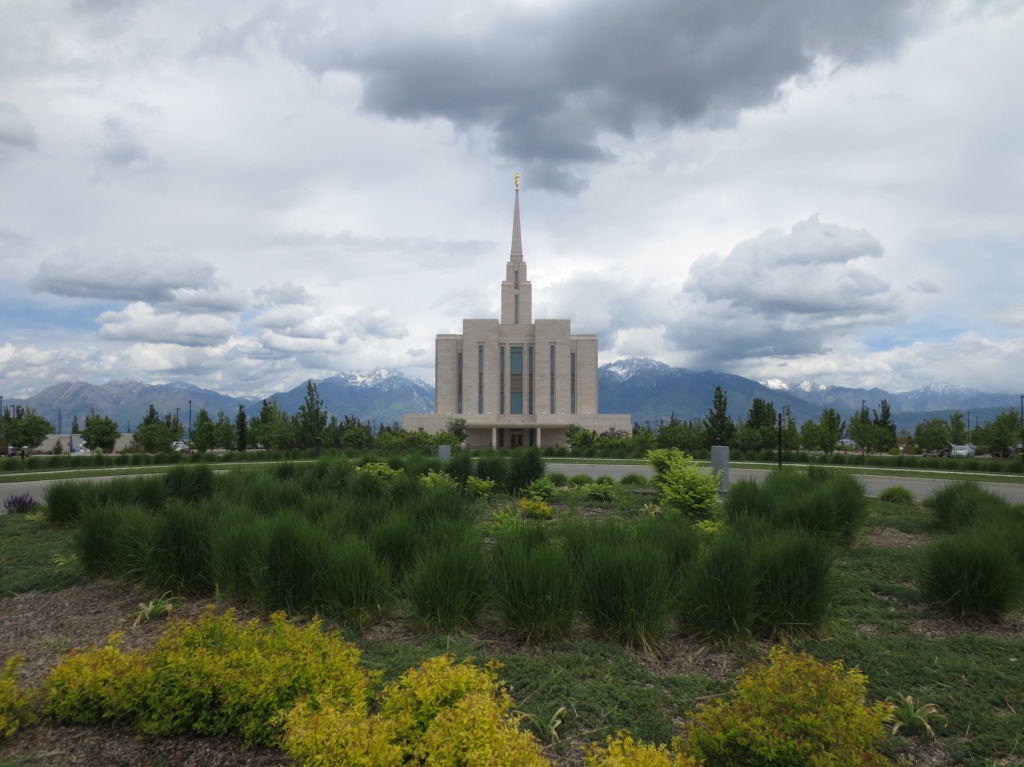
    I coined the portmanteau murbanism some years ago on a trip to Salt Lake. Mormon urbanism is shorthand for a theory I have about adaptation and resilience. The term connotes a place that has all the qualities that should result in long term failure, but will probably thrive because of the local culture. Murbanism doesn’t necessarily have to involve a single Mormon. Let me explain…

    Screen Shot 2016-04-21 at 1.15.34 AM

    Screen Shot 2016-04-21 at 1.43.25 AM

    Screen Shot 2016-04-21 at 1.15.17 AM

    Screen Shot 2016-04-21 at 1.00.34 AM

    Let’s say you have two nearly identical towns. Picture typical late twentieth century auto oriented strip mall and tract home blah, blah, blah nowhere near anything. They could be physically beautiful places. They could be comfortable and affordable. They could even be prestigious and exclusive. But they’re entirely dependent on daily deliveries of refrigerated food and a steady trickle of fuel and water from some remote supply chain involving elaborate pumps and pipelines. The primary sources of revenue for these towns come in the form of pension checks, work that requires a forty five minute commute, and massive but hidden subsidies from the state and federal government.

    Screen Shot 2016-04-21 at 1.42.23 AM

    Screen Shot 2016-04-21 at 1.44.40 AM

    Screen Shot 2016-04-21 at 1.44.15 AM

    One town is populated by a motley assortment of unaffiliated residents who drifted in a few years ago from New Jersey, Iowa, California, and Illinois. They were  looking for relatively affordable houses, low taxes, and sun in winter. They’re not “joiners.” They like their privacy. The gated community and homeowners association do most of the heavy lifting in terms of public engagement. If anyone wants to be around other people they can drive to the mall.

    Screen Shot 2016-04-21 at 1.46.42 AM

    Screen Shot 2016-04-21 at 1.53.28 AM

    The other town is predominantly Mormon and organized in a single stake. Which town is likely to hold up better over time? Which is probably better able to respond in a rational and organized fashion in a crisis? Which town can we expect to reexamine its fundamentals and thoughtfully redirect its collective energy if circumstances were to compel serious change?

    Here’s another example. Which place has better keeping qualities? Israel or Dubai? Spot the difference?

    Murbanism isn’t about the physical form of the town, or any of the buildings, or the town’s location. It’s about how the people who live there relate to each other and how well they can function together in good times and bad.

    I’m not a Mormon. In fact I’m the opposite of a Mormon if such a thing exists. But I recognize a resilient and durable culture when I see it. I think we can all learn a great deal from the Mormon experience and adapt those lessons to our own particular circumstances.

    John Sanphillippo lives in San Francisco and blogs about urbanism, adaptation, and resilience at granolashotgun.com. He’s a member of the Congress for New Urbanism, films videos for faircompanies.com, and is a regular contributor to Strongtowns.org. He earns his living by buying, renovating, and renting undervalued properties in places that have good long term prospects. He is a graduate of Rutgers University.

  • DIY Urbanism

    Over the years I’ve belonged to a variety of different organizations that had the ostensible goal of accomplishing X or Y. At a certain point I would realize that all anyone was doing was exercising their fears and frustrations. Most of all they were trying to stop other people from doing things they didn’t like.

    I’m impatient. I want to get on with the business of actually doing something tangible. Waiting for someone else to come along and accomplish your goals for you is a really bad plan. Trying to change government policy is endless. Expecting “the market” to magically solve problems isn’t realistic. So where does that leave any of us?

    Screen Shot 2016-03-02 at 3.04.03 PM

    Screen Shot 2016-03-02 at 3.16.44 PM

    Screen Shot 2016-03-02 at 3.20.59 PM

    Enter the Incremental Development Alliance. Let’s say you have a problem in your neighborhood. It needs a grocery store. It needs bike infrastructure. It needs more public gathering spaces. It’s in decline and needs new investment. It’s in the process of being gentrified and people are being squeezed out. Whatever. Why not be the person who brings the desired change? You. Right now. Go do it.

    Screen Shot 2016-03-03 at 6.30.36 PM

    Screen Shot 2016-03-02 at 3.20.37 PM

    Screen Shot 2016-03-10 at 10.23.43 PM

    Easier said than done, right? This isn’t easy stuff. There are zoning regulations, building codes, financing obstacles, bureaucratic landmines… The red tape is endless. So you need help understanding the big picture. You need people who have already successfully done similar things. You need to know which projects are most likely to be approved and which ones are probably doomed from the start. You need to understand how things are paid for – or not. You need a sherpa guide to building civilization.

    Screen Shot 2016-03-02 at 3.18.50 PM

    Screen Shot 2016-03-02 at 3.19.34 PM

    Screen Shot 2016-03-02 at 3.25.31 PM

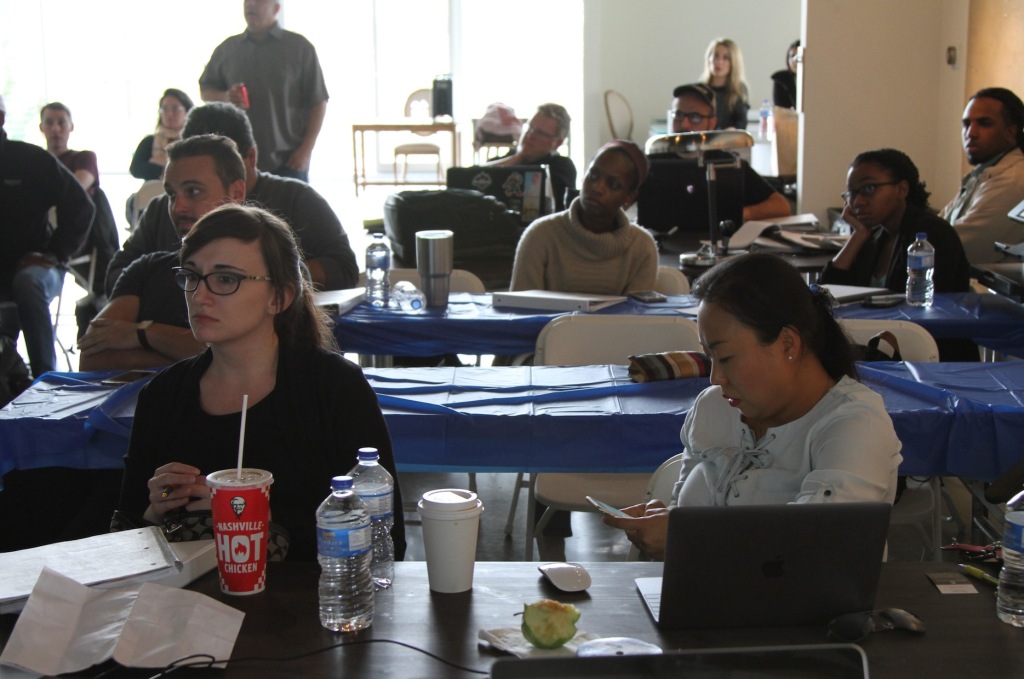
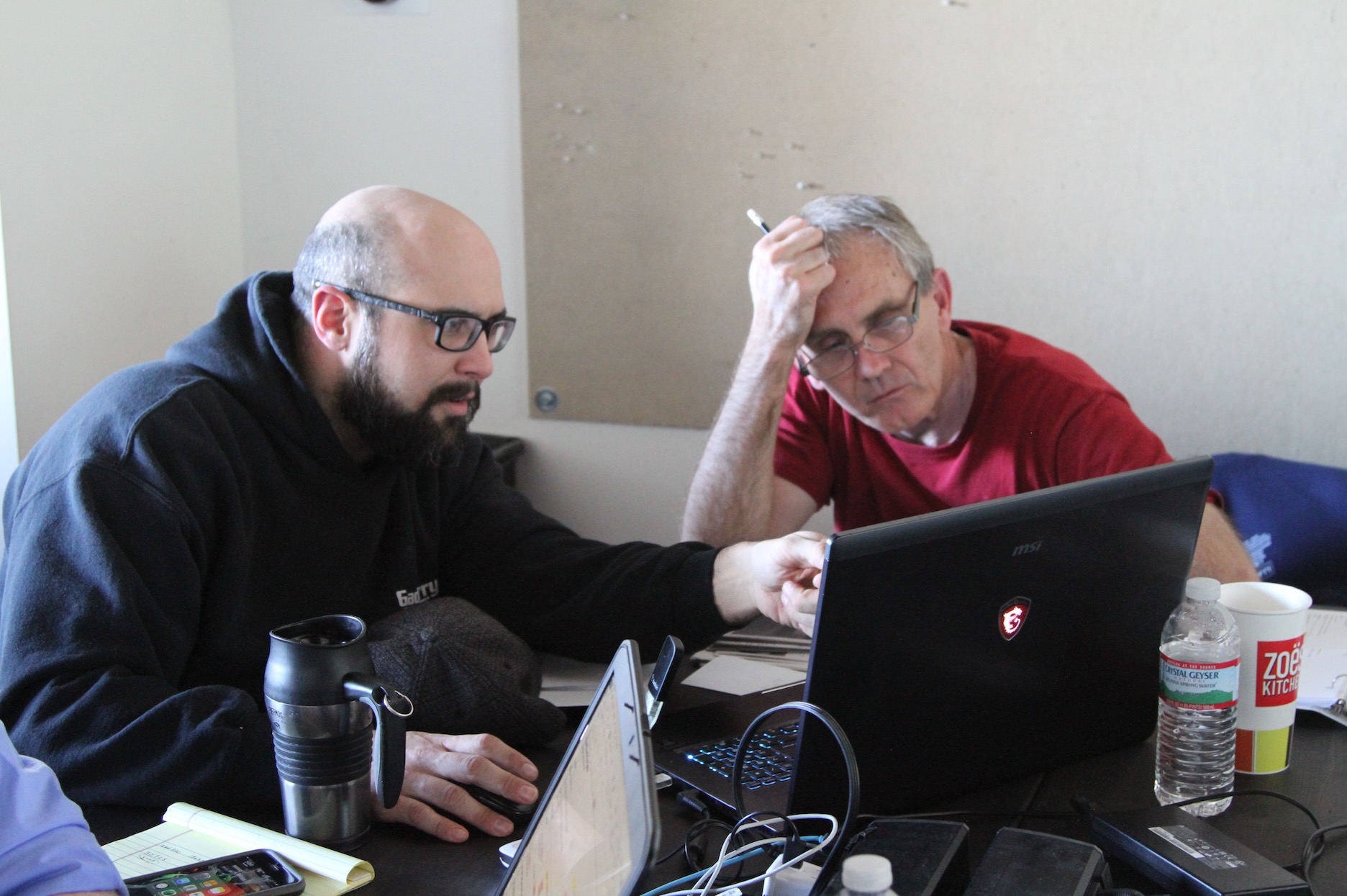
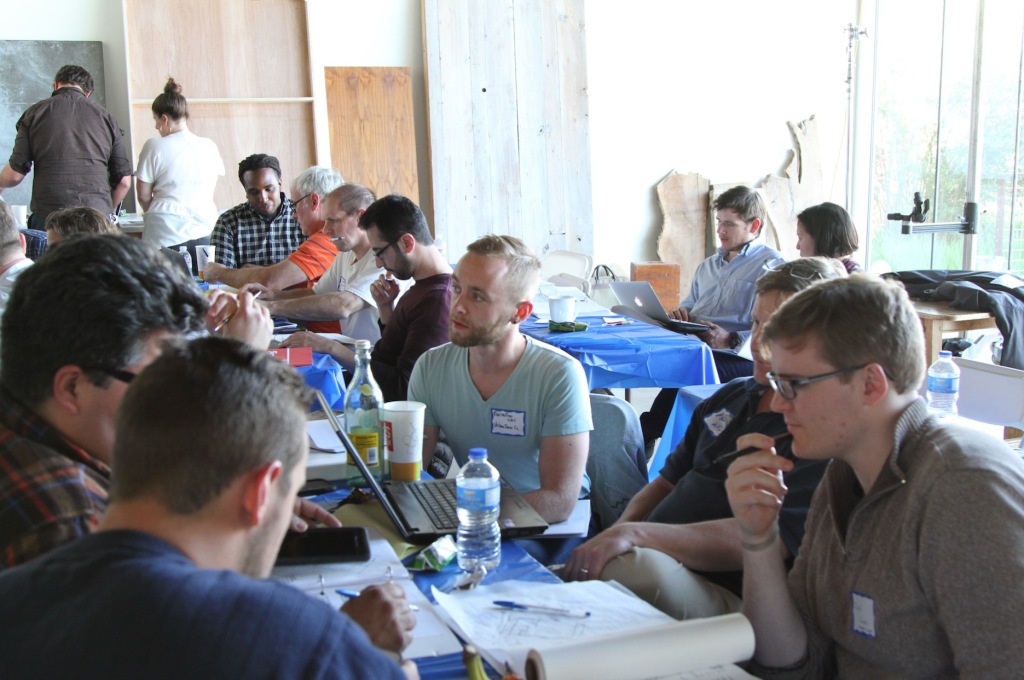
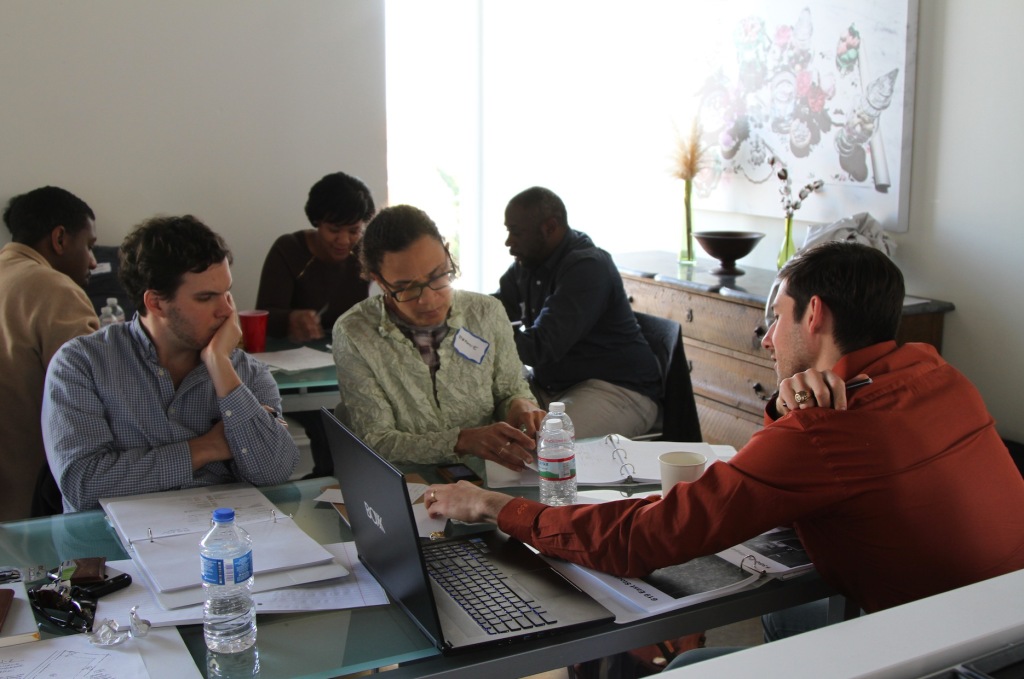
    Incremental development isn’t about large scale production builders. It isn’t about procuring government grants for pet projects. It isn’t about wooing a big company into your town to save things. It’s about an army of individual people, families, and small groups of friends and neighbors sorting things out on their own – very often in spite of “helpful” institutions that actually make positive change more difficult and expensive than it needs to be. Check it out. You might just become the agent of change you’ve been waiting for.

    John Sanphillippo lives in San Francisco and blogs about urbanism, adaptation, and resilience at granolashotgun.com. He’s a member of the Congress for New Urbanism, films videos for faircompanies.com, and is a regular contributor to Strongtowns.org. He earns his living by buying, renovating, and renting undervalued properties in places that have good long term prospects. He is a graduate of Rutgers University.