Author: John Sanphillippo

  • Suburban Sustainablity

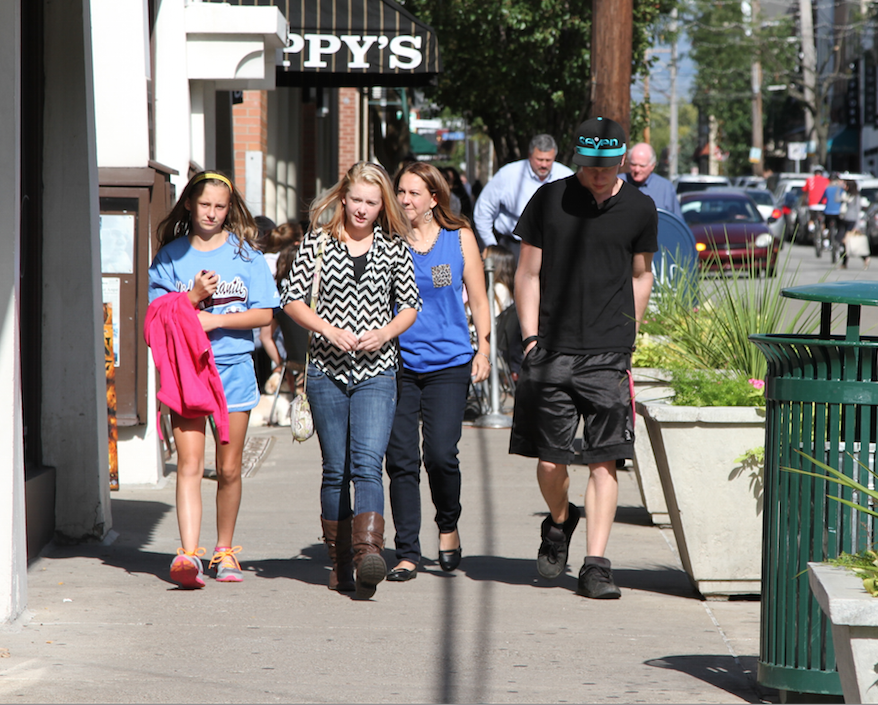
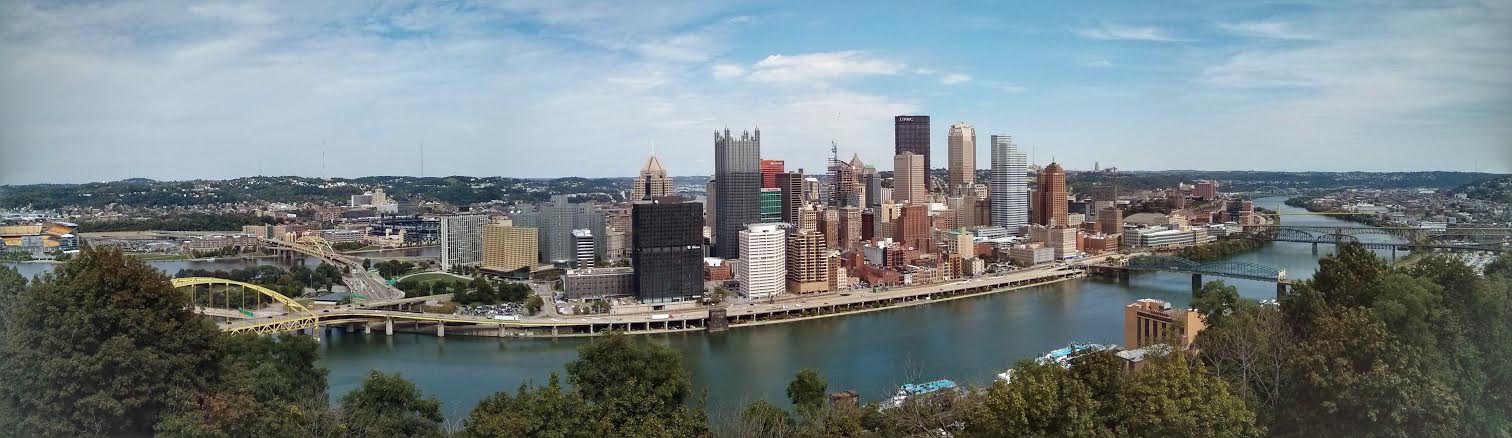
    There’s a philosophical debate about what is “sustainable.” The two dominant camps tend to advocate on behalf of either the hyper efficient dense city or bucolic rural self sufficiency. Personally, I’m not a fan of either.
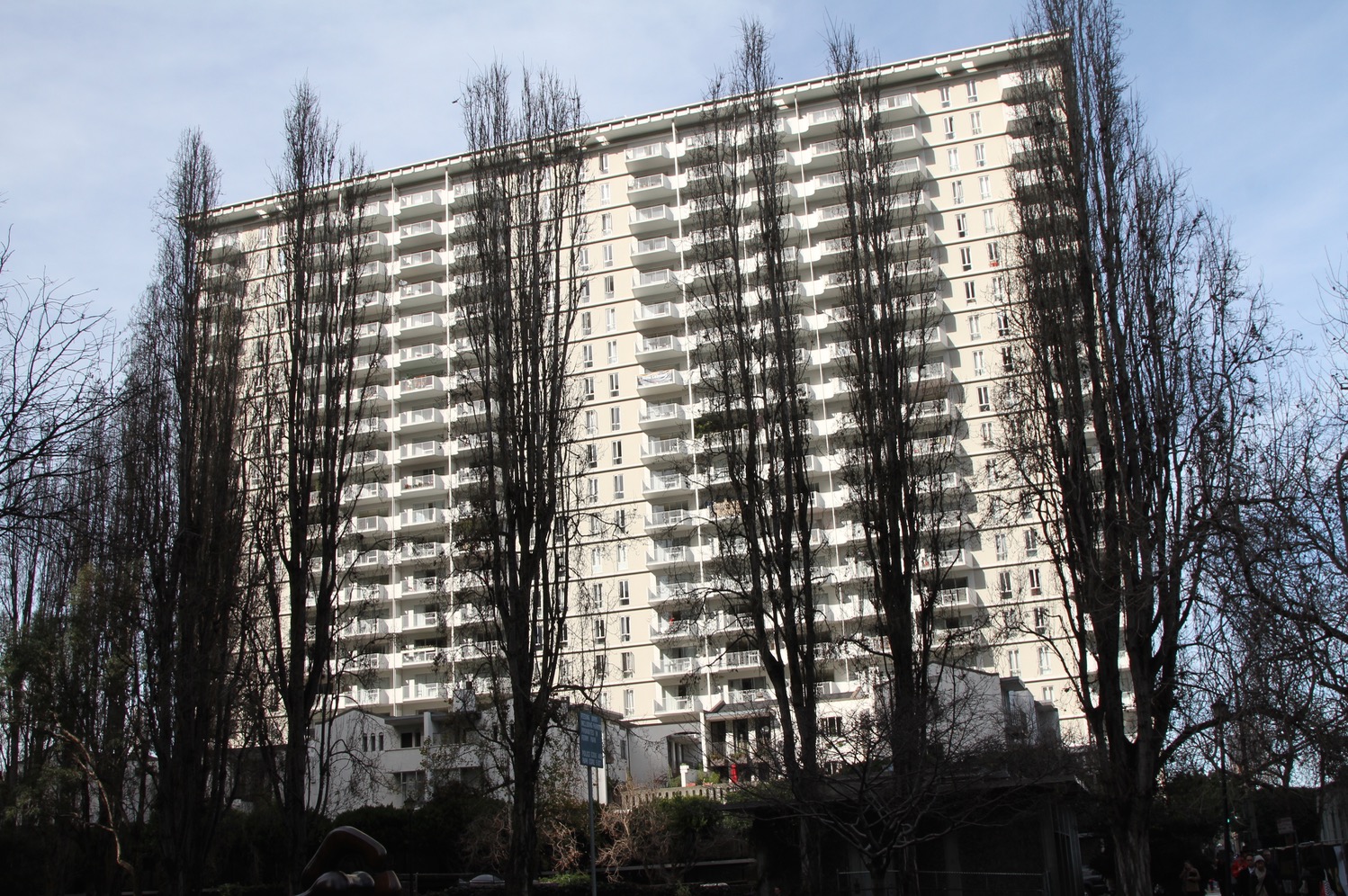

    The more finely tuned and efficient any system is the more vulnerable it is to disruption. There’s also an inevitable concentration of authority in large systems that doesn’t appeal to me.
    Screen Shot 2015-06-07 at 2.31.03 AM

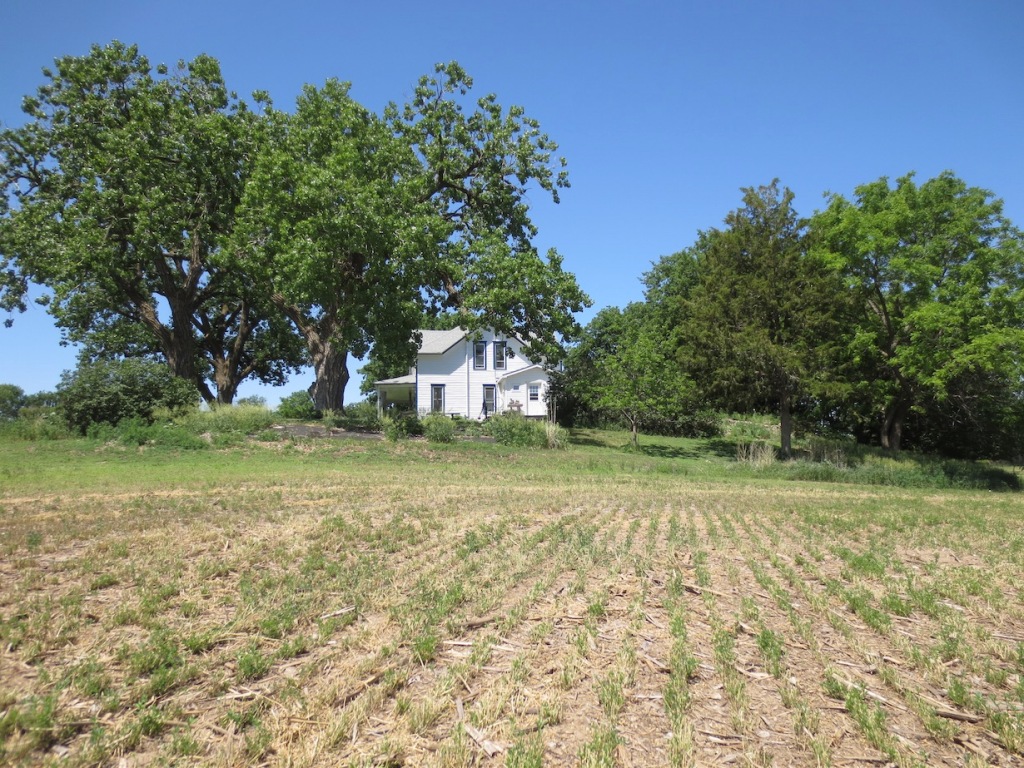
    The picturesque farm out in the country has a romantic allure, but the reality is mostly isolation, lack of economic opportunity, and a stifling culture.
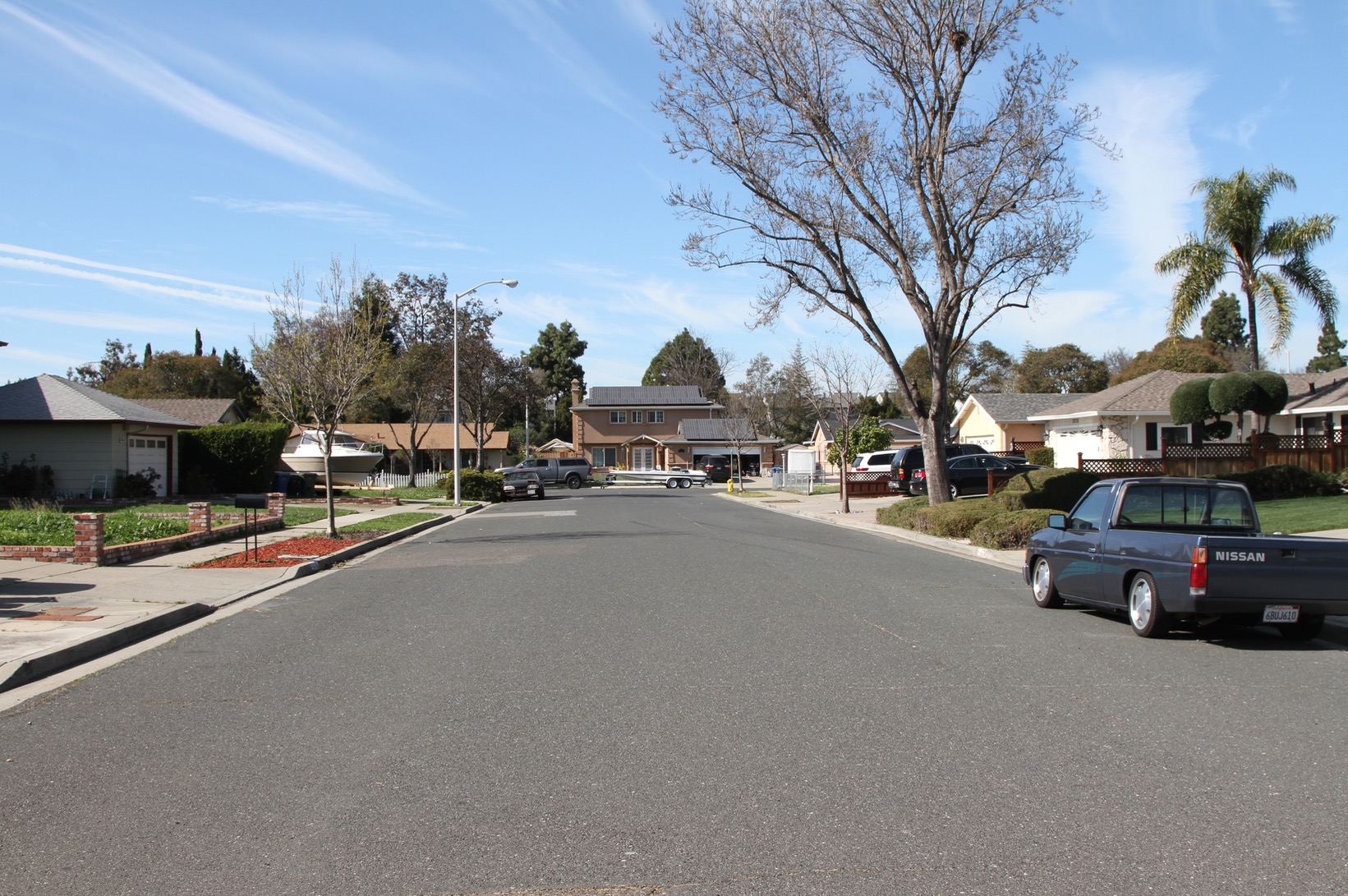
    Almost all of the built environment in North America is actually suburban which is neither fish nor fowl in terms of the urban/rural divide. And that isn’t going to change anytime soon.
    Screen Shot 2016-02-16 at 9.20.34 PM

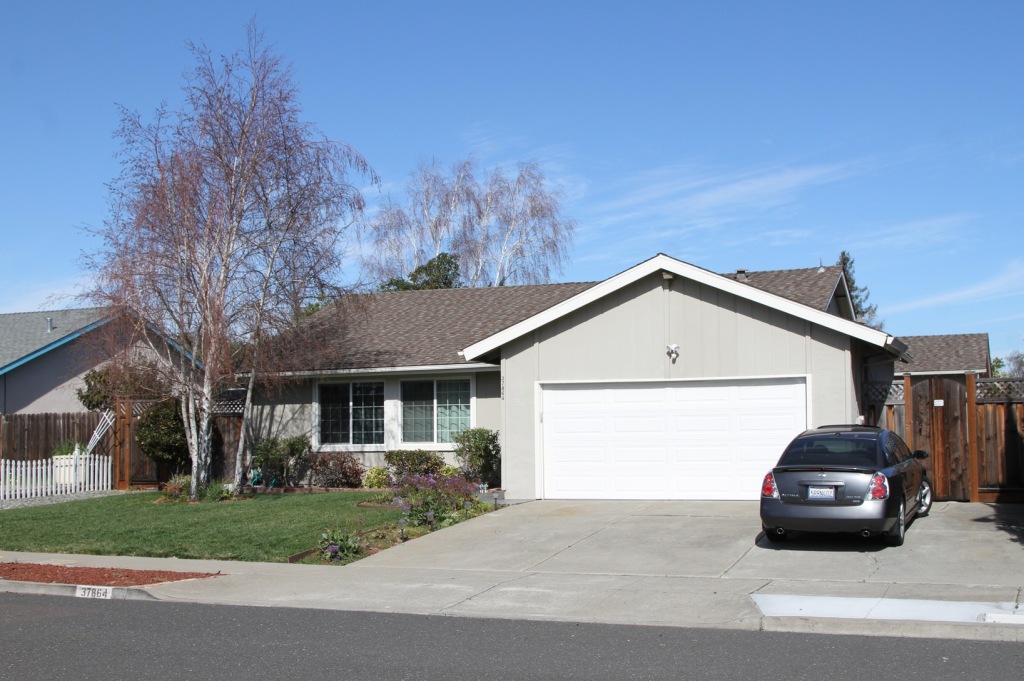
    At the moment suburbs have none of the efficiencies of the urban core and none of the productive capacity of the countryside. Suburban residents are just as dependent on large centralized systems as people living downtown. Where does suburban food come from? Energy? Water? Where does suburban trash go? Sewerage? Who owns everything? (If you have a mortgage… the bank, not you.) A small family farm in the country can manage all these things right at home on a tight budget. But the average tract house is no different from a high rise apartment.
    Screen Shot 2016-02-17 at 1.12.42 PM

    Screen Shot 2016-01-30 at 10.24.54 PM

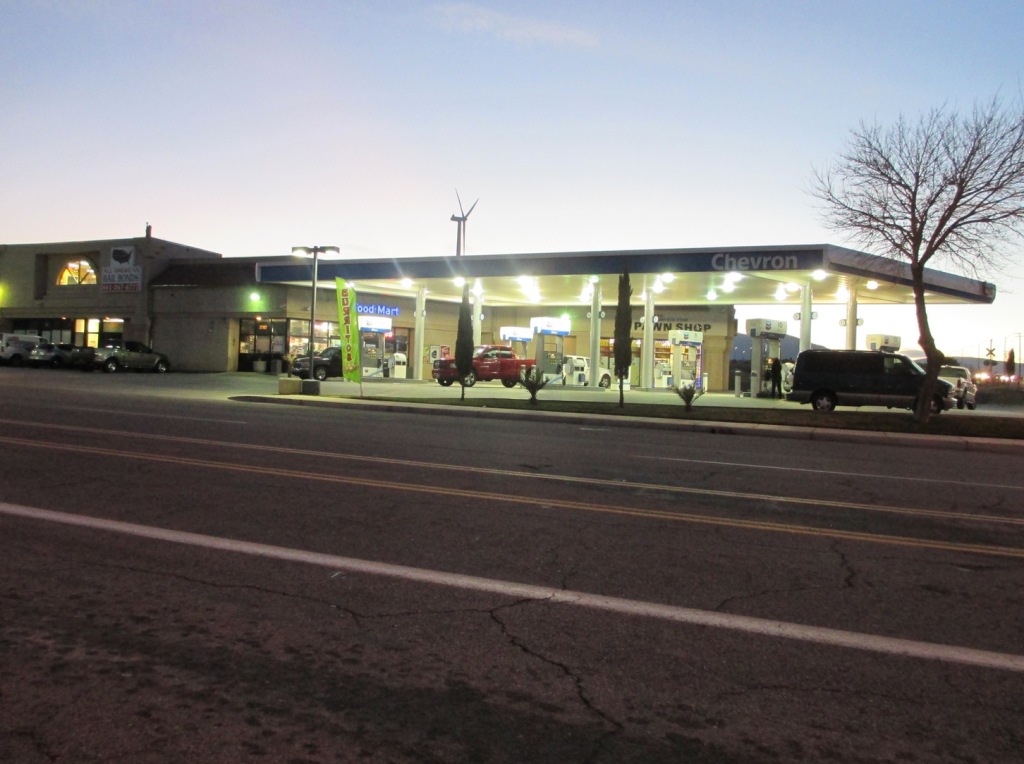
    That private vehicle that sits in the driveway appears to be a source of personal freedom unlike the city bus or subway. But the car is invisibly tethered to gas stations, pipelines, refineries, and ultimately to the oil fields of North Dakota, Venezuela, and Nigeria by way of massive corporations and no small amount of Big Government. Wall Street also finances these cars as well, so add that to the mix of dependencies. Suburbanites believethey’re more independent than city people. They aren’t.
    unnamed

    Screen Shot 2016-01-30 at 4.56.01 PM

    Screen Shot 2016-01-30 at 7.17.32 PM

    Screen Shot 2016-01-30 at 7.10.47 PM

    Screen Shot 2016-01-30 at 7.13.20 PM

    Segovia 054 (800x600)

    Screen Shot 2016-01-30 at 7.08.44 PM

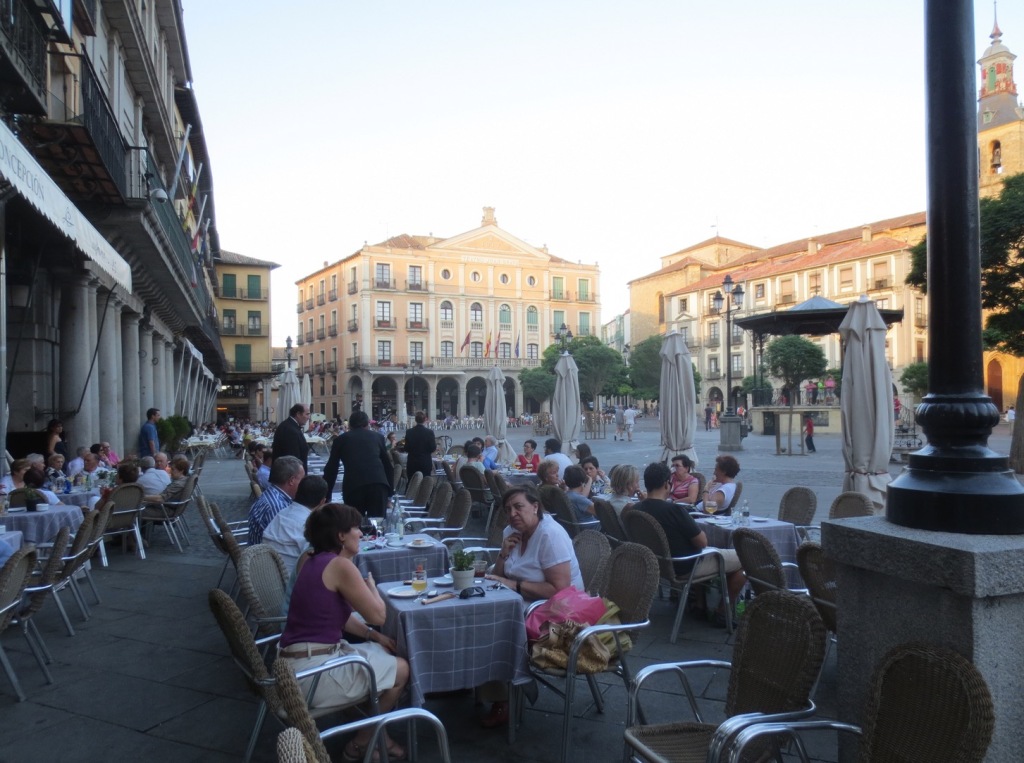
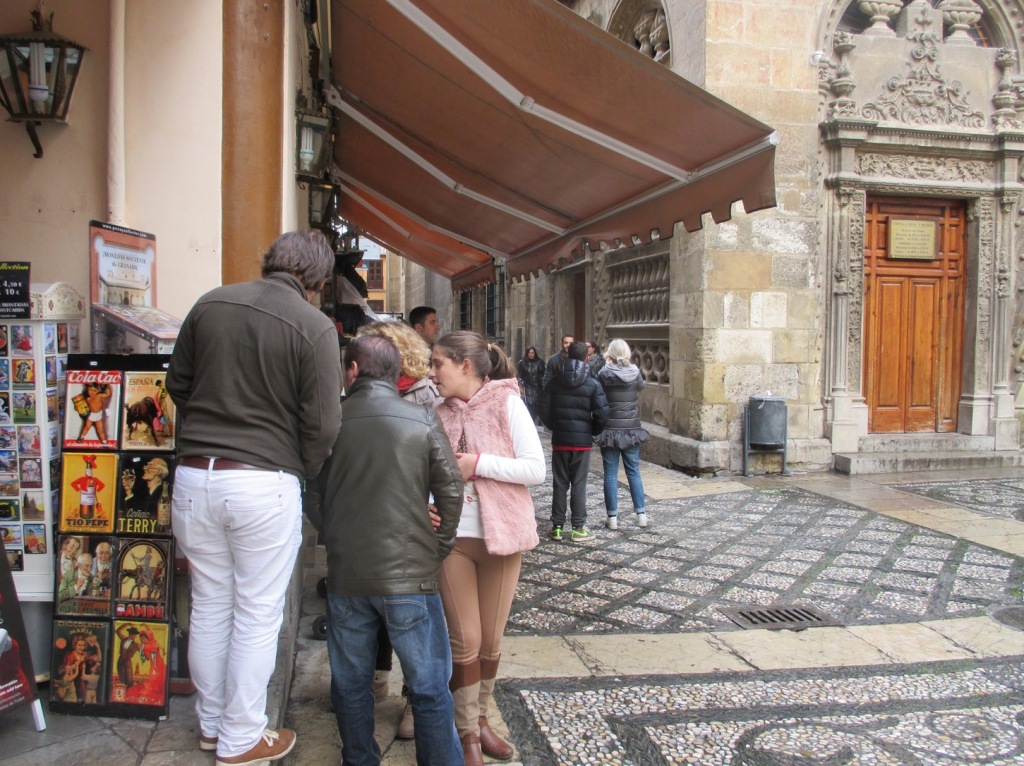
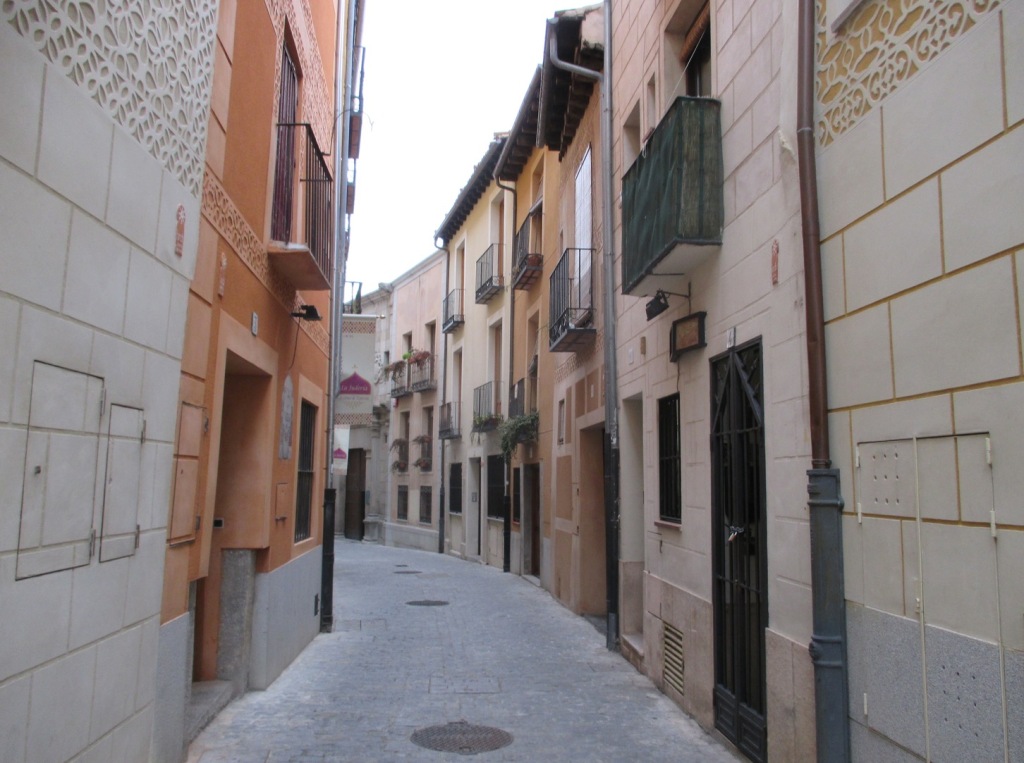
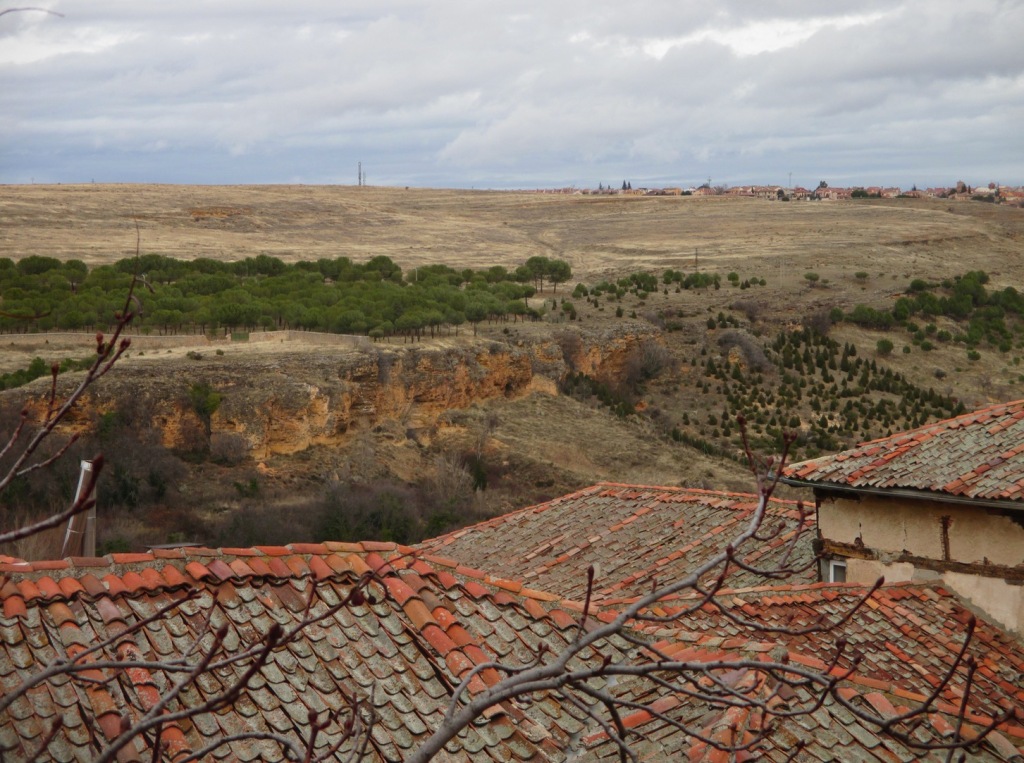
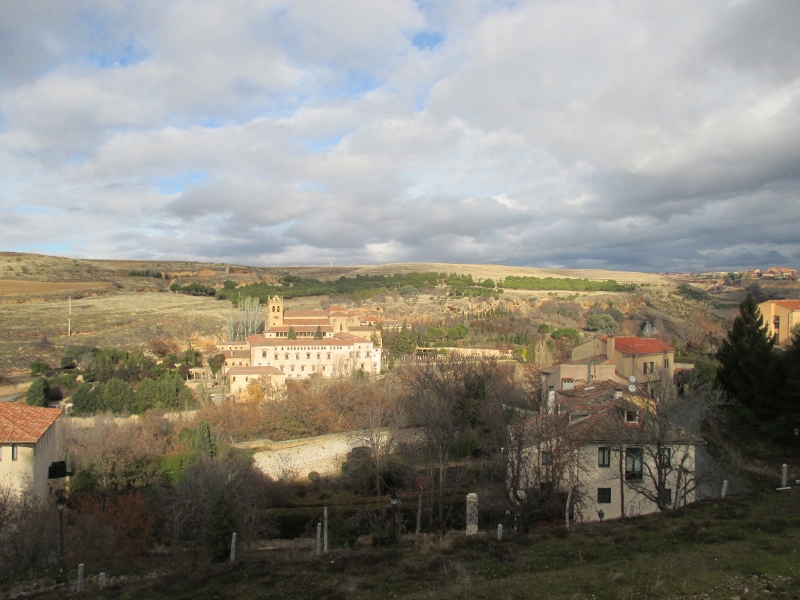
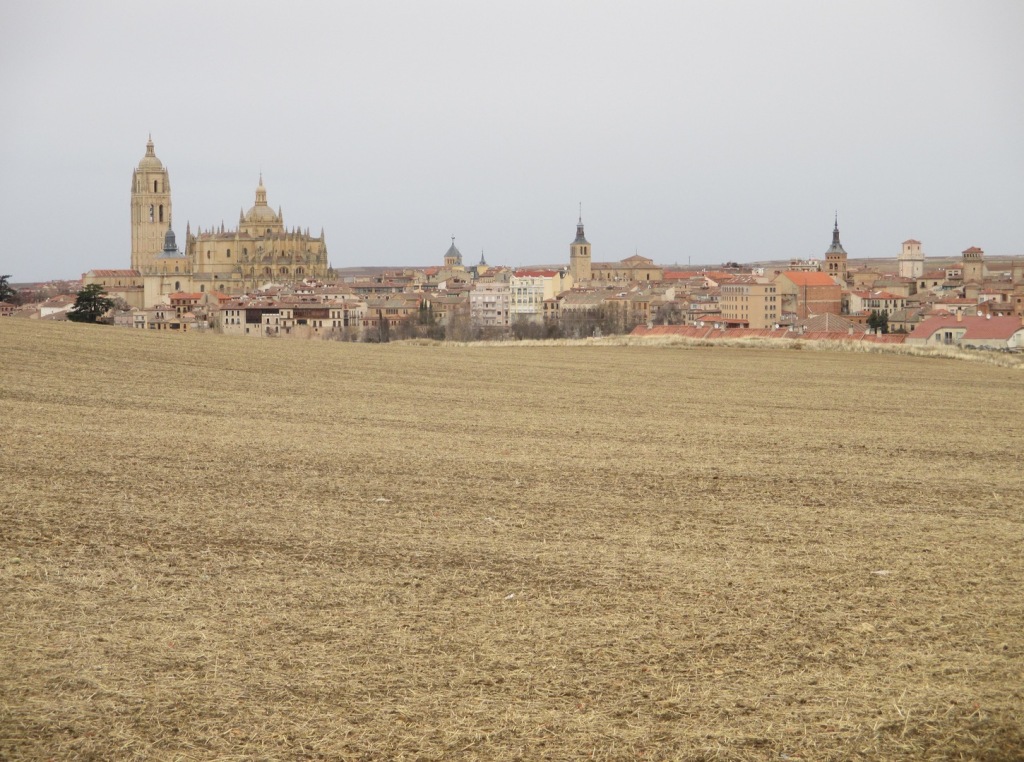
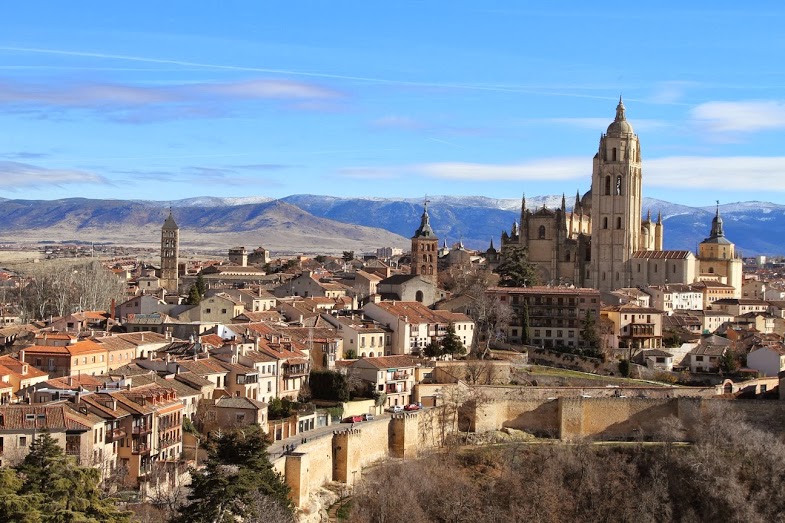
    Historically this tension between efficient urbanism and rural productivity was resolved by building compact medium density towns that were immediately surrounded by farmland. Economic opportunity, high culture, and great efficiencies were baked in to every level of the built environment. Take a fifteen minute walk from the center of town and you’ll find water, grain, grazing livestock, orchards, and all other essentials for supporting the population. A two thousand year old settlement like this one in Spain demonstrates pretty clearly that this is a sustainable model. But how does it relate to American suburbs?
    Screen Shot 2016-01-30 at 5.29.30 PM

    Screen Shot 2016-01-30 at 5.29.11 PM

    Screen Shot 2016-01-30 at 10.03.43 PM

    Screen Shot 2016-01-30 at 10.04.38 PM

    Screen Shot 2016-01-30 at 10.04.57 PM

    Screen Shot 2016-02-18 at 12.40.44 AM

    Screen Shot 2016-02-01 at 2.27.06 AM

    Screen Shot 2016-01-30 at 10.24.23 PM

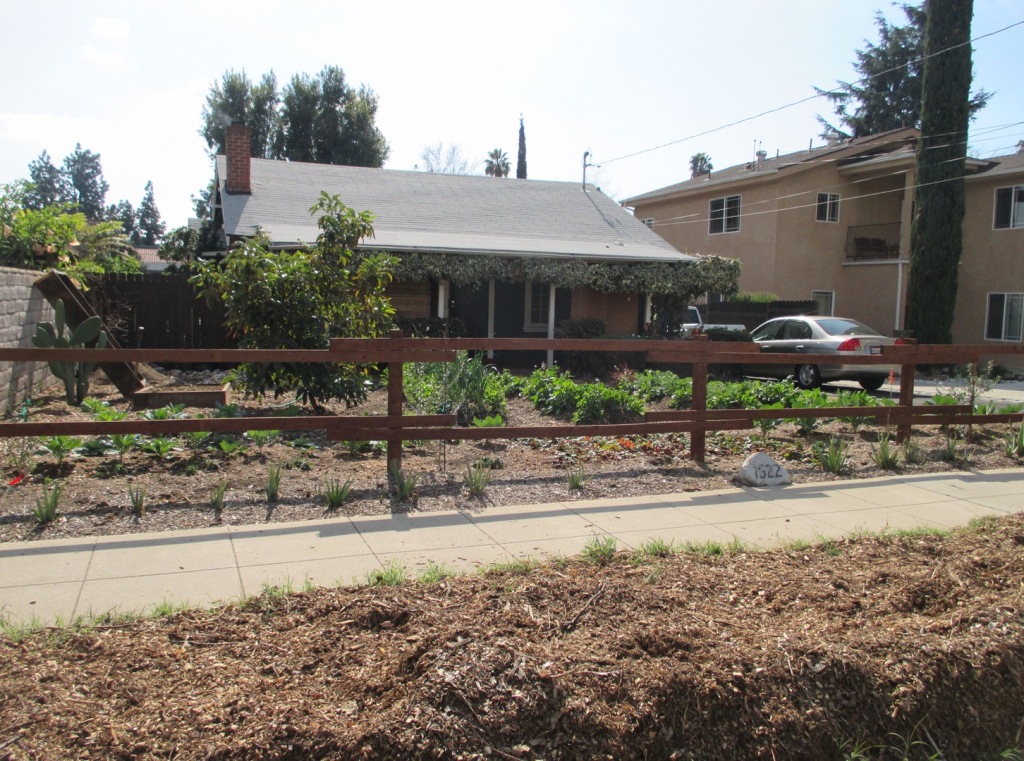
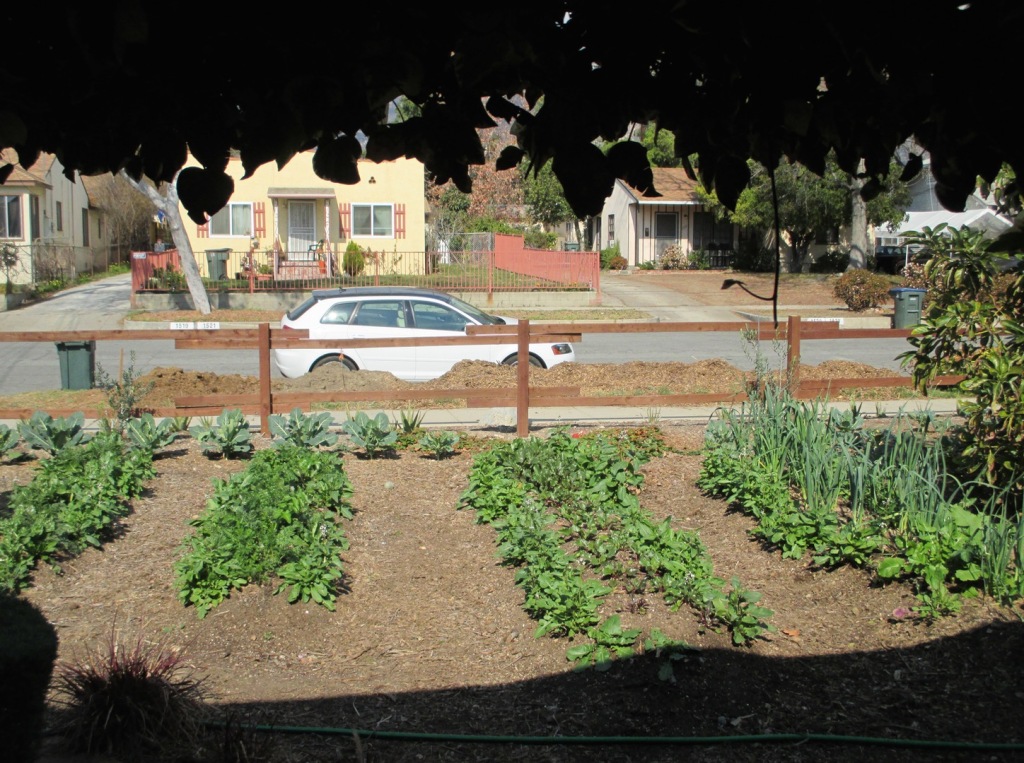
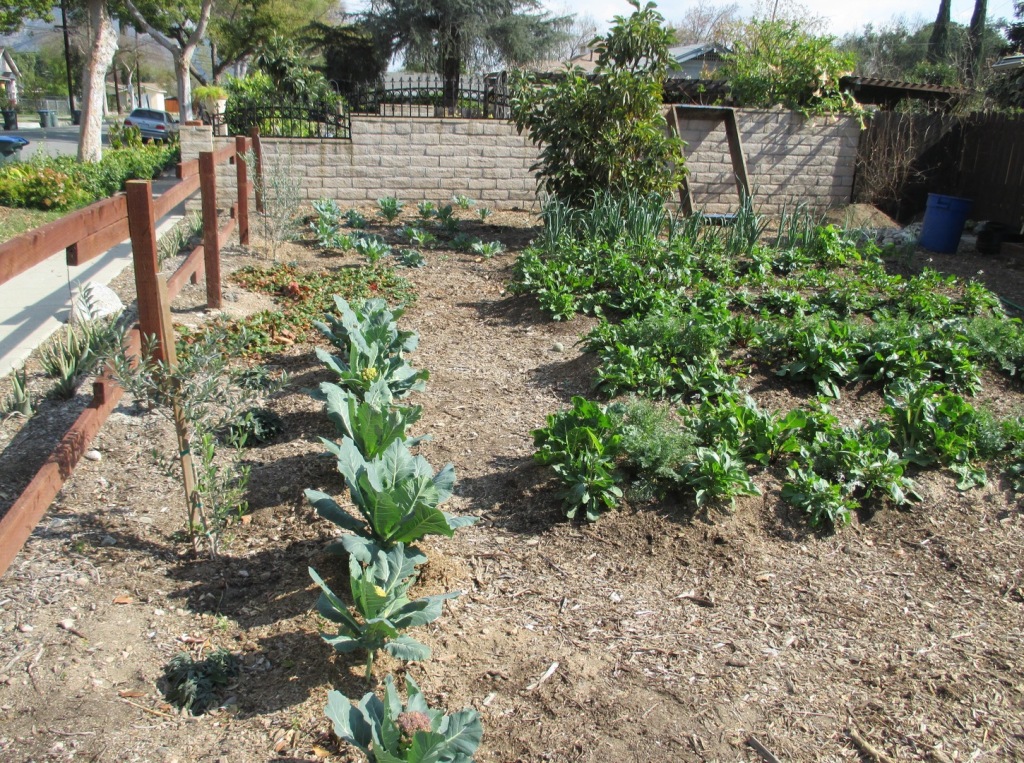
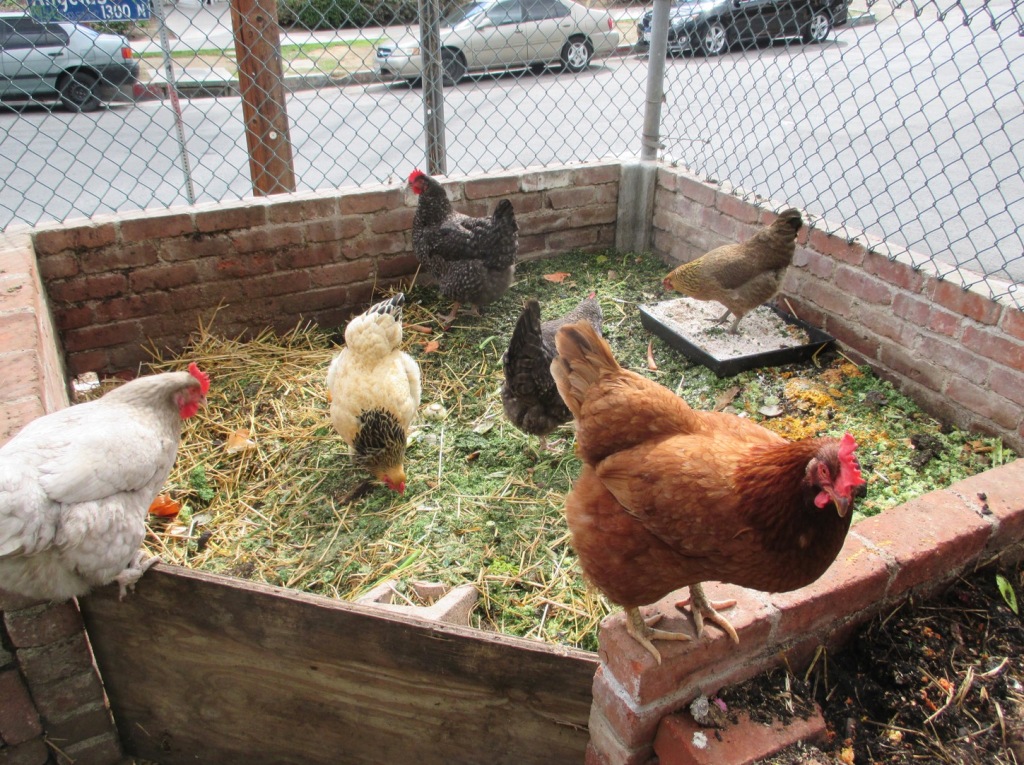
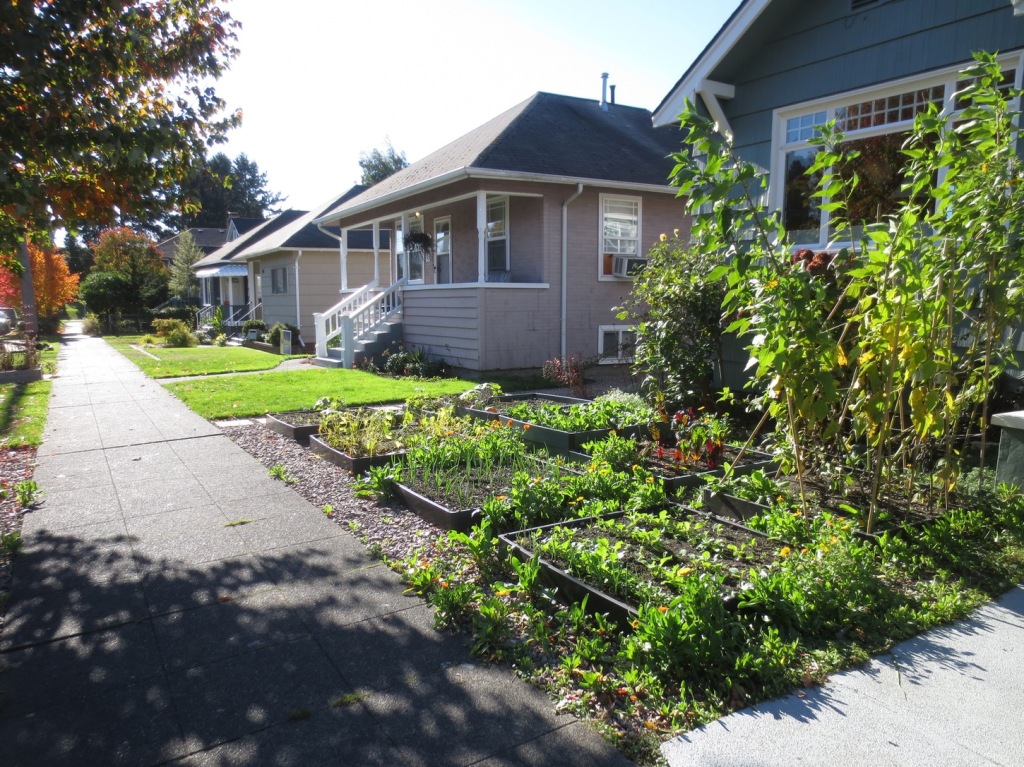
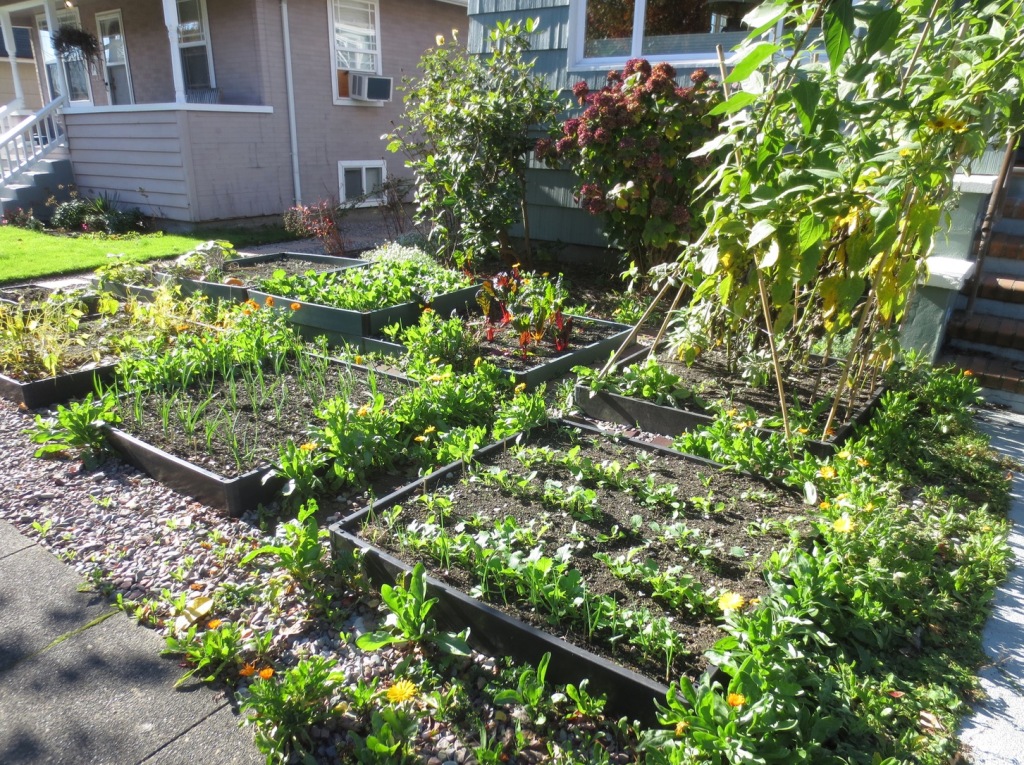
    The typical suburban home is surrounded by a modest patch of garden. Instead of growing a lawn (the largest single crop in North America) the land could be producing fresh food. Ornamental shrubs and specimen trees could just as easily be fruit bearing. No need to truck in refrigerated lettuce from 1,500 miles away. The supply chain is effectively reduced to a matter of feet. There’s no need for battery hens from a distant factory farm. This transforms a consumptive landscape into a productive property. No one is suggesting this is “self sufficient”. But it’s a huge step up from having a kitchen full of Lean Cuisine, Fruit Loops, and Go-Gurt from the supermarket.
    Screen Shot 2016-01-30 at 10.23.22 PM

    Screen Shot 2016-01-30 at 10.21.38 PM

    Screen Shot 2016-01-30 at 10.23.06 PM

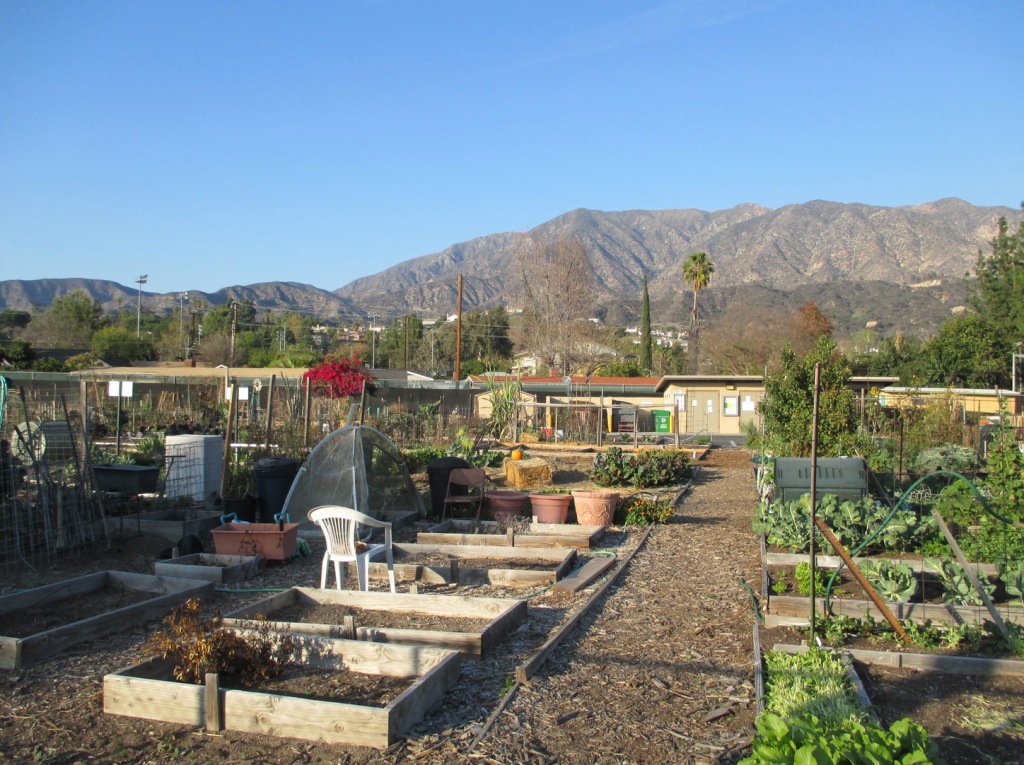
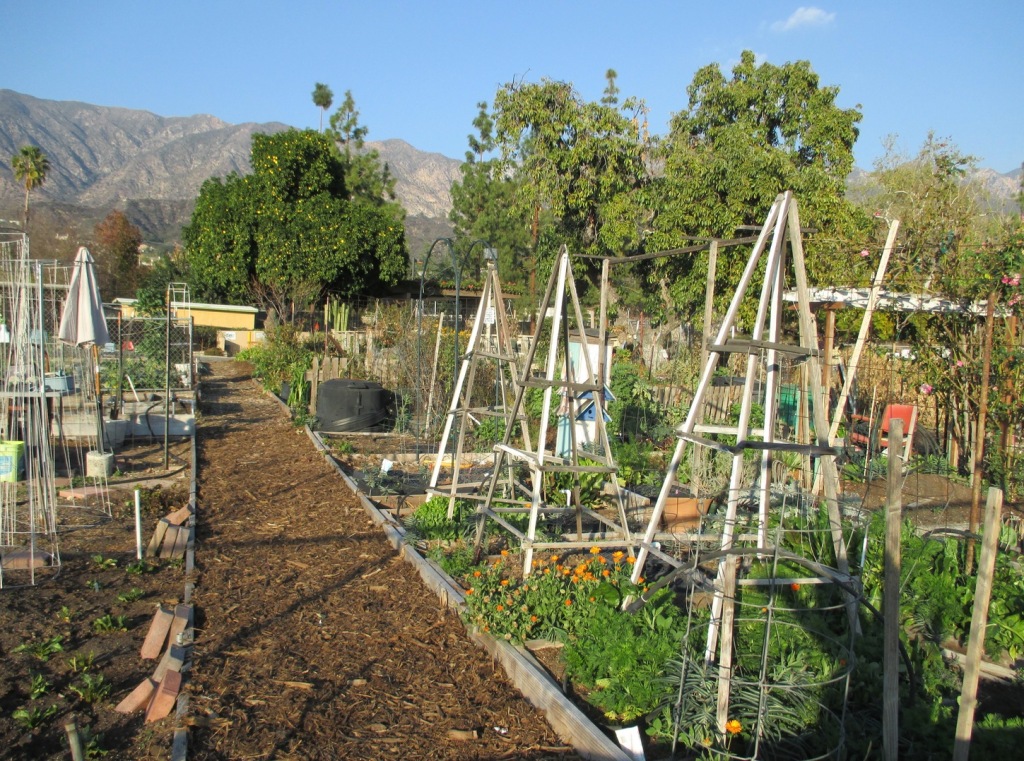
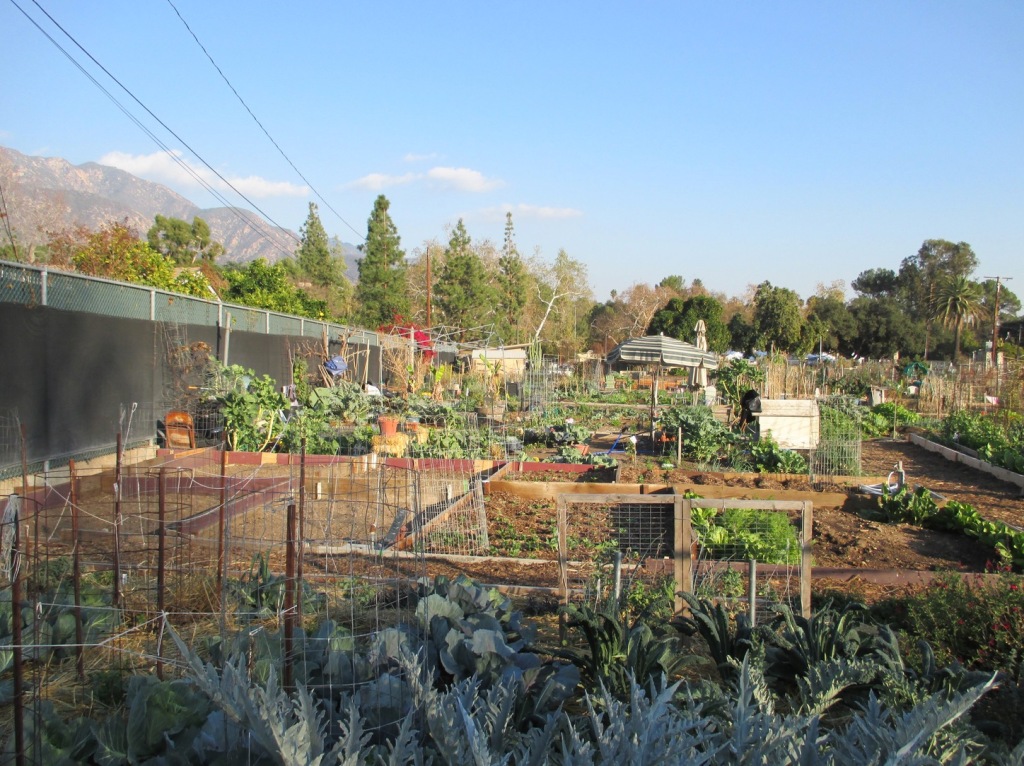
    In addition to home gardens suburbia is full of places that can be transformed into community gardens. Every church, school, and vacant parking lot is a potential veggie patch or orchard.
    Screen Shot 2016-02-18 at 12.23.05 AM

    Screen Shot 2016-02-17 at 1.13.15 PM

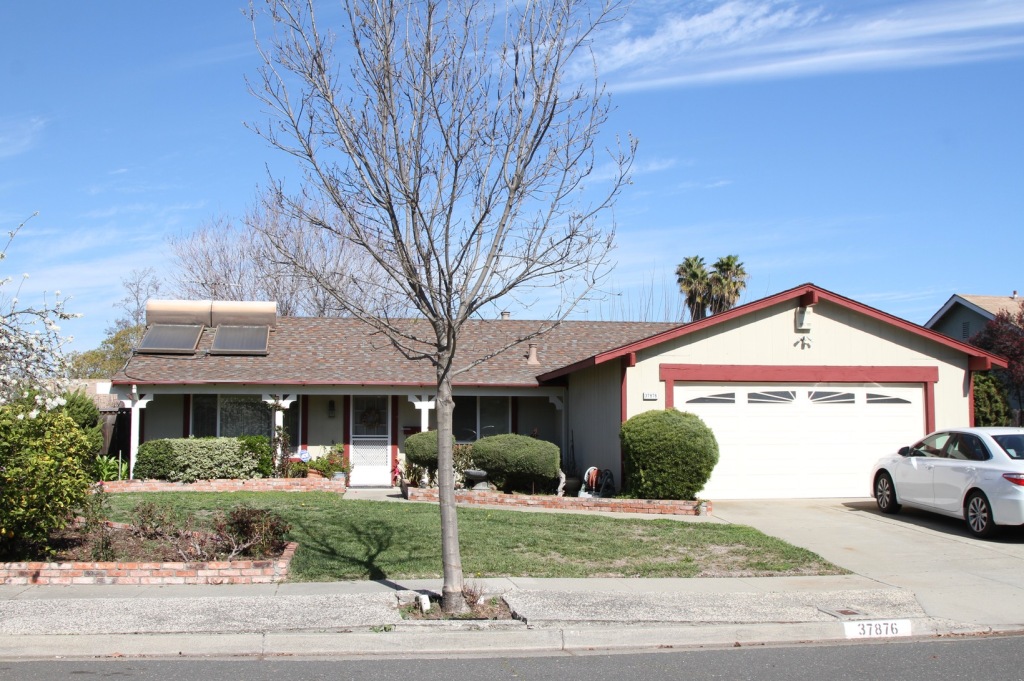
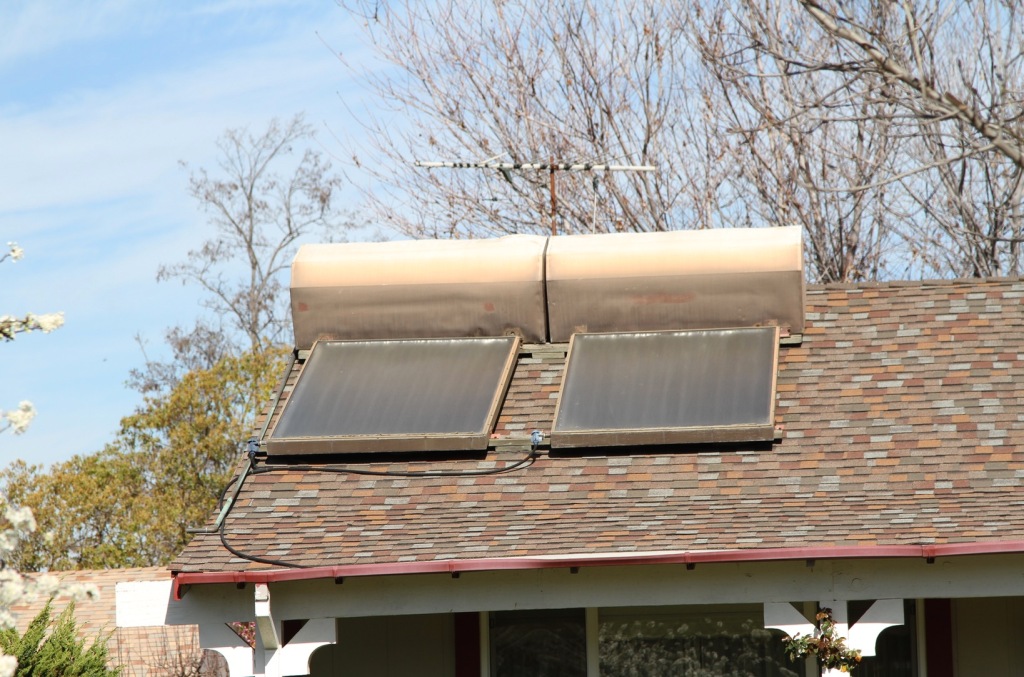
    This solar water heater is the biggest bang for the green buck. A couple of tanks, some black boxes covered in glass, a little pump… and you’ve got free hot water for decades. The cheapest and greenest energy is always the power you don’t need to use in the first place.
    Screen Shot 2016-02-18 at 12.17.53 AM

    Screen Shot 2016-02-17 at 1.13.26 PM

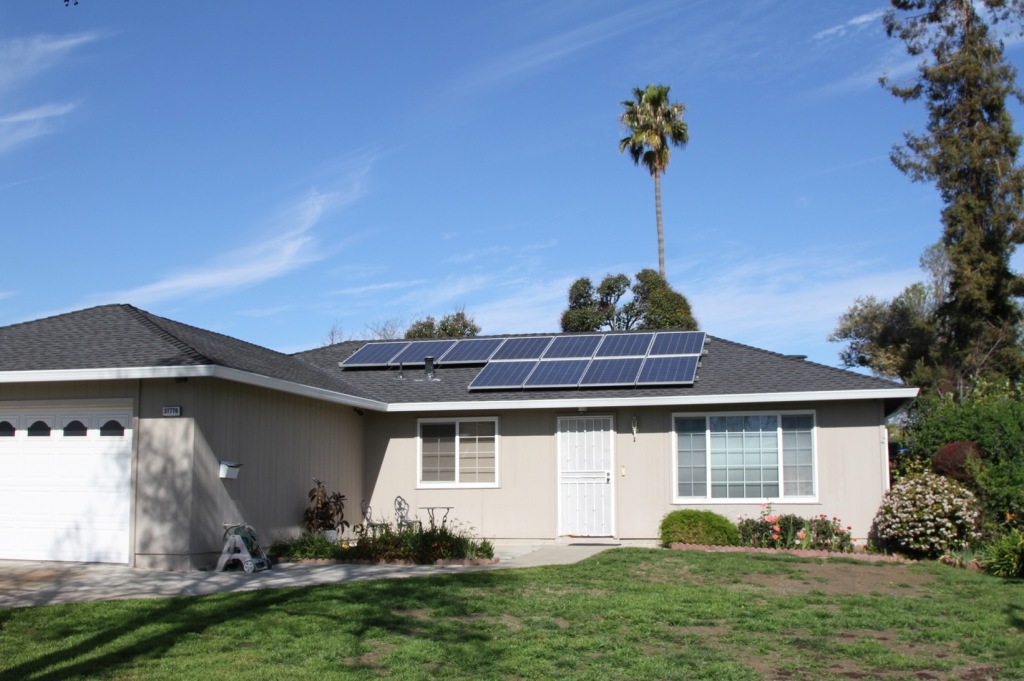
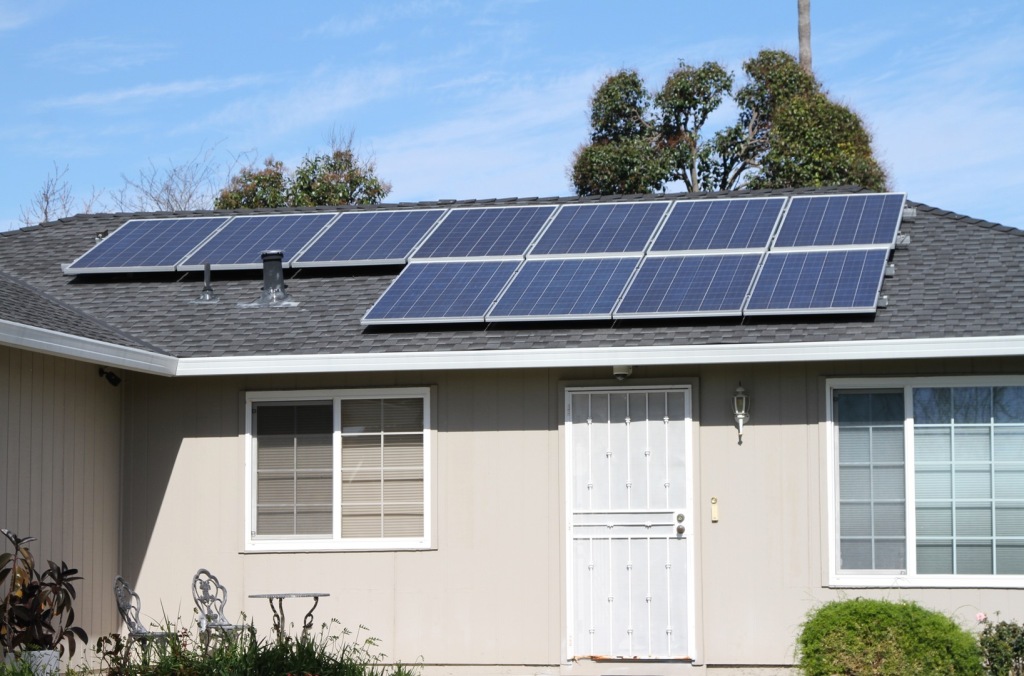
    A modest number of photovoltaic panels can often provide nearly all the electricity for a suburban home, particularly if the house was first fitted with high efficiency lights and appliances. Combine this with loads of insulation, solar hot water, and a food garden and a suburban home begins to resemble a small family homestead in the country.
    Screen Shot 2016-01-30 at 10.58.30 PM

    Screen Shot 2016-01-30 at 10.56.36 PM

    Screen Shot 2016-01-30 at 2.14.11 PM

    Screen Shot 2016-01-30 at 2.14.28 PM

    Screen Shot 2016-01-30 at 2.14.46 PM

    Screen Shot 2016-01-31 at 2.44.44 AM

    Screen Shot 2015-09-09 at 11.58.24 PM

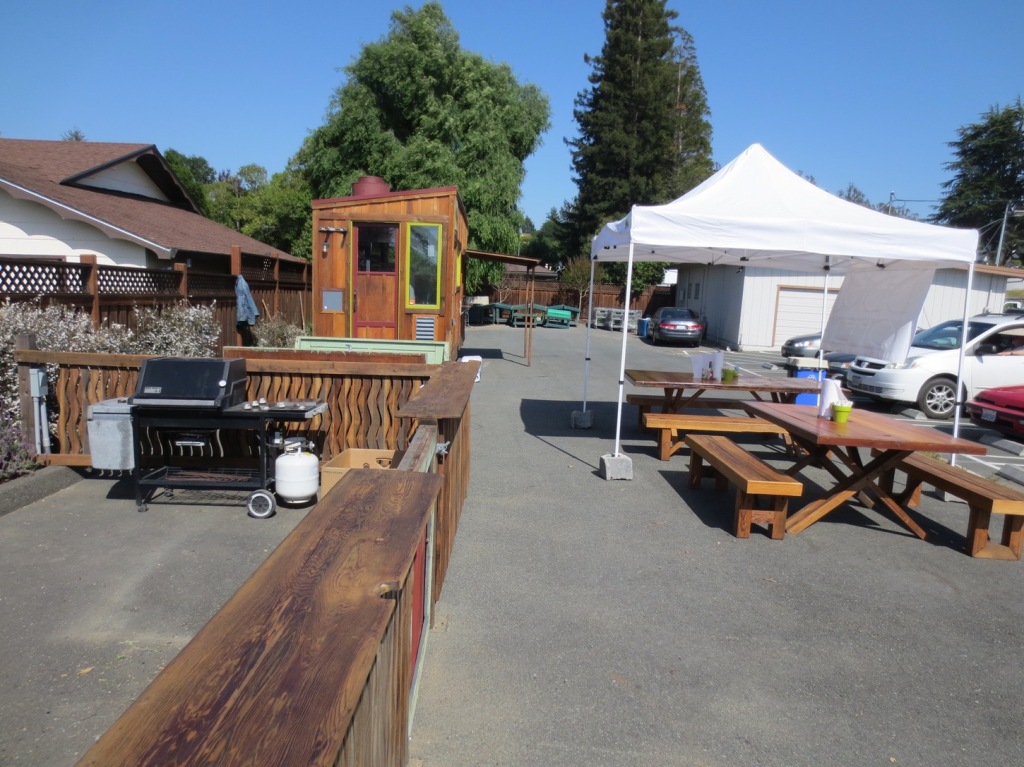
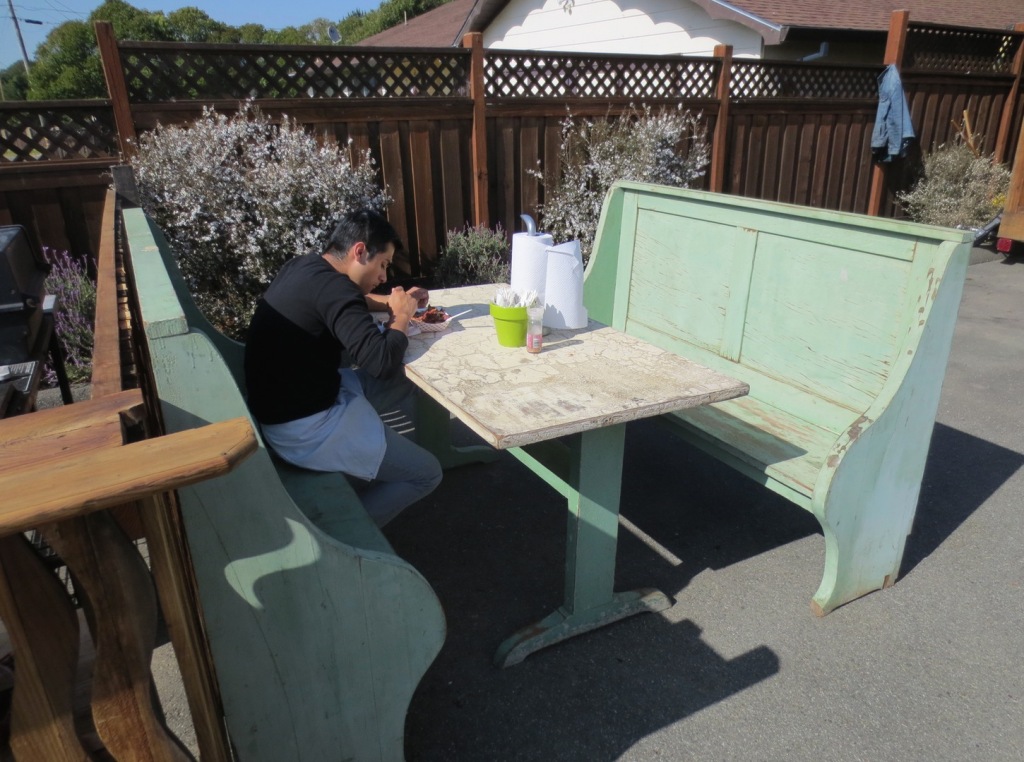
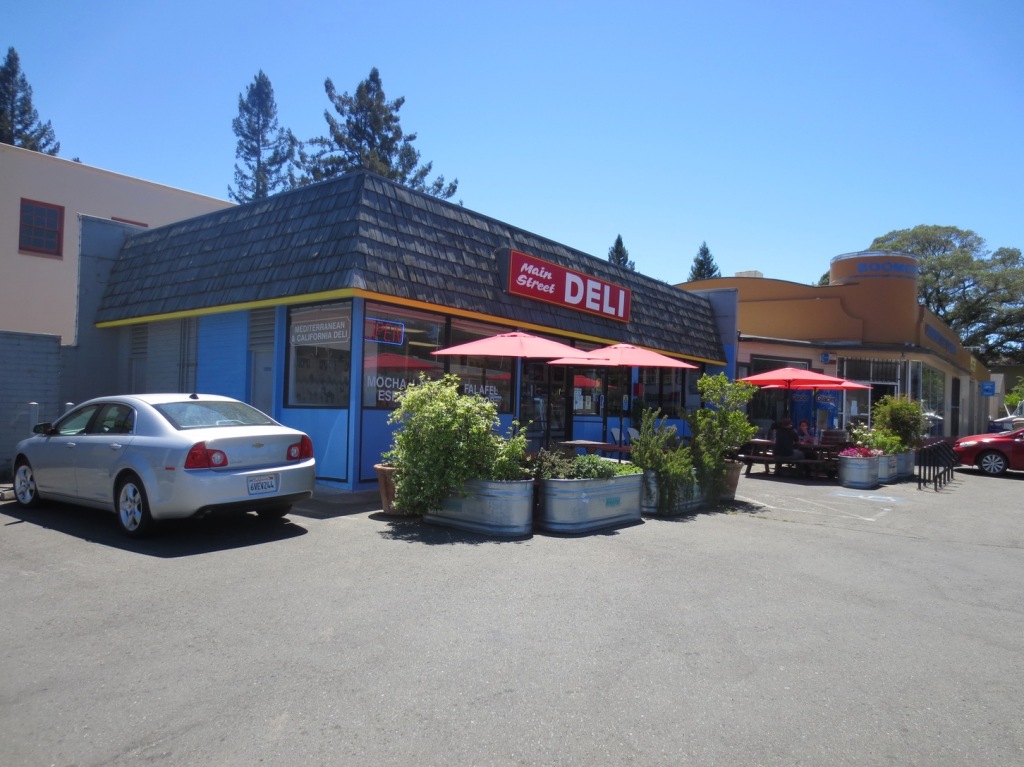
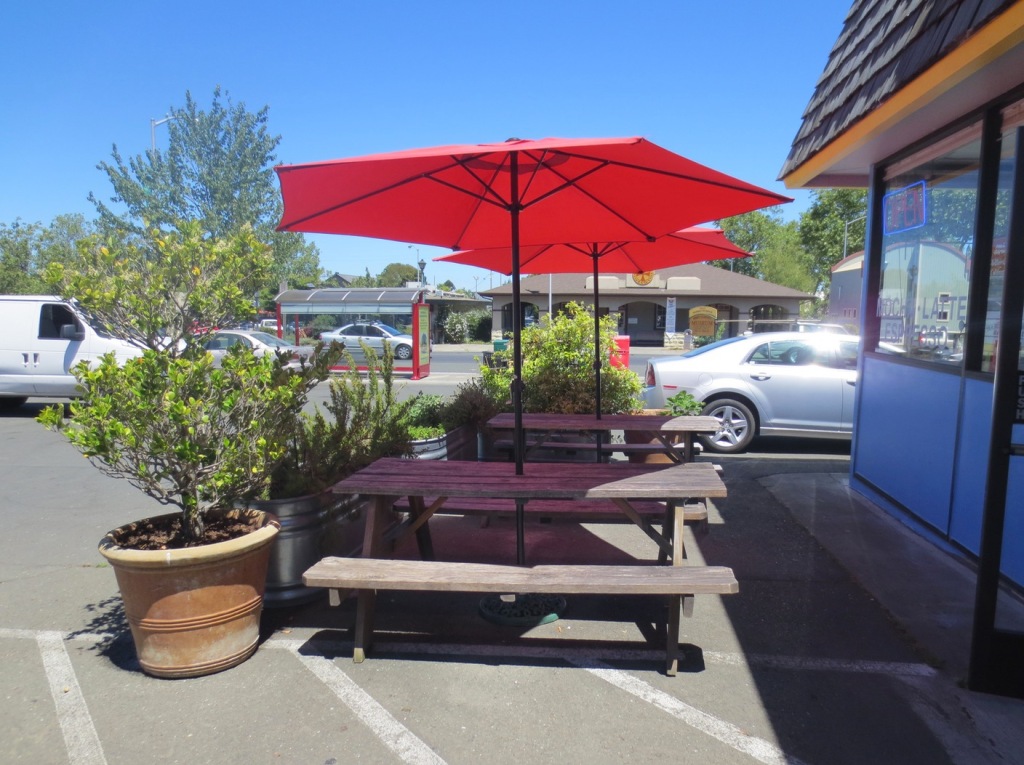
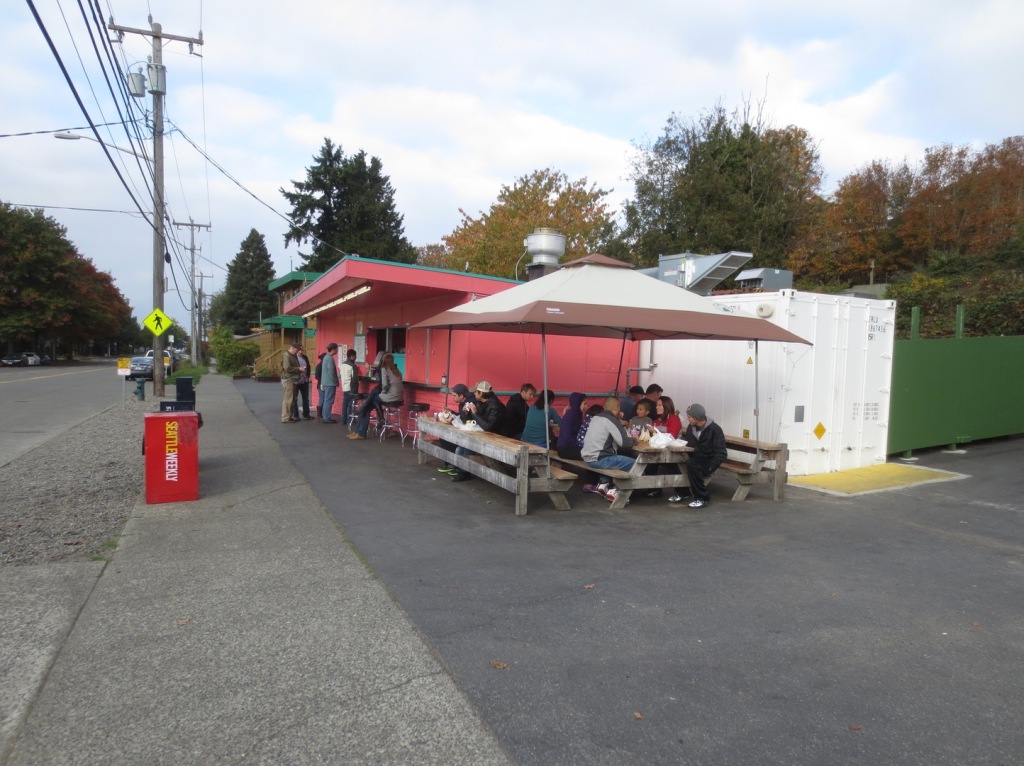
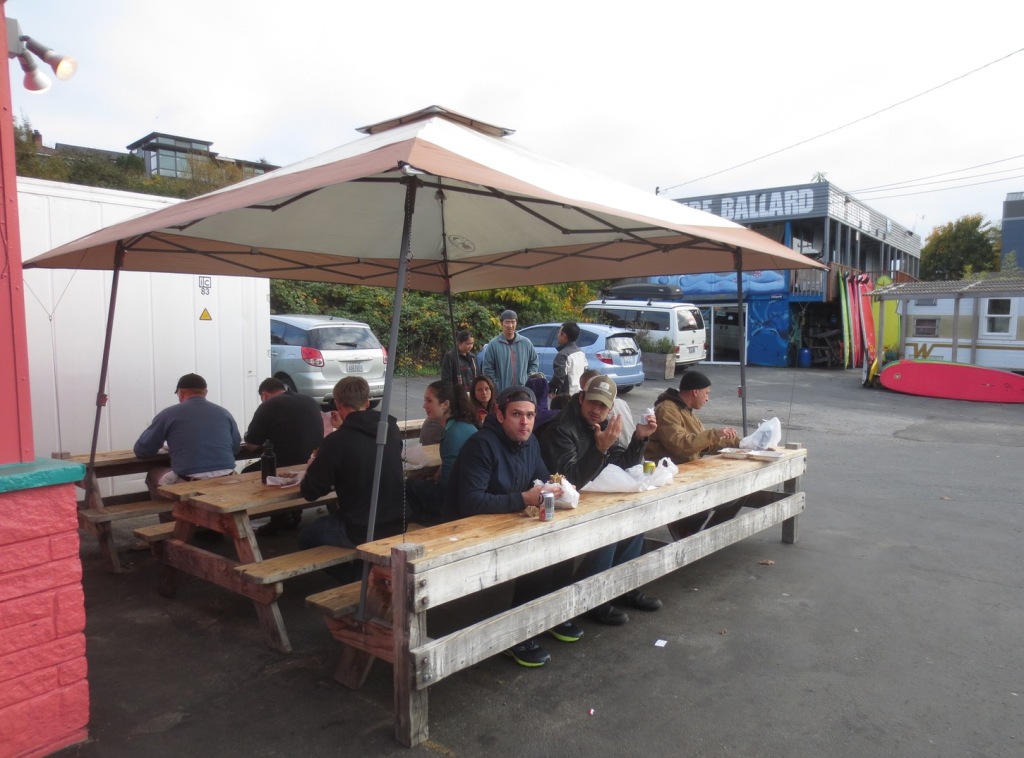
    The weakest aspect of suburbia has always been the impoverishment of the public realm. Suburbs are first and foremost about private space. In order to become more vibrant parts of the suburbs need to be activated with shared community spaces. These strip mall parking lot cafes may not resemble Paris, but they do the job in a straightforward cost effective manner. The food is good. The company is pleasant. Commerce and culture can start to take baby steps. If many more such places are allowed to gradually evolve and connect they might eventually turn in to something more refined and dynamic.
    Screen Shot 2016-02-01 at 2.52.37 AM

    Screen Shot 2016-02-01 at 2.53.06 AM

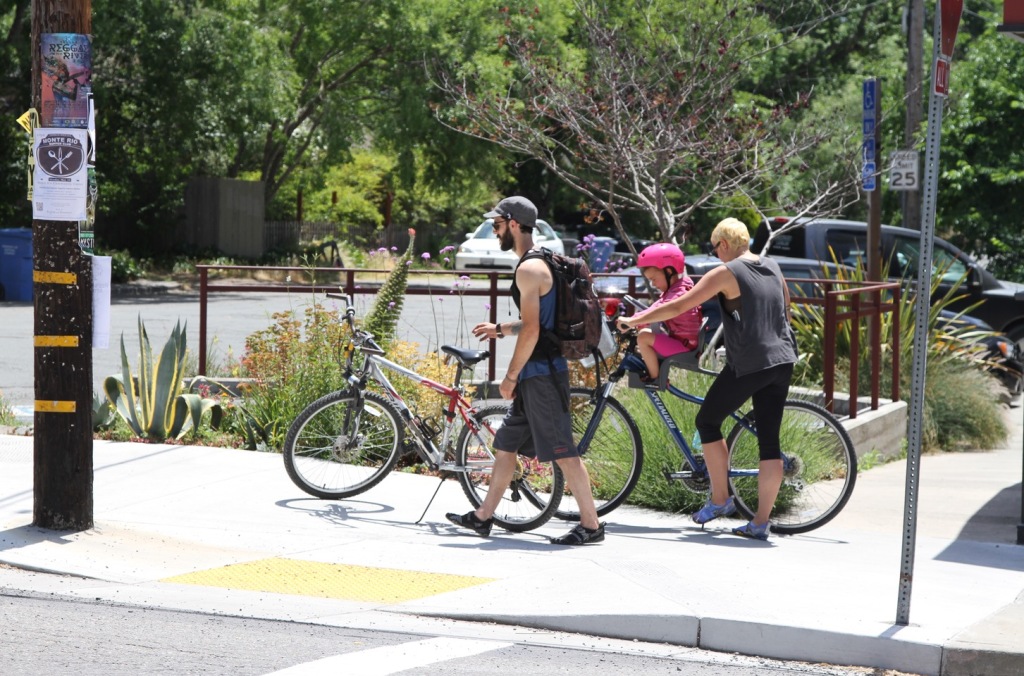
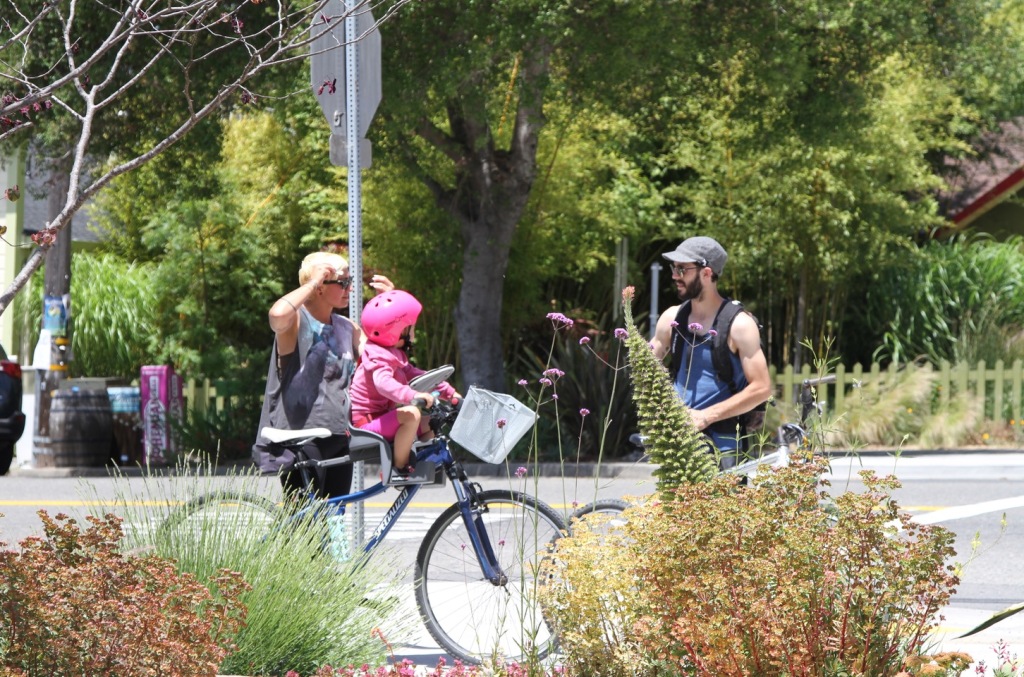
    There will always be people who prefer to drive no matter what. And the suburbs do provide serious challenges when it comes to alternative forms of mobility. Public transit rarely works well in dispersed sprawling environments. Honestly, I don’t think it’s worth even trying to serve most suburban neighborhoods with transit. But knitting together the viable parts of suburbia with bike infrastructure is so incredibly cheap that it’s worth doing in places where people value the option. Most folks may still drive, but they may not need to do it nearly as often if walking and biking are at least reasonable options.
    Screen Shot 2016-02-17 at 1.10.51 PM

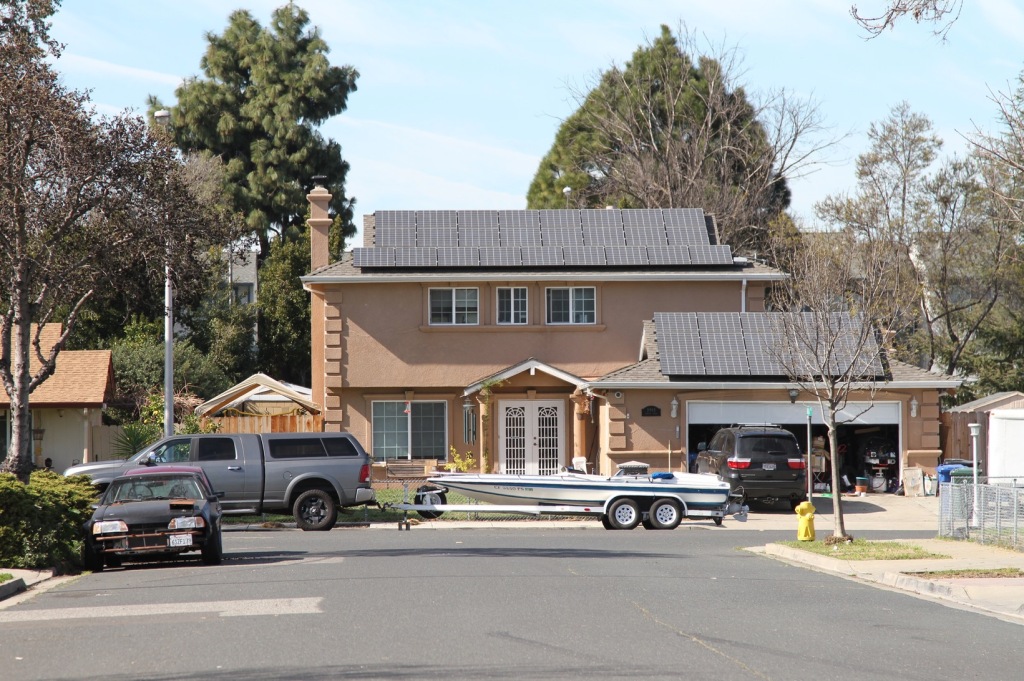
    While I’m at it, I’d like to describe what isn’t sustainable. Massive solar arrays on suburban rooftops appear to be a step in the right direction. But look closer. This homeowner could have installed far fewer panels and spent the remaining money on added insulation and energy efficiency instead. But being frugal and productive was never really the goal here.
    Screen Shot 2016-02-17 at 1.12.17 PM

    Screen Shot 2016-02-17 at 1.11.46 PM

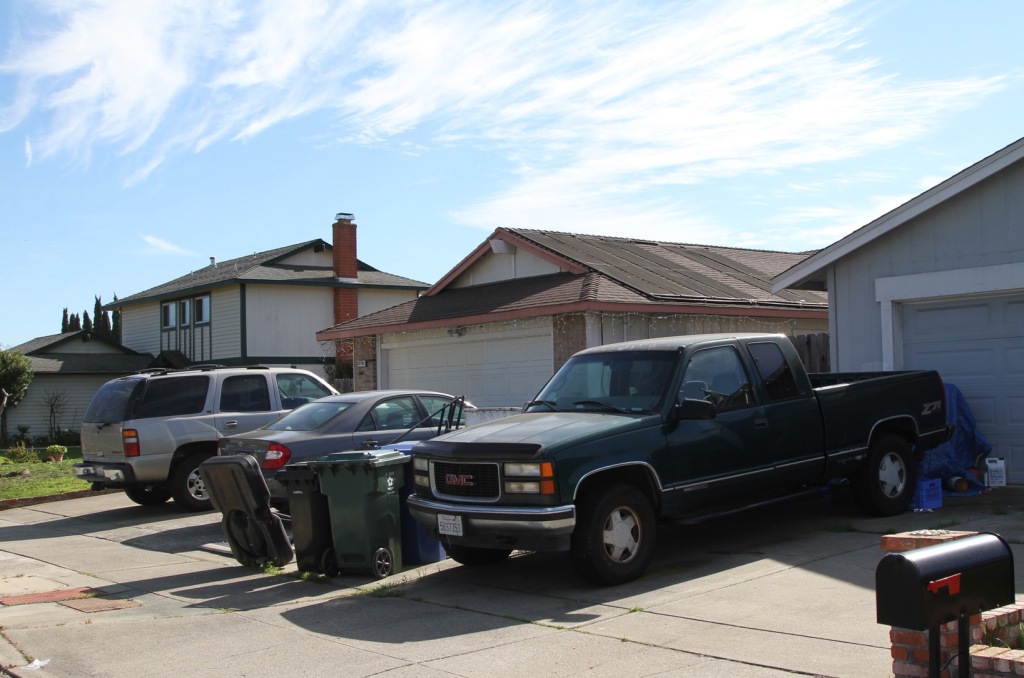
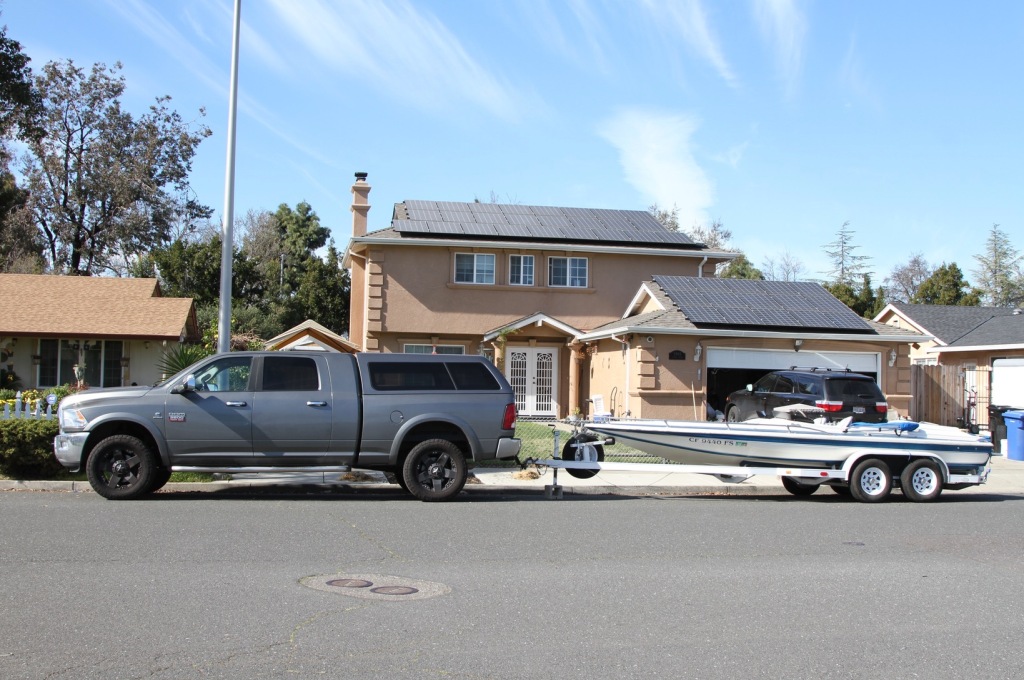
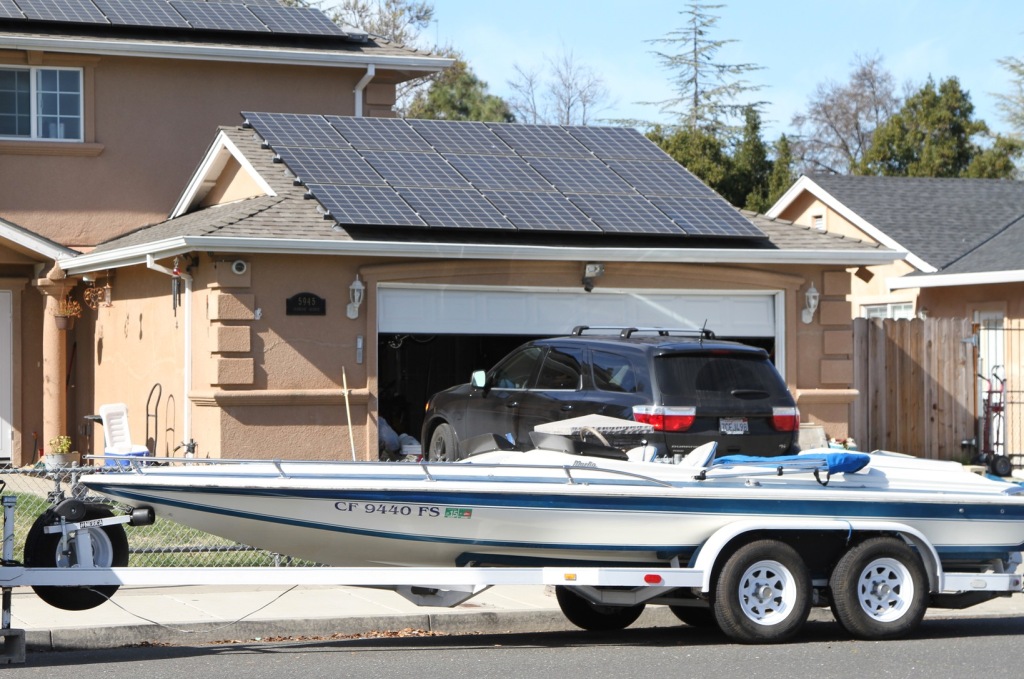
    Next to the sterile lawn are all sorts of toys that run on liquid fuels. I’m not saying people shouldn’t have playthings. I’m saying these items are expensive and disposable and were almost certainly bought on credit. The extended cab pick up truck has never seen a sheet of plywood, an eight foot length of pipe, or a bale of hay. It’s sport. Not utility. The speed boat isn’t exactly built for fishing. This is standard suburban debt and consumption. It’s fragile and unlikely to hold up well over the long haul.

    John Sanphillippo lives in San Francisco and blogs about urbanism, adaptation, and resilience at granolashotgun.com. He’s a member of the Congress for New Urbanism, films videos for faircompanies.com, and is a regular contributor to Strongtowns.org. He earns his living by buying, renovating, and renting undervalued properties in places that have good long term prospects. He is a graduate of Rutgers University.

  • Saying Goodbye. Again.

    December was a record month. I’ve said goodbye to five different households of friends and neighbors. Two more are on the fence – and the fence is leaning precariously. I’m pretty aggressive when it comes to reaching out and making new friends. I practically drag people off the street and force them to eat dinner in my kitchen. But even I can’t make friends fast enough to keep up with the attrition. San Francisco is a tough town these days, even for the comfortably prosperous.

    Screen Shot 2016-01-17 at 7.54.20 AM

    Screen Shot 2016-01-17 at 7.49.12 AM

    Screen Shot 2016-01-17 at 7.52.49 AM

    No, this isn’t going to be another tiresome rant against the evils of bubble capitalism run amok. Nor will it be an affirmation that the city is a temporary stop between college and childbirth as people make their inevitable way towards the cul-de-sacs of Real Life.

    Screen Shot 2016-01-17 at 7.52.21 AM

    Screen Shot 2016-01-17 at 7.50.35 AM

    Instead, I’m asking questions. First, where are these people moving to? In these five cases: Seattle, Washington. St. Petersburg, Florida. New Orleans, Louisiana. Toledo, Ohio. Pittsburgh, Pennsylvania. Second, what are their new neighborhood destinations like? In short, a place that comes close to the qualities they love about San Francisco, but at a lower price point: older, funkier, walkable, mixed use, and lively. It seems that almost every city in America has a tiny sliver of pre-World War II Main Street urbanism left in a little pocket somewhere. And that’s where these folks are headed.

    John Sanphillippo lives in San Francisco and blogs about urbanism, adaptation, and resilience at granolashotgun.com. He’s a member of the Congress for New Urbanism, films videos for faircompanies.com, and is a regular contributor to Strongtowns.org. He earns his living by buying, renovating, and renting undervalued properties in places that have good long term prospects. He is a graduate of Rutgers University.

  • What If Singapore and Las Vegas Had a Love Child?

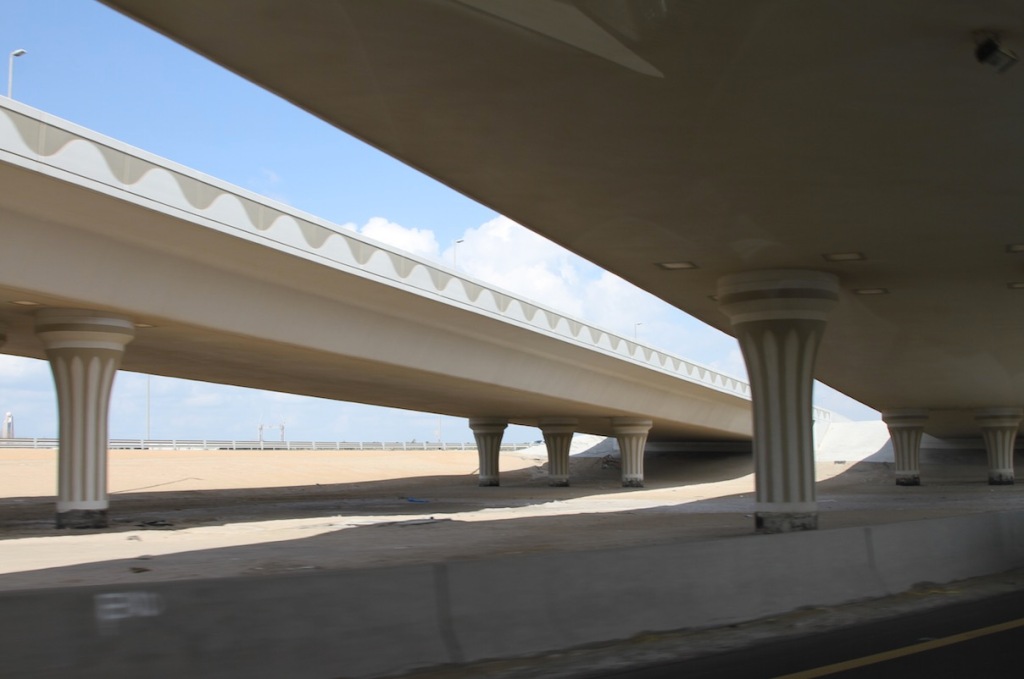
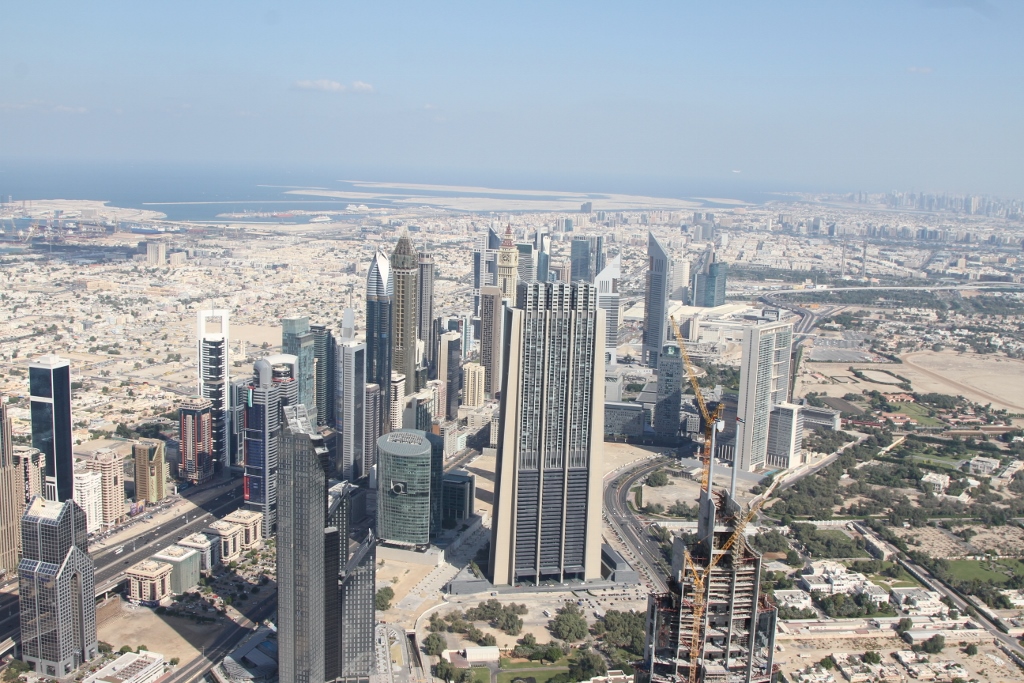
    Compared to what? That’s the question I kept asking myself as I explored Dubai for the second time. Like many people I have serious concerns about the glistening new city-state. But in the end I’ve decided that it’s all really a matter of degree, not kind. I came to this conclusion unexpectedly and begrudgingly. I wanted to hate the place much more than I ultimately did. For all its behind-the-scenes repression and social injustice Dubai is thriving primarily because so many other places are failing so spectacularly. It’s a carnival mirror held up to the rest of the world reflecting the things we don’t like to acknowledge in our own backyards.

    Screen Shot 2015-12-10 at 3.20.48 PM

    IMG_6817 (1024x646)

    IMG_6245 (1024x683)

    IMG_6355 (1024x683)

    Screen Shot 2015-12-10 at 4.42.53 PM

    Screen Shot 2015-12-10 at 4.43.28 PM

    Screen Shot 2015-12-10 at 4.27.16 PM

    Screen Shot 2015-12-10 at 5.55.32 PM

    How is an indoor ski resort in the Persian Gulf all that different from ice hockey stadiums in Houston, Miami, or Los Angeles? How is the Edmonton Mall in the frozen plains of Alberta really different from the Dubai Mall out in the desert? How is a city of over two million people kept alive in a forbidding landscape with no water or farm land? Ever been to Henderson, Nevada or Scottsdale, Arizona? Isn’t it cruel and immoral to use underpaid and exploited immigrant workers who are systematically threatened with deportation? Really? Really? Do I need to go there?

    Screen Shot 2015-12-10 at 5.02.14 PM

    Screen Shot 2015-12-10 at 5.47.14 PM

    Screen Shot 2015-12-11 at 1.07.31 AM

    Dubai is the love child of Singapore and Las Vegas. I choose these two “parents” very carefully. The founder of modern Singapore, Lee Kuan Yew, was fond of saying that what impoverished countries lacked most is good governance. Singapore was transformed from a tiny hardscrabble island nation with no hinterland or natural resources to a world class economy in a matter of forty or fifty years. Skilled management was responsible for most of that success. Singapore’s puritanical one party rule can be criticized on many levels, but providing a safe prosperous life for its people is not on that list. And its inhabitants are free to leave if they feel oppressed – which some do.

    Screen Shot 2015-12-10 at 4.46.46 PM

    Screen Shot 2015-12-10 at 5.00.33 PM

    Screen Shot 2015-12-10 at 5.02.44 PM

    Screen Shot 2015-12-10 at 5.03.10 PM

    Screen Shot 2015-12-10 at 4.48.26 PM

    Las Vegas cultivated an economy based on strategically pulling in money from outside the region. Tourism, tax havens, property investment, and retirement villas turned a one horse town in a desert wasteland into a massive growth machine. Is Vegas built to last? Probably not. But it has demonstrated some basic principles that, for the time being, are highly effective.

    IMG_5863 (1024x683)

    IMG_5852 (1024x683)

    Dubai has far less oil than its neighbors. The emires (Arabic kings) understood that once their modest supplies were pumped dry there would be nothing to fall back on. Their nation would sink into poverty and chaos. You don’t have to look very far in the region to see what happened to other nations whose leaders weren’t so thoughtful or wise. Nearby Yemen is the poster child for depletion, population overshoot, and collapse into bloodshed. 

    Screen Shot 2015-12-10 at 11.56.47 PM

    Screen Shot 2015-12-11 at 3.11.43 AM

    Screen Shot 2015-12-11 at 3.10.25 AM

    Dubai provides stability and order in a world where that’s often hard to find,so long as you can afford it. Pakistan, Sudan, and many other places are simply incapable of getting their sh*# together. In a troubled world middle and upper class people are looking for a safe haven to stash their money and their families. Dubai skims the cream off the turbulent bits of the planet. It’s a pure pay-per-view environment and the ultimate gated community. I honestly can’t blame people for choosing to relocate to Dubai when the alternative back home in Syria or Zimbabwe is what it is. This is especially true when so many other destinations aren’t so welcoming.

    Screen Shot 2015-12-10 at 4.23.20 PM

    Screen Shot 2015-12-10 at 10.44.35 PM

    Screen Shot 2015-12-10 at 10.46.06 PM

    Screen Shot 2015-12-10 at 10.47.08 PM

    Screen Shot 2015-12-11 at 3.08.52 AM

    Screen Shot 2015-12-10 at 5.58.59 PM

    Screen Shot 2015-12-10 at 6.00.07 PM

    Screen Shot 2015-12-10 at 6.08.29 PM

    Screen Shot 2015-12-10 at 6.04.38 PM

    At the same time armies of desperate workers from failed states are invited in to do the dirty heavy lifting on the cheap. Bangladesh, Pakistan, Ukraine, Burma, Nigeria, Bosnia… Depending on their skill set there’s a special niche for each type. Illiterate Malaysian men have one kind of use in construction. Pretty young women from the Philippines and Bulgaria are put to use as cleaners and nannies (among other things.) These workers are “guests” who are cycled through every couple of years thereby eliminating the need for pensions, schools, proper housing, health care, and other long term social obligations. This is the purest expression of neoconservative Reagan/Thatcherism. For better. And worse. But these workers wouldn’t be in Dubai at all if their home countries provided them with proper education and employment. 

    Screen Shot 2015-12-10 at 11.56.24 PM

    Screen Shot 2015-12-10 at 5.53.28 PM

    Screen Shot 2015-12-10 at 5.52.21 PM

    Screen Shot 2015-12-10 at 5.52.05 PM

    Screen Shot 2015-12-10 at 5.51.04 PM

    I can’t say I love Dubai or that I would ever want live there myself. But I understand it more now that I’ve poked around in person a couple times. I simply can’t criticize it in isolation without acknowledging how much Dubai is merely taking global trends to their logical extensions. From that perspective it’s a great mirror to examine conditions everywhere rather than indulge in obsessing about Dubai’s particular shortcomings. If you don’t like the place and what it stands for you might want to re-examine your own country first. They may be more similar than you think.

    John Sanphillippo lives in San Francisco and blogs about urbanism, adaptation, and resilience at granolashotgun.com. He’s a member of the Congress for New Urbanism, films videos for faircompanies.com, and is a regular contributor to Strongtowns.org. He earns his living by buying, renovating, and renting undervalued properties in places that have good long term prospects. He is a graduate of Rutgers University.
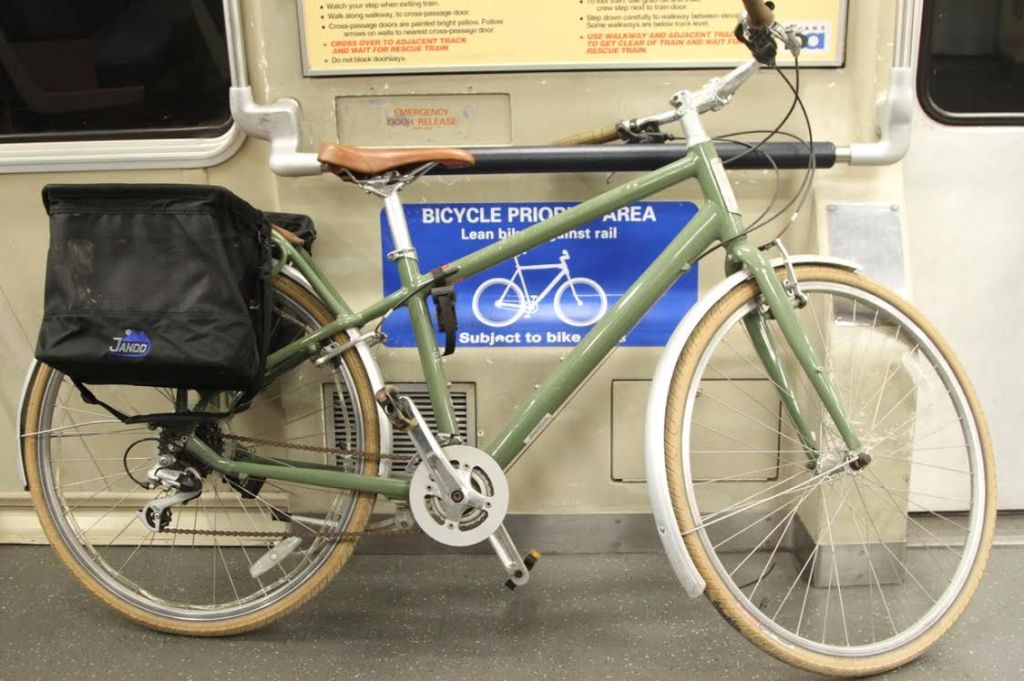
  • My Other Bicycle Is An Airbus A380

    I could be a pompous prick and brag about how I live in a compact, walkable, mixed use, transit served neighborhood in a seven hundred square foot apartment. My commute to work is measured in blocks not miles. Compared to the average North American I use tiny little sips of water and power. I already own all the physical stuff I’m ever going to need or want. I’m practically invisible in terms of my personal impact on the environment. Yet I enjoying a very high quality of life.

    oihygty

    Where’s my halo, damn it!

    Except…

    image1 (1024x765)

    IMG_7959 (1024x683)

    IMG_7965 (1024x683)

    21414f18-d6cc-481d-908f-1d8bbc5a10aa

    96d539a1-c905-49c7-8db1-3248cc2e7ad4

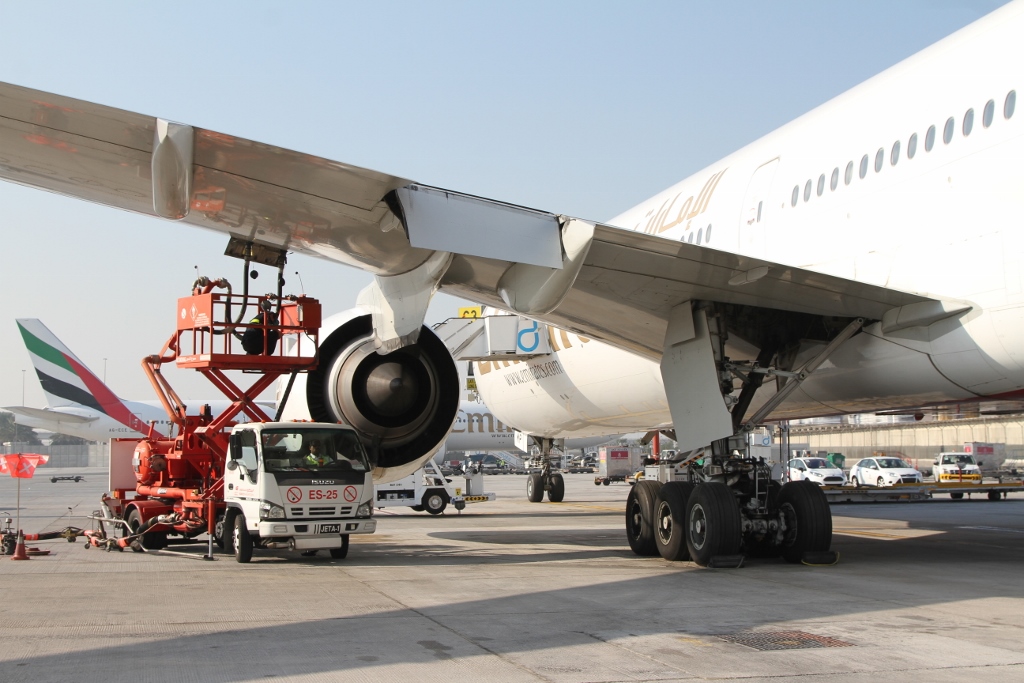
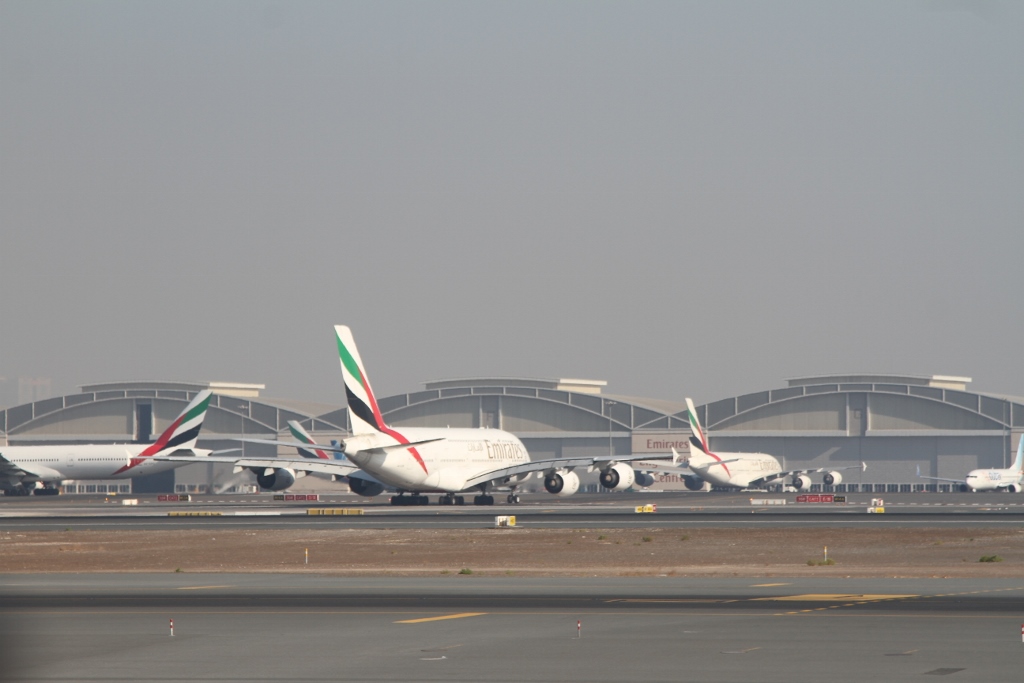
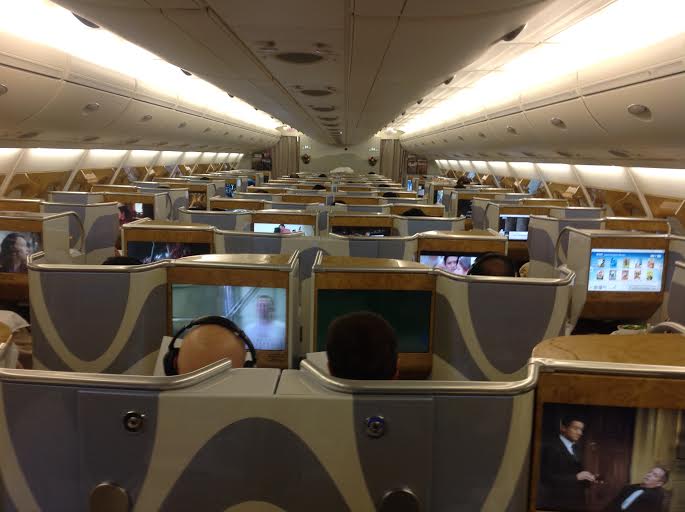
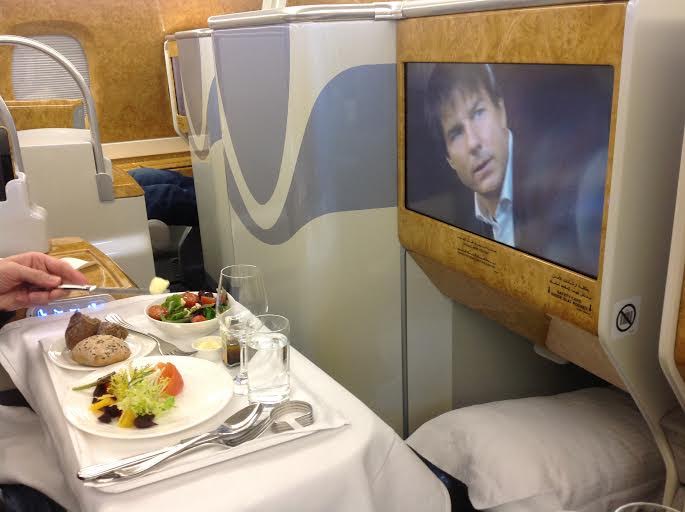
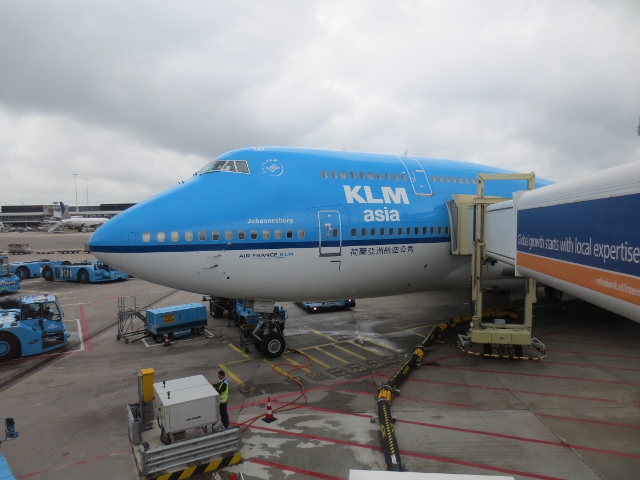
    I fly a lot. I mean… a lot. Sometimes I feel like I’m in the air more than on the ground. I fly primarily because I can. I have access to various personal and business connections that allow me to travel at heavily subsidized rates which in no way reflect the real cost of the flights – on many levels. I may as well live in a giant house on the edge of the metroplex and drive a massive SUV two hours to work every day as far as my environmental footprint is concerned. I’m really just a cheap carbon whore.

    Screen Shot 2015-07-23 at 8.59.17 PM

    Screen Shot 2015-03-30 at 1.33.16 AM

    Screen Shot 2015-03-29 at 5.03.45 PM

    I occasionally attempt to rationalize my activities. For example, I know for a fact that if I exercise restraint and stop flying entirely for the rest of my life someone else somewhere on the planet will burn up that fuel instead. The oil isn’t going to stay in the ground just because I don’t use it. The global demand for fuel is insatiable. It might be burned by an entire village of rural peasants in India over a lifetime of heating and cooking. Or it might be used in an instant to convert sea water into irrigation for a golf course in Dubai. But it’s going to be burned regardless of my individual piety.

     Screen Shot 2015-12-16 at 11.08.36 AM

    Screen Shot 2015-12-16 at 11.18.56 AM

    Screen Shot 2015-12-16 at 9.10.19 AM

    Screen Shot 2015-12-16 at 11.17.11 AM

    Like I said. This is a self serving rationalization. But it still reflects reality. And I have 7.3 billion data points to back me up. That’s the current human population all dipping in to the oil well together – and it’s a race to the bottom.

    72

    69

    71

    So here’s how I think about my nasty flying habit instead. It’s entirely discretionary. So is driving, which I do very little of. So is eating meat, which I could live without. So are most of the things I do in my life. My base consumption is very very low and it can get even lower without me feeling deprived in any way. I have a degree of personal resilience in my life. There’s slack and wiggle room. If I believed that I was part of a much larger global movement to voluntarily pull back, to make modest adjustments in order to serve a larger cohesive cause for social justice… I absolutely would. But for the moment, I see no point. We either all do this together or we don’t do it at all.

    John Sanphillippo lives in San Francisco and blogs about urbanism, adaptation, and resilience at granolashotgun.com. He’s a member of the Congress for New Urbanism, films videos for faircompanies.com, and is a regular contributor to Strongtowns.org. He earns his living by buying, renovating, and renting undervalued properties in places that have good long term prospects. He is a graduate of Rutgers University.
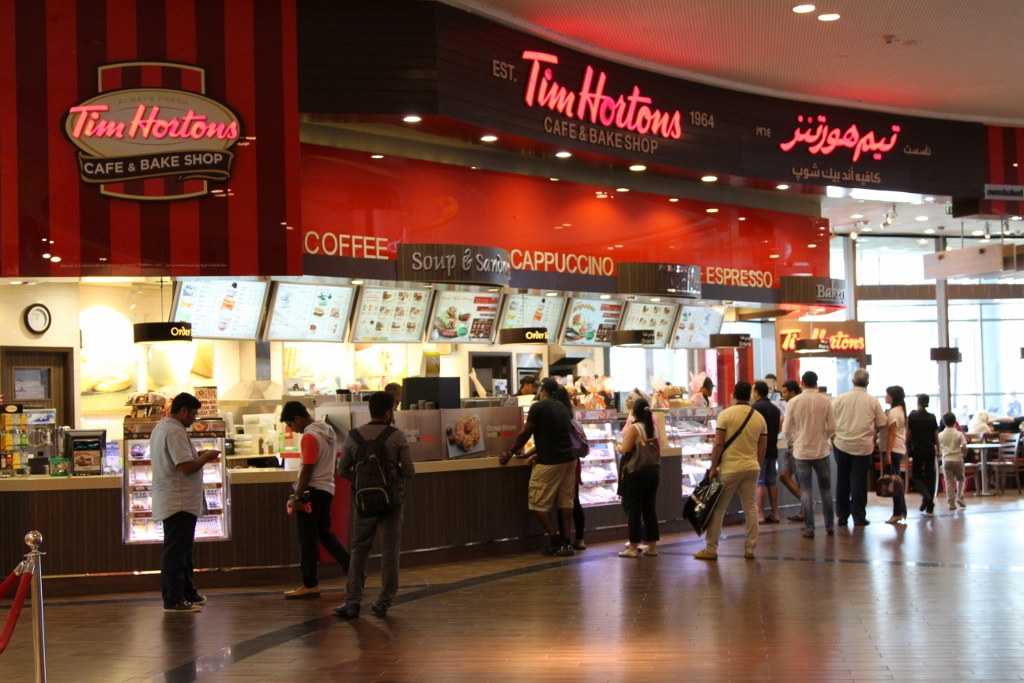
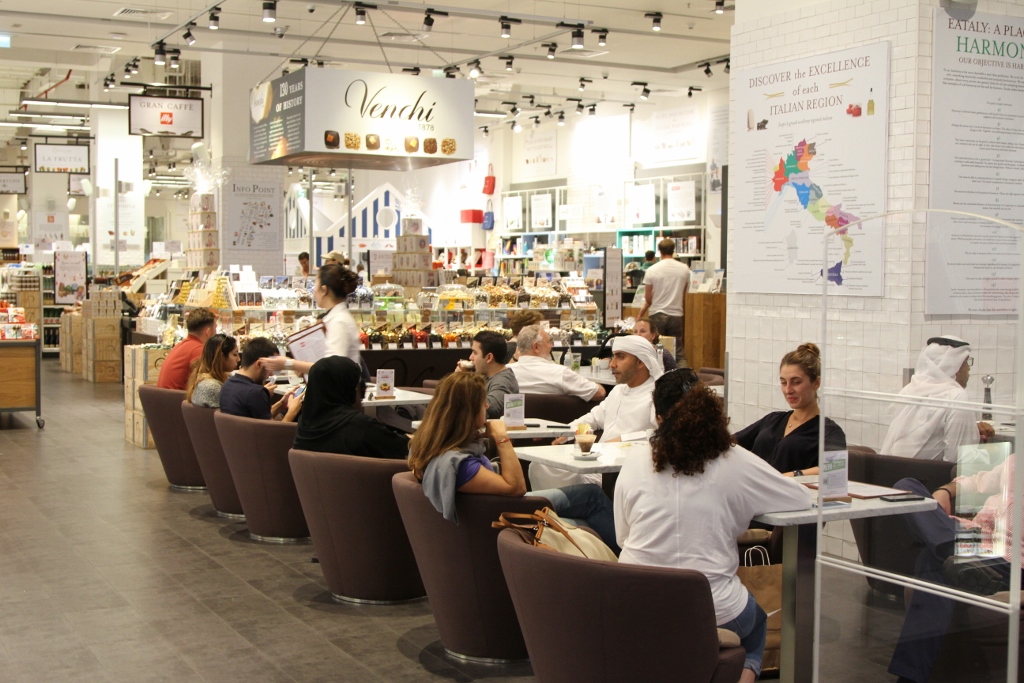
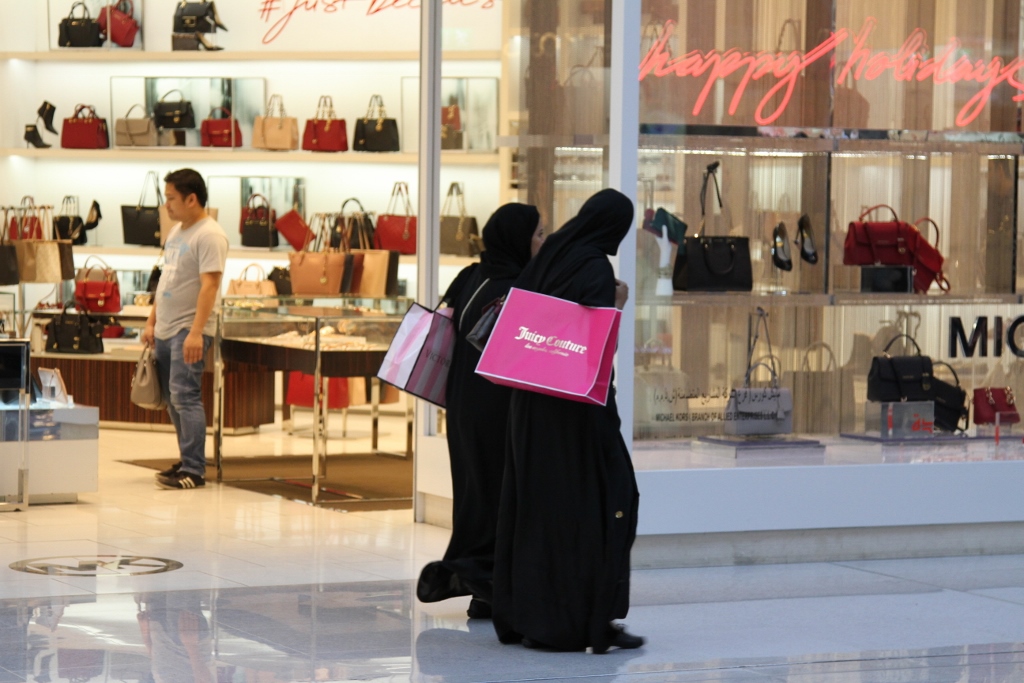
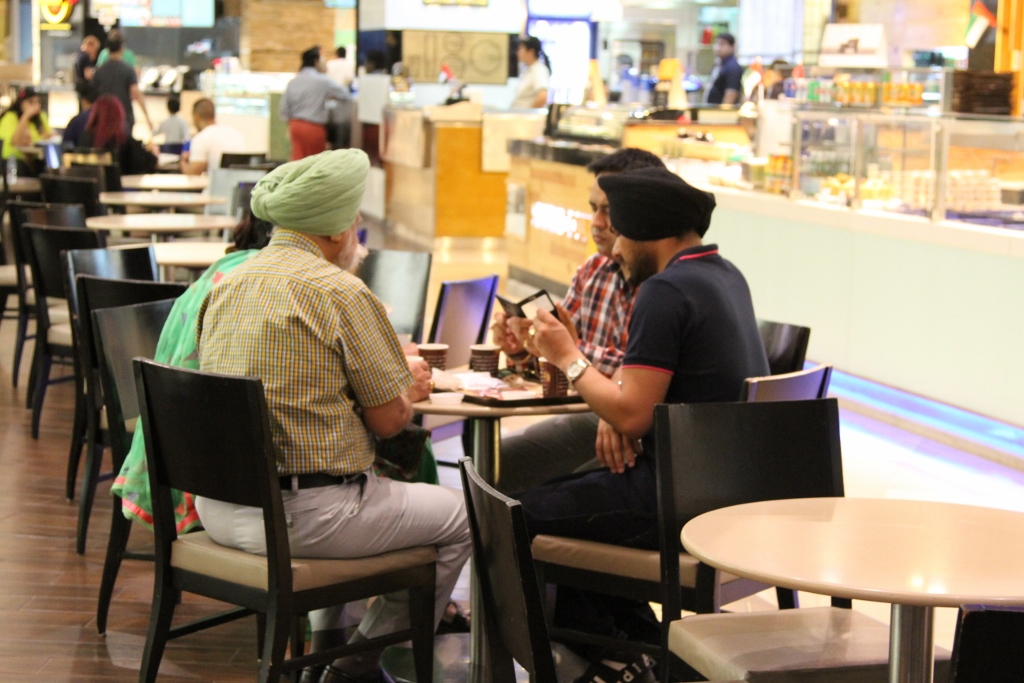
  • Black Friday: Scenes From A Mall

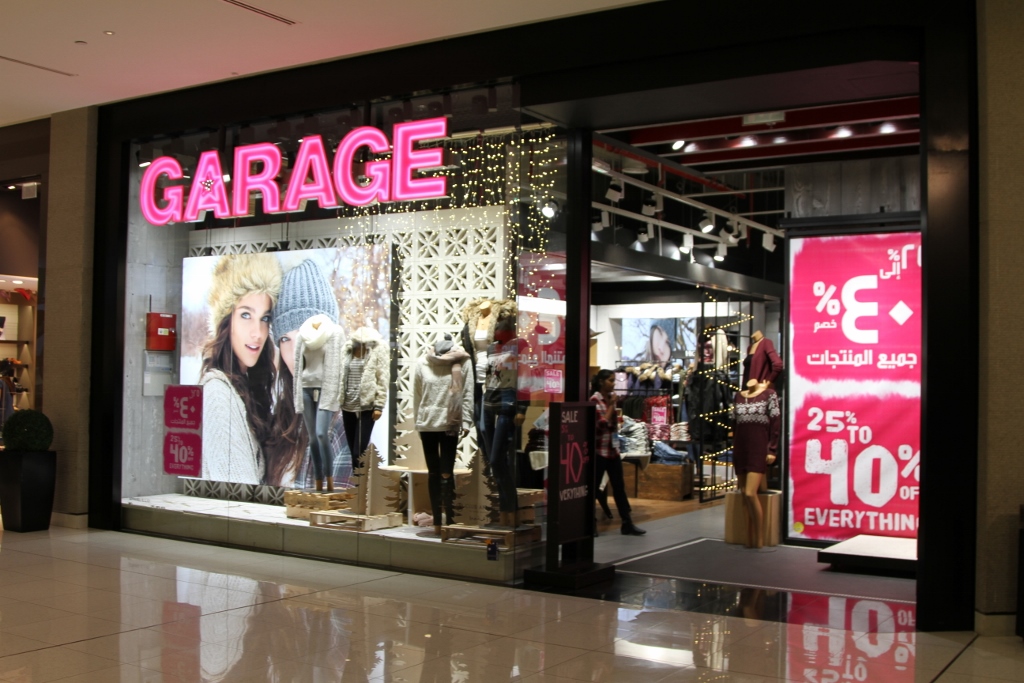
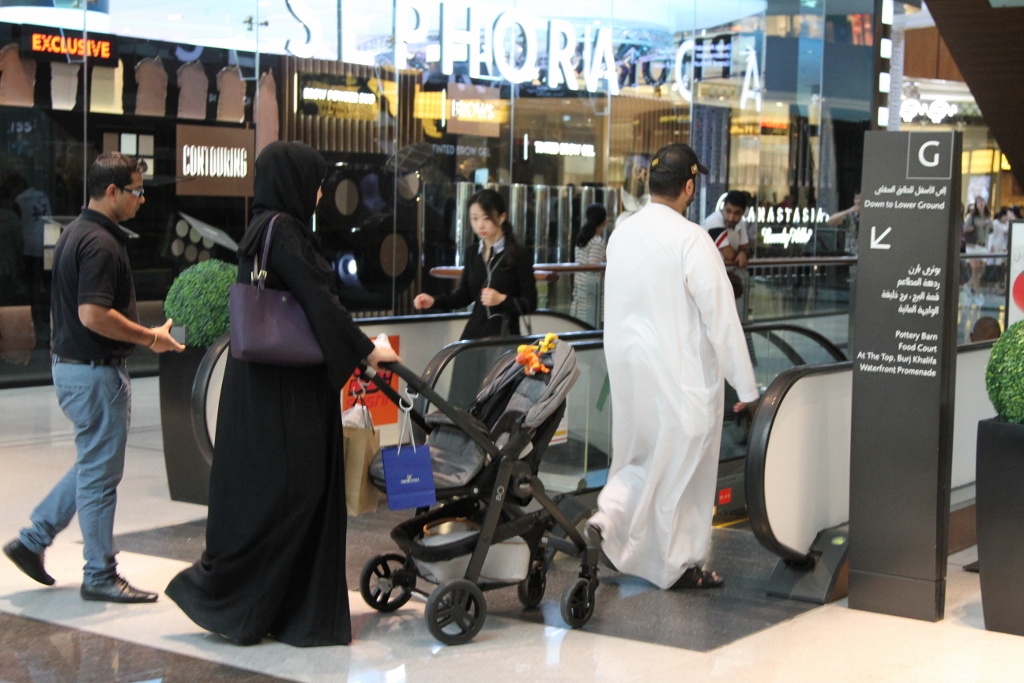
    It’s Black Friday and I thought I’d do something out of character for me, but entirely in keeping with the season. I went to a shopping mall. For those of you not used to the customs of the United States, the day after Thanksgiving is the official start of the Christmas present purchasing period. Most people have off from work, kids don’t have school, so everyone hits the malls.

    IMG_6445 (1024x683)

    IMG_6481 (1024x683)

    IMG_6595 (1024x683)

    IMG_6495 (1024x683)

    IMG_6641 (1024x683)


    IMG_6626 (1024x683)

    IMG_6790 (1024x683)

    IMG_6775 (1024x683)

    IMG_6613 (1024x683)

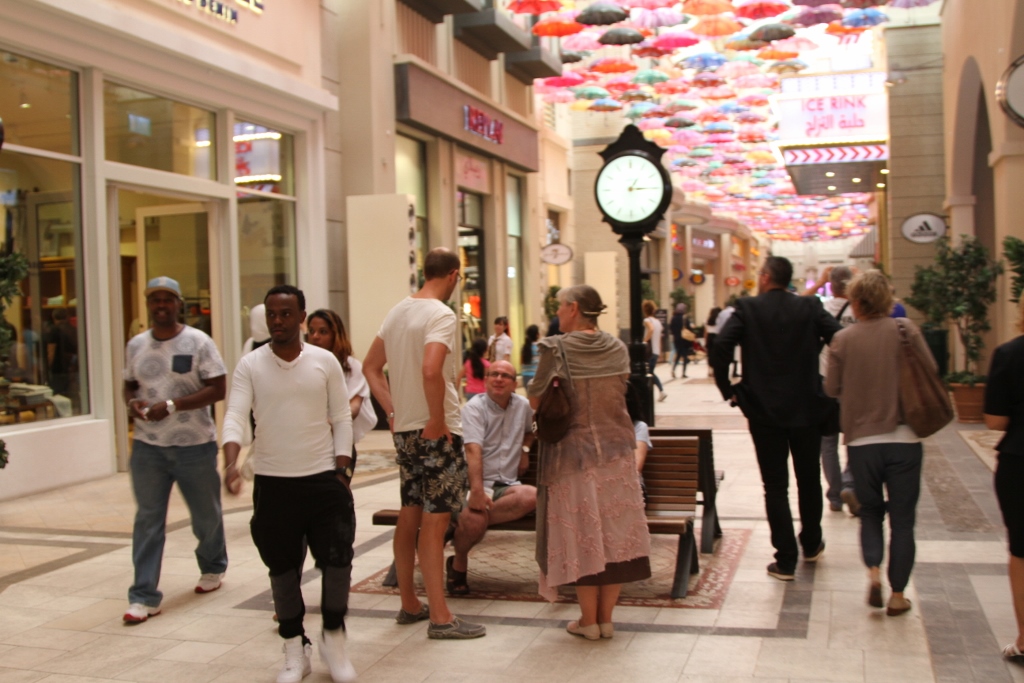
    This mall is pretty typical with all the usual chain stores. Families were out in force. Young people were milling about. Old folks were enjoying a leisurely walk in the climate control since the weather outside was a bit harsh.

    IMG_6487 (1024x683)

    IMG_6446 (1024x683)

    IMG_6675 (1024x683)

    IMG_6655 (1024x683)

    IMG_6721 (1024x683)

    IMG_6493 (1024x683)

    IMG_6488 (1024x683)

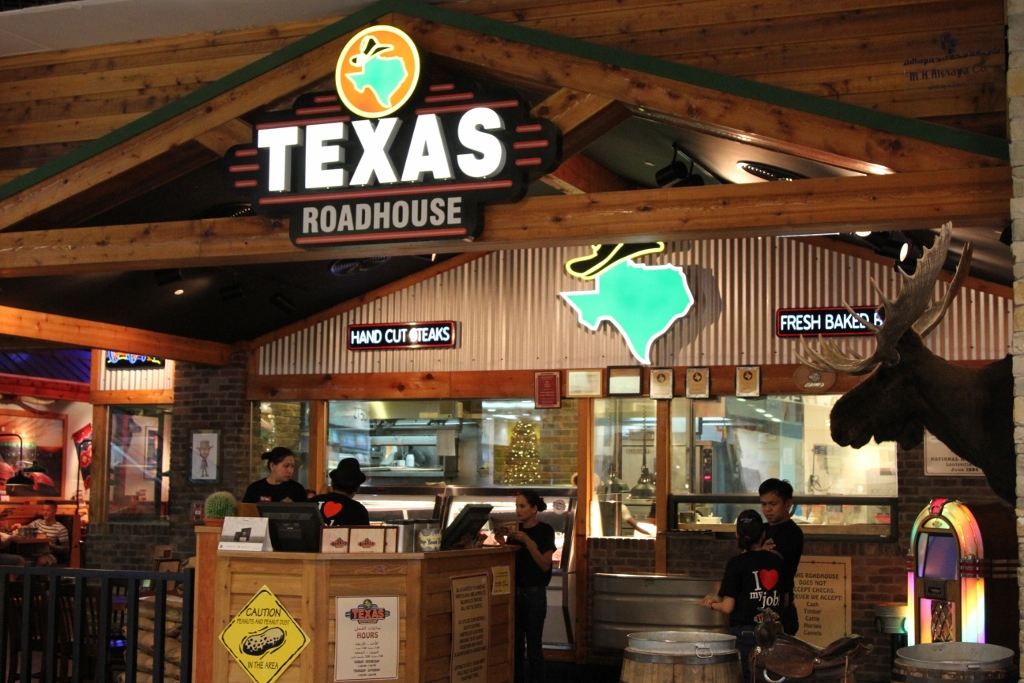
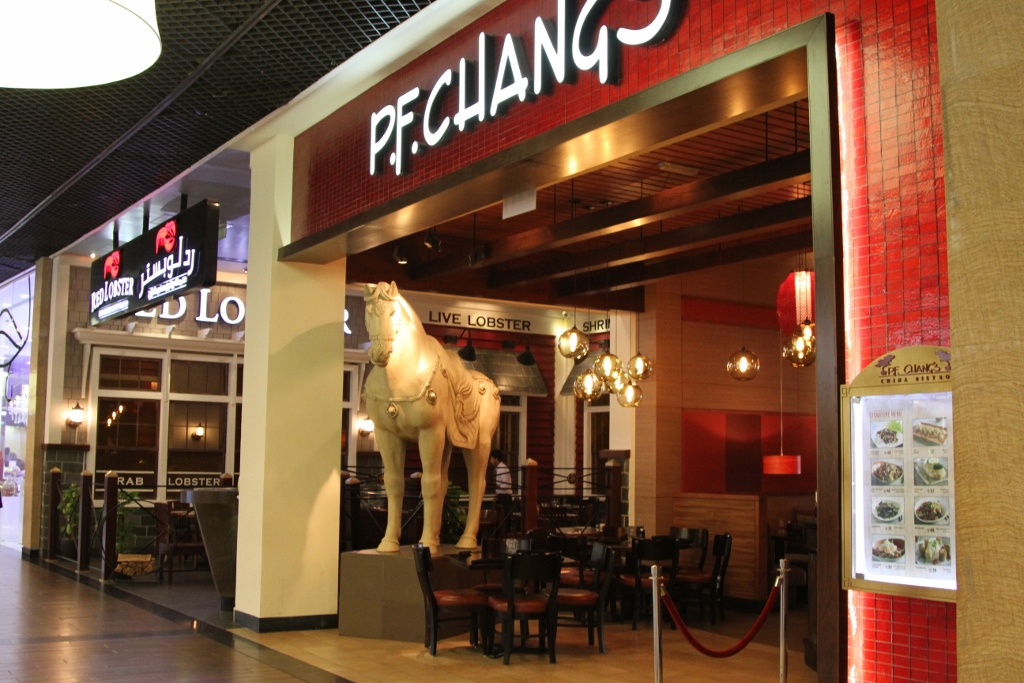
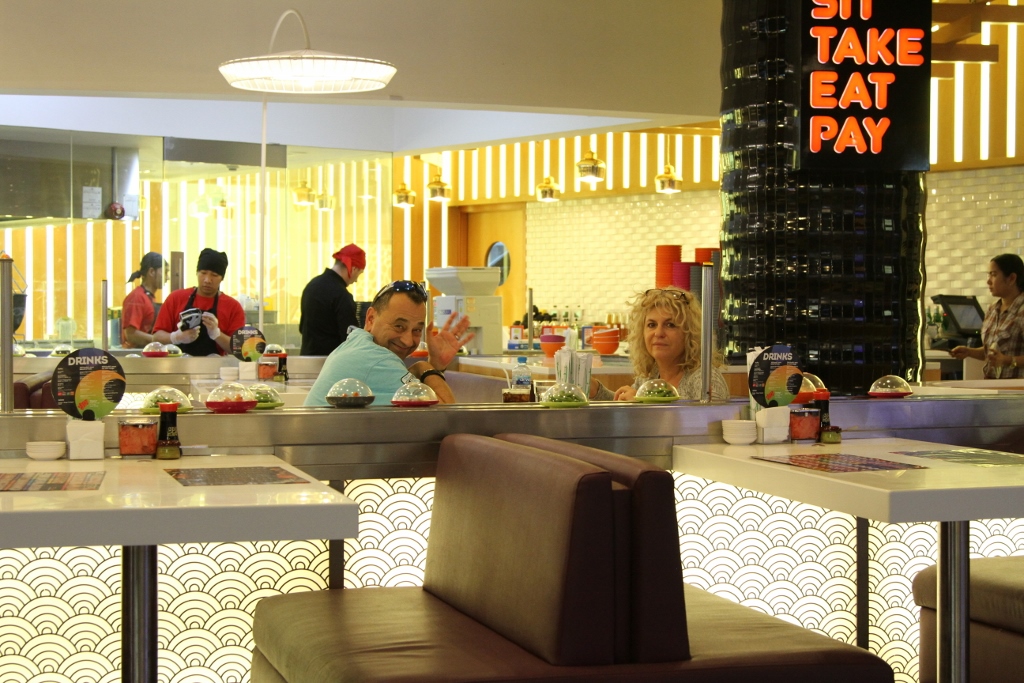
    And of course there’s a food court with a Texas Roadhouse, a P.F. Chang’s with the trademark fiberglass horse statue, a Tim Horton’s, a little Italian, a little sushi, a little Mexican, and a few upscale white tablecloth places.

    IMG_6547 (1024x683)

    IMG_6517 (1024x683)

    IMG_6520 (1024x683)

    IMG_6549 (1024x683)

    IMG_6606 (1024x683)

    IMG_6574 (1024x683)

    IMG_6690 (1024x683)

    IMG_6642 (1024x683)

    The twist? This mall happens to be in Dubai. Go figure.

    John Sanphillippo lives in San Francisco and blogs about urbanism, adaptation, and resilience at granolashotgun.com. He’s a member of the Congress for New Urbanism, films videos for faircompanies.com, and is a regular contributor to Strongtowns.org. He earns his living by buying, renovating, and renting undervalued properties in places that have good long term prospects. He is a graduate of Rutgers University.

  • Cherry Hill: The Winners

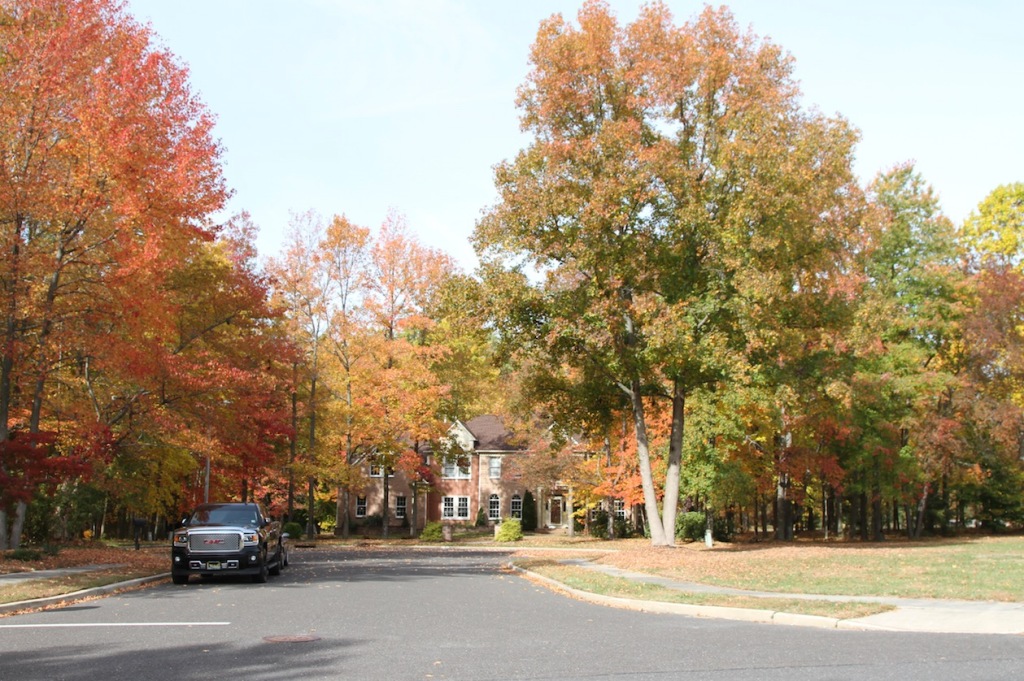
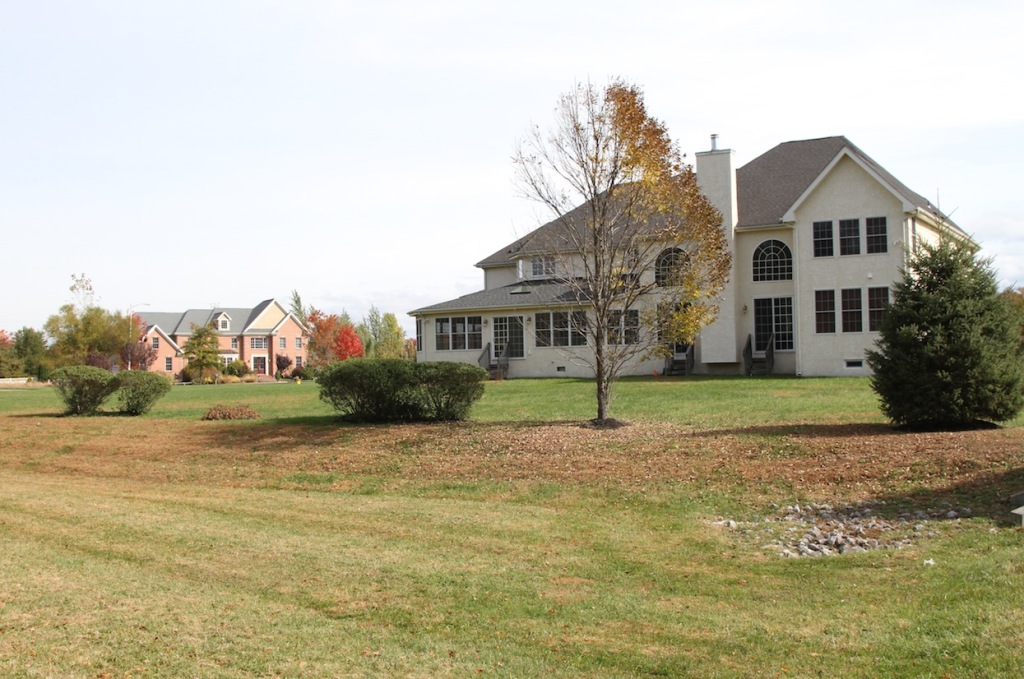
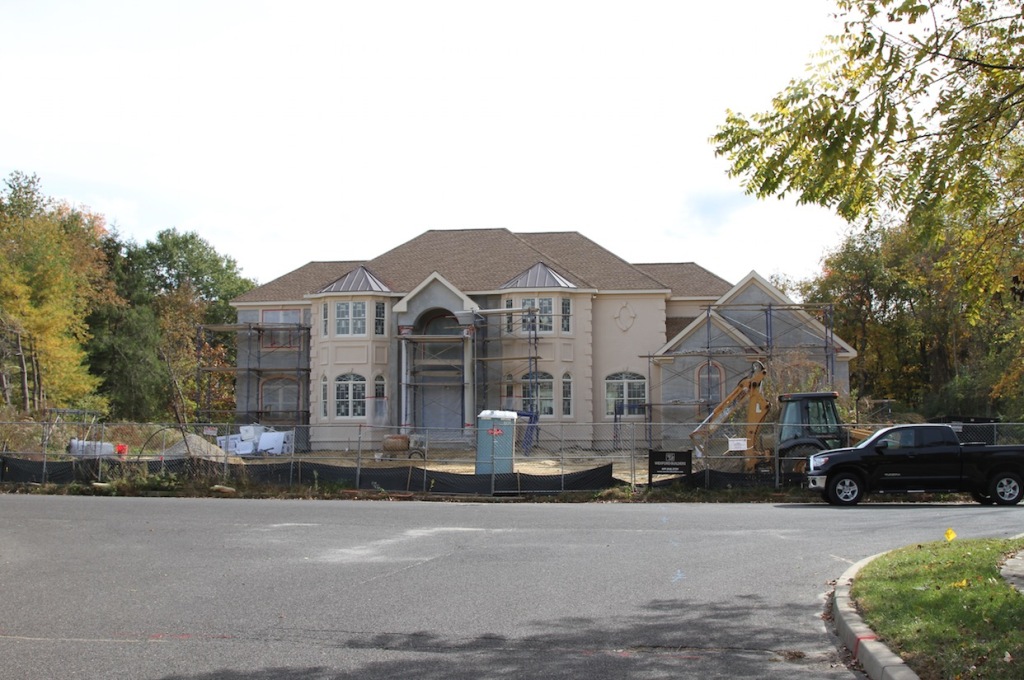
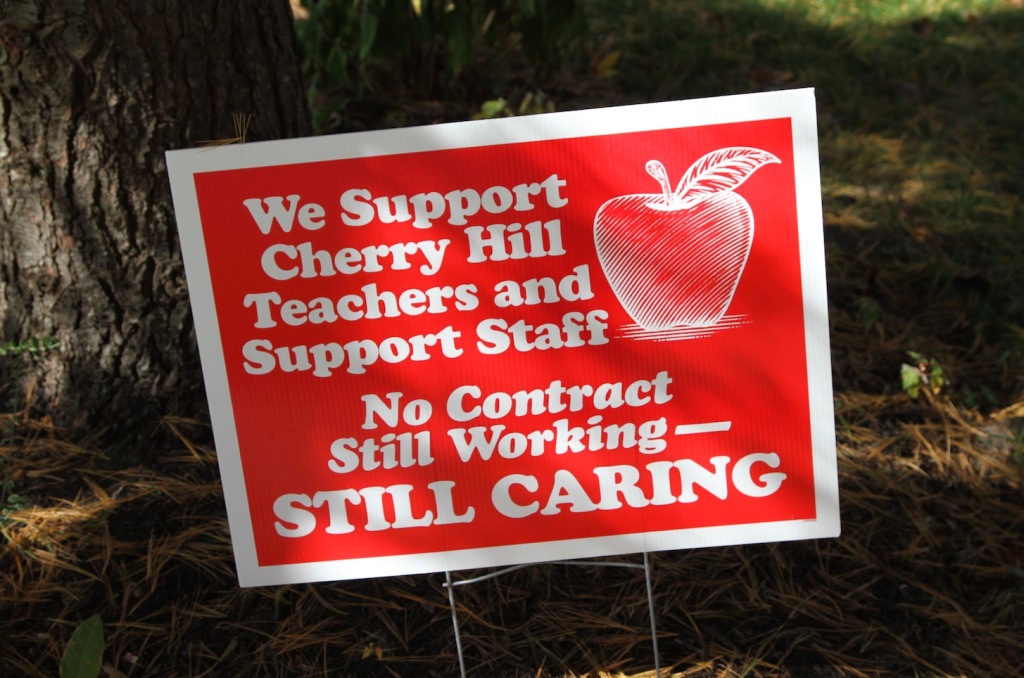
    This is Cherry Hill. It is by far the most desirable suburb in this part of southern New Jersey as measured by all the usual metrics. Property values are high. Public schools are great. The municipal government is lean and responsive. This is as good as the American Dream gets.


    Screen Shot 2015-11-17 at 2.50.46 PM

    Screen Shot 2015-11-17 at 2.51.14 PM

    Screen Shot 2015-11-17 at 2.52.55 PM


    Screen Shot 2015-11-17 at 2.52.03 PM

    Screen Shot 2015-11-17 at 2.50.22 PM

    Screen Shot 2015-11-17 at 3.06.03 PM

    Screen Shot 2015-11-17 at 3.06.42 PM

    Screen Shot 2015-11-17 at 3.05.02 PM

    Screen Shot 2015-11-17 at 3.11.13 PM

    The families who live here are overwhelmingly well educated professionals, often first and second generation immigrants who have discovered the high quality of life on offer. What was once a nearly 100% white enclave is now a diverse multi-cultural community. You’re just as likely to live next door to Hindus, Jews, Greek Orthodox, or Muslims, as the main line Protestants that dominated the area in previous decades. When proponents of suburban living talk about the success of the suburban development pattern this is the kind of place they often refer to.

    Screen Shot 2015-11-17 at 2.56.58 PM

    Screen Shot 2015-11-17 at 2.55.15 PM

    Screen Shot 2015-11-17 at 2.56.28 PM

    Screen Shot 2015-11-17 at 2.55.44 PM

    If you’re raising children you really can’t ask for a better environment. It’s safe, clean, and (most importantly) your kids will rub shoulders with the kids of equally successful families – which is what exclusive suburbs and premium school districts are really all about. Cherry Hill has successfully filtered out the riffraff.

    Screen Shot 2015-11-17 at 4.09.10 PM

    Screen Shot 2015-11-17 at 4.26.18 PM

    Cherry Hill has a middle-of-the-road population when it comes to social issues, but it’s decidedly conservative when it comes to money. It has embraced all the usual cost savings techniques to keep the budget tight and taxes as low as possible. Traditional in-house departments have been dissolved in favor of contract services with low cost private firms for things like waste management, school buses, and landscaping. Sales tax revenue has been boosted by cultivating the most successful regional shopping mall in the area. Class A suburban office parks deliver commercial property taxes to help subsidize the shortfall from residential taxes.

    Screen Shot 2015-11-17 at 4.08.41 PM

    And yet… there are problems. The average homeowner in Cherry Hill pays about $8,000 a year in property tax. Some of the larger homes pictured above pay on the order of $23,000 a year. You can blame teachers and cops and their “extravagant” salaries and pensions, but schools and public safety are the primary attractions to living in Cherry Hill. Outsourcing to low wage alternatives for these public services may not really work over the long term – although Cherry Hill keeps pushing that envelope. And the cost of maintaining a huge amount of very expensive attenuated public infrastructure like roads, sewers, and water pipes is rapidly getting out of control.

    Screen Shot 2015-11-17 at 3.59.48 PM

    Screen Shot 2015-11-17 at 5.54.35 PM

    Screen Shot 2015-11-17 at 5.54.06 PM

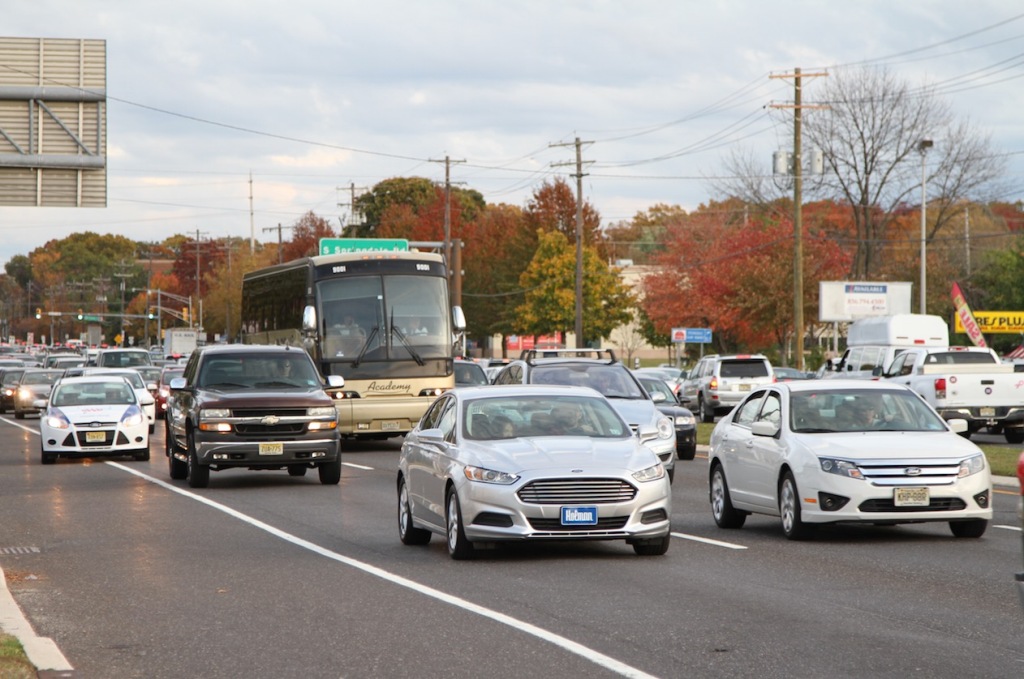
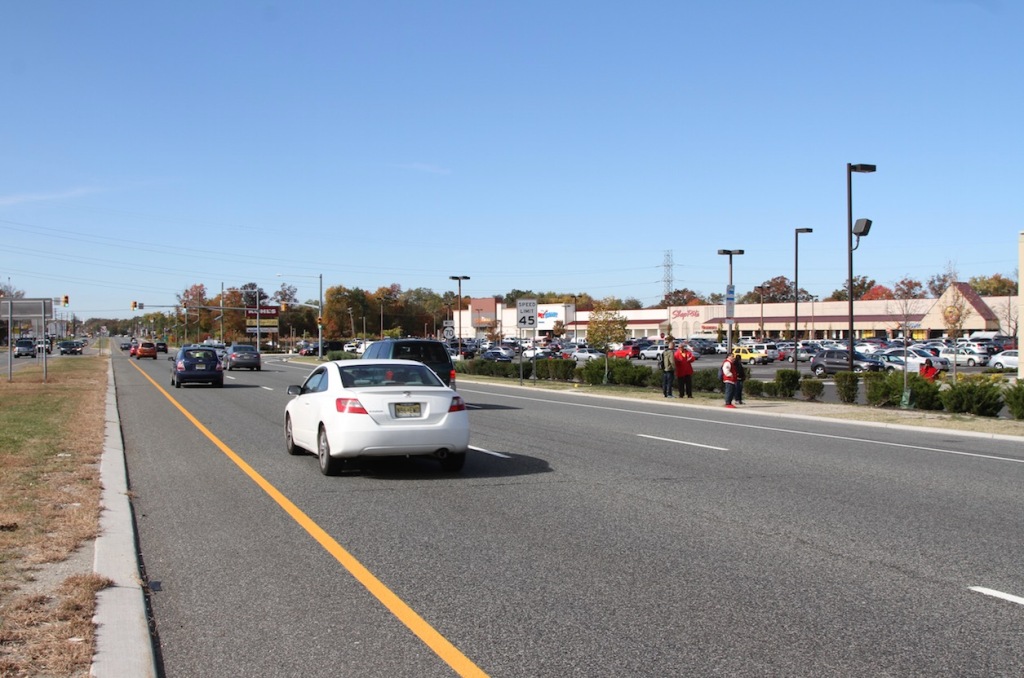
    Here’s another problem with Cherry Hill. This is what passes for the public realm. All the emphasis has been placed on private space. The homes, the tree lined subdivisions, the quality retail establishments, and the hermetically sealed professional centers are pristine. But in between there’s nothing that even comes close to a pleasant commons. Route 70 is “Main Street.” That’s all you get. Of course, the people who self select in to Cherry Hill don’t care. They’re inside their homes, shops, offices, and cars 100% of the time. There’s simply no need for a public realm. It’s a fully private pay-per-view environment.

    Screen Shot 2015-11-17 at 4.01.15 PM

    Screen Shot 2015-11-17 at 3.59.17 PM

    Screen Shot 2015-11-17 at 3.50.30 PM

    Screen Shot 2015-11-17 at 4.10.16 PM

    Screen Shot 2015-11-17 at 4.13.11 PM

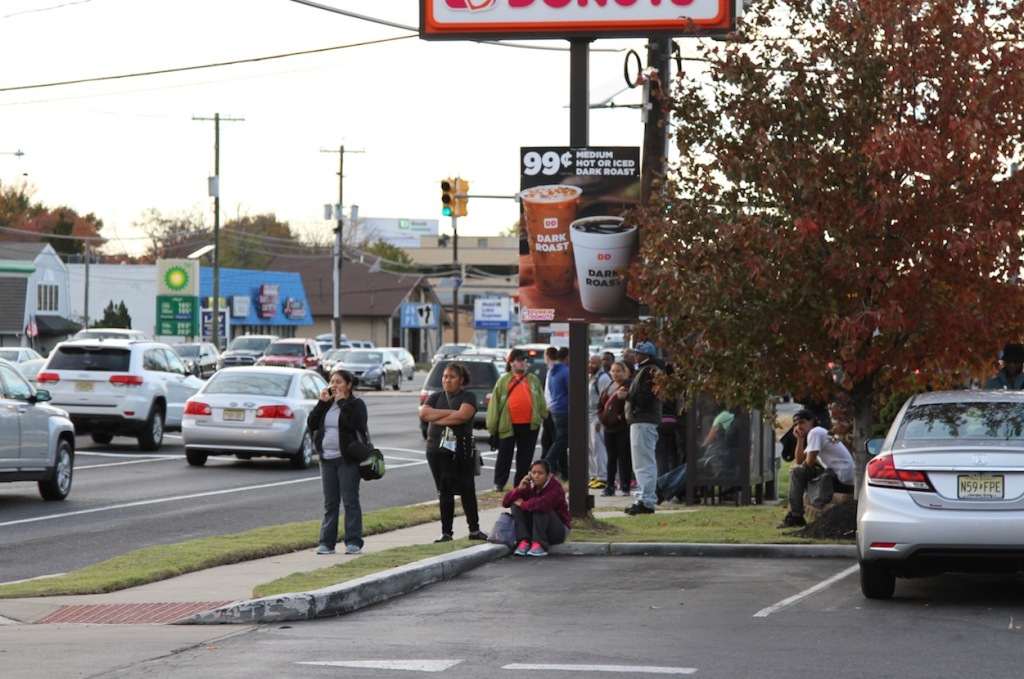
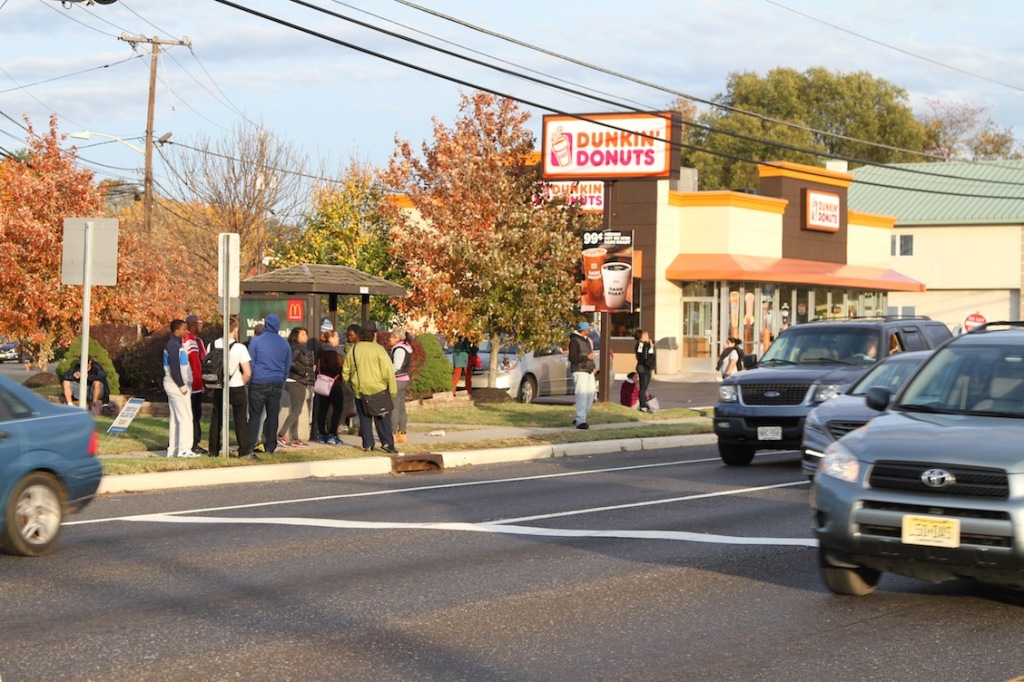
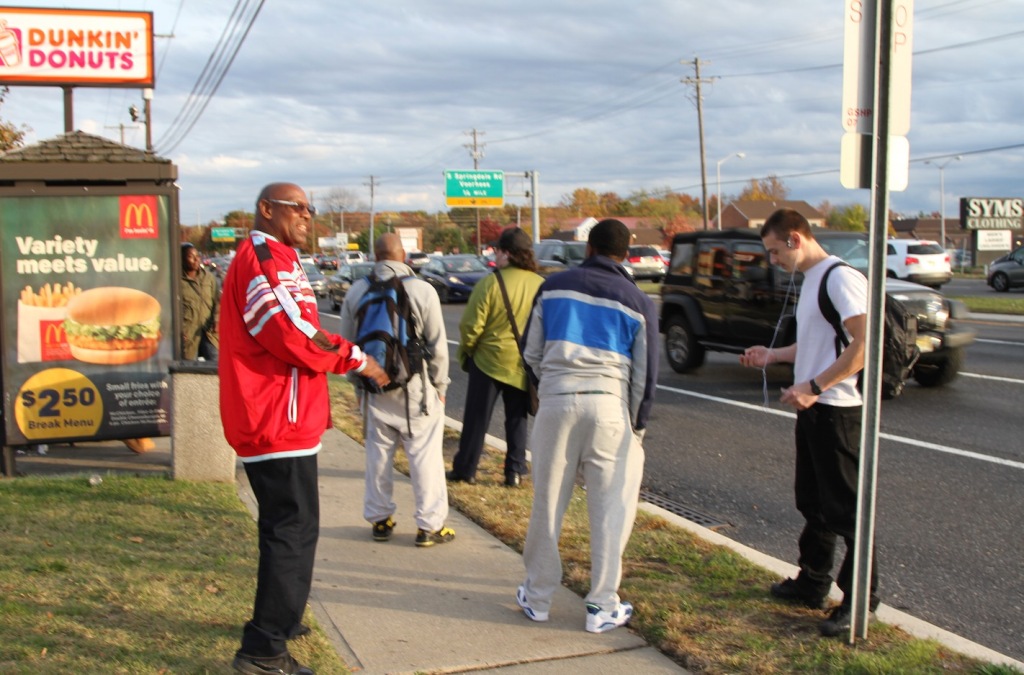
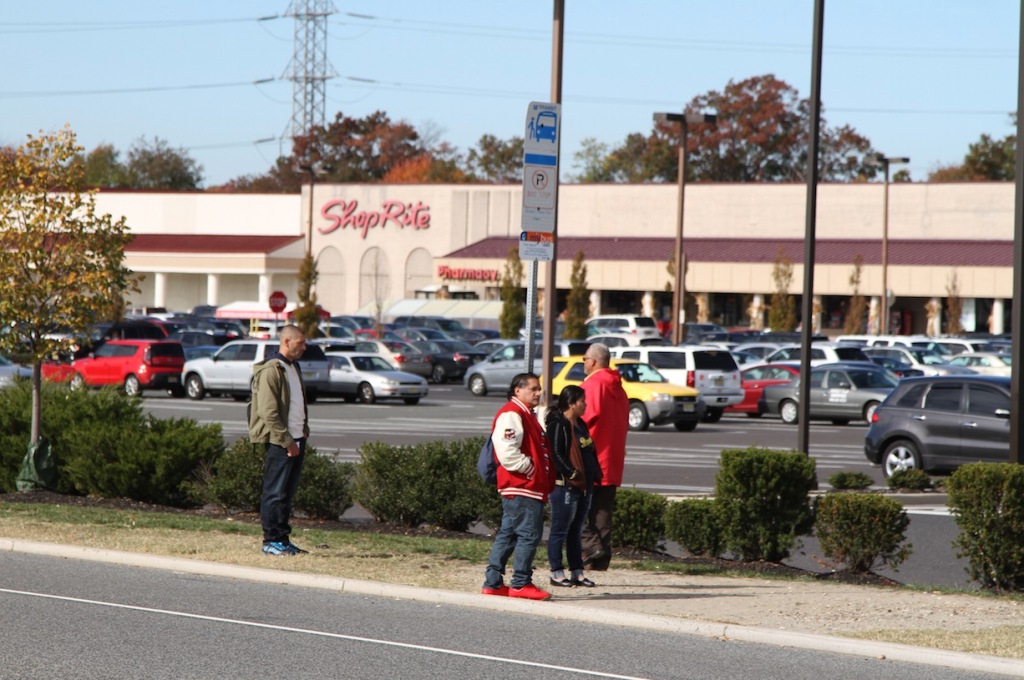
    Unless you’re one of these poor bastards standing on the side of the highway waiting for a bus that may or may not arrive sometime within the next hour. These people can’t afford to live in Cherry Hill or own private vehicles so they commute on crappy inadequate public transit to and from neighboring low income suburbs.

    Cherry Hill is a giant wealth sponge. It soaks up the segment of the population that can afford to live the best version of a suburban life. That means there are many other suburbs – the vast majority – that become the also-ran towns of fair-to-middling suburbs with just-okay schools and mediocre shops. And then there are the lower income suburbs farther out that can’t quite manage to bootstrap themselves up above the poverty line.

    The dominant conversation in America today centers on the bleakness of inner city ghettos and the extravagance of newly gentrified urban elite neighborhoods. The reality is that most Americans live in the suburbs. A small number of people live in a few great places like Cherry Hill. The overwhelming bulk of the population, including the poor and large downwardly mobile middle class, now live in failing cheap anonymous declining suburbs that no one talks about – until they erupt Ferguson style.

    I’m just sayin.

    John Sanphillippo lives in San Francisco and blogs about urbanism, adaptation, and resilience at granolashotgun.com. He’s a member of the Congress for New Urbanism, films videos for faircompanies.com, and is a regular contributor to Strongtowns.org. He earns his living by buying, renovating, and renting undervalued properties in places that have good long term prospects. He is a graduate of Rutgers University.

  • Collingswood: The Main Street Model

    There’s a weird war raging these days. There are people who advocate high rise living and public transit in the urban core to the exclusion of other arrangements. And then there are folks who can’t hold their head up high in church on Sunday if they don’t live on a quarter acre lot out on the far fringe of the metroplex with four cars parked in front of their fully detached home. I always choose the thing in the middle. It’s called a “town”. I’m a Main Street kind of guy.

    IMG_2543 (1024x683)

    IMG_2294 (1024x683)

    IMG_2490 (1024x683)

    IMG_2497 (1024x683)

    IMG_2546 (1024x683)

    IMG_2559 (1024x683)

    IMG_2564 (1024x683)

    IMG_2561 (1024x683)

    This is Haddon Avenue in Collingswood, New Jersey. It’s an intact functioning pre World War II Main Street town complete with hardware store, local mom and pop shops, great places to eat, business incubators, post office, public parks, and City Hall. The majority of the buildings are one and two stories tall.

    IMG_2419 (1024x683)

    IMG_2601 (1024x683)

    IMG_2453 (1024x683)

    Transit exists in Collingswood in the form of a PATCO train station and bus service, but transit isn’t necessary to travel within Collingswood itself. The train and bus are there to get people from one town center to another. Philadelphia is fifteen minutes away. Once you’re in town you can walk or bike everywhere. That includes the young, the elderly, people with limited physical mobility, the rich, the poor… everyone.

    IMG_2479 (1024x683)

    IMG_2469 (1024x683)

    IMG_2394 (1024x683)

    The most affordable apartments are directly above the shops. These are perfect for young adults as well as older people on a fixed income. Both groups enjoy the convenience of nearby shops and activities. As you turn off of Haddon Avenue the commercial buildings transition to residential side streets.

    IMG_2396 (1024x683)

    IMG_2296 (1024x683)

    IMG_2300 (1024x683)

    IMG_2344 (1024x683)

    Duplexes nestle up against the commercial corridor and provide moderately priced homes and rental accommodations. These in-between properties work well for couples, empty nesters, and young families on a budget.

    IMG_2752 (1024x683)

    IMG_2767 (1024x683)

    IMG_2772 (1024x683)

    IMG_2750 (1024x683) (2)

    IMG_2788 (1024x683)

    IMG_2758 (1024x683)

    IMG_2776 (1024x683)

    A couple of blocks away are fully detached homes on larger lots. Collingswood is built in such a way that a person could go from childhood to old age and find a comfortable place to live at an appropriate price point within a half mile.

    IMG_2744 (1024x683)

    IMG_2745 (1024x683)

    IMG_3066 (1024x683)

    IMG_3061 (1024x683)

    IMG_3059 (1024x683)

    Schools and public parks are located right in the residential neighborhoods.

    IMG_2363 (1024x683)


    IMG_2498 (1024x683)

    unnamed

    All levels of employment from a first teen aged service job to an advanced career in Center City Philadelphia (fifteen minutes away by train) are available.

    This arrangement satisfies nearly all the metrics for both of the warring factions. A traditional Main Street town is neither sprawl nor a hyper dense concrete city. It’s economical as well as ecological. It’s beautiful and family friendly. And perhaps most importantly, a Main Street town is physically structured in a way that allows its diversified local tax base to support the required infrastructure over the long haul.

    Too bad it’s essentially illegal to build new places like this anymore…

    John Sanphillippo lives in San Francisco and blogs about urbanism, adaptation, and resilience at granolashotgun.com. He’s a member of the Congress for New Urbanism, films videos for faircompanies.com, and is a regular contributor to Strongtowns.org. He earns his living by buying, renovating, and renting undervalued properties in places that have good long term prospects. He is a graduate of Rutgers University.

  • Jessie: Over-The-Rhine, Cincinnati

    This is Jessie. She’s a well educated thirty year old professional with a good income. She could live anywhere she wants. She was offered excellent positions with good companies in San Francisco. While she was excited by the opportunity to live in a top tier coastal city she was smart enough to actually run the numbers before taking a job. Her income would be comparable to what she was already making in Cincinnati, but her cost of living (particularly the astronomical cost of housing) in San Francisco meant that she would actually be accepting a massively lower standard of living in California compared to Ohio.

    IMG_3667 (1024x683)

    IMG_3661 (1024x683)

    Cincinnati isn’t just affordable. It’s also a fabulous place to live. Ten years ago the cost of property in San Francisco was high, but still within the reach of people like Jessie. No more. And ten years ago the urban core of Cincinnati hadn’t yet revived sufficiently to reach a critical mass of livability. But today the scales are tipped decidedly in Cincinnati’s favor as San Francisco (New York, D.C, Boston, Seattle, LA, etc.) have gone off the charts in terms of cost while Cincinnati has matured and proven itself.

    IMG_3694 (1024x683)

    IMG_3681 (1024x683)

    Last year Jessie bought this entire three family building in the Over-the Rhine neighborhood in Cincinnati for $279,000. She then spent $126,000 in renovations. So she’s in for a grand total of $405,000. She lives in the top two floors and rents two apartments on the lower levels. The rental income goes a long way to offsetting her monthly expenses. I just checked the real estate listings here in San Francisco. There’s a 300 square foot studio condo on the market for $399,999, but it will almost certainly sell for considerably more once potential buyers outbid each other. And the monthly HOA fees are ridiculous.

    IMG_3705 (1024x683)

    IMG_3730 (1024x683)

    IMG_3711 (1024x683)

    IMG_3718 (1024x683)

    IMG_3761 (1024x683)

    If you’d like a more detailed account of how older buildings in Cincinnati are being purchased and rehabbed by ordinary people, including Jessie, I encourage you to check out the “Owner Occupied OTR” episode of the Urban Cincy Podcast.

    John Sanphillippo lives in San Francisco and blogs about urbanism, adaptation, and resilience at granolashotgun.com. He’s a member of the Congress for New Urbanism, films videos for faircompanies.com, and is a regular contributor to Strongtowns.org. He earns his living by buying, renovating, and renting undervalued properties in places that have good long term prospects. He is a graduate of Rutgers University.
  • Low Hanging Fruit

    As a San Franciscan I get a lot of raised eyebrows when I mention that I recently bought property in Cincinnati. “Huh?” Then I walk them through it. Here’s the mom and pop business district along Hamilton Avenue in the Northside neighborhood during a recent Summer Streets event. This is a classic 1890’s Norman Rockwell Main Street with a hardware store, a Carnegie library, barbers, cafes, bars, funky little shops, and seriously good architectural bones.

    Screen Shot 2015-08-27 at 1.05.03 AMTravis Estell UrbanCincy

    Screen Shot 2015-08-27 at 1.04.38 AMTravis Estell UrbanCincy

    Screen Shot 2015-08-27 at 1.04.25 AMTravis Estell UrbanCincy

    It’s the perfect human scaled neighborhood. Kids walk to school. Older people make their way to shops and the farmers market on foot. Riding a bicycle to work is a normal natural activity that doesn’t involve spandex and Tour de France levels of endurance. Bus service to the university and downtown is frequent and convenient. And you can hop on the highway and be anywhere in Cincinnati in minutes.

    Screen Shot 2015-08-28 at 1.39.24 AM

    Screen Shot 2015-08-28 at 1.50.14 AM

    Screen Shot 2015-08-28 at 1.47.48 AM

    Screen Shot 2015-08-28 at 1.49.25 AM

    I tell folks around here that Northside is the kind of neighborhood where you can buy a quality home next door to great neighbors like these and thisand enjoy public events like this for less than the cost of a really good parking space in California. No one builds homes or neighborhoods like these anymore. We no longer have the culture that created these places.

    Screen Shot 2015-08-28 at 4.12.27 AMGoogle

    Screen Shot 2015-09-05 at 4.00.34 AM

    Screen Shot 2015-09-05 at 3.59.17 AM

    Screen Shot 2015-09-05 at 4.00.13 AM

    Screen Shot 2015-09-05 at 3.21.11 AM

    Screen Shot 2015-09-05 at 3.20.05 AM

    Screen Shot 2015-09-05 at 3.20.45 AM

    On the one hand Northside is a compact walkable neighborhood with a distinctive urban feeling at its center. But on the other it’s surrounded by forested hills, a vast historic cemetery, and productive small scale agriculture with farm houses that date back to the 1840’s. It’s a true suburb in the best sense of the word. It offers a good balance of urban convenience and vitality at your front door with the countryside at your back.

    Screen Shot 2015-08-28 at 2.16.43 AMGoogle

    Screen Shot 2015-08-27 at 9.17.59 PM

    Screen Shot 2015-09-05 at 4.55.02 AM

    Screen Shot 2015-09-05 at 4.55.23 AM

    I spend a lot of time talking to people who long for a particular kind of urban living environment. It’s not Manhattan or Hong Kong exactly. It’s smaller and more intimate. It’s more like a friendly small town with ready access to big city opportunity and culture. The old street car suburbs of the 1880’s to 1940’s like Northside are pretty much spot on. But we just haven’t built great urban places like these for three or four generations. As a society we don’t seem able to do it any more.

    Screen Shot 2014-10-27 at 12.16.25 PM

    Screen Shot 2014-10-27 at 11.03.26 AM

    Screen Shot 2014-10-27 at 12.08.29 PM

    Screen Shot 2014-10-27 at 12.17.27 PM

    Screen Shot 2014-10-27 at 11.05.22 AM

    In most places built after about 1950 you can live in a French Provincial tract house on a cul-de-sac near the strip malls and office parks, or… you can live in a Spanish colonial tract house on a cul-de-sac near the strip malls and the office parks. Those are your modern choices. The best you can hope for is an enlightened city planner or civil engineer who stripes a few bike lanes on the sides of the high speed eight lane arterials. Big whoopee.

    New Urbanists and the Smart Growth crowd are up against a massive wall of cultural resistance and institutional barriers. Trying to build new towns in the historical pattern or retrofit post war suburbs is not for the faint of heart. Personally I don’t have the desire to chip away at that mountain. Life’s too short. But there’s so much low hanging fruit out there. Neighborhoods like Northside exist all over the country. They’re already fabulous. They’re already filled with great people. They’re often very reasonably priced. And the best part is that all the obstructionist people who hate walkable urban places and obsess about how to accommodate all the cars have self-selected out. They live an hour away in the distant suburbs and want nothing to do with the city.

    John Sanphillippo lives in San Francisco and blogs about urbanism, adaptation, and resilience at granolashotgun.com. He’s a member of the Congress for New Urbanism, films videos for faircompanies.com, and is a regular contributor to Strongtowns.org. He earns his living by buying, renovating, and renting undervalued properties in places that have good long term prospects. He is a graduate of Rutgers University.

    Lead photo by Travis Estell UrbanCincy

  • Family Friendly Cities

    One of the common criticisms leveled at people who promote urban living goes something like this. “Cities are great for college kids, people starting off in their careers, bohemians, and maybe some older empty nesters with money who have a taste for theater and art. But most people have families and tight budgets. Suburbia is the only place that provides a high quality, safe, affordable life for regular folks with children.”

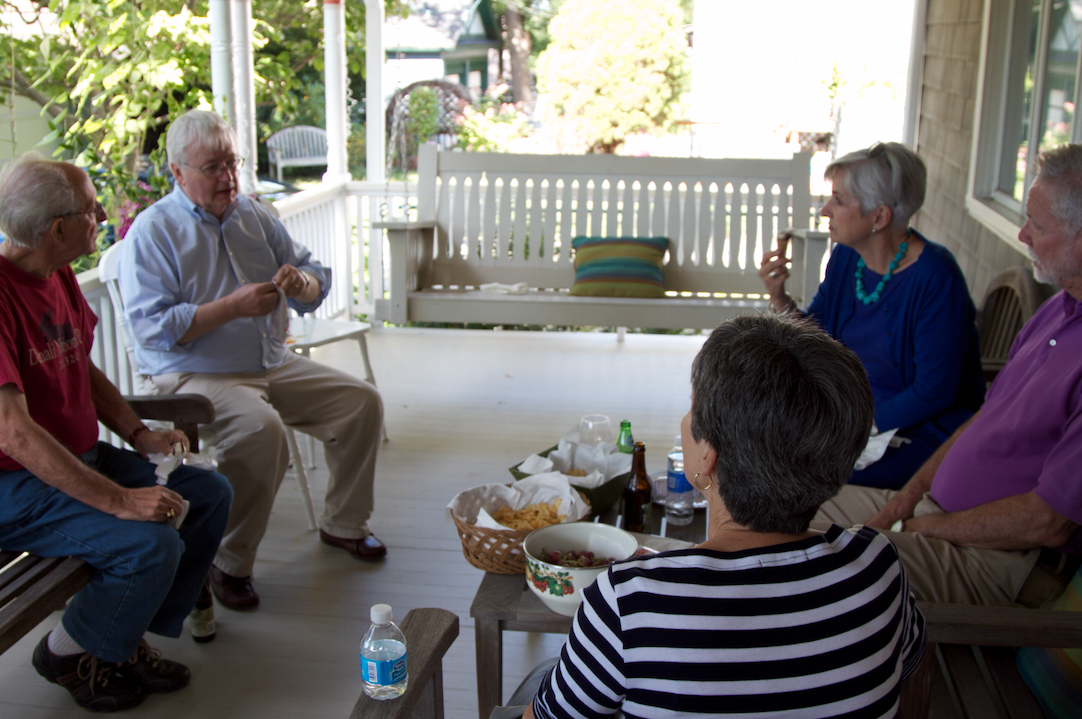
    Last year I flew to Pittsburgh, Pennsylvania to attend a wedding. As we were all milling about with friends and family on the porch eating ice cream on a gorgeous September afternoon I noticed some of my fellow out-of-town visitors from New York and San Francisco looking around with a peculiar expression. It was the same kind of look that dogs get when they’re curious and a little confused – one ear up and one ear down. They looked at their kids playing in the grass and sitting on grandma’s lap. I knew very well what they were thinking. They were a family of four living in a tiny one bedroom apartment in Brooklyn and their oldest child will be starting school next year.

    IMG_0202 (800x533) (2) Screen Shot 2014-10-11 at 11.03.48 PM Screen Shot 2014-10-11 at 11.08.00 PM Screen Shot 2014-10-11 at 11.02.26 PM

    Now, I need you to picture the neighborhood so you get the context here. This is a century old streetcar suburb five miles from downtown. There are tree lined streets, front porches on elegant old homes, a charming Main Street with mom and pop shops a couple of blocks away, and an elementary school directly across the street. Even in this very comfortable and pricey neighborhood a grand home with a patch of grass could be purchased for significantly less than the cost of a one bedroom apartment in Brooklyn. You can actually ride a bicycle to downtown Pittsburgh – and it would be a pleasant and convenient ride. Carnegie Mellon University and a dozen other prominent institutions are nearby.

    Screen Shot 2014-10-11 at 11.00.56 PM Screen Shot 2014-10-11 at 11.00.36 PM Screen Shot 2014-10-11 at 11.41.36 PM Screen Shot 2014-10-11 at 10.40.35 PM

    In large expensive cities many young families are having to make harsh choices. They can stay where they are and pay exorbitant rents or a shockingly high mortgage for less than ideal accommodations in order to have access to good jobs and urban amenities. Or they can move to a more affordable suburb and spend a couple of hours each day schlepping in and out of the city. Or they can step away from the city entirely and organize their lives around a purely suburban set of arrangements: the subdivision, the office park, the shopping mall… For many people who value urban life these are difficult decisions with a lot of unsavory trade offs.

    Screen Shot 2014-10-11 at 11.31.54 PM Screen Shot 2014-10-11 at 11.46.03 PM Screen Shot 2014-10-11 at 11.26.11 PM

    Pittsburgh is just one of hundreds of small and medium sized cities in the interior that people in coastal cities like to dismiss as part of “Flyover Country”. What isn’t clearly understood is that Pittsburgh isn’t competing with New York or San Francisco. Instead Pittsburgh is competing with the distant suburbs of places like New York and San Francisco out in the endless smear of anonymous tract homes and strip malls that ring those cities. Pittsburgh wins that taste test hands down every time for anyone who shows up and actually looks around and experiences what’s on offer.

    unnamed

    John Sanphillippo lives in San Francisco and blogs about urbanism, adaptation, and resilience at granolashotgun.com. He’s a member of the Congress for New Urbanism, films videos for faircompanies.com, and is a regular contributor to Strongtowns.org. He earns his living by buying, renovating, and renting undervalued properties in places that have good long term prospects. He is a graduate of Rutgers University.