Author: John Sanphillippo

  • Urban Rebirth in a Cincinnati Rowhouse

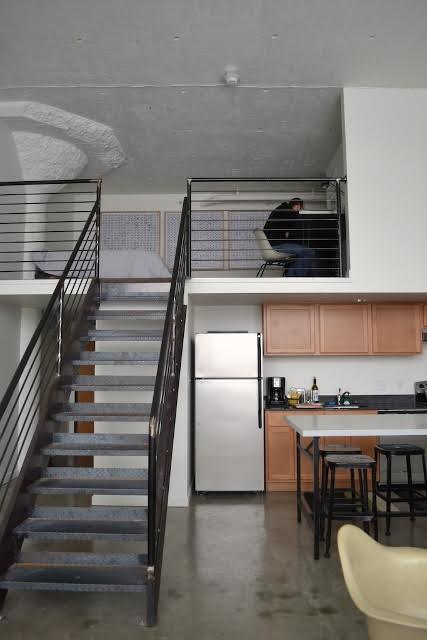
    I filmed this story in Cincinnati’s Over-the-Rhine neighborhood. As always, my far more talented friend Kirsten Dirksen did the editing. There are also glimpses of other nearby neighborhoods such as East Walnut Hills and some views for the city taken from across the Ohio River in Kentucky. Michael Uhlenhake is an architect and long time resident of the city. The story of his own practice and home renovation follows the trajectory of the city as a whole.

    Rust Belt cities like Cincinnati, Pittsburgh, and Buffalo are all much better than many people imagine. I tell folks that if you want Brooklyn, or Portland, or Wicker Park in Chicago, or the Mission in San Francisco, but at 1/10th the price… go to these fabulous, but seriously undervalued smaller cities in the Midwest. Not only will you save a huge amount of money, but waves of cool people have already started to colonize these neighborhoods ahead of you. You won’t be a lone pioneer.

    I love the magnificent architecture, the cool people, and the gorgeous natural beauty that surrounds the city. And I’m incredibly excited that many of the best historic neighborhoods are coming back to life after a fifty year slumber brought on by middle class exodus to the suburbs, deindustrialization, and general neglect. There’s a serious pent up market demand for vibrant, mixed use, walkable neighborhoods all across the country with shockingly little supply. We just haven’t built places like this since World War II and there’s a hunger for it in the real estate market. After decades of decline and abandonment Cincinnati is being repopulated by a new generation of people who value urban living.

    Check out this similar video from Walnut Hills in Cincinnati.

    And here’s one from Yellow Springs, Ohio if a small college town in the country is more your style.

    John Sanphillippo lives in San Francisco and blogs about urbanism, adaptation, and resilience at granolashotgun.com. He’s a member of the Congress for New Urbanism, films videos for faircompanies.com, and is a regular contributor to Strongtowns.org. He earns his living by buying, renovating, and renting undervalued proper

  • The Really Big Housing Picture

    Everywhere I go it seems there’s some kind of housing crisis. In some places home values are dropping precipitously, people are unable to sell and move on, and formerly middle class homes are being abandoned or converted to poorly maintained rental properties. In other places home values and rents are obscenely high and ordinary people and essential workers are being driven out of whole cities and counties. The national economy has bifurcated and the shrinking middle class is reflected in a two tiered housing market. I’d like to explore the root causes of the situation.

    Woodstock-kidsWikipedia

    Reagan_et_ThatcherWikipedia

    Our current real estate schism is based on two forces. First, we as a society decided decades ago that we didn’t want to be shackled by the social conventions and obligations that hindered individuals in their quest for personal fulfillment and private gain.

    For liberals this took the form of women’s liberation, black liberation, gay liberation… Everyone wanted to throw off the yoke of conformity. For conservatives it took the form of tax revolts, rebellions against regulations of every kind, a search for open space, cheap labor, and new markets.

    These two groups were in no way mutually exclusive. Both the California Hippy and Evangelical Christian from South Carolina were pushing the country in the same direction for decades whether they knew it or not. Everyone was rebelling against social constraints and dismantling the old system that created the broad stable middle class in the first place.

    Screen Shot 2015-07-23 at 9.05.36 PM

    Screen Shot 2015-07-23 at 8.59.17 PM

    Screen Shot 2015-07-23 at 9.06.57 PM

    Screen Shot 2015-07-23 at 9.16.12 PM

    The second force in the housing crisis is based on physical mobility made possible by car culture, affordable commercial aviation, containerized cargo shipping, and modern telecommunications. Geography stopped being a material limitation for the last few generations. As a result, people have self segregated. The rich have congregated in a handful of premium locations and radically driven up the cost of living in those spots. The poor have been left to their own devices in economically and culturally abandoned regions. And the ever diminishing middle class has leveraged itself into a thousand little niches in an attempt to keep up as their incomes and status decline.

    Screen Shot 2015-06-12 at 1.16.04 AM

    Screen Shot 2015-06-12 at 6.52.37 PM

    I was recently at a meeting in Northern California where government officials, local business people, and community organizers all gathered to promote their various objectives. These were all incredibly kind, decent, responsible people who truly cared about their town. The difficulties on hand will be familiar if you live in one of the more expensive parts of the country.

    There’s a desperate need for affordable housing. There’s huge pressure to preserve productive farmland and the natural landscape. There’s fierce NIMBYism that stops new growth of every kind. There’s serious money pressing down on the scarce property that is available. There’s a water shortage brought on by years of drought. And there simply is no culturally or politically tolerable mechanism to reconcile any of these conflicting forces. Honestly, for the people who already own property in the area the situation is pretty sweet – so long as the authorities manage to keep the ever growing homeless camps out of sight. The default setting is to simply let things fester and muddle through.

    Screen Shot 2015-03-18 at 1.26.28 AM

    Screen Shot 2015-03-10 at 5.31.42 PM

    Screen Shot 2015-03-12 at 2.10.06 AM

    Just a month earlier I was at a different meeting in another town where the problem was reversed. A formerly prosperous town was hitting an economic wall as growth and development had come to a complete halt with unpleasant consequences. There was plenty of cheap land all around and everyone was desperate to see it covered in new homes, shopping malls, and office parks as quickly as possible. But market demand evaporated. Developers couldn’t justify building much of anything because there were no buyers on hand. Too much of the existing building stock was already sitting vacant.

    You’d think these two problems could solve each other. Why don’t all the people desperate for affordable housing in one place simply move to the place with abundant vacancies? Of course, it doesn’t work that way. Communities are more than a pile buildings. People need the right mix of employment, education, culture, and so on. You can’t live in a cheap place if you have no access to jobs. And you can’t take a job in a place where there is no available housing.

    Screen Shot 2015-07-23 at 9.05.36 PM

    Let’s go over some of the particulars again. Mass motoring allowed almost everyone to move away from the things and people they didn’t like. If your taxes went up you moved away. If “undesirables” arrived on your block you moved away. If you didn’t like the snow you moved away. Cheap private transportation on America’s highways made it possible for the vast 20th century middle class to remove itself from traditional communities and find bliss is splendid isolation.

    Screen Shot 2015-07-23 at 8.59.17 PM

    Affordable commercial aviation let people migrate to previously remote locations. A car could get you from New Jersey to Florida in a couple of days, but a plane could get you there in a couple of hours. Air transport preferentially poached the affluent, the young, the educated, and retirees from established towns and delivered them to previously obscure destinations. The ability to hop quickly and cheaply from place to place was a tremendous boon to some lucky towns, but the death knell to others.

    Screen Shot 2015-07-23 at 9.06.57 PM

    Containerized shipping brought raw materials and cheap manufactured goods in from every corner of the globe. If workers threatened to strike you moved your company away. Far away. If you found a better tax deal you moved away. If you needed the authorities to turn a blind eye to your company’s waste stream you moved away. The toaster ovens, refrigerators, and steel belted radial tires could all be made somewhere else for a lot less money.  And along with those jobs went a big chunk of the old middle class.

    Screen Shot 2015-07-23 at 9.16.12 PM

    Information technology has added a new layer of mobility to the population. It’s now possible to use your mobile phone to turn your home air conditioner on and off from six thousand miles away. On the one hand this sort of technological magic allows millions of people to earn a living remotely. An accountant from Albuquerque can live in a beach cabin in Hawaii while still drawing her livelihood from New Mexico.

    On the other hand, what happened to blue collar jobs in the past is now happening to white collar jobs. Your CT scan or X-rays can now be sent via the Internet to a technician in the Philippines who will interpret your medical condition remotely. Film editing can be done entirely online from Brazil. Computer code can be written in India. Architectural and engineering work can be done digitally in the Ukraine. If a job can be scanned, or Skyped, or pushed through a fiber optic wire somehow it will eventually be sent to a low wage region to be done by someone who is smarter, faster, and more desperate for work than you are.

    And this isn’t factoring in the jobs that will soon be done entirely by machine intelligence. That accountant in Hawaii needs to pay attention to what she’ll do when her clients all switch to the cheaper advanced computer program that can wiggle around the tax code better than she can. Then again, the guy who writes that computer code will become very rich and might be able to move to Hawaii himself.

    unnamed-5

    unnamed-3

    unnamed

    So what are the options here? First, we can allow the already stressed middle class to continue to shrink so that the U.S. becomes a two tiered society of haves and have nots – with many more losers than winners. Inevitably this will require an increase in both government police and private security to keep the wealthy protected from the pissed off impoverished masses. There are plenty of examples of what that looks like around the world.

    Or, we could tax the rich and redistribute the funds to the formerly middle class population that has trouble feeding itself and keeping a roof over their heads. We also know what that looks like.

    Or we could create a new social, political, and economic national compact that restructures absolutely everything. Some old fashioned societal constraints might be a prerequisite for equity and a renewed middle class. Rights come with responsibilities. Aging Baby Boomers will fight that sort of thing tooth and nail. But Millennials will likely grab at it with both hands. Toss in fuel supply disruptions and a break down in international trade relations and American society might find itself coalescing in very different ways.

    John Sanphillippo lives in San Francisco and blogs about urbanism, adaptation, and resilience at granolashotgun.com. He’s a member of the Congress for New Urbanism, films videos for faircompanies.com, and is a regular contributor to Strongtowns.org. He earns his living by buying, renovating, and renting undervalued properties in places that have good long term prospects. He is a graduate of Rutgers University.

  • Some Kindly Advice From an Old White Guy

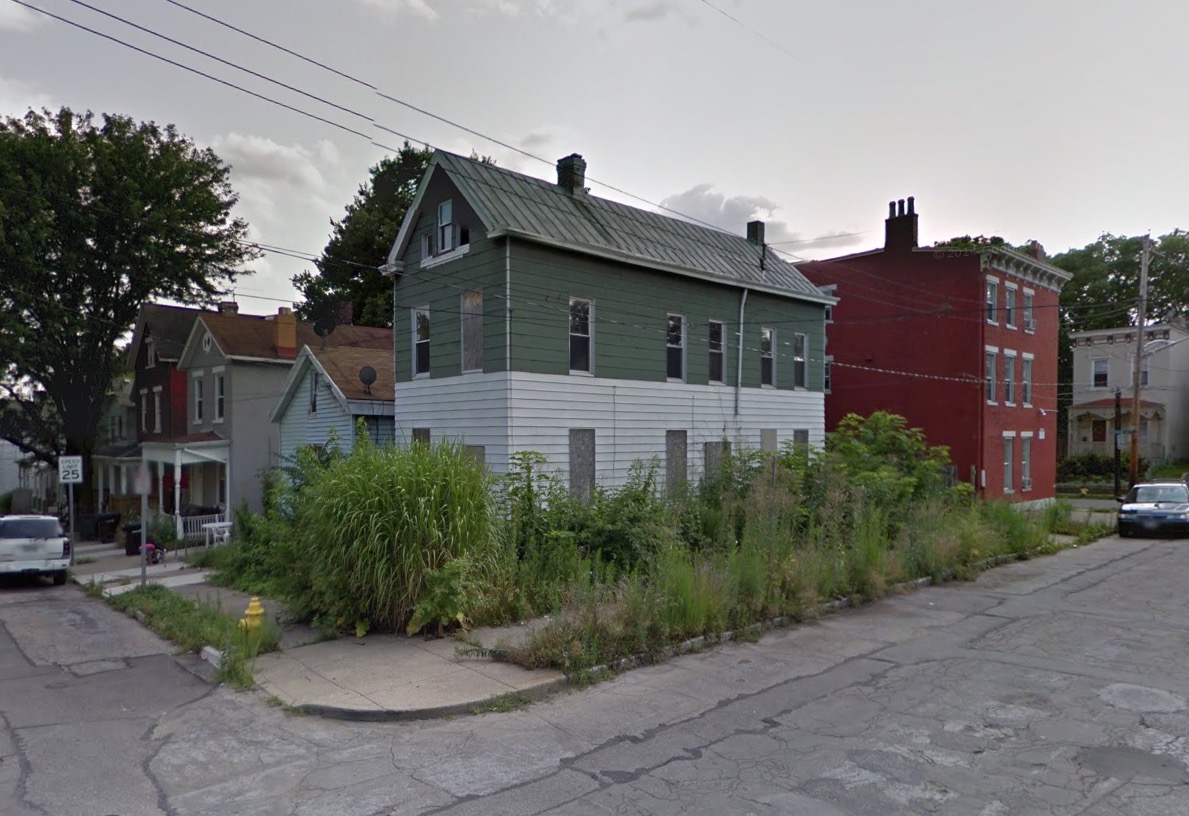
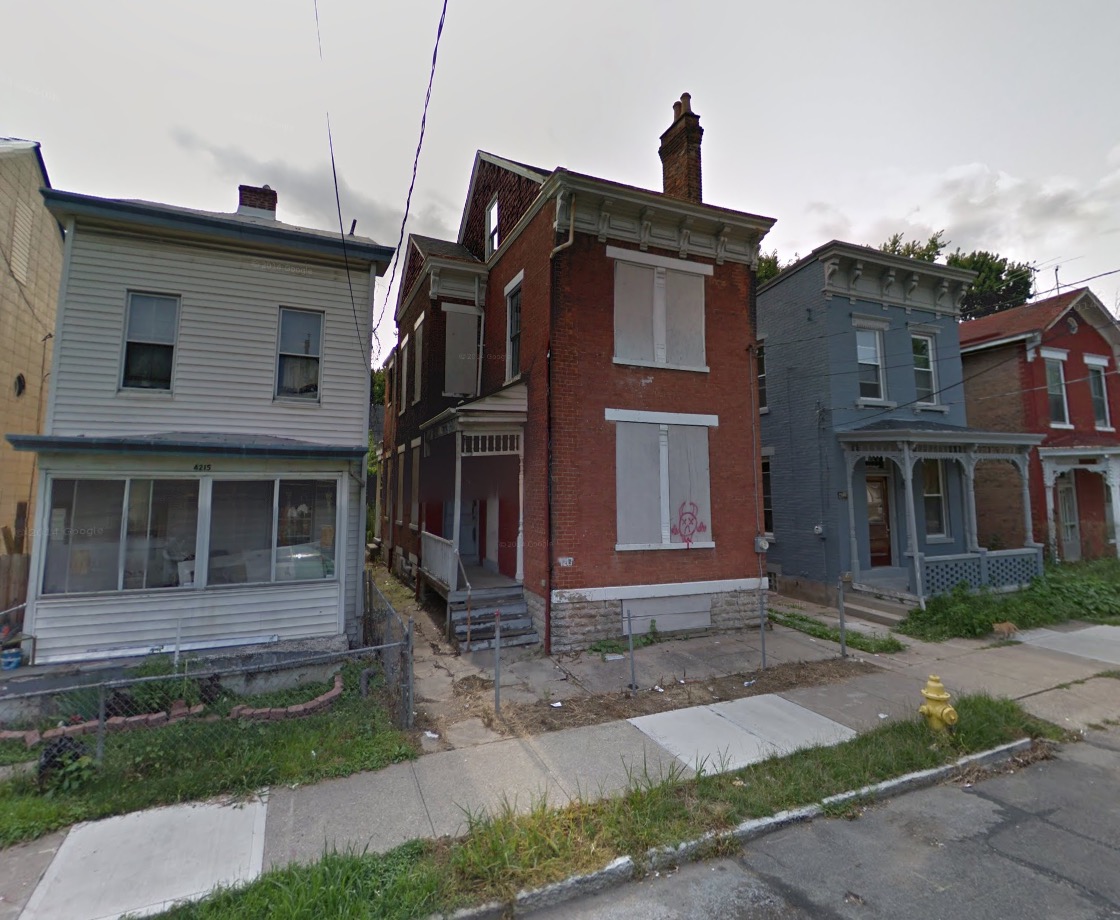
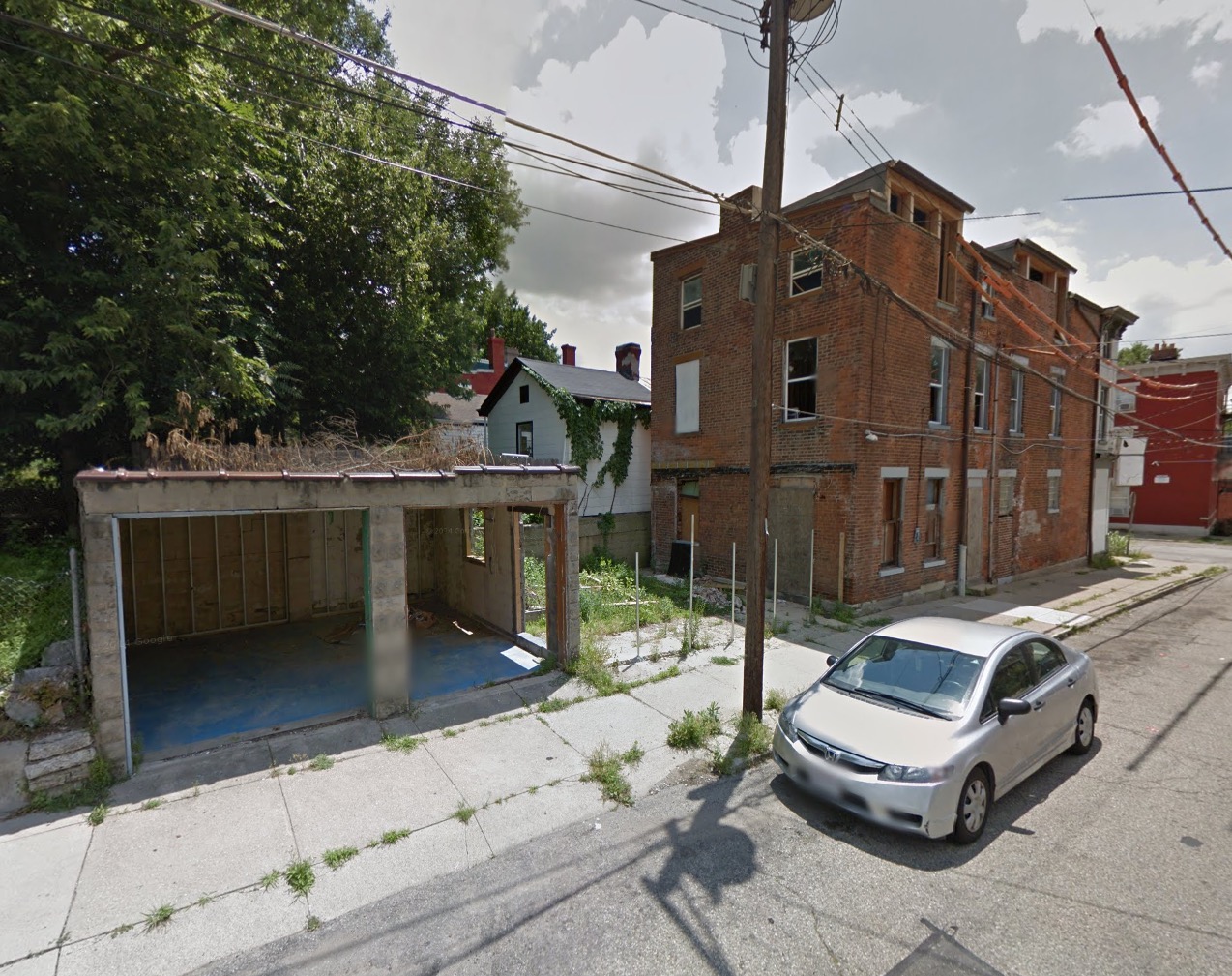
    Last month I bought an old fixer-upper for $15,000 in Cincinnati. It was originally offered at $17,000, but I got the sellers down a bit. The place is a complete disaster. All the copper pipes and wires have been stripped out of the building. It hasn’t seen paint for decades. Every window and door needs to be replaced. The roof is shot. There’s no insulation of any kind. The yard is a mess. And there are plenty of similar houses in the neighborhood. So why exactly did I buy it? I’ll get to that in a minute.


    Screen Shot 2015-06-20 at 2.39.06 PMGoogle

    Screen Shot 2015-06-20 at 3.43.32 PMGoogle

    Screen Shot 2015-06-20 at 2.51.09 PMGoogle

    But first I want to relate a conversation I had with a contractor this morning. He’s an older man who lives in the distant suburbs and has very definite opinions about the city. He spoke to me in a kindly grandfather voice. “Do you understand where this house is? Do you know what kind of people live there?” He used some colorful language which I won’t repeat. Let’s just say he’s a white guy of a particular generation from the South… He advised me to take the money I’m about to spend renovating the house and use it to buy a nice big new home on a good sized piece of land across the river in Kentucky instead.

    If this were 1980, or 1990, or 2000 this man’s recommendation would have been entirely valid from an economic perspective. Inner city neighborhoods all over the country were hemorrhaging population, jobs, and revenue for decades. It would have been a disastrous investment. But times have changed. Not everyone has noticed.

    Screen Shot 2015-06-20 at 1.15.34 PMGoogle

    Screen Shot 2015-06-20 at 1.16.17 PMGoogle

    Screen Shot 2015-06-20 at 1.11.49 PMGoogle

    Screen Shot 2015-06-20 at 1.12.31 PMGoogle

    Screen Shot 2015-06-20 at 2.12.12 PMGoogle

    Screen Shot 2015-06-20 at 2.12.43 PMGoogle

    Screen Shot 2015-06-20 at 2.19.56 PMGoogle

    Screen Shot 2015-06-20 at 2.20.21 PMGoogle

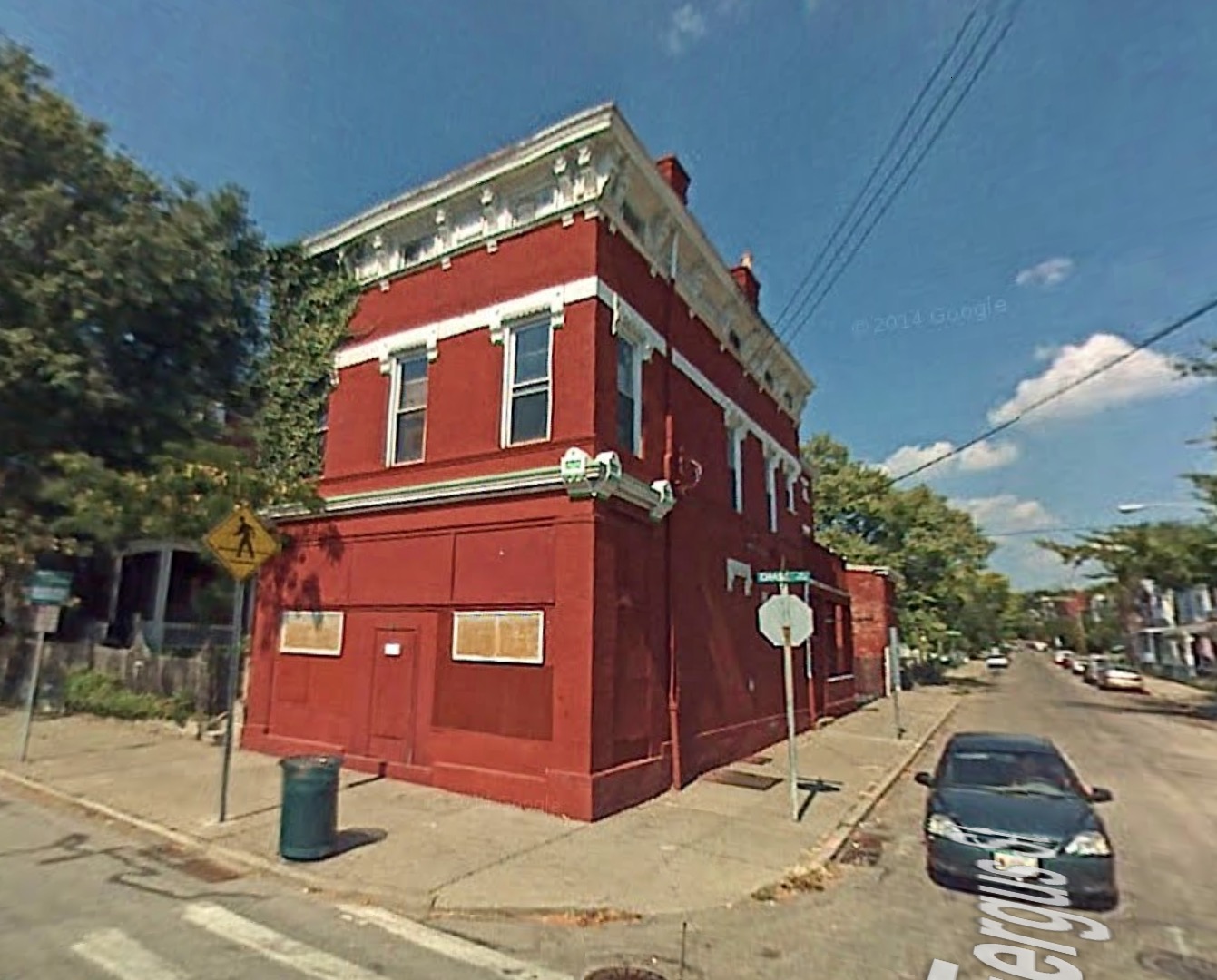
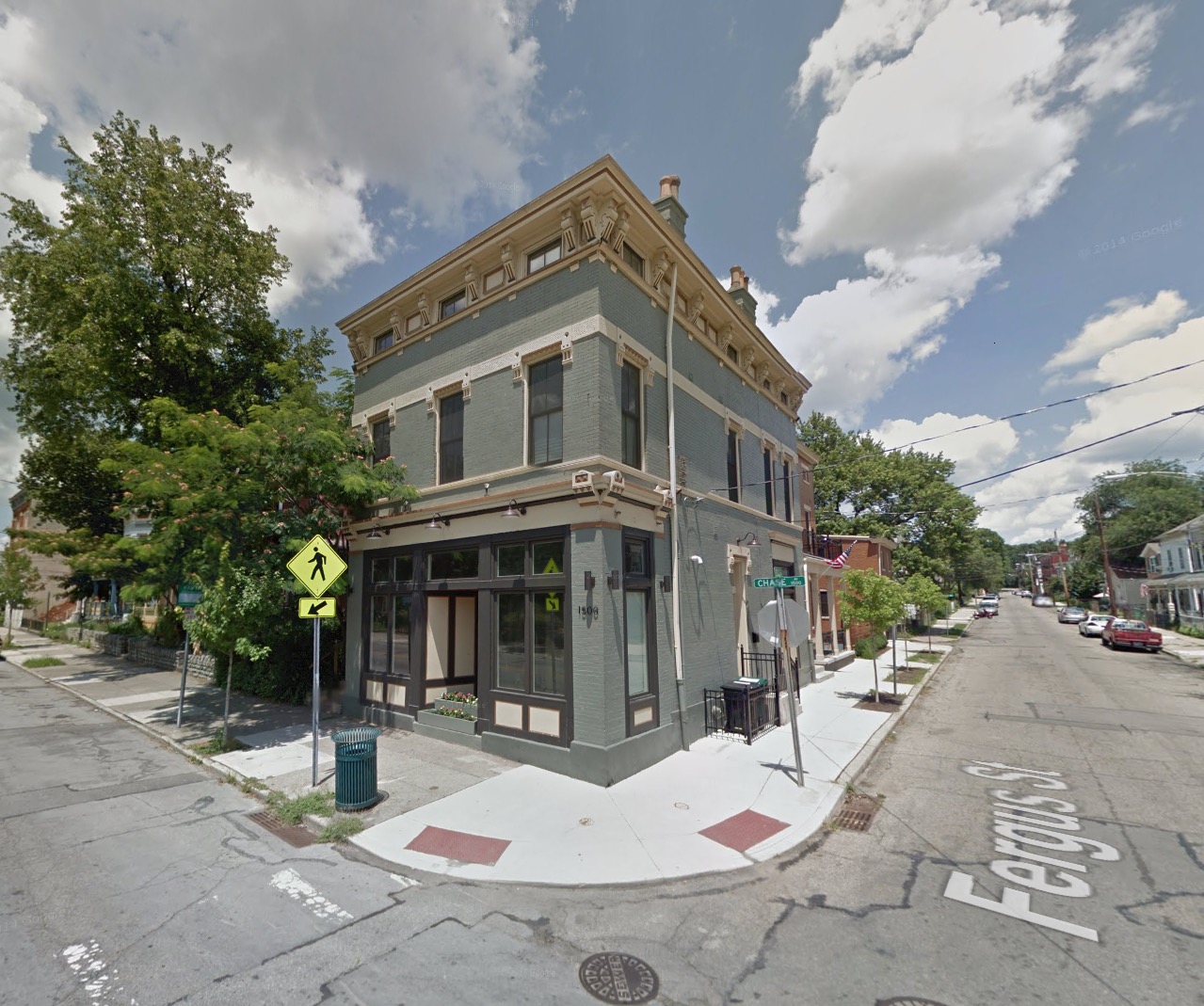
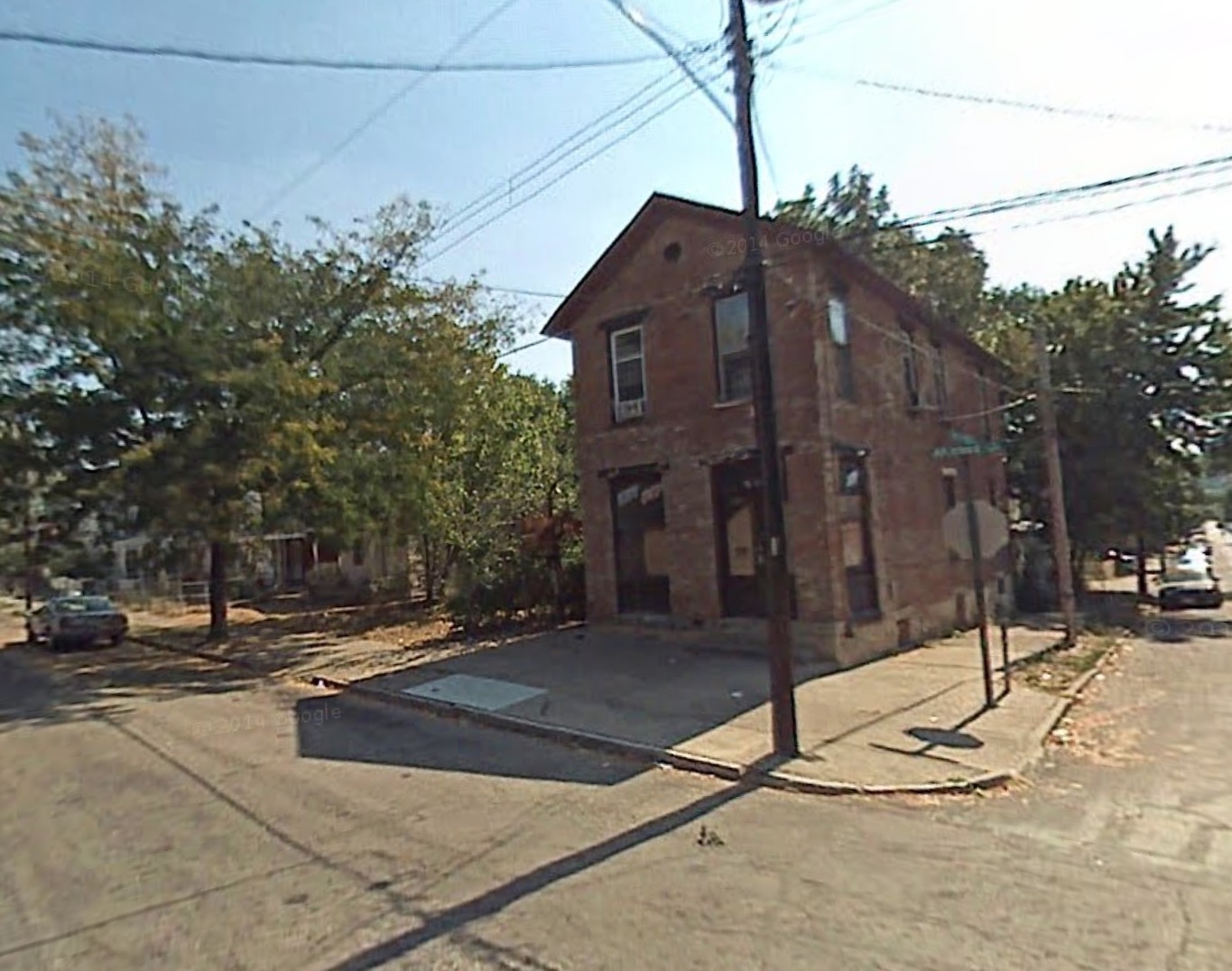
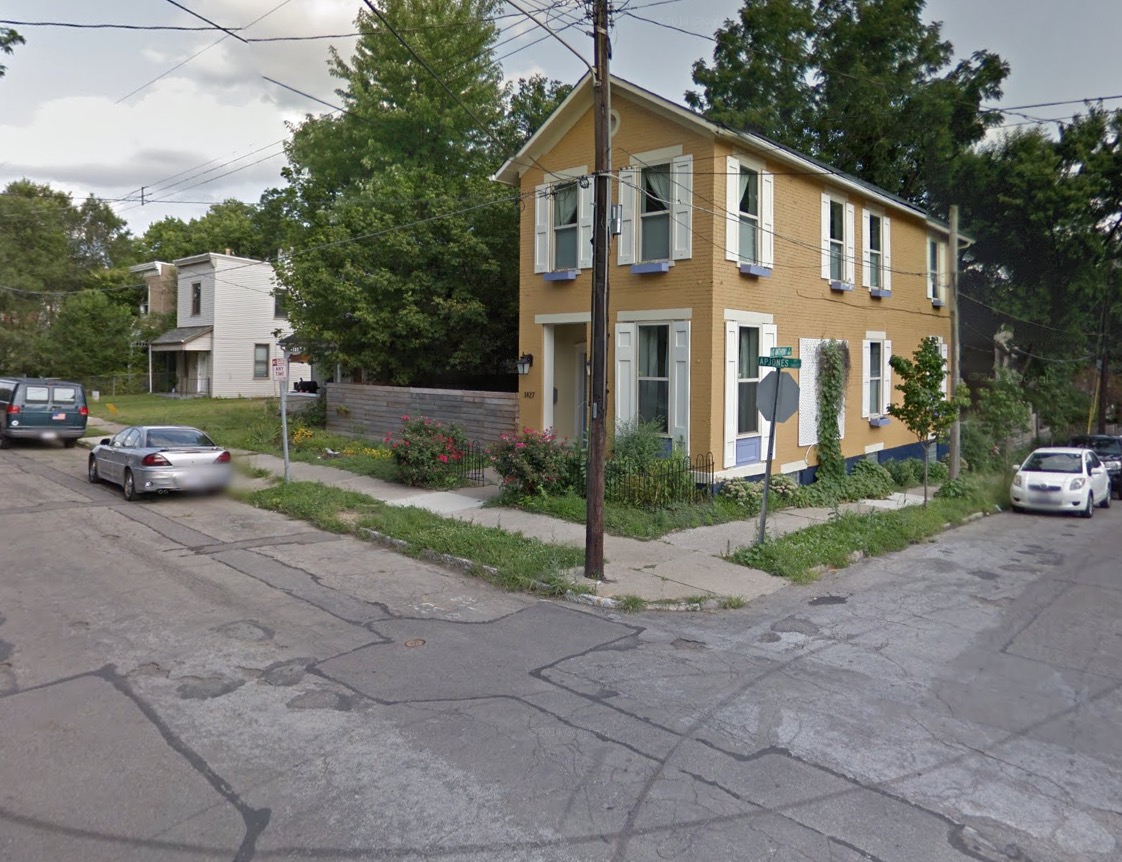
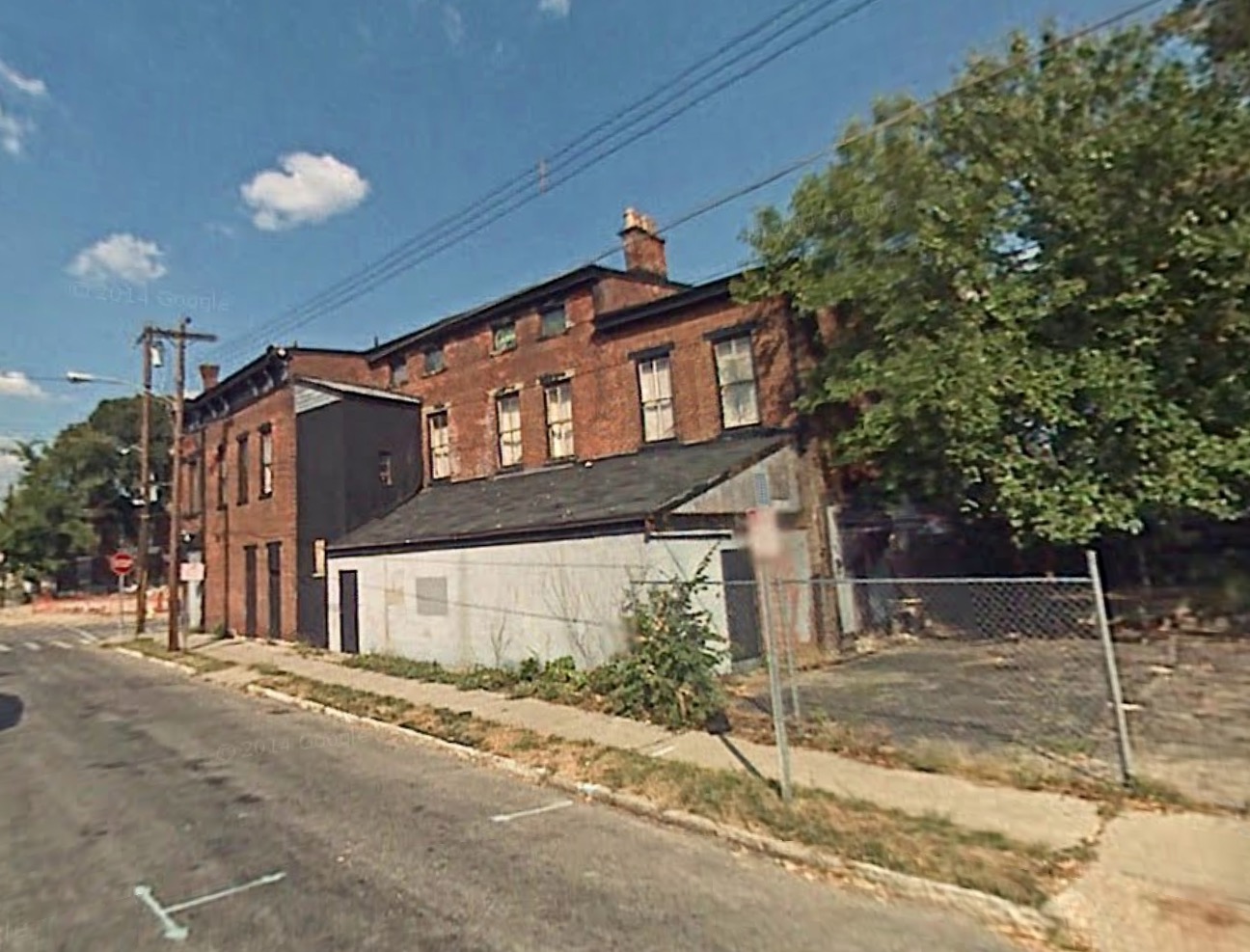
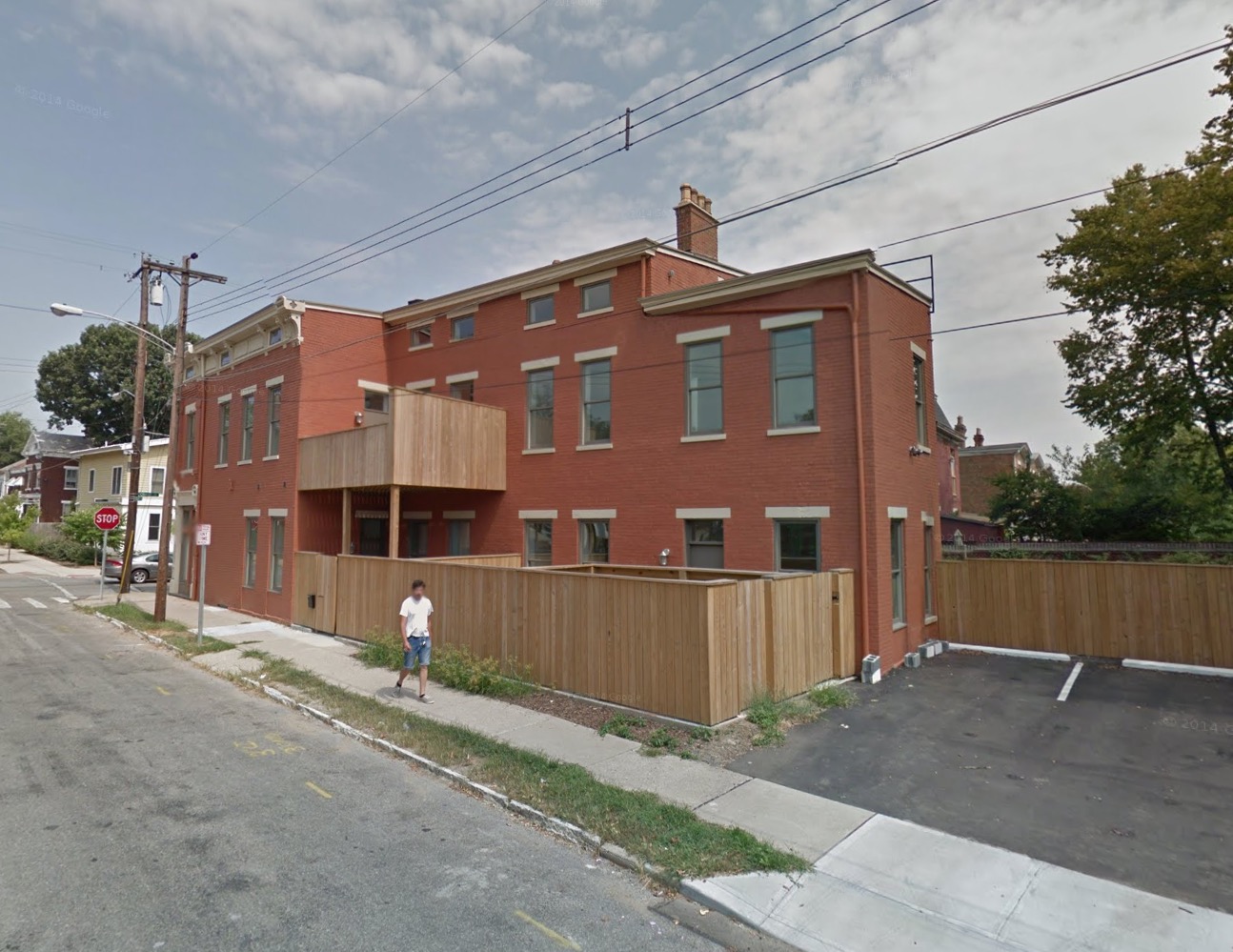
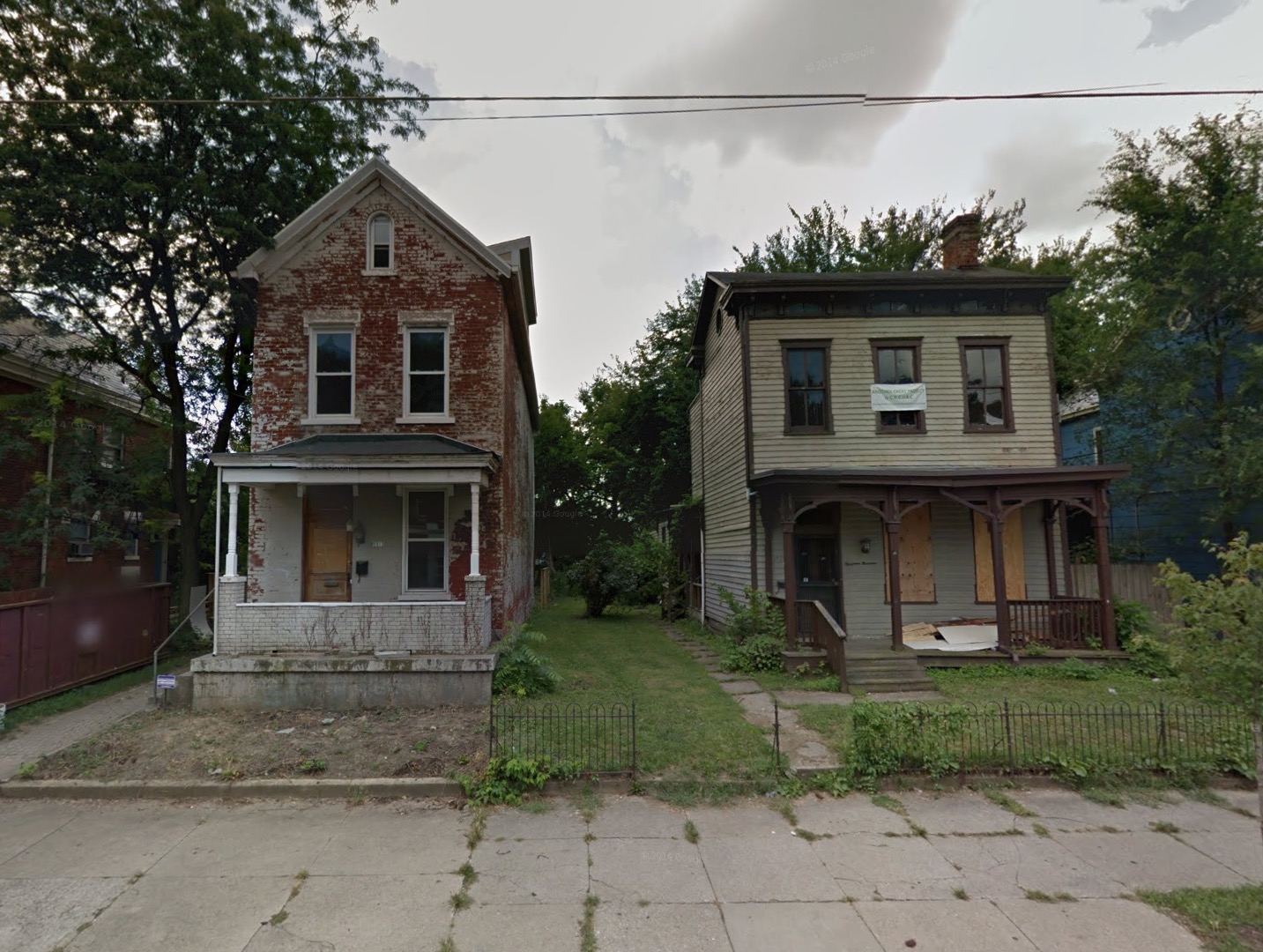
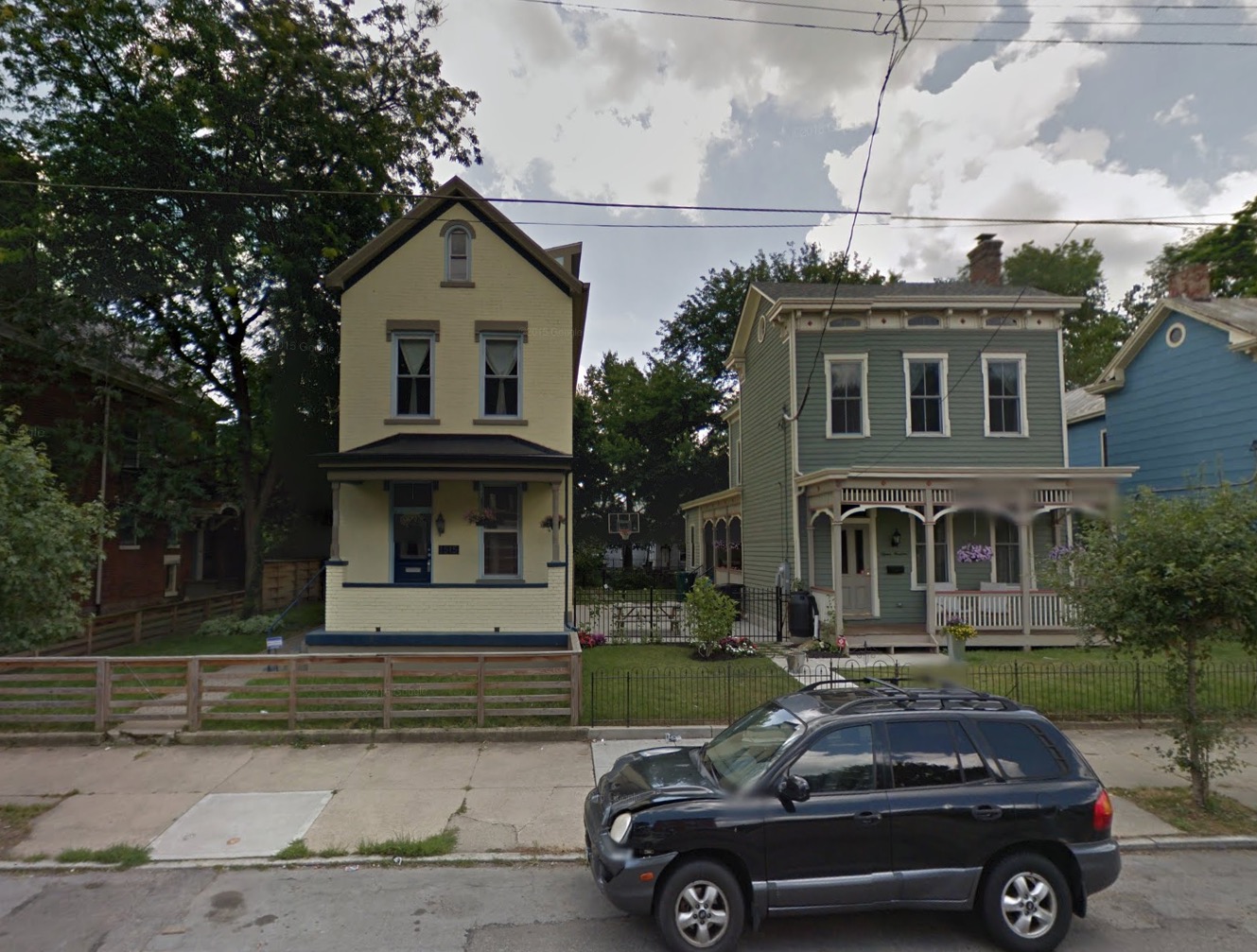
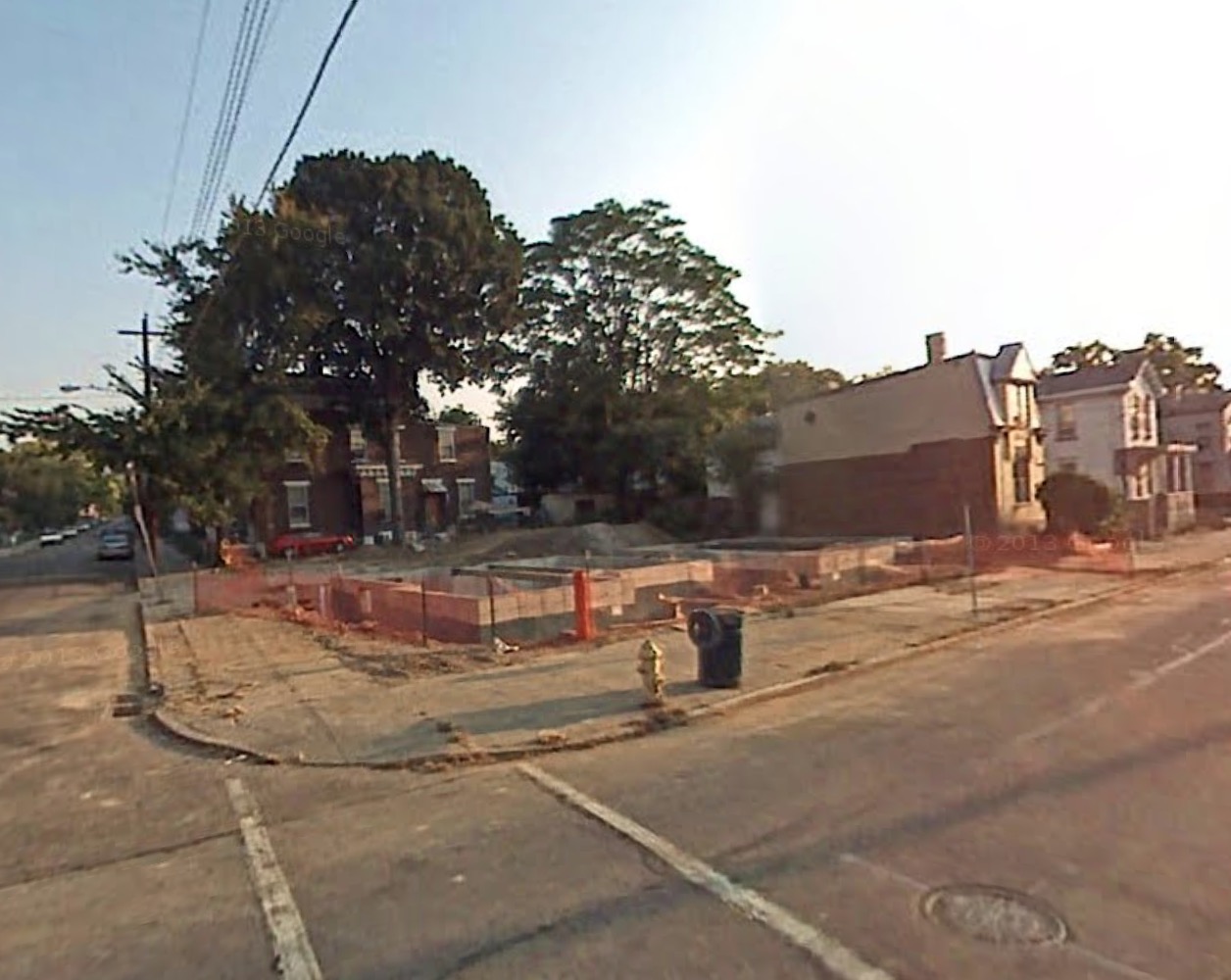
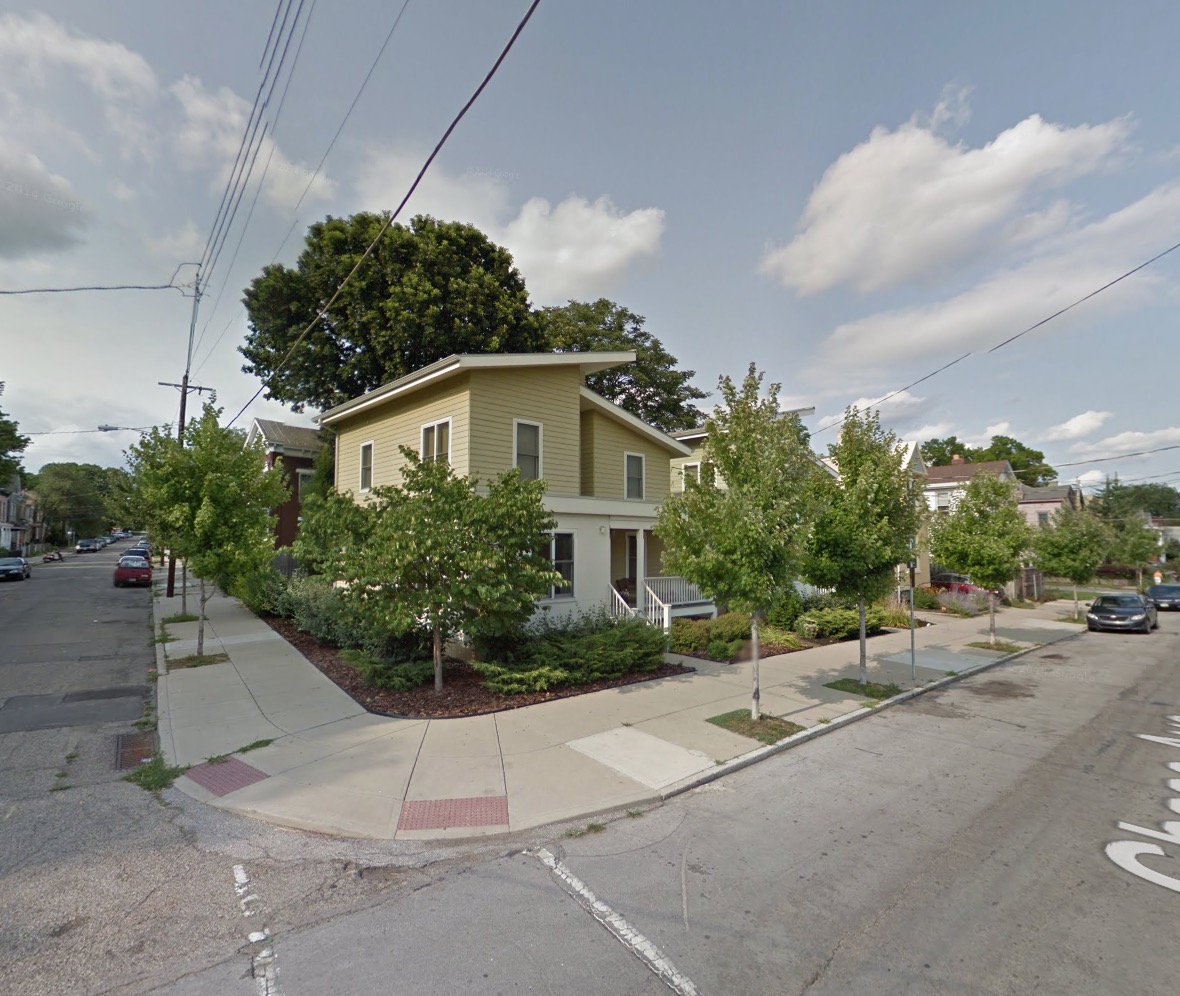
    Here are some before and after photos of buildings in the immediate neighborhood curtesy of Google Street View. Since the Google van has driven by a few times in the last decade it’s possible to see the same buildings from the perspective of different years. People have consistently been buying up cheap run down properties, fixing them up, and incrementally improving the neighborhood. This is no longer a place of permanent decline and disinvestment. The area hit bottom a few years back and it’s already on the way back up. It’s not entirely there yet, but it’s well on its way.

    Screen Shot 2015-06-20 at 1.17.02 PMGoogle

    Screen Shot 2015-06-20 at 1.17.35 PMGoogle

    In addition to recently renovated older buildings, vacant lots are sprouting quality new construction. These two homes are LEED certified for energy efficiency.

    Screen Shot 2015-06-20 at 2.30.02 PMGoogle

    GantryUAV21gantrylife.com / bayerbecker.com

    CornerView copy1_0csoinc.net / bayerbecker.com

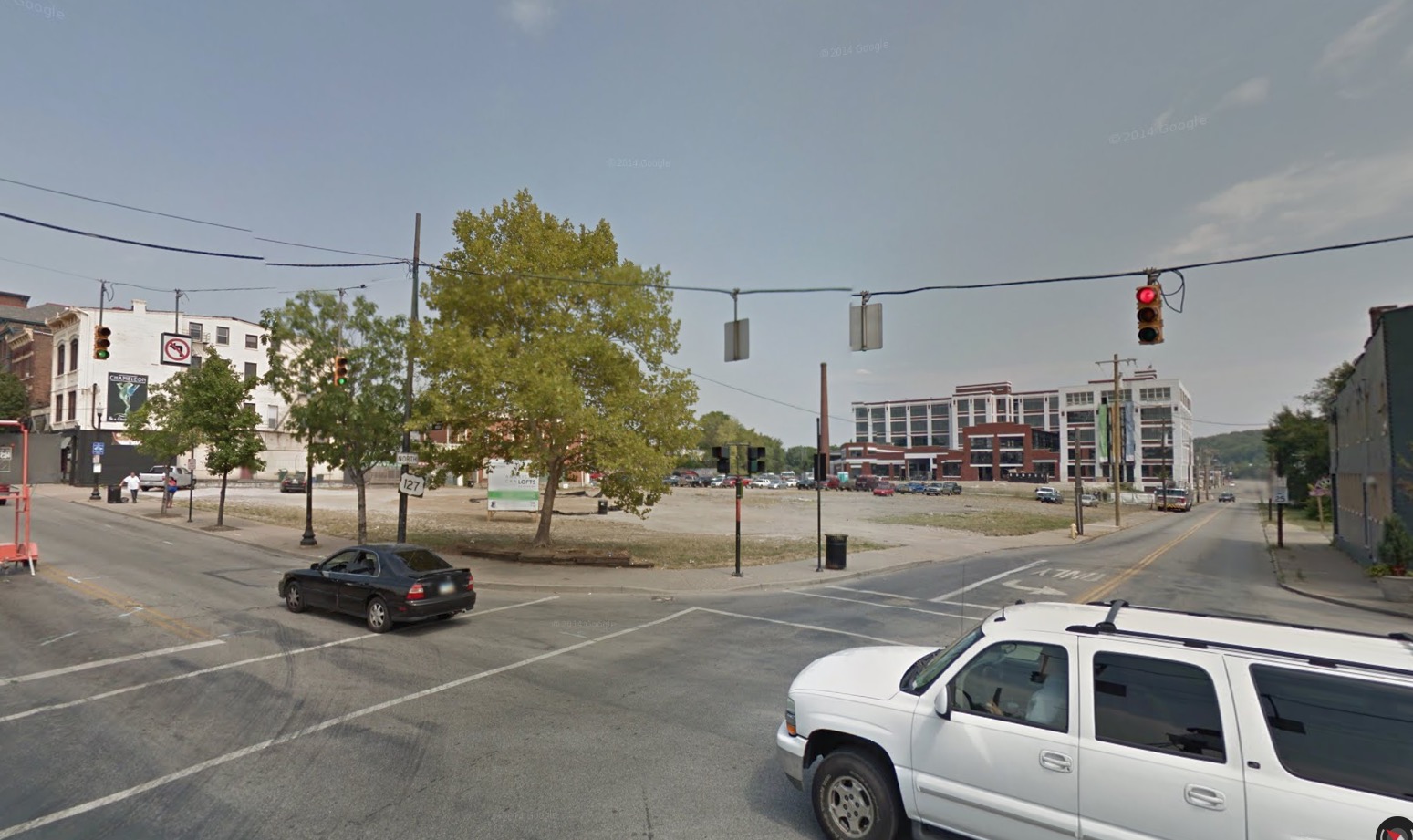
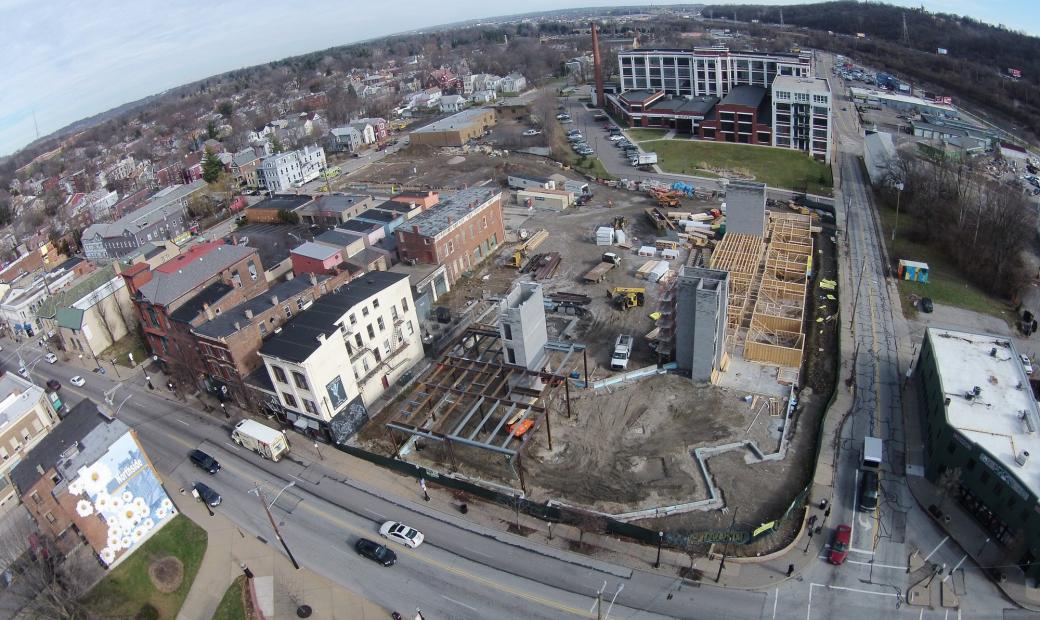
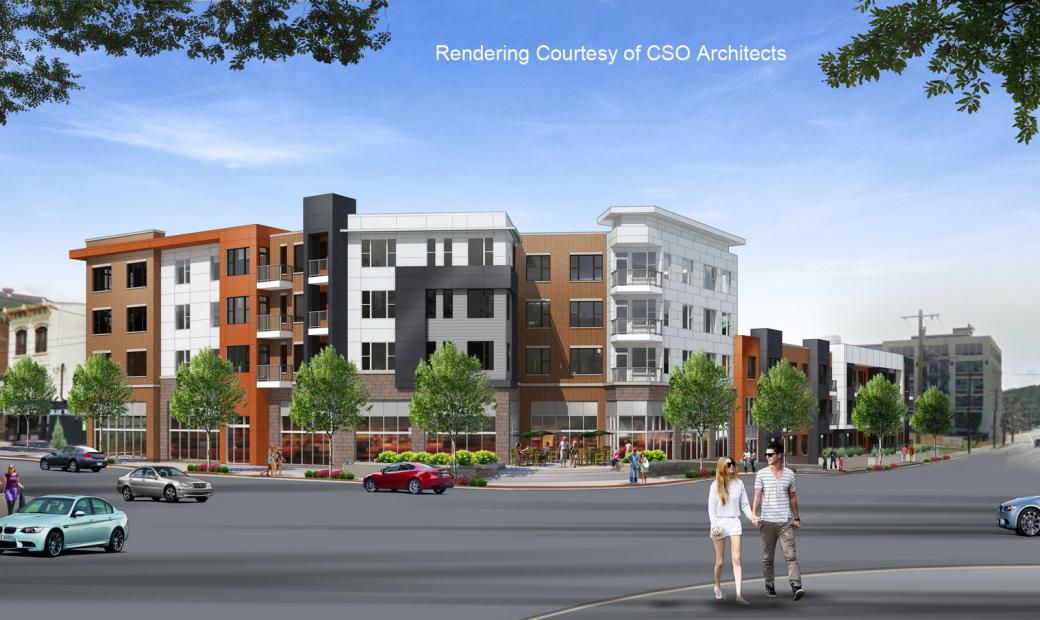
    A few blocks away a larger vacant parcel is currently being redeveloped into a market rate multi-million dollar mixed use building by an out-of-state firm. I’ve noticed that local companies don’t always appreciate their own assets, but plenty of well funded ventures from other metro areas are taking advantage of the opportunities on offer in Cincinnati.

    Screen Shot 2015-06-20 at 4.57.52 PMGoogle

    Screen Shot 2015-06-20 at 4.56.41 PMGoogle

    unnamed-3

    unnamed-1

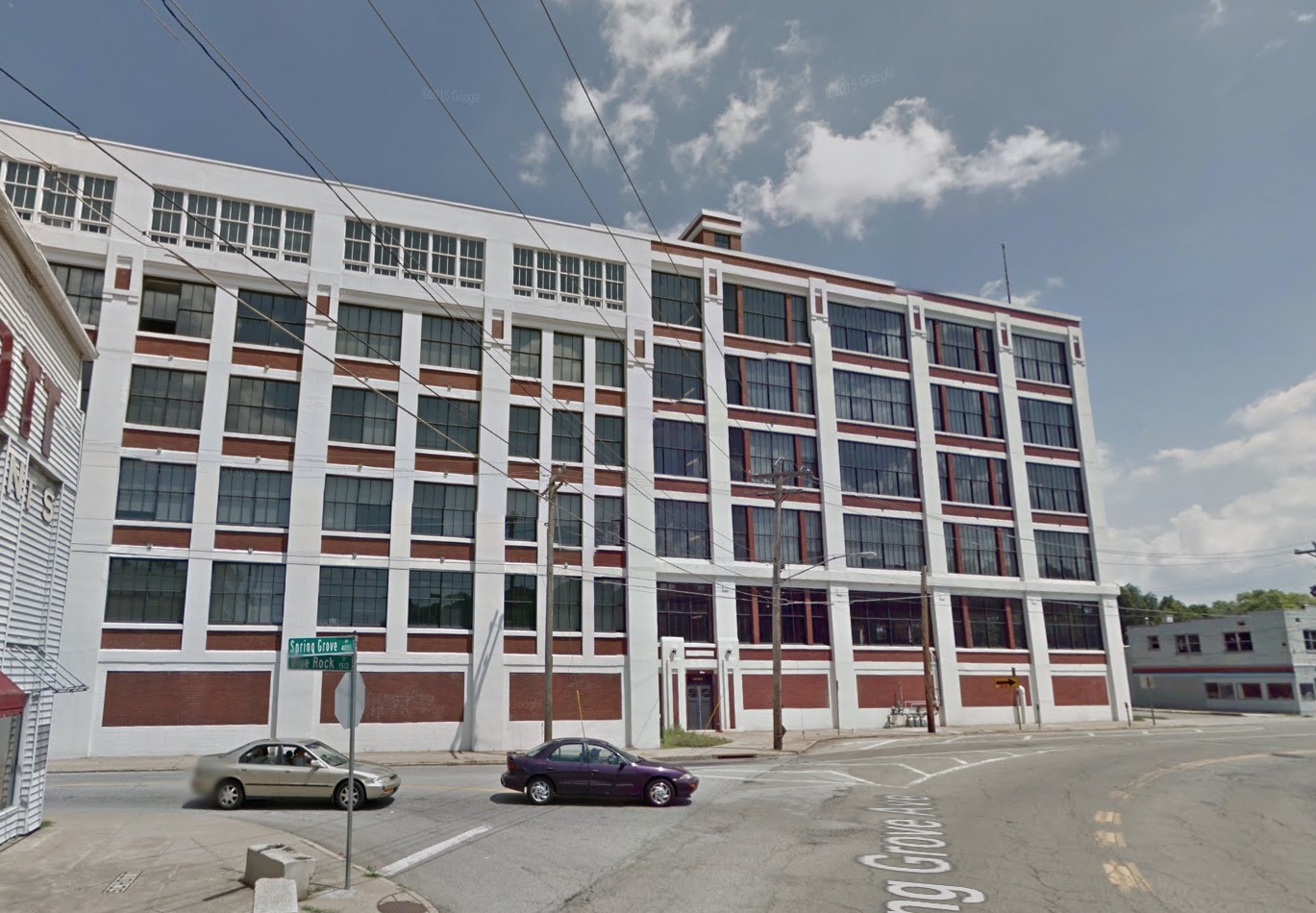
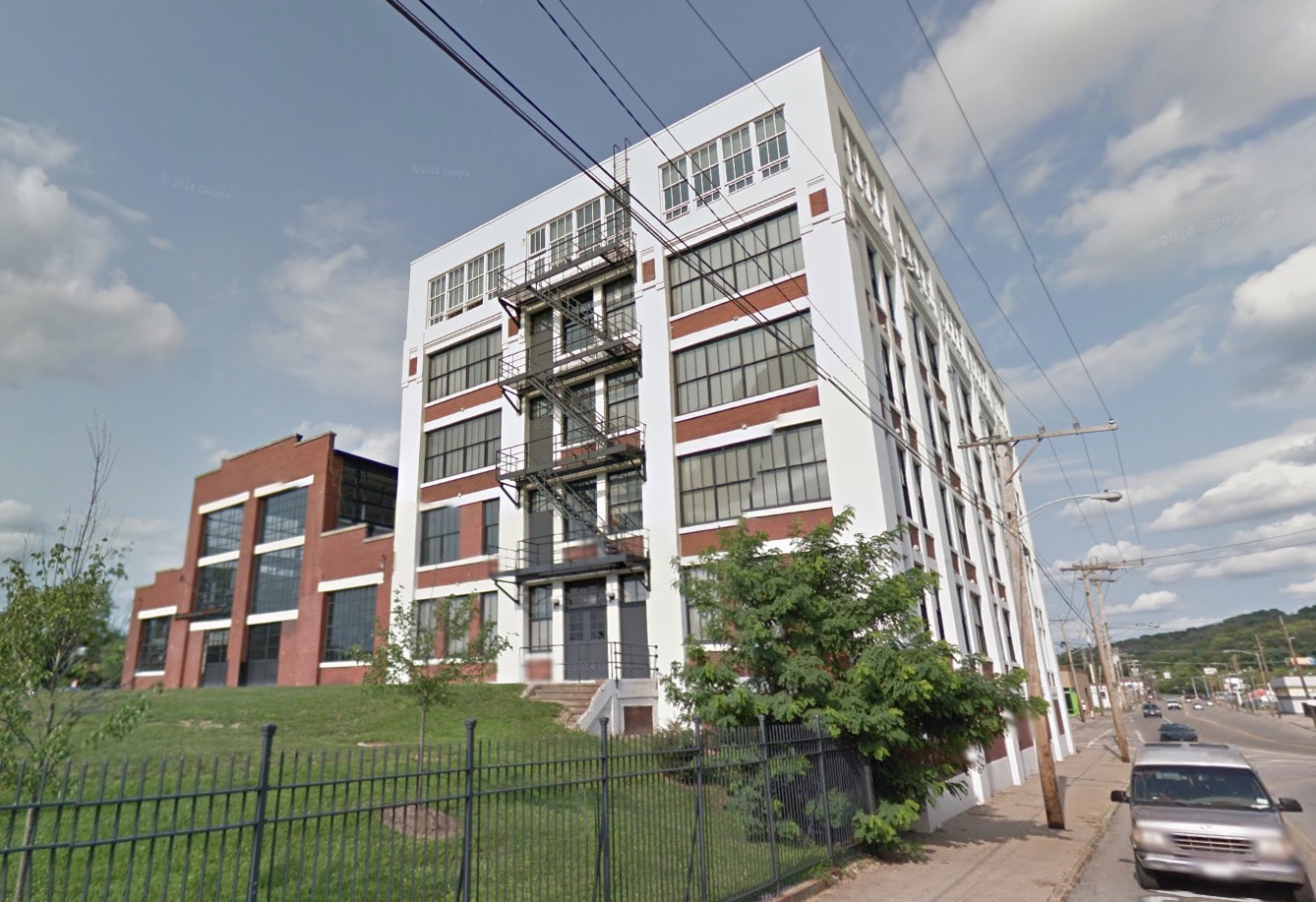
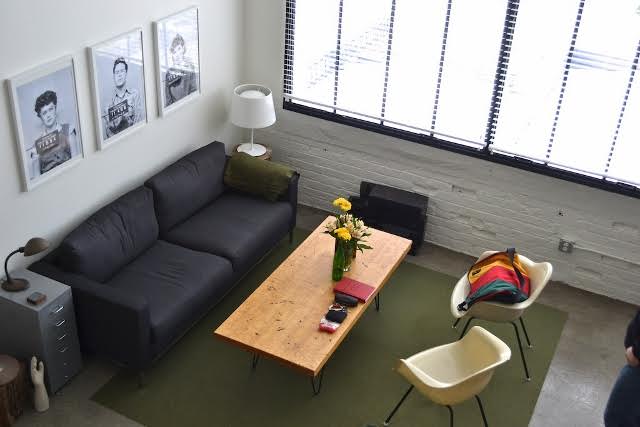
    Right next door is the American Can Lofts building which was completely transformed in 2011 after siting empty since 1978. I arrived in Cincinnati for the first time a few years ago just as this building was having its grand reopened. That takes me to how a guy from San Francisco ended up looking at property in Cincinnati in the first place. Which takes me to why I think Cincinnati is such a great investment.

    Screen Shot 2014-12-05 at 1.11.18 AM

    Screen Shot 2014-12-05 at 1.05.23 AM

    Screen Shot 2014-12-05 at 1.11.59 AM

    I have long time friends-of-the-family in Los Angeles. Their daughter graduated from university, got married, and promptly left California. She and her husband explored the country looking for a place to live that they both liked and could afford. (That ruled out nearly every inch of California.) They lived in Baltimore, Maryland for a while and then Portland, Oregon for a year before moving to Cincinnati. They could afford Baltimore and appreciated its gritty charm. But they really loved Portland – give or take the ridiculously high rent and real estate values. What they wanted was Portland at a Baltimore price.

    And then they moved to Cincinnati. Ahhhhhh. They bought a charming century old four bedroom house in perfectly good condition for $50,000. It was the best thing any young couple could have done, both financially and in terms of their quality of life. If they had stayed in Los Angeles or Portland they would still be renting (with room mates) and just scraping by. In Cincinnati they became comfortably middle class home owners at the tender age of twenty five. Their mortgage is $400 a month. And they’ve had no trouble finding good work or like minded friends. They aren’t the only young people making this kind of move. Which is probably why out-of-state developers are investing in the city.

    The odd thing about Cincinnati is that while the existing housing stock is very reasonably priced, good quality space is commanding fairly high rents. Apartments in the America Can building go for $610 for a one bedroom up to $1,480 for a three bedroom – and there’s a waiting lists. My inner capitalist sees a generous spread between affordable property and the potential for solid rent from solvent tenants. If I can provide a high quality building I believe I can find good people to occupy the space at a rent that’s reasonable for them and profitable for me. And I can do it without taking on debt and without being a slumlord. Try that in San Francisco and see how far you get…

    I just hired a young local architect to help with the reconstruction. This is going to be a fun little adventure. And I’m really happy that old guy who was trying to give me advice lives in the distant suburbs. He’d be a terrible neighbor.

    John Sanphillippo lives in San Francisco and blogs about urbanism, adaptation, and resilience at granolashotgun.com. He’s a member of the Congress for New Urbanism, films videos for faircompanies.com, and is a regular contributor to Strongtowns.org. He earns his living by buying, renovating, and renting undervalued properties in places that have good long term prospects. He is a graduate of Rutgers University.

  • Stack and Pack vs. Smear All Over

    I drove out to a distant suburb recently to attend to some business and I passed by a cluster of billboards on the side of the freeway that got me thinking. The general gist of the slogans asserted a conservative anti-government anti-urban rebellion. These are clearly people who don’t want density and public transit imposed on them by pointy headed liberal idiots. I have to admit I have some sympathy for this perspective, although probably not for the same reasons as the billboard people. Their knee jerk reaction makes clear what they don’t want, but offers no alternative response to the underlying difficulties faced by the inevitable urbanization of rural areas.

    Screen Shot 2015-06-06 at 1.45.36 AM

    Screen Shot 2015-06-06 at 1.44.07 AM

    Screen Shot 2015-06-06 at 1.44.23 AM

    Screen Shot 2015-06-06 at 1.43.24 AM

    Screen Shot 2015-06-06 at 1.43.47 AM

    Screen Shot 2015-06-06 at 3.07.22 AM

    Screen Shot 2015-06-06 at 3.05.57 AM

    Screen Shot 2015-06-06 at 3.05.27 AM

    Screen Shot 2015-06-06 at 3.06.59 AM

    Screen Shot 2015-06-06 at 3.06.43 AM

    Here’s the fantasy of how this particular area should remain: bucolic landscapes, family farms, charming old homes, and delicate churches with little graveyards out back. But these are all part of a heritage park. School children are brought here to learn what the place was like in the 1850’s.

    Screen Shot 2015-06-06 at 3.08.52 AM

    Screen Shot 2015-06-06 at 3.11.23 AM

    Screen Shot 2015-06-06 at 3.10.27 AM

    Screen Shot 2015-06-06 at 3.08.27 AM

    Screen Shot 2015-06-06 at 3.08.08 AM

    Screen Shot 2015-06-06 at 3.13.18 AM

    Turn the camera just slightly to the left or the right and the landscape is filled with gas stations, parking lots, drive-thru banks, and freeway traffic. And everywhere there’s new construction. Money (lots and lots of San Francisco Bay Area money) and a whole lot of people are inevitably going to be occupying what is now open space in these distant counties. No political force can stop it. There are two competing models for what that new growth is going to look like and neither is pretty as far as I’m concerned.

    Screen Shot 2014-11-17 at 5.42.47 PM

    Screen Shot 2014-11-17 at 5.43.17 PM

    Screen Shot 2014-11-17 at 5.41.57 PM

    Screen Shot 2014-11-17 at 5.42.34 PM

    First, there’s the compact, dense, transit oriented development favored by regional planners. (This is precisely the kind of thing the billboard people are so pissy about.) Now… I live in a compact, dense, transit oriented neighborhood in San Francisco that I think is amazing. But when I look at what’s being built in the far flung suburbs I find nothing to love about any of it. The scale is overwhelming. Each of these complexes occupies a massive super block. And it’s not just the size per se that I don’t like. It’s the fact that these buildings have all the drawbacks of density without any of the compensating urbanism. Where are the shops on the ground floor? Where’s the corner grocery? Where are the cafes and nightclubs? Where are the intimate little restaurants and pocket parks? Where are the vibrant walkable places? There just aren’t any. These places are as lifeless as any cul-de-sac, minus the space and privacy provided by a tract house with a yard. It’s not a good combination.

    Screen Shot 2015-06-05 at 5.43.30 PM

    Screen Shot 2015-06-05 at 5.41.17 PM

    Screen Shot 2015-06-05 at 5.38.59 PM

    Screen Shot 2015-06-05 at 5.42.04 PM

    Screen Shot 2015-06-06 at 2.54.54 AM

    Screen Shot 2015-06-05 at 5.42.41 PM

    Screen Shot 2015-06-06 at 2.55.35 AM

    Screen Shot 2015-06-06 at 3.13.37 AM

    Here’s the second option. Traditional American values brought to life in shiny new single family homes with three car garages as far as the eye can see. This is the alternative to big bad government and communist apartment blocks. Luxury homes chew up the countryside and load the freeway with an unmanageable amount of traffic. And by the way, these homes each cost $1.4M.

    I compare this political situation with the dilemma the country faced in the early 1980’s when Reagan came to power. Conservatives hated the idea that the government operated halfway houses and insane asylums. They wanted no part of drug treatment programs either. At the same time liberals insisted that it was inhumane to lock people up against their will in underfunded and uncaring institutions where they were likely to be mistreated. So the two opposing elements of society conspired to shut down such institutions. The problem, of course, is that the mentally ill, drug addicted, and penniless segment of American society didn’t just disappear. They now live on our streets and fill our prisons. Both sides got what they wanted, but the problems persist in slightly different forms. So it is with the battles over land use regulation. Happenstance brings us a funky world and we all just muddle through some how.

    John Sanphillippo lives in San Francisco and blogs about urbanism, adaptation, and resilience at granolashotgun.com. He’s a member of the Congress for New Urbanism, films videos for faircompanies.com, and is a regular contributor to Strongtowns.org. He earns his living by buying, renovating, and renting undervalued properties in places that have good long term prospects. He is a graduate of Rutgers University.

  • Volcano Urbanism

    Before I get to the urbanism portion of this post I need to do a quick geography and geology lesson for those readers who are unfamiliar with Hawaii. The state is made up of a chain of islands: Oahu, Maui, Kauai, Molokai, Lanai, the Big Island (that’s the largest island called “Hawaii”) and numerous lesser islands. All the islands formed from the same volcanic hot spot on the sea floor over a period of 70 million years.

    Screen Shot 2015-05-25 at 1.13.56 AM
    Google

    Screen Shot 2015-05-23 at 7.12.16 PM

    DSC_6314 Picture 082 DSC_7911 Lava (2)

    lava_6687

    The hot spot continually pushes up molten lava from the center of the Earth forming new islands. Over time the plates of the Earth’s crust drift carrying the old islands away while a new island forms at the hot spot. The old islands gradually erode, shrink, and disappear under the sea, while a new underwater mountain gradually pushes its way up to the surface. At the moment the youngest island is the Big Island and it’s still growing in size. These Hawaiian volcanoes aren’t the kind that lay dormant for centuries and then suddenly erupt like Mount Saint Helens, Vesuvius, or Pinatubo. Instead they are shield volcanoes that continually release slow steady flows of lava. You can actually walk away from the lava as it inches forward.

    Screen Shot 2015-05-24 at 12.34.25 AM Screen Shot 2015-05-22 at 8.33.00 PM Screen Shot 2015-05-24 at 12.37.36 AM

    Screen Shot 2015-05-24 at 12.37.57 AM

    I just took these photos of the newest lava field that formed from June through February this year.

    Screen Shot 2015-05-22 at 8.31.12 PM

    Screen Shot 2015-05-22 at 8.29.18 PM

    Screen Shot 2015-05-22 at 8.32.18 PM


    Screen Shot 2015-05-23 at 10.47.32 AM

    Screen Shot 2015-05-23 at 10.47.18 AM

    Screen Shot 2015-05-23 at 10.22.52 AM

    Screen Shot 2015-05-25 at 2.26.54 AM

    Screen Shot 2015-05-25 at 2.06.39 AM

    Screen Shot 2015-05-25 at 2.19.09 AM

    In the first hundred years after a new lava flow pioneer species slowly colonize the rocks. First there’s moss and ferns. Then the rugged ohia trees sprout. Then coconut palms wash up on the newly formed black sand beach and take root. After two hundred years a dense forest is established.

    Screen Shot 2015-05-25 at 3.42.25 AM

    Screen Shot 2015-05-25 at 4.56.42 AM

    Screen Shot 2015-05-25 at 4.01.41 AM

    Screen Shot 2015-05-25 at 4.52.54 AM

    Screen Shot 2015-05-25 at 4.52.20 AM

    Screen Shot 2015-05-25 at 4.55.26 AM

    Screen Shot 2015-05-25 at 4.26.57 AM

    Screen Shot 2015-05-25 at 12.45.32 PM

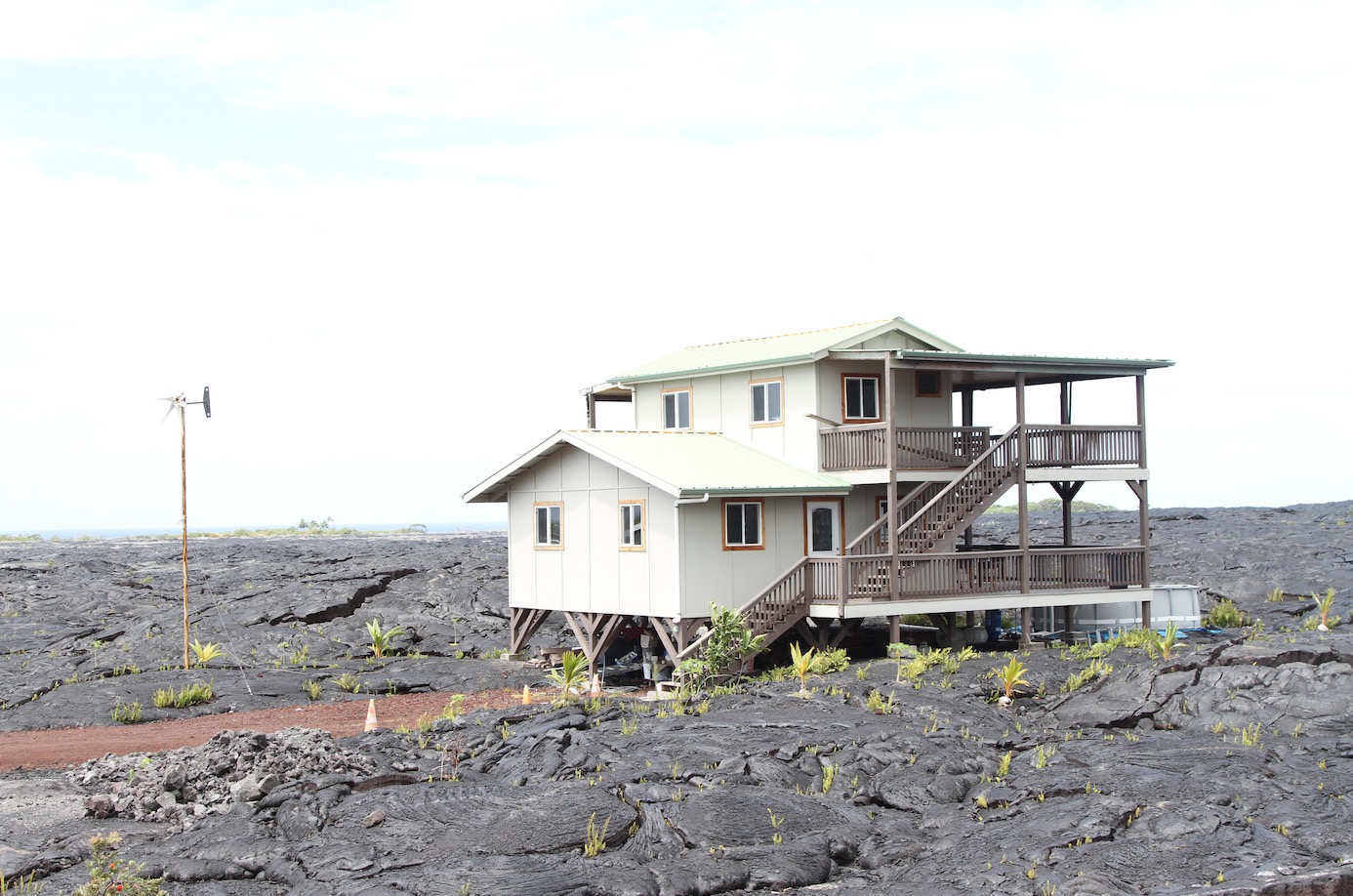
    Soon after the lava cools a new kind of pioneer species arrives to colonize the rocks. Before the lava flow the land had already been carved up into farms and subdivisions which were covered over. Once the lava cooled the old lots were resurveyed and sold off at bargain prices. Lots began at $1,000. When I asked one resident about the precarious nature of the location he explained, “You pay your dollar and you take your chances.” Then he asked me where I live. San Francisco. “Hmmm. Nothing dangerous about living on top of a massive earthquake fault is there?” We continued to talk. Seattle and Portland have volcanoes in their back yards too. Manhattan has seen terrorist attacks and super storms in recent years. Florida and Louisiana are directly in harm’s way when it comes to hurricanes. Entire towns in Kansas get swept away in tornadoes. There are 180 aging nuclear power plants all over the mainland. What could possibly go wrong there? Or you could live in New Jersey which has… New Jersey. His point was that people were more directly engaged with the danger on the lava flow. They live with the risk everyday and can’t let themselves forget what they’re dealing with. The lava could return tomorrow or it might be another 50 years. No one knows. Everyone enjoys life, but has a Plan B.

    Screen Shot 2015-05-25 at 4.50.51 AM

    Screen Shot 2015-05-25 at 4.11.37 AM

    Screen Shot 2015-05-25 at 4.49.24 AM

    Screen Shot 2015-05-25 at 4.25.39 AM

    Screen Shot 2015-05-25 at 4.07.43 AM

    Screen Shot 2015-05-25 at 3.43.38 AM

    As I took these photos of the lava dwellers I was fascinated. It wasn’t so much the dramatic location or funky architecture, although they’re certainly worth exploring on those terms. Instead, I looked at these lava homes as a window into the past. Historically this is exactly how all towns and cities began including Rome, New York, London, and Toronto. There’s no city water supply. No complex sewer system was installed ahead of development. There are no paved roads. No banks have financed any of these buildings. No insurance company provided coverage. There are no building codes, zoning regulations, or government inspections. (Or more accurately, all those strictures exist, but they’re simply unenforced.)

    Screen Shot 2015-05-25 at 1.45.25 PMGoogle

    Screen Shot 2015-05-25 at 12.40.12 PM

    Screen Shot 2015-05-25 at 4.06.18 AM

    Screen Shot 2015-05-25 at 4.24.19 AM

    Screen Shot 2015-05-25 at 4.02.46 AM

    The average North American town gets 37 inches of rain per year. This part of Hawaii gets 148. That’s over 12 feet of water falling from the sky. The simplest way to supply an off-grid home with water in this location is to collect it from the roof and hold it in a tank. The water is generally clean enough to be used directly for things like washing, but the drinking water needs to be filtered or boiled. The climate is mild year round so there’s never a need for heating or cooling, particularly if a home is built with traditional techniques that provide shade and cross ventilation. A barbecue size tank of propane will keep a stove going for a very long time. A few solar panels and/or a small marine style wind turbine will keep the lights on, especially if they’re compact florescent or LED. Ten years ago people would have used gasoline generators, but these days solar is more cost effective, silent, safer, and more convenient. Toilets come in the same form that was used by Moses, Napoleon, and Abraham Lincoln. Dry composting toilets use no water and the waste quickly turns to soil so long as sawdust or other carbon rich material is added to neutralize the nitrogen.

    Screen Shot 2015-05-25 at 12.41.01 PM

    Screen Shot 2015-05-25 at 12.43.00 PM

    Screen Shot 2015-05-25 at 4.04.40 AM

    Screen Shot 2015-05-25 at 4.27.56 AM

    A D9 bulldozer and driver can be rented for the day to do the work of a thousand men in a single afternoon. The rough lava is scraped flat enough to be passable by car. A few loads of cinder help smooth the way. The roads are only improved where and as needed in an incremental fashion. The value of individual vacant lots rises as ease of access improves so homes tend to be built in clusters along the cinder roads. This level of infrastructure is in keeping with the needs and budget of the community without involving higher levels of government.

    Screen Shot 2015-05-25 at 4.01.11 AM

    I’m not advocating building in this kind of environment and I’m not romanticizing counter culture off-grid communities. What I am saying is that in a country that prides itself on freedom and private property rights you shouldn’t have to move to the side of a volcano to escape the regulations and social constraints that make self built mortgage free homes illegal everywhere else. I know the arguments against this sort of thing. Shanty towns are dangerous and unhealthy. They will be populated by meth labs and crack whores. These people aren’t paying their fair share of taxes to society. This isn’t a wholesome environment for children, the elderly, or the disabled. This sort of thing will destroy nearby property values. The list goes on. My response is pretty straightforward. So… we don’t have unhealthy pockets of poverty, meth labs, and crack whores in places that were built entirely to code and heavily regulated?

    I will say that in this kind of community there’s no need for “affordable housing”. Even the most cash strapped residents can provide shelter for themselves. It may not be the sort of home most middle class people aspire to, but living here is entirely voluntary within a community of like-minded self-selecting people. As time passes each of these makeshift structures is being improving and upgraded. The shanties are gradually evolving into more substantial and respectable homes in the same way the moss and ferns yield to ohia and palm trees. This is an extreme example, but the same principles can be applied selectively in other locations in a more intentional fashion. These lava homes provide a glimpse into what town building used to look like and could look like again if the banks, regulators, and Upright Citizens Brigade cut people a bit more slack. I’m not counting on that, but it’s good to see obscure demonstrations of the historical pattern playing out in forgotten corners to remind us of how things were done before the days of the production home builder, the master planned community, and the seventeen volume building code.

    John Sanphillippo lives in San Francisco and blogs about urbanism, adaptation, and resilience at granolashotgun.com. He’s a member of the Congress for New Urbanism, films videos for faircompanies.com, and is a regular contributor to Strongtowns.org. He earns his living by buying, renovating, and renting undervalued properties in places that have good long term prospects. He is a graduate of Rutgers University.

  • Land Use Regulations and “Social Engineering”

    All forms of land use regulation are explicitly “social engineering”. Full stop. Let’s acknowledge that reality as we move forward. The question is never whether we’ll be engaging in manipulating society through land use regulations, but how and why.

     Screen Shot 2015-03-30 at 1.59.06 AM


    The typical pejorative reference to “social engineering” includes things like government built subsidized low income housing or rent control imposed on private property. There are large numbers of people who find this sort of thing distasteful. I understand the objections, particularly since so much public housing has been so bad and rent control distorts the rental market. Then again, lots of for-profit housing is really bad and all sorts of other things distort rental markets.

    Screen Shot 2015-04-26 at 3.22.22 AM
    Screen Shot 2015-04-26 at 3.20.47 AM

    How about a municipality that dictates all new construction must be single family detached homes with a minimum 2,800 square feet on a lot that’s at least a quarter acre? What exactly is the logic behind that kind of land use control? Well… a particular town might want to “socially engineer” a middle class demographic in and a lower class demographic out. If only large expensive homes are available then the “wrong” kinds of people can’t live there. And their “undesirable” children can’t attend the local schools, etc.

    It’s also possible to “socially engineer” a private community so that it only includes people of a certain age… say, 55 and over. Municipal governments love retirement communities because they pay property tax, but don’t burden the town’s budget with school aged children. And most of the social services for retirement age folks are paid for by federal and state programs rather than local government. This sort of thing certainly distorts the local property market as well. So let’s be honest and say that some people like certain kinds of “social engineering” but not others.

    Screen Shot 2015-04-26 at 2.23.01 AM screen-shot-2014-10-08-at-11-12-33-am

    Screen Shot 2015-04-26 at 3.39.35 PM

    Voters in some areas value the rural agricultural quality of the landscape and don’t want to see the place paved over with new subdivisions, gas stations, and strip malls. Land use regulations are put in place with restrictions like zoning that requires new homes to be built on no less than forty acres. In addition, there are procedures that restrict new construction based on water availability, flood hazards, soil percolation, and so on. These policies work together to keep most of the land unavailable for development. These policies do in fact preserve the beauty of the open landscape, but they also restrict the supply of buildings and drive up the cost of property in the area. “Social engineering.”

    Screen Shot 2015-03-28 at 4.28.34 PM

    Screen Shot 2015-03-28 at 6.14.03 PM

    Screen Shot 2015-03-28 at 8.22.21 PM

    Screen Shot 2015-03-28 at 4.26.34 PM

    Screen Shot 2015-03-28 at 4.25.28 PM

    Other areas have pro growth policies that encourage development. Each new shopping mall, housing tract, and car dealership represents tax revenue and progress. There are a host of professional organizations that relentlessly lobby for new growth in order to promote full employment, affordable middle class homes, and a continuation of the suburban lifestyle. As property taxes rise the cost of having land sit idle becomes prohibitive just as potential profits rise. Owners are pressured into selling or developing whether they necessarily want to or not. Individual buildings sell well and bring many immediate benefits, but the long term consequences often destroy the landscape and reduce the quality of life. “Social engineering.”

    Screen Shot 2015-04-28 at 2.52.11 AM

    Screen Shot 2015-04-28 at 2.54.35 AM

    Screen Shot 2015-04-14 at 6.50.45 PM

    Screen Shot 2015-04-15 at 12.12.45 AM

    These photos show a form of development that is illegal almost everywhere in North America. The buildings all touch. That’s illegal. Some buildings have both commercial and residential uses. That’s illegal. All of these buildings have little or no parking. That’s illegal. Even at just three or four stories there’s still far too much density. That’s illegal. There’s a long list of handicap accessibility inadequacies in these buildings. That’s illegal. The streets between these buildings are much too narrow. That’s illegal. And yet these are highly desirable places to live and command premium prices on the open market in large part because they are so rare. So much so, in fact, that voters introduced rent control and other measures to help keep at least some working class people in the neighborhood. “Social engineering.”

    “Social engineering.” Use the term if you wish. But apply it evenly across the physical and political landscape.

    John Sanphillippo lives in San Francisco and blogs about urbanism, adaptation, and resilience at granolashotgun.com. He’s a member of the Congress for New Urbanism, films videos for faircompanies.com, and is a regular contributor to Strongtowns.org. He earns his living by buying, renovating, and renting undervalued properties in places that have good long term prospects. He is a graduate of Rutgers University

  • Silicon Valley: Jelly in the Jam

    My last post was about how Silicon Valley is evolving into an urban form that’s not quite leafy and open enough to be a suburb anymore, but not really vibrant and compact enough to be a proper city either. “Too thin to be jelly. Too thick to be jam.” The story got an unusually large number of visits. I received some well informed comments that touched on the reality that Silicon Valley is a big place and I shouldn’t generalize. Palo Alto is very different from Fremont and so on. It’s not all isolated corporate enclaves. Fair enough. So here’s a quick follow up that explores the jelly in the jam.

    Screen Shot 2015-04-16 at 2.29.01 PM
    Google


    Screen Shot 2015-04-15 at 10.26.37 PM Screen Shot 2015-04-15 at 10.25.31 PM Screen Shot 2015-04-15 at 10.30.58 PM Screen Shot 2015-04-15 at 10.27.11 PM Screen Shot 2015-04-15 at 10.25.01 PM

    This is the town of San Carlos twenty five miles south of San Francisco and an equal distance north of San Jose. We all have our biases. I’m partial to the kind of walkable Main Street small town that was common everywhere a century ago. I like a place with mom and pop shops and a mix of modest cottages and grand stately homes a few blocks in each direction. For me that’s the perfect balance of city and suburb. A Main Street provides a broad range of activities while accommodating pedestrians, cyclists, and cars without prejudice. These places can also be well served by public transit – not so much to get around town, but to efficiently connect people to other towns that are also walkable. If these small towns are then surrounded by working farms and a bit of nature all the better. Toss in a nearby city for access to culture and jobs and I’m in heaven. But such places are hard to come by in America these days. Fortunately, Silicon Valley has a string of such places along the historic rail line like little gems imbedded in the post WWII sprawl.

    Screen Shot 2015-04-17 at 4.55.51 AM
    Google Screen Shot 2015-04-17 at 4.57.12 AM
    Google   Screen Shot 2015-04-15 at 10.14.31 PM Screen Shot 2015-04-15 at 10.16.33 PM Screen Shot 2015-04-15 at 10.16.08 PM Screen Shot 2015-04-15 at 10.17.11 PM

    San Carlos sits between two major freeways and right on El Camino Real and the CalTrain line that serves the entire peninsula. It’s possible to navigate most parts of San Carlos as a pedestrian, hop on a train or a bus, or drive to just about everything in the Bay Area. You have a lot of transportation choices that are equally good. What’s more important to me personally is that being a pedestrian or cyclist is actually pleasant in San Carlos. Transit within most of the town itself is entirely unnecessary. There are areas up in the hills with a lot of twisting cul-de-sacs that are more manageable in a car, but there’s at least a continuum of housing options including small apartment buildings next to shops downtown. People can select their own personal sweet spot.

    Screen Shot 2015-04-15 at 10.12.50 PM Screen Shot 2015-04-15 at 10.13.14 PM Screen Shot 2015-04-15 at 10.13.31 PM Screen Shot 2015-04-15 at 10.13.43 PM Screen Shot 2015-04-15 at 10.14.00 PM Screen Shot 2015-04-15 at 10.14.16 PM

    There are relatively “affordable” $950,000 bungalows (this is the Bay Area) while the big fancy homes up on the hill with water views sell for $7,000,000. I understand these numbers seem ridiculous to people in other parts of the country, but San Carlos has immediate access to very well paid jobs so these prices are justified based on local incomes. If you have the money it’s a great place to raise a family with excellent public schools and a safe clean environment. It’s also a pretty fabulous retirement spot if you decide to age in place. And it isn’t terrible to be a young single person in San Carlos either. That little downtown and the train station make all the difference. You’ll find the same basic arrangements in similar older towns along the train line: Burlingame, San Mateo, Menlo Park, Mountain View, and so on.

    Screen Shot 2015-04-18 at 4.09.16 PM Screen Shot 2015-04-18 at 4.08.41 PM Screen Shot 2015-04-18 at 4.08.13 PM Screen Shot 2015-04-18 at 4.09.02 PM

    Here’s another point that’s often overlooked by city planners obsessed with making everything pretty or attracting the right demographic to their town. Every town needs some ugly utilitarian stuff. Even in a place where schmaltzy tract homes sell for a million bucks people still need plumbers, electricians, and low grade warehouses. If a town zones or redevelops these areas out of existence they induce more people to get into their cars and trucks to commute to distant industrial parks in a region where freeway traffic already comes to a complete halt during most business hours. And these suburban warehouse districts are also excellent buffers from the ugliness and noise of freeways and rail lines. No one wants to live pressed up against a diesel train or freeway interchange full of tractor trailers. It’s often a mistake to see these light industrial areas as redevelopment opportunities for dense infill housing.

    Screen Shot 2015-04-17 at 7.03.28 AM
    Google

    Some of the comments I received from my last post mentioned recent projects that brought transit and density to some Silicon Valley suburbs. This is San Bruno, home to tech companies like YouTube. It has all the same advantages of San Carlos: immediate access to good jobs and nearby culture, the same freeways, El Camino Real, a BART rail station, similar single family housing stock, and so on. But the two towns are very different. I would love to live in San Carlos, but I could never live in San Bruno. Here’s why.

    Screen Shot 2015-04-17 at 7.16.22 AM Screen Shot 2015-04-17 at 7.22.27 AM Screen Shot 2015-04-17 at 7.17.37 AM Screen Shot 2015-04-17 at 7.11.50 AM 

    San Bruno was built after cars had come to dominate the landscape. There never was much of a town and everything built over the last sixty or seventy years has been organized around the freeways. A rail station in a shopping mall parking lot that’s cut off by massive twelve lane roads is just miserable for pedestrians and of little use to people in cars. There are plenty of people on foot in San Bruno, but they’re very poorly served in this environment.

    Screen Shot 2015-04-17 at 5.16.41 AM
    GoogleScreen Shot 2015-04-17 at 7.11.21 AM Screen Shot 2015-04-17 at 7.14.03 AM Screen Shot 2015-04-17 at 7.15.51 AM Screen Shot 2015-04-17 at 7.11.09 AM Screen Shot 2015-04-17 at 7.13.45 AM

    Density and transit all by themselves do nothing for a town if the public realm is completely car oriented. These new infill apartment buildings are perfectly respectable and I’m sure they’re very comfortable on the inside. But once you step outdoors you find yourself in the left over space between parking lots and highways. You can physically walk to the supermarket and the dentist and the train station so it checks off a lot of boxes on the “Smart Growth” list, but you feel like a social outcast as you schlep around the edge of speeding vehicles. The scale is out of whack with human needs because the needs of cars always come first. Adding apartments and giant parking garages to a suburban environment also adds that many more cars to the already congested roads. This kind of development bothers people who want a traditional suburb and it falls short for people who want a genuine urban experience. As I walked around this cluster of apartments I thought about how it could have been done better. What if the ground floors had shops in them? What if the sidewalks were wider? What if the roads were more narrow? What if the buildings were organized around outdoor public space instead of having the greenery sprinkled around the edges in useless landscaped berms and highway medians?

    Screen Shot 2015-04-17 at 5.19.18 AM
    Google Screen Shot 2015-04-18 at 12.36.51 PMScreen Shot 2015-04-18 at 12.26.02 PMScreen Shot 2015-04-18 at 12.25.06 PM Screen Shot 2015-04-18 at 12.42.29 PM

    As I made my way from one suburban train station to the next I discovered another infill project that actually made an effort to do many of the things on my list. Wide sidewalks? Check. Meaningful public space? Check. Shops on the ground floor? Check. At least a few narrow side streets? Check. Train station around the corner? Check. This place was significantly better. But… context is important.

    Screen Shot 2015-04-17 at 9.24.59 PM
    Google

    Here’s a Google Earth view of the area in which I colored the roads, surface parking lots, and multi-story parking garages blue. What would you call that building to pavement ratio? It looks like 60/40 to me in favor of pavement. The largest garage is owned by BART and is designed to collect suburban drivers and funnel them into the city by train for the last little stretch of the commute. This kind of train station is a highway patch to relieve traffic congestion in the city. It has nothing at all to do with “transit” or any kind of urbanism. It’s a clumsy and expensive prosthetic limb for cars and highways.

    Screen Shot 2015-04-18 at 12.36.19 PM Screen Shot 2015-04-18 at 12.35.53 PM Screen Shot 2015-04-18 at 12.34.29 PM Screen Shot 2015-04-18 at 12.20.32 PM

    Here’s what it looks like on the ground. This well intentioned mixed use infill project is an island in the middle of the usual suburban sprawl. I’m quite certain that the people who live in the single family homes across the street drive to the Trader Joe’s market even though it’s only a block away. If I had to choose a spot to live this place is marginally better than San Bruno, but still an order of magnitude worse than San Carlos. And I should point out that San Carlos has a downtown of mostly one story buildings surrounded by much smaller apartment buildings than these and a majority of detached single family homes. “Density” has nothing to do with the success or failure of good urbanism.

    Screen Shot 2015-04-18 at 12.37.48 PM Screen Shot 2015-04-18 at 12.41.36 PM Screen Shot 2015-04-18 at 12.33.46 PM Screen Shot 2015-04-18 at 1.50.29 PM Screen Shot 2015-04-18 at 1.51.16 PM

    Here’s the sad part. Even after what must have been an heroic effort on the part of everyone involved in getting this project built it still fails to cultivate enough foot or vehicular traffic to support small shops. The Trader Joe’s and the Starbucks are doing well enough, no doubt feeding off the morning and evening commuter flows from the BART station. And there is a small dry cleaner that’s managing to get by so far. But the rest of the storefronts are empty and have been so from the get go. Too thick to be jam. Too thin to be jelly. I keep wanting suburban retrofits to work, but they rarely do. The typical suburban chassis makes incremental urbanism a hit or miss affair. Mostly miss. The question is… what are the alternatives? Do we just let the cost of the existing single family homes rise until people and businesses pick up and move to Scottsdale or Orlando in search of economic relief? Do we let taxes rise on all the strip malls and gas stations until the necessary funds appear to repave all the twelve lane roads out in front of them? Or is mediocre the best we can expect from half assed infill projects that do the best they can under the circumstances?

    John Sanphillippo lives in San Francisco and blogs about urbanism, adaptation, and resilience at granolashotgun.com. He’s a member of the Congress for New Urbanism, films videos for faircompanies.com, and is a regular contributor to Strongtowns.org. He earns his living by buying, renovating, and renting undervalued properties in places that have good long term prospects. He is a graduate of Rutgers University.

  • Growth and the Suburban Chassis

    I tend to explore what happens to suburbs as they age and begin to decline. But this time I’m going to explore what happens to suburbs that thrive and continue to grow and work their way up the value chain. It isn’t exactly what many people expect. “Be careful what you wish for.”

    A friend moved from San Francisco to San Jose this winter. Now that I’ve been visiting her on a regular basis I have an excuse to poke around. It’s actually pretty fascinating.

     Screen Shot 2015-04-08 at 1.35.48 AM Screen Shot 2015-04-08 at 1.36.12 AM

    A friend moved from San Francisco to San Jose this winter. Now that I’ve been visiting her on a regular basis I have an excuse to poke around. It’s actually pretty fascinating. Her tract home was built in 1947 on land that had previously been orchards. By the 1960’s the area had become home to military and aerospace firms that then spun off civilian electronics companies in little low rise office parks. By the 1980’s the area had officially emerged as Silicon Valley. Oracle, Apple, Facebook, Hewlett-Packard, Microsoft, Google, eBay, Juniper Network, PayPal… these companies stretch out for miles in every direction. It’s an economic development dream for local governments. While there are a dozen separate municipalities (Redwood City, Cupertino, Mountain View, Palo Alto, Santa Clara, Fremont, Los Gatos, and so on) the entire southern end of San Francisco Bay is essentially one giant suburban corporate office park blur.

    Screen Shot 2015-04-11 at 3.49.19 PM Google Screen Shot 2015-04-08 at 1.09.30 AM Screen Shot 2015-04-08 at 1.06.01 AM Screen Shot 2015-04-08 at 1.10.00 AM

    Here are three examples of the kinds of commercial buildings that served earlier waves of businesses in Silicon Valley. They were probably built between the 1970’s and 1990’s. This office park happens to be in the town of Sunnyvale, but nearly identical arrangements can be found all over the Bay Area. In fact, I bet there are buildings just like these in whatever town you live in too whether it’s in Florida, Michigan, or Utah.

    Screen Shot 2015-04-11 at 4.25.53 PM GoogleScreen Shot 2015-04-08 at 1.52.00 AM   Screen Shot 2015-04-08 at 1.09.00 AM

    Here’s what’s happening to these office parks as the economy heats up. The land has become very valuable and it makes good economic sense to build new eight or ten story office blocks on vacant land and surface parking lots. It’s good for the tech companies who want to expand their existing operations. It’s good for the land owners who can cash in on the sale. It’s good for the city since it brings increased tax revenue to the municipal coffers. And it’s good for people looking for high paying jobs, both in the initial construction phase and later office workers and support staff. There are, of course, also problems associated with this kind of redevelopment, which I’ll get to in a minute.

    Screen Shot 2015-04-11 at 6.33.25 PM Google Screen Shot 2015-04-11 at 6.32.52 PM  Screen Shot 2015-04-08 at 1.52.32 AM

    Here’s another construction site directly across the street. The old one story buildings were scraped and are being replaced by parking decks and office blocks. These are all part of the same company that is experiencing rapid expansion and doubling their corporate campus that already has over a million square feet of space. These few buildings alone will ultimately house another eight hundred well paid workers. Part of the long term plan for this site is to include a two hundred room hotel for business travelers associated with the company. Perhaps that new hotel will replace the existing one story motel.

    Screen Shot 2015-04-11 at 5.26.01 PM Google   Screen Shot 2015-04-11 at 8.04.09 PM Screen Shot 2015-04-11 at 8.04.26 PM Screen Shot 2015-04-11 at 7.27.03 PM Screen Shot 2015-04-11 at 7.26.05 PM

    Here’s the bigger picture. Zooming out on Google Earth you can see how multiple older office parks are being absorbed and folded in to much larger more unified corporate complexes. The scale of the construction is too large to capture even with a macro lens on the ground. These tech workers were walking between buildings at lunchtime and it was quite a trek. This kind of land use intensification is actually very similar to how old orchards were converted to residential subdivisions. Land values increased and property was pressed into service for tract homes which were much more lucrative than apricots or prunes. The same process is now unfolding at the next higher economic level with office parks. If I hadn’t taken these photos myself I would swear some of them were computer generated. The buildings have such a generic AutoCAD look about them. And there are dozens of them at this one site alone.

    Screen Shot 2015-04-11 at 7.44.08 PM Google   Screen Shot 2015-04-11 at 8.14.31 PM  Screen Shot 2015-04-08 at 3.40.10 AM Screen Shot 2015-04-13 at 5.58.20 PM 

    Here’s another corporate campus. This one is in Redwood City. Everywhere you look the old one and two story buildings are being razed and replaced with significantly larger buildings. The schmaltzy motels, strip malls, and office parks of previous decades have been upscaled both physically and economically. This was once open water and marshland that was filled, dredged and contoured in the 1960’s, but has since been redeveloped to a higher value use.

    Screen Shot 2015-04-13 at 5.42.01 PM Google Screen Shot 2015-04-13 at 5.43.28 PM Google

    Companies are fond of the “theme park” suburban campus where the environment is akin to an all inclusive resort destination for workers. These are islands – sometime literal islands – in the suburban landscape. From the air these corporate campuses look a lot like Epcot Center at Disney World or a regional shopping mall off the side of a highway.

    Screen Shot 2015-04-14 at 9.24.20 AM Google Screen Shot 2015-04-14 at 9.12.06 AM Google

    Screen Shot 2015-04-14 at 9.22.14 AM Google  Screen Shot 2015-04-14 at 9.13.02 AM Google

    This inward looking mega block form of development is common in suburbia. The images above show a college, an amusement park, and a corporate office park. When you’re inside one of these bubbles it’s actually very pleasant. But getting to and from these locations is pretty much impossible without a car. Even if you live directly across the street walking wouldn’t work all that well. Add in the fact that many of the nearby residential subdivisions are gated communities and that each of these bubbles are separated by highways, walls, and drainage canals… a car becomes essential. That loads the road network with an insane amount of traffic. If the one story buildings incrementally ramp up to eight story buildings you have a very big transportation problem on your hands.

    Screen Shot 2015-04-11 at 9.05.27 PM Google Screen Shot 2015-04-08 at 2.00.16 AM Screen Shot 2015-04-11 at 9.15.54 PM Screen Shot 2015-04-08 at 1.56.54 AM

    Here’s an intersection halfway between my friend’s house and the corporate campus where she works. It’s a typical suburban commercial corridor lined with standard one story buildings of the office park and light industrial variety that were built anytime from the 1960’s to the 1990’s.

    Screen Shot 2015-04-11 at 9.16.34 PM Screen Shot 2015-04-08 at 1.59.10 AM Screen Shot 2015-04-11 at 9.17.10 PM Screen Shot 2015-04-13 at 8.24.15 PM Screen Shot 2015-04-08 at 1.58.53 AM Screen Shot 2015-04-08 at 2.00.03 AM

    Here’s what’s happening all around Silicon Valley. The small old buildings are being replaced with much larger ones. These aren’t exactly skyscrapers, but they’re significantly more substantial than what was there before.

    Screen Shot 2015-04-13 at 7.26.36 PM Google Screen Shot 2015-04-12 at 11.56.58 AM Screen Shot 2015-04-12 at 11.31.13 AM

    The same thing is happening with residential property. The old suburban roads lined with gas stations and Kwickie Marts are giving way to multi-story apartment buildings with underground parking decks. These two photos show two sides of the same street. This spot is immediately adjacent to a 1950’s residential subdivision of single family homes. The apartment building fills a need for workforce housing at a high, but tolerable price. One bedroom apartments in this neighborhood rent for about $2,000 a month. Two bedroom units rent for closer to $3,000. If you want to buy an actual house the bargain basement fixer uppers start at $600,000. There are a lot of people in the area who can afford to carry a mortgage of that size, but the problem is often the down payment. Twenty per cent of $600,000 is $120,000. That’s a hurdle many people struggle with. I’ve seen some very nice double wide trailers for sale in the $320,000 range, but that doesn’t include the land under the trailer which you would still need to rent. So rental apartments and condo complexes are in fact necessary in this area if many workers are to live anywhere near where the jobs are.

    Screen Shot 2015-04-13 at 5.16.11 PM Google

    That brings us to some of the serious problems with an economically successful suburb. Silicon Valley, as the name suggests, is hemmed in by mountains and water. All the flat, easily developed land has already been built on in the standard suburban fashion. Over the decades highways have been built through mountain passes to access new land on the other side of these mountains and many people and businesses have expanded outward to the far edges where possible. But the resulting transportation bottlenecks and commute times are severe. Driving to and from Silicon Valley to the outer outer outer suburbs is like pouring molasses through a funnel. People are willing to pay a lot extra to not have to endure that schlep every day. In theory public transportation could ease the commute for many people, but the dispersed development pattern guaranties that transit will never be efficient or cost effective since most people need to drive from their house to a transit center and then take a shuttle bus to the office at the other end of the train line. Living closer to work is a better option for many people. If you have a million dollars on hand you can buy a nice big home with a front lawn and swimming pool in the back yard. Many people in the area do. The median income in Silicon Valley for people with a bachelor’s degree is $95,000 a year. That’s the median, so half the working population earns more than that. A million dollar house is within reason, particularly if there are two incomes per household to carry the mortgage. If not, living in a condo or apartment complex is the next best option.

    Screen Shot 2015-04-08 at 3.41.17 AM Screen Shot 2015-04-08 at 3.41.49 AM Screen Shot 2015-04-13 at 8.29.38 PMScreen Shot 2015-04-13 at 8.28.45 PMScreen Shot 2015-04-13 at 8.29.00 PM 

    From my perspective these intensifying suburbs are in an adolescent phase of development. They are rapidly losing the qualities that people like about the suburbs: open space, privacy, convenience, quiet, lower cost, ample free parking, and so on. But they aren’t yet delivering the things people like about cities: culture, vibrant street life, walkability, convenient public transportation, night life, and such. I stopped and took photos of large numbers of tech workers walking along the side of the eight lane highways at lunchtime. There isn’t anyplace for these folks to walk to. There’s nothing but parking lots, highway fly-overs, gas stations, landscaped berms, and convenience stores as far as the eye can see. When I ask the workers where they’re going they say they’re just stretching their legs and getting some air. They eat lunch (and very often breakfast and dinner) inside their office compounds in subsidized cafeterias. Perhaps in another thirty years the transformation from suburb to something more vital may be complete. Given the suburban chassis these places inherited I don’t see how the underlaying infrastructure will ever support anything other than a bad compromise.

    Joel Garreau calls places like this Edge City: a place that has a suburban form but at an urban density. Driving private cars is no longer convenient here anymore, but transit will never function well either. Jobs are plentiful, but housing is too expensive. It lacks the privacy and peace of a good suburb, but is deficient in the vibrancy and culture available in a real city. It’s too thick to be jam, but too thin to be jelly. 

    John Sanphillippo lives in San Francisco and blogs about urbanism, adaptation, and resilience at granolashotgun.com. He’s a member of the Congress for New Urbanism, films videos for faircompanies.com, and is a regular contributor to Strongtowns.org. He earns his living by buying, renovating, and renting undervalued properties in places that have good long term prospects. He is a graduate of Rutgers University.

  • Affordable Housing Maui Style

    I was recently at a friend’s wedding on Maui. It was a beautiful ceremony in a magnificent location. The wedding was a week-long affair and the other guests were thrilled to enjoy the beach and sip drinks along the cascade of infinity pools at the resort. But I’m weird. I can’t sit still that long so I started to explore how the place works – not just the one resort, but the whole Maui tourist economy. First, I checked out real estate prices in the area. The cost of even the most modest homes and apartments are off the charts expensive. Property is pegged to what wealthy outsiders from the mainland and abroad are willing and able to pay rather than what the local population can afford.

    Screen Shot 2015-03-29 at 2.01.11 AM Screen Shot 2015-03-29 at 2.00.58 AM

    I was recently at a friend’s wedding on Maui. It was a beautiful ceremony in a magnificent location. The wedding was a week-long affair and the other guests were thrilled to enjoy the beach and sip drinks along the cascade of infinity pools at the resort. But I’m weird. I can’t sit still that long so I started to explore how the place works – not just the one resort, but the whole Maui tourist economy. First, I checked out real estate prices in the area. The cost of even the most modest homes and apartments are off the charts expensive. Property is pegged to what wealthy outsiders from the mainland and abroad are willing and able to pay rather than what the local population can afford. That got me thinking about where the hotel staff lived. So I asked the people I encountered how they manage under the circumstances. There were a few standard answers.

    Screen Shot 2015-03-29 at 2.42.19 AM Screen Shot 2015-03-29 at 2.31.29 AM Screen Shot 2015-03-29 at 3.11.24 AM Screen Shot 2015-03-29 at 2.32.05 AM Screen Shot 2015-03-29 at 2.15.56 AM

    First, there was upper management who were highly trained and well educated professionals who earned tolerable salaries and, with a spouse’s professional income and a little help from family, were able to own a modest property within a reasonable commute from work. Next, were the clerks, waiters, bartenders, and such. They were generally young and spending a bit of post-college pre-marriage time in a gorgeous place doing work that was either pleasant or at least bearable given the location. The largest proportion of these folks lived in nearby properties owned by older relatives. If dad or grandma is providing free or heavily subsidized accommodations it really doesn’t matter what the place costs on the open market. A good percentage of these homes are seasonal second or third homes and would sit empty or rented to strangers anyway. Having young family members occupy these vacation and retirement properties while they work at the hotels makes perfect sense. The third most common housing arrangement involved a few people pooling their resources and sharing a single apartment to cover the rent. There was a general lack of space and privacy in these situations, but everyone understood it was temporary for a season or two. The Hawaiian adventure was worth any inconvenience.

    Screen Shot 2015-03-29 at 2.52.24 AM Screen Shot 2015-03-29 at 4.50.01 AM Google
     Screen Shot 2015-03-29 at 2.53.09 AM Screen Shot 2015-03-29 at 4.44.48 AM Google
     Screen Shot 2015-03-29 at 2.48.10 AM Screen Shot 2015-03-29 at 5.04.34 AM Google
     Screen Shot 2015-03-29 at 2.48.34 AM Screen Shot 2015-03-29 at 4.56.41 AM Google
     Screen Shot 2015-03-29 at 2.49.27 AM Screen Shot 2015-03-29 at 5.11.31 AM Google

    Within a fifteen minute drive of the beachfront resorts I discovered a variety of housing types ranging from multi-million dollar single family homes to three hundred square foot studio apartments. None of these were what anyone with a normal budget or a family to support would ever call “affordable”. But one way or another the young front-end staff at the hotels find ways to make things work.

    As I explored I was fascinated by the market segmentation of each product type. The subdivisions were sealed off from each other. It would be inconceivable for the people in a $5,000,000 home on a half acre lot to exist in the same pod as a complex of $900,000 two bedroom condos. The condos would be far too trashy for them. And the folks who owned $900,000 condos would be scandalized if someone tried to build $1,800 a month studio rental apartments inside their pod. That would attract “the wrong element”. The pods could all exist next to each other across the shrubbery and landscaped berms so long as they each had their own home owners associations and the roads in and out were completely segregated – preferably with a gate. Endless rules and restrictions, both private and municipal, control each pod to ensure property values are maintained at the appropriate level. This is the default suburban arrangement all over North America – give or take a few zeros and a comma.

    Screen Shot 2015-03-29 at 2.11.29 AM Screen Shot 2015-03-29 at 2.14.52 AM Screen Shot 2015-03-29 at 2.59.00 AM Screen Shot 2015-03-29 at 3.24.54 AM

    It was a little trickier to discover where the maids and gardeners lived. The majority were older than the kids waiting tables and working the front desk and they were overwhelmingly immigrants from the Philippines. Unlike bartenders they were not generally inclined to chat with hotel guests in a casual manner. My inquiries about affordable workforce housing were met with confusion or slight suspicion. But I was eventually able to identify a few neighborhoods and the general living arrangements.

    Screen Shot 2015-03-29 at 2.04.03 AM Screen Shot 2015-03-29 at 2.03.23 AM Screen Shot 2015-03-29 at 2.05.48 AM Screen Shot 2015-03-29 at 2.04.55 AM

    There’s simply no economic or political force on Maui that can provide sufficient affordable housing for the number of low wage workers required to run the tourist economy. Land is too expensive. Government and philanthropic funds are entirely inadequate. And political will to construct subsidized housing absolutely anywhere is a non starter at every level of the approval and community engagement process. The minimum wage in Hawaii is $7.25 per hour. The best paid housekeepers on Maui earn no more than $14.50 per hour. The median home price on Maui is $527,500 although that half million dollar number is actually misleading due to the geography of the island. Jobs are concentrated in a handful of locations where housing is significantly more expensive. Lower cost housing is in remote areas that are outside a reasonable commuting distance. HOA restrictions and a host of municipal regulations prevent too many people from sharing a rented apartment in the more expensive regions. Landlords in prime locations can pick and choose who to rent to and they tend toward Canadian tourists rather than immigrant cleaning ladies. So the sweet spot for these workers involves ordinary tract homes in specific older subdivisions that lack HOAs, are far enough from wealthy neighborhoods to escape regulatory push back, yet are close enough for a tolerable commute.

    Screen Shot 2015-03-29 at 2.31.42 PM Zillow
    Screen Shot 2015-03-29 at 2.30.47 PM Zillow
    Screen Shot 2015-03-29 at 2.30.59 PM Zillow
    Screen Shot 2015-03-29 at 2.31.19 PM Zillow
    Screen Shot 2015-03-29 at 2.31.32 PM Zillow

    Here’s an example I pulled from a real estate site. This 1962 three bedroom one bath tract home is among the least expensive properties on the island. It’s listed for $449,000. It doesn’t get any more affordable than this. It’s been on the market for a year and the price was recently cut by $100,000. If someone were to buy this place with a standard 20% down payment of $90,000 the monthly mortgage would be $1,642. At either $7.25 or $14.50 per hour for low wage workers the numbers don’t add up unless many people occupy the space to get the per person rent or mortgage down to a manageable level. So each bedroom gets multiple sets of bunk beds. The living room is a bedroom. The dining room is a bedroom. The garage is a bedroom. People work day, night, and swing shifts so the same beds and parking spots are used at different times by different people. They call these homes “hot beds” since the mattresses are always occupied and never have a chance to cool. (This is exactly how my Sicilian grandparents grew up in Brooklyn during the Great Depression and war years. This kind of arrangement isn’t really new or different.)

    Screen Shot 2015-03-29 at 5.03.45 PM Screen Shot 2015-03-29 at 5.44.53 PM Screen Shot 2015-03-29 at 5.45.43 PM

    This particular subdivision is protected from gentrification and redevelopment since it’s sandwiched between the airport runway and the oil tank farm of the industrial seaport. Most of these homes are owned and occupied by extended multigenerational families. Cousins arrive, work and save, send money back to their home country, or prioritize their children’s advancement. They scrub things clean and give the walls fresh paint. They make due with the resources they have. The arrangement might not be ideal, but it gets the job done in the absence of any other option. Neighbors tend to live and let live since they’re all in the same position. Local authorities are disinclined to engage in too much code enforcement since the county would simply create a homeless problem they know they can’t resolve. Employers at the resorts wouldn’t like it too much either if members of their cleaning and gardening staff suddenly stopped showing up for work. So there you have it. Affordable housing – Maui style.

    John Sanphillippo lives in San Francisco and blogs about urbanism, adaptation, and resilience at granolashotgun.com. He’s a member of the Congress for New Urbanism, films videos for faircompanies.com, and is a regular contributor to Strongtowns.org. He earns his living by buying, renovating, and renting undervalued properties in places that have good long term prospects. He is a graduate of Rutgers University.

  • Big Box Urbanism

    I’m ambivalent about big box stores. I occasionally shop at places like Walmart, Costco, and Target just like most people. I buy various packaged goods in bulk from these mega retailers to take advantage of a volume discount. I don’t moralize over these things. But when it comes to meat, dairy, and fresh produce I walk around the corner or down the street to my local mom and pop stores, farmers market, or Community Supported Agriculture plan. I’m fine with buying a pallet of inexpensive toilet paper that was manufactured on an industrial scale. Chicken? Not so much.

     Screen Shot 2015-03-08 at 3.23.46 AM

    But I’m really interested in the giant retail buildings themselves. A large proportion of the North American landscape is dominated by big box stores and the associated land use pattern that we’ve all come to recognize. They’re so ubiquitous that we tend not to question how they came into being. This blog post will explore the retail development in the Antelope Valley in California, but I use this example because it’s typical rather than unique. Whether you live in Florida, Texas, or Nebraska the same dynamics are at work.
    Screen Shot 2015-03-08 at 4.55.37 PM Google

    Screen Shot 2015-03-10 at 1.38.12 AM Google Screen Shot 2015-03-10 at 1.37.40 AM Google

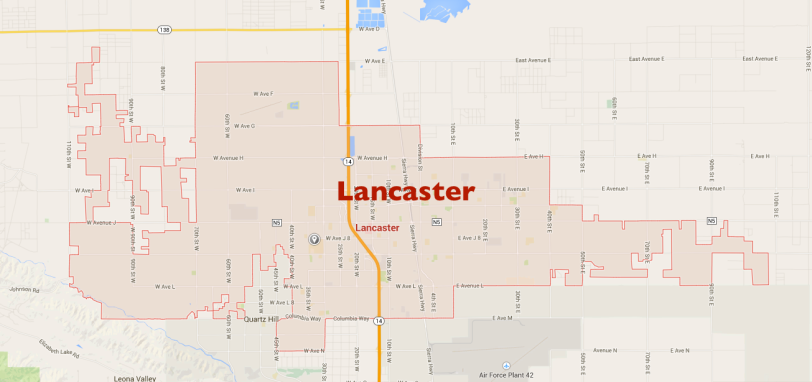
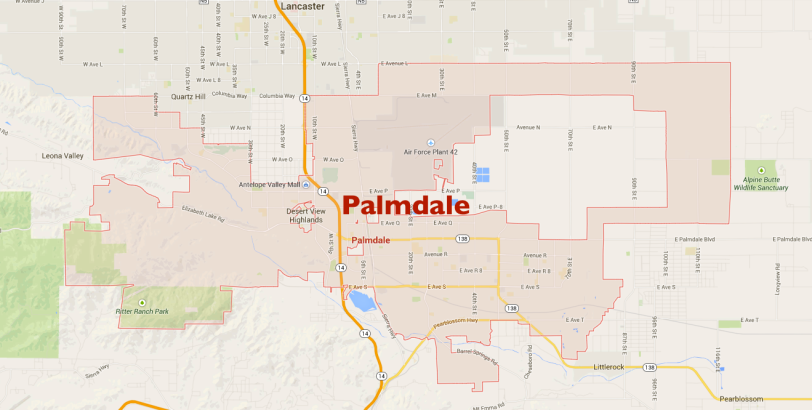
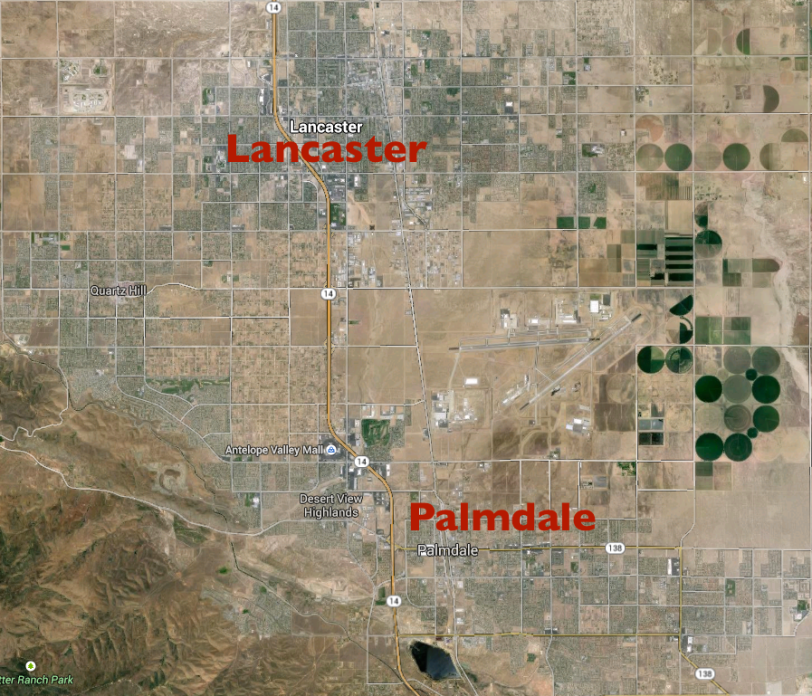
    The story begins with a rivalry between the two contiguous municipalities of Lancaster and Palmdale. If you were to drive through the Antelope Valley you would have no way of knowing when you had passed through one town and into the other. Not only are they composed of identical building types, but their borders are incredibly intertwined and gerrymandered after decades of annexation in an arms race to see who could grow the fastest. The big prize is always sales tax revenue from high volume retailers: car dealerships, big box stores, department stores, chain restaurants… Anything with a cash register will do. Like most towns the property tax revenue from residential development isn’t nearly enough to cover the costs of city services such as schools, road maintenance, and police and fire protection. Sales tax receipts are desperately needed to fill the gap. The construction and service jobs associated with new retail are also welcomed by city authorities. New growth is paramount at the economic development agencies.
    Screen Shot 2015-03-09 at 1.19.09 AM Google

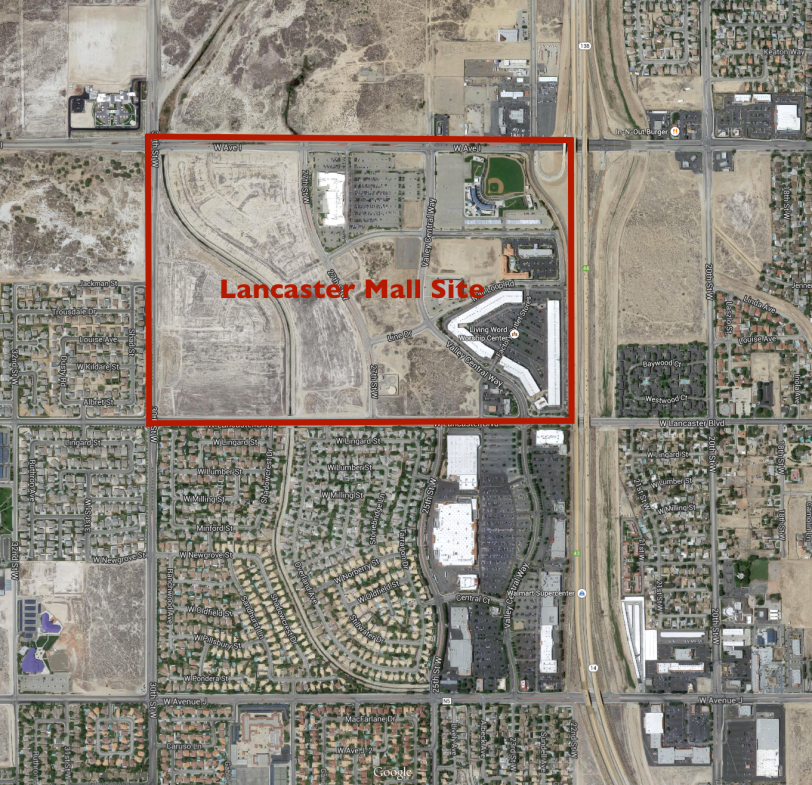
    With this in mind the City of Lancaster prepared a site for a regional shopping mall in the late 1980’s. The land next to the freeway was set aside, it was properly zoned, expensive infrastructure was installed, a “business friendly” package of heavy subsidies and sweeteners was put in place, and an extensive lobbying campaign was launched. Basically, Lancaster hiked up its skirt, put on a Wonder Bra and a lot of rouge and hoped a big strong regional shopping mall would come calling.
    Screen Shot 2015-03-09 at 1.22.39 AM Google

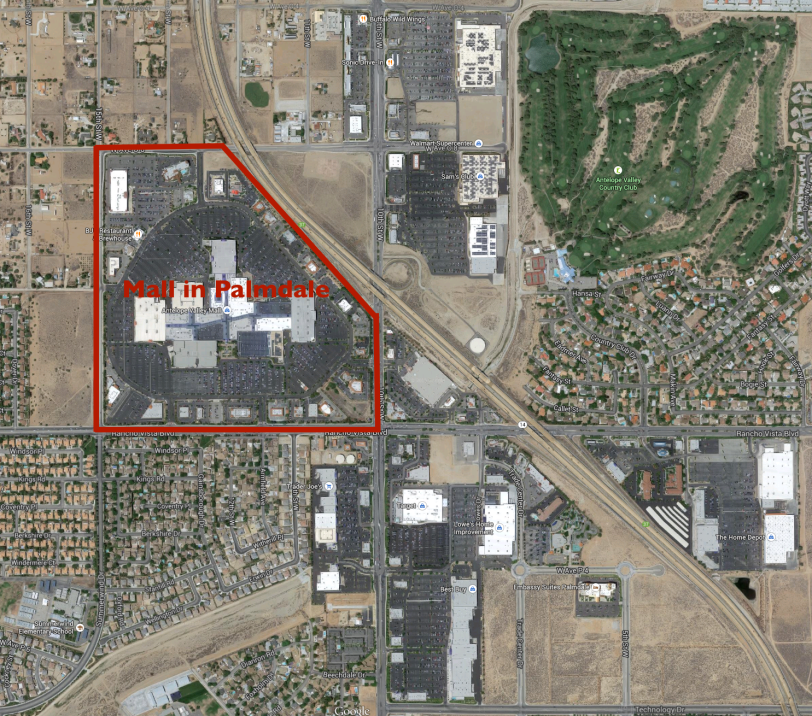
    Unfortunately for Lancaster it was Palmdale that successfully wooed the mall developer with a $20,000,000 incentive package back in 1990. The customer traffic heading to and from the new mall spawned a dozen adjacent retail sites that sprouted big box stores and a penumbra of chain restaurants and strip malls. It was a city planner’s dream for almost eighteen years.

    But then Palmdale was hammered by the economic crash of 2008. The mall lost its Gottschalk’s and Mervyn’s anchor stores. Palmdale’s economic development team felt it had no choice but to entice Macy’s and others to fill the void with multi million dollar tax deferments and business “incentives”. Remember, a big mall with no anchor stores rapidly fails as foot traffic declines. In fact, no developer can even secure bank financing to build or improve a retail complex unless they already have signed contracts with a couple of big stores. That’s why the largest stores in any mall pay the lowest proportional rent. The real cost of the mall is carried by the smaller shops and very often the tax payers. A Cinnabon pays a great deal more per square foot in rent than a big anchor like Macy’s. The Cinnabon is also far more productive and pays more tax and employs more people pound for pound. The anchors effectively take up a lot of space, negotiate with veiled threats, pay as little rent as possible, and virtually no tax. That’s standard business practice across the country.

    The idea that a town can repeatedly offer tax abatements to the same property in the short term in order to create tax revenue and prosperity over the long haul is a bad economic model. In fact, having neighboring towns race to see who can repeatedly impoverish themselves the most in an attempt to grow rich on new business is also a bad plan. Both towns know private corporations actively game the system, yet they can’t seem to help themselves. They still wet their pants at the thought that the next town over might get the new Applebee’s or Jiffy Lube instead of them. It’s a form of institutional insanity.
    Screen Shot 2015-03-09 at 1.37.09 AM Google

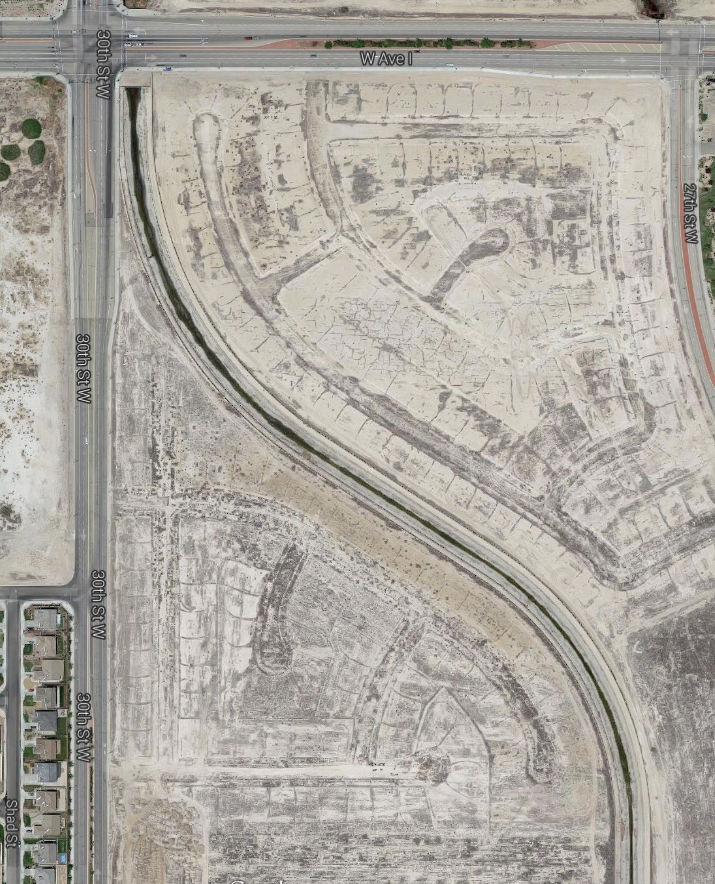
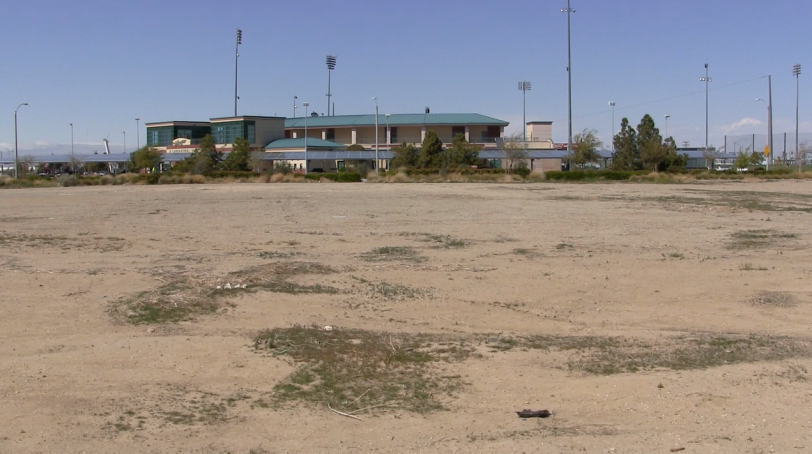
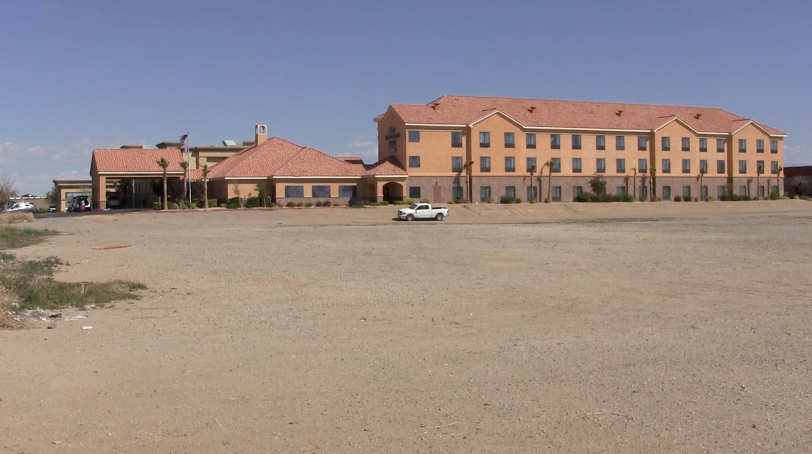
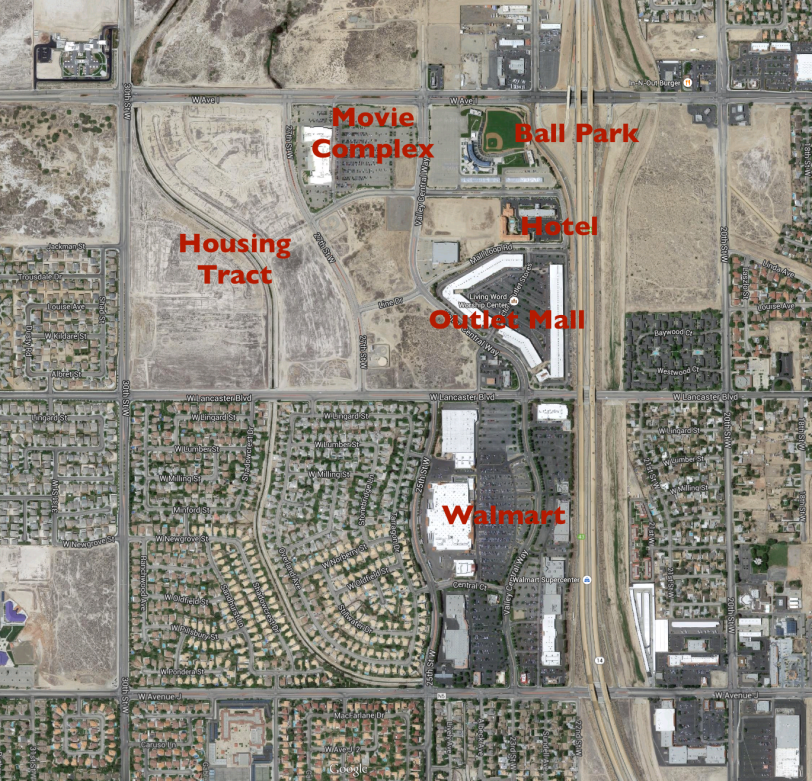
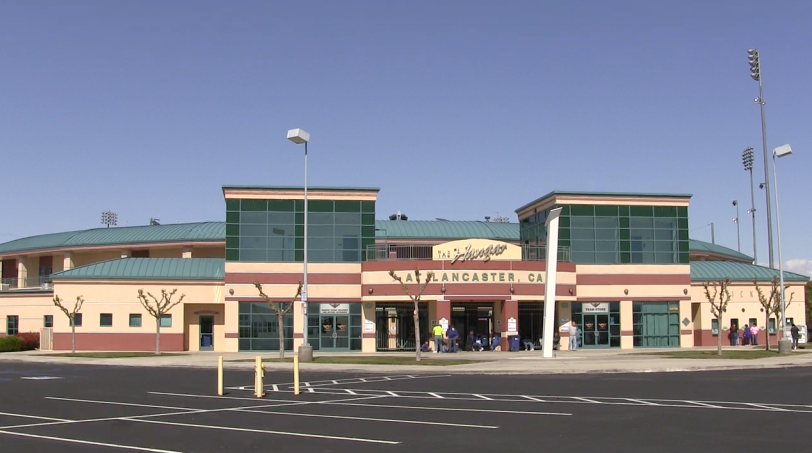
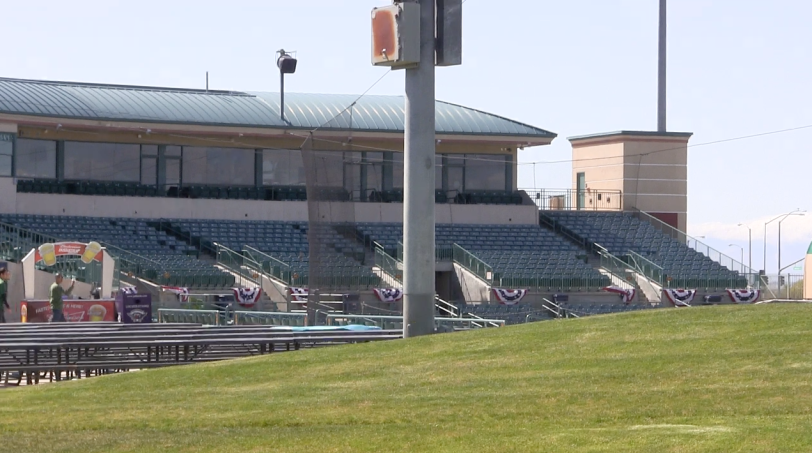
    Since Lancaster couldn’t have the regional mall it needed to find a new use for the land it had set aside. There aren’t that many things that can fill that kind of space. Like the mall in Palmdale it needed to be something that would serve as a catalyst for growth all around it. And it had to be something that Palmdale didn’t already have. So Lancaster built what was intended to be a regional entertainment center with a baseball stadium, hotel, multiplex movie theater, and a premium outlet mall. “Build it and they will come.”
    Screen Shot 2015-03-10 at 5.34.22 PM Screen Shot 2015-03-10 at 5.33.38 PM

    In 1995 the city of Lancaster spent $14,500,000 to build the baseball stadium in the hope that economic growth and development would spring up all around it. So a decade on what does the area look like?
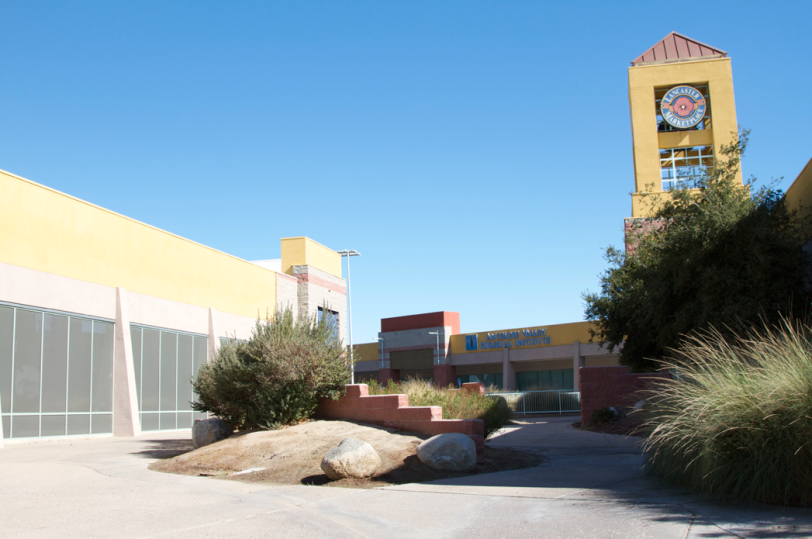
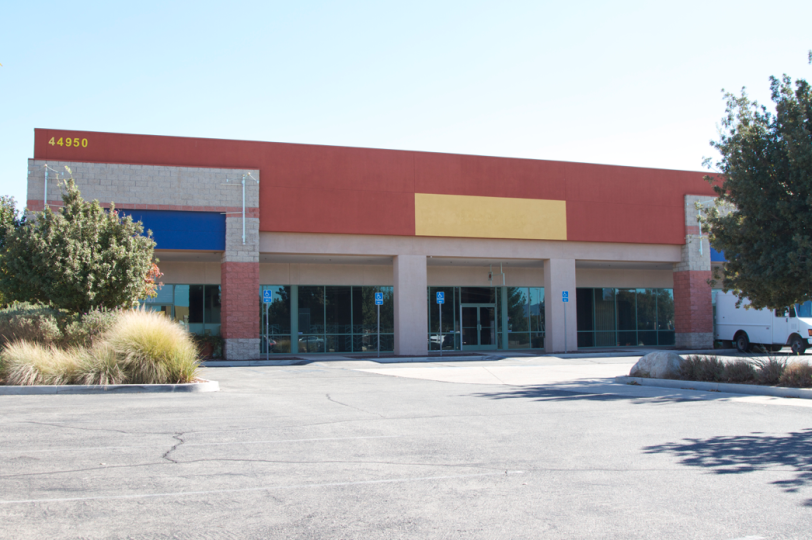
    Screen Shot 2015-03-10 at 1.54.34 AM Screen Shot 2015-03-10 at 1.53.31 AM Screen Shot 2015-03-10 at 1.53.06 AM Screen Shot 2015-03-10 at 2.34.17 AM

    Near the ball park is the Lancaster Marketplace – an outlet mall. I checked the official management website and the leasing agent lists half the stores as “available”. The spaces that are occupied include a dialysis clinic, a dentist, various nail solons, a recycling center, an evangelical church, and a few outlet stores that sell sneakers and jeans. This clearly isn’t the economic engine or tax base that the city had originally envisioned. It wasn’t simply the economic crash of 2008 that brought this place down. It was the institutional over supply of retail space across the entire region. No town needs the insane number of shops that were induced into being by overly optimistic developers and tax starved municipal authorities.
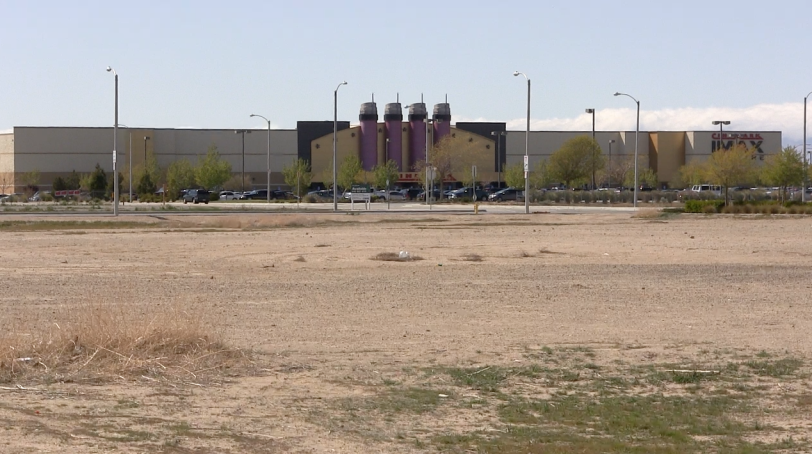
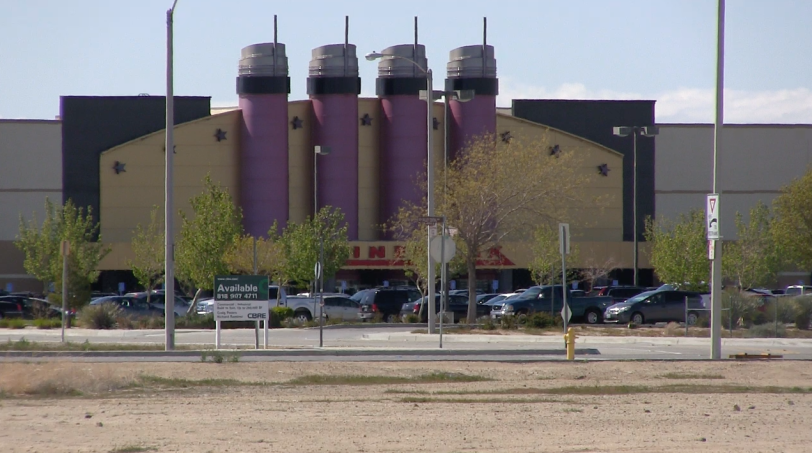
    Screen Shot 2015-03-10 at 5.36.08 PM Screen Shot 2015-03-10 at 5.36.52 PM

    Here’s the movie theater with all the modern bells and whistles: 22 screens, IMAX, 3D, stadium seating, all digital, a sound system that can pull the gold fillings out of your teeth… you name it. It’s a massive stand alone building with an even bigger parking lot. In fact, the collection of reserved handicapped parking spots close to the front door is as large as many ordinary parking lots at lesser movie theaters. But here’s the problem.
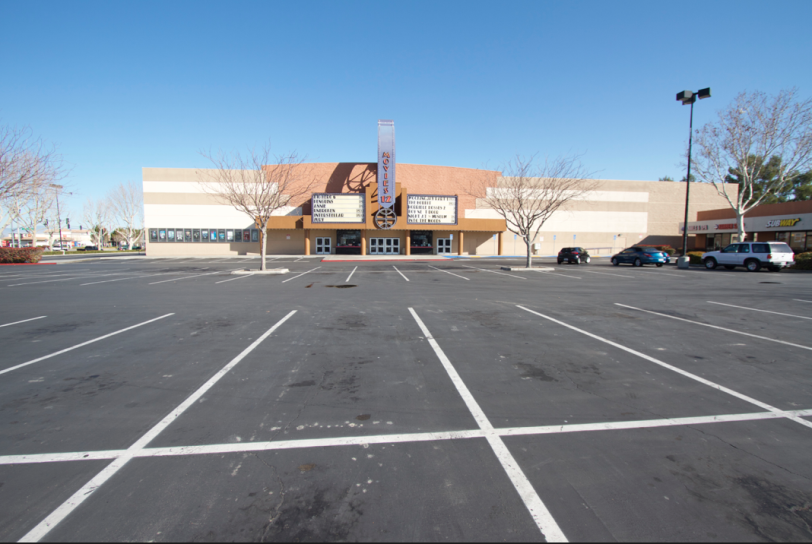
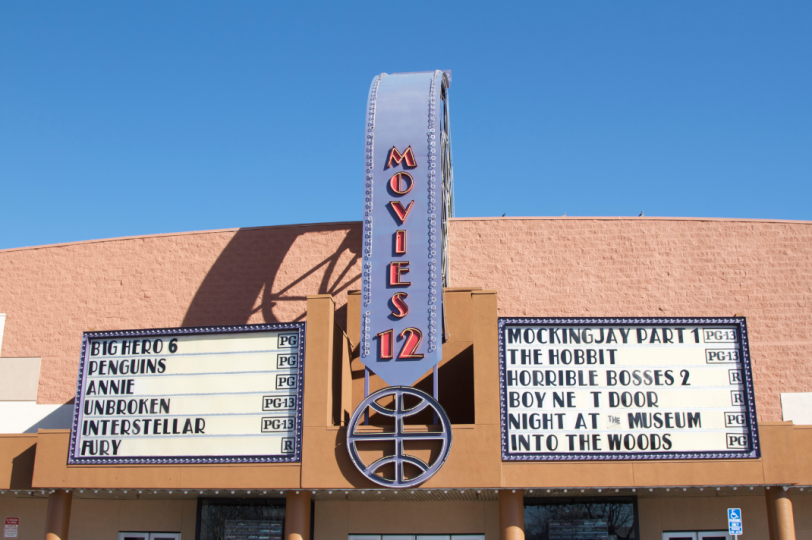
    Screen Shot 2015-03-10 at 1.49.18 AM Screen Shot 2015-03-10 at 1.48.52 AM

    This is the old 12 screen movie theater half a mile away. It’s now a “second run” theater catering to the discount matinee crowd because it can’t possibly compete on anything other than price with the new super deluxe theater down the road.
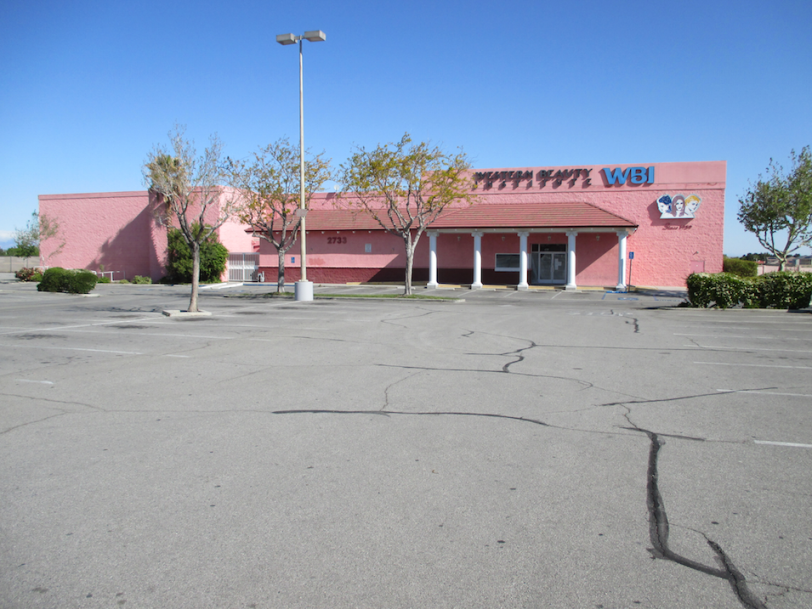
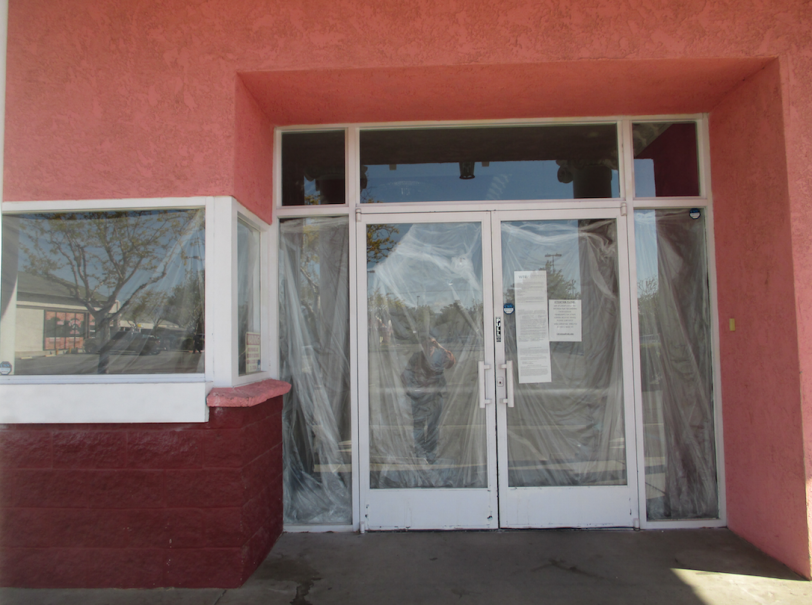
    Screen Shot 2015-03-09 at 2.28.27 AM Screen Shot 2015-03-09 at 2.28.54 AM

    And here’s the old, old movie theater that used to play second run shows when the 12 screen opened up. It was eventually driven out of business. The building sat empty for a long while until someone attempted to operate a hairdressing school at the location. That business failed and now the place sits empty again. The new growth isn’t adding to the town’s economy. New bigger buildings simply replace old buildings that never get repurposed.
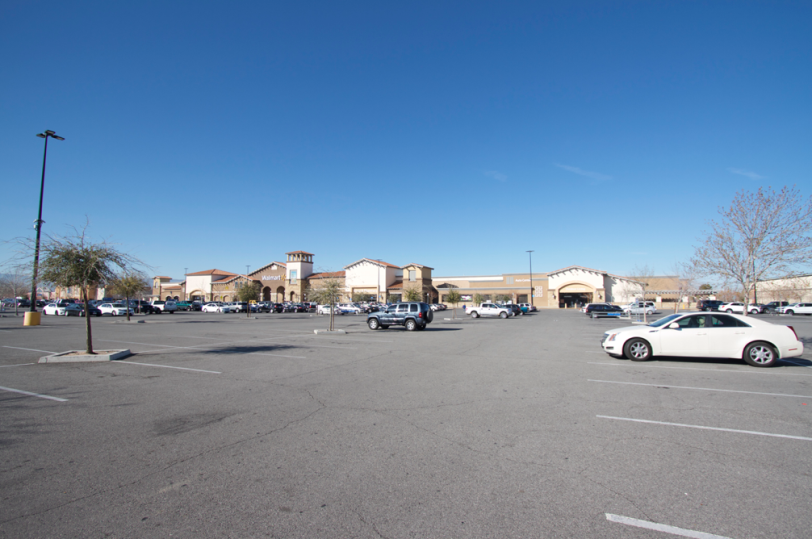
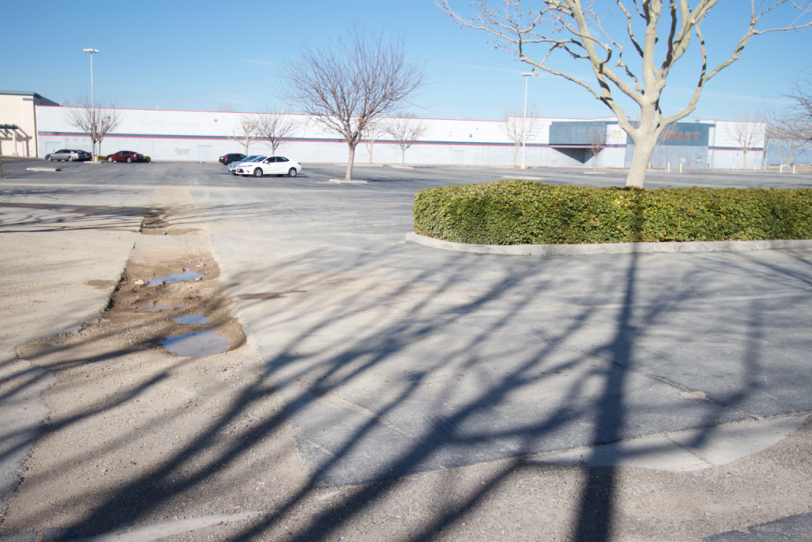
    Screen Shot 2015-03-08 at 3.06.38 AM Screen Shot 2015-03-10 at 1.49.40 AM 

    Across the street from the struggling outlet mall and old 12 screen movie theater is a Walmart. In fact, there are two Walmarts right next to each other. The older “small” Walmart was built in 1990. In 2006 Walmart decided it was time for a new larger super store and there was still plenty of land available in the same retail complex. Even as I stood on the far edge of the enormous parking lot with a special wide angle camera lens I still couldn’t get the two side-by-side buildings into view in a single frame. These buildings are massive.

    Screen Shot 2015-03-10 at 3.58.09 AM deccabuilders.com

    Screen Shot 2015-03-10 at 3.57.58 AM deccabuilders.comScreen Shot 2015-03-10 at 3.58.44 AM deccabuilders.com

    I found photos of the old Walmart on the building contractor’s website. They were proud of the fact that this was the very first Walmart built in the state of California and they delivered the project on time and on budget.
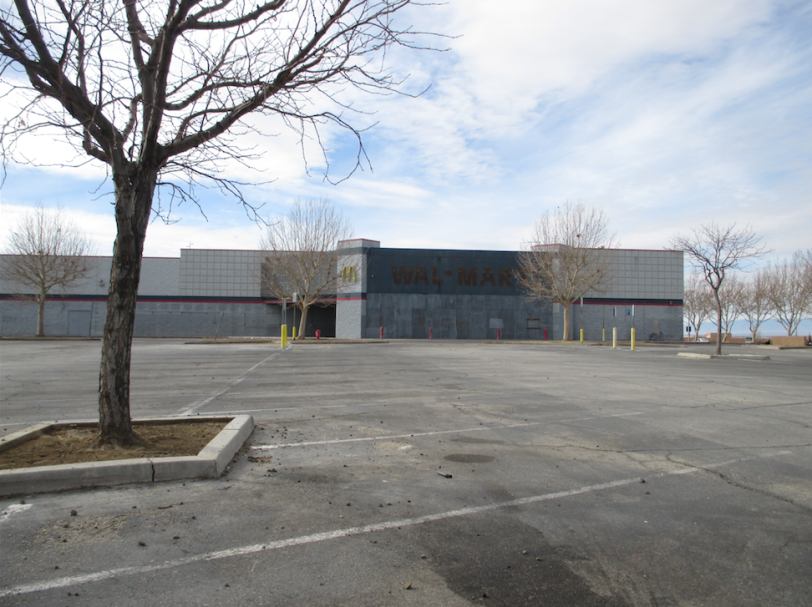
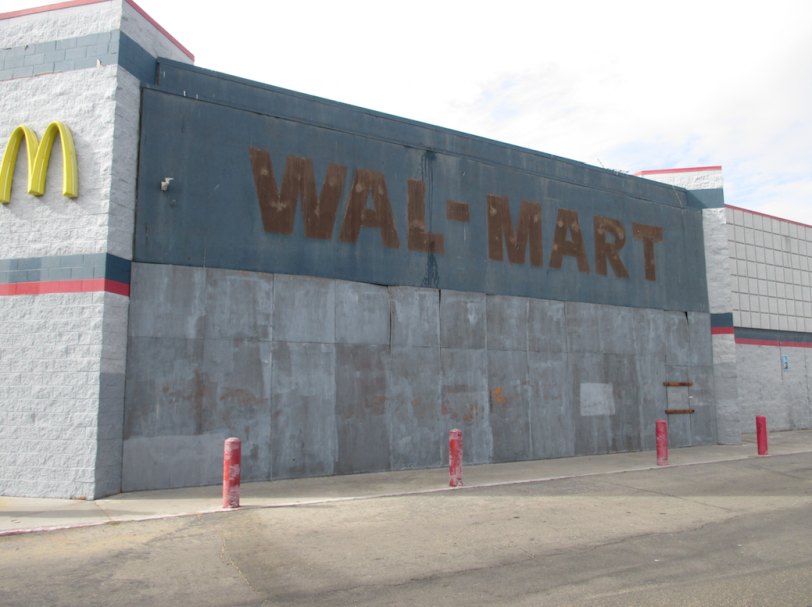
    Screen Shot 2015-03-09 at 4.57.04 PM Screen Shot 2015-03-09 at 4.57.31 PM Screen Shot 2015-03-09 at 4.57.54 PM Screen Shot 2015-03-10 at 1.27.47 PM

    Here’s what that same Walmart looks like today – just twenty five years later. In theory a new big box retailer would have opened up in the old Walmart building, but instead it has remained empty since 2006. There’s simply no market demand for these hulking ruins.
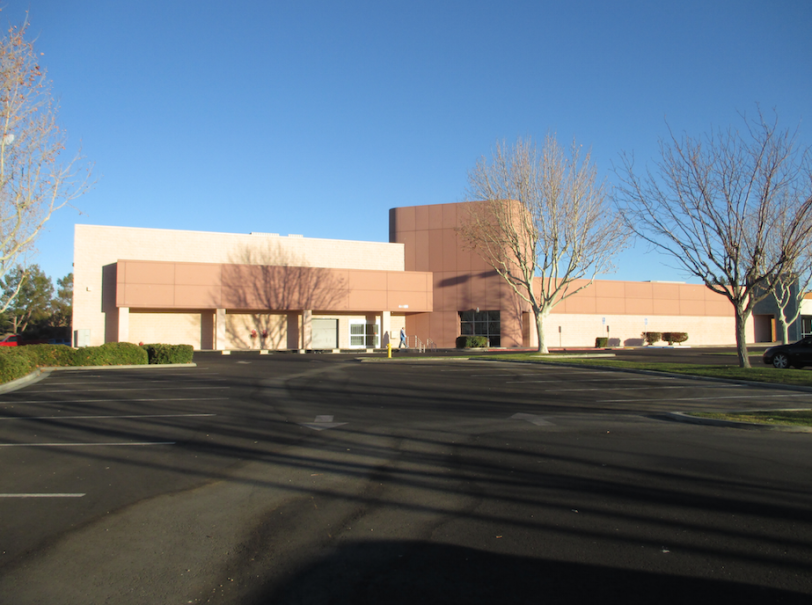
    Screen Shot 2015-03-09 at 2.22.47 AM

    Across the street from the two Walmarts is another strip of big and medium sized retail buildings. When the regional shopping mall fell through the idea was that the new Super Walmart would draw enough traffic to the area to support additional shops. “With thousands of folks driving to Walmart everyday the new Circuit City will thrive!” The building pictured above was once a Circuit City. Past tense. Not only was there too much retail space built in the Antelope Valley, but many of these chain stores have gone out of business entirely due to competition from on-line retailers who deliver goods directly to customers via UPS and FedEx.
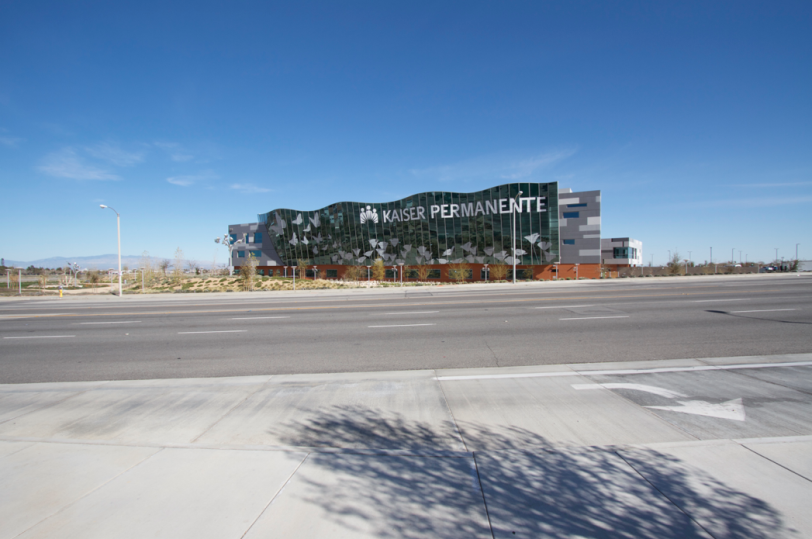
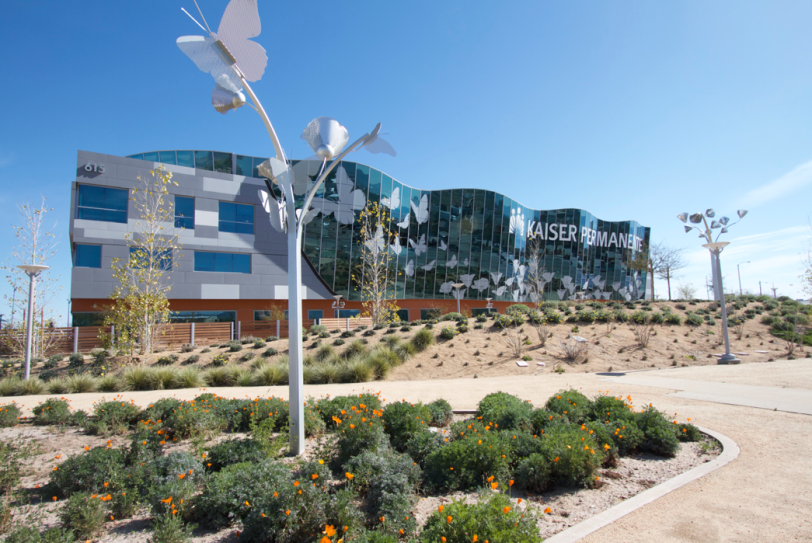
    Screen Shot 2015-03-11 at 10.58.00 PM Screen Shot 2015-03-11 at 10.59.39 PM Screen Shot 2015-03-11 at 11.00.17 PM

    One of the popular urban planning strategies in vogue these days is to reuse dead retail buildings by converting them to “meds and eds”. Junior colleges and medical centers are of a suitable size that they can fill old big box stores and help reactivate the surrounding space. The above photos are of the newest medical center in Lancaster. It’s solar powered and hyper energy efficient. The native draught tolerant landscaping is irrigated with recycled gray water. High quality regionally appropriate public art is in abundance. And it’s almost exactly the same size as the old Walmart that’s been sitting empty for the last decade. But where is it?
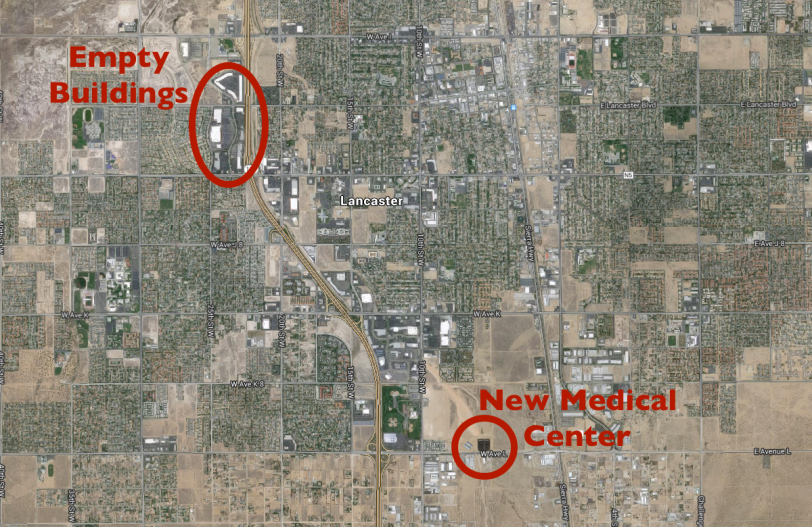
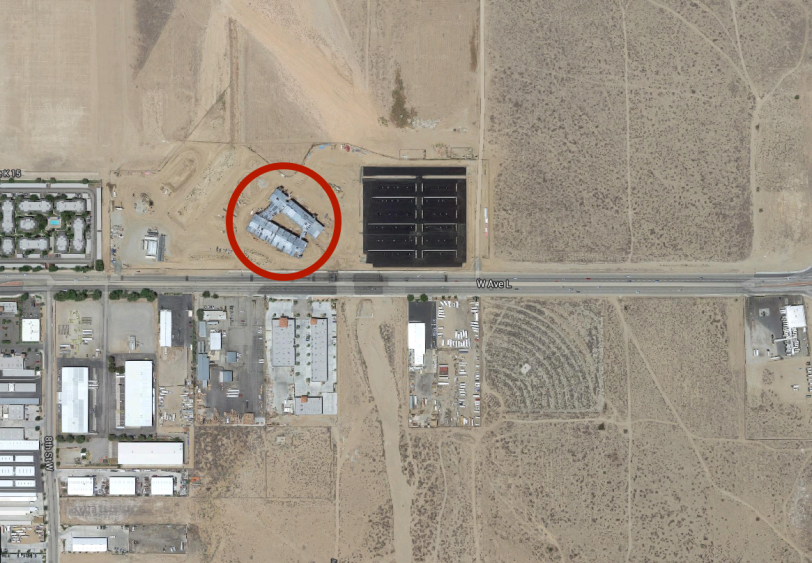
    Screen Shot 2015-03-11 at 11.03.44 PM Screen Shot 2015-03-11 at 11.15.31 PM

    If you were to search out the least developed patch of this already sprawling hopscotch part of Lancaster… that’s where. Why? I’m sure there were all sorts of reasons having to do with the medical people, the developers, the city planners, the banks… Maybe the medical center is expected to be the engine of economic development in this patch of the desert and they want loads of extra room so they can spread out in the future. Or maybe that’s where the really cheap land was near a freeway cloverleaf. Or perhaps the medical center was too prestigious to be located in a low rent shopping plaza. Who knows?
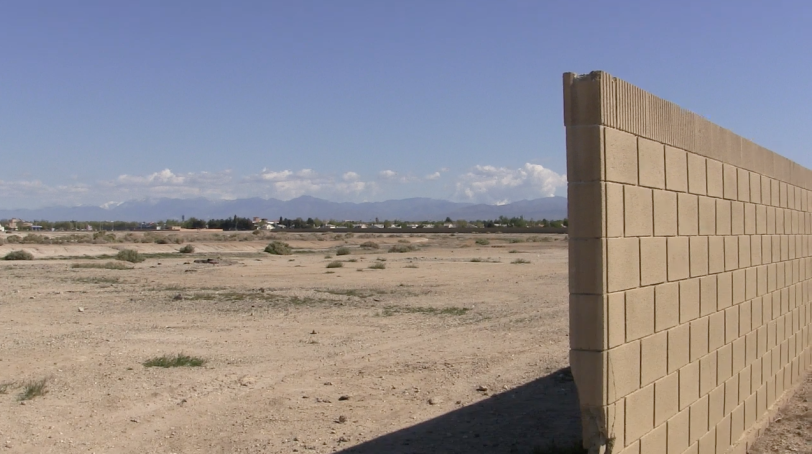
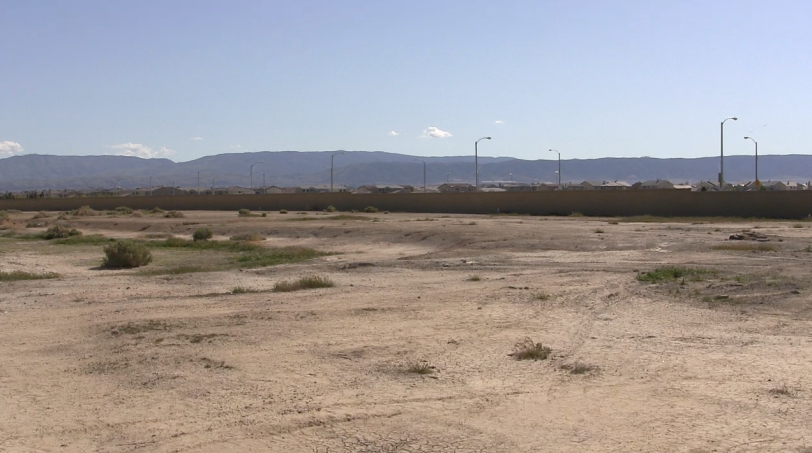
    Screen Shot 2015-03-10 at 5.31.42 PM Screen Shot 2015-03-10 at 5.32.24 PM Screen Shot 2015-03-12 at 12.03.48 AM Google

    There was still a big chunk of the old mall site that couldn’t be filled with much of anything. Reluctantly the city rezoned it for single family residential subdivisions. Housing wouldn’t bring in tax revenue the way retail development would, but it was better than nothing. Growth was growth and Lancaster needed it badly. From Google Earth view you can see the cul-de-sacs carved into the desert. So far… no takers.
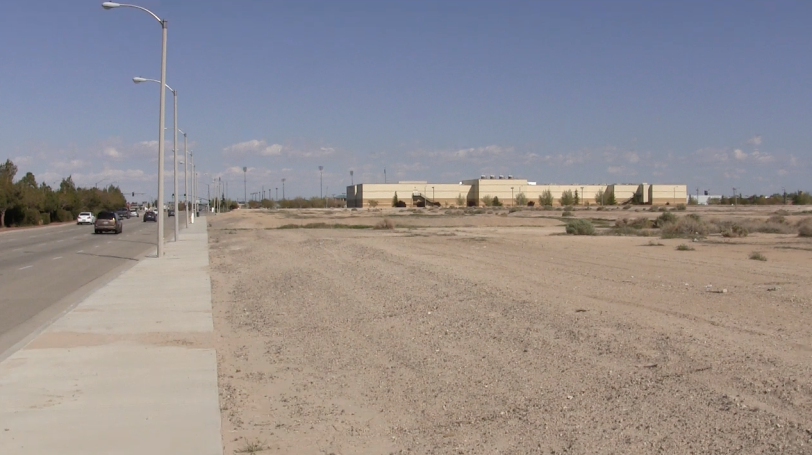
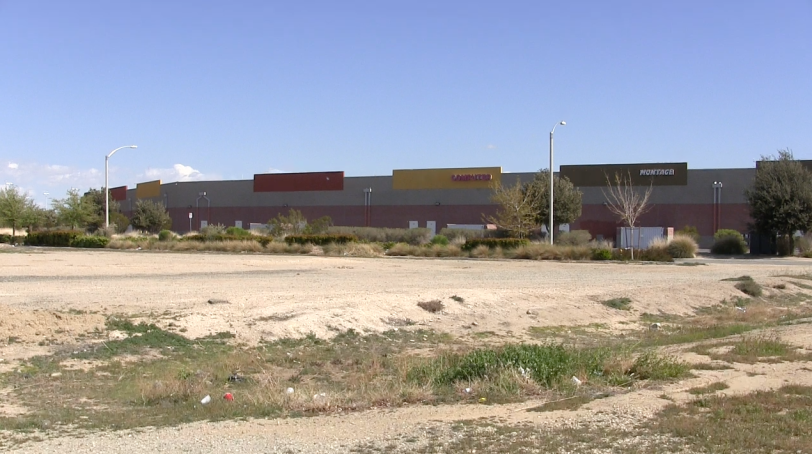
    Screen Shot 2015-03-10 at 5.32.57 PM Screen Shot 2015-03-10 at 5.34.47 PM Screen Shot 2015-03-10 at 5.36.37 PMScreen Shot 2015-03-10 at 5.35.05 PM Screen Shot 2015-03-10 at 5.34.05 PM

    Here are a few views of that old regional shopping mall site: the back of the 22 screen movie theater, the back of the outlet mall, the back of the baseball stadium, and the back of the hotel. Notice the roads that were built to accommodate all the anticipated growth.

    But they built it and they didn’t come.

    Again, this isn’t unique to the Antelope Valley. These same patterns of development play out all over the country. Some of you may dismiss this particular part of the world and assume your town is much better at managing its affairs. You may have more employers pumping money into your local economy. Or perhaps you live in a more sensible state with a pro business legislature, unlike the folks who run California. The truth is that California just did everything earlier and faster and on a grander scale than other places. Your turn is coming.

    John Sanphillippo lives in San Francisco and blogs about urbanism, adaptation, and resilience at granolashotgun.com. He’s a member of the Congress for New Urbanism, films videos for faircompanies.com, and is a regular contributor to Strongtowns.org. He earns his living by buying, renovating, and renting undervalued properties in places that have good long term prospects. He is a graduate of Rutgers University.