Author: John Sanphillippo

  • Good Enough Urbanism: Faster, Cheaper, Smarter

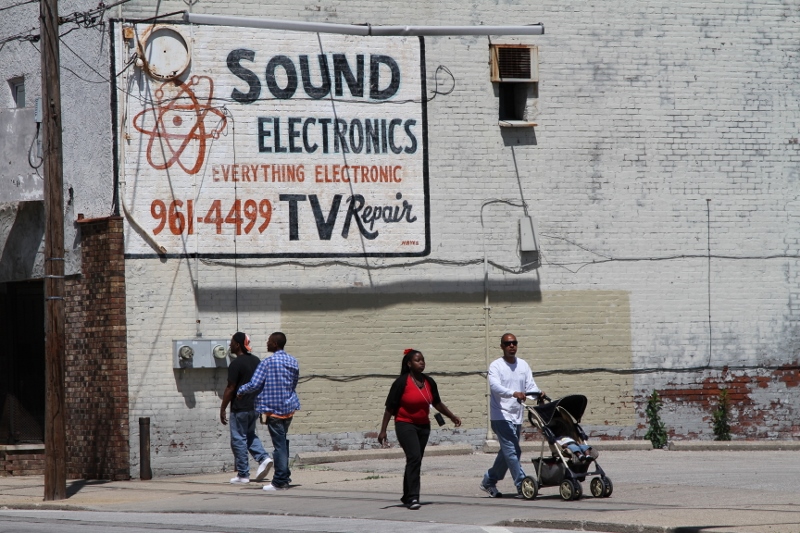
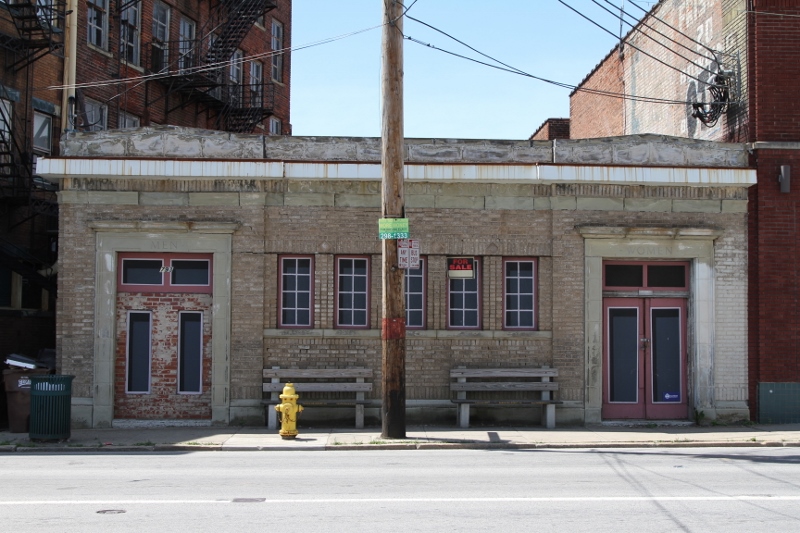
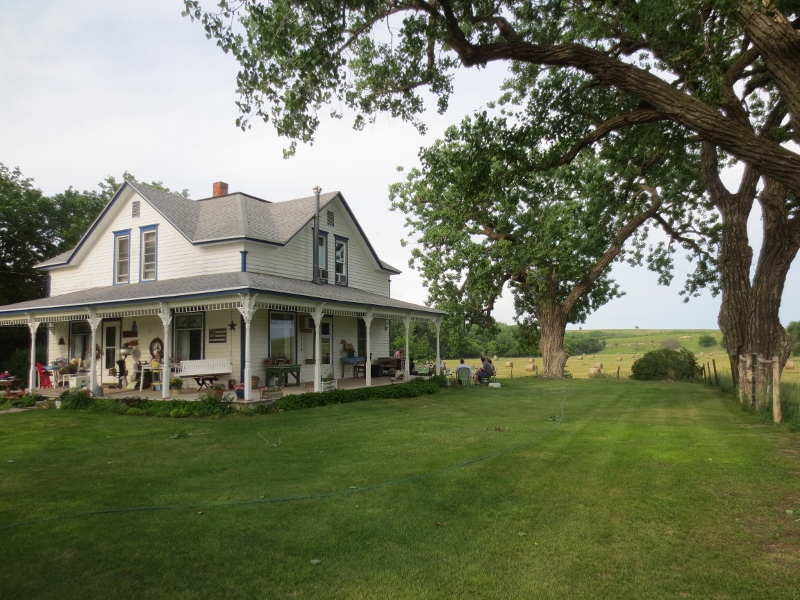
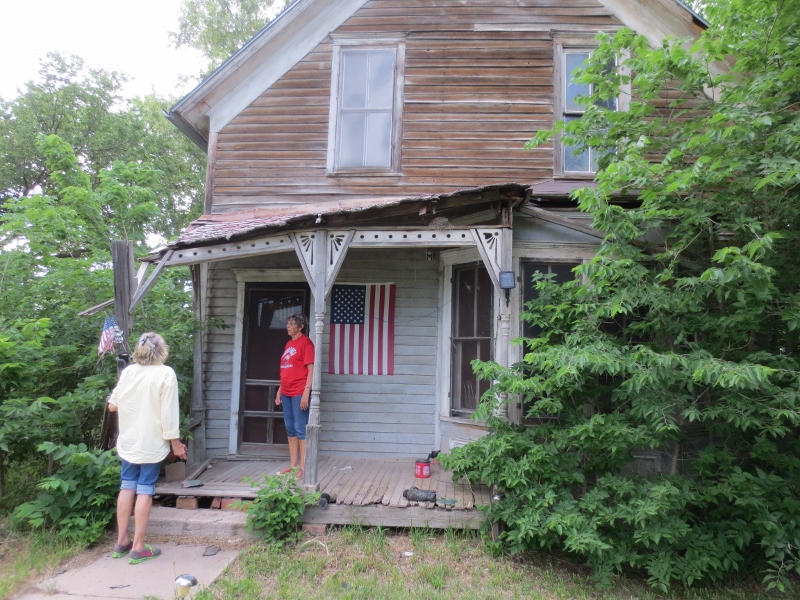
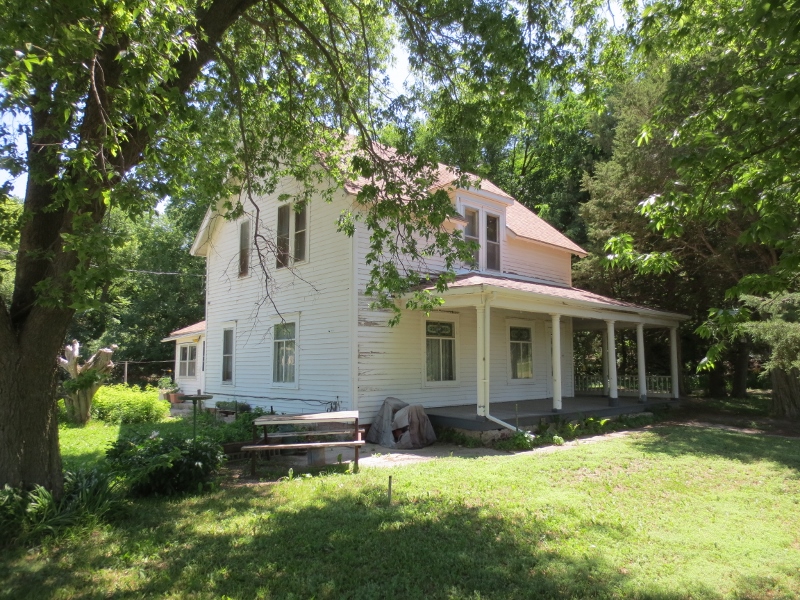
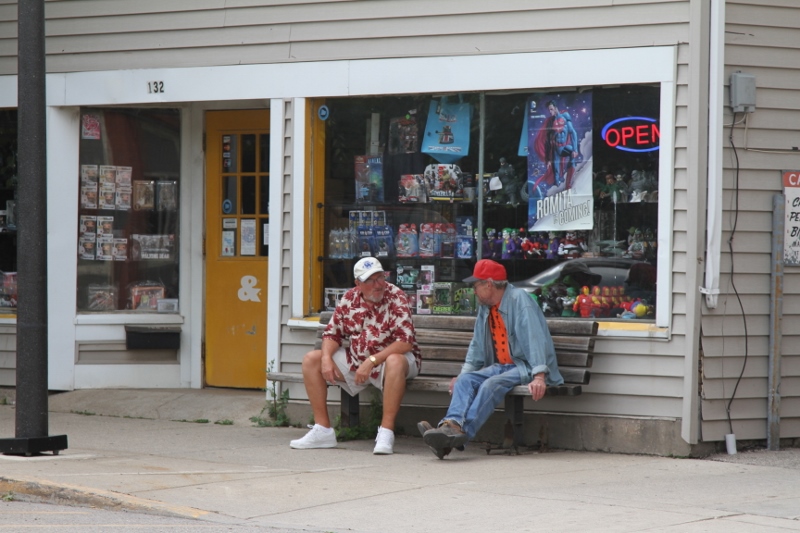
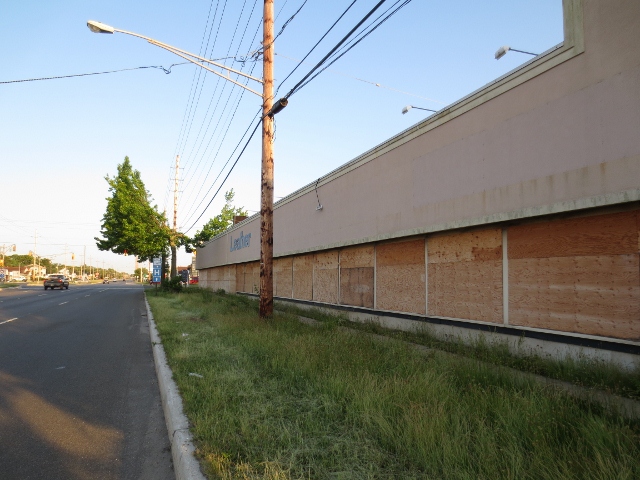
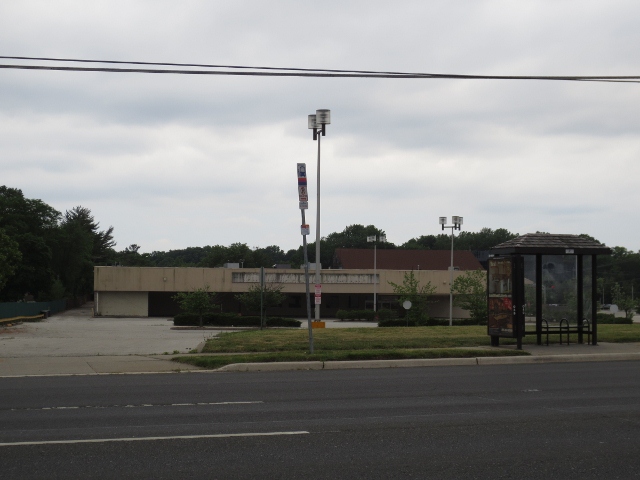
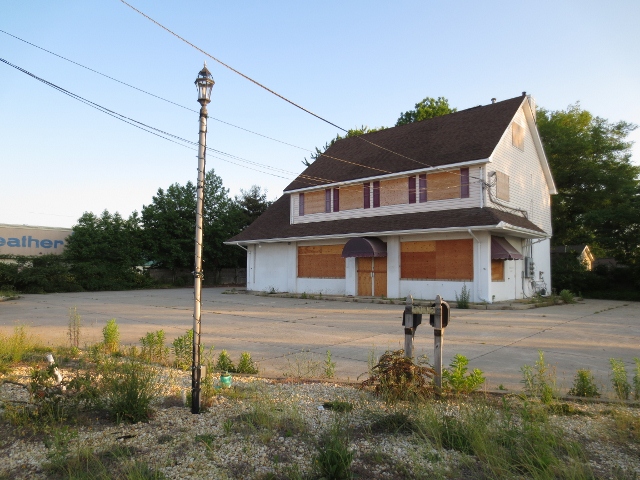
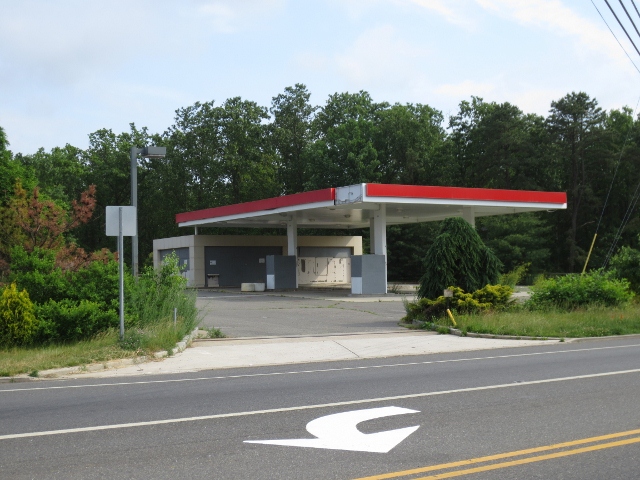
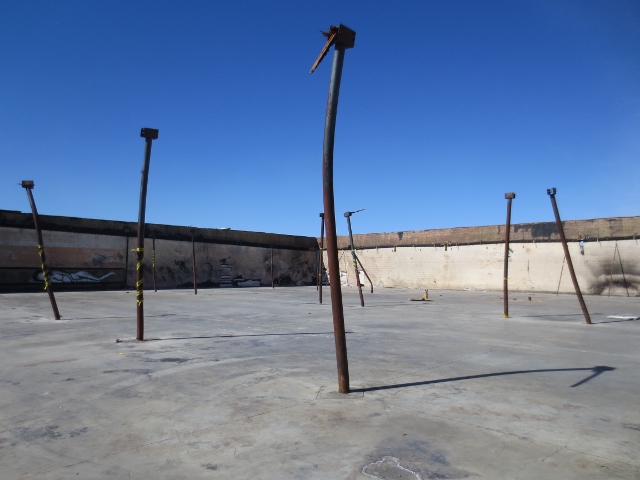
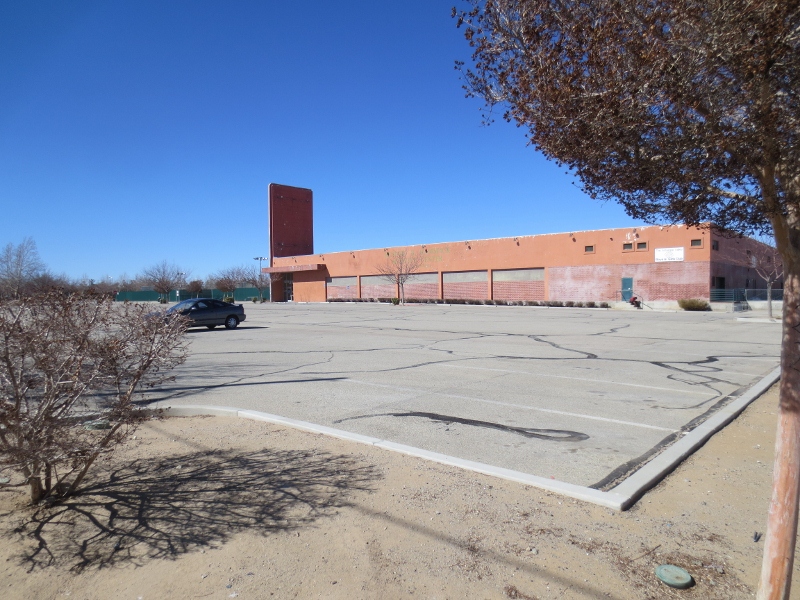
    There’s plenty of blight out there. Inner city blight, failing suburban blight, long lost rural small town blight… empty storefronts, boarded up buildings, dead streets. There’s simply no government program that’s going to bring these places back to life. No Wall Street investment scheme is likely to revive these places. Developers have no economic incentive to do anything with these buildings. Banks are risk averse and will not fund investments here. However, many of these forlorn spots exist within otherwise populated and potentially healthy neighborhoods. They may have been passed over when a nearby highway was extended or bled dry by big box stores and chain restaurants. But they could be pressed into service once again if enough people colonize them in creative ways – assuming the local authorities hold back on the usual mindless code enforcement.

    Screen Shot 2014-12-02 at 2.33.40 AM Screen Shot 2014-12-02 at 2.17.26 AM Screen Shot 2014-12-02 at 2.17.11 AM

    I’ve heard many local economic development people and city planners tell me they can’t force people to do anything they don’t want to do. True enough. But, man can they shut people down in a hurry for a whole lot of ridiculous minutiae for no good reason. So towns need to ask themselves if they want to continue to deteriorate for the sake of adhering to all the accumulated and often archaic rules that may not even make sense anymore, or if they want reinvestment and vitality. Keep in mind, this sort of reinvention may not exactly look like a Gap, a Starbucks, or a Nordstrom, but that doesn’t mean it isn’t employing people and creating an environment that can start turning a neighborhood around.

    unnamed-14 unnamed-12 5 2

    Wherever I go I seek out examples of people who carve out a little business or useful community space in the midst of an otherwise uninspiring environment. Here are a few examples. Have you ever dreamed of opening up a shop of some kind? Many people do. But then you start to think about the high rent in a good part of town, and the regulations… The need for a handicap accessible public bathroom, a federally inspected commercial kitchen, insurance, a dozen pieces of paper covered in stamps from who-knows-what bureaucracies: permits, licensing fees, certifications, public notifications… Just thinking about the process stops most people cold. And then they find themselves working as an assistant manager at a chain for slightly above minimum wage.

    Screen Shot 2014-12-02 at 2.15.08 AM Screen Shot 2014-12-02 at 2.16.14 AM
    Screen Shot 2014-12-02 at 2.15.35 AM Screen Shot 2014-12-02 at 2.15.24 AM

    These folks just skipped the whole asking-for-permission part and started working on a shoestring budget. They gave the garage a fresh coat of pain, got some inexpensive second hand furniture, flung open the doors, put out a sign, and started selling flowers. If the business fails they haven’t lost much – and at least the garage is finally clean and organized. If the shop is successful they can eventually work their way up to the full ADA, OSHA, and DOT gold standard with minimum parking ratios and energy efficiency compliance. But that can come later. Towns have to choose. Do they want to tolerate this sort of thing or shut it down immediately? It tends to come down to the “property values” folks objecting to the “trashy” nature of such establishments. In the end it’s all a matter of self-selecting populations agreeing on what is acceptable in their neighborhood and what isn’t. Some places will roll with it and others won’t. Fair enough.

    Screen Shot 2014-12-02 at 2.31.03 AM Screen Shot 2014-12-02 at 2.28.41 AM Screen Shot 2014-12-02 at 2.29.41 AM 
    Screen Shot 2014-12-02 at 2.30.12 AM

    Screen Shot 2014-12-02 at 2.28.58 AM Screen Shot 2014-12-02 at 2.29.20 AM Screen Shot 2014-12-02 at 2.28.33 AM Screen Shot 2014-12-02 at 2.28.13 AM Screen Shot 2014-12-02 at 2.28.03 AM Screen Shot 2014-12-02 at 2.29.34 AM

    Here’s a small town coffee shop with a big mostly vacant gravel parking lot that’s been set up as a family gathering place. People can come here, get a sandwich, something to drink, a pastry, and linger with other people from the neighborhood. The shipping containers are both secure storage for the cafe’s supplies, as well as the walls of an outdoor play area for kids. The picnic tables, shade structures, bicycle racks… none of it is expensive. A liability lawyer and insurance adjuster could have a field day with this place. But so far there have been no deaths or mutilations – except for out on the highway in front. But those folks were in cars and had nothing to do with the coffee shop or playground. (I don’t see the county shutting down the highway.)

    Screen Shot 2014-12-07 at 3.03.59 AM Screen Shot 2014-12-07 at 3.03.12 AM Screen Shot 2014-12-07 at 2.59.01 AM Screen Shot 2014-12-07 at 2.59.31 AM Screen Shot 2014-12-07 at 3.00.52 AM

    Screen Shot 2014-12-07 at 3.01.32 AM
     Screen Shot 2014-12-07 at 2.59.11 AM

    Around the corner from my apartment there’s a German Lutheran church that puts on a beer garden in their parking lot at Christmas. There’s a mix of expatriate Germans (in jeans and T-shirts) and local German-Americans (in lederhosen and fedoras) along with the usual San Francisco Hindus, Buddhists, and seriously lapsed Catholics (that would be me), but all are welcome. The beer, bratwurst and kitsch oompah band are all pretty good.

    Screen Shot 2014-12-03 at 7.22.42 PM Screen Shot 2014-12-07 at 3.44.27 AM
     Screen Shot 2014-12-07 at 3.43.32 AM Screen Shot 2014-12-03 at 7.22.28 PM Screen Shot 2014-12-07 at 3.45.10 AM

    This is Alfonso’s Cafe. It’s basically a shed in an old parking lot in a not-so-great suburban location. He set out some patio furniture, potted plants, and a shade structure and he manages to earn a respectable living. No one will ever confuse Alfonso’s place with a Parisian cafe, but it gets the job done and truly makes his neighborhood a better place compared to a dead parking lot. It’s Good Enough Urbanism. If all goes well Alfonso may eventually graduate to something bigger and more substantial. If he had to start with the entire armature of a full scale restaurant he may never have been able to pull together the money to get started. Alfonso’s Cafe is actually an in-between step, one level above a push cart or food truck, but one step down from something bigger and fancier.

    My point is that many of the just-scraping-by locations are ripe for reinvention as incubators for small family owned mom and pop businesses if the local authorities cut folks some slack. Not everything will work, but there isn’t much to lose in trying.

    John Sanphillippo lives in San Francisco and blogs about urbanism, adaptation, and resilience at granolashotgun.com. He’s a member of the Congress for New Urbanism, films videos for faircompanies.com, and is a regular contributor to Strongtowns.org. He earns his living by buying, renovating, and renting undervalued properties in places that have good long term prospects. He is a graduate of Rutgers University.
  • Voting With Your Feet: Aaron Renn’s New Donut

    Growing up I remember the adults talking about the old neighborhood in Brooklyn where my grandparents lived during the Great Depression and World War II. In spite of the hardships of the era it was described as a great place full of life and colorful characters and extended family all on the same block. But by the time I was born no one we knew lived there anymore. My family was part of the great suburban migration away from cities. By 1967 (the year of my birth) New York, like most cities, had begun to fail. There were race riots, rapidly rising crime rates, strikes of every kind, unemployment, terrible public schools, a near bankrupt city hall, declining property values, high taxes, and a general sense that the city wasn’t any place to raise children or grow old. People voted with their feet. The Good Life existed exclusively in clean, quiet, leafy suburbs – many of which like Scottsdale or Orlando weren’t even attached to an historic urban core.

    But today we’re seeing the economic and cultural revival of many of the city centers that had been declared dead. Boerum Hill, Brooklyn where my mom was born is now a million dollar address. Absolutely no one could have imagined that in 1974 or 1987. At the same time race riots and economic decline are now unraveling many poorly aging suburbs – precisely the same suburbs that were insulated middle class enclaves in 1969 or 1985. That’s not to say that all downtowns are bouncing back or that all suburbs are failing. There’s a big difference between Detroit that’s still contracting and San Francisco with an economy that’s actually overheating. And no one would put Short Hills, New Jersey in the same category as Ferguson, Missouri. But the waters are murkier than they used to be. Statistically, there are now more Americans living in poverty in the suburbs than in city centers or rural backwaters. This makes sense since the vast majority of the built environment consists of low density development and that’s where the overwhelming majority of all people of every kind now live. And it’s no longer true that the suburbs are all white. Many of the most ethnically diverse places in the country are now suburban rather than urban. The new Chinatowns, Koreatowns, and Little Indias are much more likely to exist in suburban cul-de-sacs than in city centers.

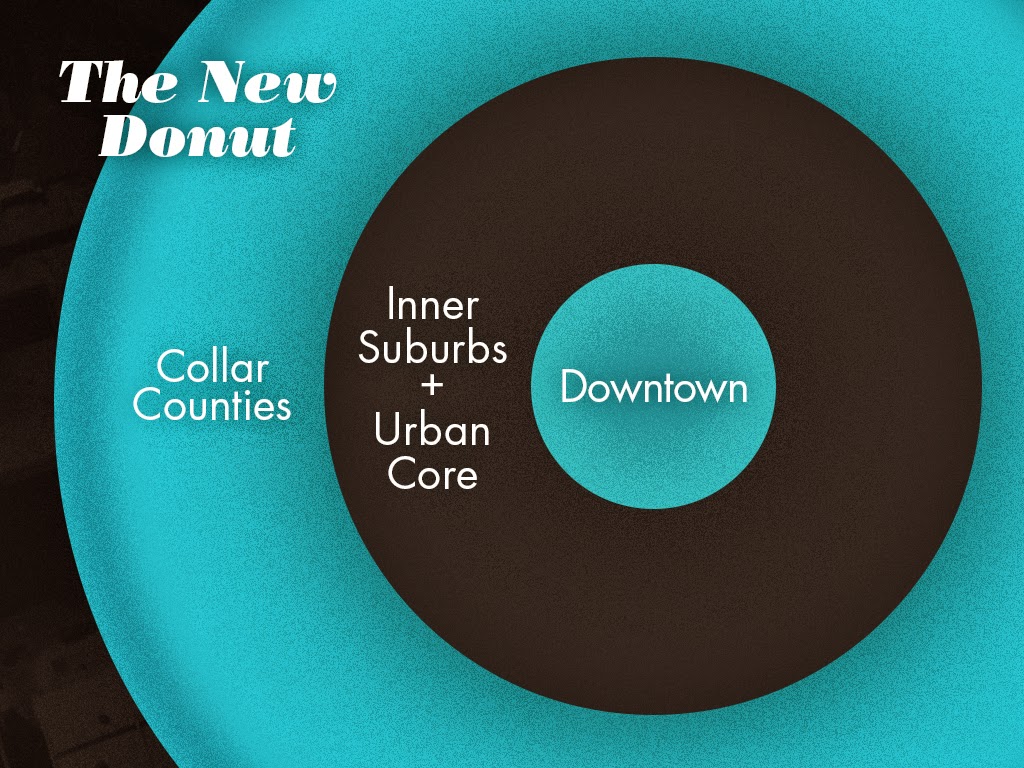
    The challenge faced by many regions today is described beautifully by Aaron Renn here. The old model of urban poverty and suburban prosperity (the sweet fluffy “donut” with a dead center) has been replaced by what Mr. Renn calls the New Donut with a thriving downtown core, failing older suburbs, and booming new outer ring suburbs. Poverty then reappears out in the rural hinterlands.

    NewDonutUrbanophile.com

    I occasionally get critical comments from readers who dismiss my observations. One of my stories about a declining suburban neighborhood in southern California was re-posted on newgeography.com (a website I respect and enjoy) and it attracted these comments here. They can best be summed up as, “Dude, you’re a busybody from Planet San Francisco who knows nothing about the real lives of real people.” The comments assume that the suburbs are doing just fine and any attempt to tinker with them by pointy-headed urban theorists will only make things worse. In many instances I completely agree. There are examples of infill suburban development all over the country and most of them are pretty crappy. See my post here for specific case studies. But the default setting of the suburban development pattern is designed to actively fail over time. Doing nothing is a sure recipe for continued decline. Let me explain.

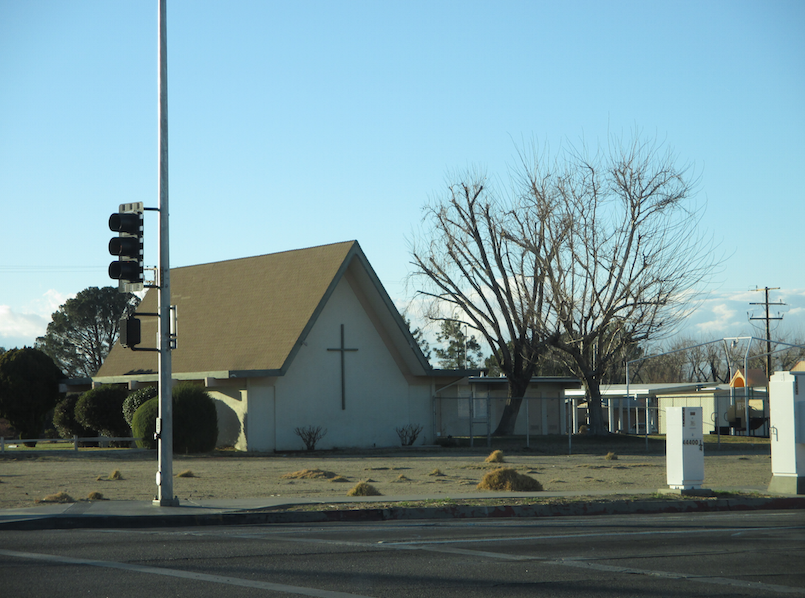
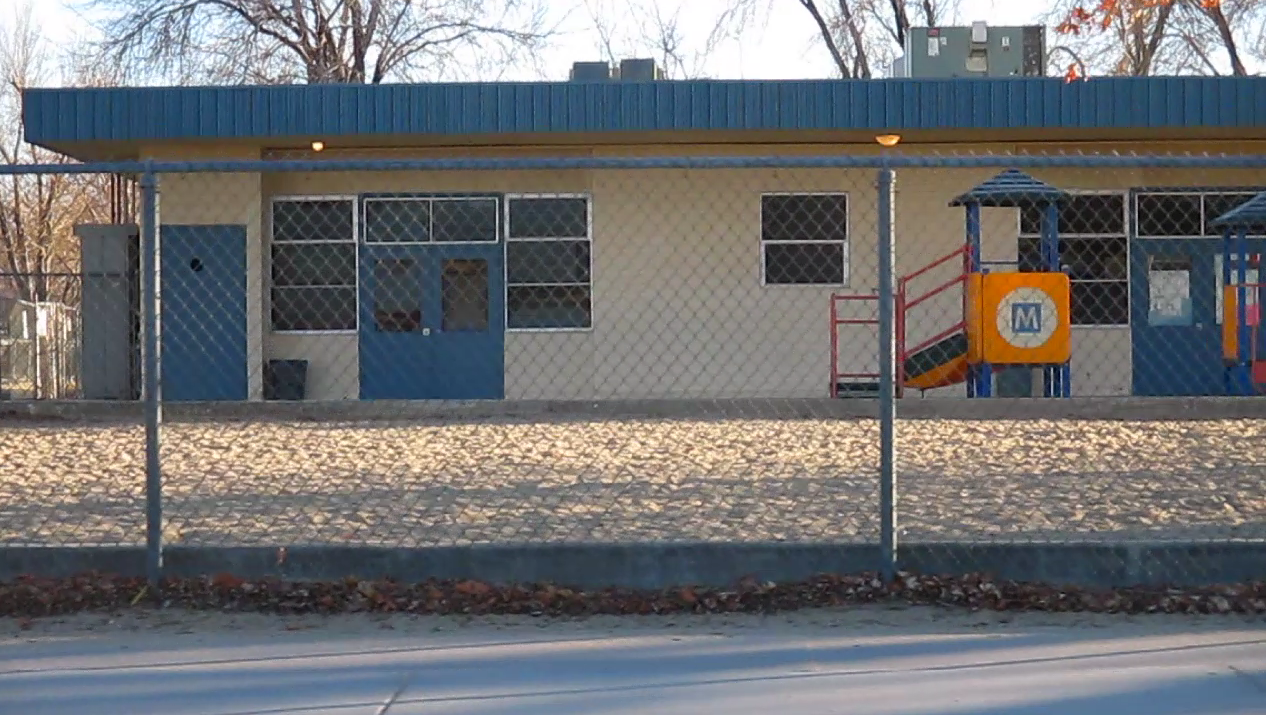
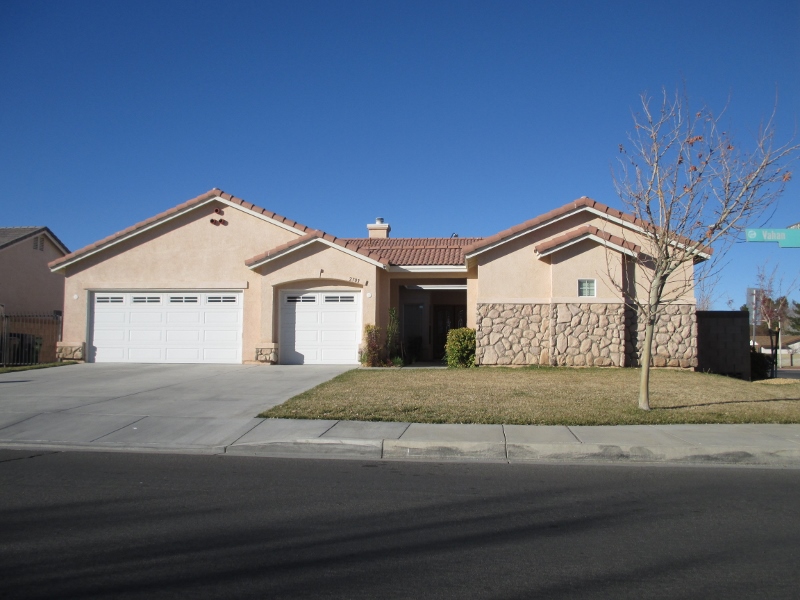
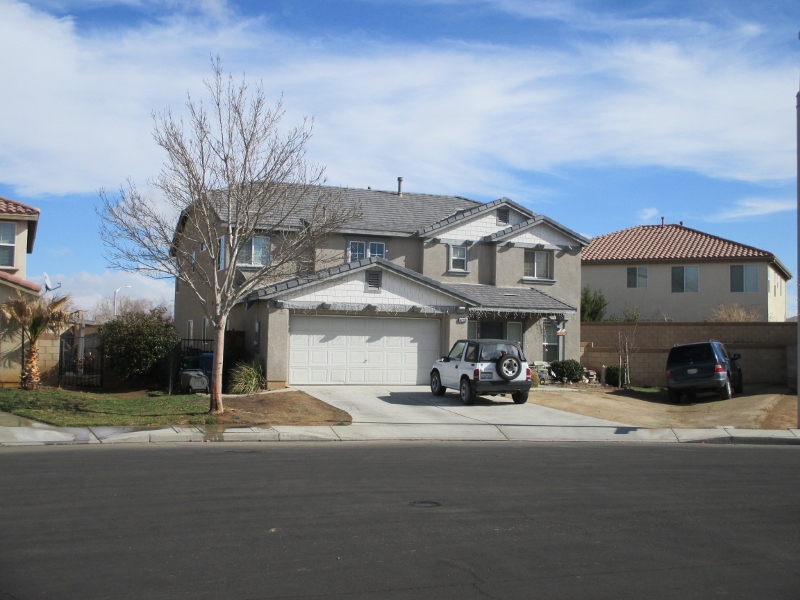
    Screen Shot 2014-11-29 at 1.30.16 AM Palmdale, Lancaster 056 (800x600) Lancaster, Palmdale 039 (800x600) Lancaster, Palmdale 078 (800x600)  Screen Shot 2014-11-29 at 2.57.17 AMScreen Shot 2014-11-29 at 2.58.26 AM Screen Shot 2014-11-29 at 2.58.59 AM Screen Shot 2014-11-29 at 2.52.58 AM

    Each new shiny subdivision, shopping center, and office park built out on the edge of town (often in a different school district or municipality) draws more prosperous and mobile residents along with new revenue from fresh growth. Meanwhile smaller older tract homes, aging strip malls, and even churches lose value as they age. Taxes are generally lower in newly built areas since legacy costs for infrastructure and government employees hasn’t yet accumulated. In contrast, older suburban areas are loaded down with maintenance costs, underfunded pensions, rising health care costs, and declining revenues. The public schools wobble, lower income people migrate to the neighborhood, home owners are replaced by renters with slum lords, and the whole thing goes south pretty fast. People, of course, respond by voting with their feet.

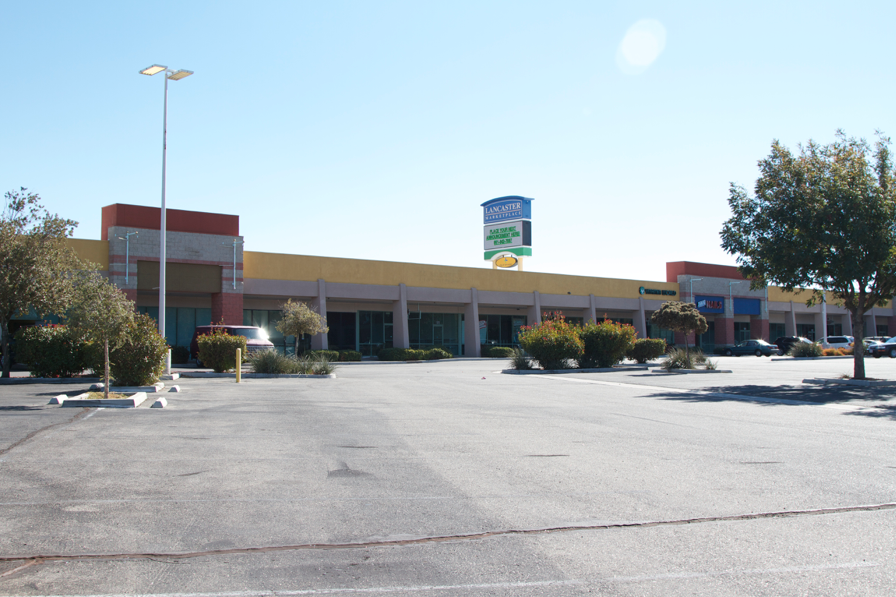
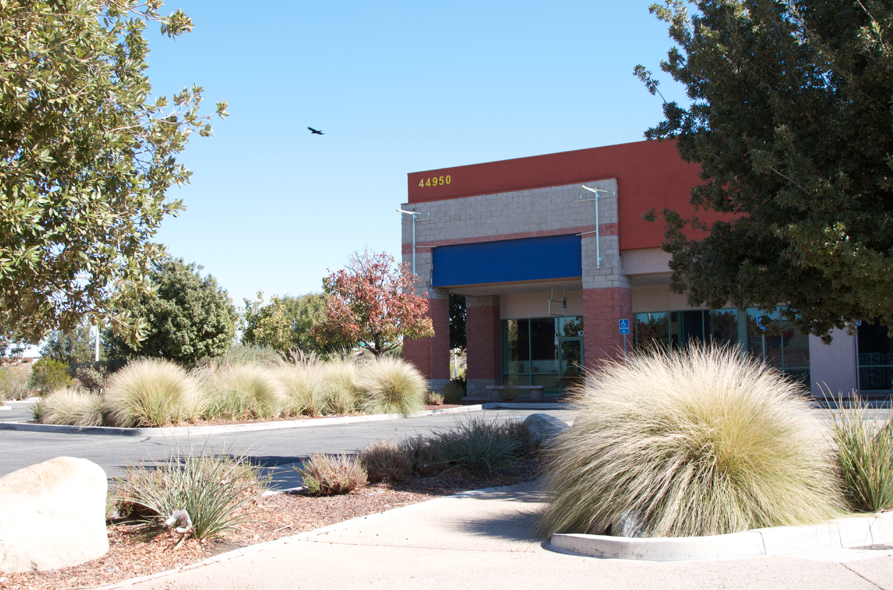
    Lancaster, Palmdale 513 (800x600) Screen Shot 2014-11-29 at 1.24.25 AM Screen Shot 2014-11-29 at 1.26.24 AM Lancaster, Palmdale 526 (800x600) Lancaster, Palmdale 529 (800x600) Lancaster, Palmdale 548 (800x600) Screen Shot 2014-11-29 at 2.31.13 AM Screen Shot 2014-11-29 at 2.30.56 AM Screen Shot 2014-11-29 at 2.31.43 AM  Screen Shot 2014-11-29 at 2.27.47 AM

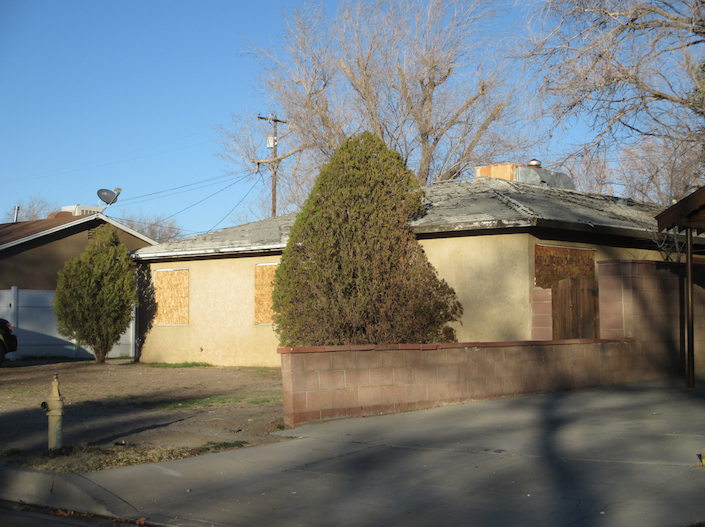
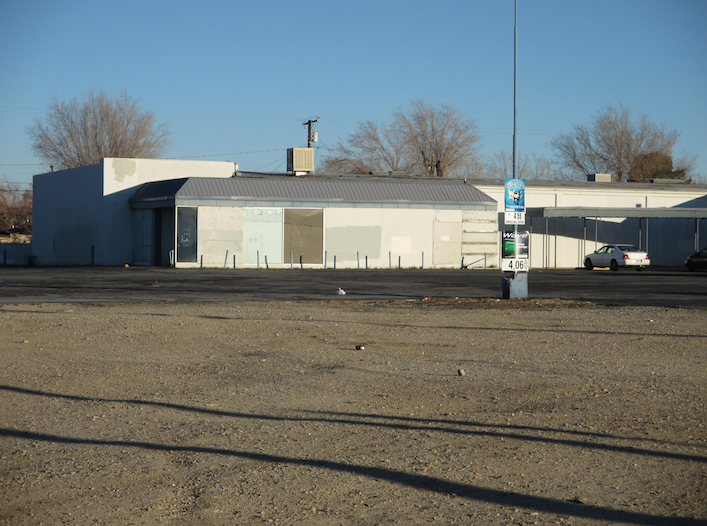
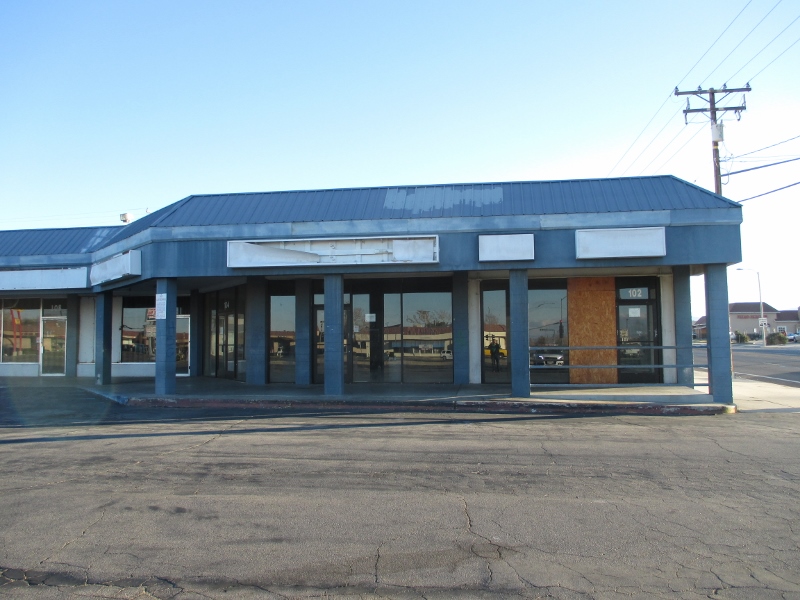
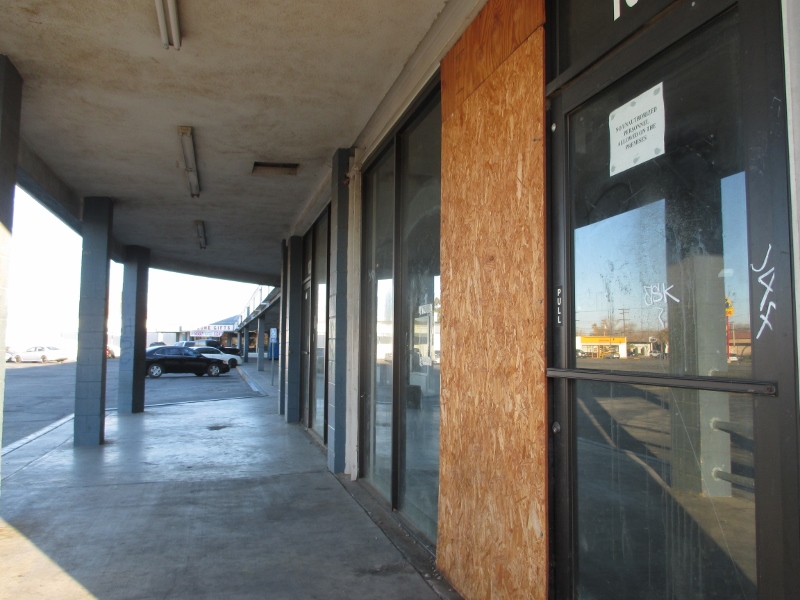
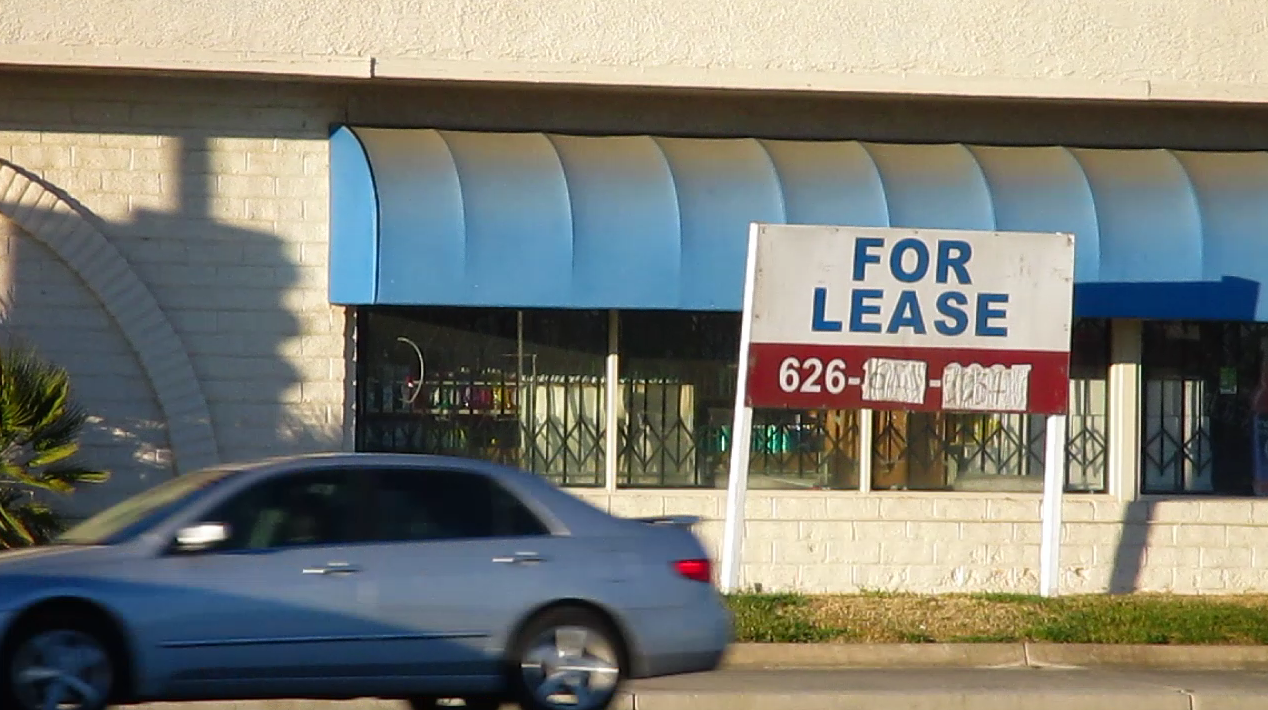
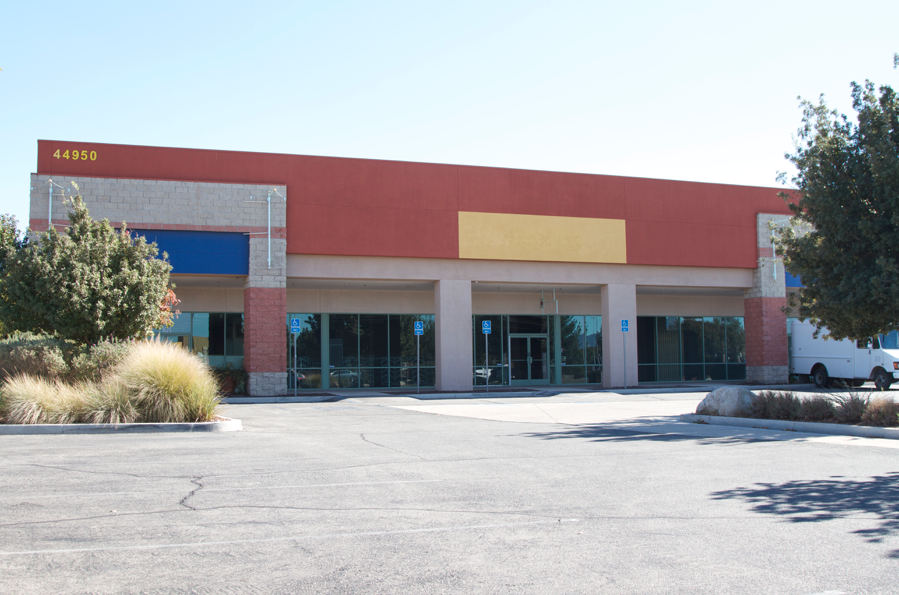
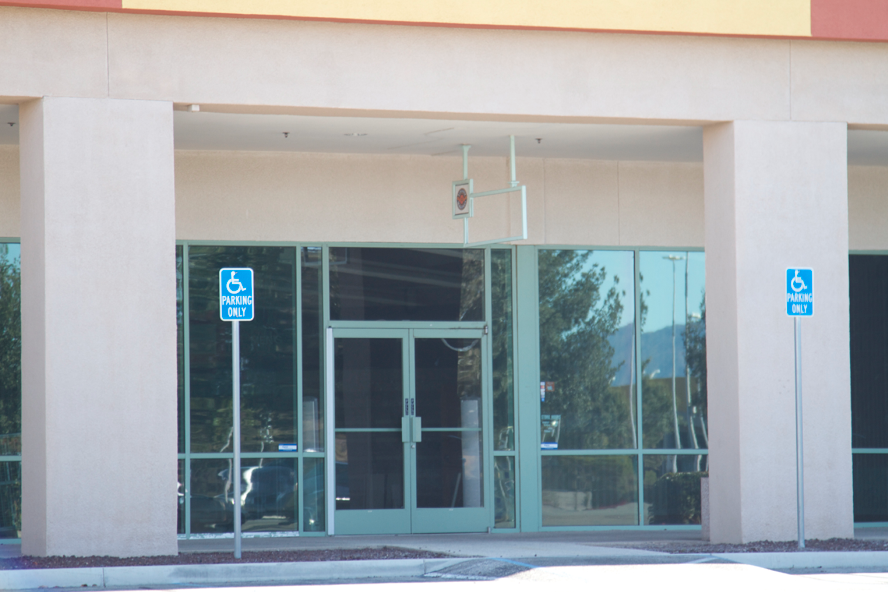
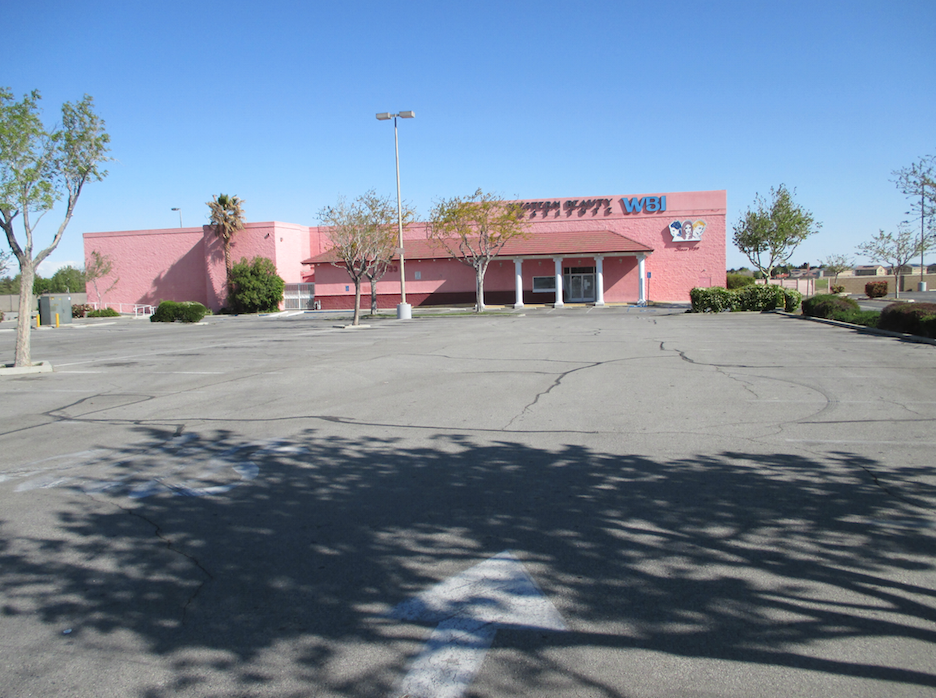
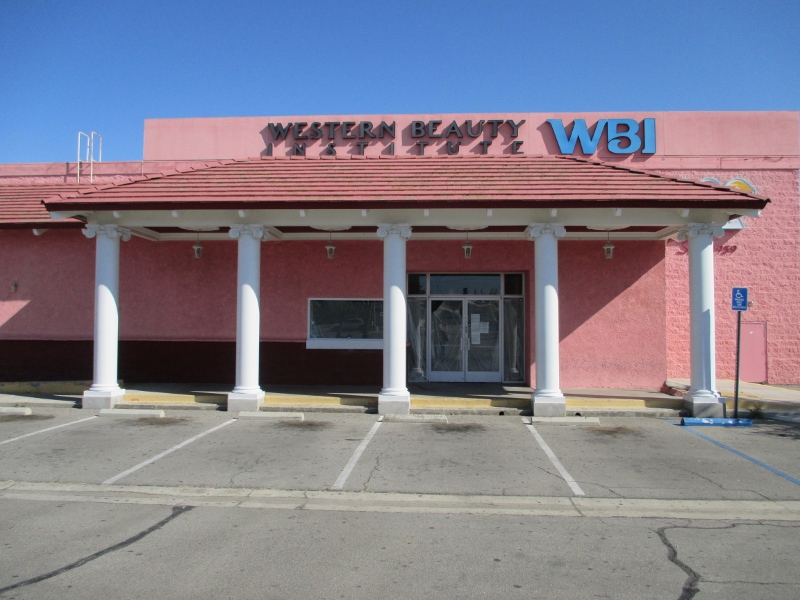
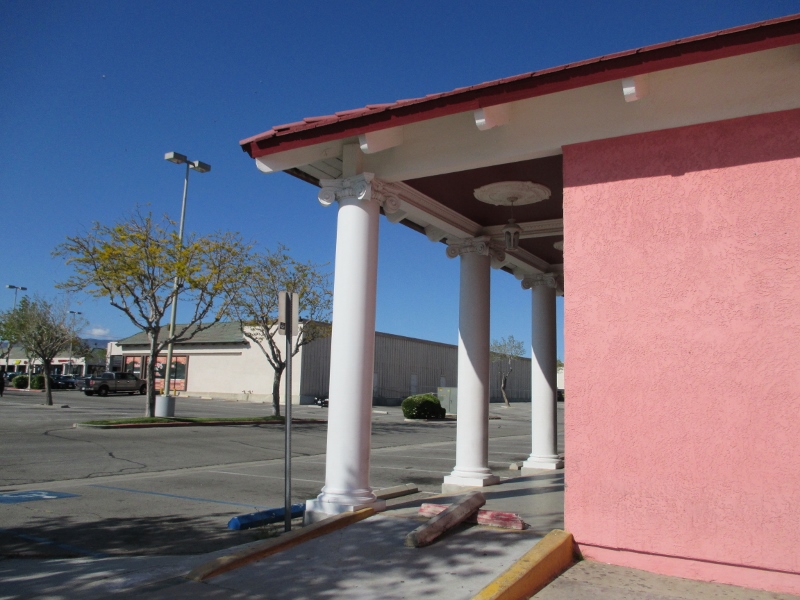
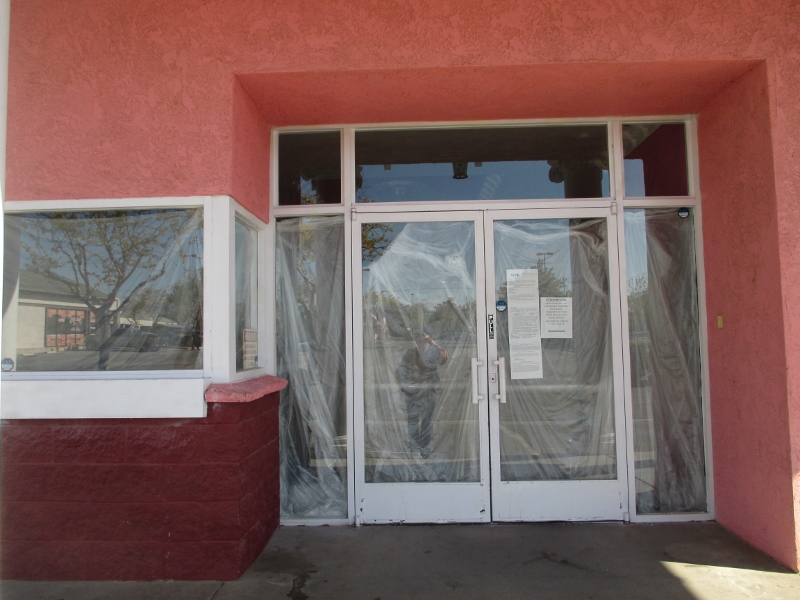
    If you want to see the in-between stage of this process check out the 1980’s and 1990’s retail centers. The strip malls are still freshly painted and the landscaping is well maintained, but most of the storefronts are empty. There’s just too much retail space on offer with too few businesses looking to fill it. This isn’t a result of a temporary economic downturn. It’s a feature of never-ending outward expansion. Some property owners have tried to reinvent their commercial space in creative ways. The old movie theater failed when the new multiplex opened up on the edge of town. The concrete bunker was painted pink and decorated like a Greek temple and turned into a beauty school. The school eventually failed and the building is now empty like so many other older retail properties in town. It’s obvious what these places will be like after another decade or two. These aren’t isolated instances. This is the inevitable result of a particular style of horizontal development. So what exactly do you do with all this stuff to prevent it from falling apart?

    Screen Shot 2014-11-29 at 5.38.19 PM Screen Shot 2014-11-29 at 5.38.50 PM Screen Shot 2014-11-29 at 5.38.58 PM Screen Shot 2014-11-29 at 5.39.14 PM Screen Shot 2014-11-29 at 5.06.23 PM Palmdale, Lancaster 018 (800x600) Palmdale, Lancaster 015 (800x600) Palmdale, Lancaster 017 (800x600) Palmdale, Lancaster 021 (800x600)

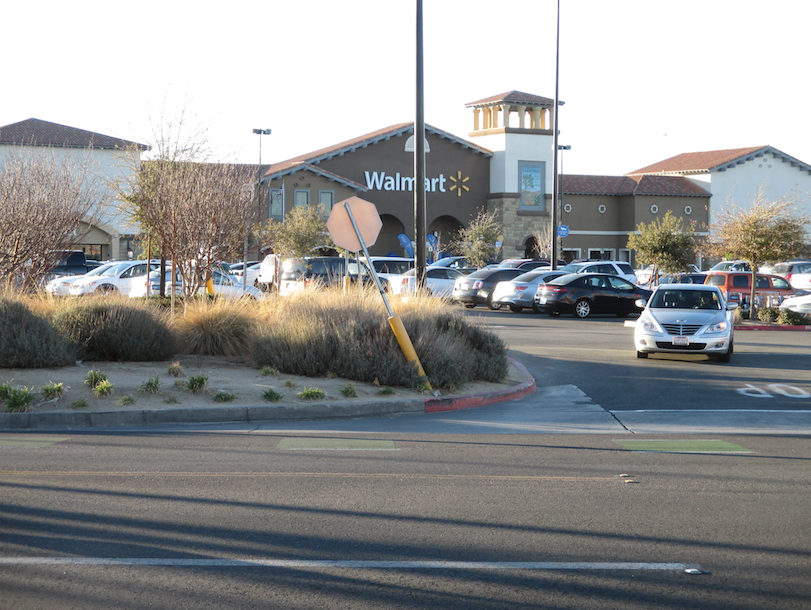
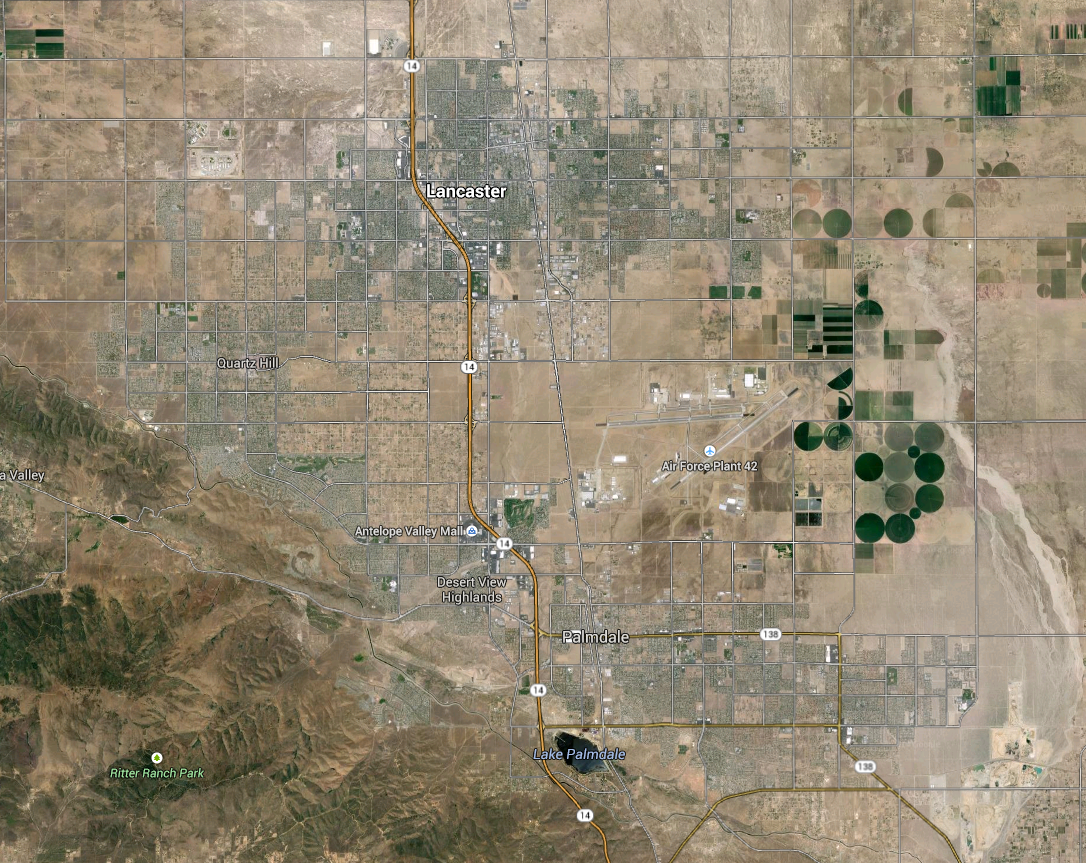
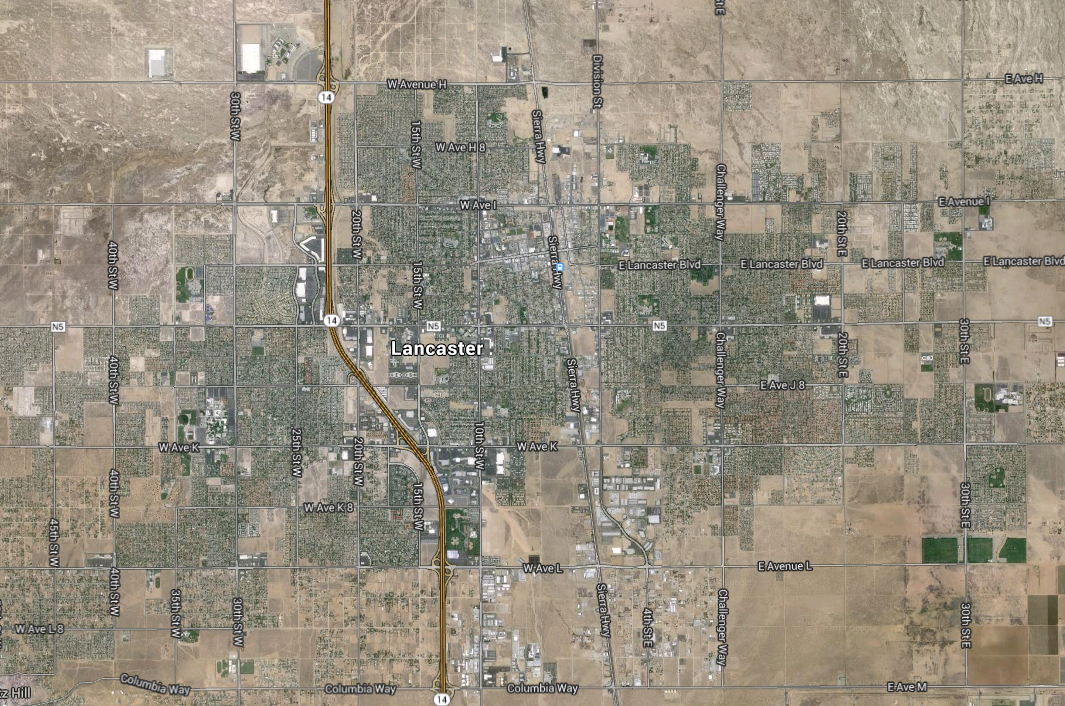
    I had previously used the Antelope Valley in California as an example. The typical response by many civic leaders is to encourage new job creation and new retail sales to fill the public coffers. But even when new businesses do open and jobs are created it doesn’t really help the older neighborhoods recover. People looking for good places to raise their children or retire gravitate toward the newer parts of town – or more likely the next town over. People who want urban amenities like street life and culture generally flee the region entirely for a real city. If you drill down on these older neighborhoods on Google Earth you realize that there’s still plenty of undeveloped land, but since it’s in the wrong part of town it isn’t likely to ever see new five bedroom homes with swimming pools or upscale retail. Any suggestion that these districts could be reinvented with a downtown flavor to give people the option of a walkable urban neighborhood is met with stiff resistance from nearly everyone. It’s just not what people in the area want. So these places continue to fester. That’s not the opinion of a pointy headed urban theorist. It’s just an observable fact. This process is brilliantly articulated by the fiscal conservative Chuck Marohn from strongtowns.org here.

    Screen Shot 2014-11-29 at 1.21.08 AM Screen Shot 2014-11-29 at 1.20.45 AM Screen Shot 2014-11-29 at 1.20.25 AM Google Earth

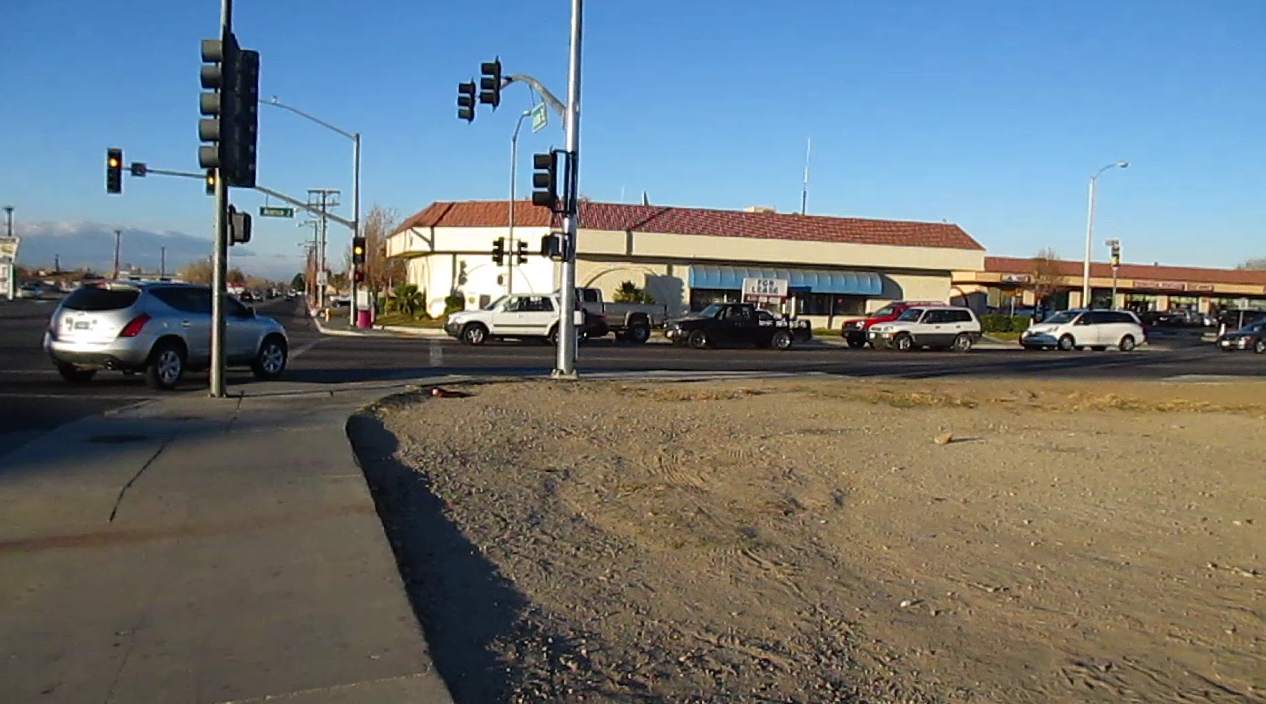
    So let’s get back to that criticism about “busybodies from Planet San Francisco” telling people in the suburbs what to do. I’m observing a fact. The fact is that many suburbs are aging poorly and turning into slums. As city centers gentrify the poor are being displaced and they are finding their way to these failing suburbs because they’re cheap. So what have local governments like Lancaster and Palmdale been doing in response to the decline of their older suburban neighborhoods? Well… as lower income people migrated to the Antelope Valley from other parts of Los Angeles County both cities began an aggressive code enforcement program directed at discouraging poorer people from settling in the area. If you read the local Antelope Valley Times here the mayor of Lancaster, Rex Parris, praised the fraud investigation officials who were wrongly terminated by Los Angeles County bureaucrats. If you read the Los Angeles Times here both Lancaster and Palmdale were systematically raiding the homes of lower income black and latino citizens with SWAT style teams of heavily armed police looking for minor code violations and instances of fraud.

    No one in particular is causing this demographic shift to happen, although liberals like to blame conservatives and conservatives like to blame liberals. Mostly it’s Adam Smith’s Invisible Hand of The Market. Eliminating all state and federal programs wouldn’t change the basic pattern. In fact, these migrations might actually accelerate in an all-out unfettered marketplace. When people can’t sell their homes they turn to renting. When they can’t find solvent renters they turn to Section 8 subsidized renters. If the Section 8 program didn’t exist the homes would eventually become so cheap that the same poorer demographic would ultimately fill the neighborhood anyway and/or the buildings would sit empty and rot. So the question is simple. How do you prevent this cycle of devaluation from happening to your town? Or how do you reverse the process if it’s already begun?

    Palmdale, Lancaster 083 Palmdale, Lancaster 082

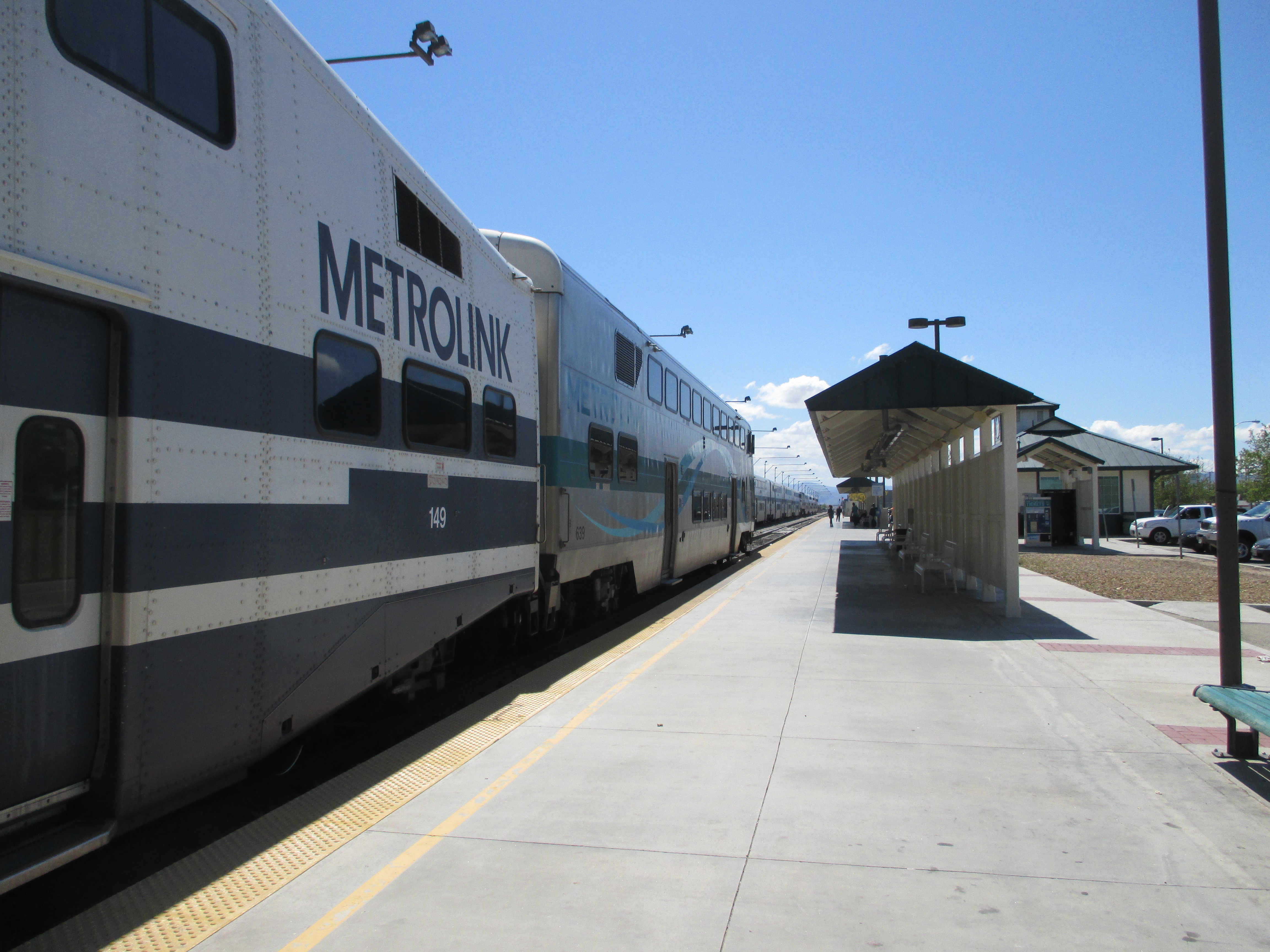
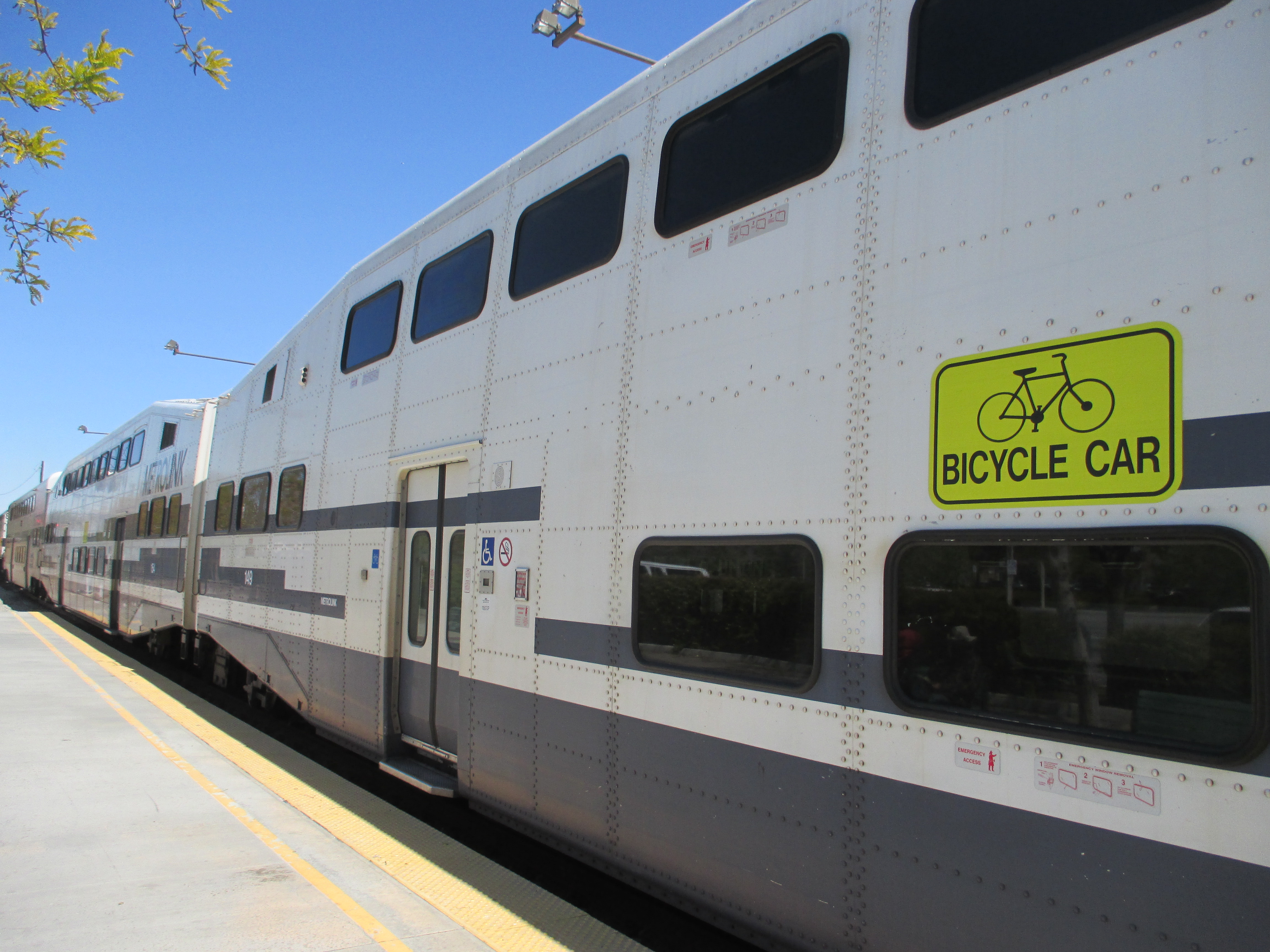
    The most recent “solution” was for the city of Lancaster to propose shutting down its MetroLink rail station in order to prevent lower income people from traveling in from other parts of Los Angeles County. That approach plays well with suburban voters, but has no real effect on the larger trend. The idea that low density development and a lack of public transit prevents blight and crime just doesn’t hold up in reality. In the same way, creating a walkable mixed use slightly denser environment is neither a recipe for disaster or a cure-all. Many people assume that limiting growth with artificial boundaries raises costs by squeezing people into a limited amount of space and unnaturally jacking up rents and the cost of home ownership. In order to keep homes affordable new growth out on the edge must constantly be built. The dark side of that theory is that it’s impossible to prop up the value of older subdivisions if there’s an endless supply of new housing coming on the market.

    I don’t expect the good people of the Antelope Valley to make any radical changes to the way they organize their affairs anytime soon. But I do expect many people to continue to vote with their feet and move away, taking their money and civic engagement with them. If these towns are incredibly lucky they will eventually be colonized by a new group of people who reinvest in these tired old neighborhoods. But I might not live long enough to see the pendulum swing back.

    John Sanphillippo lives in San Francisco and blogs about urbanism, adaptation, and resilience at granolashotgun.com. He’s a member of the Congress for New Urbanism, films videos for faircompanies.com, and is a regular contributor to Strongtowns.org. He earns his living by buying, renovating, and renting undervalued properties in places that have good long term prospects. He is a graduate of Rutgers University.

    New and Old Donut graphics courtesy of Urbanophile.com.

  • The Other Side of the Tracks

    I tend to fixate on certain places – sometimes because I love them, other times because I can’t help but stare at twisted wreckage. Lancaster, California has always been 30/70 leaning toward wreckage, although it does show signs of ongoing reinvention so I keep going back. Lancaster is highly representative of most places in suburban America. If Lancaster can successfully adapt to changing circumstances then there’s hope for the rest of the country. I’ve already written several blog posts about the place hereherehere, and here.

    Screen Shot 2014-11-04 at 6.47.50 PM unnamed

    OLYMPUS DIGITAL CAMERA Screen Shot 2014-11-05 at 12.38.35 PMScreen Shot 2014-11-05 at 12.35.09 PM

    Recently Mayor Rex Parris has been in the news suggesting that the MetroLink commuter rail station should either be shut down or moved to the far edge of the city limits. Why? Well… Lancaster is a typical suburb. In fact it’s a far flung exurb with a self-selecting population who left the city in order to escape certain things and particular kinds of people. You know where I’m going with this right? The proverbial “wrong element” whispered by terrified white people who are nervous about their property values and crime. I have no idea what Mr. Parris himself believes one way or another, but he’s genuinely good at representing the concerns of his constituency. In this instance the electorate felt that the wrong kinds of folks were taking the train from downtown Los Angeles and showing up in Lancaster where they proceed to loiter in a disagreeable manner. These weren’t “our kind of people”. After a period of review between the mayor and various agencies it was announced that the MetroLink station would remain, although there were hints at new procedures and assurances of an unspecified nature.

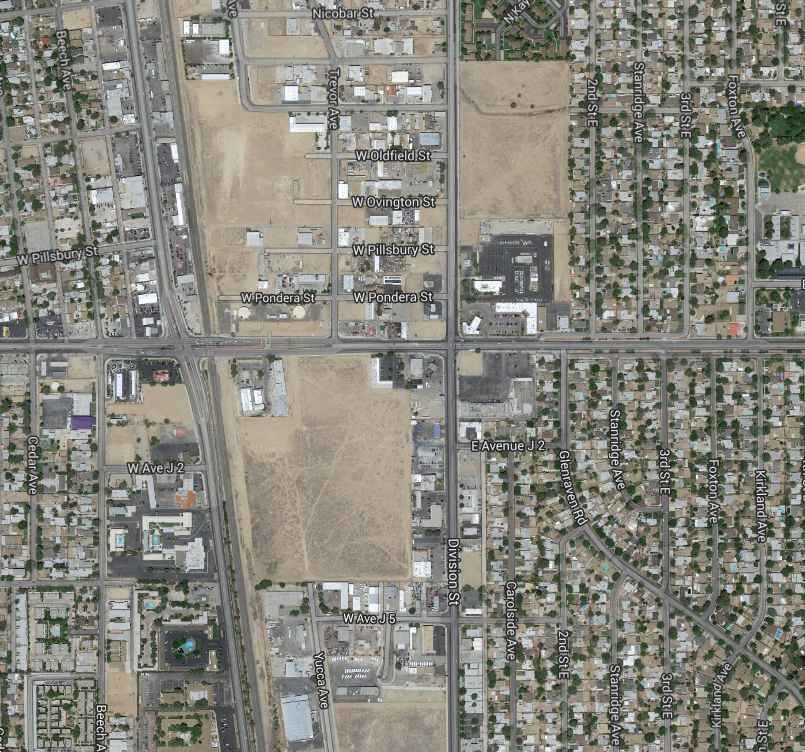
    Screen Shot 2014-11-03 at 11.54.57 AM Photo Credit: Google Earth

    This got me thinking about the neighborhoods immediately around the train station. To the west of the tracks is an eight block commercial strip referred to as The BLVD. It was once a floundering half dead Main Street that was completely revamped by the local planning department in 2010 and has enjoyed remarkable success on multiple levels. The adjacent streets of single family homes have gotten a boost in popularity and higher property value while the rest of the Antelope Valley is still struggling unsuccessfully to recover from the 2008 crash.

    Screen Shot 2014-11-03 at 12.15.35 PM Screen Shot 2014-11-03 at 12.32.29 PM Screen Shot 2014-11-03 at 12.15.50 PM Screen Shot 2014-11-03 at 12.30.11 PMScreen Shot 2014-11-03 at 12.28.30 PM Screen Shot 2014-11-03 at 12.26.14 PM   Screen Shot 2014-11-03 at 12.27.32 PM

    But then there’s the east side of the tracks… These photos look like an Edward Hopper retrospective: bleak, empty, soulless, and unloved. No one has spent ten cents on this part of town in decades and it shows, yet it’s only a block from the beginning of The BLVD. and it’s pressed up against the back side of the train station. In another kind of town this might constitute prime real estate, or at least a place that had a little something going on. After all, the commuter train gives you direct convenient access to everything greater Los Angeles has to offer from jobs to culture. But in Lancaster it’s mostly vacant land, underutilized parking lots, semi-occupied warehouses, and marginal low value businesses. That’s not to say that people don’t live, work, attend church, and go to school in the nearby blocks. They’re just doing so without the benefit of any viable civic infrastructure.

    There may be good reasons why extending The BLVD east to the other side of the tracks won’t work. Aside from any physical or political limitations Lancaster may not be able to absorb much more in the way of upscale dining and discretionary shopping. I’ve had conversations with locals who say they can’t afford a $25 Italian dinner or a $6 beer at a trendy brew pub. Maybe eight blocks of good quality brick and mortar establishments is all Lancaster can handle at the moment. I’ve also heard that developers think the local real estate market might be able to absorb another fifty urban style condo/apartments near The BLVD. But five hundred? They just don’t know since this is terra incognita for them and their traditional business model. But the east side of the tracks might be the perfect place to establish an entirely different kind of environment at a lower price point that actually works for the people who already live nearby. Yucca Ave. runs parallel to the railroad tracks rather than perpendicular like The BLVD. More importantly, it’s an area the theater and chardonnay crowd never sees and doesn’t care about so it’s a great place to do some low cost, low risk, potentially high return experimenting to see what works and what doesn’t.

    Screen Shot 2014-11-03 at 12.32.12 PM Screen Shot 2014-11-05 at 12.36.41 PM 

    The city of Lancaster spent $10.5 million on the redevelopment of The BLVD, plus some state and federal funds. Personally, I can’t see the city mustering the political will to scrape together that kind of money to transform Yucca Ave. in a similar fashion. Instead, I see the back alleys and vacant parking lots as incubators for local micro-entrepreneurs who will interact with the people who live next door and down the street. It’s less about making everything “pretty” and more about making the place vibrant and productive at a scale that works on a tight budget. Yucca is just too big and wide and needs too much major help to be saved at the moment. But the backs and sides of these commercial buildings actually have a human scale and can be connected to the smaller more domestic streets and buildings they face across the alley.

    Screen Shot 2014-11-04 at 11.20.38 PM Screen Shot 2014-11-04 at 11.21.53 PMScreen Shot 2014-11-04 at 11.22.41 PMScreen Shot 2014-11-04 at 11.20.48 PMScreen Shot 2014-11-04 at 11.21.37 PM 

    Here’s one possible model that Lancaster might try along Yucca. This is a crappy triangular parking lot in San Francisco sandwiched between a double decker freeway and a Costco. I can’t imagine a worse location for anything. But a clever entrepreneur decided to rent the parking lot, install a few port-a-potties and hand washing stations, set up some inexpensive outdoor furniture, and then charge a modest rent for parking spaces to a rotating cast of local food trucks. It’s been fantastically successful and unlike The BLVD it costs almost nothing to install. This kind of operation does best in a marginal location with no NIMBYs or brick and mortar competition. Food trucks are infinitely less expensive to buy and operate than a traditional restaurant so the bar to entry is much lower for small business people. If the bank says no to a modest loan it’s possible to get start up capital from an aunt or cousin. In fact, these are most likely to be collaborative family businesses. The food these trucks serve is radically more affordable and can represent the specific tastes of the community in a way that McDonald’s or Domino’s may not – and the profits stay local rather than being sucked out to corporate headquarters. All the city of Lancaster would need to do is keep out of the way and let small business people do their thing without an endless amount of code enforcement to gum up the works.

    Screen Shot 2014-11-05 at 10.09.50 AM Screen Shot 2014-11-05 at 10.10.46 AM Screen Shot 2014-11-05 at 10.11.14 AM

    Here’s a different approach that might work even better since I’ve never actually seen a food truck anywhere in the Antelope Valley. My guess is that they’re illegal and/or can’t find a hospitable spot to park given the relentless and pervasive “mall security” guarding the Taco Bells and Applebees. This is the Underground Food Market in Oakland. This is a pop up market that appears quickly and then melts away in a single day. Both the vendors and the customers are told the date of the next event, but only alerted to the exact location at the last moment in order to keep code enforcement people unaware long enough to actually conduct business for an afternoon. None of these people use anything more elaborate than folding tables and barbecue equipment and it all fits in the trunk of a car or a pick up truck. Does this sort of thing violate a dozen health, safety, and zoning regulations? Yep. Has anyone ever gotten sick or died? Nope. If Lancaster could find a way to legitimize this sort of activity they might discover a ready supply of people in the neighborhood who would bring their talents to bear.

    Screen Shot 2014-11-03 at 12.30.23 PM  Screen Shot 2014-11-05 at 10.19.51 AM Screen Shot 2014-11-05 at 10.22.38 AM  Screen Shot 2014-11-05 at 10.20.45 AM pontocho_night  2662771

    I want to get back to the idea of human scale and how the best parts of Yucca are the little spaces between and around the buildings instead of the big parking lots and super wide street frontage. Everywhere I go in the world I find some of the best streets are barely wide enough for a car to pass through – and that’s part of the magic. I could see stretching some sun shades over the top of these alleys in Lancaster and lining the blank walls with shallow market stalls. This is an economic incubator that costs pennies and could lead to bigger and more permanent local businesses. The trick is to get the entry cost for experimentation down low enough to engage people without much capital or credit. Will this sort of thing terrify suburban homeowners out in the gated communities? Yep. Will they care if it happens in the “bad” part of town that they never visit? Maybe not…

    Screen Shot 2014-11-05 at 12.36.33 PM Screen Shot 2014-11-05 at 3.33.00 PM Screen Shot 2014-11-03 at 10.53.21 AM Screen Shot 2014-11-03 at 10.53.35 AM Screen Shot 2014-11-03 at 11.51.43 AM Screen Shot 2014-11-03 at 11.52.16 AM

    Here’s another example of a reuse of an existing space with very little actual construction. Property values are so high and vacancies are so low in places like San Francisco that every crappy building in every marginal location is being pressed into service for things that no one would have envisioned twenty years ago. Lancaster could do exactly the same thing at a much lower price point. I don’t imagine the wine and cheese crowd being interested in Yucca anytime soon, but there are all sorts of other subcultures that would love this much space to tinker with for their legitimate enterprises so long as the local authorities cut them some slack. What most of these empty warehouses in Lancaster need is fresh paint and the right people to colonize them. The trouble with lone mom and pop operations in this sort of desolate location is that without community and other active participants they tend to wither. Lancaster desperately needs a well organized group to adopt this place. Koreans, Mormons, Armenians, Hasidic Jews, Guatemalans… it needs a La Raza, a Chinatown, or a respectable gay population – any cohesive subculture that can reimagine the place and add vitality in a focussed and concentrated manner. Would it kill city officials to hang out the welcome mat instead of freaking out when “They” appear at the train station?

    Screen Shot 2014-11-05 at 12.34.20 PM Screen Shot 2014-11-05 at 12.33.29 PM unnamed unnamed-1 unnamed-2 unnamed-3 Screen Shot 2014-11-03 at 11.23.59 AM Screen Shot 2014-11-03 at 11.26.16 AM Screen Shot 2014-11-03 at 11.27.26 AM unnamed-4 unnamed-5 unnamed-6 unnamed-7

    Here’s one last example of a seriously bad location that is starting to be transformed in a way that cost the city almost nothing. Flora Grubb was a successful business woman who rented a vacant lot in San Francisco’s Mission District back when The Mission was cheap and considered a bad neighborhood. Renting a vacant lot was one of the few affordable options back when she was younger and just starting out. She didn’t need a building or much infrastructure since she sold plants, garden supplies, and outdoor furniture. As The Mission gradually became fashionable (largely due to lots of cool people like Flora doing their thing) property values rose so high that she was asked to leave so her landlord could put up luxury condos on the site. But the landlord was a clever guy. He had another vacant lot in a different miserable part of town half a block from the sewage treatment plant. He arranged for Flora to set up shop there. She had enough of a loyal following by then that people were willing to follow her to the new location. Her current shop is an open air industrial shed and a former parking lot. The landlord owns other nearby properties and is leveraging Flora’s activities to boost those values. Flora is the catalyst for the transformation of an entire block.

    Don’t get me wrong. I’m not saying Lancaster needs to become a mini San Francisco. That isn’t going to happen. But there are cost-effective techniques for jumpstarting a revival that Lancaster might consider in one of its least loved neighborhoods.

    John Sanphillippo lives in San Francisco and blogs about urbanism, adaptation, and resilience at granolashotgun.com. He’s a member of the Congress for New Urbanism, films videos for faircompanies.com, and is a regular contributor to Strongtowns.org. He earns his living by buying, renovating, and renting undervalued properties in places that have good long term prospects. He is a graduate of Rutgers University.
  • The Reluctant Suburbanite, Or Why San Francisco Doesn’t Always Work

    This week I’m helping a friend move house after watching her grapple with some unappealing options for the last couple of years. In the end she’s leaving San Francisco and moving to the suburbs forty-seven miles to the south. She absolutely hates the suburbs, but given all the possibilities it really is the right thing to do under the circumstances. Here’s a little background. She attended Berkeley University in the 1990′s as a foreign exchange student and fell in love with the Bay Area. She went back home, worked very hard, jumped through a million bureaucratic hoops, and eventually became a naturalized citizen. She’s lived here in San Francisco for the last fifteen years. Eight years ago she bought an apartment next door and we became good friends.

     Screen Shot 2014-11-05 at 9.30.52 PM

    Screen Shot 2014-11-05 at 10.52.01 PM Screen Shot 2014-11-05 at 10.52.46 PM Screen Shot 2014-11-05 at 11.56.50 PM   Screen Shot 2014-11-06 at 12.01.32 AM Screen Shot 2014-11-05 at 10.56.12 PM Screen Shot 2014-11-05 at 11.57.26 PM Screen Shot 2014-11-05 at 10.48.27 PM

    Over the years she went from being a starving student to having a good paying job in the tech sector. Her work was initially downtown which was an effortless ten minute commute by BART (the local rail system). But a few years back she landed a job with one of the big companies in Silicon Valley. She had absolutely no desire to schlep that far to work so one of the terms of her employment was she would work from home most of the time and appear in person at the office once in a blue moon when absolutely necessary. That arrangement worked really well in the beginning. But then the nature of her position changed, she was promoted, she got a raise, and she found herself at the office more and more often. She bought a car and endured the long miserable commute with bumper to bumper traffic that took two hours each way and left her in a foul mood. She took the so-called “Google” bus (all the tech companies have private shuttle buses but they’re all generically referred to as the “Google” bus) but there were problems with that too. The company bus takes just as long as driving. While she was able to be more productive as a WiFi enabled passenger she was still spending an extra four hours a day schlepping back and forth. This was in addition to some very long hours at the office that sometimes involved spending the night solving complex urgent problems or synchronizing with coworkers in India or Singapore. Her life essentially became her job and her commute with little room for anything else. She wasn’t happy and she wasn’t even able to enjoy the things that she loved about living in San Francisco.

    Screen Shot 2014-11-06 at 3.32.25 AM

    There’s another aspect of the situation here in San Francisco that motivated her to leave. On three separate occasions in the last year she was approached by strangers as she got on or off the company bus. One guy spit on her, another called her a (well, I won’t use the actual word here, but it’s a crude reference to a female body part) and another guy lectured her about how all the newly arrived tech people were destroying the city. She began to feel distinctly unwelcome in her own neighborhood – and by people who may not even have lived here as long as she has. The irony of the situation is that because she plans to eventually return to San Francisco she needs to keep her apartment. She can’t sell it because she may never be able to afford to buy a new place here. But she can’t rent it either because local regulations make it extraordinarily difficult to remove tenants once they get settled in. In effect she wouldn’t be able to move back into her own home without a significant amount of sturm and drang and a big financial and legal battle. She’d love to rent the place for a few years so the rental income would cover her mortgage, but instead she’s leaving her apartment empty and paying both the city and suburban mortgages. It’s the only logical thing to do under the circumstances. The ordinances that are designed to protect renters are working to take units off the market since no sane person wants to be a landlord in the city.

    You might ask why she doesn’t just quit her job. She did consider it. But she does a very specific kind of thing and doesn’t want to give up her position and the challenges that only a particular kind of company can provide. If she wants to continue in her career she’s most likely going to have to work for one of the other big companies in the southern suburbs. The job wasn’t the problem. The commute was. Now I can picture some of you out there rolling your eyes about this woman and her “problems”. Poor baby. But her dilemma is very similar to a lot of people who need to stay in a job for all sorts of reasons. For example, I know teachers and cops who are so over their jobs, but they’ve been plugging away for an eternity and they just need to hang in there for a few more years in order to collect a full pension. I know other people who lost their jobs and are now forced to do work elsewhere in order to make ends meet. People have their reasons and it’s hard to argue when you start poking at the particulars.

    Screen Shot 2014-11-06 at 2.22.17 AM  Screen Shot 2014-11-06 at 2.21.37 AM Screen Shot 2014-11-06 at 2.48.31 AM Screen Shot 2014-11-06 at 2.46.56 AM Screen Shot 2014-11-06 at 2.47.07 AM Screen Shot 2014-11-05 at 9.32.48 PM Screen Shot 2014-11-05 at 9.48.08 PM

    So here’s what her new place is like. The house is a 1947 tract home with a patch of front lawn and a wee little back yard. She’s got two bedrooms and two baths. It’s cute and she and I agree that it’s very comfortable and has everything most people would want or need in a home. And at $645,000 it’s significantly bigger and less expensive than her one bedroom apartment in the city which is estimated at around $850,000. (She didn’t pay anything like that eight years ago, but prices have skyrocketed lately.) The really important thing about this house is its location a mile from her office. She could ride a bicycle to work if she wanted to, although she will almost certainly drive or take the light rail. It’s physically possible to ride a bike, but it isn’t necessarily safe or pleasant given the wide roads and high speed of the cars and trucks whizzing by. In fact, once you step off the front lawn there really isn’t anything in her neighborhood that’s even remotely worth walking to or as pleasant as what she’s leaving behind in San Francisco. The only place to buy milk and eggs was the corner gas station. But here’s where it gets interesting…

    Screen Shot 2014-11-06 at 2.50.13 AM Screen Shot 2014-11-06 at 2.50.59 AM Screen Shot 2014-11-06 at 2.55.41 AM Screen Shot 2014-11-06 at 2.54.48 AM Screen Shot 2014-11-06 at 2.55.15 AM

    I asked her where she’d eat since the only places in evidence were drive-thru fast food joints and low end chain restaurants in strip malls. She explained that her company (like all the companies in Silicon Valley) provides a variety of high quality heavily subsidized restaurants within the corporate campus. In fact she invited me to explore the place and we had lunch together a couple of times. Once I registered, went through security, and entered the complex there was an entire self-contained world to explore. These places employ tens of thousands of people from all over the world. At lunch there was excellent dim sum, samosas, saag paneer, dolmas, kibbeh, long salad bars, boreks, beef steaks and potatoes – all locally sourced, organic, seasonal, and beautifully prepared by professional chefs. Kosher? Sure. Halal? No problem. Vegetarian? Of course. Special menu for Diwali? You bet. It was all very good and ridiculously inexpensive. Breakfast, lunch, dinner, late night healthy snacks… they have it covered. We dined indoors, but most people drifted out to one of the many al fresco areas. As we walked from building to building I noticed well populated lounges for relaxation and socializing, Starbucks, volleyball courts, pool tables. There’s a farmers market in the parking lot. There’s a dry cleaners. A masseuse or manicurist can be summoned if need be. These companies have essentially taken over the functions of a town and provided them internally for their employees. Partly they do these things to keep their workers happy. Partly it keeps people at work longer than they might otherwise be willing to stay. But on a fundamental level these companies must know that their location in soul crushing sprawl is so lifeless and unsatisfying that they need to compensate by recreating all the aspects of a real town inside the landscaped berms of low rise office parks. And what about the people who live in the area but don’t work for one of these companies and don’t have security clearance to enjoy the buffet and foreign cinema night?

    I understand why she’s moving, but I wouldn’t want to live there myself.

    John Sanphillippo lives in San Francisco and blogs about urbanism, adaptation, and resilience at granolashotgun.com. He’s a member of the Congress for New Urbanism, films videos for faircompanies.com, and is a regular contributor to Strongtowns.org. He earns his living by buying, renovating, and renting undervalued properties in places that have good long term prospects. He is a graduate of Rutgers University.
  • The New Bohemia: Not Where You Expect

    There’s an established image in the collective imagination of the kinds of places artsy types tend to live: the painter in a Paris garret, the actor in a Brooklyn brownstone, the musician in a San Francisco Victorian, or the playwright in a fisherman’s shack on Cape Cod. It’s all very romantic. We currently associate these places with vacation destinations and cutting edge high culture so of course that’s where the avant garde would naturally congregate. But people forget that in their day these were the cheapest least desirable locations available. These spots were economically depressed, populated by the lower working class, immigrants, “working girls”, and the substance abusers of their day. In short, they were places that respectable people avoided and where the authorities generally turned a blind eye. How else could artists survive without family money or the income that comes with full time employment in the mainstream economy? And where else could fringe elements of various subcultures thrive without inhibition from the dominant culture? It’s only after decades of anonymous incubation that these neighborhoods eventually became safe and vibrant enough to attract middle class residents in search of good food, nightlife, and tourist photo opportunities.

    The current reality is that the so-called “Creative Class” is being priced out of the places they helped make so desirable in the first place. Many lament their expulsion brought on by gentrification. Fair enough. In many respects it’s sad that these dynamic places are becoming more homogenized and sometimes even sterilized since well paid tech workers, financiers, and corporate lawyers are great at consuming culture, but pretty spotty when it comes to generating it. Then again… let’s not forget that without wealthy patrons or state support there would be no one to underwrite the art in question. Well-intentioned government attempts to preserve low rents through legislation or the construction of subsidized housing units are helpful to the handful of people that are lucky enough to participate. But economic reality generally tends toward gentrification and displacement. So where are the new artist colonies likely to spring up? In other words, where are the new cheap undesirable places where fringe types can thrive without attracting the attention of the authorities? I see three options.

     IMG_7165 (800x533) IMG_7169 (800x533) IMG_7137 (800x533) IMG_7146 (800x533) IMG_7157 (800x533)

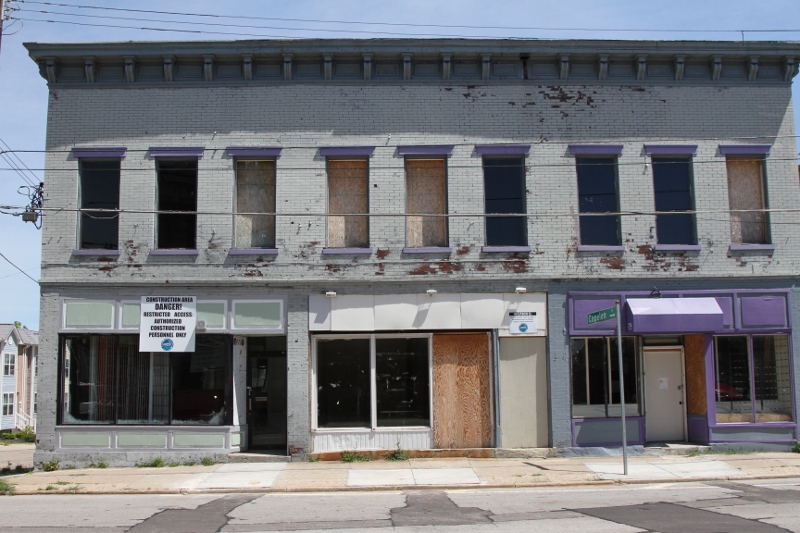
    First, for the “traditional” rebel artist who can no longer afford New York, Boston, D.C. or Chicago there’s Buffalo, Cleveland, St. Louis, Pittsburgh, and Cincinnati. These Rust Belt cities have a fine stock of premium buildings and neighborhoods chock full of 19th century architectural gems and grand public parks and plazas at deeply discounted prices. If you want the authentic look and feel of a previous generation’s artist enclave they exist in second, third, and fourth tier cities in America’s forgotten interior. That multi-million dollar industrial live/work loft space in Manhattan is available elsewhere for a tiny fraction of a percent of the cost. A clever member of the Creative Class might initially establish her credentials and connections in Los Angeles or Toronto and then set up shop elsewhere to keep overhead low while sending her creations on to paying customers in more expensive markets.

    unnamed-7 unnamed-8 unnamed-5 unnamed-6 unnamed unnamed-3 unnamed-4 IMG_6476 (800x533) IMG_6477 (800x533)

    Second, there are thousands of depopulated rural villages that exist everywhere in America once you escape the economic forcefields of pricey metroplexes. Key West, Sedona, Provincetown, Carmel, New Hope, and Rehobeth have all been bought up and Disneyfied by now. But there are an unlimited number of small towns and villages that have similar qualities at an infinitely lower price point. Most of these remote country outposts will never become anything different from what they are now – quiet backwaters populated by contented older folks and restless young people eager to flee. But some of them will be colonized by just enough funky individuals that a self-reinforcing community will be able to take root.

    Third, and in my opinion the most viable and likely scenario, involves the reinvigoration of failed suburban districts. When I look around at the desolate commercial strip corridors (pick a crappy suburb… any crappy suburb anywhere from the outskirts of Charlotte to the damp underbelly of Seattle) I can imagine the new “arts districts” of the future. Dead suburban retail buildings and their associated parking lots are the current equivalent of abandoned industrial warehouses or cheap seventh floor walk up apartments. These properties and locations are most ripe for transformation over time. My guess is that most of the action early on will not be out front facing the highway, but in back behind the semi-abandoned muffler shops, defunct carpet emporiums, and burned out supermarkets. The rear loading docks and back alleys typically face quiet subdivisions of modest homes along more humanely scaled streets. It’s possible for individuals to create pleasant convivial places that engage with a selective element of the community while not attracting the attention of code enforcement agencies.

    Screen Shot 2014-10-21 at 6.03.37 PM ouhpoui unnamed-3  unnamed-8 unnamed-7 unnamed-5 unnamed-6 unnamed-16 unnamed-14 unnamed-15 unnamed-13

    Chuck Marohn of Strong Towns here calls this “Good Enough Urbanism”. It may not look like renaissance Florence or Greenwich Village, but it gets the job done in a hurry on a tight budget without the need for committees or regulatory approval. The key to success hangs on likeminded members of an interconnected community working together in an informal and organic way. Some places will develop around a cohesive social core and thrive. Most others will lack focus and the required critical mass and continue to devolve into slums. Happenstance will sort it all out over time. The trajectory is predictable at this point. As architect and urbanist Andres Duany likes to say, “First there are the risk oblivious pioneers, then gradually the neighborhood improves sufficiently to attract the risk aware, then with enough respectable small scale improvements by numerous mom and pops the big developers arrive and prepare the way for the Dentist from New Jersey.”

    John Sanphillippo lives in San Francisco and blogs about urbanism, adaptation, and resilience at granolashotgun.com. He’s a member of the Congress for New Urbanism, films videos for faircompanies.com, and is a regular contributor to Strongtowns.org. He earns his living by buying, renovating, and renting undervalued properties in places that have good long term prospects. He is a graduate of Rutgers University.
  • Affordable Cities are the New Sweet Spots

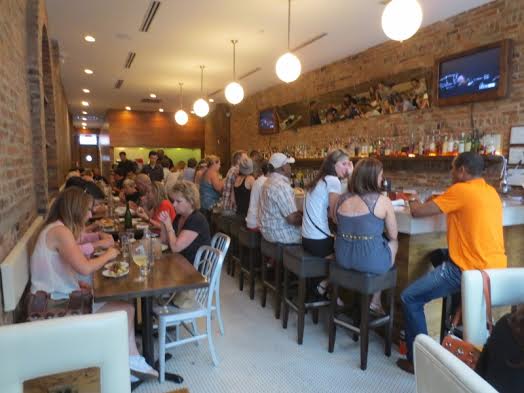
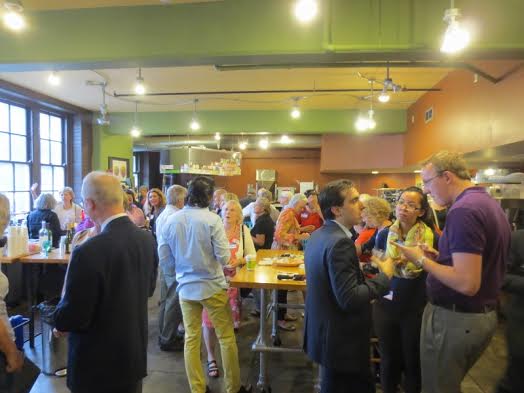
    I’ve lived in San Francisco long enough (I’m getting old) that I’ve seen several waves of bright young people arrive, burn out, then move away. For some they were looking for adventure, found it, and then carried on with normal life elsewhere. But for most it was simply a matter of the numbers not adding up. Working a dead end low wage job while sharing a two bedroom apartment with seven room mates is only romantic for so long. I’m fairly inquisitive so I’ve kept up with many of these folks to see how they manage after they leave. I travel a lot and pop in to visit on occasion. The big surprise is that they aren’t moving to the suburbs the way previous generations did when they were done with their youthful excursions in the city.

    Cincy 23  Cincy 3  Cincy 7

    Cincy 2  Cincy 24
    Cincy 25
    Cincy 1

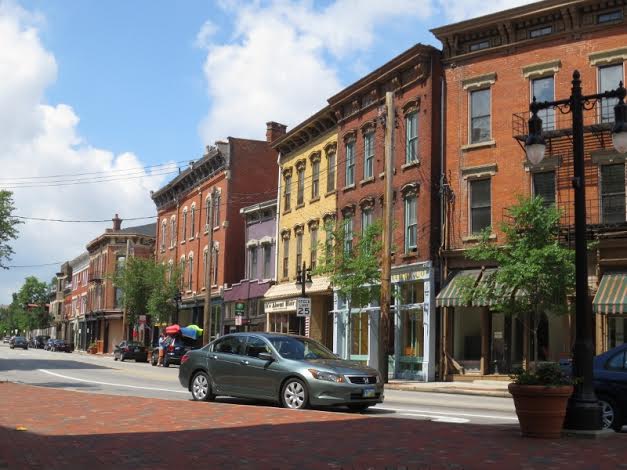
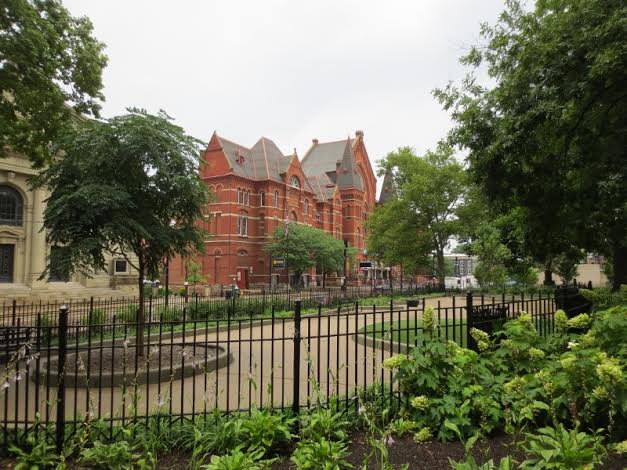
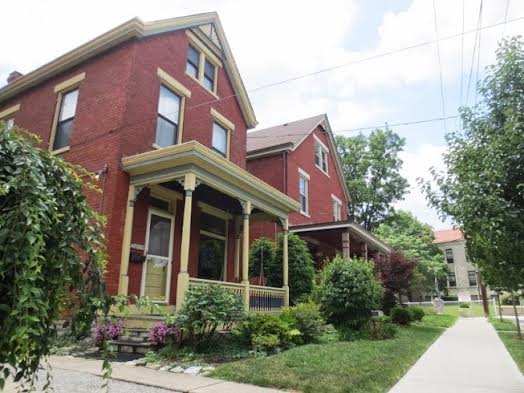
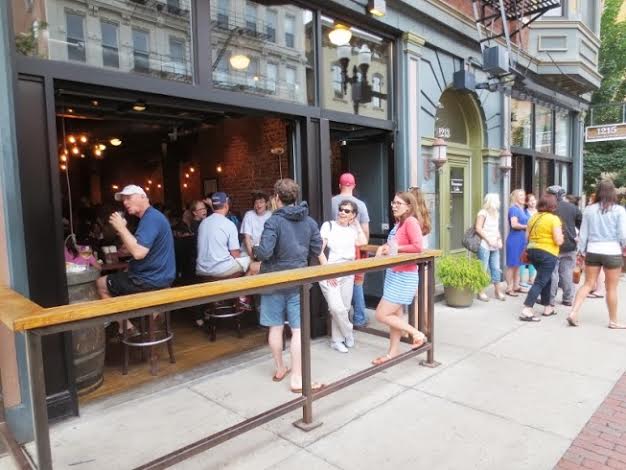
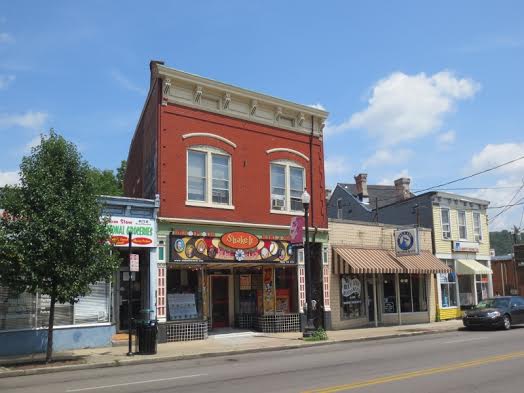
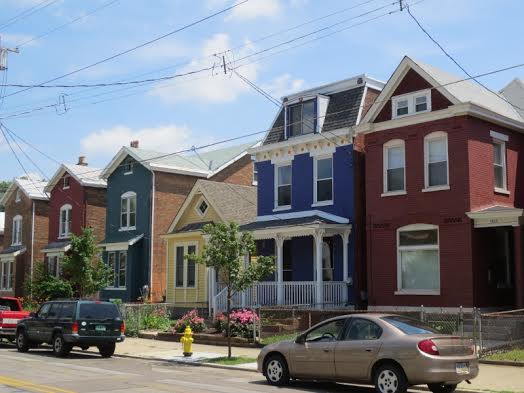
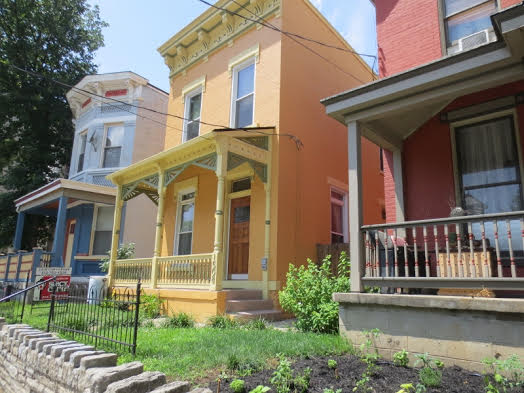
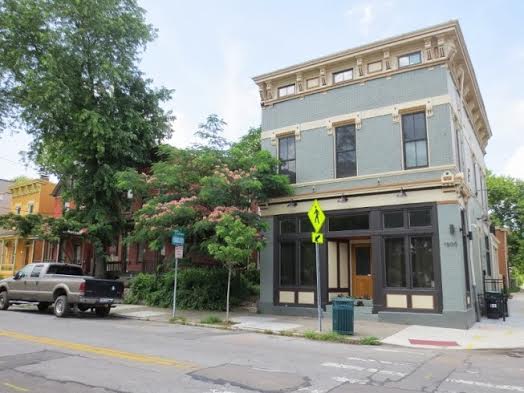
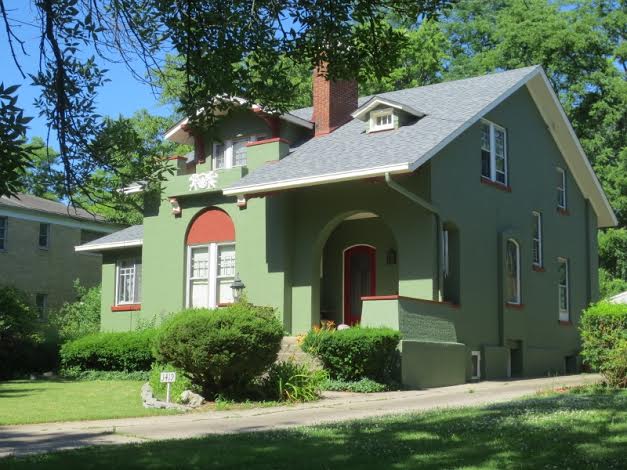
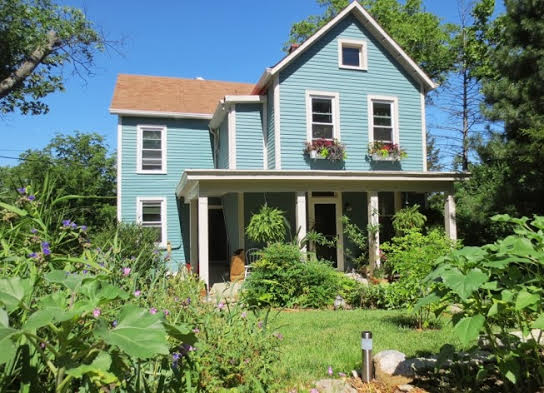
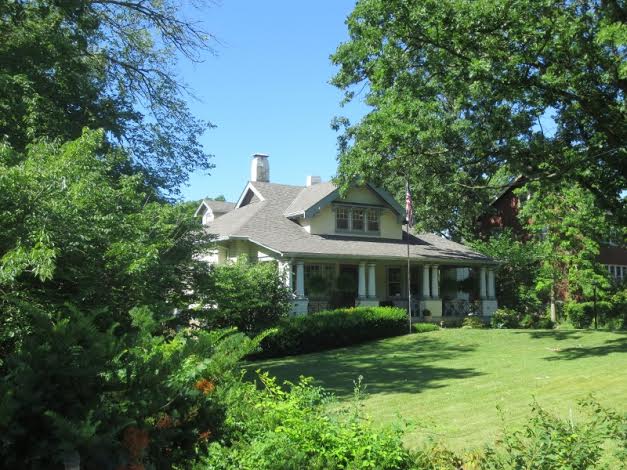
    Instead, they’re seeking out smaller less expensive cities with the same basic characteristics as the pricey places that squeezed them out. I’m very fond of one young couple in particular who spent time in Los Angeles, Baltimore, and Portland before finally settling down and buying a house in Cincinnati. Why Cincinnati? It’s a great town at a fantastic price. They bought a charming four bedroom century old home in an historic neighborhood a couple of miles from downtown for $50,000. Their mortgage is $300 a month. Okay, with tax and insurance it’s more like $500. And it wasn’t a fixer-upper in a slum. It’s a genuinely lovely place with amazing neighbors.

    Cincy 6
    Cincy 5
    Cincy 51 -1
    Cincy 8

    Who needs New Urbanism or Smart Growth when so many amazing old neighborhoods are just sitting out there in under-appreciated and radically undervalued cities all across North America? The Rust Belt has long since hit bottom and has already adjusted to every indignity that the Twentieth Century could throw at it: deindustrialization, race riots, white flight to the suburbs, population shifts to the Sun Belt… Now that the unpleasantness has run its course what’s left are magnificent towns ripe for reinvention. Personally I believe many of the boom towns of the last fifty or sixty years have peaked and are about to enter the kinds of steep decline we currently associate with Detroit – except the dried up stucco and Sheetrock ruins of Phoenix and Las Vegas won’t age as well as the handsome brick buildings of the Midwest.

    Cincy 33
    3 Cincy 34
    4

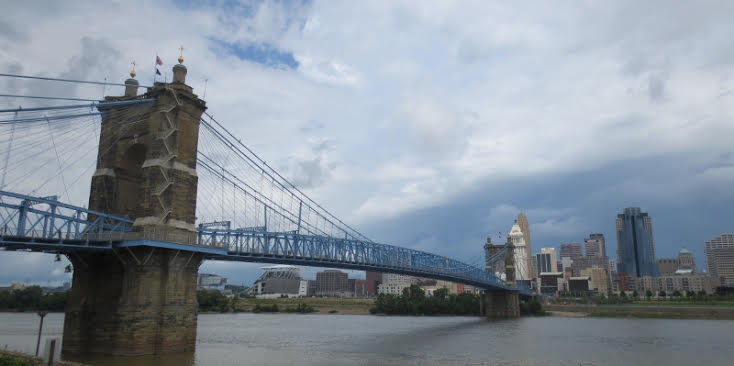
    Don’t get me wrong. Cincinnati isn’t San Francisco. It isn’t Brooklyn either, although they do have an elegant bridge by the same engineer. If you want to be a Master of the Universe in international finance, or the next super genius computer whiz, or a millionaire movie star you probably need to be in a bigger place. But most of us just want ordinary comfortable rewarding lives surrounded by good people. The big question is pretty simple. Do you want that life to involve a $500,000 mortgage on a bungalow in a coastal city, or a $50,000 place in the Midwest. Will you earn less money in Ohio? Probably. But since your overhead is one tenth the California or New York price you really don’t need the big salary or the stress that comes with it. It’s like moving to the suburbs except you get to live in a great vibrant city instead of a crappy tract house on a cul-de-sac an hour from civilization.

    Cincy 46

    John Sanphillippo lives in San Francisco and blogs about urbanism, adaptation, and resilience at granolashotgun.com. He’s a member of the Congress for New Urbanism, films videos for faircompanies.com, and is a regular contributor to Strongtowns.org. He earns his living by buying, renovating, and renting undervalued properties in places that have good long term prospects. He is a graduate of Rutgers University.