Author: Rick Harrison

  • How We Are Kluging the World’s Growth Process

    The quirks of software and operating systems that we seem to experience on a daily basis are the result of Kluges – almost all software is written with fixes that work for a particular problem, often without knowing exactly why that fix works. As both a land planner and developer of high level precision design and engineering software, I do not allow kluged fixes – for either business.

    Why do kluges exist?

    Kluges are rampant in software and hardware development.


    A kluge is a quick and easy fix to one problem, but hardware and software design is very complex, so what might fix one problem can have dramatic negative effects elsewhere. The potential of a larger problem occurring with a kluged fix is very real, and everyone suffers because what ‘seems to work’ on a particular problem may have a domino effect for things that could not be foreseen in normal testing.

    What other industry has rampant kluges?

    Subdividing land!

    Kluge #1: A new subdivision is more than likely designed by the local civil engineer who is unlikely to possess a strong neighborhood design background. This is because the firm who plans the development will also get the lucrative engineering and surveying work. For that reason, every engineering firm, and most land surveying firms boast of their land planning abilities, even if there are no qualified and experienced ‘neighborhood’ designers on staff.

    Kluge #2: Assuming the local consultants relationship with the staff, council, and planning commission will result in a better development for the developer and builder – and a better city. The local consultant will likely have a familiarity with the people involved in the approval process, but may be far too easy compliant with every demand and change – no matter how absurd, than to argue a valid point with the city. They may know the design or idea is superior to the same old way things are done, but will try to convince the developer (who is paying for their services) the good idea is a bad idea. Progress stagnates – and this a major reason many new subdivisions looks the same (or worse) than one designed in the 1960’s.

    Kluge #3: The cities’ regulations. Cities have in-house staff or hire outside consultants to maintain and update their regulations which are essentially a boiler-plate document of the adjacent city. Nothing in the regulations reward developers for doing a better job. Will the development be an asset or an instant slum? If it meets the minimums – it must be approved! That’s it.

    Smart Code? There is nothing smart about this dumb idea – it only guarantees the consultant pushing these incredibly complex and restrictive codes is forever retained to consult at every city meeting. Overly restrictive code guarantees mindless replication and places a roadblock to progress and innovation.

    Kluge# 4: Technology used to develop land. I’ve been developing and marketing civil engineering, surveying, and design software for almost four decades. On a sales call – what do you think is the first question? How much faster can we get our work out? What’s the question I’ve never heard? How much better can we design our neighborhoods for our clients and those that will live within? The billions of dollars spent on CAD and GIS technology, training, updates, hardware, and support has resulted in zero difference in the actual pattern of growth! City planning commissions and councils are presented the same 2D plans that nobody can understand and visualize. Virtually unchanged since 1960, but presented in PowerPoint instead of transparency slides on an overhead projector.

    Kluge #5: The land development consulting industry itself. I know of no other industry where the main design professionals (architects, planners, engineers, surveyors, etc.) are less likely to collaborate and communicate to assure the end user (the resident or business owner) is best served. There are many reasons why this is such a dysfunctional industry. The professionals involved have completely different skillsets. They often conflict with the others’ skillsets. All this can be solved with a new era of consulting industry where all involved have a common knowledge base to begin with – somewhat like the medical industry. This leads us to the next kluge…

    Kluge #6: The universities only teach a narrow focus on an isolated aspect of the development process. With a ‘common knowledge base’ where a student will learn all aspects with technology and systems that can advance the industry we can tear down the barriers of communication and build collaboration. One major problem: the professors. They will need to harness better technologies and re-learn themselves – making an effort and need to communicate and collaborate among themselves.

    Kluge #7: What happened to teaching – design? The world has morphed down to only a few major players in the software industry who have done nothing to advance the growth and redevelopment process through research and innovation. Over generations, gradually the world loses skillsets that were commonplace before computers existed. This is why all those new apartment projects and commercial buildings look the same, and that new subdivision is more mundane and cookie-cutter than in the past.

    Kluge #8: Traffic regulations and trendy roundabouts. Don’t even try to convince me that roundabouts are a good idea, they are not. Of the well over 1,000 neighborhoods I’ve designed this past 26 years I’ve included a total of 3 roundabouts. There are much better alternatives that are safer and maintain flow, reducing time and energy while increasing safety.

    Have you ever passed a restaurant thinking you are a bit hungry, but then decide to pass it up because you are routed a ridiculously long distance of multiple intersections to the place and instead pass it by? We all have. Instead of making access more efficient and convenient, often these rules do quite the opposite. As a pedestrian or on your bike have you ever tried to cross at a roundabout? Did you feel safer than at a signalized intersection? Progress? No. Kluge? Yes. Thus roundabouts are safer for pedestrians because most go far out of their way to avoid crossing them!

    Kluge #9: Streets as the pedestrian route. Subdividing land is all about density – little about function. The pattern assures the most units (housing or commercial square footage) are sardined into a site. This pattern sets the street first – lots second. Nothing else. Pretty simple and quick with the latest technology (kluge #4). What of the streetscape (curb appeal, monotony)? What’s the views from within the home to adjacent open space? What open space? How easy is it to walk through the neighborhood to destinations you would want to walk or ride a bike to? Walks that simply follow the internal streets are highly unlikely to make a stroll convenient, thus the mindless walks designed automatically in CAD will discourage a stroll. To fix this deficiency, the vehicular and the pedestrian routes should be two different systems, merging where it makes sense.

    Kluge #10: Revisions along the approval process. Suppose, an experienced and talented land planner carefully thought through the design of the neighborhood. The traffic entering maintains flow along streets void of monotony. There is a separate and connective pedestrian system, and the site plan follows the natural terrain honoring natures design, while reducing run-off and earthwork – which in turn saves the trees. At the first public meeting, the neighbors complain about traffic and the city planner demands you not connect at the proposed locations and add some new connections. You make small changes and as a result your traffic no longer flows as the planner designed. The engineer simply complies (see kluge #2). The length of the cul-de-sac is 70 feet longer than allowed, and will need to be adjusted, but that destroys the placement on top of a knoll which makes more sense, and the main trail connecting through the cul-de-sac is rerouted which destroys the pedestrian connectivity.

    As a software developer and president of my company I do not allow kluges. The LandMentor system we developed has taken 12 years, mostly because it’s kluge free. I seriously doubt there is any software of any type that exists that has a 12 year initial development process. What we learned from the software business applies to land development and home design (single family and multifamily) – when problems arise or revisions are demanded, it’s most often better to start afresh than force an older ‘invested’ idea to work, the very definition of a kluge.

    There is no quick fix to sustainable development, and no place for kluges.

    Rick Harrison is President of Rick Harrison Site Design Studio and Neighborhood Innovations, LLC. He is author of Prefurbia: Reinventing The Suburbs From Disdainable To Sustainable and creator of LandMentor. His websites are rhsdplanning.com and LandMentor.com

    Photo: Zoedovemany (Own work) [CC BY-SA 4.0], via Wikimedia Commons

  • The ‘Not Good’, Bad & Ugly of Mapping

    Today, useful demographic, real estate, and economic information is instantly accessed from your bedroom laptop. A few decades ago you would have to make a trip to city hall and wait for someone to go through hundreds of files.

    Information (data) is only as good as the source, hand entered from someone – subject to human error. Yet in reality, after 3 decades of use, mapping software — used by virtually every city and county agency — is actually getting worse not better.

    What is occurring

    To understand the decline of mapping data, let’s go back in time – three decades ago when GIS was first introduced. There were many players competing to be the leader in the industry, however, the graphic capability and speed of computers was pitiful back then. Yet even today, with much faster computers and infinitely more storage, the quality of mapping programs has declined.

    Today’s GIS industry leader, ESRI, a company from Redlands, California, overcame speed limitations by defining parcel of land into a single ‘polyline’ which is a series of straight lines along a boundary bypassing the need to draw curves. They coined these parcels (or lots): ‘shapes’, thus a GIS ‘shape map’ is essentially the parcel information of a city.

    How can a curve be represented by straight lines? By having a series of itsy-bitsy lines drawn along an arc so that it appears as a curve, requiring a massive number of additional points to be generated.

    The problem is that in the typical city with many curved streets, a shape map would add hundreds of thousands (likely millions) of inaccurate traced points.

    Take for example this small area in Pontiac, Michigan which took over 160,000 lines to define – none of which are precise:

    Today, ESRI pretty much controls the multi-billion dollar GIS industry. There’s no intent in this article to say ESRI provides bad or good software, but to hopefully reverse a very disturbing trend in the data in which maps are based upon and why it’s counter-productive to sustainable growth.

    Ask yourself:

    • With multiple billions of dollars invested in GIS technology and mapping – most by you – the tax payer, why is the very fabric of today’s growth worse, than that of the 1960’s – before any digital technology existed?

    • Why is it that at every city council and planning commission meeting are presentations and submittals materially no different today than in the past 6 decades?

    • Why is it that the regulatory system continues to produce (actually promote) the cookie-cutter mundaneness that plagues every city?

    Why we need to go back to surveying

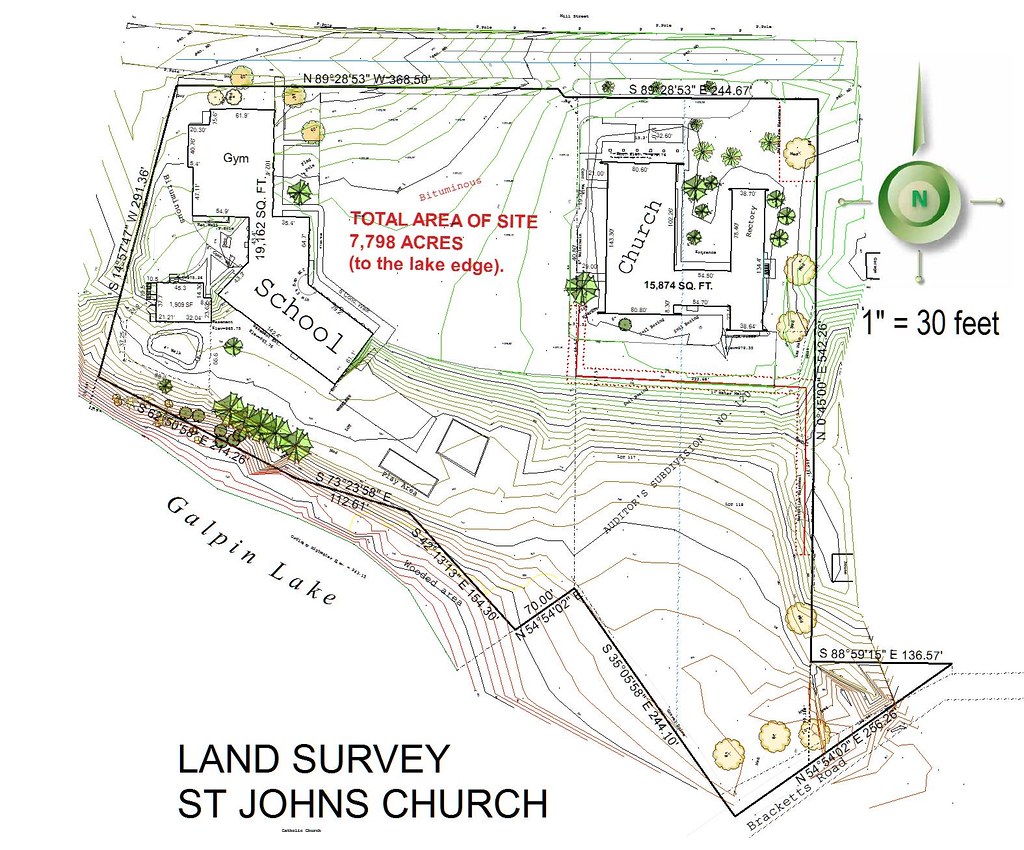
    At this point to understand the problem in GIS mapping, you need a short lesson on land surveying. The person in blue jeans standing on the roadside looking into the scope of the transit is a land surveyor.

    Land surveying is more art than science. A proper boundary survey requires those in the field to find the corners along the streets and nearby. The land surveyor looks for differences between adjacent site dimensions of what is recorded, if any. Using judgments based upon extensive knowledge, the land surveyor can adjust the inconsistencies and set new corners.

    Why Accuracy is Critical

    Once the actual corners of a boundary are known, the land surveyor collects all man-made improvements (stuff) on the site to determine if fences overlaps onto the neighbor’s property, or their shed encroaches within the parcels boundary. Is the home set the required minimum 10’ from the side yard or is it less? This would be a violation. This is stuff lawsuits are made of.

    How can bad data be fixed?

    Those purchasing the GIS are told that they could quickly put a map in and then later on collect accurate control points which cold be ‘rubber sheeted’ (stretched). In other words, an inaccurate map that was traced decades ago, then rubber sheeted 10 or 20 feet (or more) to be made ‘accurate’, produces results in 4 good points and hundreds of thousand bad ones. Those GIS purchasers with no knowledge of surveying somehow saw logic in this false premise.

    Are there any accurate base maps?

    Yes! For example, decades ago, Gary Stevenson the County Surveyor in Dakota County, Minnesota decided to hand key in the plat dimensions of deeds and recorded plats (site plans of developments) into a coordinated geometry system upon which land surveying and civil engineering is based upon.

    The Dakota County Surveyors office created a map, complete with parcels of land and subdivision plats that conflict with each other showing overlaps and void areas. This precision map using recorded information adjusts each parcel and plat to a common angle basis (rotation). This way a land surveyor can use the information to determine problems in the adjoining property and can make an attempt to adjust conflicts and solve them ultimately fixing the map and creating a geometrically perfect city.

    Technology that changed land surveying

    Today’s Global Positioning Systems (GPS) has a much higher degree of accuracy for land surveying applications and has made exact measurements of control points along great distances without error possible. However, with all the technology, the skill and knowledge of the land surveyor is required to work the puzzle pieces of creating an accurate base map, as well as correctly defining any property – even yours!

    Can an inaccurate map be fixed over time?

    Absolutely, but only if a city or county wanted to pay far more to fix a bad map than starting over with a good map from scratch. Today, there are far better software technologies, based upon the future of mapping without data structures designed in the past when speed was the ball and chain.

    The ‘not good’, bad & ugly of today’s mapping

    The software our firm develops is designed the same way as we did nearly four decades ago – extremely efficient with data to let the lightning fast processor work, needing very little disk space for storage and access.

    The problem in particular with the leading CAD and GIS software developers is that they have access to a massive amount of memory and disk space. This allows programmers to work with less effort.

    Throwing excessive amount of information to the disk is a quick way to write software code – why not? – you got the space.

    Efficient coding is painfully long and expensive.

    The problem with monopoly

    Today’s mapping systems have essentially the same data structure as four decades ago because they have almost no competition that forces change. This is an increasingly common problem in a tech world increasingly dominated by an ever smaller group of increasingly giant companies.

    One thing about inefficiency: For those with overwhelming market share, it’s also potentially very profitable, as Microsoft, Google, Apple and Facebook can tell us.

    Back to Basics

    It was just few decades ago that contours showing the varied organic shape of the land surface was somewhat efficient and accurate.

    With just a few hundred points collected on the ground by a land surveyor an accurate representation of the ground surface could quickly be computed and drawn by software. You could clearly see where the elevation of the ground changed direction and where walls, curb lines, or drainage ditches were.

    In other words, in general, from a physical data structure perspective, there was little to be concerned with working with contours of the land. Below is an example from decades ago of an on the ground survey with all the boundary and improvements, created from a total 640 field collected points:


    The depiction above is the exact land surface essential for reconstruction and earthwork calculations. Note the contours along the street which show the fine detail of the center of the street along with contour lines that adjust at the street curb line. Because of the digital terrain model is created with only 640 total data points, all calculations such as earthwork and street redesign will be instant.

    Modern laser-based remote sensing technology allows the creation of complete topographic maps without requiring any manual labor to create as was the case in the past, or at least in theory – but not in the real world use for using the data for design and 3D application.

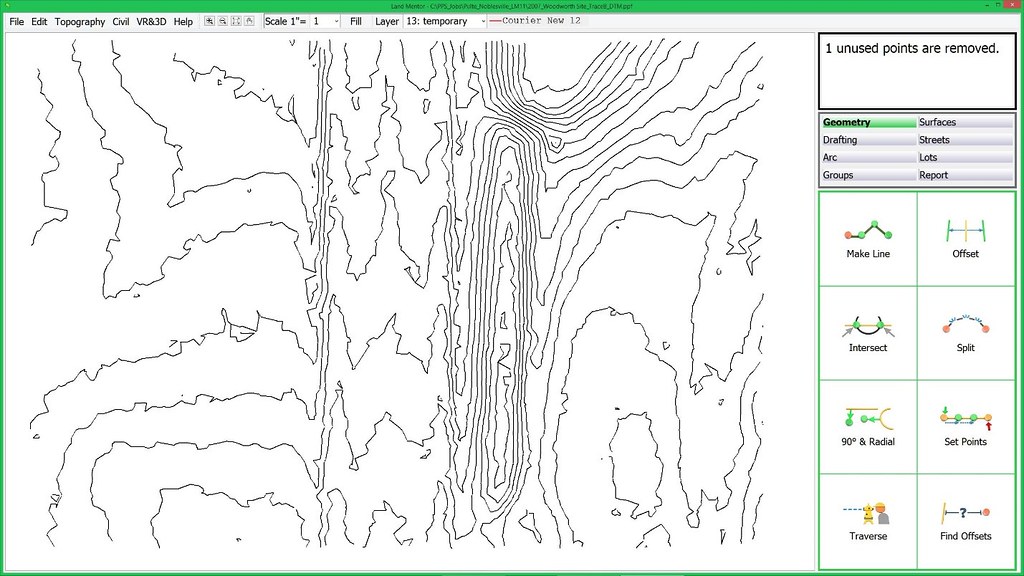
    Essentially the industry was really efficient until modern computers effectively threw topographic efficiency into the garbage, and producing what can be best described as ‘spastic’ jiggly contour lines as shown on this typical LiDAR map:

    The Mayors and Administrators in charge of tax payer funded contracts approving contours such as the above are not aware that this information is pure garbage, because they, nor did their staff (who should have known better) did not have this knowledge.

    With all the information and technological abilities we have today, why are these contours so awful? Because software cannot think – it can only use math. When the land is relatively flat, as most land, streets, and parking areas are, to draw a contour line when points exist within a few feet of each other, it will need to create a short line a particular direction, a few feet in length. Then it needs to determine a direction for the next short line, and ignores a trend or path and simply goes ‘to and fro’ not ‘knowing’ where to go. This of course, is because software cannot ‘know’ anything – only a person can make such judgments.

    You take the person out of the equation, and bad things like this happen.

    Can this excess data be filtered?

    Why has nobody brought this up as a key issue?

    Well, the consultants serving cities – why should they give up all that continual updating of a map to reinvent their services offering accurate consulting requiring the services of a Professional Land Surveyor instead of CAD and GIS technicians? Virtually every convention, periodical, and blog that serves government agencies depend heavily of the advertising dollars of the current GIS and CAD leaders – they would never print a series like this which could damage their relationships with the enormous companies and cut their income stream.

    We can reverse the damage, but it will take key decision makers in government to stop writing tax payer funded checks for substandard, wasteful, and just plain bad – mapping data.

    Rick Harrison is President of Rick Harrison Site Design Studio and Neighborhood Innovations, LLC. He is author of Prefurbia: Reinventing The Suburbs From Disdainable To Sustainable and creator of LandMentor. His websites are rhsdplanning.com and LandMentor.com

    By Karen Capria (esri.com) [Public domain], via Wikimedia Commons

  • The Sad State of the University Degree for Planners & Designers

    For the past four decades, technology has improved nearly all aspects of our life – except for the physical land development patterns of our cities. The 1960’s suburban pattern, still in use today, is unsustainable. However, the ‘architectural’ answer to the ‘planning’ problem of sprawling subdivisions has been to simply go backwards to the gridded past.

    Without a high degree of architectural and landscaping detail, this model, known as New Urbanism, does not work. As such, there are few (if any) affordable New Urbanist non-subsidized developements. The Congress of New Urbanism (CNU) boasts of their success in gentrification, but instead of reinventing ‘design’ to address the problems, the architect’s answer is to make site plan function as if it as a simplistic rectangular floor plan.

    The CNU objective is to create a pedestrian oriented society and do everything possible to do away with car ownership. To combat suburban sprawl, they attack those who invest in suburban homes even though they represent 80 percent of the housing market growth. Even with the nearly three decades New Urbanists have promoted this singular solution, there are relatively few actual CNU projects.

    One of the largest groups of CNU followers are university professors who teach young, impressionable minds that suburbia is terrible and only high density is the answer. These students go deep into debt thinking that they will be part of a vast new era of change, however, when they look for employment in the real world, they are miserably unprepared. The technical skills taught in Urban Planning and GIS (Geographic Information Systems) revolve around software and training supplied by ESRI, and for architectural or civil engineering students, most likely an AutoCAD targeted module like Civil3D or Revitt, the current industry-leading software products.

    To understand why this is a problem, I will share experiences with graduate students hired as interns, not mentioning the school. I am based in Minneapolis.

    I interviewed a graduate from the Urban Studies program a few years ago who did not understand what an easement or a right-of-way was. He had no classes on how a plan or plat was put together, along with no design courses, no knowledge of surveying or civil engineering which is the basis of all redevelopment and growth. I decided to take on the challenge and hired the student to teach him basic things you would think would be taught to a graduate student.

    A few months ago, I took an intern (same university) graduating this spring in GIS and mapping. Again, you would think the basic premise of mapping would be an intricate knowledge of surveying and subdivision planning, at least. But nay, nay – none was taught. I asked, why a career in GIS? He said that his first intention was to become a civil engineer, but they immediately placed him in the mathematically demanding structural side of civil engineering, which proved too much for him. Instead of having a dedicated civil ‘site’ engineering course with simplistic math to learn, he made the choice to become a GIS technician. Again, going massively into student debt. These interns were both taught a targeted social engineering agenda that ignored where most of the growth was, and will continue to be, the suburbs.

    Four decades ago, before software and New Urbanism existed, students were taught design. Slowly, a metamorphosis occurred from a hands-on approach to one where the designer is limited by the functions of the technology being taught. I began developing software four decades ago and within a decade began to realize software was not actually about design. It is about how fast the end user can produce that architectural or civil engineering plan, which is slowly but surely destroying design.

    This is why it seems like every new apartment building or commercial center looks as if the same architect was used – in a way it is, because the architect is more software, not a person. Today’s CAD and GIS software has reduced design to replicable keystrokes in predetermined software functions, which dumbs down design and promotes the cookie-cutter monotony typical of all suburban subdivisions and urban redevelopments.

    For the past 26 years, in order to remedy this situation, our studio developed pioneering technology enabled methods to design over 1,000 land developments in 47 states and 18 nations to date. These methods have a demonstrated average reduction of infrastructure by 27 percent, without a density loss or reduced existing regulatory minimums, as compared to conventional design methods.

    When compared to the New Urbanism taught in universities, we have seen examples where infrastructure is reduced by up to 60 percent with our methods. Reduced right-of-way can provide a density increase without sacrificing space and privacy – valued by the suburban dweller. The increased open space allows better models for vehicular and pedestrian connectivity and efficiency, as well as a coordination of architecture and site design to enhance views, curb appeal, value and livability, while reducing environmental impacts.

    By curing the ills of suburbia, we deflate the CNU agenda, so it is no surprise few professors embrace the reinvention of planning, both in design and in regulation writing.

    A dozen years ago we began investing heavily in creating a new form of technical solution. Software in the form that exists today simply automates past methods. We needed to develop a product that would educate the advanced design methods and not rely on the ‘paint by numbers’ solution that limits possibilities. Software is a tool. The saying – “If you only have a hammer, you tend to see every problem as a nail”, is true of the CAD and GIS products being taught. We needed to teach our market-proven design discoveries and develop a completely different kind of a tool that would not limit the art of design.

    As the architect Frank Gehry stated: “Creativity is about play and a kind of willingness to go with your intuition. It’s crucial to an artist.” Art cannot happen with the current ‘paint by numbers’ approach. Nor can growth be functional when graduates today have only a singular skill – either architecture, engineering, mapping, or social engineering (i.e. what used to be known as planning). Design must function better, and without a general knowledge of all these skills there cannot be progress for the masses who cannot afford nor desire to live in overly dense gentrified neighborhoods.

    To tear down this roadblock to sustainability, design education and technology needed to merge engineering, surveying, architecture, and planning to eliminate the barriers to sustainability in the current uncollaborative design industry. This is why we called our new system LandMentor.

    Planning commissions routinely approve and deny submittals by developers in the exact same form as 60 years ago – a two dimensional plan projected on a screen. To solve this problem we incorporated the first application using virtual reality for public land development approval which harnesses video gaming that can be mastered in minutes, eliminating the high costs and complexity of CAD and GIS that discourage 3D use. No longer will planning commissions and council members need to imagine what the development will look like when completed – with VR they will see and feel it.

    Students spend years learning complex CAD and GIS technology that have made these software giants billions of dollars. There is little time left for the students to learn how to be leaders in design and decision making. Our all-inclusive core system (no modules or options) eliminated cumbersome commands harnessing a patented user interface. Our goal was to educate the use of software, the land development process, innovative design methods, as well as the use of 3D and VR, in less than two weeks.

    To enter a market saturated with CAD and GIS software is a daunting and seemingly impossible task. A few months ago I came across PlanningTank.com, a blog frequented by urban study and GIS students who were complaining that their education was not going to empower them to change the world. I contacted this group and asked them, what if we could provide the technology and training that would change the world? What if we provided this system (marketed at the time for $50,000 a seat) exclusively to students at no charge for a one year license? What if we provided a second free year to the top 33% of the students who demonstrated the most dedication to learn and experiment?

    Today, through PlanningTank.com, we hope to create a grassroots movement that will empower the future leaders of growth to make sustainability something real. Students in urban studies, civil engineering, surveying, planning, architecture, landscape architecture, real estate, and construction have a single system to learn that can replace or supplement other technologies. Those who dedicate the time and effort will not need to go further into debt and will be highly desirable and functional as they enter the employment marketplace.

    Rick Harrison is President of Rick Harrison Site Design Studio and Neighborhood Innovations, LLC. He is author of Prefurbia: Reinventing The Suburbs From Disdainable To Sustainable and creator of LandMentor. His websites are rhsdplanning.com and LandMentor.com

  • Unsustainable solutions in the name of sustainability

    The other day when I was riding my bike in Minneapolis crossing I-94 near Riverside I encountered a small townhome project built during the first (failed) green era under the Carter administration. It was built to showcase the future. One thing I’ve learned over the years building my own green homes is to not listen blindly to the experts who parrot others’ ideas without thinking of the ramifications.

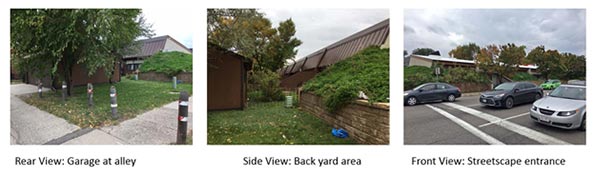
    The world’s first solar and earth-berm grass-roof townhome projects look like this today:

    image of townhome

    The original townhomes were built with earth covered roofs, with south facing solar panels for heating, and stored the heat collected over a long period of time in a room full of boulders. In 1983, I also owned an earth-berm solar heated home overlooking a lake in another part of town. Back then we thought, as the world freezes over (no global warming at that time), we would be nice and toasty in our ‘energy-independent’ homes powered by the sun itself. I went even further with a 10kW Bergey Wind Generator on a 100′ tall tower. Heated by the sun and powered by the wind.

    As you see in the above pictures, this experiment, which had the University of Minnesota involved (from what I remember), did not age well, nor did it work – at all! Gone are the solar panels that used to collect the heat positioned along the bare brown steel roof panels, and gone is grass roof that leaked. Banished is the room full of boulders to store the heat, which got so hot often windows needed to be opened to let in cold winter air, a problem my own solar home had also.

    In 1983, my 4,000 square foot lake front solar home cost $120,000 and after tax credits, my Wind Generator cost $12,000. These smaller townhome units cost $80,000 at the time. One of the original residents who stayed over the decades experienced failed systems and lawsuits. They eventually sold their home – for $80,000! Quite the investment these fancy schmancy trendy homes. A Nigerian investment scheme via an E-Mail might have been less risky. You would think the first home owners would have been the architects and professors who were behind this project – but they themselves didn’t buy in, so there’s an indication that maybe the idea was not so terrific. This is the lesson I’ve learned, never take advice from anyone who is not willing to personally invest and take the same risk as they suggest to others in a new concept.

    The Carter era was a troubled one, with energy widely predicted to be running out, and home mortgage rates as high as 18%. It’s hard to imagine there was any new housing being built, but some were. The initial residents of these townhomes (including myself) believed we were the smart ones, preparing for the energy costs skyrocketing and never having to worry. Hell could freeze over – but we wouldn’t.

    That was then, but how does this apply to now, especially with an election just days away?

    Hillary Clinton was promising half a billion solar panels on rooftops. OK, now picture the above bare rooftops – that’s how the roofs will look when the lifespan of those half billion heavily subsidized solar panels reach the end of their usefulness – in two decades. Where do you think most solar panels are made today? If you answered China, you deserve a star! And if a roof needs repair or replacement prior to the end of the panels’ lifespan, will the government subsidize the extra cost of repairs? Who will pay for cutting down the mature trees along the streets so that the sun can reach these panels? Oh, wait, you are supposed to keep those mature, beautiful, and value increasing shade trees? My bad. You think Obama Care was a terrible idea… just wait for the Hillary program, and the social engineering sure to follow, and sure to fail.

    Trump? I imagine he’d be politically incorrect of course, calling those solar townhomes: ugly, hideously, awful useless, fat, blemished, blight… only unlike comments about women, he’d have a lot who would agree. I don’t know what a Trump administration would look like, but I’m pretty confident that it would not involve social engineering, nor have subsidies go to China or Mexico. I hope that if he had a wind or solar agenda, the panels would be produced here with a fair and proper competition to award the vendors with the best price/performance ratio and make them bond a 20 or 30-year fund if the mechanisms wear prematurely.

    I hope that Trump or Clinton look into creating new programs that encourage private new developments or large scale redevelopment to have their own ground based solar gardens instead of the current wave of public investments of solar farms which have federal tax advantages but seem, at least to me, a questionable investment at best. They are even promoting these solar investments at the Best Buy store in Minnetonka, Minnesota with the promise of a consistent energy cost, but they require a 20-year commitment, even though the average home sells once every 6 years.

    These are heavily subsidized by you, the tax payers. Some of these solar fields are supposed to supply the power companies themselves, for example Ivanpah in the California desert which was to supply power for PG&E. Ivanpah was a solar system using mirrors heating up over 170,000 panels to create steam, but failed to deliver the power the ‘experts’ promised. Besides killing thousands of birds, the 1.5 billion dollars of your tax money was pretty much a really bad investment – oopsie! A more viable alternative is to create a more localized system as part of new developments or large scale redevelopments.

    Having a solar garden in a subdivision eliminates the problem with roof-top application, cleaning ice and snow off the panels, and streets could still have those shade trees. Each resident in the subdivision would have their share of the power and as technology improves, every resident would benefit from the latest technologies – be it solar, wind, or both. Such a Federal program does not exist – but should.

    Top photo by https://pixabay.com/en/users/Kenueone-2397379/ [CC0], via Wikimedia Commons

    Rick Harrison is President of Rick Harrison Site Design Studio and Neighborhood Innovations, LLC. He is author of Prefurbia: Reinventing The Suburbs From Disdainable To Sustainable and creator of LandMentor. His websites are rhsdplanning.com and LandMentor.com

  • Adding Space to Suburbia

    Space has value. Even the mere perception of space has value. As land becomes more scarce, space becomes more valuable, and has a direct impact on housing costs and a developer’s profit (or loss). Both developers and the New Urbanists who preach that dense cities are good places know this, even as they pressure town councils and planning commissions to authorize reduced lot sizes. Where they have succeeded, the resulting compressed lots sacrifice quality organic space — green space — to the point of oblivion.

    Less than a half century ago, Phoenix was a sleepy retirement town with vast openness and desert character. A few years ago, my wife Adrienne and I visited the city. Today’s Phoenix, like Las Vegas, Albuquerque, etc., is a blanket of rooftop and pavement with a few strip malls spattered about. We met with developers to demonstrate a new way to design that increases lot size (value), while reducing infrastructure (costs). Without exception, developers responded: “People move to Phoenix to have a smaller lot. They do not want space.” So we visited the new, compressed developments, and asked residents about their new homes. Without exception, all the residents we interviewed loved their new places, but wished they had more space, especially between themselves and their neighbors.

    Simply put, a larger lot with more space is likely to be more valuable to residents, but builders are interested more in selling ‘product’ — homes. The more, the better.

    A buyer will pay more for a large home than a small one; for a large lot than a small one. They will pay a premium for a home with a view of space over that what they would pay for a view into a neighbor’s adjacent yard.

    Space has value, and value translates to an increased tax base.

    The social engineer will argue that it’s OK to sacrifice space because there will be a small park a five or ten minute ‘walk’ away. Reality check: A very small percentage of residents will actually walk to that park, but the homes that can view that space will be priced at a premium, costing well above the homes in a sardine-like placement far from the park. In denser suburbs or new urban communities, the haves will enjoy space; the have-nots, not so much.

    If space does not have value, as the proponents of dense neighborhoods claim, then why is it so heavily featured in home builders’ sales and marketing materials? When a home builder uses a marketing photograph, it is taken at a wide angle to make the lot appear larger than it actually is. When a builder uses a rendering on their web site or sales materials, it’s never shown with adjacent homes compressing the visual space.

    How can we feed the hunger for space? The conventional design methods that have been used since the dawn of civilization can’t work. To achieve increased space while preserving a higher density standard, the housing industry needs to take an approach that incorporates innovation and attractive value.

    That begins with the recognition that space is something that you feel, even though it is limited by non-transparent objects that form a physical barrier in our three dimensional world. When we are inside a structure, it’s the walls around us in reference to the flat floor; when we are outside, it’s the distance we perceive between homes. We might estimate a distance as longer or shorter, depending on whether the terrain was hilly or flat.

    Does five acres within a neighborhood park constitute open space? It sounds like it will, but if it’s along steep slopes or thickly wooded land with natural underbrush it won’t feel open. If it’s a park that residents must stroll to from their homes, the space has less value than if it can be viewed through their windows.

    As for conventional interior space, the perimeter of a home is often determined by the lot size, depending on local zoning. In the case of a Phoenix lot that is 50 feet wide by 100 feet deep, with a 5 foot side yard setback and a 20 foot front and rear yard setback, the home would be allowed to be 40 feet wide and 60 feet deep. Assuming a 20 foot by 20 foot garage and 6 inch exterior wall, that leaves 1,880 square feet of living space within the home.

    But— that only would result if the home were expanded to the largest possible perimeter. Included in that perimeter would be 145 feet of side yard, the entry door, and two car spaces in the garage, leaving only 55 feet for possible window locations that would overlook the front and rear yards. Within that footprint, the architect must lay out the bedrooms, closets, bathrooms, kitchen, living and family rooms, and any other living space.

    A great architect will make the resident ‘feel’ the most of the available space. A bad designer will make the home feel smaller than it actually is. Neither the good nor the bad architect (especially when the project is created by production builders) will consider the views from within the home, because, simply put, with New Urban and suburban cookie cutter subdividing, there are none. In most southern cities the rear view overlooks a wall or fence 20 feet away, and the next house structure is at a 40 foot distance. The front view (if any windows exist at all from front-placed living space) will be the garage door across the street, 90 feet away, along with driveways, the street, and parked cars. This is why modern home living spaces are rear, not front, oriented. Not much to look at. That is, unless you pay more – much more – to be in a neighborhood with larger lots.

    Conventional exterior space is also dictated by city regulations. Local zoning ordinances determine the allowed width and depth, to limit density with the promise of more space and a larger home footprint. In conventionally subdivided developments, side yard space is not a quality area, since the sides of homes typically are void of windows, and even if there were views, those windows would look directly into the neighboring wall just 10 to 20 feet in the distance.

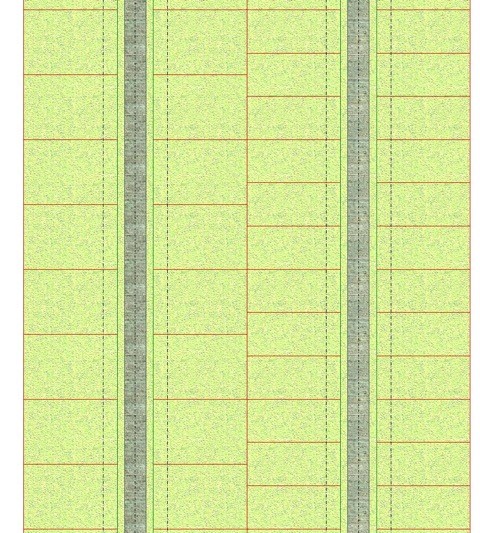
    The image below shows two streets:


    The left one has a 90 foot wide lot; the right one has a 60’ foot wide lot. Both use the same 25 foot front yard setback. From a ‘human’ perspective, looking down the street, both have the same 100 foot wide swath of open space, yet the smaller lot achieves 33 percent more homes with the exact same infrastructure (street) expense. Because the street covers the same land area in both cases, the actual density gain on the smaller lot would be about 25 percent, while providing the very same ‘feel’ of space as the larger lot. Assuming that the intention of suburban zoning is to set both space and value, the typical ordinance does a terrible job on providing extra actual perceived space.

    Considering that space has real value, educators at colleges, and at design conferences, and all teachers of architecture and of urban and/or suburban design, should be concentrating more on how interior and exterior spaces can merge in more meaningful ways than on the trim of a front porch. Craftsman trim on a porch railing may add a wee bit of value, but living spaces coordinated with views of open space add a huge increase in value. A park may add overall neighborhood value, but living on a street that has park-like space adds tremendous value.

    Cookie-cutter Computer Aided Drafting (CAD) plans generated specifically to build to the regulatory minimums will never satisfy the hunger for space. These two videos demonstrate my solutions. Along with other innovative approaches that merge planning and architecture, they show the paths we need to follow if we are to achieve sustainable housing, and sustainable zoning.

    Rick Harrison is President of Rick Harrison Site Design Studio and Neighborhood Innovations, LLC. He is author of Prefurbia: Reinventing The Suburbs From Disdainable To Sustainable and creator of LandMentor. His websites are rhsdplanning.com and LandMentor.com.

    Flickr photo by Joan of cat in a suburban yard

  • Designing Suburbs: Beyond New Urbanism

    This essay is part of a new report from the Center for Opportunity Urbanism called “America’s Housing Crisis.” The report contains several essays about the future of housing from various perspectives. Follow this link to download the full report (pdf).

    It is not primarily the fault of land developers that the American suburbs are thought to be dysfunctional and mundane. The blame belongs largely to the influence of boiler-plate zoning regulations combined with design consultants who seek the most minimum criteria allowed by city regulations.

    Yet for all its problems, decade after decade 80% of new home purchases are not urban, but suburban. Some (architects, planners, and university professors) suggest we should emulate the dense growth of other nations not blessed with the vast area of raw land within our country, yet most of those countries as they prosper strive to emulate our American suburbs.
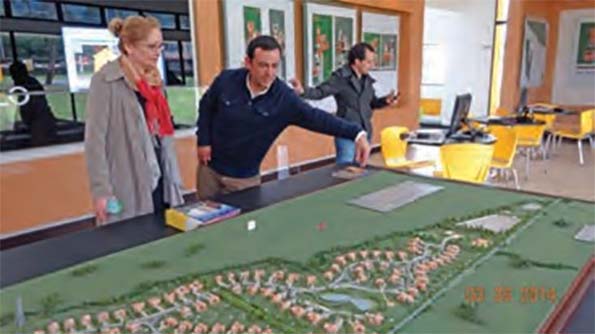

    Figure 1 A model in the sales office of a new Suburban Development by AMARILO in Bogota, Colombia

    The planning of our cities is about design. Yet, for the past quarter century a highly organized group consisting mostly of architects (acting as planners) have pushed a New Urbanist agenda that is as much about social engineering as it is design.

    Their ’The Congress of New Urbanism’ (cnu.org) preaches of the world to come where all people of all races and incomes live in harmony along straight streets where densely compacted homes are aligned perfectly along a tight
    grid. This ’New Urbanism’ is exactly how cities were designed before contemporary suburbia. In this sense they are not so much new, but as they themselves suggest “neo-traditional”.
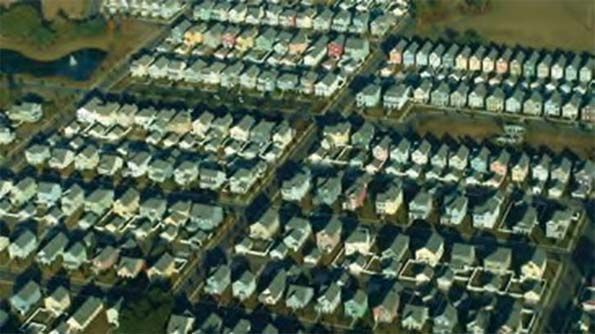

    Figure 2 A new development near Charleston, South Carolina using New Urbanism Design Methods

    To convince others of the evils of suburbia they present the worst suburban examples lacking proper design as emblematic of their essence. Their solution is to forever banish suburban growth by whatever means necessary—usually through regulation — that essentially eliminates choice for the  consumer.

    For most urban planning professors there appears to be just one singular solution: ever higher levels of density and a return towards the urban core. Young students study such models but, from my experience as a land planner, are grossly under-educated about what works in suburbia, where the majority of growth has been, and, short of a total political triumph of “progressive” planners or another catastrophic recession, will continue to take place.

    One tragic result of this anti-suburban meme is that very little attention is played to how to improve suburban development, where design standards have stagnated since the mid-1950s. That is, until now… A new era of innovation made possible by technological advancements solves most, if not all, of the suburban growth problems, in a manner that deflates
    the New Urbanist ’one solution fits all’ agenda.

    DENSITY HAS NOTHING TO DO WITH DESTINY

    Density is the most misunderstood and misrepresented excuse  to attack suburban growth. Density and affordability are two very different concepts.

    New Urbanists argue their high density solution allows people of all incomes to live in harmony, yet finding any affordable (non-heavily subsidized) dwelling in a New Urban development is highly problematic. The CNU boasts of their gentrification which by definition means upper income.

    It turns out that diversity has nothing to do with ’design’ and everything to do with people wanting to live in neighborhoods with others, like themselves. Many conventional suburbs are far more diverse in terms of class and ethnicity than new urbanist communities, or revitalized parts of  our downtowns.

    Similarly, restricting how many families can be sardined into an acre of land (the definition of density)  has absolutely nothing to do with affordability—if it did the New Urban projects would be the most affordable, not the most expensive.

    New Urbanists are quick to point out the sprawl of new growth, completely ignoring today’s environmental restrictions. If cities of the past were designed using today’s wetland preservation (and buffers), shoreline buffers, slope restrictions, tree preservation, open space targets, and detention ponding, they would have sprawled also. Cities built with 2015 restrictions would likely consume 1/3rd more land area than if planned using 1915 restrictions. Much of today’s sprawl is due to environmental restrictions which have counter-productive side effects—higher housing costs, less convenience, and more commute time.

    Those arguing against sprawl fail to recognize that a suburban land developer’s main goal is to maximize the number of units on their site, not build the least homes. Consultants hired by the developer assume maximum profit is achieved by the greatest number of homes, thus decreasing sprawl. If a developer could increase profits by proposing a 20 story multi-family building on their suburban tract of land they would seek an approval. But this runs up against demonstrated consumer preference: suburban dwellers do not commute to be on the 18th floor of a high-rise, instead they seek the most home on the largest lot within their budget.

    However, a suburban problem is that higher density too often relates  to ’cheapness’, and can result in unsustainable growth as characterless projects decrease in value over time.
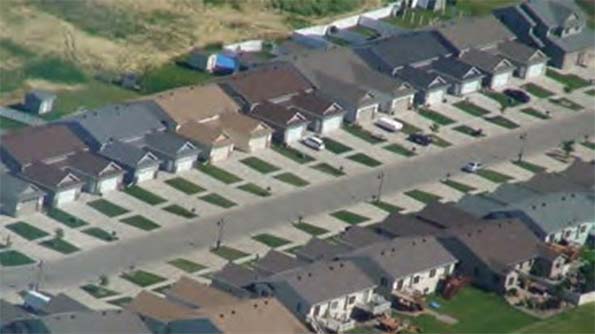

    Figure3 Unfortunately suburban higher density often equates to substandard housing as this example in Fargo, North Dakota

    Developers will submit site plan proposals based upon market conditions. If the market desires large lots with estate-sized homes, that is what they will pursue. If the market desires dense single family homes with no usable yard squeezed in at six per acre that’s also what they will pursue.

    However, because of possible forced regulations by New Urbanist, in some instances the developer may not have a choice but to submit a proposal with excessive densities when there is no market demand.

    For example, in 2014 we designed a 60 acre site in Lake Elmo, Minnesota at a mandated high density. The city was forced by court order to adhere to density mandates of the Metropolitan Council, an agency who controls both transportation and sewer service for a seven county region surrounding Minneapolis and St Paul. In order to get approvals we had to design narrower than usual single family lots including high density multi-family.

    However, the developer could not secure a viable multi-family builder as the market demand favored only single family. Luckily the site was located next to a medical clinic, so a high density senior housing building was proposed and was marketable, however, the single family homes would be harder to sell with a towering building in their immediate back yard. Other developers were forced to submit hundreds of multi-family units housing without residents to buy them.

    That is why the New Urbanism movement and their Smart Growth agenda is so dangerous, they lead to instances where choice in density and in some cases design standards, is no longer a developer’s option.

    IDENTIFYING ACTUAL SUBURBAN PROBLEMS

    In most of the country, city regulations allow various uses (Land Use) be placed within a certain defined boundary or zone (Zoning). Each ’Land Use’ will have a set of minimum setback distances between structure and lot property lines for side, front, rear yards, and minimum lot size.

    The problem with suburban zoning is that it encourages placing the highest density (the most families) in the worst locations, and the lowest density (least families) in the best locations. What constitutes the worst locations? Along noisy highways, behind loading docks of strip malls, and near loud railroad tracks. Somehow this ’transition’makes sense to City Planners who advise municipalities on growth.

    Prime development land would have city water and sewer as well as provide great schools. For example, a non-serviced farm has low value, but when sewer service extends to the 80 acre corn field, developers are likely to come a calling enticing the farmer with a lucrative offer. After securing the land, the very next step is to ’plan’ the project
    for submittal, most likely contracted with the local civil engineering firm.

    In order to secure their lucrative engineering fees, the consultant offers to design a quick layout (typically for free) using the regulations most minimal dimensions to maximize the number of homes allowed on the site for a given zoning classification.

    Figure 4 How ironic is it that placing  high density in the worst location (overlooking loading docks) somehow makes sense?

    Quality of living, vehicular and pedestrian connectivity, curb appeal, views from within the homes, and more are rarely implemented in the above scenario. Nothing in the cities minimums-based regulations require anyone to strive above ’average’! To make this bad situation worse, the ’planner’ of that 80 acres is likely to use an automated CAD software system to produce a site plan in minutes using preset configurations guaranteeing the cookie-cutter look of suburbia, thus what is called ’land planning’ is simply reduced to basic drafting geometry lacking any design sense.

    Advances in technology have improved almost every aspect of today’s living—but for land development, current software solutions have done far more harm than good.

    Unanimity in ideology, and lack of innovation prevented us from addressing how to improve the places where most Americans reside.

    No universities concentrate on suburban design—only dense urban design. There’s little new knowledge about how to develop for the vast majority of people. Not surprising then, that a new development being proposed in 2015 is likely to be ’planned’ worse than one designed in 1955!

    Today’s generations of designers (CAD operators) lack the passion to move the land development industry forward into a new era. We desperately need a properly trained new generation of consultants and architects who focus on how to make suburbs work better, more sustainably and, not to be forgotten, make a profit for the developers.

    DESIGN CANNOT PROGRESS IN A NON-COLLABORATIVE INDUSTRY

    For typical suburban and urban planning, a house is envisioned as a simple rectangular footprint only. The four main professions of land development design: architecture, civil engineering, land planning, and surveying tend to fail at both communication and collaboration, even when they all work for the same company. This problem is made worse by universities that teach multiple disciplines and enforce the barriers when students graduate. You would think architectural students would participate with engineering and planning students on the same projects to learn collaboration, but that is not the case. This lack of collaboration stagnates progress in land development.

    A RECIPE FOR SUSTAINABLE GROWTH

    ’Sustainability’; that meaningless buzzword everyone uses on their company brochures generally avoids any real definition. Solar panels and rain gardens in inefficient neighborhood site design is hardly sustainable. However, if a developer builds a more efficient neighborhood that increases living quality maintaining its value and desirability over a long life span, it’s the definition of ’sustainable’. So, given all of the problems stated above—how is it possible to achieve it?

    DESIGN FOR PEOPLE FIRST

    Instead of using a software package to whip out a 200 lot site plan in less than 5 minutes, the land planner must place themselves in each and every home. They must imagine themselves in that space.
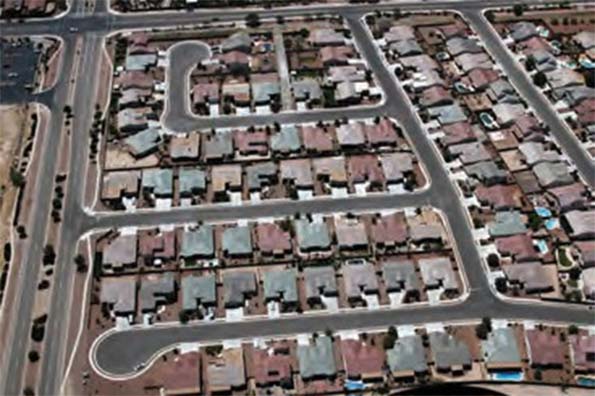

    Figure5 A new suburban project near Tucson – what quality of living do these residents have – really?

    The land planner must be passionate about those that will live in the neighborhoods they design and realize that their living standards, safety, and investment are strongly influenced by the planner’s efforts.

    So we have to focus on very basic parts of what constitutes everyday life. What quality is the view from within the living spaces of the home? Does the street design allow a safe transit through the neighborhood maintaining traffic flow, or must the drivers contend with multiple intersections, sharp turns and pesky (trendy) roundabouts that only serve to increase both drive time and energy use? Do pedestrians cross at dangerous 4-way intersections and have only streets to walk near, or is there a dedicated pedestrian system that avoids conflicts with vehicles?

    Are architectural details implemented to increase the beauty of the streetscape and to maximize the financial return for the residents? Will the neighborhood deliver a sense of pride at all income levels?

    None of the above can be achieved by shoehorning in every home allowed by regulation minimums. It’s also not possible to reach those goals without a more collaborative relationship between the various consultants at initial concept design stage. No software program can automate any of the above. Professors need to teach good land planning design— not social engineering using methods of city planning from centuries ago.

    THE MORE PROFITABLE SUSTAINABLE NEIGHBORHOOD

    Putting people first seems like a  noble goal, but won’t all that functionality destroy the developer’s profits and make suburban growth just as risky as the New Urbanism? The key here is to realize that to achieve higher profits and greater efficiency, you don’t have to change the regulatory minimums, but actually seek to exceed them.

    Consider the following: Suburban planning and New Urbanism places every home at the most minimal setback guaranteeing monotony and restricting views from within the homes. Structures are placed as close as possible to the outermost boundary of a tract for densification. Streets parallel each other in a straight or curved pattern as the design of a neighborhood begins at the perimeter and builds inwards until all land is consumed. Thus ’land planning’ is reduced to simple geometry.

    Unwittingly, this scenario not only maximized how many homes fit on the site, but also maximized the length of infrastructure (street paving, sanitary and storm sewer, utilities, sidewalks, etc.). The consumption of developed land typically forces re-grading (earthwork). Earthwork costs quickly destroy profits (not to mention trees, natural waterways, and any character of the existing land).

    For centuries it’s been assumed that the most minimal dimensions were the most efficient way to design. A discovery make in 1988 proved otherwise. We discovered that separating the pattern of the homes front setback line (which typically parallels the street) with a different street pattern could maintain density while significantly reducing the length of street for any given set of minimums. The discovery was unintuitive—simply provide more than the regulatory minimums and efficiency is gained—not lost!

    The resulting streetscape created a park-like setting with undulating open spaces in ’coves’, thus we coined the  term for the method: Coving. This initial discovery led to scores of innovations that solve most suburban problems deflating arguments against suburbia.

    We designed over 1,000 neighborhoods in at least 47 states and 18 countries contracted by over 300 land developers, those who desired to advance both suburban growth,as well as those involved in urban redevelopment.

    EXAMPLES OF FUTURE SUBURBIA BEING BUILT TODAY

    The following neighborhoods will help explain the benefits of the many innovations that grew out of the discovery of coving.

    Example #1: The Enclave of Westpointe – New Braunfels, Texas

    Below is the actual approved ’before plan’. With changes in water detention mandated by the city, there was 136 lots and 7,461 lineal feet of public street. There was 19 lots adjacent to the 7 acres of park. The typical lot was 8,000 square feet.
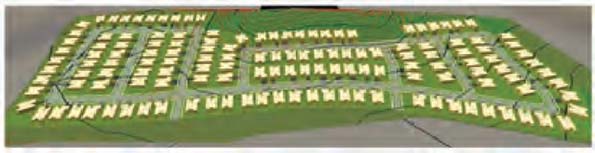

    Figure 6 The original APPROVED plan for The Enclave at Westpointe

    No developer or city would question the efficiency of the above design.

    However, there is an enormous amount of waste in the design. Did you instantly recognize it? Neither the designer nor those at the city saw how wasteful the design is because recognizing unintentional design waste is counterintuitive and certainly not taught in planning schools.

    What about travel to and from most of the homes? One of the discoveries was due to research in traffic flow. Newton’s law: A body in motion tends to stay in motion. To get that body in motion (your car) takes an enormous amount of energy to reach the 25/30 MPH typical of residential streets and each stop repeats the waste. This process of acceleration to efficient cruise and stop will consume 400
    feet and take approximately 20 seconds (called a ’flow cycle’). The drawing below proves for most residents the multiple intersections they encounter destroy flow. What at first looks efficient… is not.
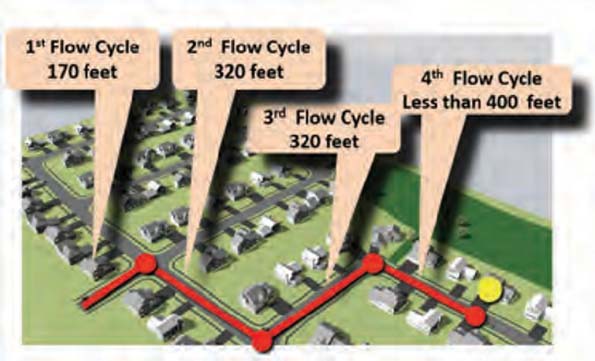

    Figure7 Short runs with stops and turns destroys f low and wastes both time and energy

    Still trying to see the waste? An efficient street has homes that front both sides, but on the above plan much of the street is consumed by side yard. This waste consumes available land with Right-of-Way and pavement, thus to maintain density the smallest possible lot must be designed. Now look at the reapproved redesign:
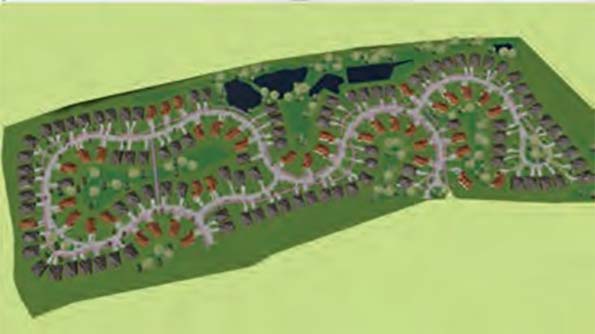

    Figure8 The After Plan of The Enclave at Westpointe

    The redesign has only 4,973 lineal feet of public street reducing the infrastructure by 33%, or approximately $300,000 less construction costs. The original plan had only 19 premium lots (abutting open space). The redesign has 85 lots backing into open space (all lots are more premium), resulting in $600,000 in added value. The 136 lots average 9,395 square feet (15% more than the original typical lot), and a savvy engineer would have easily reduced both storm sewer and earthwork costs. The streets ’flow’ reducing time and energy while the wide elegant meandering walks invite a stroll. The city wins with 33% less maintenance costs and a higher tax base, the developer benefits, but most importantly the people investing in living in the neighborhood and those they will eventually sell to also benefit.

    Example #2: The Sutherlands – Louisiana

    This site is both long and narrow, never a good combination to design a good site plan. Most land planners simply squeeze lots to the most minimal depth to maximize density:
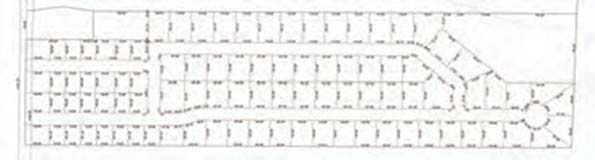

    Figure9 The original plan for submittal for The Southerlands

    The above site plan has 91 lots requiring 5,200 feet of street (just short of a mile). At the time of this writing a lineal foot street infrastructure in the Lake Charles area was $600. Thus about $34,000 in infrastructure alone per lot, not including the cost of the land or site grading (earthwork). Because of the tight distances at the entrance, the previous planner decided to place the smallest lots at the entrance cheapening the image of the development at the most important spot—the front door. The above plan lacks any sense of arrival.

    The discovery of coving made it possible to rework even the most difficult of sites into a better place to live as seen below in the approved new neighborhood design:
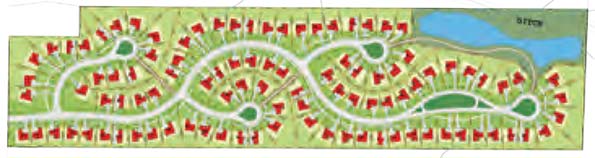

    Figure 10 The resulting redesign was approved in less than 2 months!

    The new redesign creates a sense of arrival which continues all the way through the back of the neighborhood. The wide walks at the end of the cul-de-sacs are designed to handle emergency vehicles providing alternate access without having to build excess streets, while also providing increased pedestrian connectivity.

    The oversized cul-de-sacs contain parks in the middle and towards the end of the road is a split island that adds landscaping and park-like space. You may think that all of this would be far too expensive to build. However the length of street plummets to 3,999 feet and there was a gain of 8 lots while also eliminating the low value miniscule lots at the entrance. The length of street suggests a construction savings of $720,000 the oversized cul-de-sacs as well as the elegant street island and wide walks serving as alternate emergency access does add some costs. The increase of 8 lots goes directly to the developer’s bottom line, however, and the added tax base to the city with reduced ongoing maintenance costs is of great advantage for the municipality.
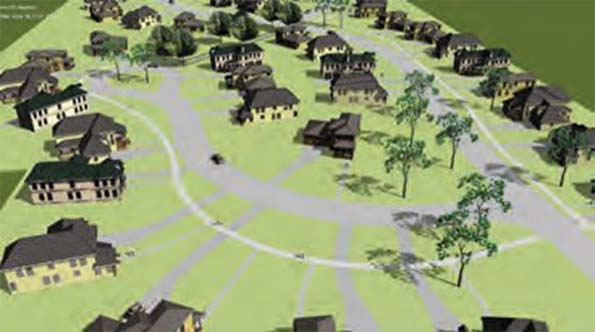

    Figure 11 Beauty and space is no longer a privilege of the wealthy

    The residents all live in a unique elegant estate-like setting with large yards and great views from within their homes. The park-like streetscape with the wide meandering walks and even wider trails invite a stroll.

    Both examples used coving to maintain street frontage along the setback line while reducing the length of street and related infrastructure.

    Coving allowed (for the first time in the history of planning neighborhoods) compliance with existing regulations by exceeding minimum expectations and reducing construction costs, all while providing more space for homes at an equal density compared to conventional land subdivision. The cost reduction for site construction allows more funds to be used in other aspects of the development such as architectural detail, insulation, windows, landscaping, and as in the case of The Sutherlands creating landscaped islands to add neighborhood character and interest.

    Example #3: Sundance Village— Dickinson, North Dakota
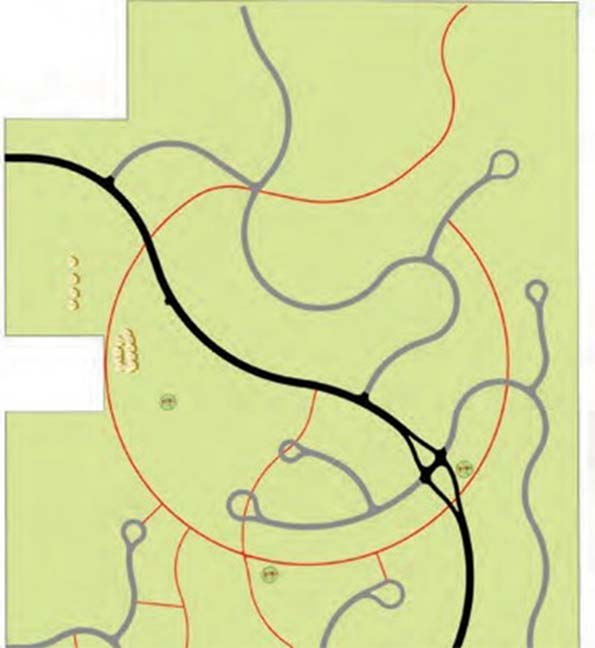

    Figure 12 The 305 acre Sundance Viallge showing main circulation
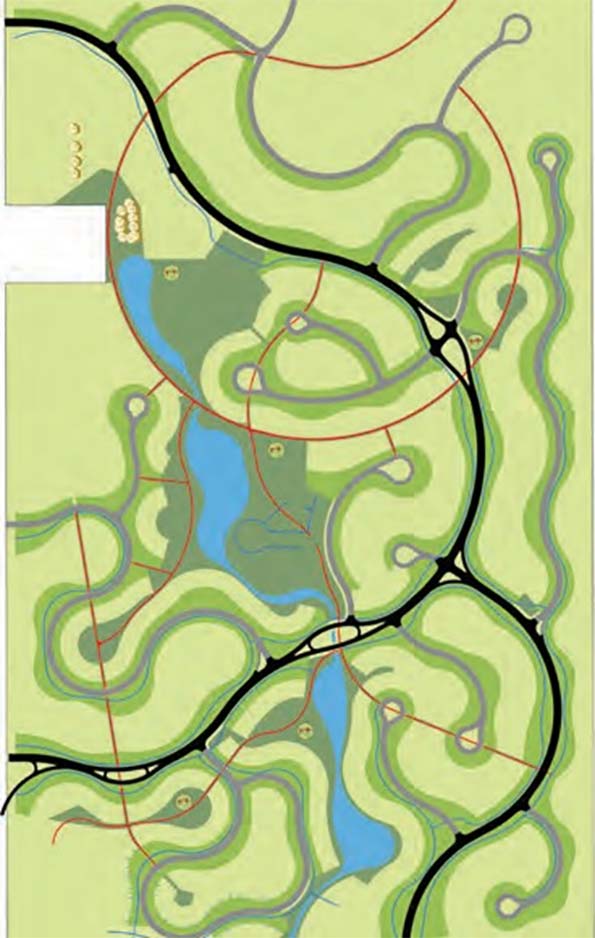
     

    FIgure 13 Sundance Village Linear parks & cascading ponds.

    This next example is of a larger community. The last two examples were small sites explaining basic premises of this new era of design on relatively flat tracts of land. The same concepts to reduce infrastructure, maintain flow, and provide pedestrian connectivity scale up and down as the available acreage changes.

    Larger sites can create more function and variety as well as more opportunity. This 305 acre site will house almost 1,000 families and provide a variety of services within walking distance.

    The plan above shows the main trail interconnections (red) as well as the major internal streets (black) and minor streets (grey).  The main trails cross the major streets at ’diffusers’ which provide a safer crossing while maintaining traffic flow.

    Almost all residents can get home with one turn or less (terrific ’flow’).

    Unlike a round-about that disrupts all traffic, a diffuser maintains flow on the higher volume street reducing time and energy, but the real advantage over the roundabout is much safer pedestrian crossing.

    Most suburban cities require a percentage of the site as open space. This may be in dedicated city park or spaces exclusive to the use of the residents within the development. Each city will be different in their open space requirements. The park areas (dark green) in this particular neighborhood follow the contours of the land. The north part (upper part of the map) is on top of a hill allowing sledding (this is North Dakota!) or kite flying, and the remaining parkland follows a cascading ponding system along lower elevations. Both the trail system and drainage lead to a retail center at the southwest corner of the land (lower left). This method of design embraces the terrain and reduces storm sewer costs by embracing natural drainage flow.

    To solve the problems of exclusion caused by the typical suburban transitional zoning we simply reverse the transition.
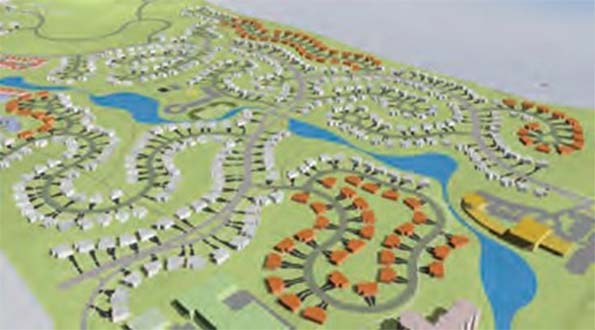

    Figure 14 Reversing zoning transition makes housing inclusionary—not exclusionary. White is Single Family, Orange is Duplex.

    Instead of having the highest density at neighborhood entrances, we place the lowest density and best housing at the front door. Disney’s Celebration, a New Urban design, does the same thing. As
    price points lower, those residents drive through higher priced housing creating a sense of arrival without cheapening the feel of the development or image of the city it’s located within. Single Family (white) large lots are along the main streets with smaller single family or duplex (orange) lots in pockets behind the single family. The main trails lead to a church (yellow), senior housing (pink), and retail (green). A school (not shown) is across the street from the church.

    Wide meandering walks add that special touch of elegance along the street and provide added sense of scale to the undulating open space adjacent to homes.
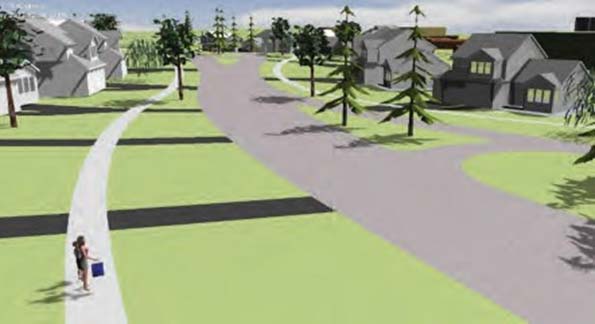

    Figure 15 Sundance Village: Creating a sense of arrival is very important

    Example #4: Rivers Edge— Sugar, Utah

    There is a good reason why, now, we can enter a new age of more sustainable growth. Just 40 years ago a single property intersection of a lot line with a curved street would require a half hour of tedious geometric calculations, encouraging the simpler designs of the past. Today, automated software can produce a 1,000 lot development in the
    same time span! Both suburban and New Urban design does not consider the living experiences within a home as tied to surrounding open spaces (if any).

    Figure 16 A San Antonio project by a National home builder—no attention to how the floor plan merges with open spaces..
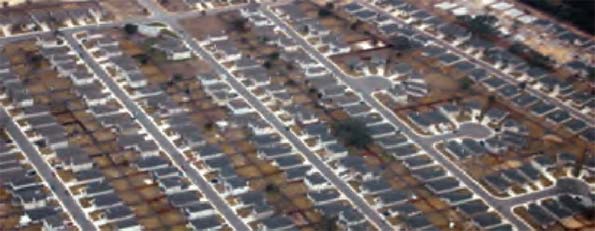
    Figure 17 Same project as the above picture—but in aerial view. Where was ’passion’ in this land plan design?

    Instead of using software to produce a faster cookie-cutter plan, we can harness (and develop) technology to produce better neighborhoods. Technology makes it possible to discover better design models. New models provided the basis to create new forms of software and training. Both developers and cities have the opportunity to build better neighborhoods—if they are passionate about building better communities to invest the time and effort.
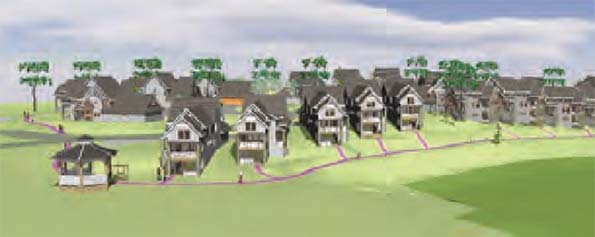

    Figure 18 This neighborhood in Orno, Minnesota uses the ’BayHome’ design method merging interior and exterior spaces.

    This next example demonstrates the evolution of planning which merges both site design and architecture, providing a significant market edge above competing home builders. This evolution allows neighborhoods to be designed to a much higher level of detail increasing efficiency, function, value, and livability.

    In 1999 Professional Builder Magazine called the BayHome method of design ’New Urbanism with a View’. It was the first time (ever) in planning, that the floor plan became a major component of the neighborhood design. This meant that communication and collaboration between all consultants (planning, architecture, engineering, and surveying) became critical at the initial design stages (also revolutionary).
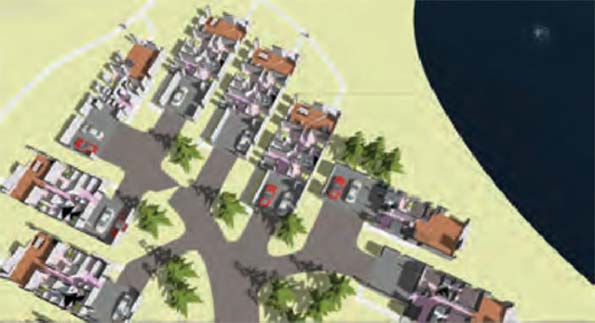

    Figure 19 BayHome: living space expands to adjacent open spaces and scenic views, merging planning and architecture

    With just a handful of floor plan options, placing homes in a staggered relationship allows significant views both front (porch side) and side of every home. The staggering eliminates the ’alley’ look of a rear serviced home while providing space for two and three car garages.

    BayHomes hide parked cars and garage doors, improving the look of the street and the neighborhoods.  However, they are alternatives to attached housing such as townhomes and duplex units because the yards are common as well as the maintenance of them. To achieve this design they are platted as townhomes, not traditional single family lots along a public street.

    This example, Rivers Edge is typical of how BayHomes are utilized on typical suburban neighborhoods. Like normal single family homes, there are very little economic barriers serving low and high income families.
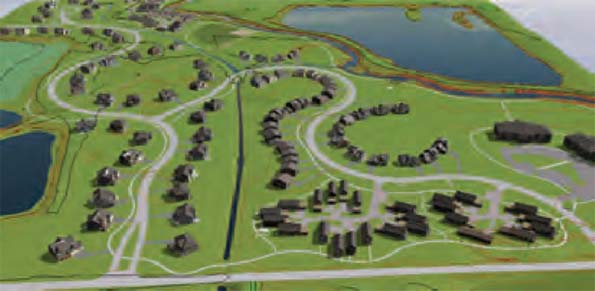

    Figure 20 Rivers Edge in Sugar, Utah uses BayHomes along the arterial street (lower right) and along the river (rear of the site).

    The success of BayHomes with their attention to detail allowing expanded views influenced us to wonder: Why not have this attention to detail on every home?
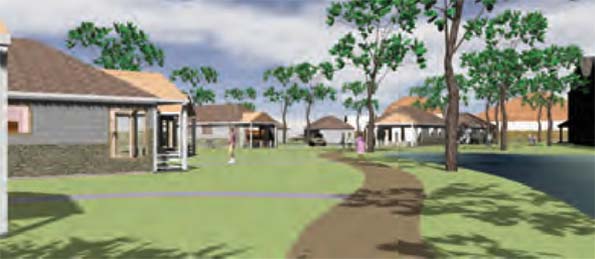

    Figure 21 The Fellowship Church redevelopment in Detroit shows low income ADA BayHomes to house disabled Veterans.

    Example #5: Viera—Melbourne area, Florida

    Viera in Melbourne, Florida takes land development design to a much higher level.
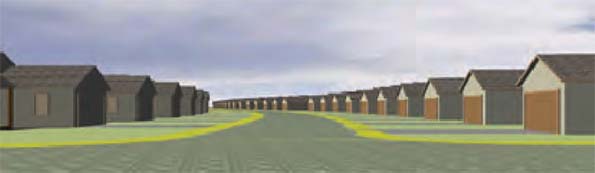

    Figure 22 The original Viera architecture placed along the 35’ wide lots of the ’before’ plan would have appeared as above

    Not only does Viera harness all of the above methods of design, it also incorporates the coordination of architecture to lot shape, eliminating the largest problem in high density, narrow, single family lots (suburban and New Urban): reduced curb appeal and views. By coordinating both architectural design and creating a consistent angle between interior and exterior ’coved’ lots, the home can be widened at the front or rear:
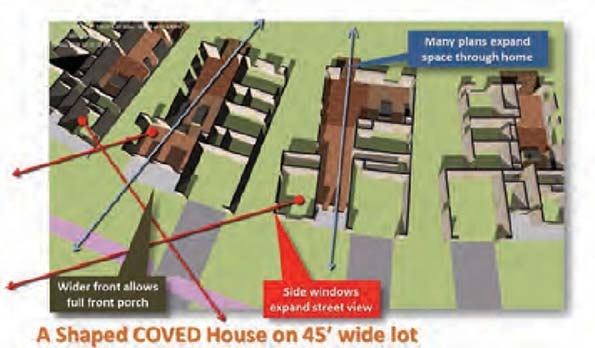

    Figure 23 A narrow home no longer has limited floor plan options nor the garage dominant streetscape using ’shaping’

    What makes Viera unique and revolutionary, is that both developer and builder decided to throw out all the existing rectangular floor plans and make every home have the benefit of home-to-lot shaping! The resulting neighborhood when it is built by mid-2015 will certainly challenge competing homes being built at similar densities.
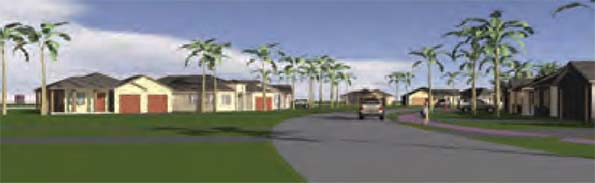

    Figure 24 Viera Homes on the same 35’ wide minimum width as the before plan (similar density) as shown on Fig. 22!

    Viera clearly demonstrates the advantages of advancements in home and land development design made possible when the consultants collaborate to take the extra effort and attention to detail needed to create sustainable suburban neighborhoods that will rival the New Urbanism, without waging war on suburbia per se.
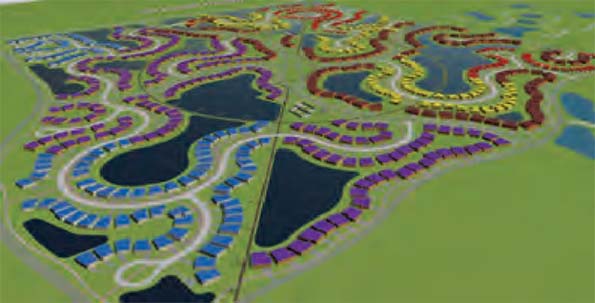

    Figure 25 Viera was the first development of many since that takes form and function to the next level.

    From an economic and environmental perspective, Viera demonstrated a 38% reduction of infrastructure compared to the before  plan (loosely based on New Urban design).

    CONCLUSION

    If land developers stopped contracting (paying) engineering consultants for mundane plat geometry to regulatory minimums and demanded better, change would be immediate. If universities taught design and collaboration instead of social engineering, we would have hope for a better future, both suburban and urban. If consultants imagined themselves living in the neighborhoods they design, we would have change. Complacency—not the idea of suburbia—is the primary cause of unsustainable growth. Suburban developers today must rediscover of the innovation that characterized the first wave of builders, who created, however imperfectly, an unprecedented wave of property ownership and privacy. Our challenge now is not to reject suburbia but to look for something that goes beyond replicating tradition, but actually improves how we live and interact with the natural world, and each other.

    This essay is part of a new report from the Center for Opportunity Urbanism called “America’s Housing Crisis.” The report contains several essays about the future of housing from various perspectives. Follow this link to download the full report (pdf).

    Rick Harrison is President of Rick Harrison Site Design Studio and Neighborhood Innovations, LLC. He is author of Prefurbia: Reinventing The Suburbs From Disdainable To Sustainable and creator of Performance Planning System. His websites are rhsdplanning.com and performanceplanningsystem.com.

  • The Detached iHome of the Future

    Will new American housing growth continue to reflect old methods, or will the land development, home building, and consulting industry retool, re-educate, and collaborate to create a new era of more attractive, livable, efficient, and environmentally responsible growth at attainable prices?

    Here is why it would be so significant to make a change: The US Department of Housing has determined that 620,000 new single family homes were completed in 2014, averaging 2,453 square feet on an 8,689 square foot average lot. The average price was $345,800, with a national total of $214.4 billion.

    Those post-recession 620,000 homes have used up much of the existing empty suburban lots from the recession. Assume that 30 percent of a development is consumed by infrastructure, and that typical 8,689 square foot lot represents about 12,400 square foot of growth. That means we have newly-developed — or recently consumed — about 275 square miles of construction, using lot stock. In other words, now that the existing lots are consumed, future growth will annually consume more than 275 square miles of land.

    That development, at $214 billion dollars in home value, is the equivalent of a $650 iPhone 6s for every US resident. Unlike the iPhone that is assembled in a minute, though, a single family home is built by craftsmen over many months in a development that takes years to go through the approval and construction process.
    An iPhone is a marvel of technology, representing billions in research and development, and requiring close communication and collaboration between professionals in engineering, materials, software, and manufacturing.

    The design for the $345,800 home and its neighborhood progress at a snail’s pace. Both floor plans and site plans are rooted in the 1960s, with civil engineering standards from the 1950s handbook. The professionals involved in land development design and construction — surveyors, planners, civil engineers, and architects — are a most un-collaborative group, fostering this stagnation.

    Yet today, innovations in both technology and methods can empower the consulting industry to create neighborhoods and housing that matches the progress of other industries, like those that are creating mobile phones, cars, and medicines. Savvy developers and home builders are beginning to break free, setting new trends by merging planning, architecture, and engineering.

    Of those 620,000 homes, it’s likely that only a few custom built ones had a tight coordination between the room function, the wall and window locations, and the connection to the surrounding viewsheds.

    When land is ‘subdivided,’ the streets, and afterwards the lot lines, are all set to regulatory minimums. This method ‘stretches’ the public street to create the greatest volume of street and the smallest area available for lots. The compression of space forces cookie-cutter, mundane growth. Architectural design was traditionally an afterthought to the subdividing process.

    To develop alternative approaches, we used the ‘down-time’ during the recession to research and develop new geometric relationships between lot and home, as well as to develop better spatial analysis and design software to accomplish ‘Architectural Blending’ for the mass market single family home.

    We saw how advancements in land planning have been made possible by merging engineering and surveying geometry with organic site layout methods. This combination has proven to significantly reduce infrastructure (street-utility length), while increasing average lot area. Redistributed space allows for more flexible designs.

    The merging of interior and exterior spaces, ‘Architectural Blending,’ was first implemented in a design idea coined as ‘BayHomes.’ The term came from the bay-like shape of common open spaces that undulated between home fronts. In 1999, Professional Builder Magazine called BayHomes “New Urbanism with a View.”

    BayHomes are single family detached homes set within townhome zoning, thus, they are in association-maintained environments. They were first implemented in 1998 on The Greens of Hutchinson, Minnesota, offering production housing that coordinated living spaces within the home with adjacent spaces and views, and for the first time merged planning and architecture at attainable prices. Since The Greens, there have been thousands of BayHome designs that have refined the method.

    BayHomes are positioned to provide a panoramic view from the focal point, usually the kitchen, to common spaces adjacent to the home front. BayHomes hide the garages, which makes them ideal along arterial streets to create a ‘village-like’ appearance. By eliminating most of the public street right-of-ways, compared to traditional single family homes the BayHome can achieve duplex density with plenty of landscaped open space providing a lower density feel.

    BayHomes serve a specific consumer who would have otherwise bought a duplex or townhome. The large scale housing market has been and will remain single family homes.

    The next problem became: How to duplicate advantages of a BayHome in a single family home which must front a lot on a public street? The challenge to increase available space was solved through a design technique called coving. A rectangular lot is simple: You have few options — no side views and limited front and rear yards space — whereas ‘coving’ produces a larger, non-rectangular lot, yet still maintains the density of the rectangle.

    When we looked at some traditional designs that would fit on higher density narrow lots, we saw typical floor layouts where — for example — 8.1 percent of the home was consumed by the hallway. If the home cost $200,000, then $16,000 was the cost of the hall. By merging planning and architecture, new models are more efficient within higher density single family-home neighborhoods, reducing or eliminating these common forms of waste within and around the home.

    With a new era of design we can solve problems like these, as well as critical issues. The problem with increased density is the compaction of space, sacrificing livability, efficiency, curb appeal, views, and environment. Some may argue that the environment is not harmed by increased density, ignoring that while the lot and home size is reduced, streets, walks, garages, and other infrastructure elements remain the same size as larger lots. Thus, the ratio of housing footprint to paved areas serving the home increases, and ‘organic’ (landscaped) space is sacrificed.

    As the home buying public becomes aware that it’s possible to have a home of significantly higher value than the typical monotonous design rooted in the 1960s, and that it can be located in a neighborhood of greater character, they will demand change with their pocketbooks. They will be able to look at the streetscapes of nearby cookie cutter subdivisions, and see that neighborhoods of the same density can have a dramatic increase in function, curb appeal, views, safety, efficiency, connectivity, and perception of space. The differences will be as dramatic as comparing a dial phone of the 1960s to the iPhone of today.

    Rick Harrison is President of Rick Harrison Site Design Studio and Neighborhood Innovations, LLC. He is author of Prefurbia: Reinventing The Suburbs From Disdainable To Sustainable and creator of Performance Planning System. His websites are rhsdplanning.com and performanceplanningsystem.com.
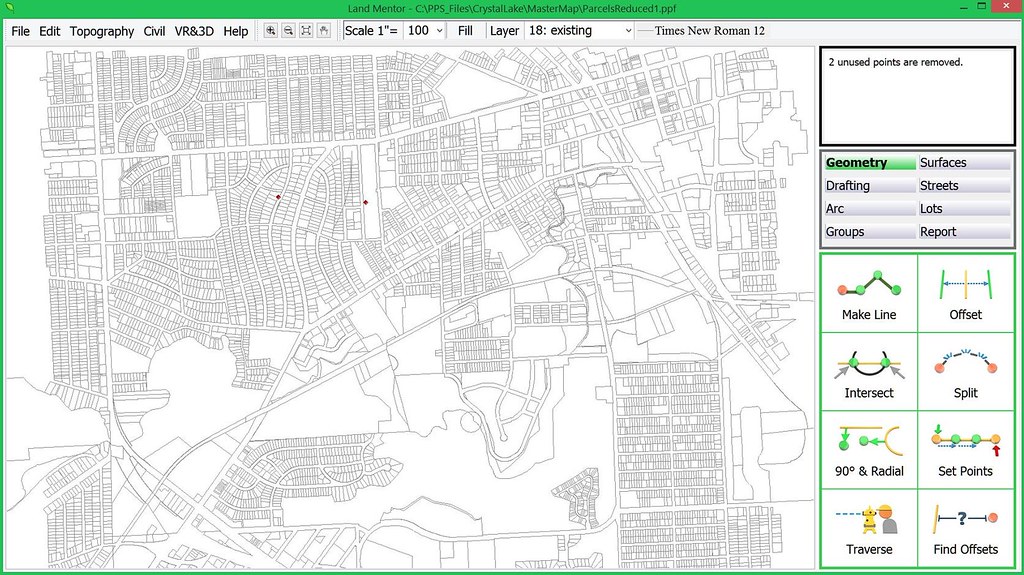
    Aerial view of Transoma, a community planned on the principles of coving, from the author.

  • How To Develop Detroit

    Detroit’s downtown is gentrifying— or, to be more accurate, a very small portion of the 139 square miles that make up the city is doing so, as it becomes populated by a new generation of workers. But the city’s vast, remaining area is mostly blighted. A massive effort has been made to remove substandard and neglected homes, creating large sections ripe for redevelopment. We believe that a model community for families could be built within that devastated area, and we’ve launched a kickstarter campaign to get development going. You can look at this idea in detail on our new video, too: https://www.youtube.com/watch?v=cGOY_04k7Vw. A minimum land area of fifty acres would be a significant enough mass to provide a sustainable approach to growth. Here’s what we would like to see:

    At Rick Harrison Site Design Studio our redevelopment model is vastly different from existing models that either want to turn Detroit into farmland, or to place the existing population into high-rise projects. Both those approaches would need subsidies to be achieved. Our model takes a ‘market focused’ approach that is competitive with the cookie-cutter housing of the surrounding suburbs.

    The plans we’ve developed at well over 900 sites during the past twenty-five years have averaged a 25 percent reduction of infrastructure, compared to conventional design. This reduction of street paving and utility mains has translated into increased green space per resident. For Detroit, our goal is to eliminate 60 percent or more of the existing infrastructure, and recapture the right-of-ways for residents. That will enable us to increase density while also increasing space.

    We will start from scratch and design the main trails first. The street system will reduce both time and energy, compared with designs in the surrounding suburbs. All the homes will have interior floor plans and living spaces that coordinate with adjacent open spaces and views. And every home will have an energy savings HERS rating of 50 or better, so more of the resident funds can be used for better living, rather than going towards energy that escapes from a chimney. Elegant, meandering walkways will connect every home to the main trail system.

    A half-century ago Detroit was America’s model city. Then, segregation and racial tensions led to the riots of 1967, which created a mass exodus to the suburbs. Those residents and businesses that could afford a new home on a large lot left the city. I began my planning career in 1968, designing those Detroit suburban subdivisions.

    Let’s make Detroit a leader again by increasing living standards, connectivity, property values, tax base, open space, density, and safety while significantly decreasing construction costs, environmental impacts, energy usage, and the enormous infrastructure that currently plague the city. Detroit was once an inspiration for other cities. We’d like to make it an inspiration again.

  • Would the Twin Cities Survive New Urbanism?

    In December, the Metropolitan Council of Minneapolis and St. Paul is scheduled to vote on a vision for the region’s housing and transportation future. “Thrive MSP 2040” is the council’s comprehensive development plan for the seven-county Twin Cities metro area for the next 30 years. It’s a regional growth plan that will result not in a cure for the area’s ills, though, but in a virus that will kill its vitality.

    The Minneapolis/ St. Paul area is one of the most livable regions in the nation. That’s not because residents were forced onto transit and into high density housing, as ‘Thrive’ will do. Growth occurred in a natural manner, in an area with great schools, because people here had the freedom to choose the size of yard for their kids, and the ability to embrace the natural openness of the region. The vigorous suburban growth that resulted has helped our vitality, despite past decisions from the Met Council to neutralize it.

    The Metropolitan Council isn’t alone in adopting New Urbanist plans on a wholesale basis. Their approach, and the problems that go with it, are being repeated by many planning boards nationwide. The 350-page ‘Detroit Future City’ plan is a tunnel-vision strategy based on the same New Urbanist thought. With the best of intentions — goals of avoiding pre-fabricated monotony and sprawl, and creating affordable, livable communities — municipalities are actually writing prescriptions that will do just the opposite.

    I speak with the perspective of a locally-based development consultant, and as an observer and resident of the region for 31 years. I’ve witnessed what has actually helped make this area succeed. At my company, we’ve designed hundreds of sustainable neighborhoods that don’t adhere to the New Urbanist principles of high density and only public transit.

    Two decades ago, the Met Council placed its faith in an urban growth boundary, limiting sewer development in the metro area to inoculate itself against “sprawl”. The result was an increase in the very sprawl the council sought to avoid, as development leap-frogged outside the seven-county area to escape the high land prices created by the artificial land limitation.

    The Met Council hired Peter Calthorpe, founder of Congress for the New Urbanism, for several million in tax dollars, to provide a vision for our region’s future growth. The ‘one size fits all’ approach resulted in projects like Clover Ridge in Chaska, Ramsey Town Center, and indirectly, others like St. Michaels ‘Town Center’, none of which delivered the promises that had been made.

    Calthorpe’s attempt to create a ‘sense of place’ failed to sufficiently attract home buyers. For example, the ‘conventionally planned’ sections of Clover Ridge sold well. But, with their sardine-like density, the housing along alleys remained vacant. Because the development did not attract as many homebuyers as anticipated, among other reasons, local shopping and restaurants did not materialize as the Met Council had promised.

    More recently, ‘Smart Growth’ planners of projects such as ‘Excelsior and Grand’ in St. Louis Park failed to acknowledge why retailers were abandoning their spaces. A spokeswoman for Panera Bread cited poor location and lack of convenience for customers. Yet ‘Excelsior and Grand’ is a model New Urbanist plan, complete with the obligatory central ‘traffic circle’ with a ‘sense of place’ sculpture.

    These smart-growth projects are examples of architects preaching a singular growth model that does not work for all people, in all climates. Those who assume that working class residents will appreciate waiting outside in 20 below zero weather at an architecturally designed “sense of place” bus stop, and then coming home to the 14th floor of a high rise, are clueless. And the dense projects being built in this region have the same sort of repetition of design that smart-growth planners criticize in suburbia.

    Today in the Twin Cities, sales of new, single-family homes are rebounding, creating a catalyst for economic stability. Despite this market reality, some developers are still submitting new multifamily housing proposals. That’s due to Met Council density mandates, not because of market demand. The Council’s assumption is that the population will migrate to the urban core for its (expensive) restaurants and its 19th century rail technology, abandoning spacious suburbs and cars. But sales suggest otherwise.

    The Met Council’s ‘Thrive 2040′ vision will undermine the American Dream of obtaining an affordable single-family home in an area where one desires to live, with the freedom of travel (and protection from our harsh winters) that only personal vehicles currently provide. Under the ‘Thrive’ mandates, more workers will need to live in ‘affordable housing’ (mid- or high rises) and take mass transit to their jobs. Yet ‘affordable housing’ remains elusive in ‘Smart Growth’ projects, unless it is heavily subsidized with tax dollars.

    Calthorpe’s Congress for the New Urbanism actually boasts of the gentrification it produces. But when home prices go up, what happens to the living standard for displaced low-income families? The working class, regardless of race, should be outraged by ‘Thrive’.

    Density does not guarantee affordability. We cannot forever throw tax dollars at high-density development solutions in an effort to make them economically feasible. A successful, balanced housing market drives the economy. At their December meeting, let’s hope the Met Council recognizes that the ‘Thrive’ vision is anything but balanced.

    Rick Harrison is President of Rick Harrison Site Design Studio and Neighborhood Innovations, LLC. He is author of Prefurbia: Reinventing The Suburbs From Disdainable To Sustainable and creator of Performance Planning System. His websites are rhsdplanning.com and pps-vr.com.

    Flickr photo by Adelie Freyja Annabel: Edina, a suburb of Minneapolis. “This is the original Caribou Coffee, which opened in 1992 on France Avenue between Sunnyside and 44th Street.”

  • Land Planners Dig In Again

    In the housing industry, land planners are the first to be dropped during a downturn… and the first needed in an upturn. A good way to monitor the optimism of the housing development market is to monitor the volume of land planning.

    The land plan is the beginning of a long and arduous process. Unlike architecture, which is relatively quick from design to construction, land planning takes patience. It can easily consume a year or two (or more) for a US neighborhood to go from the initial design stages to the beginning of construction.

    Typically, but not always, national recessions coincide with downturns in the construction industry. For example, housing growth in the Minneapolis region leaped to the far outer suburban regions because we had an urban boundary that raised raw land prices and made unsubsidized affordable housing within the core unattainable. To get a financially attainable home for a middle-class family meant a 30 mile trek to the suburbs, typically in that shiny new gas guzzler SUV.

    About a year before the national recession, when local gas prices exceeded three dollars a gallon, homes sales in the outer reaches of the Twin Cities (Minneapolis-St. Paul) came to a standstill. This halt impacted the low-value suburban cookie cutter bland developments. Planning consultants that simply followed the regulatory minimums saw their workload come to a screeching halt.

    Around that same time, our unique land planning business grew 30%. Our clients were savvy developers and builders who knew that they needed an edge to entice buyers back into new purchases. Unfortunately, development redesign takes time to go through the approval processes. When the banking collapse triggered the national recession and the housing collapse, we had 105 neighborhoods going through the approval process. Within a 48 hour period, all 105 neighborhoods either went dead or dormant. The building industry Armageddon had begun.

    Most design professionals we knew reduced overhead to survive or went out of business. We weren’t aware of any that took the time or money to re-educate or re-tool. On the other hand, during the five year downturn we invested more time, money, and energy than we had in the past into improving design models, software technology (and related patents). This depleted our personal and corporate resources, because no bank or investor was interested in a company that served the home building industry. Our work outside the US kept us (barely) afloat.

    During the recession years we had only two jobs within the US: A single master planned community of 1,900 units, and a 20 lot subdivision. That was it. When 2012 began, the phone started ringing with requests for the planning of new domestic developments. The preparations to invest in the recovery were underway.

    In the years before the recession it had become increasingly more time consuming and difficult to gain approvals. The US is the only country in which we work where neighbors have input into development decisions, even when a project clearly meets all required regulations. But now, we are witnessing quicker approvals than before, as citizens (I think) recognize that their net worth, income potential, and perhaps their job (or that of a family member) is tied to getting the housing industry healthy again.

    When suburbia imploded, urban planners and architects rejoiced and announced a resurgence of urban growth that promised an era of utopian living. People were going to walk, bike, or be bused to nearby jobs in gentrified (i.e. expensive and exclusive) neighborhoods. Instead of decaying urban blight, we were going to see suburban blight. To be sure, urban economic growth areas such as Washington DC saw reinvestment and positive redevelopment, but for the most part, the promising urban rebirth miscarried.

    In the 45 years that I’ve been in the planning, engineering, and software side of land development, I’ve continually read about the death of the suburbs and the major change in the housing market. Most of the predictions have proven to be false. Terms like ‘cocooning’ and ‘clustering’ failed to catch on, and are no longer commonly used.

    More recently, I’ve seen a projection that 50% of all households will be single person entities in the not too distant future. I’m from the hippie generation. If, in 1969, forecasters judged that we represented future housing needs, everyone would surely have foreseen an upcoming growth in communal neighborhoods, marriages with multiple sex partners, and children raised in flower gardens. Yet most of our generation grew to be conservative, short haired, well behaved, religious suburbanites and business leaders.

    I’m certainly not an economist, a demographer, or a professor, but my projection is that the idealistic young people of any generation will eventually marry and desire (for the most part) a home with a yard in which to raise their children. A home they are proud to pull up to in a neighborhood that is beautiful, safe, connective, and functional. In addition, I believe that they will want a lower-maintenance home that consumes little energy for heating and cooling. That home could very well be in a redeveloped urban environment, or in a suburban setting.

    Those that qualify for a mortgage today want to arrive at an individual home that elevates their sense of self-worth, especially after experiencing the recession. Instead of a 10mpg SUV, they are likely to drive home in a vehicle that gets three to five times that efficiency, making the cost per gallon not so critical, even if we go beyond five dollars a gallon.

    The resurgence in development is sprouting in many regions. North Dakota, for example, desperately needs to house its workers in cities that offer enough of a living standard to entice families. Before the boom, the minimalistic regulations worked well. But that approach is far behind the curve to create competitive, sustainable towns during the current population explosion. The number of new development submittals and the demand for housing is overwhelming both the city staff and the local engineering firms.

    To make matters worse, developers and builders flooding into the area to make a quick buck have built some truly terrible dwelling places. The result has been a sense of caution that is preventing quick approvals. Many consulting firms that used to prepare farm property splits or new utility easements are now planning large scale developments. They are either unqualified or ill-prepared for designing new cities.

    Regulations such as streets with 66-foot wide right-of-ways and absurdly wide local paving widths (often over 40 feet) go unchallenged because consultants do not want to deviate from obsolete regulations in fear of further delaying approvals.

    Moving forward as the housing market recovers, if we simply repeat the same solutions that we used prior to the recession, growth will be slow but steady. If we add significantly more value by advancing both home and neighborhood design, efficiency, and value we can accelerate economic recovery and leave a better legacy for future generations. At the same time, we would increase developers’ profitability, and decrease municipal maintenance burdens. As with any product, demand is created or re-energized when the product is significantly improved.

    Rick Harrison is President of Rick Harrison Site Design Studio and Neighborhood Innovations, LLC. He is author of Prefurbia: Reinventing The Suburbs From Disdainable To Sustainable and creator of Performance Planning System. His websites are rhsdplanning.com and pps-vr.com.

    Flickr photo by outtacontext, ‘A few acres of suburban land, previously a high school… becoming a housing development.’