Category: planning

  • Looking Back: The Ideal Communist City

    Over time, suburbs have had many enemies, but perhaps none were more able to impose their version than the Communist Party of the Soviet Union. In its bid to remake a Russia of backward villages and provincial towns, the Soviets favored big cities – the bigger the better – and policies that were at least vaguely reminiscent of the “pack and stack” policies so popular with developers and planners today.

    Some of this took the form of rapid urbanization of rural areas. Under Joseph Stalin’s rule in the Soviet Union from 1929 to 1953, scores of “socialist cities” were founded near new, expansive steel mills. These steels mills were built to speed up industrialization, in order to produce vast amounts of weaponry. These, notes historian Anne Applebaum, represented the Soviet communists “most comprehensive attempt to jump-start the creation of a truly totalitarian civilization”, by bringing the peasantry into the factories to grow Russia’s working class.   Built from the ground up, these factory complexes, notes Applebaum, “were intended to prove, definitively, that when unhindered by preexisting economic relationships, central planning could produce more rapid economic growth than capitalism”.

    As is sometimes asserted by urbanists today, the new socialist cities were about more than mere economic growth; they were widely posed as a means to develop a new kind of society, one that could make possible the spread of Homo sovieticus (the Soviet man). As one German historian writes, the socialist city was to be a place “free of historical burdens, where a new human being was to come into existence, the city and the factory were to be a laboratory of a future society, culture, and way of life”.

    Elements of High Stalinist culture was evident in these cities; the cult of heavy industry, shock worker movement, youth group activity, and the aesthetics of socialist realism. This approach had no room for what in Britain was called “a middle landscape” between countryside and city. Throughout Russia, and much of Eastern Europe, tall apartment blocks were chosen over leafy suburbs. Soviets had no interest in suburbs of any kind because the character of a city “is that people live an urban life. And on the edges of the city or outside the city, they live a rural life”. The rural life was exactly what communist leaders hoped their country would get away from, therefore Soviet planners housed residents near industrial sites so they could contribute to their country through state-sponsored work.

    With this assumption, Soviet planners made some logical steps to promote density. They built nurseries and preschools as well as theatre and sports halls within walking distance to worker’s homes.   Communal eating areas were arranged. Also, wide boulevards were crucial for marches and to have a clear path to and from the factory for the workers. The goals of the “socialist city” planners were to not just transform urban planning but human behavior, helping such spaces would breed the “urban human”.

    As is common with utopian approaches to cities, problems arose. Rapid development, the speed of construction, the use of night shifts, the long working days, and the inexperience of both workers and management all contributed to frequent technological failures. Contrary to the propaganda, there was a huge gap between the ideal of happy workers thriving in well-managed cities and the reality.  

    If today’s architects sometimes obsess over the quality of production and design, the Soviet campaign to expand dense urbanism was less aesthetically oriented. Less than a year after Stalin’s death, in December 1954, Nikita Khrushchev set a campaign to promote the “industrialization of architecture”. He spoke highly of prefabricated buildings, reinforced concrete, and standardized apartments. He did not care for appearances, instead focusing on just building housing because that is what the people need. Prefab tower blocks, called Plattenbau in German and panelaky in Czech and Slovak, were constructed all over the Soviet Union and their satellite states. Originally, these apartments were to house families working for the state.

    In 1957, a group of architecture academics from the University of Moscow published a book called the Novye Elementy Rasseleniia or “New Elements of Settlement”. This team of socialist architects and planners — Alexei Gutnov, A. Baburov, G. Djumenton, S. Kharitonova, I. Lezava, S. Sadovskij— became known as the “NER Group.”  In 1968, they were invited to the Milan Triennale by Giancarlo de Carlo to present their plans for an ideal communist city. In cooperation with a group of young urbanists, architects, and sociologists, they created an Italian edition of their book under the title Idee per la Citta Comunista.    

    Alexei Gutnov and his team set to create “a concrete spatial agenda for Marxism”. At the center of The Communist City lay the “The New Unit of Settlement” (NUS) described as “a blueprint for a truly socialist city“. Gutnov established four fundamental principles dictating their design plan. First, they wanted equal mobility for all residents with each sector being at equal walking distance from the center of the community and from the rural area surrounding them. Secondly, distances from a park area or to the center were planned on a pedestrian scale, ensuring the ability for everyone to be able to reasonably walk everywhere. Third, public transportation would operate on circuits outside the pedestrian area, but stay linked centrally with the NUS, so that residents can go from home to work and vice versa easily. Lastly, every sector would be surrounded by open land on at least two sides, creating a green belt.

    Gutnov did acknowledge the appeal of suburbia — “…ideal conditions for rest and privacy are offered by the individual house situated in the midst of nature…”, but rejected the suburban model common in America and other capitalist countries. Suburbs, he argued, are not feasible in a society that prioritizes equality, stating, “The attempt to make the villa available to the average consumer means building a mass of little houses, each on a tiny piece of land. . . . The mass construction of individual houses, however, destroys the basic character of this type of residence.”

    The planner’s main concern was ensuring social equality. This was seen in their preference of public transportation over privately owned vehicles, high-density apartment housing over detached private homes, and maximizing common areas. These criticisms of suburban sprawl have some resonance in the   writings by planners advocating “smart growth” today. Both see benefits to high density housing. For one, they argue it is more equitable so everyone, no matter what social class they belong too, can live in the same type of buildings. Some New Urbanists do also like the idea of mixed-income communities. In addition, they both see their ideal community utilizing mixed-use developments, with assuring people easy access to public services such as day care, restaurants, and parks, creating less of a need for private spaces. Similarly, New Urbanists also claim that their planned developments would foster a better sense of community.
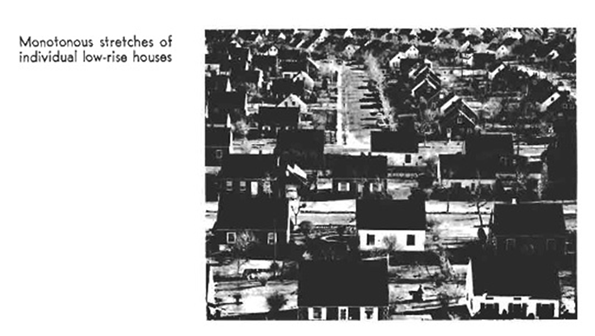
    Source: Gutnov, Alexi, Baburov, A., Djumenton, G., Kharitonova, S., Lezava, I., Sadovskij, S. The Ideal Communist City. George Braziller: New York. 1971.

    Of course, it is easy to go too far with these analogies. Even at their most strident, new urbanists and smart growth advocates do not enjoy anything like monopoly of power than accrued to Communist leaders. And also, not all the ideas of new urbanists, and even the creators of the Ideal Communist City, are without merit. The ideas of walkability, close access to amenities and services, are adoptable even in privately planned, suburban developments. But the dangers of placing ideology before what people prefer are manifest, whether in 20th Century Russia or America today.

    Alicia Kurimska is a research associate at the Center for Opportunity Urbanism and Chapman University’s Center for Demographics and Policy. She is the co-author of “The Millennial Dilemma: A Generation Searches for Home… On Their Terms” and deputy editor of New Geography, a website focusing on economics, demographics, and policy.”

    Lead photo of Krushchev-era apartment buidlings in Estonia, “EU-EE-Tallinn-PT-Pelguranna-Lõime 31” by Dmitry GOwn work. Licensed under Public Domain via Wikimedia Commons.
  • Dr. Strangelove: Or How I Learned To Stop Worrying and Love Sprawl (Sort of)

    I’m a longtime advocate of walkable, mixed-use, mixed-income, transit-served neighborhoods. But lately I’ve been having impure thoughts about suburbia. Let me explain.


     Screen Shot 2015-01-06 at 8.45.12 PM Screen Shot 2015-01-06 at 8.43.39 PM

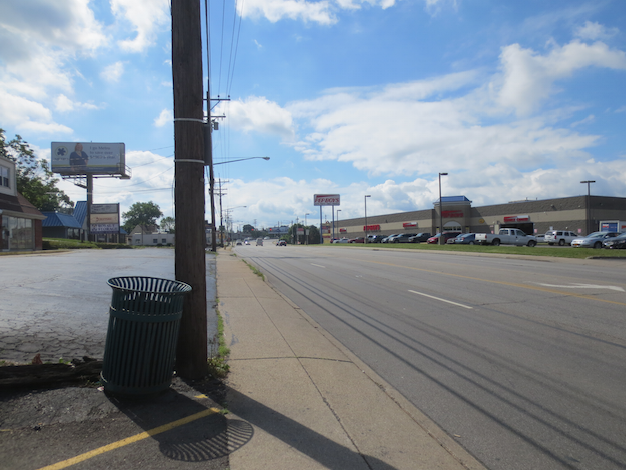
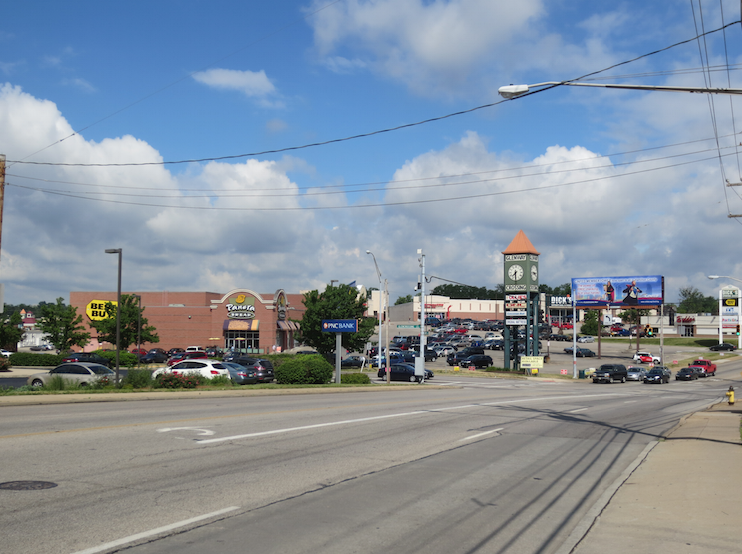
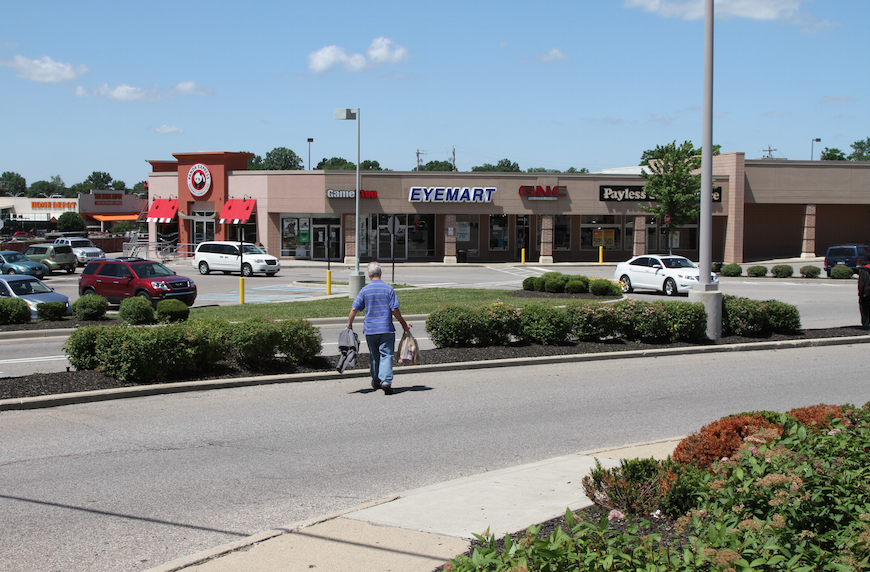
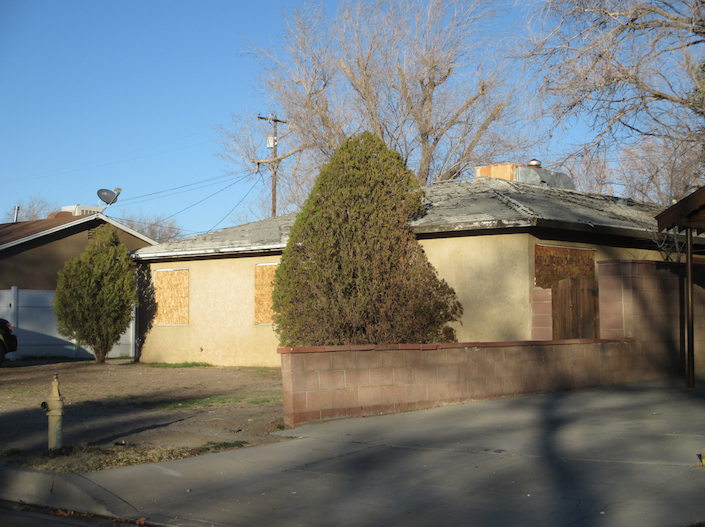
    What often passes for a neighborhood in America is a low grade assemblage of chain convenience stores, big box outlets, franchise muffler shops, multi-lane highways, and isolated cul-de-sacs. Even when it’s physically possible to walk or bike from Point A to Point B it’s not pleasant, safe, or convenient. I bet there are big parts of the town you live in that look like this.

    Screen Shot 2015-01-06 at 8.46.09 PM Screen Shot 2015-01-06 at 8.46.24 PM Screen Shot 2015-01-06 at 8.54.45 PM

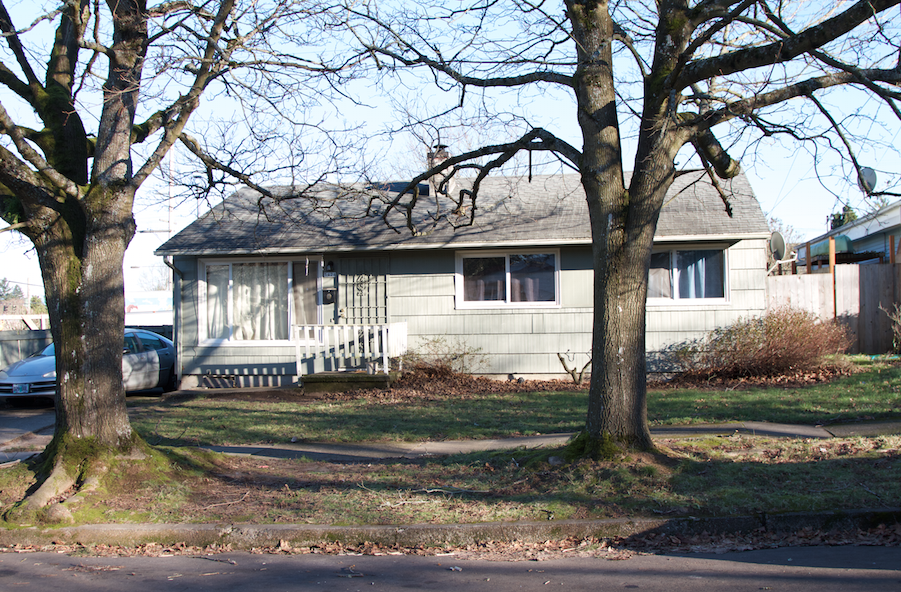
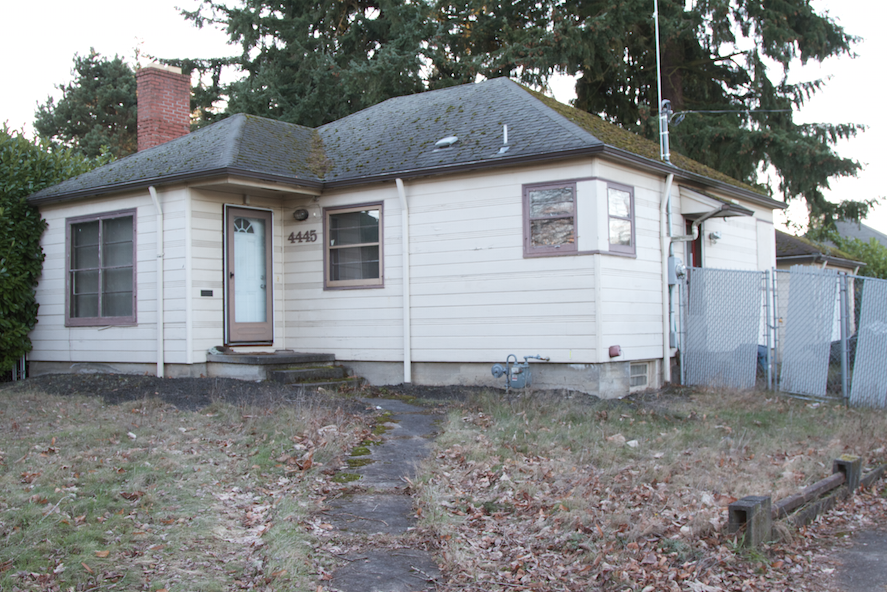
    Here’s what’s happened to the housing stock in previously desirable post war suburbs. They’ve aged and were passed over in favor of new development farther out on the edge of town. The homes are out of fashion. They’re too small. They don’t have the right modern features. There are questions about the quality of the local schools. And there’s a general perception that the kinds of people who remain may not make good neighbors. These properties sell at significantly lower prices relative to the larger region. It’s often assumed that they’re unlikely to appreciate in value so they’re considered a poor investment.

    Screen Shot 2015-01-06 at 8.42.30 PM Screen Shot 2015-01-06 at 8.47.44 PM Screen Shot 2015-01-06 at 9.15.26 PM Screen Shot 2015-01-06 at 8.43.09 PM Screen Shot 2015-01-07 at 1.35.38 AM

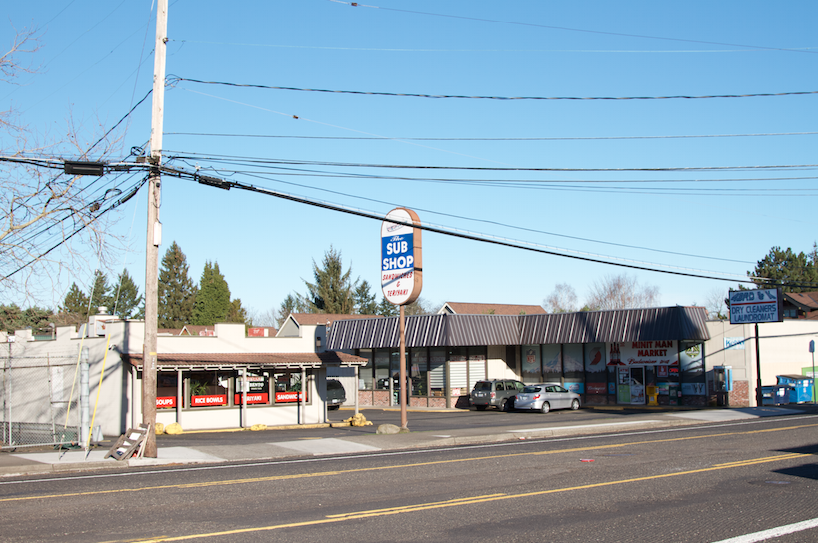
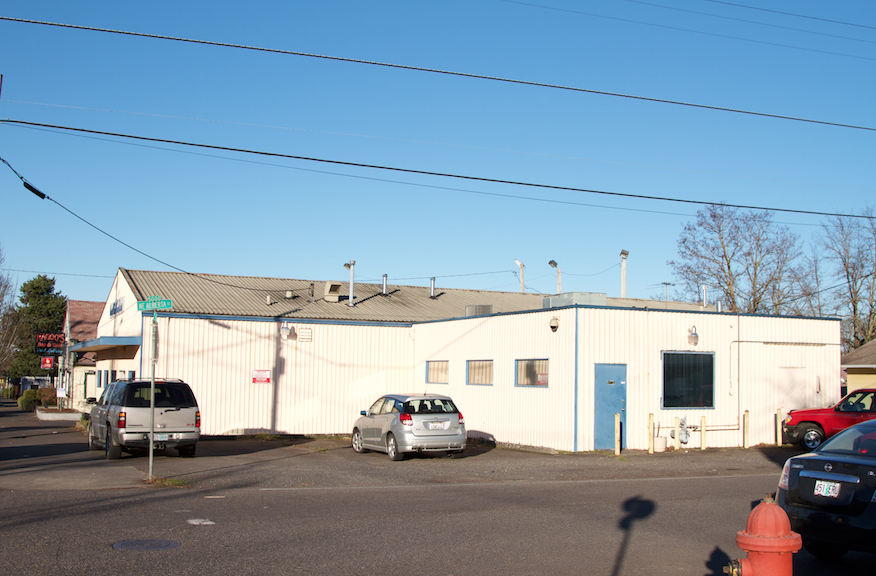
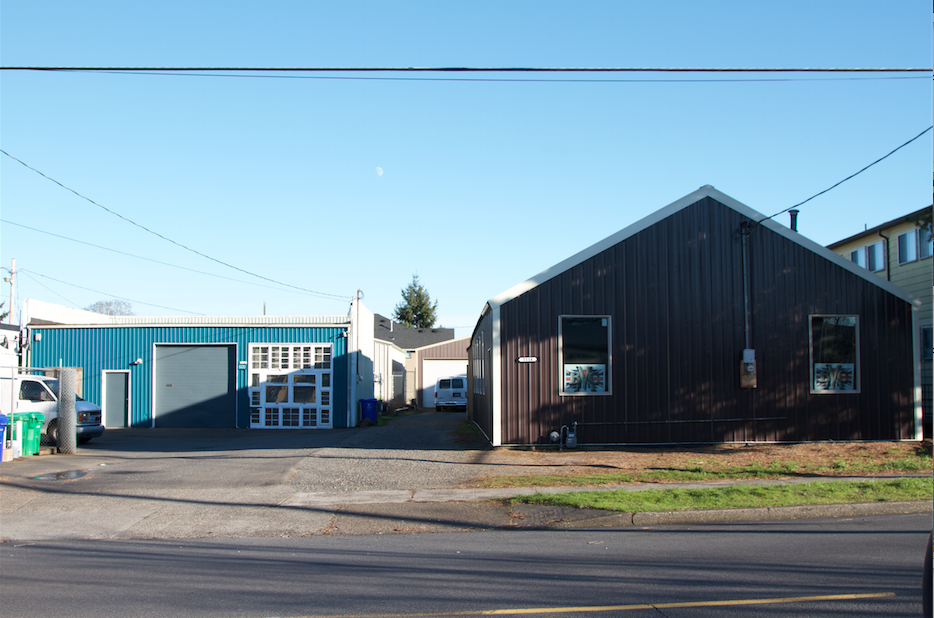
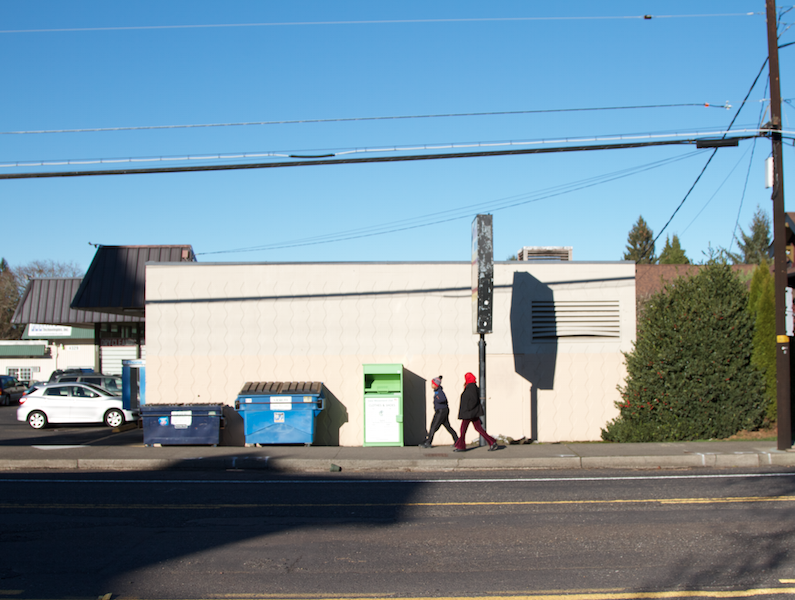
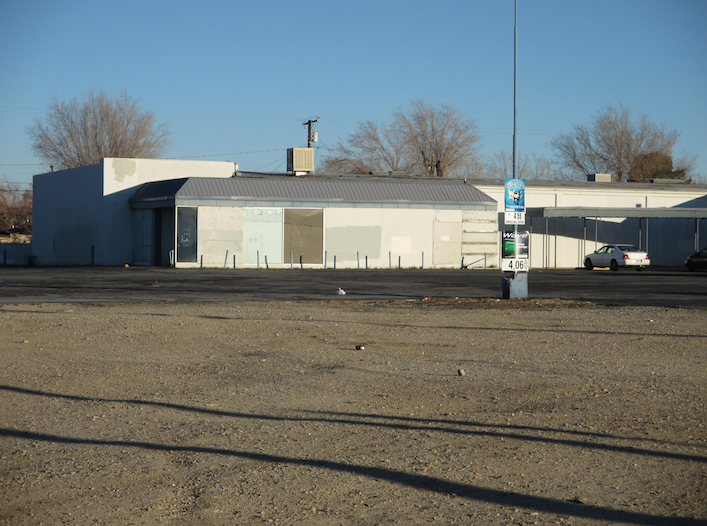
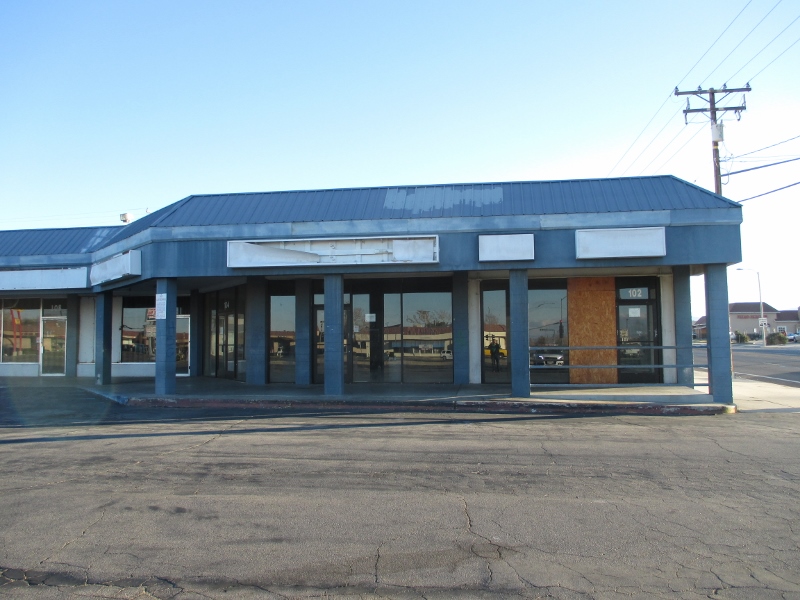
    This is what the commercial building stock is like. Cheap disposable plywood and cinder block boxes and industrial sheds set behind a patch of asphalt parking lot. These photos happen to be of Portland, Oregon, but they could be from a thousand other places. They’re all the same. This actually looks a lot like where I grew up in New Jersey.

    Sure, the sleek new Pearl District and Historic Pioneer Square are fashionable and urbane. But the vast majority of people will never live there. Most of Portland, like most of America, is sprawl. Forget what you’ve heard about urban growth boundaries, streetcars, and jack booted liberal thugs who make you live in a shoebox apartment and take away your car. The reality on the ground is that most of Portland is indistinguishable from everyplace else.

    Screen Shot 2015-01-07 at 1.34.34 AM Screen Shot 2015-01-07 at 1.44.53 AM

    But here’s the fascinating thing to me – and the source of my recent epiphany about aging sprawl. I always assumed that these neighborhoods would all devolve into the new slums – and many certainly are doing that. Ferguson, Missouri anyone? But it doesn’t have to go that way. These forgotten suburban neighborhoods can just as easily be the new sweet spots for small enterprise and a renewed middle class.

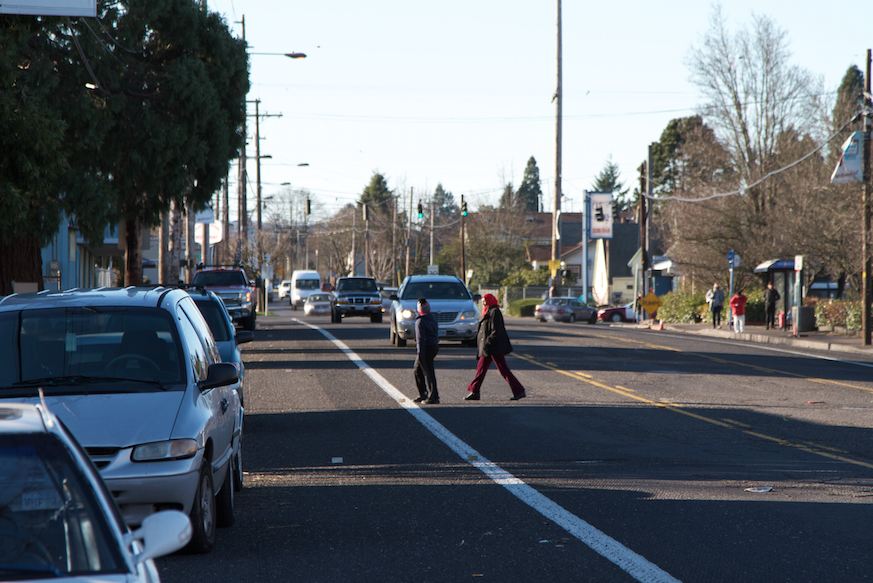
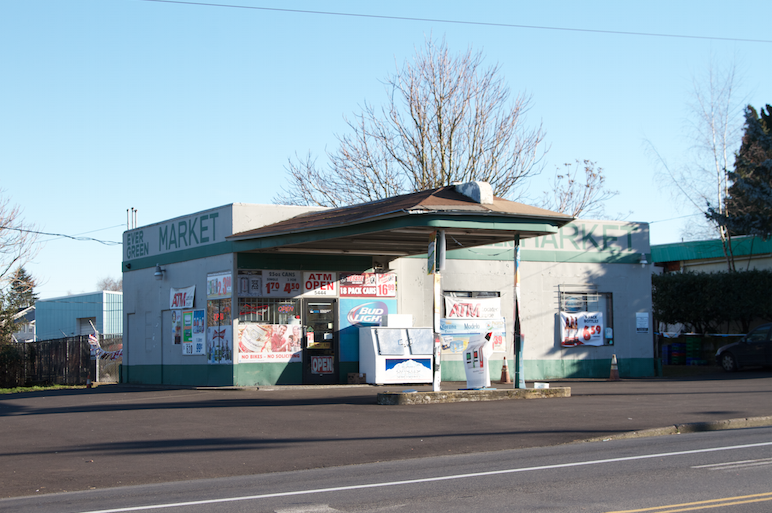
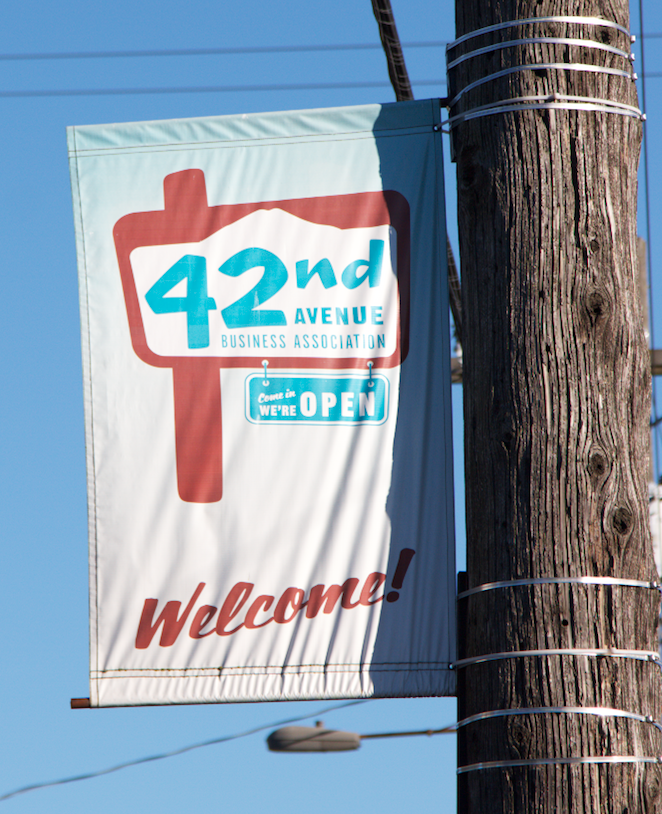
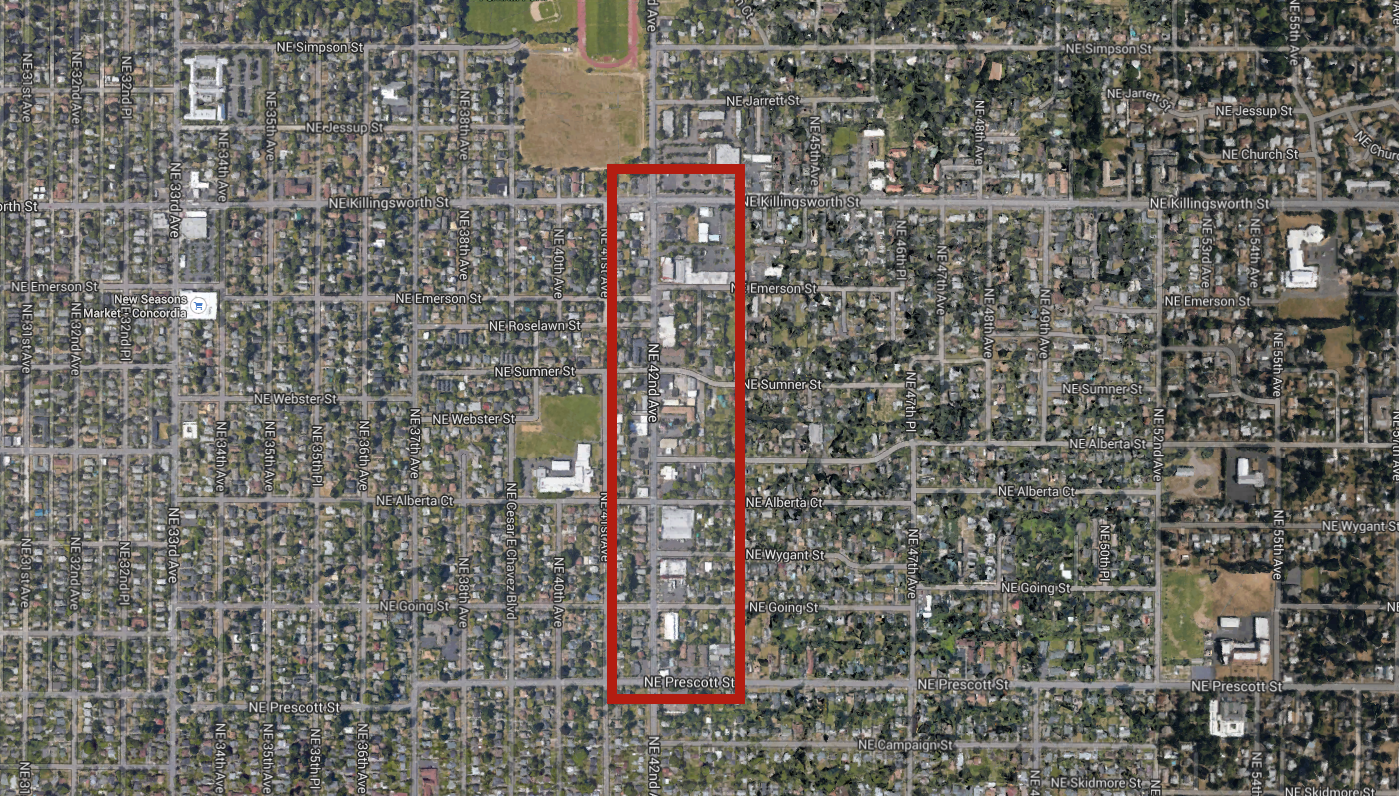
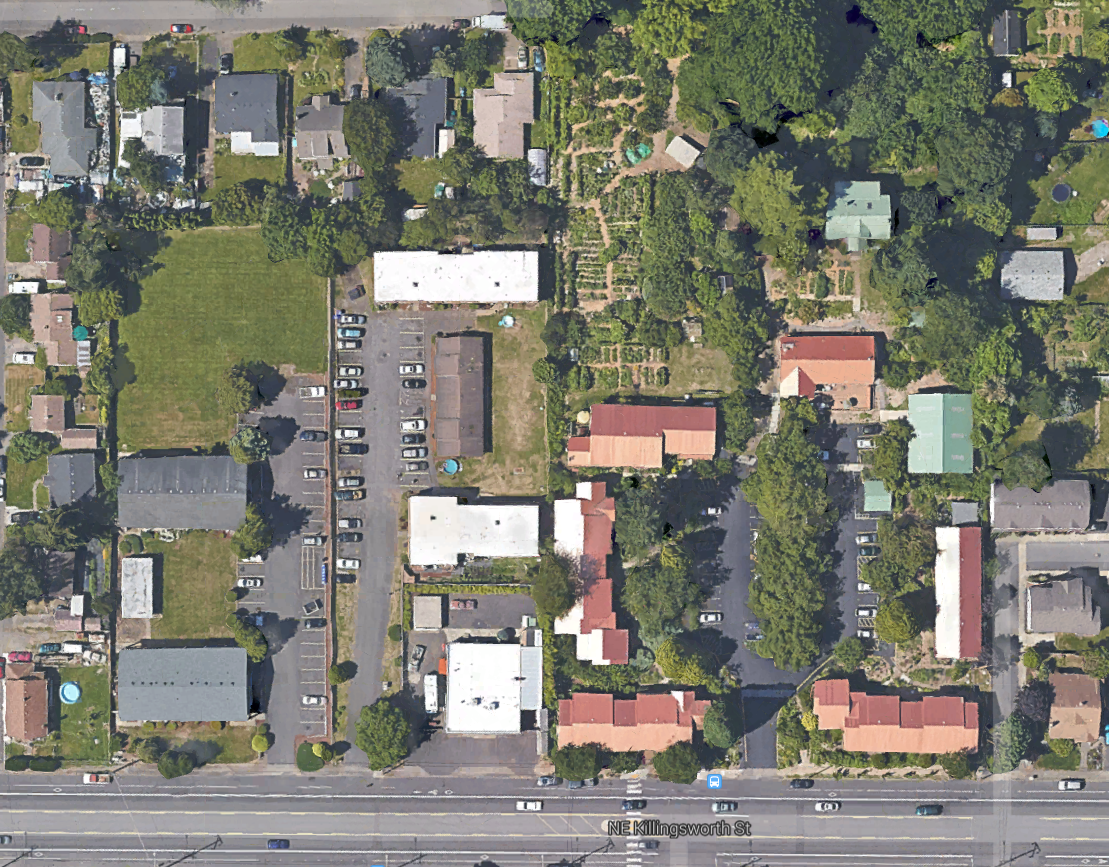
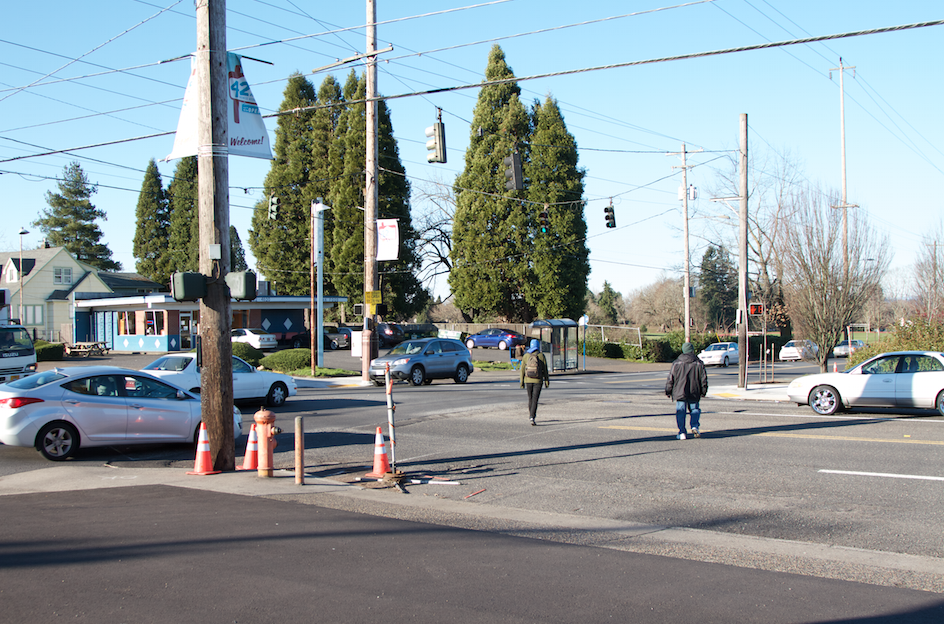
    I stumbled on the intersection of 42nd Avenue and Killingsworth (see all photos above) and thought, “What a crap hole.” But then I started to poke around for a couple of weeks. There’s more going on than immediately meets the eye.

    Here’s the deal. In the 1970’s and 80’s the cheapest real estate was in America’s abandoned downtowns and industrial zones. They were colonized by people looking for freedom – economic freedom from high rents and mortgages, as well as regulatory freedom to do as they wished without the Upright Citizen’s Brigade shutting them down. Now those places have all been picked over by high end developers and transformed into luxury “lifestyle” centers. The same is true of many close-in historic streetcar suburbs like Portland’s Alberta Arts District here. So if you either can’t afford, or simply don’t want, the premium city condo or the deluxe outer suburb McMansion… where do you go to do your own thing on a tight budget?

    IMG_3094 (800x533) IMG_3115 (800x533)   IMG_3122 (800x533) IMG_3126 (800x533) IMG_3109 (800x533)

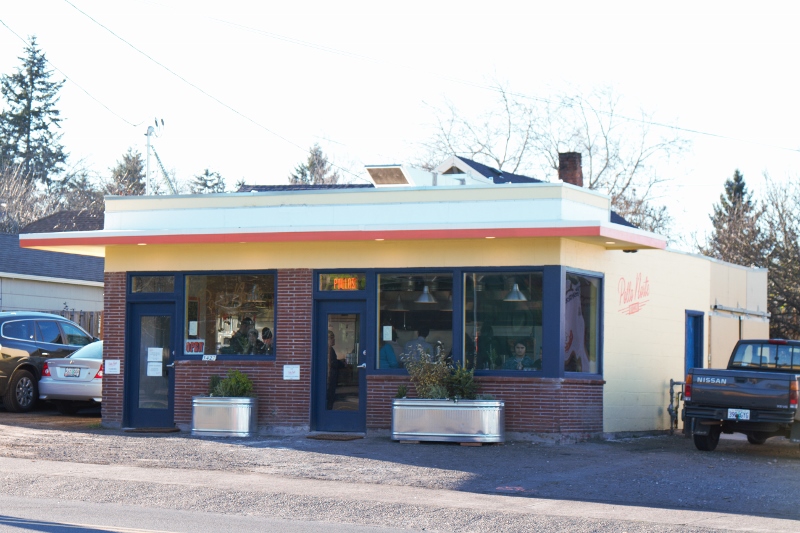
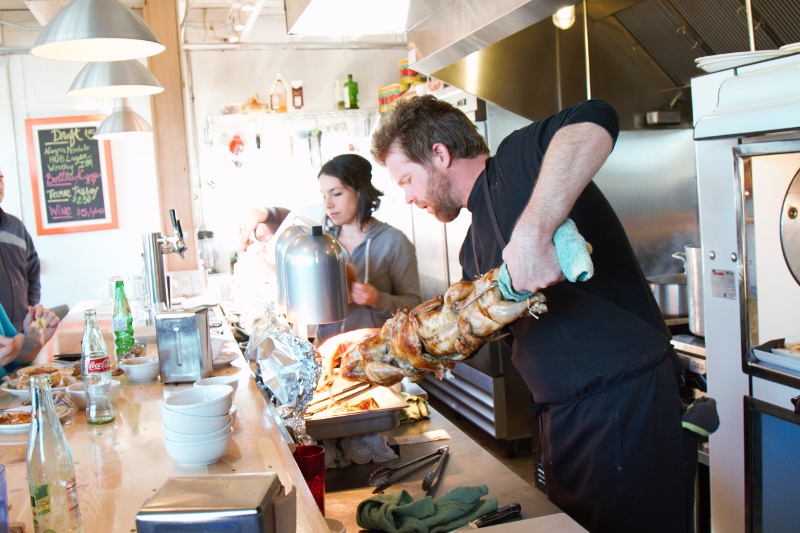
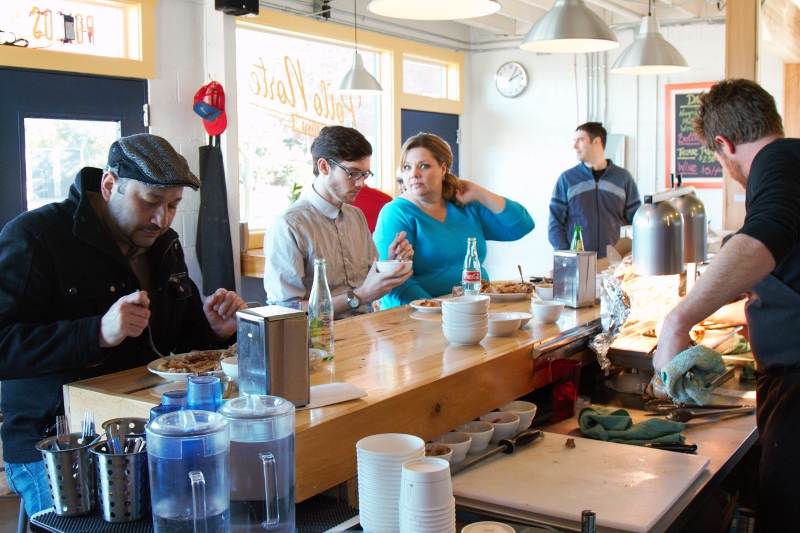
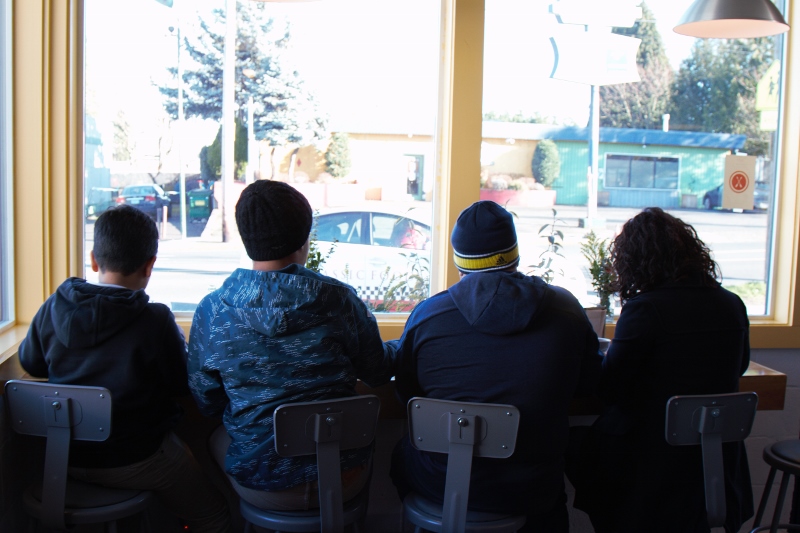
    This is Pollo Norte here on a miserable intersection where two busy roads collide. A friend brought me here for take away dinner one night and the food was simple, but spectacularly good and it was served by charming people. We arrived at 6:30 on a Tuesday and the place was packed. We were lucky to get the last whole chicken and some side dishes just as they sold out. The place is open until ten but they were overwhelmed by many more customers than they expected. This was their first month in business and they couldn’t keep up with demand. Aside from the great food, the customers all seemed to know each other and were in good spirits even though there wasn’t enough food to go around. They were celebrating the success of a great new local spot. Good beer and companionship were their consolation prizes. Now the owners need to ramp up production and work with their local suppliers to obtain more of the organic free range ingredients in keeping with their mission statement about quality and regional sustainability. This is a good problem for a new business to have.

    Screen Shot 2015-01-07 at 1.01.19 AM Google

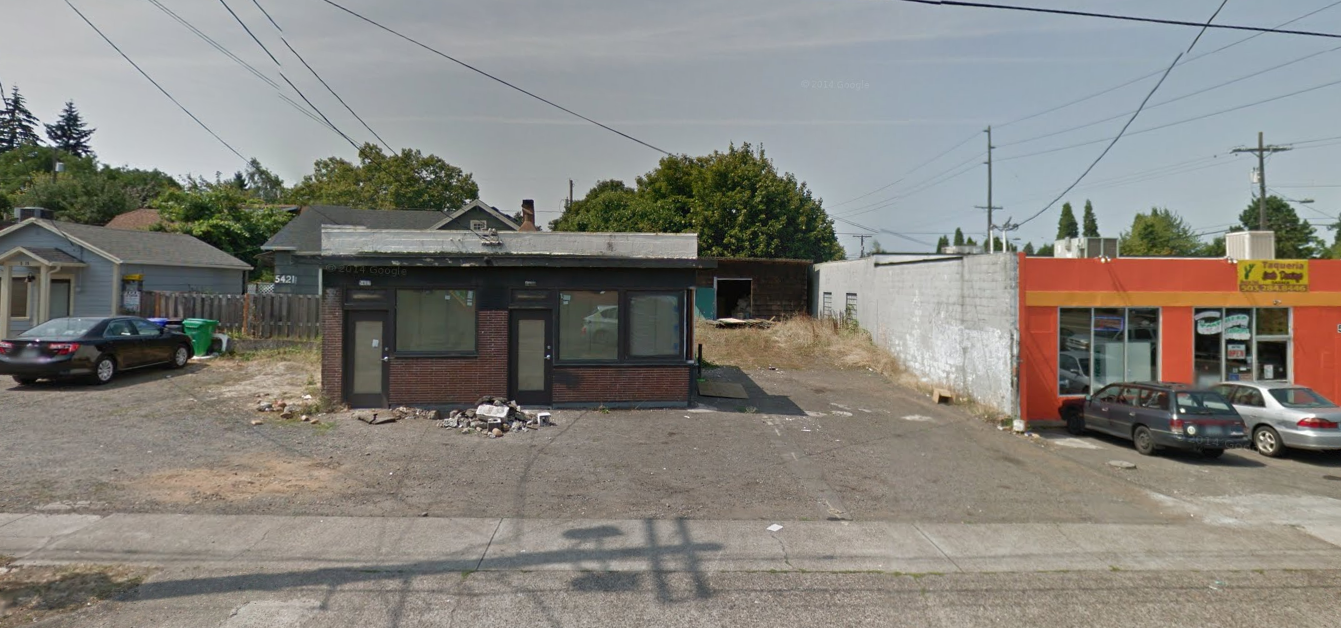
    By the way, I pulled this image off Google Street View. This is what the building looked like before the Pollo Norte folks scrubbed it clean, gave it some paint, and infused it with new life. It’s still a piece of crap concrete block bunker, but these buildings can be reinvented to good purpose with the right attitude and community support.

    unnamed-9 unnamed-10 unnamed-11 unnamed-12 unnamed-13
     unnamed-14

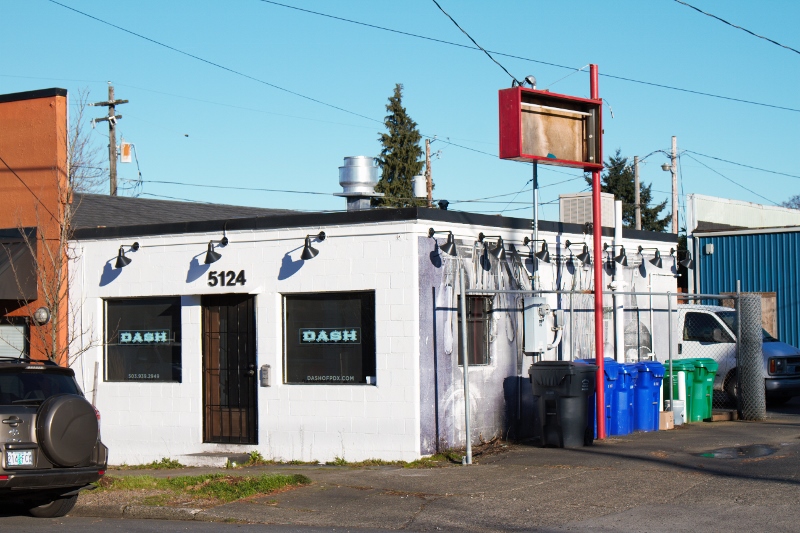
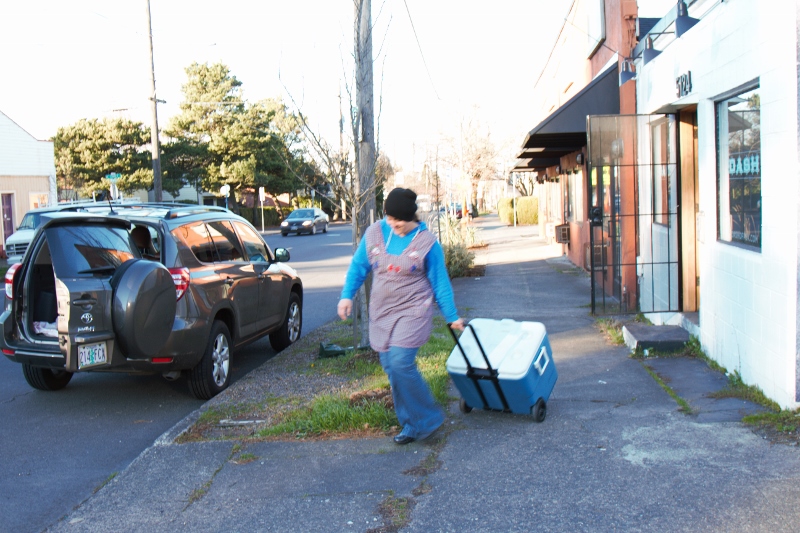
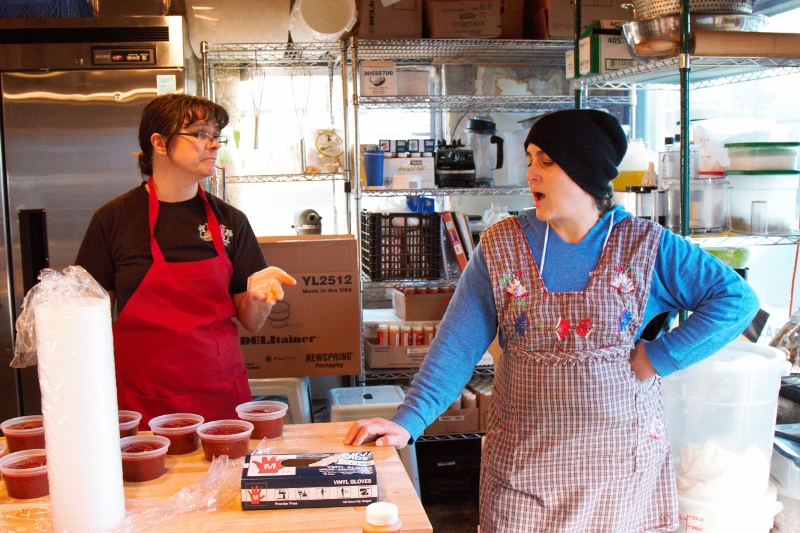
    Here’s another tiny concrete bunker a few blocks down the road. It’s owned by a woman who runs a 550 square foot commercial kitchen called Dash here. She rents out space to a variety of small scale producers who need an inspected facility in order to comply with health codes. When I dropped in I was able to speak with Nikki Guerrero as she was readying her Hot Mamma Salsa for market in local shops. here. Nikki started out selling small batches of salsa at farmers markets and now has expanded to several local grocers. She’s successful enough to support herself with the salsa. I don’t think Dash was intentionally organized as an incubator per se, but it serves as the next step up after people are ready to graduate from home cooking (Oregon has a cottage food law here) and street vending. This is not only profitable for the woman who owns the building and cost-effective for people who rent space, but it also cultivates community among various small business people as they share the space. The beauty of this business model is that any cheap ugly building in any uninspiring location can work so long as zoning and NIMBYs don’t get in the way. When your neighbors are industrial sheds and no name convenience stores you don’t get any push back.

    unnamed unnamed-1 unnamed-3 unnamed-4 unnamed-2
    unnamed-5

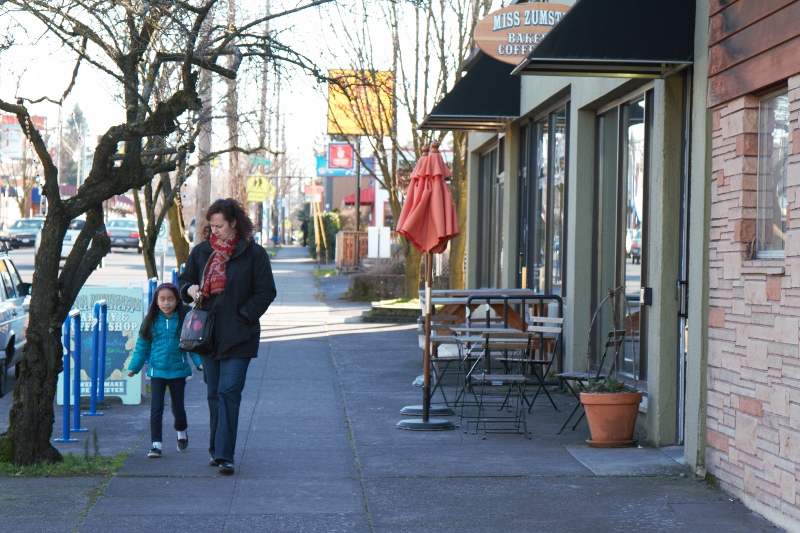
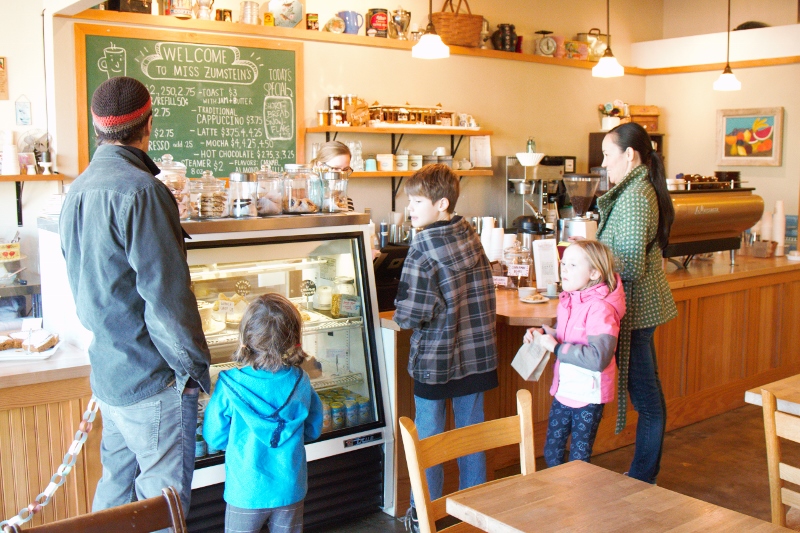
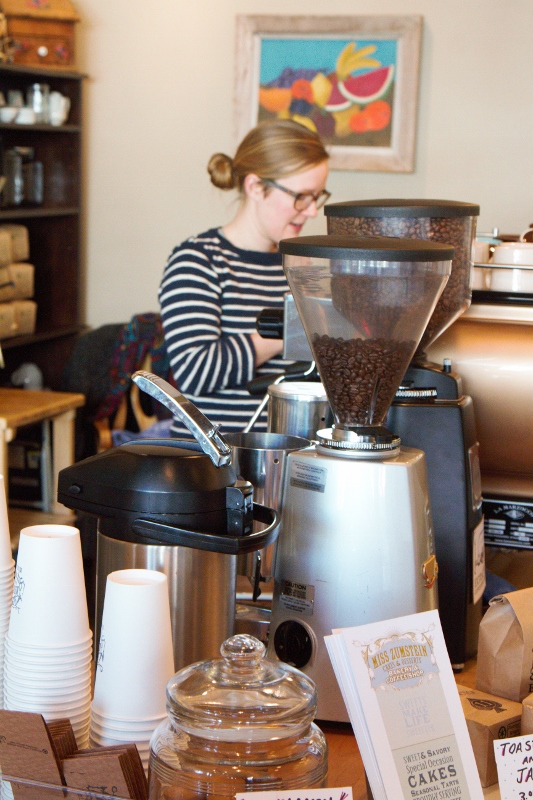
    Miss Zumstein’s Bakery across the street here is owned by Anja, a native Portlander who finds it difficult to afford property in the trendy parts of town now that the city has become much more expensive than in her girlhood. She recently opened her bakery/cafe on 42nd Ave. because so many of her friends have recently colonized the neighborhood. Price has pushed people into places to live that they wouldn’t necessarily have chosen otherwise. Now the big task at hand is how to make the ugly traffic corridor a proper walkable Main Street on a tight budget. She said the new Pollo Norte is a great indication of the kinds of small independent businesses she’s working with to carve out a new business zone in an otherwise not-so-great location. Anja was very supportive of the people at Dash (Hot Mama Salsa et al) and was thrilled that a new bicycle shop opened up nearby. Cheap ugly space and lots of enthusiastic like-minded people are their primary resources. 

    unnamed-16  unnamed-18 unnamed-20 unnamed-19 unnamed-21

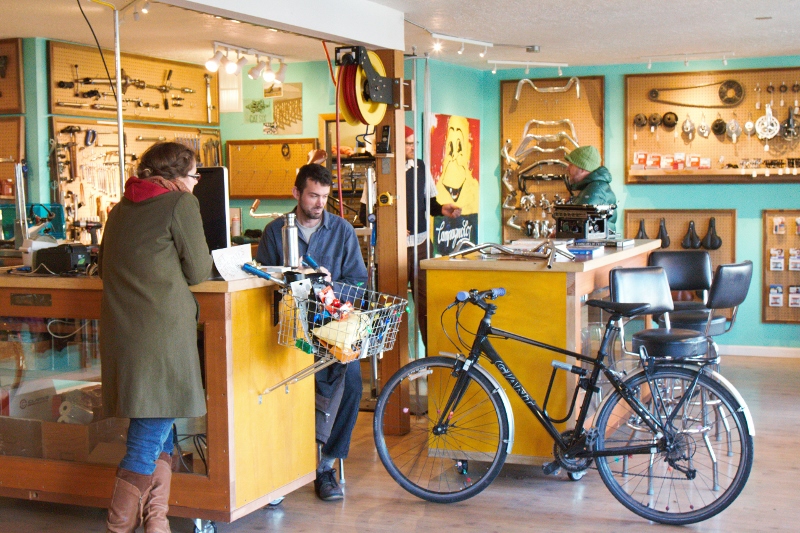
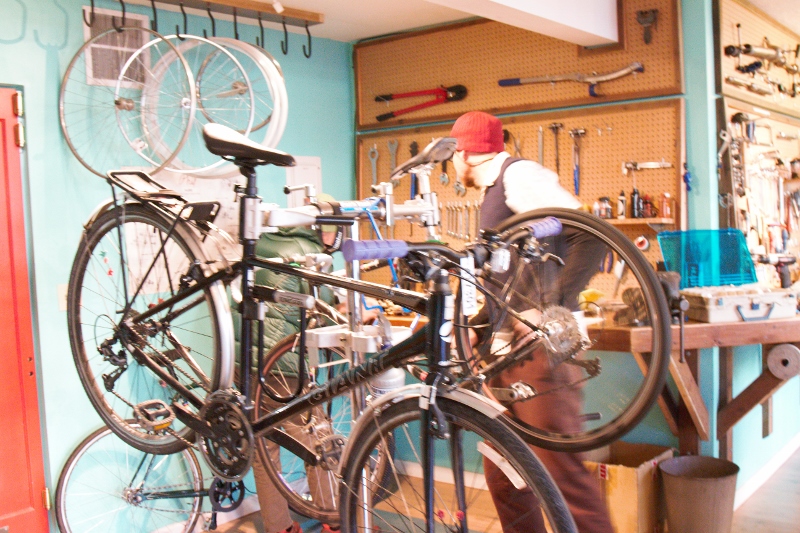
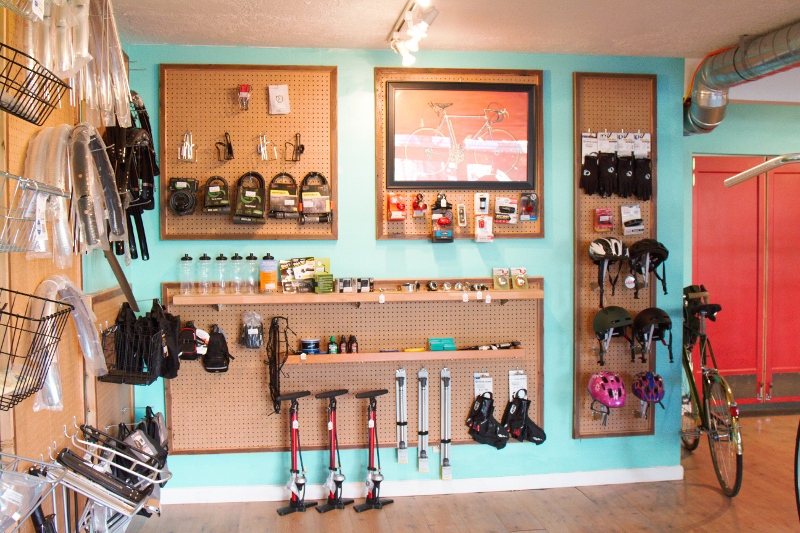
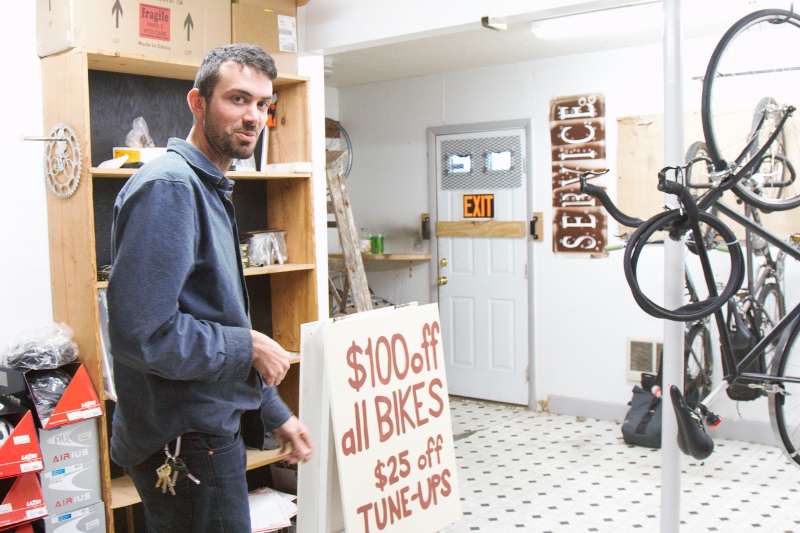
    This is Cat Six Bikes here. Two bike guys just opened up shop seven months ago. They were working for someone else in a more established neighborhood and finally decided to do their own thing. There are so many cyclists in Portland that if there’s a three mile stretch without a bike shop it’s actually a problem for a lot of people who need parts and service. They identified this location, realized it was more affordable than other more fashionable parts of town, and decided to fill the need.

    They almost rented the building that the Pollo Norte people are in now, but the current location was ultimately a better deal. The dentist who owns the building and runs his practice next door provided a deep discount on the rent because he lives in the immediate neighborhood and wanted to help establish more independent businesses in the area. The alternative probably would have been a check cashing place or a cell phone outlet. The guys were able to pull together their business and populate their initial stock and equipment for $10,000 which they had in savings. There was no need for a loan. They’re both handy and were able to do the carpentry and interior work for the shop themselves.

    Screen Shot 2015-01-07 at 1.54.40 AM GoogleScreen Shot 2015-01-07 at 1.57.11 AM GoogleScreen Shot 2015-01-07 at 1.52.51 AM 
    GoogleScreen Shot 2015-01-07 at 1.55.31 AM GoogleScreen Shot 2015-01-07 at 1.50.09 AM GoogleScreen Shot 2015-01-07 at 1.56.17 AM GoogleScreen Shot 2015-01-07 at 1.51.55 AM Google

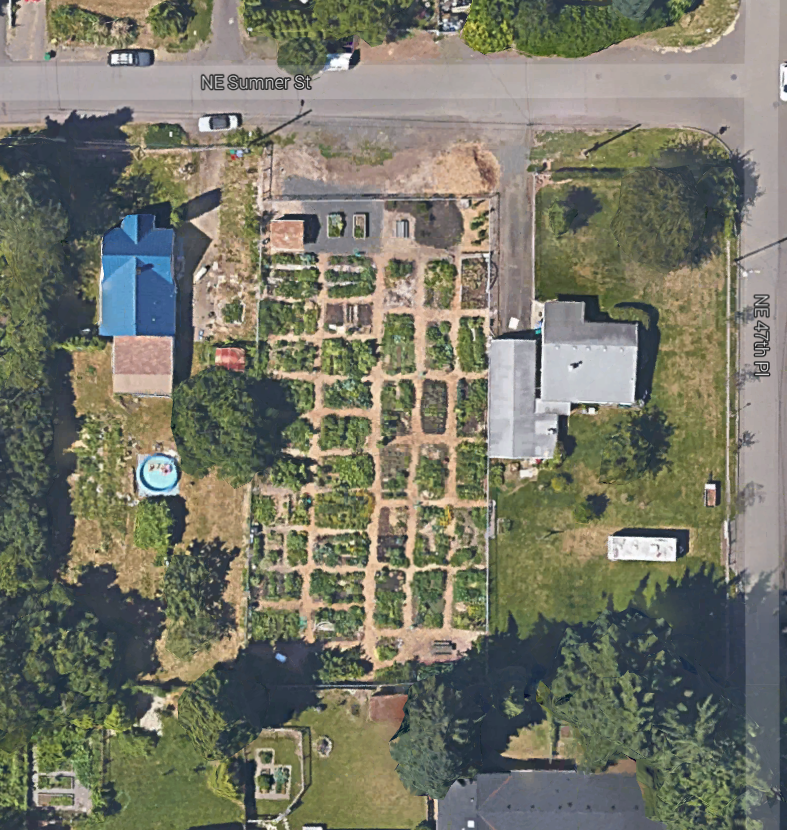
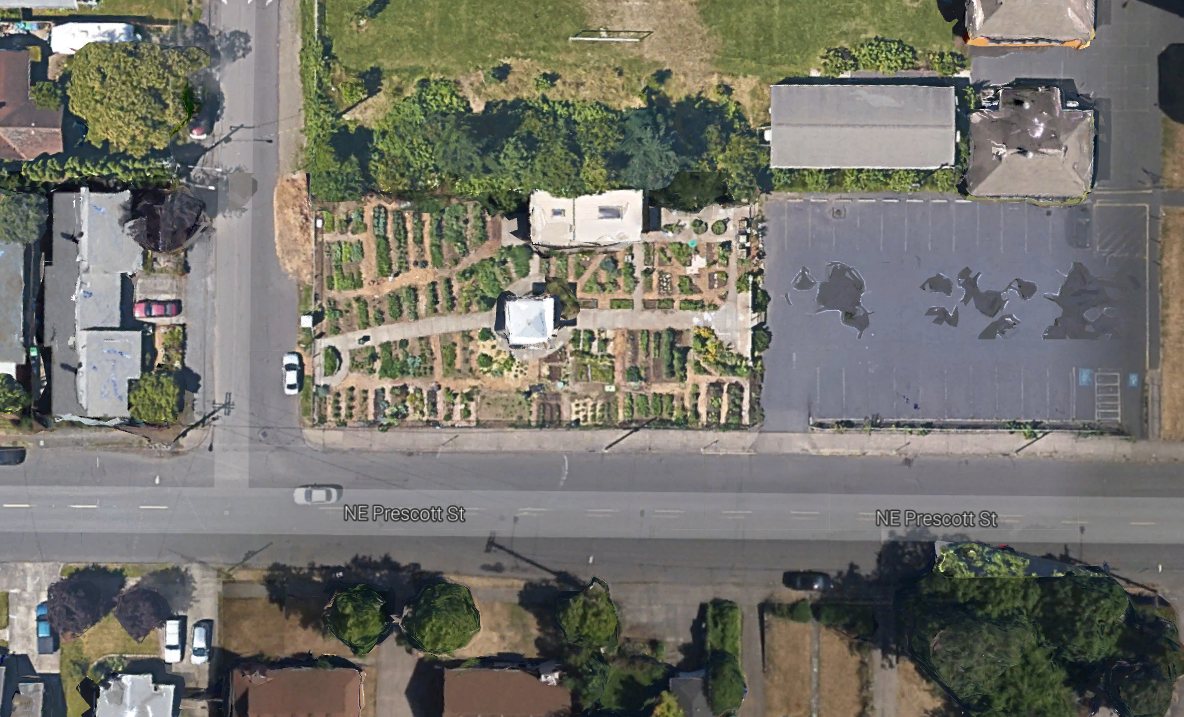
    But here’s the other thing they mentioned that got me exploring the rest of the neighborhood. The guys share a house – one lives with his girlfriend upstairs and the other lives downstairs. The house is nearby in the Cully neighborhood where little post war homes often have pretty large lots. Many neighbors do varying degrees of urban agriculture – some for a livelihood. This is absolutely not an option in the city center.

    Of course they ride their bikes to work since things are relatively close compared to the far more disbursed newer suburbs far from the downtown core. They were confident that over time they would be able to convince the city to implement road diets that would calm car traffic and make it safer and more pleasant to walk and ride bikes in the area. The primary factor in their favor is that highway expansion and car-oriented improvements are fantastically expensive, while bike infrastructure is ridiculously cheap. They also decided that what the neighborhood lacks in big city urban amenities it makes up for in gardening and door-to-door domestic community as well as significantly lower cost. Many of their friends had already moved to the area so they weren’t alone.

    IMG_2632 (800x533) IMG_2635 (800x533) Screen Shot 2015-01-08 at 9.42.51 PMIMG_3561 (800x533)IMG_3566 (533x800)

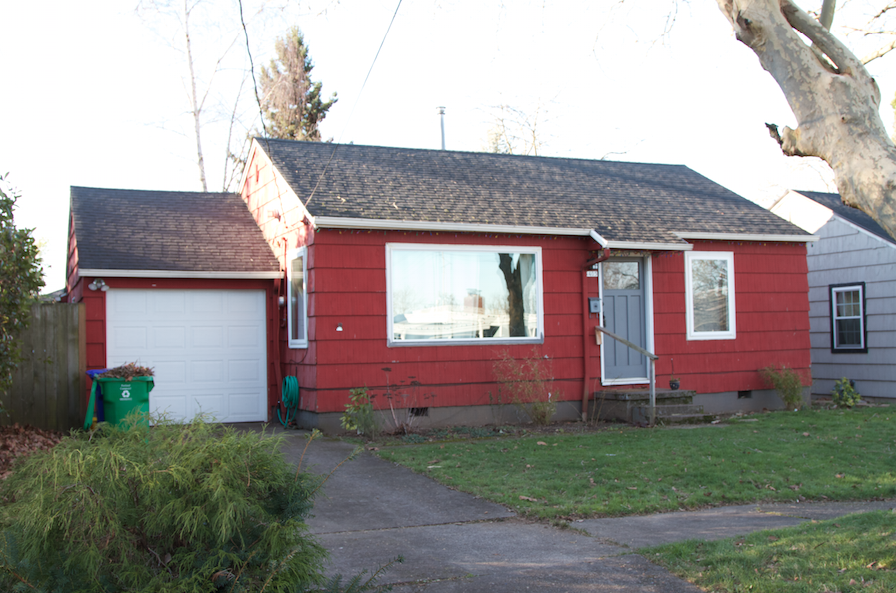
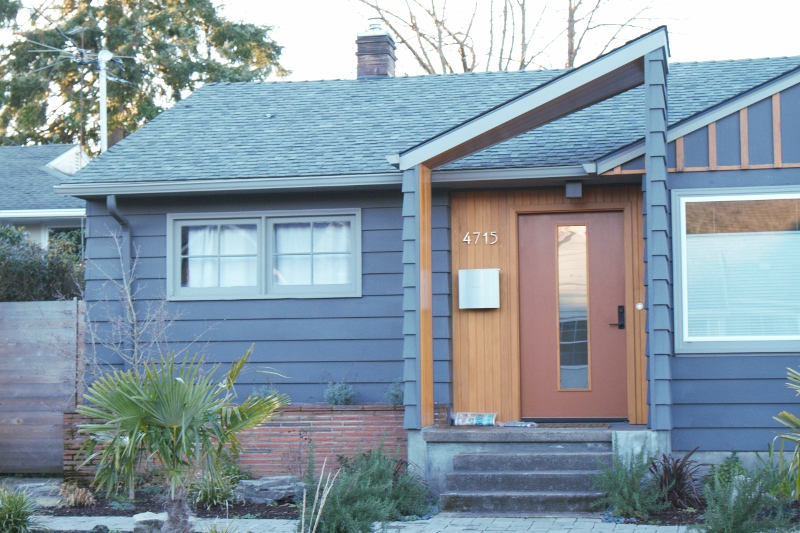
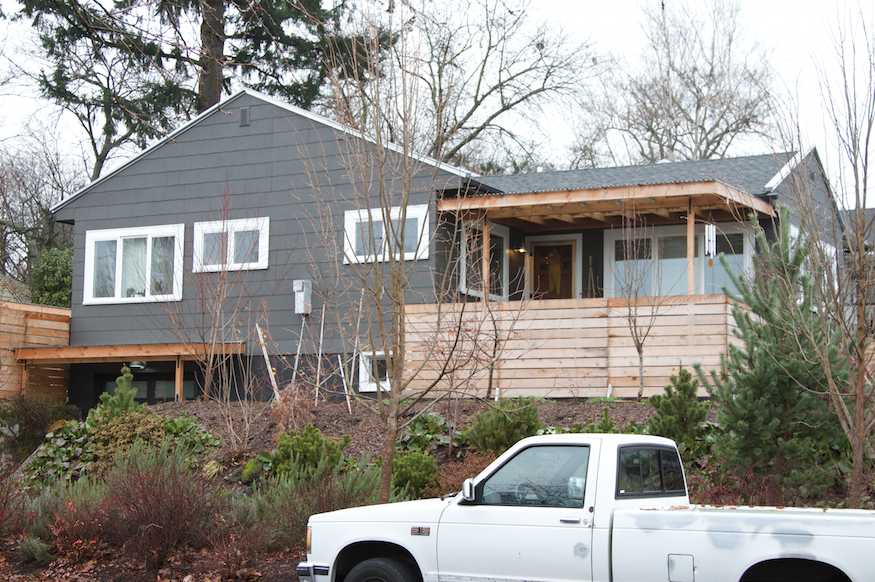
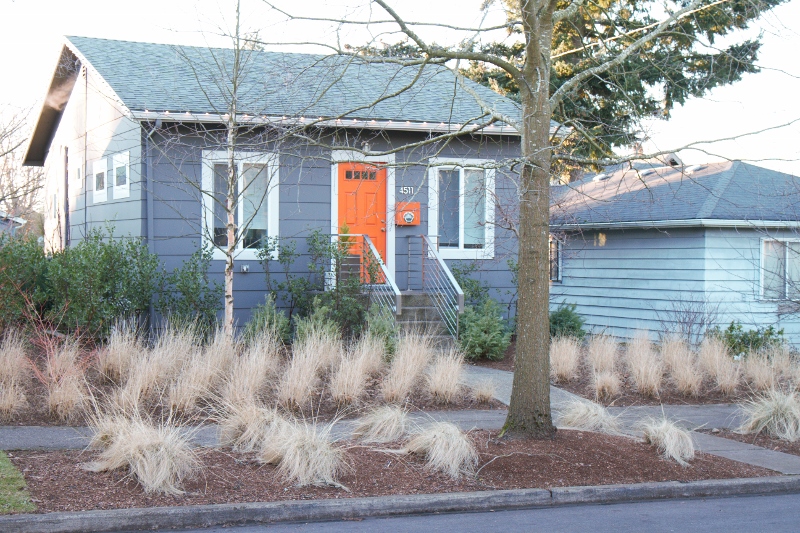
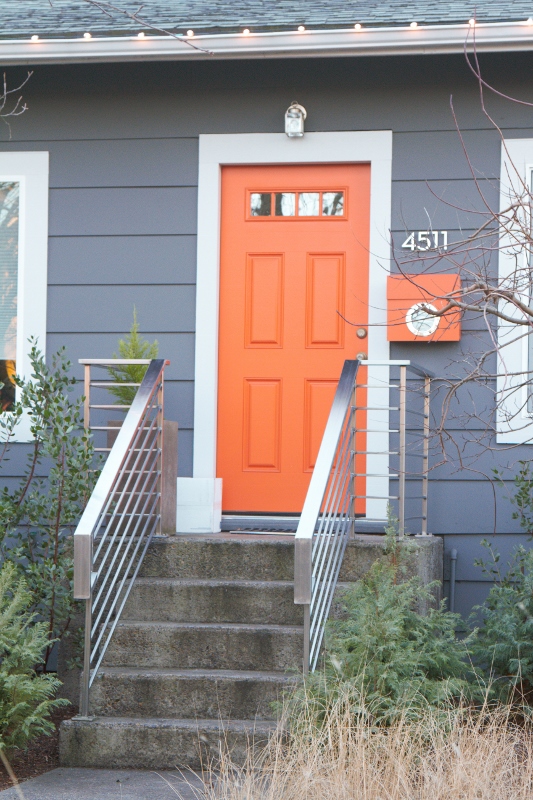
    And what about all those tragic little post war ranch homes? Well, it turns out that they’re radically less expensive than either a condo downtown or a McMansion in the newer suburbs. With a little love they can be transformed into something to be proud of. They’re bigger than an apartment, they have a garden, and they’re a whole lot closer to the city center. They’re also a short walk or bike ride to the emerging 42nd Ave, business cluster.

    I’m not saying that all, or even most, aging suburbs will blossom. But it’s at least a possibility. The real question to me is… what pushes a neighborhood down vs. what lifts it up? So far what I’m seeing is that a dead downtown contributes to even deader close in neighborhoods. A thriving downtown attracts more people to the city and creates an economic incentive for people to get creative with the reinvention of not-so-fabulous nearby areas. So if you want your struggling suburb to succeed, support your downtown.

    John Sanphillippo lives in San Francisco and blogs about urbanism, adaptation, and resilience at granolashotgun.com. He’s a member of the Congress for New Urbanism, films videos for faircompanies.com, and is a regular contributor to Strongtowns.org. He earns his living by buying, renovating, and renting undervalued properties in places that have good long term prospects. He is a graduate of Rutgers University.

  • Central Florida: Stepping Into Deep Density

    Florida is on track to break the 20 million population mark by 2016, or possibly even this year. The Sunshine State will displace New York as the third most populous state in the country, just behind California and Texas. Nationally, rural counties absorb a lot of newcomers of modest income or fixed income seeking affordable places to live. Here in Orlando, however, banks and developers are betting big on a newfound taste for the urban lifestyle, beckoning new arrivals with hip-looking apartments and parking garages, often coupled with shopping plazas full of pricey, name-brand retailers. This is a gamble of huge proportions. Regrettably, it’s just another bubble waiting to burst.
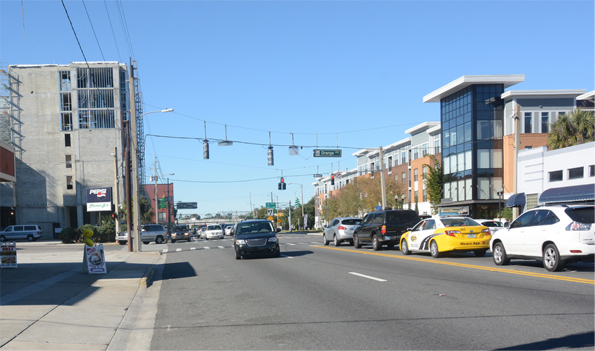
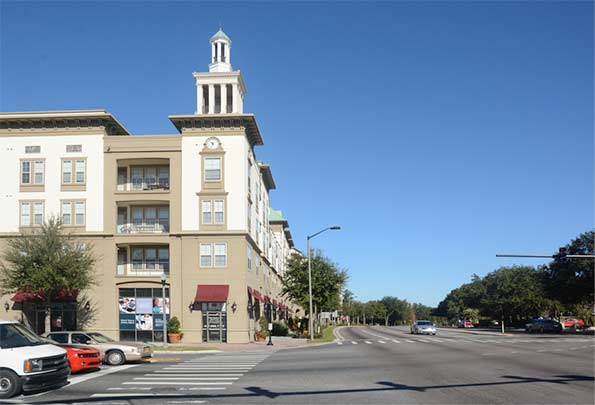
    North of downtown Orlando, two commercial corridors wind through various towns. Orange Avenue is Orlando’s version of Main Street (below: high density housing with a view of Interstate 4, Orange Avenue, and Highway 50 in Orlando, the three busiest roads in town).
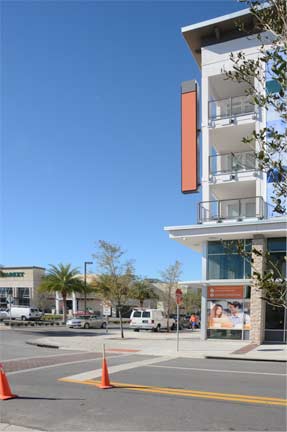
    Six new multifamily projects here are open or nearly completed. These are mid-rise buildings, four stories or greater, taking advantage of downtown’s proximity. Of course, each of these structures sports a new parking garage, acknowledging that our love affair with the car is still going strong.

    US 17-92 is an even larger, 4-lane commercial strip running from downtown all the way up through Winter Park, Eatonville, Maitland, Altamonte Springs, Longwood, and beyond. It’s an Orlando version of Broadway, linking multiple neighborhoods and districts. It’s also a traffic-choked crawl, best to be avoided at certain times of the day. Nevertheless, three mid-rise apartment blocks loom over the cars, a high-rise senior living building is open for retirees, and several more are in the works (see below, at a rare, quiet moment. Still, this mock-historical apartment complex holds the street line).
    Each one of these developments ventures deeper and deeper into urban renewal territory, looking for the market’s edge. A recent proposal will displace warehouses along Orange Avenue, but is still firmly entrenched on the more profitable side of the railroad tracks. All of these developments take old or underperforming suburban sites and convert them into new, higher density blocks. The city, it seems, has finally triumphed in the battle for the hip and the cool.

    And it is a victory of sorts, at least for the short term. Each lender who funds a suburban infill project saves, for the time being, a greenfield exurban parcel that might otherwise have been chosen for the project. Florida is a state with a remarkably stressed natural environment, and these projects keep people close to the action, reducing the need for future corridors in the wilderness.

    Before the closing credits roll, however, the long-term impacts of these developments bear a closer look. While cities clap their hands for urbanism and the tax dollars it brings in, local citizens quite sensibly ask certain pointed questions… like, ‘what about traffic’? None of these new residents will do without a car, and at least one local development, approved blithely by municipal officials, now frustrates drivers for blocks around. More of the same is coming.

    Symptomatic, perhaps, of the current economy’s consumer weakness, most of these projects displace local producer activities. Instead of protecting home-grown businesses, municipal power has hastened their demise, driven by a real estate market which judged that they were not contributing to the economy at a high enough level. Gone are local commercial artists, two local sawmills and lumberyards, and a local hotel, all of which were net producers in the local economy.

    What has come in their place are yet more grocery stores — the adjacent grocery store is always a part of the formula — more hair salons, and name-brand apparel shops. Minimum-wage workers, many working for tips, now stand at cash registers where once business owners and entrepreneurs stood. These local independent businesses close down, or scatter to the more affordable periphery, which is becoming home to a new sprawl of producers. Shipping giant Amazon, for example, just completed a large facility in Florida. Near its customers in a metropolitan area?

    Nope: in rural Ruskin, locally famous for its beefsteak tomatoes. Elsewhere, local entrepreneur Carola Seminario, manufactures cosmetics in suburban Plantation, Florida, inland from Ft. Lauderdale. These businesses are far away from the dense urban core that traditionally hosted new business ventures. Like England, lampooned for becoming a “nation of shopkeepers” in the expansionist Victorian era, Florida’s urban population is becoming a reef of retail clerks and restaurant servers laboring for franchise bosses.

    In the meantime, Office occupancy rates are at a ghastly low in Central Florida, so urban development of office space is anemic. Instead, our oversupply of retail outlets just seems to keep rising. The multistory apartment stack, perched over a retail/restaurant base, has become a copy and paste routine. None of the tenants are local, independent retailers, either; the triple-net lease is only affordable to big national brands. Density is a game only the big boys can play, it seems.

    With Central Florida’s new commuter train rolling through town, the density might make some sense. But land value around rail stops has spiked in anticipation. Instead, development is occurring in the soft pockets of town, places where older, overlooked properties can be assembled with a minimum of fuss and cost. The result is that none of the new multifamily locations are really walkable to a train station. Hence, huge parking garages.

    After the applause has died down, a flush of new apartment dwellers may soon find out that a mortgage payment outside of the central city wouldn’t have been much higher than the monthly rent in town. Most people with kids, or planning for them, believe that raising them in apartments isn’t much fun. Grass, literally, is always greener. Meanwhile, Orlando cannibalized its local economy in a rush to approve these places, and became just another bland, warm commercial amalgam not much different than anywhere else in the southeast.

    By the time the city’s changes are fully visible, the transformation will be complete. Central Florida will have lost independent businesses to a miasma of ubiquitous name-brand franchises. A few service jobs will have been created, but the real careers are in corner offices of the chains’ corporate headquarters, way beyond the reach of Orlando’s residents. Rental rates will decline as growth stretches the market for a limited number of connoisseurs of the high-density lifestyle, and a gradual, insidious wealth disparity creates a new urban poor.

    The only vision, however, may be hindsight. After the bubble has burst, high density housing will remain. City planners have already begun rearranging infrastructure around this supposed densification: school boards, for example, are consolidating K-8 schools in anticipation of this new population. Urban planning, however, has to be measured in decades. School district planning, a long, slow, consensus-driven political process, takes years to implement. By the time a new school might open for the children in these places, the demographics might have shifted once again.

    Density is good in principle. It can breed efficiency, intensify business, and make a town throb with life. But in practice today, it seems to hollow out parts of the city. Dad doesn’t work on the ground floor of the apartment block; he drives to work, just like in the suburbs. Mom doesn’t hang around all day watching the kids and baking cookies; she drives to work also. The sidewalks aren’t filled with pedestrians on their way somewhere, cars slip in and out of garages, silently activating gate arms, and the kids are safely ensconced in front of electronics, not playing outside down below.

    The pricey tenant space on the ground floor doesn’t house local bakers, tailors, or professionals that live up above. Instead it houses a few minimum-wage store clerks scanning merchandise. The building form resembles this turn-of-the-century dream state — often stylistically, as well as functionally — but it’s a monstrous hybrid of the old and the new. Localism is traded away, and in its place a new feudalism, where remote landlords control vast segments of the urban realm, takes its place. With Florida’s population growth, there will still be places to prosper, but they seem less and less likely to be in the metropolis.

    Richard Reep is an architect with VOA Associates, Inc. who has designed award-winning urban mixed-use and hospitality projects. His work has been featured domestically and internationally for the last thirty years. An Adjunct Professor for the Environmental and Growth Studies Department at Rollins College, he teaches urban design and sustainable development; he is also president of the Orlando Foundation for Architecture. Reep resides in Winter Park, Florida with his family.

    photos by the author

  • Don’t Boost Cities by Bashing the ‘Burbs

    There is nothing like a trip to Washington, D.C., to show how out of touch America’s ruling classes have become. I was in the nation’s capital to appear on a panel for a Politico event that – well after I agreed to come – was titled “Booming Cities, Busting Suburbs.”

    The notion of cities rising from the rotting carcass of suburbia is widely accepted today by much of our corporate, academic and media leadership. This notion has been repeatedly embraced as well by the Obama administration, whose own former secretary of Housing and Urban Development declared several years back that the suburbs were dying, and people were “moving back to the central cities.”

    Some on Wall Street also embrace this notion. Having played a pivotal role, along with regulators, in the housing crash of the late 2000s, some financiers have been buying up foreclosed homes for rental income and also back many high-density projects, which are built to house, in large part, those who cannot buy a home, particularly the younger generation.

    As the Economistrecently pointed out, the suburban house, or a house in less-crowded parts of cities, is an aspiration of upwardly mobile people in the United States and around the world. Surveys, including those conducted by Smart Growth America, demonstrate that the vast majority of Americans prefer single-family houses; most millennials seem to feel that way, too, according to both a Frank Magid Associates survey and a more recent one from Nielsen. As the economy improves, and the people in the millennial generation enter their thirties, it is likely that they – as did other generations – will start buying houses as they start families.

    At the very least, suburbia clearly predominates among Americans. Roughly 85 percent of people in our major metropolitan areas, notes demographer Wendell Cox, inhabit suburban neighborhoods, dominated by cars and single-family houses, even though they live within the boundaries of the largest cities. They are definitively not moving en masse into the urban core. In the most recent census, from 2010, the urban core, defined as territory within two miles of city hall, grew by 206,000 people. In contrast, areas 10 or more miles away from an urban center grew by some 15 million people.

    Nor has this appreciably changed over time. Since the housing bust, the growth rates of core cities and suburbs are now basically even, but the preponderance of suburban population means that the periphery is adding many more people. From 2010-13, the suburbs added 5.4 million people, while the core cities have added 1.5 million, accounting for less than 30 percent of all major metropolitan population growth.

    Other recent analyses, such as from the real estate website Trulia, confirm that this pattern continues. Meanwhile, demand for suburban office space, often seen as dying by urban boosters, now is recovering faster than that of the central core, according to the consultancy CoStar.

    The boom in U.S. energy production, and the resulting drop in energy prices, could accelerate the suburban recovery. For years, smart-growth advocates counted on pricey “peak oil” to turn suburbs into “remote slums.” Brookings has estimated that every 10 percent rise in oil prices lowers suburban housing prices by several thousand dollars while raising prices closer in. Not surprisingly, cheaper energy does not sit well with the progressive clerisy, as epitomized by a recent New Yorker article, which likens it to “an industrial form of crack.”

    No one buys the mindless embrace of higher housing density and expanding rail transit more than urban mayors. At the Politico event in Washington, Salt Lake City Mayor Ralph Becker insisted gamely that transit is “less expensive” than building and maintaining roads, which is not even remotely the case. Transit’s fully loaded capital and operating expenditures per passenger mile are more than four times that of the automobile and road system. Nor is the Salt Lake City area about to become a region of strap hangers: 3.2 percent of workers in the Salt Lake City region commute by transit, down slightly since 2000.

    The real Salt Lake City, Becker’s perception notwithstanding, is very much a sprawled one. The downtown may have been spiffed up a bit, largely due to a massive investment by the Mormon church, but, since 2010, the periphery has grown by 48,000 people, compared with 5,000 in the city. In 1950, Salt Lake City accounted for 66 percent of the region’s population; today that is a mere 17 percent.

    Another of my fellow panelists, Atlanta Mayor Kasim Reed, is fantastical in his embrace of transit and the future of metropolitan geography. Reed counts on millennials transforming his city, but, overall, the millennial population share in urban cores has dropped since 2010, with strong percentage declines registered in such varied core counties in New York, San Francisco, St. Louis and Washington, D.C., as well as Atlanta.

    Reed, something of a darling of the Davos crowd, presides over something around 8 percent of the Atlanta metro area’s population, down from half in 1950. The most recent estimates from the Census Bureau, suggest that Atlanta may have gained 28,000 people since 2010, compared with 209,000 gained in the suburbs. But even this must be taken with a grain of salt; in the most recent census, it turned out that estimates in many cities, including New York, Chicago and St. Louis, were greatly inflated – in metro Atlanta’s case, by over 100,000.

    Although poverty has seeped out of central Atlanta and into the periphery, in part due to the relatively small size of its urban core, the poverty rate in the city is close to twice that of the suburbs, which mirrors the national trend. Its crime rate ranks among the nation’s worst, up there with Detroit, Oakland and St. Louis. An Atlanta resident is roughly more than three times more likely than an average Georgian to become the victim of a violent crime. Although worse than most, Atlanta’s metropolitan core is not unusual; overall, the rate of violent crime in urban cores, although down from 2001, is almost four times higher than that of suburbs, where the rate has also declined.

    Nor is Atlanta about to turn into a Southern version of successful transit “legacy” cities like New York or even Washington. Despite a massive investment in rail transit, the regional share of transit commuting today, according to Census Bureau estimates, is a mere 3.1 percent, compared with 3.4 percent in 2000. In reality, transit ridership has risen mostly in a handful of “legacy” cities, notably New York, while overall the share of transit commuters nationally is almost a whole percentage point lower than in 1980. In most U.S. metropolitan areas, including Atlanta, more people telecommute than take transit.

    To be sure, Atlanta is, in certain spots, looking better. Upscale districts, like Midtown and Buckhead, have rebounded smartly from the real estate crash, but downtown Atlanta has among the highest vacancy rates in the country. The once-ballyhooed Underground Atlanta downtown shopping and entertainment district is widely seen as something of a disaster. Progressive rhetoric aside, Atlanta, according to the liberal Brookings Institution, has the greatest income inequality of any large city in America, even worse than luxury cities like San Francisco, New York or Boston.

    To be sure, one can still make a sounder case for Atlanta’s evolution. There is a sizeable youth demographic, particularly students and childless households, who are attracted to such places, and some companies find the central location better than that of the suburban periphery. It is still a liveable city with many nice, relatively low-density neighborhoods that could accommodate middle-class families. It possesses a canopy of trees – leading some to call it “a city in a forest.”

    Cities like Atlanta are important, and it’s great that they are doing better than they were three decades ago. But the urban turnaround, more tentative in places like Atlanta than in Manhattan, does not have to be predicated, as the Politico event seemed to suggest, on the projected ruin of suburban aspirations. Despite the hopes nurtured in places like Washington, D.C., and among parts of financial oligarchy, suburb-dwelling Americans are likely to dominate our housing market, economy and demography for generations to come.

    Rather than target suburbia for extinction, cities should focus on the hard work ahead of them. Even as pundits worry about the loss of artists in high-cost cities, the urban future really depends on holding onto middle-class families and millennials as they age. To keep them, mayors need to focus not just on the densest sections of the urban core and rail transit, but on improving the roads, reducing crime, improving both neighborhoods and the broad-based economy. And they must radically reform the schools, critical to luring middle-class families with children. Rather than celebrating the supposed demise of suburbia, city leaders like Mayor Reed should take heed of the biblical injunction: “Physician, heal thyself.”

    This piece first appeared at the Orange County Register.

    Joel Kotkin is executive editor of NewGeography.com and Roger Hobbs Distinguished Fellow in Urban Studies at Chapman University, and a member of the editorial board of the Orange County Register. His newest book, The New Class Conflict is now available at Amazon and Telos Press. He is author of The City: A Global History and The Next Hundred Million: America in 2050. His most recent study, The Rise of Postfamilialism, has been widely discussed and distributed internationally. He lives in Los Angeles, CA.

  • Towns With a Past, Towns With a Future

    Over the last fifty or sixty years most towns have been dedicated to accommodated cars in order to cultivate business and permit people to live better more convenient lives. For new developments out in a former corn field this was effortless since everything was custom built with the automobile in mind. But older towns that had been built prior to mass motoring were at a distinct disadvantage.

      Screen Shot 2014-12-04 at 12.57.53 AM Screen Shot 2014-12-05 at 1.15.13 AM Screen Shot 2014-12-05 at 1.16.43 AM

    In order to keep up with changing times older neighborhoods, particularly older Main Street business districts, did whatever possible to retrofit themselves. The roads were widened, sidewalks were narrowed, street trees were removed, obsolete buildings were torn down to make way for parking lots, new zoning regulations and building codes were introduced to ease traffic and ensure abundant free parking. Unfortunately for many historic towns there simply was no contest. New strip malls and office parks could provide endless free parking and massively wide roads. If you add in the competition from big box national chains and the politics of race and class driving people across municipal borders for lower taxes and segregated school districts… Main Street never had a chance. The irony is that the more towns tried to accommodate cars the less pleasant they became.

    Screen Shot 2014-12-03 at 10.31.41 PM Screen Shot 2014-12-03 at 7.00.56 PM Screen Shot 2014-12-05 at 1.06.03 AM
    Screen Shot 2014-12-03 at 10.33.08 PM Screen Shot 2014-12-05 at 12.31.52 AM
    Screen Shot 2014-12-05 at 12.32.11 AM
    Screen Shot 2014-12-03 at 11.14.20 PM Google Earth

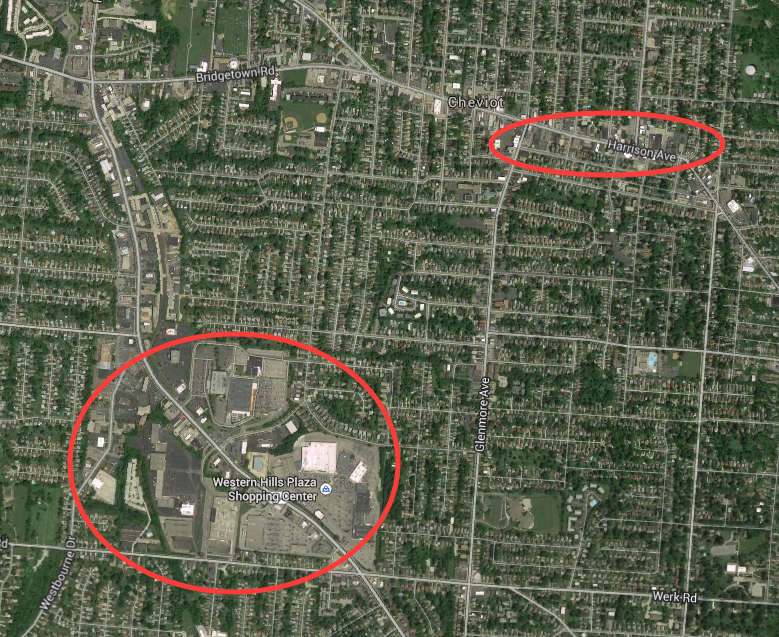
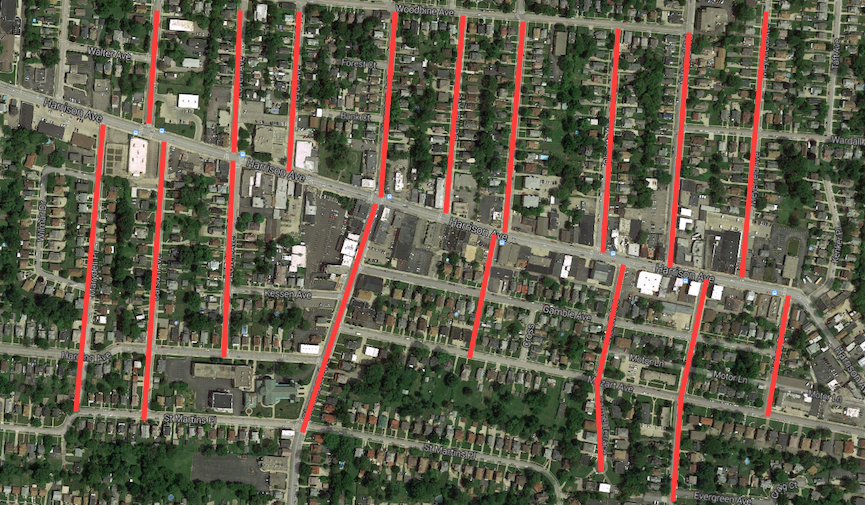
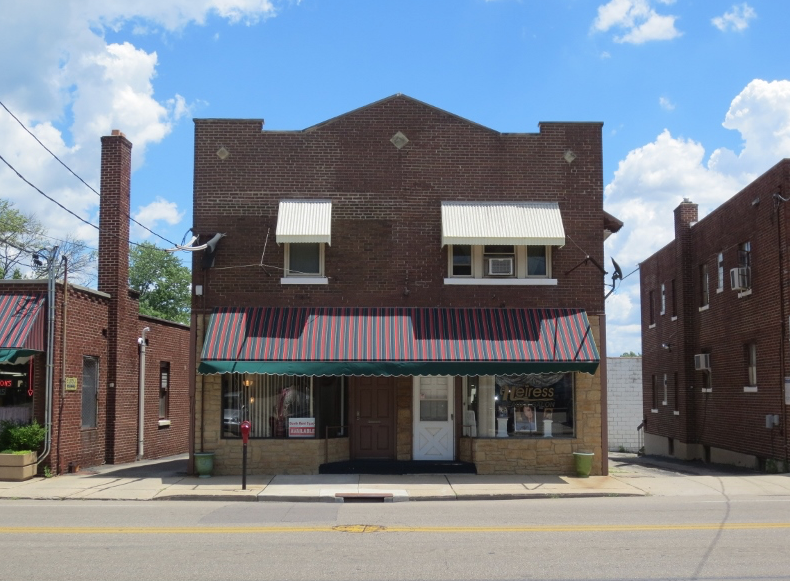
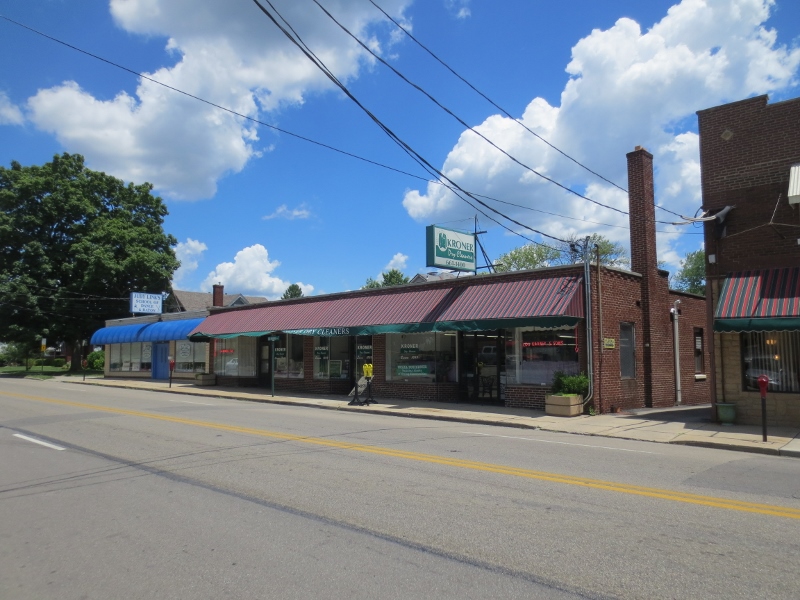
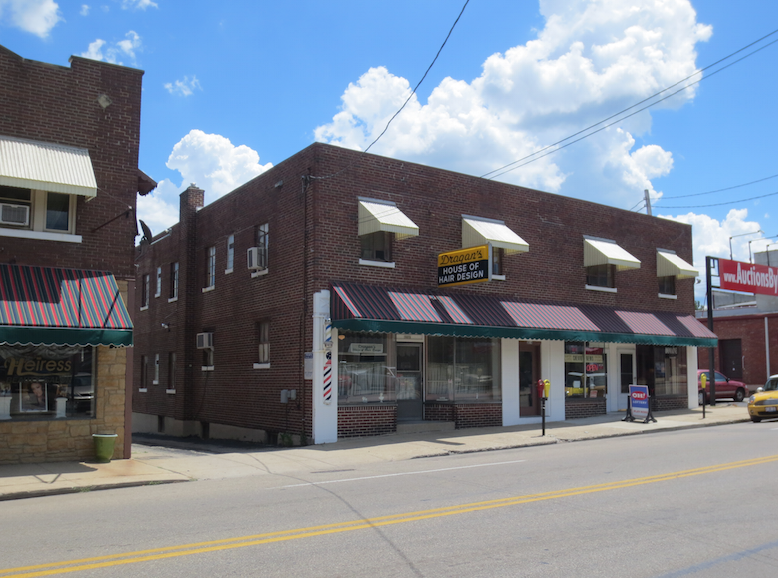
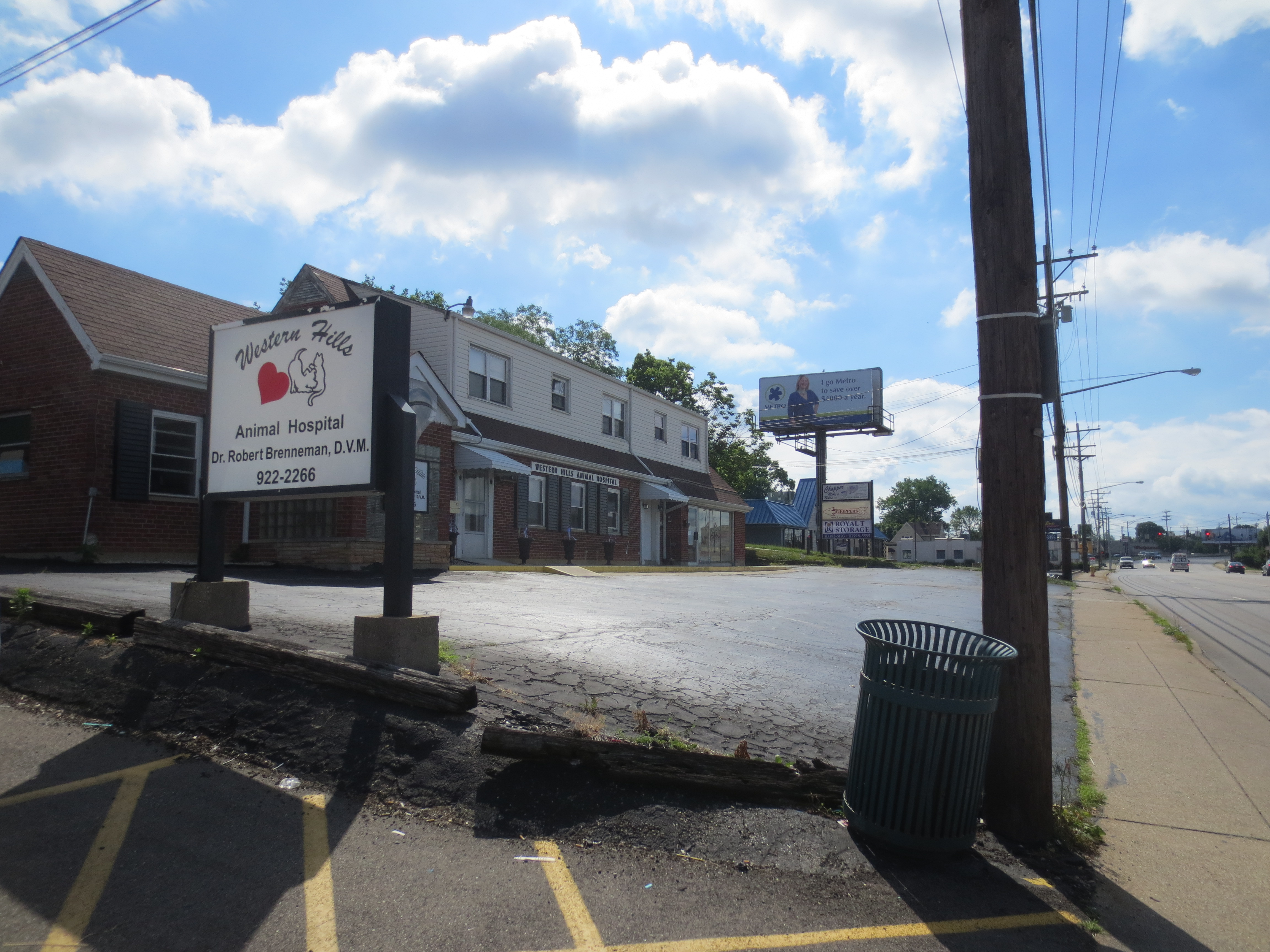
    This is a Google Earth image of the area around Cheviot, Ohio. The people of Cheviot self-identify with the fictional 1950’s TV town of Mayberry made famous by The Andy Griffith Show. It really is a lovely place, but it effectively has no business district anymore thanks to the Western Hills Plaza Shopping Center half a mile away which straddles Green Township and the Westwood district of suburban Cincinnati. Harrison Avenue, Cheviot’s century old Main Street, is circled at top right. Western Hills Plaza is circled at bottom left. The Home Depot, Target, Kroger, and Dillard’s make it impossible for mom and pop shops on Harrison Avenue in Cheviot to sustain themselves. Half the shops are empty and the others limp along. It’s a shame, because Cheviot is a charming town full of great old commercial buildings and solid housing stock. It’s a good town full of good people. The German Catholics who settled and built this part of Ohio have managed to hold on to a fair-to-middling set of arrangements through the worst years of decline, but the town is a shadow of its former self. It has excellent bones, but the flesh is sagging through no fault of its own.

    Screen Shot 2014-12-03 at 11.22.36 PM Screen Shot 2014-12-03 at 6.47.29 PM IMG_9387 (800x600) Screen Shot 2014-12-05 at 1.12.50 AM

    However, Cheviot has one thing that Western Hills Plaza doesn’t – a walkable, bikable, fine-grained pleasant neighborhood. That may not sound like much, but it’s more than nearly anyplace built after 1950 anywhere in North America can boast. Cheviot is an actual town, not just mindless suburban sprawl. That’s a rare commodity these days and a lot of people are hungry for it. Just about every home in Cheviot is within a five or ten minute walk of the old business district, local public schools, library, churches, and parks. It has become unusual in America for people to live in this kind of environment and it’s coming back in fashion with increasing demand and limited supply. There’s an opportunity here for people with the right attitude.

    Screen Shot 2014-12-04 at 1.09.07 AM Screen Shot 2014-12-04 at 1.08.19 AMGoogle Earth

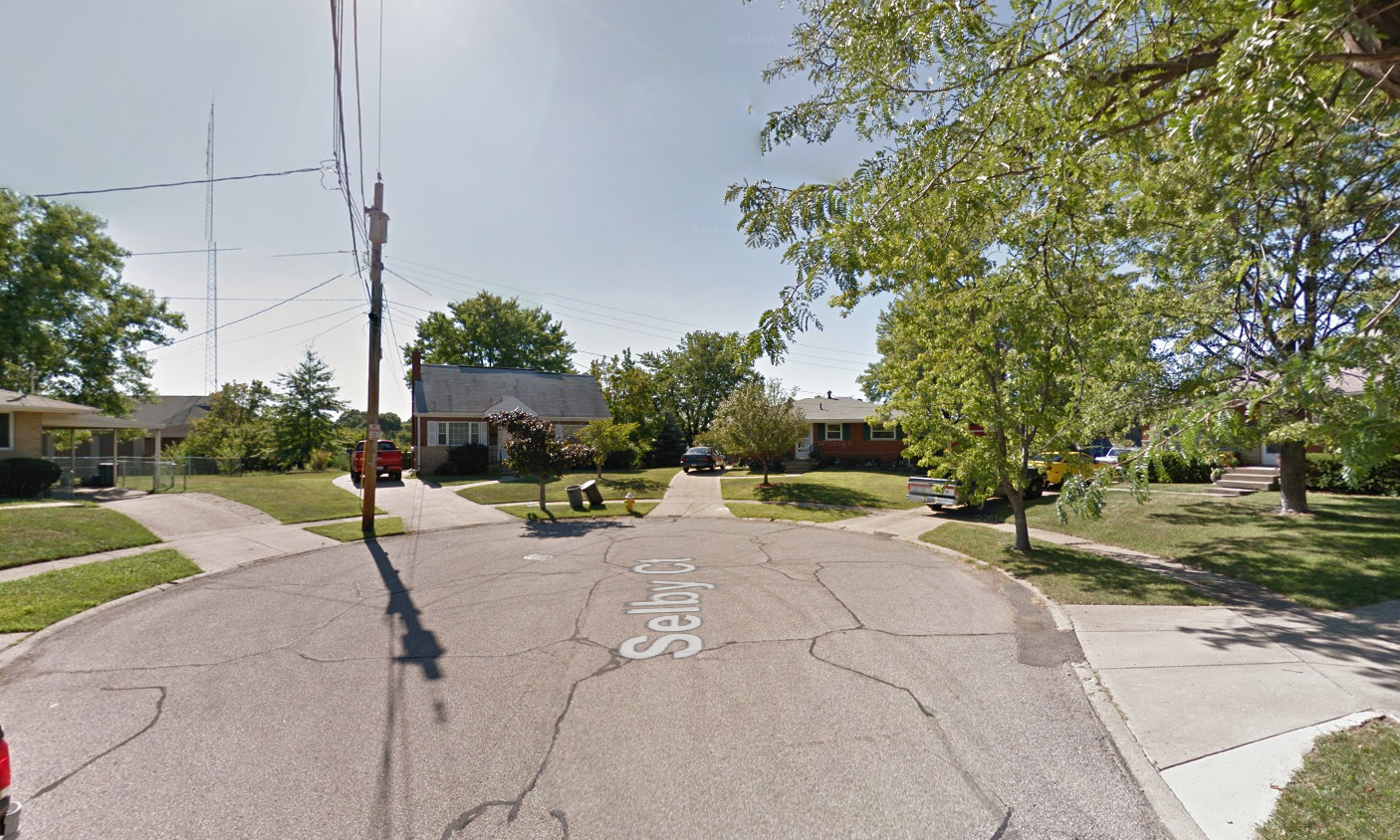
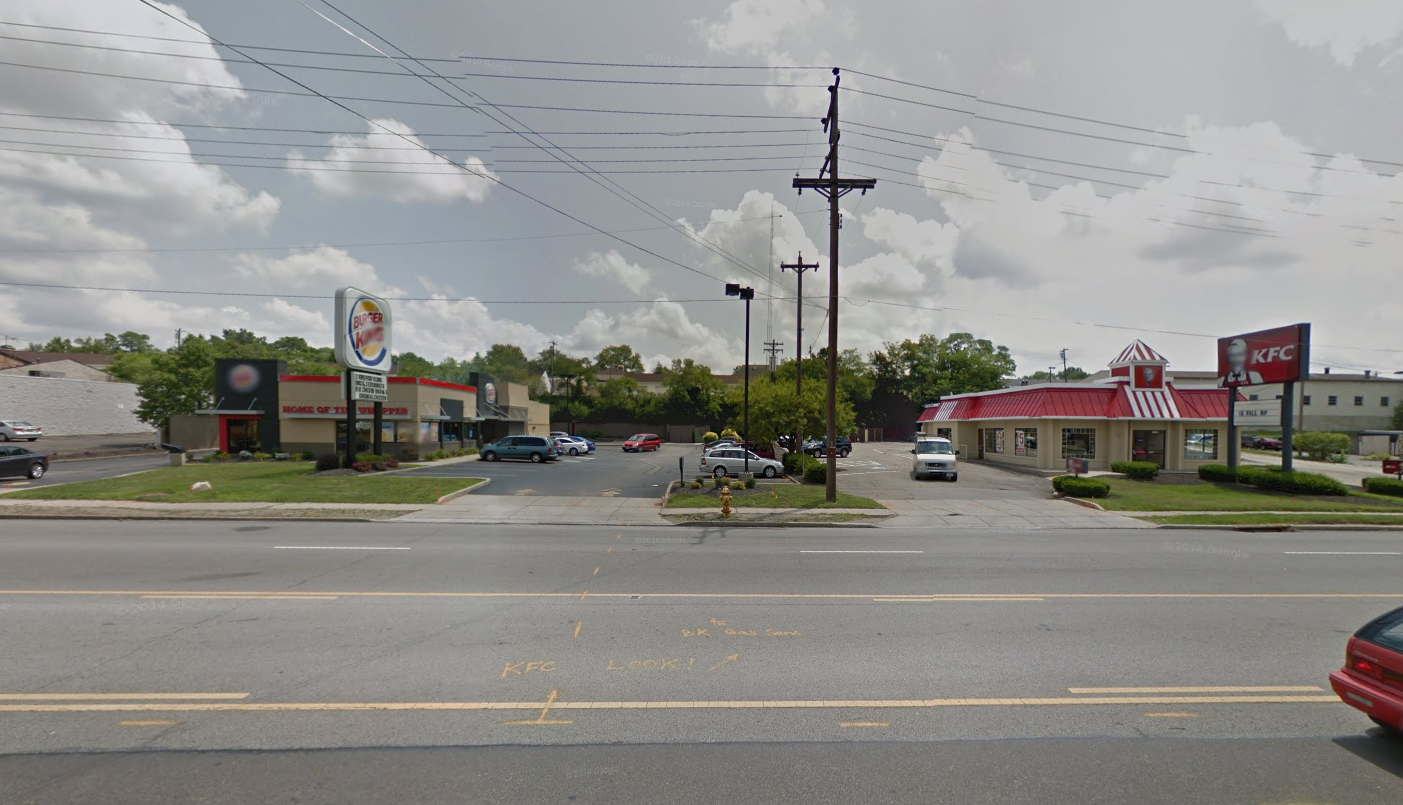
    In contrast let’s say that you lived here on this cul-de-sac in Green Township and you wanted to go to one of the fast food places directly behind your back fence. This is the route you’d need to take.

    Screen Shot 2014-12-04 at 1.10.14 AM Google Earth

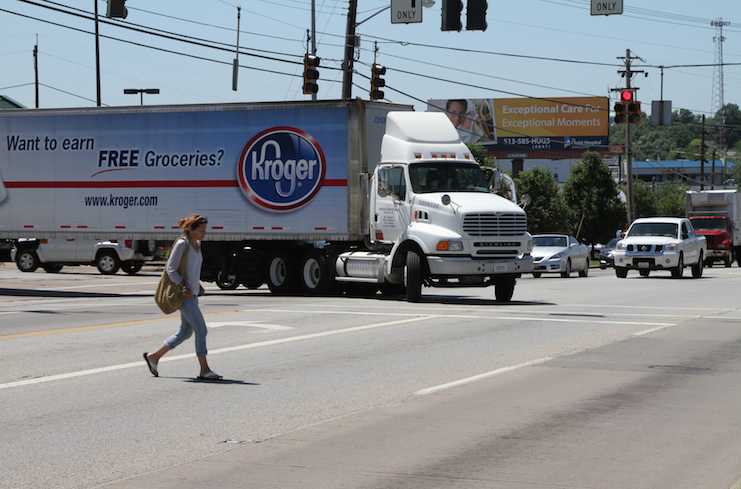
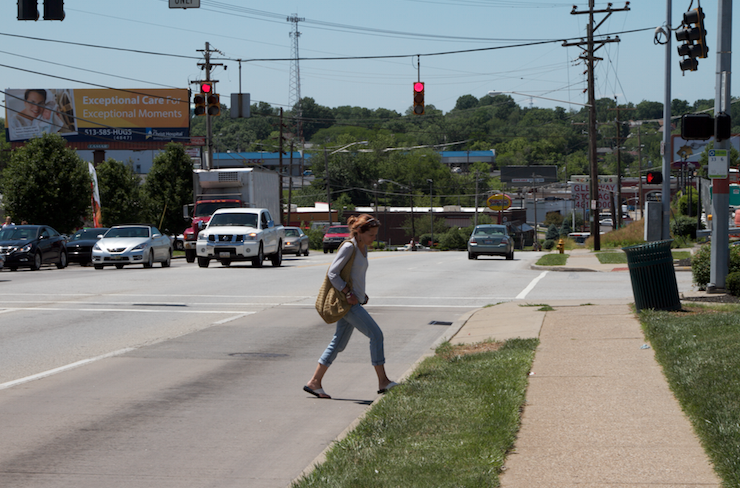
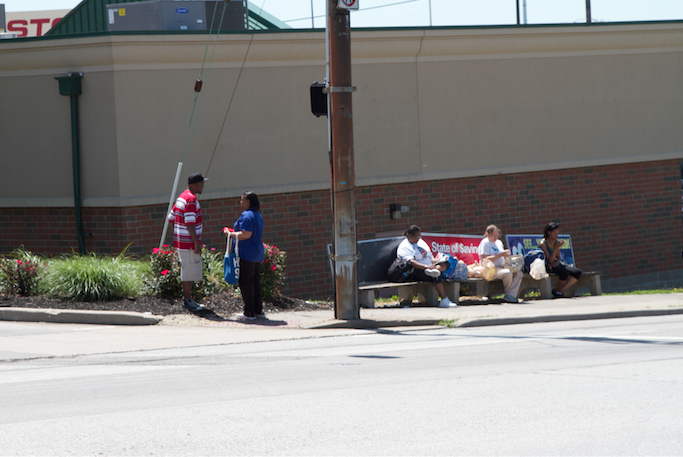
    If you’re used to driving everywhere everyday you might not think twice about hopping in the car. In fact, you might not even realize that the Burger King and KFC are so close. But if you were somehow forced to walk one day you might be surprised at how hard it would be given all the walls, fences, and drainage ditches that stand between you and your fast food. And the walk would be a miserable and potentially dangerous experience. The highway and its cavalcade of concrete and plastic bunkers is so wretched when you aren’t in a car that developers and city planners go out of their way to keep homes as isolated and buffered as possible. This radical separation of uses makes perfect sense in a car-oriented environment. Who wants to look out at a highway strip mall from the back yard? But it’s Hell on foot. And don’t even think of riding a bike. You’ll either get hit by a speeding car or attract the attention of the local police who will immediately identify you as a deviant. Being a pedestrian or cyclist in this environment constitutes “probable cause”. You must be unsavory if you lower yourself to such desperation here. Sitting at a bus stop in this setting is no joy either.

    Screen Shot 2014-12-04 at 12.51.28 AM Screen Shot 2014-12-04 at 12.53.48 AM Screen Shot 2014-12-04 at 12.23.18 AM Screen Shot 2014-12-04 at 12.55.51 AM IMG_9626 Screen Shot 2014-12-05 at 1.14.48 AM

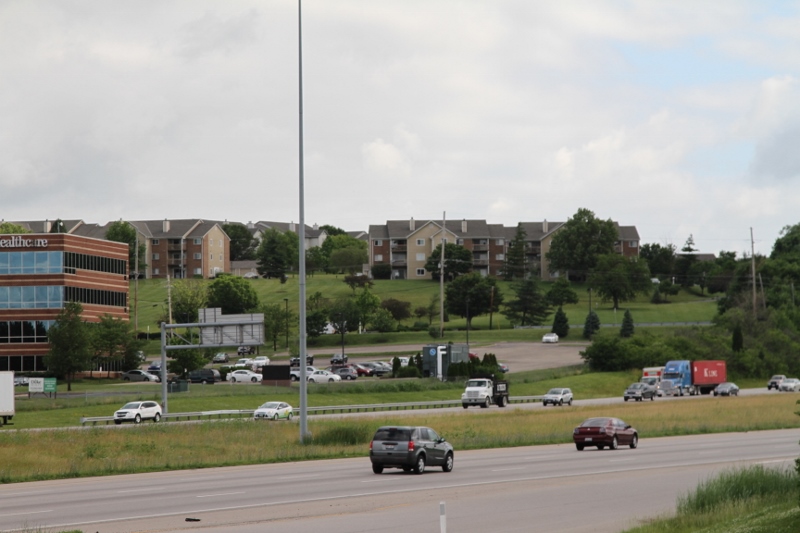
    So here’s the challenge of the next few decades. The aging sprawl in Green Township and similar nearby post war suburbs like White Oak, Sharonville, and Deer Park on the edge of Cincinnati aren’t aging well. Their roads and sewer systems are right at the point where they need complete overhauls and there’s no money for any of it. Don’t expect Columbus or Washington to send big checks because they’re broke too. The housing stock in these places is neither charming in a Norman Rockwell sort of way, nor sufficiently Mad Men modern. Their roofs, windows, kitchens, baths and furnaces all need replacing right about now and there isn’t a lick of insulation in most of them. Fifty years ago these suburbs were white middle class havens with their backs to inner city decay and race riots.

    IMG_6149 (800x533) IMG_6126 (800x533) IMG_6164 (800x533) IMG_6155 (800x533) IMG_6128 (800x533)

    Now newer more prosperous suburbs Like Mason and Beavercreek farther out attract wealthier residents looking for larger homes with all the latest bells and whistles along with premium public schools and lower taxes. Green Township has less than half the average family income of Mason. Homes in Green Township and other similar areas sell for $75,000 although many homes can be found for considerably less. Mason homes sell for north of $250,000 with many at much higher price points. Meanwhile downtown Cincinnati and Over-the-Rhine are rapidly gentrifying as people who prefer an urban environment reinvigorate long abandoned neighborhoods. The poor are being displaced in the process and they’re going to have to live somewhere. Given the trajectory of these shifts it isn’t looking good for the so-so suburbs in the middle distance. We can expect more “Fergusons” on the horizon although the particulars are unknowable at this time. This economically induced migration won’t be good for the poor either. They just spent the last few generations sucking up the desiccated crumbs of 19th Century industrialism and now they’re being shunted off to the stale left overs of 20th Century sprawl just in time for it to die.

    Screen Shot 2014-12-05 at 1.06.38 AM Screen Shot 2014-12-05 at 1.07.09 AM Screen Shot 2014-12-05 at 1.13.14 AM Screen Shot 2014-12-05 at 1.08.55 AM  IMG_9203 (800x600) IMG_9191 (800x600) IMG_9197 (1024x768) (800x600) Screen Shot 2014-12-05 at 1.14.02 AM Screen Shot 2014-12-05 at 1.11.41 AM Screen Shot 2014-12-05 at 1.05.23 AM Screen Shot 2014-12-05 at 1.09.52 AM Screen Shot 2014-12-05 at 1.11.59 AM Screen Shot 2014-12-05 at 1.11.18 AM

    But there’s hope for some of these places. Pressed up against both Cheviot and Green Township is Westwood, a former streetcar suburb that also uses Harrison Avenue (the old streetcar route) as its long-lost Main Street. Westwood was once an independent town, but was annexed by Cincinnati a hundred years ago. It fell out of favor beginning in the 1950’s when the streetcar was ripped up and shiny new subdivisions and shopping centers were built-in places like Green Township. Moving children out of Cincinnati public schools to another jurisdiction a mile away was one of the primary motivations as racial tensions in the city grew. Taxes were also lower in the new suburbs. (Is any of this ringing a bell?) Cincinnati has recently figured out that it can’t compete with Mason or Beavercreek for that particular share of the upscale suburban real estate market, but it’s looking at the success of Over-the-Rhine and wondering what the family friendly conservative Republican Catholic version of revitalization might look like in Westwood. In other words, what can parts of Cincinnati provide in the way of a value-added “product” or “experience” in their century old neighborhoods of single family homes that Mason can’t. There’s a chance that Westwood’s competitive advantage might just be walkability and historic charm. The city adopted a form based code for this part of Westwood and has been investing money in the schools and parks with plans to create a town square in what is now an awkward triangular intersection next to the Carnegie library. There are also existing businesses and subtle interdependent institutions that simply don’t exist out in new suburban locations. If you want your cello or violin repaired you’re not going to find that sort of thing at the mall between the food court and the Sunglass Hut. A more pedestrian oriented Westwood with unique family oriented destinations and activities could be an engine that pulls the area in a better direction. Sooner or later all those Hipsters downtown are going to start getting married and having kids and their going to want a house with a patch of garden. There could be an advantage to having that life three miles from downtown instead of twenty-two miles out in Mason. On the other hand, Westwood could simply languish and be dragged down by the failing sprawl that surrounds it. It could go either way. Time will tell.

    John Sanphillippo lives in San Francisco and blogs about urbanism, adaptation, and resilience at granolashotgun.com. He’s a member of the Congress for New Urbanism, films videos for faircompanies.com, and is a regular contributor to Strongtowns.org. He earns his living by buying, renovating, and renting undervalued properties in places that have good long term prospects. He is a graduate of Rutgers University.

  • Good Enough Urbanism: Faster, Cheaper, Smarter

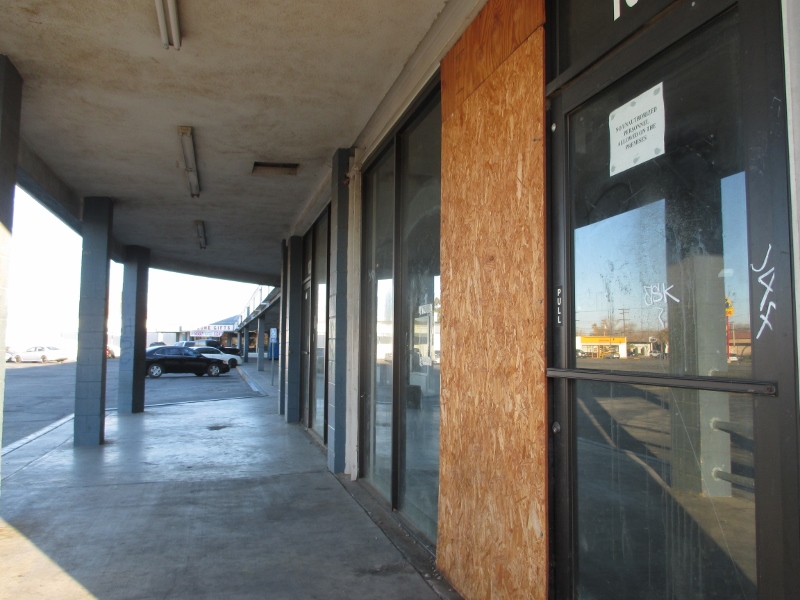
    There’s plenty of blight out there. Inner city blight, failing suburban blight, long lost rural small town blight… empty storefronts, boarded up buildings, dead streets. There’s simply no government program that’s going to bring these places back to life. No Wall Street investment scheme is likely to revive these places. Developers have no economic incentive to do anything with these buildings. Banks are risk averse and will not fund investments here. However, many of these forlorn spots exist within otherwise populated and potentially healthy neighborhoods. They may have been passed over when a nearby highway was extended or bled dry by big box stores and chain restaurants. But they could be pressed into service once again if enough people colonize them in creative ways – assuming the local authorities hold back on the usual mindless code enforcement.

    Screen Shot 2014-12-02 at 2.33.40 AM Screen Shot 2014-12-02 at 2.17.26 AM Screen Shot 2014-12-02 at 2.17.11 AM

    I’ve heard many local economic development people and city planners tell me they can’t force people to do anything they don’t want to do. True enough. But, man can they shut people down in a hurry for a whole lot of ridiculous minutiae for no good reason. So towns need to ask themselves if they want to continue to deteriorate for the sake of adhering to all the accumulated and often archaic rules that may not even make sense anymore, or if they want reinvestment and vitality. Keep in mind, this sort of reinvention may not exactly look like a Gap, a Starbucks, or a Nordstrom, but that doesn’t mean it isn’t employing people and creating an environment that can start turning a neighborhood around.

    unnamed-14 unnamed-12 5 2

    Wherever I go I seek out examples of people who carve out a little business or useful community space in the midst of an otherwise uninspiring environment. Here are a few examples. Have you ever dreamed of opening up a shop of some kind? Many people do. But then you start to think about the high rent in a good part of town, and the regulations… The need for a handicap accessible public bathroom, a federally inspected commercial kitchen, insurance, a dozen pieces of paper covered in stamps from who-knows-what bureaucracies: permits, licensing fees, certifications, public notifications… Just thinking about the process stops most people cold. And then they find themselves working as an assistant manager at a chain for slightly above minimum wage.

    Screen Shot 2014-12-02 at 2.15.08 AM Screen Shot 2014-12-02 at 2.16.14 AM
    Screen Shot 2014-12-02 at 2.15.35 AM Screen Shot 2014-12-02 at 2.15.24 AM

    These folks just skipped the whole asking-for-permission part and started working on a shoestring budget. They gave the garage a fresh coat of pain, got some inexpensive second hand furniture, flung open the doors, put out a sign, and started selling flowers. If the business fails they haven’t lost much – and at least the garage is finally clean and organized. If the shop is successful they can eventually work their way up to the full ADA, OSHA, and DOT gold standard with minimum parking ratios and energy efficiency compliance. But that can come later. Towns have to choose. Do they want to tolerate this sort of thing or shut it down immediately? It tends to come down to the “property values” folks objecting to the “trashy” nature of such establishments. In the end it’s all a matter of self-selecting populations agreeing on what is acceptable in their neighborhood and what isn’t. Some places will roll with it and others won’t. Fair enough.

    Screen Shot 2014-12-02 at 2.31.03 AM Screen Shot 2014-12-02 at 2.28.41 AM Screen Shot 2014-12-02 at 2.29.41 AM 
    Screen Shot 2014-12-02 at 2.30.12 AM

    Screen Shot 2014-12-02 at 2.28.58 AM Screen Shot 2014-12-02 at 2.29.20 AM Screen Shot 2014-12-02 at 2.28.33 AM Screen Shot 2014-12-02 at 2.28.13 AM Screen Shot 2014-12-02 at 2.28.03 AM Screen Shot 2014-12-02 at 2.29.34 AM

    Here’s a small town coffee shop with a big mostly vacant gravel parking lot that’s been set up as a family gathering place. People can come here, get a sandwich, something to drink, a pastry, and linger with other people from the neighborhood. The shipping containers are both secure storage for the cafe’s supplies, as well as the walls of an outdoor play area for kids. The picnic tables, shade structures, bicycle racks… none of it is expensive. A liability lawyer and insurance adjuster could have a field day with this place. But so far there have been no deaths or mutilations – except for out on the highway in front. But those folks were in cars and had nothing to do with the coffee shop or playground. (I don’t see the county shutting down the highway.)

    Screen Shot 2014-12-07 at 3.03.59 AM Screen Shot 2014-12-07 at 3.03.12 AM Screen Shot 2014-12-07 at 2.59.01 AM Screen Shot 2014-12-07 at 2.59.31 AM Screen Shot 2014-12-07 at 3.00.52 AM

    Screen Shot 2014-12-07 at 3.01.32 AM
     Screen Shot 2014-12-07 at 2.59.11 AM

    Around the corner from my apartment there’s a German Lutheran church that puts on a beer garden in their parking lot at Christmas. There’s a mix of expatriate Germans (in jeans and T-shirts) and local German-Americans (in lederhosen and fedoras) along with the usual San Francisco Hindus, Buddhists, and seriously lapsed Catholics (that would be me), but all are welcome. The beer, bratwurst and kitsch oompah band are all pretty good.

    Screen Shot 2014-12-03 at 7.22.42 PM Screen Shot 2014-12-07 at 3.44.27 AM
     Screen Shot 2014-12-07 at 3.43.32 AM Screen Shot 2014-12-03 at 7.22.28 PM Screen Shot 2014-12-07 at 3.45.10 AM

    This is Alfonso’s Cafe. It’s basically a shed in an old parking lot in a not-so-great suburban location. He set out some patio furniture, potted plants, and a shade structure and he manages to earn a respectable living. No one will ever confuse Alfonso’s place with a Parisian cafe, but it gets the job done and truly makes his neighborhood a better place compared to a dead parking lot. It’s Good Enough Urbanism. If all goes well Alfonso may eventually graduate to something bigger and more substantial. If he had to start with the entire armature of a full scale restaurant he may never have been able to pull together the money to get started. Alfonso’s Cafe is actually an in-between step, one level above a push cart or food truck, but one step down from something bigger and fancier.

    My point is that many of the just-scraping-by locations are ripe for reinvention as incubators for small family owned mom and pop businesses if the local authorities cut folks some slack. Not everything will work, but there isn’t much to lose in trying.

    John Sanphillippo lives in San Francisco and blogs about urbanism, adaptation, and resilience at granolashotgun.com. He’s a member of the Congress for New Urbanism, films videos for faircompanies.com, and is a regular contributor to Strongtowns.org. He earns his living by buying, renovating, and renting undervalued properties in places that have good long term prospects. He is a graduate of Rutgers University.

  • Cities: Better for the Great Suburbanization

    Where Cities Grow: The Suburbs

    The massive exodus of people from rural areas to urban areas over the past 200 years has been called the "great urbanization." For more than two centuries, people have been leaving rural areas to live in cities (urban areas). The principal incentive has been economic. But most of this growth has not taken place close to city centers, but rather on or beyond the urban fringe in the suburbs (and exurbs). Appropriately, The Economist magazine refers to the urbanization trend as the "great suburbanization," in its December 6, 2014 issue (PLACES APART: The world is becoming ever more suburban, and the better for it).

    The preponderance of suburban growth is evident in high income world metropolitan areas. For decades, nearly all growth in nearly all cities has been in the suburbs. Some notable examples are London, Toronto, San Francisco, Portland, Tokyo, Zürich, and Seoul. The dominance of suburban growth is also evident in the major cities of the less developed world, from Sao Paulo and Mexico City, to Cairo, Manila, Jakarta, Beijing, and Kolkata (see the Evolving Urban Form series). The Economist describes the substantial spatial expansion of residences and jobs in Chennai (formerly Madras), a soon-to-be megacity in India.

    Growing Cities Become Less Dense

    The Economist quotes New York University geographer Shlomo Angel, whose groundbreaking work (such as in Planet of Cities) indicates that "almost every city is becoming  less dense." Angel also shows that, contrary to the popular perception of increasing densities, cities become less dense as they add more population. This extends even to the lowest income cities, such as Addis Abeba (Ethiopia), where the population has increased more than 250 percent since the middle 1970s, while the urban population density has declined more than 70 percent. The rapidly growing cities of China exhibit the same tendency, where, according to The Economist: "Mr. Angel finds that population densities tend to drop when Chinese cities knock down cheaply built walk-up apartments and replace them with high towers."

    Suburbs in the United States

    In the United States, The Economist says that more than half of Americans live in suburbs. In fact, this is an understatement, owing to the common error of classifying "principal cities" as urban core, when many are, in fact, suburban. The Office of Management and Budget established the "principal cities" designation to replace the former "central city" versus suburb classification. This was in recognition of the fact that employment patterns in US metropolitan areas had become polycentric, with suburban employment centers, which along with central cities were designated as "principal cities."

    The absurdity of using "principal cities" as a synonym for central cities is illustrated by the broad expanses of post-1950 suburbanization now classified, with genuine core cities like New York or Chicago, as principal cities such like Lakewood, New Jersey (New York metropolitan area), Hoffman Estates (Chicago), Mesa (Phoenix), Arlington (Dallas-Fort Worth), Reston (Washington) and Hillsboro (Portland). In fact more than 85 percent of major metropolitan area (over 1 million population) residents live areas that are functionally suburban or exurban according to our small area analysis ("City Sector Model").

    Urban core growth rates have improved since 2010, which is an encouraging sign. Yet, core city jurisdictions account for less than 30 percent of metropolitan area growth, as Richard Morrill has shown. The Economist points out factors that could prevent this long overdue improvement from being sustained in the future.

    • Schools are "still often dire in the middles of cities," according to The Economist. Any hope of keeping most young families as they raise children seems impossible until core cities take on the politically challenging task of school reform.
    • The Economist also notes the huge government employee pension obligations of some large core cities, suggesting the necessity of cutting services or raising taxes. "Both answers were likely to drive residents to nearby suburbs, making the problem worse. No number of trams, coffee shops or urban hipsters will save cities that slip into this whirlpool." The Economist specifically cites Chicago and New York, but could have added many more examples both in this country and outside.

    Limiting Sprawl and Limiting Opportunity

    The Economist is refreshingly direct in its characterization of attempts to stop urban spatial expansion ("urban sprawl"). "Suburbs rarely cease growing of their own accord. The only reliable way to stop them, it turns out, is to stop them forcefully. But the consequences of doing that are severe."  The Economist: chronicles the experience of London, with its "greenbelt" ("urban growth boundary"): "Because of the green belt London has almost no modern suburban houses and very high property prices."

    The social consequences have been massive. "The freezing of London’s suburbs has probably aided the revival of inner-London neighbourhoods like Brixton. It has also forced many people into undignified homes, widened the wealth gap between property owners and everyone else, and enriched rentiers." Housing is typically the largest share of household expenditures and raising its price reduces discretionary incomes, while increasing poverty. In London, The Economist says that "To provide desperately needed cheap housing, garages and sheds there are being converted into tiny houses," quoting historian John Hickman who calls them “shanty towns”.

    Higher house prices and lower discretionary incomes are not limited to London. Among the 85 major metropolitan areas covered in the 10th Annual Demographia International Housing Affordability Survey, all 24 of those with "severely unaffordable" housing have London-style land-use regulation or similar land use restrictions. These financial reverses are not limited to suburban households, since urban containment policies are associated with substantial house price increases in urban cores as much as in suburbs.

    "Doom Mongering" About the Suburbs

    Oblivious to this revealed preference for residential and often commercial suburban location, many retro – urbanists, including many well placed, have viewed the suburbs with "concern and disdain," according to The Economist. Since the Great Financial Crisis, The Economist notes that this has turned to "doom-mongering."

    The Economist summarily dismisses suburban doom doctrine: "Those who argue that suburbia is dying are wrong on the facts; those who say it is doomed by the superiority of higher-density life make a far from convincing case."

    The Future

    In the editorial leader, The Economist, suggests: A wiser policy would be to plan for huge expansion. Acquire strips of land for roads and railways, and chunks for parks, before the city sprawls into them.

    The Economist adds: This is not the dirigisme (government planning) of the new-town planner—that confident soul who believes he knows where people will want to live and work, and how they will get from one to the other. It is the realism needed to manage the inevitable.

    The Economist continues that the suburbs have worked well in the West and are spreading, concluding that: We should all look forward to the time when Chinese and Indian teenagers write sulky songs about the appalling dullness of suburbia.

    Wendell Cox is principal of Demographia, an international public policy and demographics firm. He is co-author of the "Demographia International Housing Affordability Survey" and author of "Demographia World Urban Areas" and "War on the Dream: How Anti-Sprawl Policy Threatens the Quality of Life." He was appointed to three terms on the Los Angeles County Transportation Commission, where he served with the leading city and county leadership as the only non-elected member. He was appointed to the Amtrak Reform Council to fill the unexpired term of Governor Christine Todd Whitman and has served as a visiting professor at the Conservatoire National des Arts et Metiers, a national university in Paris.

    Photo: Suburban Ho Chi Minh (Saigon), by author

  • Voting With Your Feet: Aaron Renn’s New Donut

    Growing up I remember the adults talking about the old neighborhood in Brooklyn where my grandparents lived during the Great Depression and World War II. In spite of the hardships of the era it was described as a great place full of life and colorful characters and extended family all on the same block. But by the time I was born no one we knew lived there anymore. My family was part of the great suburban migration away from cities. By 1967 (the year of my birth) New York, like most cities, had begun to fail. There were race riots, rapidly rising crime rates, strikes of every kind, unemployment, terrible public schools, a near bankrupt city hall, declining property values, high taxes, and a general sense that the city wasn’t any place to raise children or grow old. People voted with their feet. The Good Life existed exclusively in clean, quiet, leafy suburbs – many of which like Scottsdale or Orlando weren’t even attached to an historic urban core.

    But today we’re seeing the economic and cultural revival of many of the city centers that had been declared dead. Boerum Hill, Brooklyn where my mom was born is now a million dollar address. Absolutely no one could have imagined that in 1974 or 1987. At the same time race riots and economic decline are now unraveling many poorly aging suburbs – precisely the same suburbs that were insulated middle class enclaves in 1969 or 1985. That’s not to say that all downtowns are bouncing back or that all suburbs are failing. There’s a big difference between Detroit that’s still contracting and San Francisco with an economy that’s actually overheating. And no one would put Short Hills, New Jersey in the same category as Ferguson, Missouri. But the waters are murkier than they used to be. Statistically, there are now more Americans living in poverty in the suburbs than in city centers or rural backwaters. This makes sense since the vast majority of the built environment consists of low density development and that’s where the overwhelming majority of all people of every kind now live. And it’s no longer true that the suburbs are all white. Many of the most ethnically diverse places in the country are now suburban rather than urban. The new Chinatowns, Koreatowns, and Little Indias are much more likely to exist in suburban cul-de-sacs than in city centers.

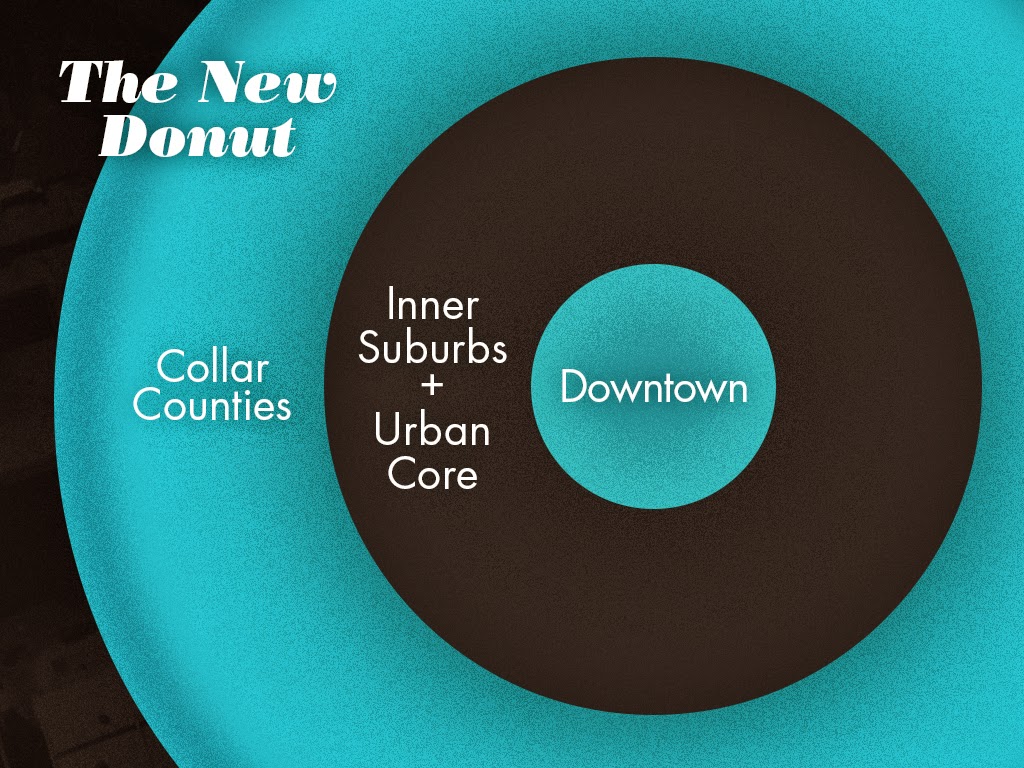
    The challenge faced by many regions today is described beautifully by Aaron Renn here. The old model of urban poverty and suburban prosperity (the sweet fluffy “donut” with a dead center) has been replaced by what Mr. Renn calls the New Donut with a thriving downtown core, failing older suburbs, and booming new outer ring suburbs. Poverty then reappears out in the rural hinterlands.

    NewDonutUrbanophile.com

    I occasionally get critical comments from readers who dismiss my observations. One of my stories about a declining suburban neighborhood in southern California was re-posted on newgeography.com (a website I respect and enjoy) and it attracted these comments here. They can best be summed up as, “Dude, you’re a busybody from Planet San Francisco who knows nothing about the real lives of real people.” The comments assume that the suburbs are doing just fine and any attempt to tinker with them by pointy-headed urban theorists will only make things worse. In many instances I completely agree. There are examples of infill suburban development all over the country and most of them are pretty crappy. See my post here for specific case studies. But the default setting of the suburban development pattern is designed to actively fail over time. Doing nothing is a sure recipe for continued decline. Let me explain.

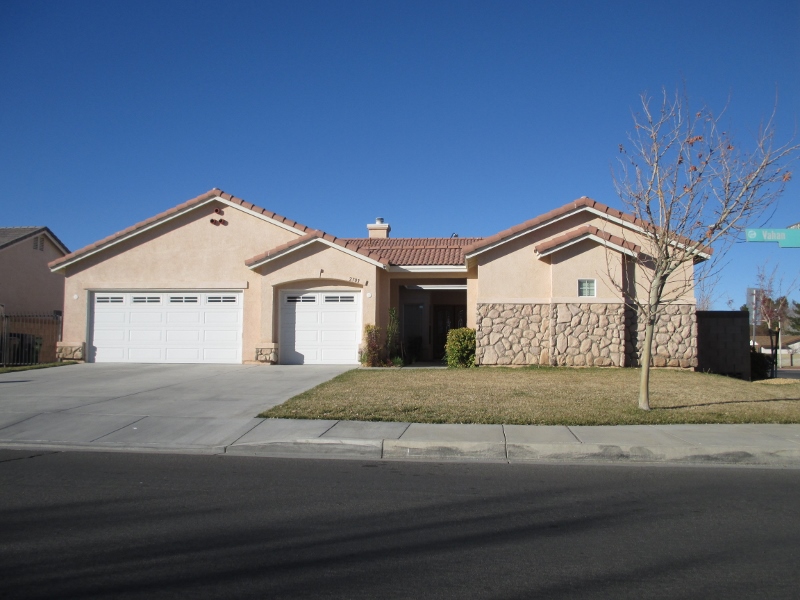
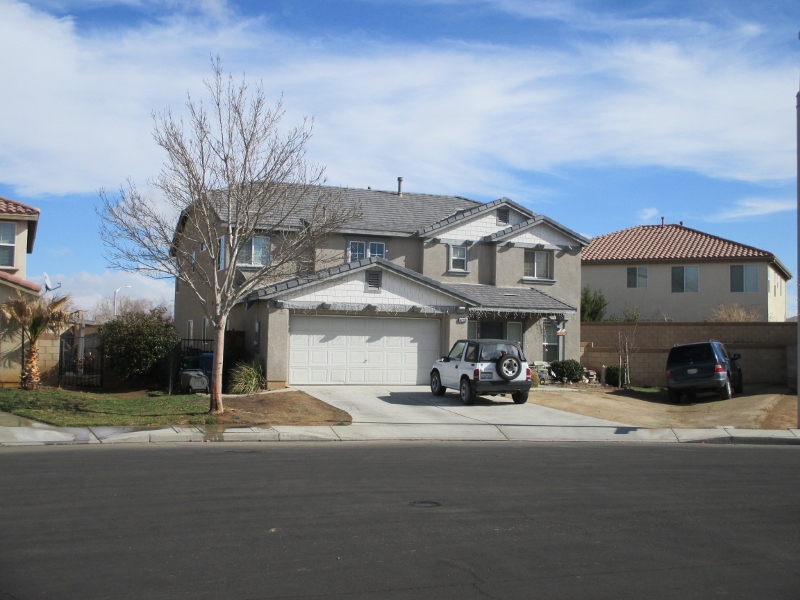
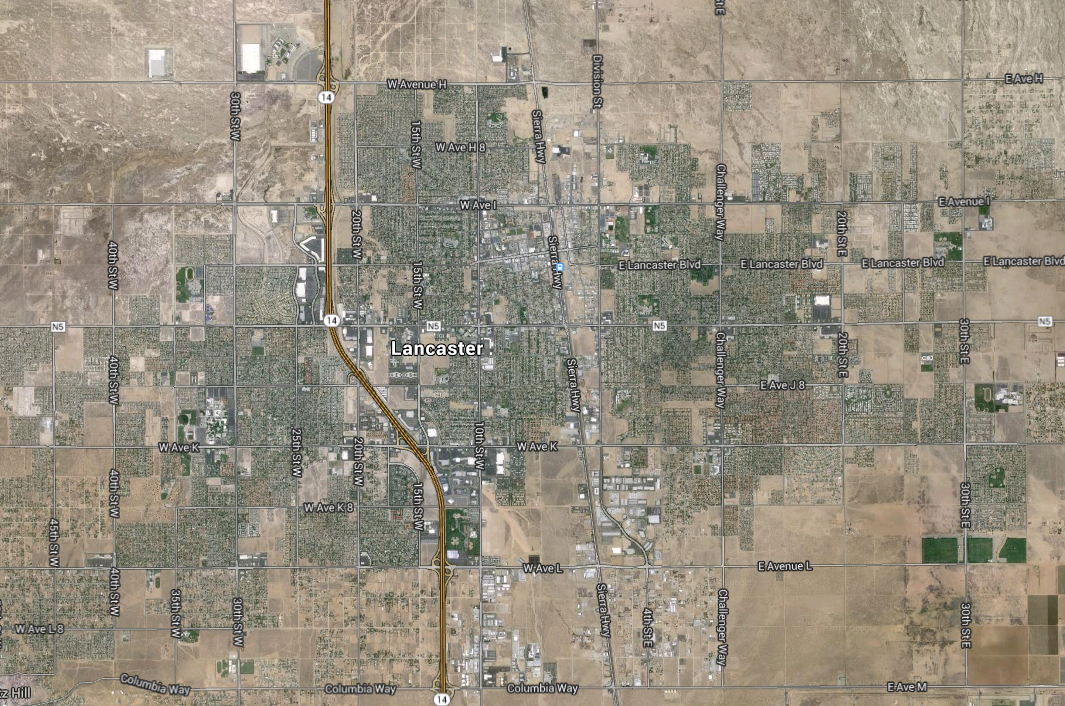
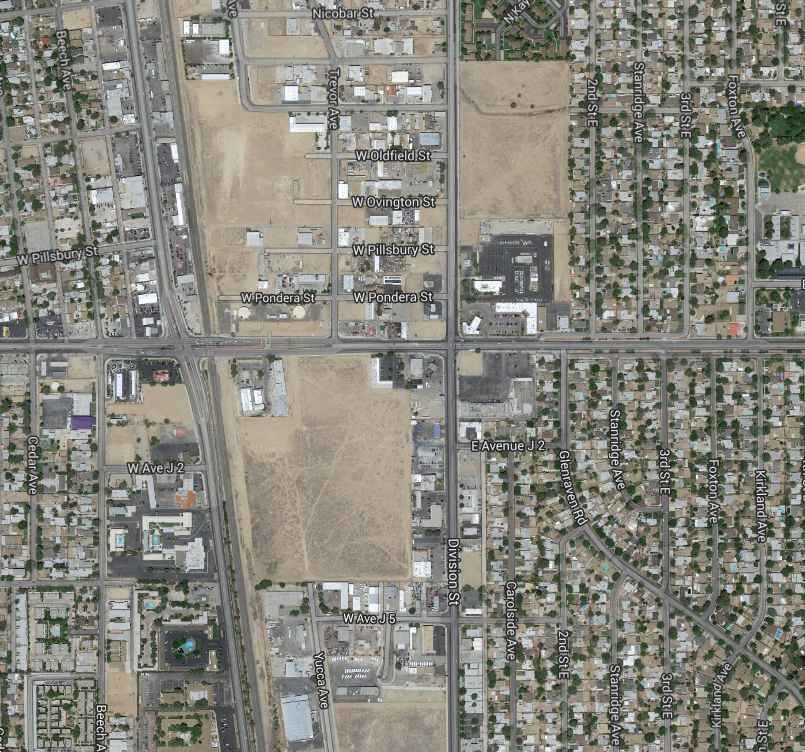
    Screen Shot 2014-11-29 at 1.30.16 AM Palmdale, Lancaster 056 (800x600) Lancaster, Palmdale 039 (800x600) Lancaster, Palmdale 078 (800x600)  Screen Shot 2014-11-29 at 2.57.17 AMScreen Shot 2014-11-29 at 2.58.26 AM Screen Shot 2014-11-29 at 2.58.59 AM Screen Shot 2014-11-29 at 2.52.58 AM

    Each new shiny subdivision, shopping center, and office park built out on the edge of town (often in a different school district or municipality) draws more prosperous and mobile residents along with new revenue from fresh growth. Meanwhile smaller older tract homes, aging strip malls, and even churches lose value as they age. Taxes are generally lower in newly built areas since legacy costs for infrastructure and government employees hasn’t yet accumulated. In contrast, older suburban areas are loaded down with maintenance costs, underfunded pensions, rising health care costs, and declining revenues. The public schools wobble, lower income people migrate to the neighborhood, home owners are replaced by renters with slum lords, and the whole thing goes south pretty fast. People, of course, respond by voting with their feet.

    Lancaster, Palmdale 513 (800x600) Screen Shot 2014-11-29 at 1.24.25 AM Screen Shot 2014-11-29 at 1.26.24 AM Lancaster, Palmdale 526 (800x600) Lancaster, Palmdale 529 (800x600) Lancaster, Palmdale 548 (800x600) Screen Shot 2014-11-29 at 2.31.13 AM Screen Shot 2014-11-29 at 2.30.56 AM Screen Shot 2014-11-29 at 2.31.43 AM  Screen Shot 2014-11-29 at 2.27.47 AM

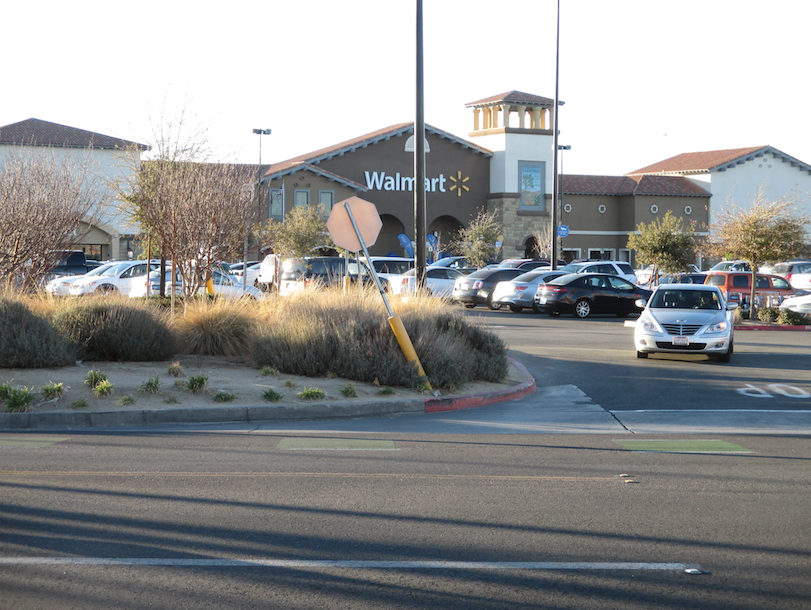
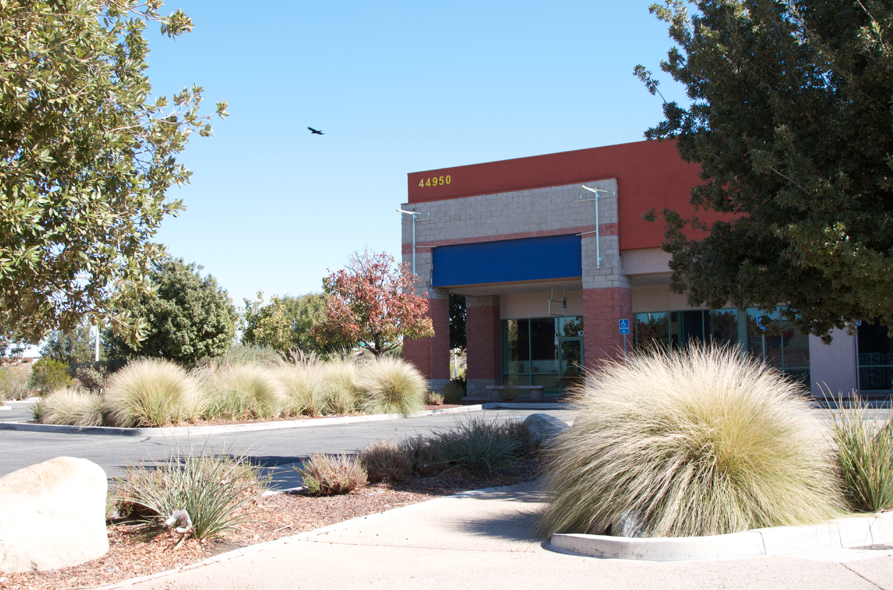
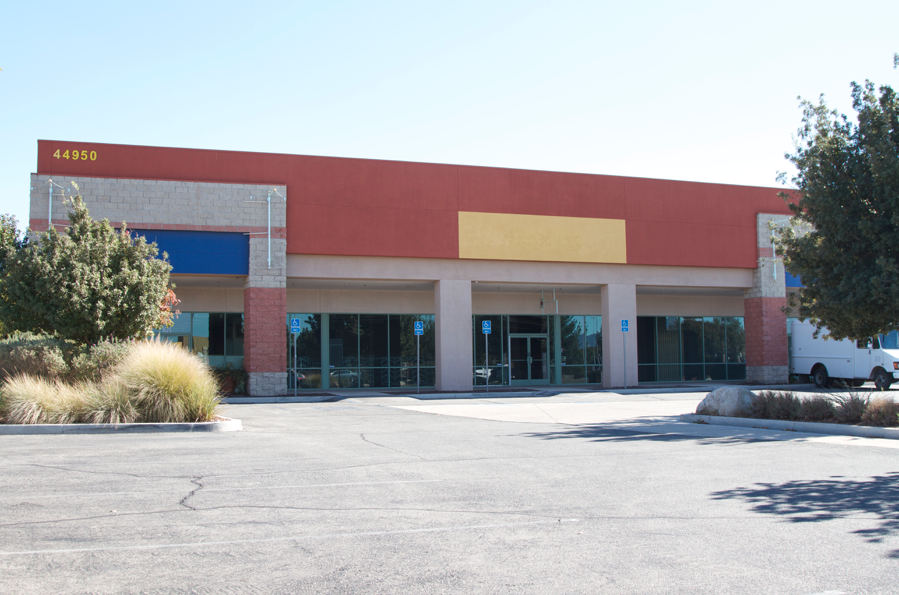
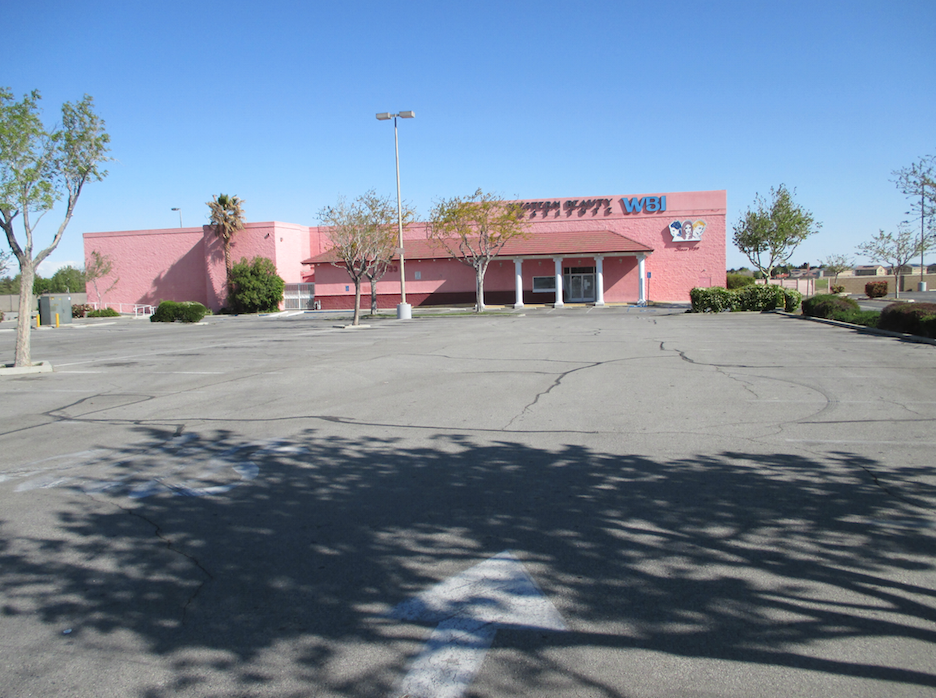
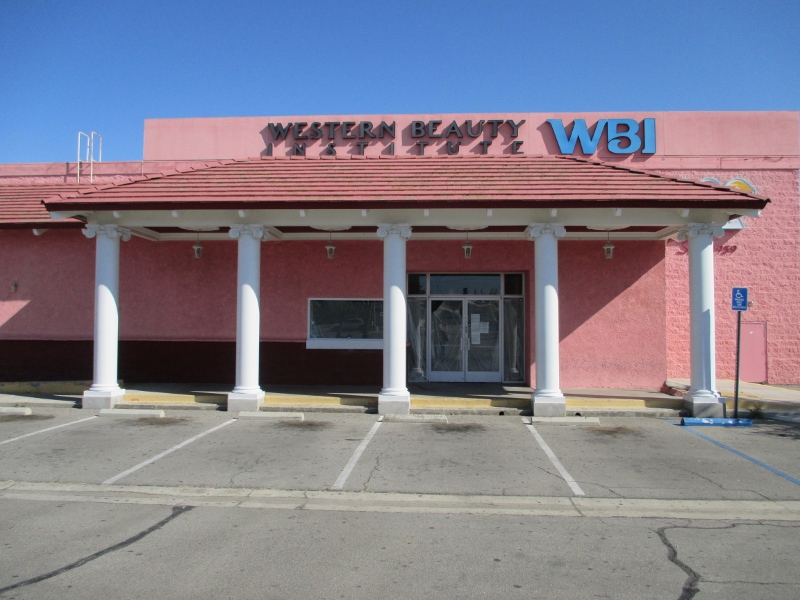
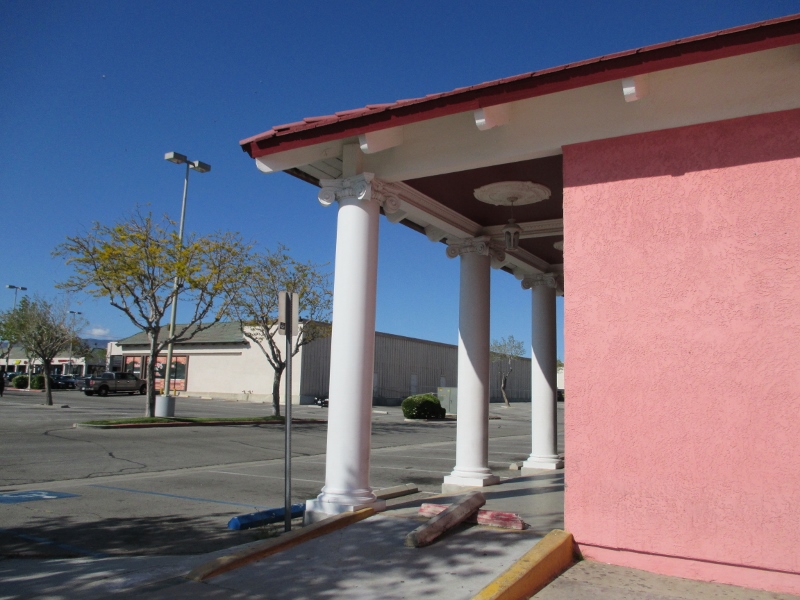
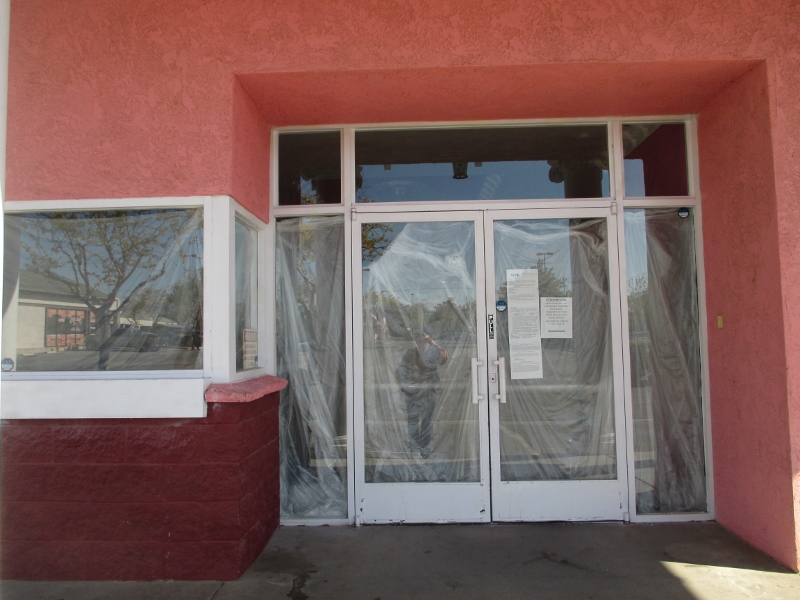
    If you want to see the in-between stage of this process check out the 1980’s and 1990’s retail centers. The strip malls are still freshly painted and the landscaping is well maintained, but most of the storefronts are empty. There’s just too much retail space on offer with too few businesses looking to fill it. This isn’t a result of a temporary economic downturn. It’s a feature of never-ending outward expansion. Some property owners have tried to reinvent their commercial space in creative ways. The old movie theater failed when the new multiplex opened up on the edge of town. The concrete bunker was painted pink and decorated like a Greek temple and turned into a beauty school. The school eventually failed and the building is now empty like so many other older retail properties in town. It’s obvious what these places will be like after another decade or two. These aren’t isolated instances. This is the inevitable result of a particular style of horizontal development. So what exactly do you do with all this stuff to prevent it from falling apart?

    Screen Shot 2014-11-29 at 5.38.19 PM Screen Shot 2014-11-29 at 5.38.50 PM Screen Shot 2014-11-29 at 5.38.58 PM Screen Shot 2014-11-29 at 5.39.14 PM Screen Shot 2014-11-29 at 5.06.23 PM Palmdale, Lancaster 018 (800x600) Palmdale, Lancaster 015 (800x600) Palmdale, Lancaster 017 (800x600) Palmdale, Lancaster 021 (800x600)

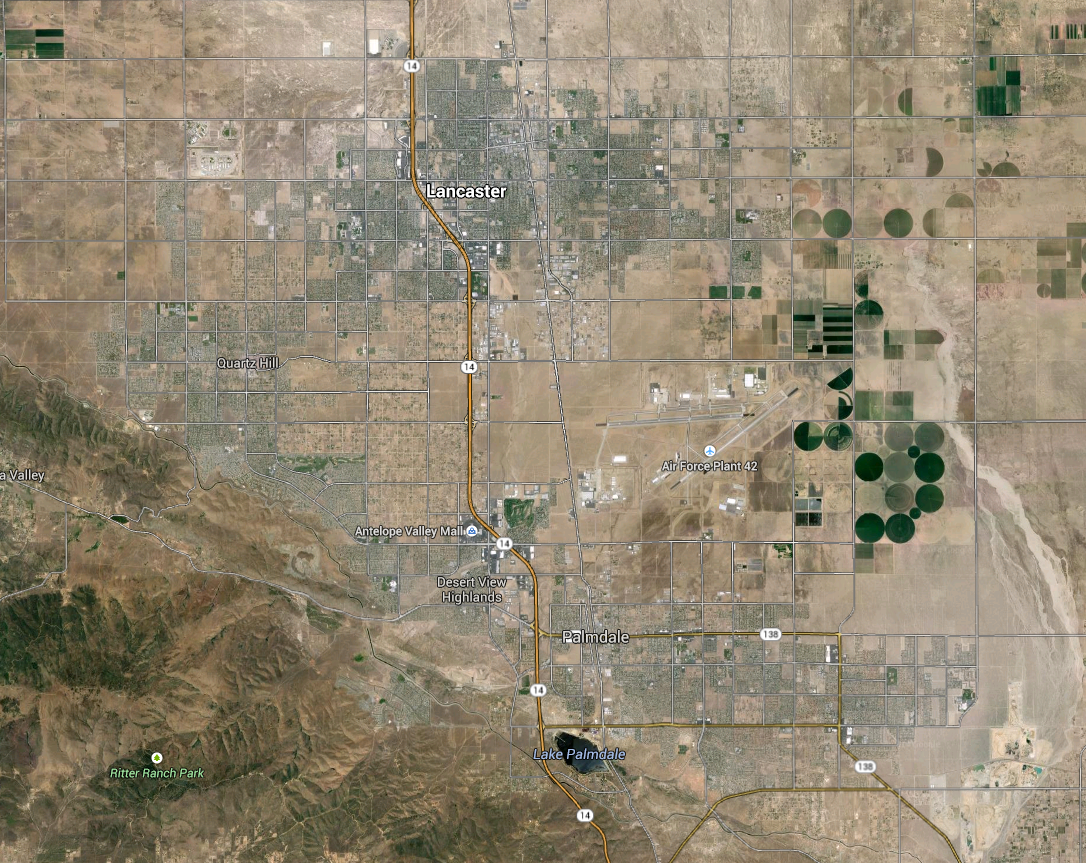
    I had previously used the Antelope Valley in California as an example. The typical response by many civic leaders is to encourage new job creation and new retail sales to fill the public coffers. But even when new businesses do open and jobs are created it doesn’t really help the older neighborhoods recover. People looking for good places to raise their children or retire gravitate toward the newer parts of town – or more likely the next town over. People who want urban amenities like street life and culture generally flee the region entirely for a real city. If you drill down on these older neighborhoods on Google Earth you realize that there’s still plenty of undeveloped land, but since it’s in the wrong part of town it isn’t likely to ever see new five bedroom homes with swimming pools or upscale retail. Any suggestion that these districts could be reinvented with a downtown flavor to give people the option of a walkable urban neighborhood is met with stiff resistance from nearly everyone. It’s just not what people in the area want. So these places continue to fester. That’s not the opinion of a pointy headed urban theorist. It’s just an observable fact. This process is brilliantly articulated by the fiscal conservative Chuck Marohn from strongtowns.org here.

    Screen Shot 2014-11-29 at 1.21.08 AM Screen Shot 2014-11-29 at 1.20.45 AM Screen Shot 2014-11-29 at 1.20.25 AM Google Earth

    So let’s get back to that criticism about “busybodies from Planet San Francisco” telling people in the suburbs what to do. I’m observing a fact. The fact is that many suburbs are aging poorly and turning into slums. As city centers gentrify the poor are being displaced and they are finding their way to these failing suburbs because they’re cheap. So what have local governments like Lancaster and Palmdale been doing in response to the decline of their older suburban neighborhoods? Well… as lower income people migrated to the Antelope Valley from other parts of Los Angeles County both cities began an aggressive code enforcement program directed at discouraging poorer people from settling in the area. If you read the local Antelope Valley Times here the mayor of Lancaster, Rex Parris, praised the fraud investigation officials who were wrongly terminated by Los Angeles County bureaucrats. If you read the Los Angeles Times here both Lancaster and Palmdale were systematically raiding the homes of lower income black and latino citizens with SWAT style teams of heavily armed police looking for minor code violations and instances of fraud.

    No one in particular is causing this demographic shift to happen, although liberals like to blame conservatives and conservatives like to blame liberals. Mostly it’s Adam Smith’s Invisible Hand of The Market. Eliminating all state and federal programs wouldn’t change the basic pattern. In fact, these migrations might actually accelerate in an all-out unfettered marketplace. When people can’t sell their homes they turn to renting. When they can’t find solvent renters they turn to Section 8 subsidized renters. If the Section 8 program didn’t exist the homes would eventually become so cheap that the same poorer demographic would ultimately fill the neighborhood anyway and/or the buildings would sit empty and rot. So the question is simple. How do you prevent this cycle of devaluation from happening to your town? Or how do you reverse the process if it’s already begun?

    Palmdale, Lancaster 083 Palmdale, Lancaster 082

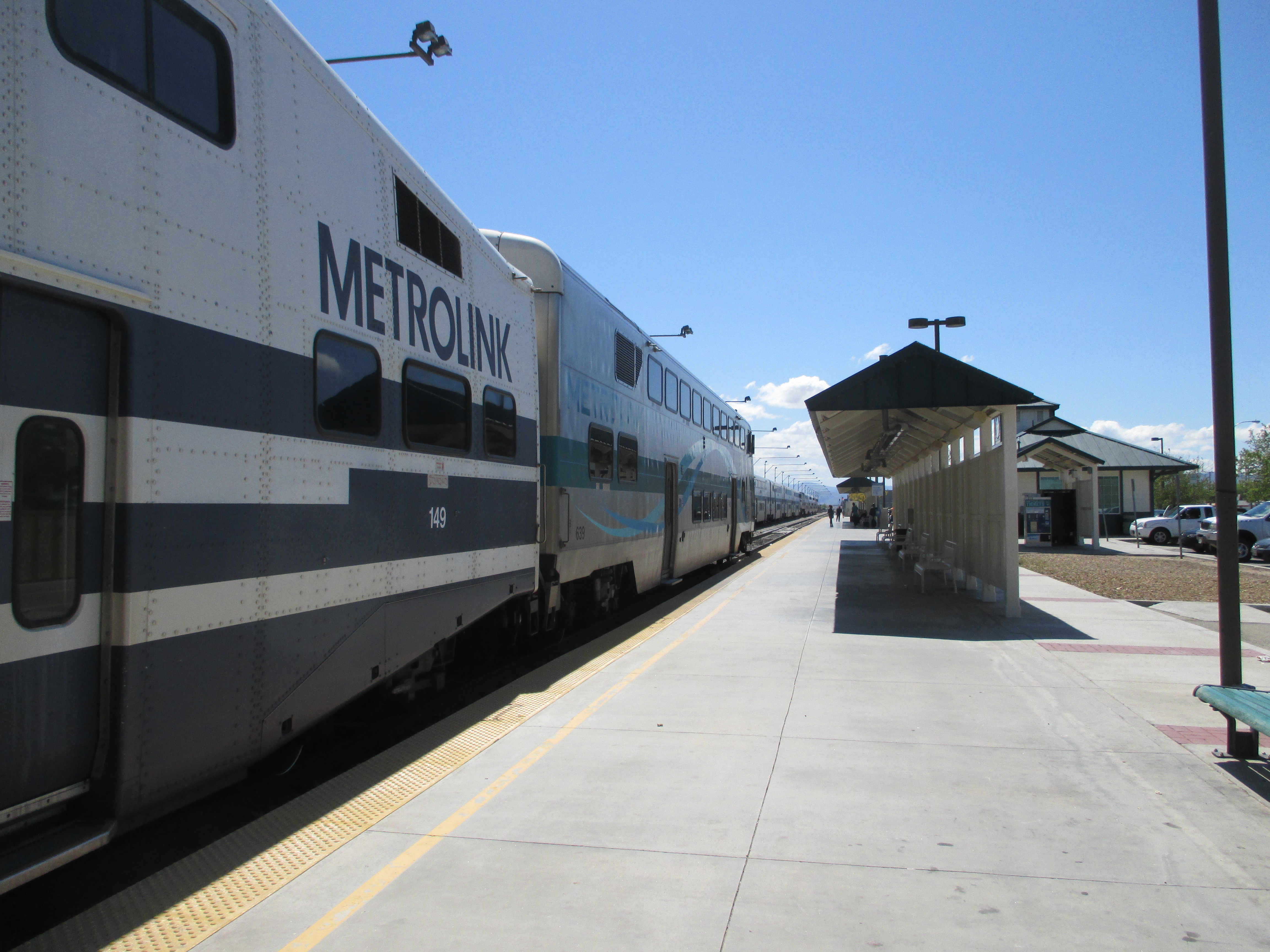
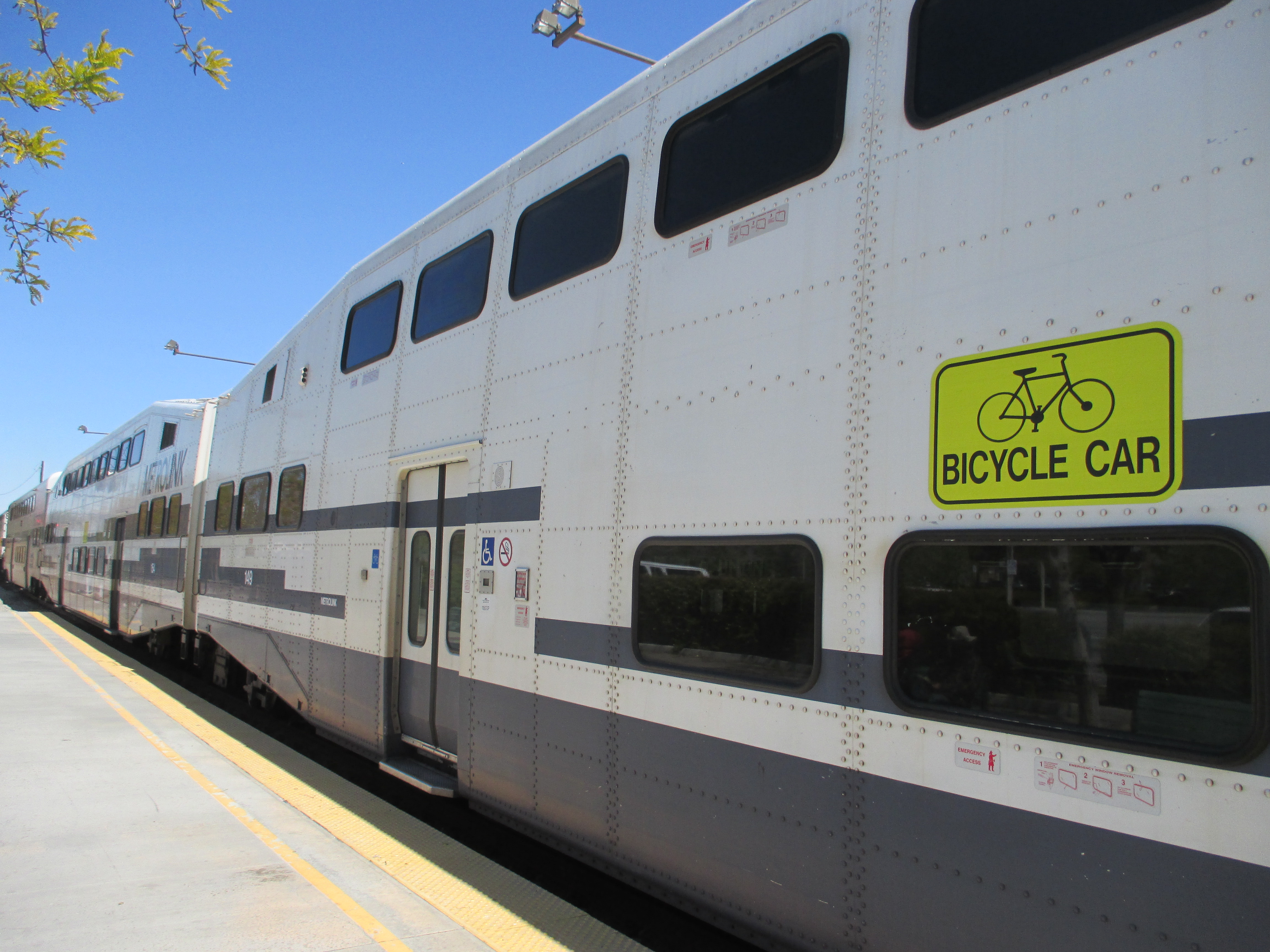
    The most recent “solution” was for the city of Lancaster to propose shutting down its MetroLink rail station in order to prevent lower income people from traveling in from other parts of Los Angeles County. That approach plays well with suburban voters, but has no real effect on the larger trend. The idea that low density development and a lack of public transit prevents blight and crime just doesn’t hold up in reality. In the same way, creating a walkable mixed use slightly denser environment is neither a recipe for disaster or a cure-all. Many people assume that limiting growth with artificial boundaries raises costs by squeezing people into a limited amount of space and unnaturally jacking up rents and the cost of home ownership. In order to keep homes affordable new growth out on the edge must constantly be built. The dark side of that theory is that it’s impossible to prop up the value of older subdivisions if there’s an endless supply of new housing coming on the market.

    I don’t expect the good people of the Antelope Valley to make any radical changes to the way they organize their affairs anytime soon. But I do expect many people to continue to vote with their feet and move away, taking their money and civic engagement with them. If these towns are incredibly lucky they will eventually be colonized by a new group of people who reinvest in these tired old neighborhoods. But I might not live long enough to see the pendulum swing back.

    John Sanphillippo lives in San Francisco and blogs about urbanism, adaptation, and resilience at granolashotgun.com. He’s a member of the Congress for New Urbanism, films videos for faircompanies.com, and is a regular contributor to Strongtowns.org. He earns his living by buying, renovating, and renting undervalued properties in places that have good long term prospects. He is a graduate of Rutgers University.

    New and Old Donut graphics courtesy of Urbanophile.com.

  • Las Vegas: The Once and Future Downtown Project

    There’s been a lot in the news lately about the troubles plaguing Tony Hsieh’s Downtown Project in Las Vegas. The latest is a longish report in the Guardian, which notes:

    Yet by late September of this year, the press – especially the technology press – had begun asking some serious questions, as the Downtown Project suddenly laid off 30 people – 10% of the total it then directly employed. Alongside portentous headlines announcing this “bloodletting” appeared claims that Hsieh had “stepped down” from his position of leadership of the project. A damning open letter from the Downtown Project’s former “director of imagination”, David Gould, called the operation from which he had just resigned “a collage of decadence, greed and missing leadership … There were heroes among us,” he added, “and it is for them that my soul weeps.”

    Technology web site Re/code also ran a seven part series on the Downtown Project, some of it unflattering, including a part focused on a spate of suicides there, and other on about a prominent failed startup.

    I made the obligatory pilgrimage to the Downtown Project in 2013 and wrote up my observations in a three part series, of which you can read part onepart two and part three.

    I noted at the time the audacity of one project trying to completely transform a place like downtown Las Vegas:

    Las Vegas has the single most savagely bleak downtown of any major city I’ve ever visited. The Downtown Project is almost literally starting at zero. There are practically no assets. So anything that the Downtown Project accomplishes needs to be seen against that backdrop. Most of these other cities have been at the downtown redevelopment game for 30+ years, have massive architectural and institutional assets, and have already been the recipients of untold billions in investment, much of it public money.

    I also mentioned that the accolades the project had received in the press were disproportionate to the actual accomplishments to date:

    Honestly, it’s a bit infuriating as a guy who lived in Indy, Louisville, and Providence to see a place where so little has happened garner such massive press and accolades when most other regions the size of Vegas have done more while getting far less attention.

    Indeed, it’s hard to think of a single downtown redevelopment effort that received as much glowing coverage as the Downtown Project. Not even Dan Gilbert’s Detroit efforts received such fawning attention. This is an accomplishment I’m not sure most people fully appreciate. Tony Hsieh was very savvy in using his status as a tier one entrepreneurial superstar, along with a bank of free “crash pad” apartments for visitors, to create buzz and publicity. Other cities should definitely stand up and take notice.

    However, the very success of the project on the PR front primed it for inevitable blowback when problems arose. As the Guardian piece notes, “The story fairly demands an apocalyptic ending.” The higher a star soars in the celebrity firmament, the more knives get drawn when anything disturbs the pristine image. The Guardian reporter also said, based on a very recent trip, that reports of the project’s demise are premature.

    So the Downtown Project has run into turbulence? Film at 11. Startups are hard, risky, trouble fraught endeavors. Tony went through multiple meat grinders in the past, and if you’ve read his book it’s by no means certain that Zappos would even survive. There were many times it could have gone under. Clearly the man has a massive appetite for risk, and the Downtown Project was certainly a risky and ambitious undertaking.

    The initial puffery was overblown. Time will tell if the blowback is as well. Success was always going to be difficult. I noted last year that the project was going against the grain of the DNA of Vegas as a city, was very reliant on “best practices” type solutions vs. the innovative cultural approach of Zappos, and that “curating” a city was inherently dubious. Yet I admire the ambition and believe they’ve done a lot of things right.

    I doubt that the project will ever realize the full, audacious vision that was laid out at the beginning. The commitment of Zappos to its downtown HQ probably prevents a complete flameout. But it may turn out that Tony was unwise to have so heavily promoted the project up front. That has more or less ensured that anything less than perfection will be judged as a failure. He set the bar so high, it is almost impossible to clear. Had there been more modest ambitions, then probably even incremental progress against the backdrop of the disaster zone that was downtown Las Vegas would have been seen as a win. But perhaps in one example of how the Downtown Project did match perfectly with the Vegas DNA, Tony Hsieh elected to pile all his chips on Red 14.

    Full Disclosure: I had previous financial relationships with Downtown Project related entities and stayed for free in one of their crash pads during my stay.

    Aaron M. Renn is an independent writer on urban affairs and the founder of Telestrian, a data analysis and mapping tool. He writes at The Urbanophile, where this piece originally appeared.

    Downtown Project photo by Eddie Codel.

  • The Curious Comeback Of U.S. Downtowns

    Perhaps nothing better illustrates the notion of urban revival in America than the comeback of many downtown districts. Yet if these areas have recovered some of their vigor, they are doing so in a manner that hardly suggests a return to their glory days in the first half of the 20th Century.

    Instead what’s emerging is a very different conceptualization of downtown, as a residential alternative that appeals to the young and childless couples, and that is not so much a dominant economic hub, but one of numerous poles in the metropolitan archipelago, usually with an outsized presence of financial institutions, government offices and business service firms.

    The good news: after an era of population declines, these areas are growing again: From 2000 to 2010, the downtown cores of the nation’s 51 metropolitan areas with populations over a milliongained slightly over 200,000 residents, or 1.3% of all the growth in the nation’s major metropolitan areas. However, 80% of that growth took place in just six cities — New York, Chicago, Philadelphia, Washington, D.C., Boston and San Francisco. In 18 of the 51 downtowns populations declined. Meanwhile, the population in the outer fringe of the 51 metro areas, 10 miles beyond downtown, grew by some 15 million.

    These trends appear to have continued into the initial stages of the current economy recovery. In a survey of 2011-2012 patterns, Trulia found a similar pattern of higher growth near the center, but even stronger growth rates on the fringes. As we have noted since 2000, the slowest growth took place in the close-in neighborhoods adjacent to the urban core.

    The better numbers reflect then not a mass “back to the city” movement but an uptick in the market appeal of city centers. And it’s unlikely that the old urban cores will ever come close to recovering the economic preeminence they once enjoyed. In American Community Survey data from 2006-08, the central business district of the New York metro area was the only one across the country that accounted for over 20% of regional employment; downtown’s share topped 10% in just six other metro areas: Chicago, Boston, Washington D.C., Richmond, Chicago and Hartford. This contrasts with the kind of employment dominance seen in the 1950s when Manhattan’s commercial core accounted for more than 35% of employment in the New York area. Of course, the decline is a natural outgrowth of the massive physical expansion of the New York area during the past half century, a pattern seen in other major regions.

    From 2000 to 2010, the share of jobs dropped somewhat in the nation’s biggest urban cores, but employment declined far more in the inner ring suburbs, according to an analysis by demographerWendell Cox. In contrast the fastest job growth was in suburban and exurban areas, paralleling their gains in population. This has become clearer since the recession ended; the consultancy Costar notesbetween 2012 and 2013 office absorption grew quicker in the suburbs than the core, accounting for 87% of new office demand. Overall suburbs account for nearly 75% of all office space in our metropolitan areas.

    We can see this pattern even in two of the hottest office markets, San Francisco and Houston. Overall, despite all the blather about tech moving into the core, San Jose, Calif., has almost 50% more new office space under construction than San Francisco. San Jose, it should be remembered, is essentially a giant suburb, with a very small downtown, and very low levels of transit ridership. It may be next to San Francisco but in urban form, it represents its direct opposite.

    In Houston, easily the nation’s leader in new office construction, downtown has fared well in the boom but the vast majority of new growth is located in the ‘burbs, including the largest project — the new ExxonMobil campus, with 20 buildings that will host 10,000 employees. In both places population growth in the suburbs has been approximately four times that of the core cities between 2010 and 2013.

    These patterns can be seen even in areas where there have been strong improvements in residential growth. In 2010, Chicago’sDowntown Loop Alliance reported that private sector employment in the Loop fell 20% during the last decade. Perhaps more telling, the number of jobs and resident workers (the “jobs-housing” balance) in the city of Chicago are converging toward equality. According to American Community Survey data, there are 1.1 jobs in the city of Chicago for each working resident. In contrast, two of the three large suburban corridors have higher ratios of jobs to workers than the city of Chicago. The Interstate 88 corridor has 1.3 jobs per worker, while the North Shore has approximately 1.5 jobs per worker. The Interstate 90 corridor has slightly more jobs than workers.

    How could this be given the much hyped migration of companies such as Boeing to the Windy City? One explanation lies with the rise of what urban analyst Aaron Renn has described as the “executive headquarters.” These relocations, he notes, tend to follow CEO preferences but cover only a small number of employees. Cost pressures, particularly from Wall Street, make securing space in central cities prohibitive if it involves large numbers of employees. A small, swanky office is one thing but putting 10,000 workers in expensive towers seems less common.

    The recent move of Archer Daniels Midland’s headquarters, he notes, brought roughly 100 jobs while that of Boeing, at a cost of $63 million in incentives, was a net gain of 500. In both cases, far more employees, spanning research, development and marketing remained in the original locations. Boeing, for example, retains over 80,000 employees in its original home around Seattle.

    What seems clear from these trends is this: downtowns are back, but not as dominant business hubs. Instead we continue to see not massive construction of new offices but the continued conversion of offices to residential buildings. This is particularly true in Chicago, where developers are adapting older office towersmalls, as well as hotels for apartments. In most cases, these are rental properties designed to serve a generally younger, and childless market.

    In Manhattan, the rate of office construction is running at a multi-decade high, but some insiders worry that demand may not be there in the next four years to fill the 14 million square feet of spaceprojected to be built by 2019. The shift of jobs, particularly in financial services, to cheaper locales could have a negative effect, as does the trend of employers cramming workers into smaller spaces.

    What about the wannabes like downtown Dallas, Atlanta and Los Angeles? These central cores have failed to recover their economic base, with vacancy rates approaching 20% despite a dearth of new construction. Nor has mass transit — often sold as the “magic bullet” to turn these central cores into thriving urban hubs — succeeded in reestablishing their economic centrality. In all three metro areas, despite multibillion-dollar expenditures on new rail lines, transit ridership remains at or even slightly below the levels of a decade ago.

    None of this suggests that these cores are not important to their regions, and particularly to their often vulnerable self-esteem. The downtowns of Atlanta and Dallashave gained some residents, and there is more pedestrian traffic at night. Similarly Los Angeles, whose downtown attracted nearly half of all L.A. residents daily in the 1920s, according to Robert Fogelson, continues to fade in economic importance. Today it represents about 2% of the vastly expanded metro area’s jobs. At least four other regional job centers are as larger or larger ).

    Yet despite this, it’s legitimate to see some revival of the area, largely due to a rash of residential conversions and some new apartment building. This has brought some new life, as well as some restaurants and some shops, as the population within two miles of City rose by an impressive 23,000 since 2006. But this hardly represents a full-scale return to the center city as the population of the surrounding areas — two to five miles from City Hall — has dropped by a similar number. Almost all the new construction in downtown is either for residents or hotels; very little new office space is being produced.

    Los Angeles’ downtown recovery, notes real estate analyst David Shulman, is “more about sports and entertainment venues, restaurants and bars, loft conversions, and hotels than it is about companies that need a lot of floors in tall buildings. Nightlife and streetscapes trump florescent light and cubicles.”

    This resurgence in L.A., and elsewhere, is no mean accomplishment, but it also does not constitute sea-change in fundamental economic geography. Downtowns are back, but more as a lifestyle option than as a dominant feature of the metropolitan landscape.

    This piece originally appeared in Forbes.

    Joel Kotkin is executive editor of NewGeography.com and Distinguished Presidential Fellow in Urban Futures at Chapman University, and a member of the editorial board of the Orange County Register. His newest book, The New Class Conflict is now available at Amazon and Telos Press. He is author of The City: A Global History and The Next Hundred Million: America in 2050. His most recent study, The Rise of Postfamilialism, has been widely discussed and distributed internationally. He lives in Los Angeles, CA.

    Lead photo of 432 Park Avenue in New York by Louis B (Own work) [CC-BY-3.0 or CC-BY-4.0], via Wikimedia Commons